How to Get Rid of Squash Bugs 2026: What Actually Works
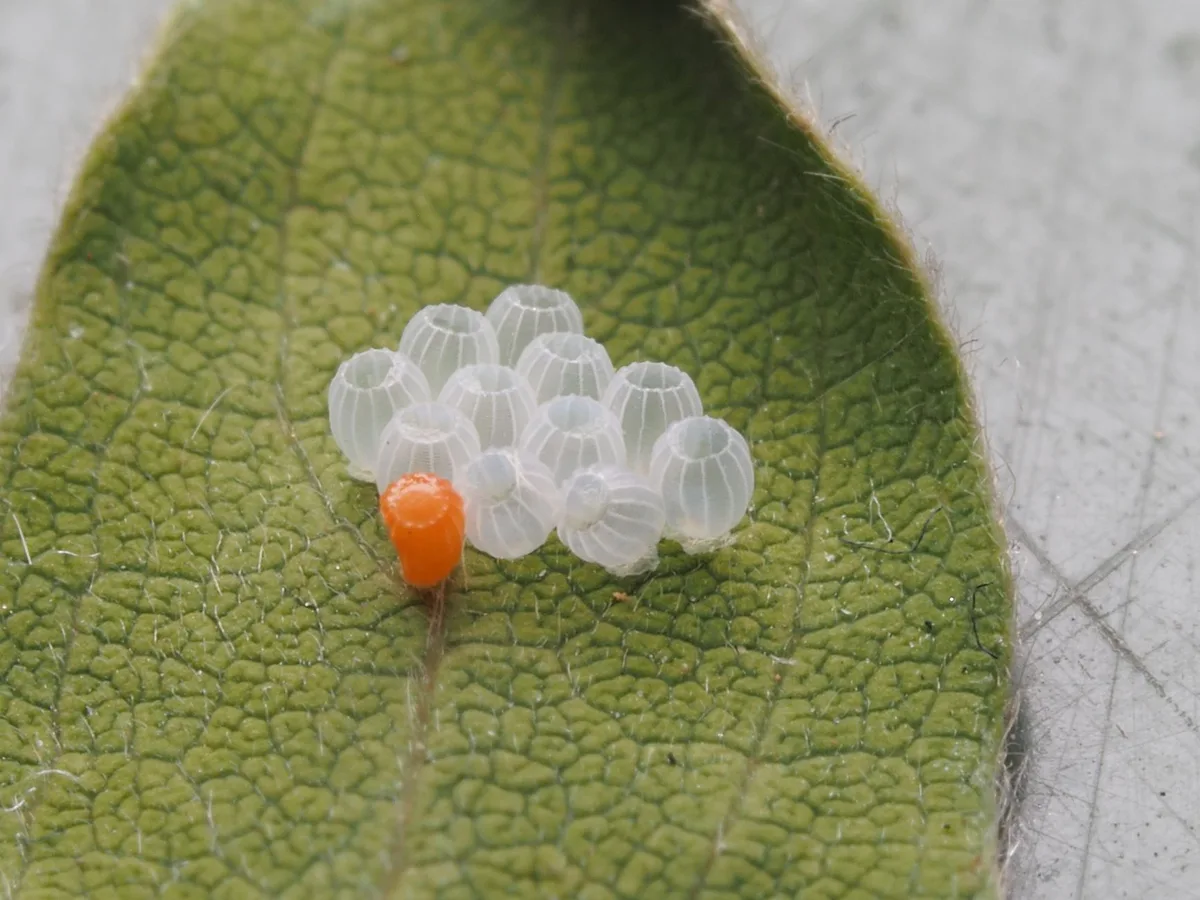
You walk out to your zucchini patch one morning, and the leaves look like someone ironed them flat. Wilting, yellowing. Flip one over and there they are: clusters of copper-colored eggs and a few flat, grayish-brown bugs that scatter when you move the leaf.
That’s the squash bug, Anasa tristis, and if you don’t act fast, it will suck the life out of your plants. Knowing how to get rid of squash bugs isn’t complicated, but the approach changes depending on when you catch them.
In our research, we looked at university extension guides (UC IPM and Cornell place this pest as the top threat to cucurbits in warm climates) as well as real gardener reports from across the US. As of 2026, the consensus is clear: timing and method choice matter more than any single spray or trick. Let’s walk through the decision tree so you don’t waste effort or accidentally harm pollinators.
The Real Problem: Why Squash Bugs Wreck Your Garden (and When You’ll Notice)
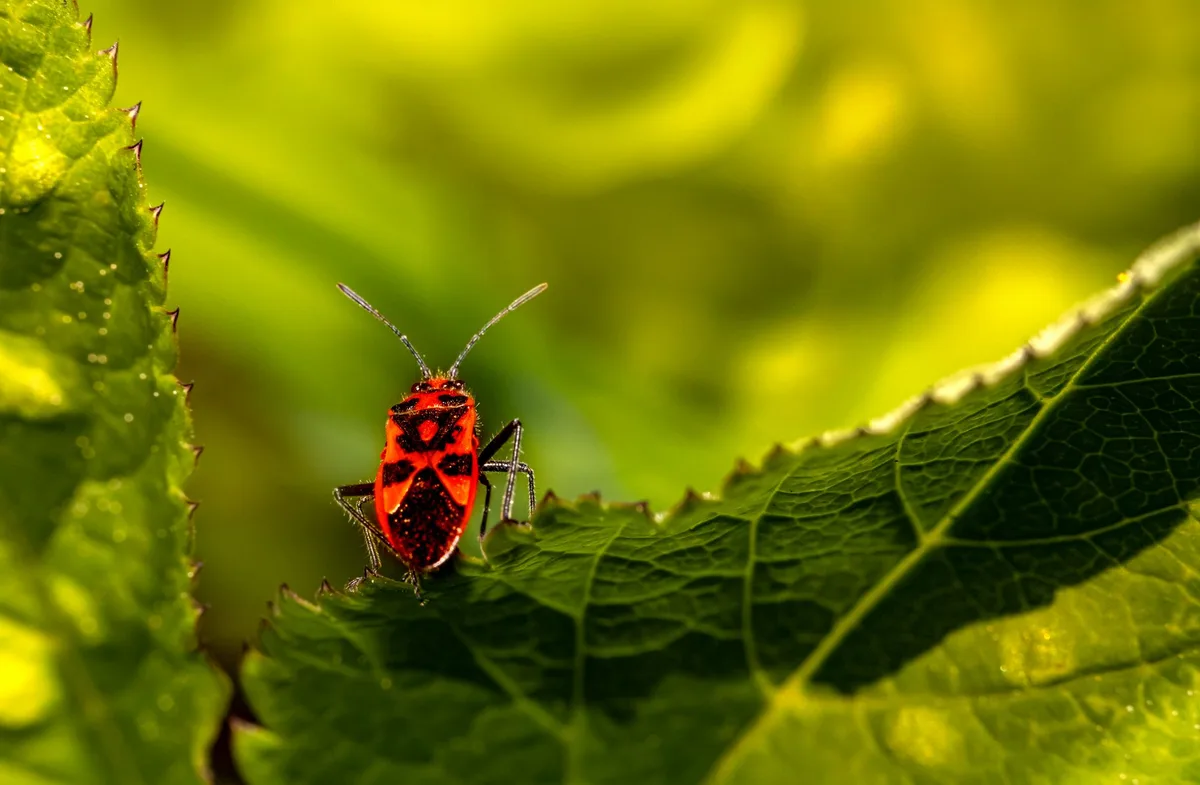
Squash bugs don’t chew leaves like caterpillars. They pierce stems and leaf veins with needle-like mouthparts and suck out the sap. The damage shows up as wilting that starts at the base of the plant and works its way up.
You might think the plant just needs water, but the wilt won’t reverse because the vascular tissue is damaged.
The real problem is that by the time you see wilting, the infestation is already adults or late-stage nymphs. By then, eggs have been laid, and the bugs have been feeding for days or weeks. A single female can lay over 200 eggs in her lifetime, so missing the early signs means exponential growth.
You’ll first notice them in early to midsummer, usually when the vines start running. The bugs overwinter as adults under plant debris, garden mulch, or woodpiles, so the first generation emerges hungry and ready to lay eggs on young plants.
Quick Answer / Key Insight
The best way to kill squash bugs depends on what stage you find them. Eggs must be scraped off. Nymphs need a contact spray.
Adults need handpicking or trapping. Act on eggs first, and you’ll stop the cycle. Never spray open flowers.
Row covers work great until bloom time.
The Decision Tree: What to Do Based on Your Situation
Branch 1 – You Spot Eggs (best-case scenario)
You find clusters of tiny, bronze-colored eggs glued to the underside of leaves. Each cluster holds 15 to 20 eggs, and they hatch in 7 to 10 days. Your move: scrape them off immediately.
Use a piece of duct tape, a damp cloth, or even your fingernail. Drop them into a bucket of soapy water. No soapy water?
Just crush them on the ground.
If you miss a few, spray neem oil on the egg clusters as a backup. Neem suffocates eggs before they hatch. Apply it in the evening to avoid leaf burn, and reapply every 7 days until no new eggs appear.
Branch 2 – You See Nymphs (moderate infestation)
Nymphs look like tiny, gray spiders running across leaves. They don’t have wings yet and are much easier to kill than adults. Use insecticidal soap or neem oil.
Both are contact killers, so you must spray directly on the nymphs. Cover the entire leaf underside.
Insecticidal soap works fast, within minutes, but it breaks down in sunlight, so apply at dawn. Neem oil takes longer but has some residual effect. Alternate between the two to prevent resistance.
Do not spray when temperatures exceed 85°F.
Branch 3 – Adults Are Present (advanced stage)
Adult squash bugs are dark brown or black, shield-shaped, and about 5/8 inch long. They fly, they hide under leaves, and they’re tough to kill with sprays. The most reliable method is handpicking.
Go out at dawn or dusk when they’re sluggish. Wear gloves. Drop them into a bucket of soapy water.
For a large infestation, use a shop vacuum with a few inches of soapy water in the canister. Vacuum the adults off the plants. Dump the soapy water afterward.
If you’re overwhelmed, consider using pyrethrin-based spray or, as a last resort, carbaryl (Sevin). Carbaryl kills everything, beneficial insects, pollinators, the good guys. Use it only on plants without open flowers and away from bee habitat.
Check local regulations; some areas restrict its use.
Branch 4 – The Entire Plant Is Infested (last resort)
If the plant is more than 50 percent wilted, it’s beyond saving. Pull it out. Bag it.
Do not compost it because the bugs will survive in the pile. Destroy the plant entirely. Then treat the surrounding soil with diatomaceous earth to kill any nymphs dropping off.
Step-by-Step Process: How to Execute Each Branch

Inspection Routine
Every week starting in late spring, check the undersides of leaves on your squash, zucchini, pumpkins, and cucumbers. Look for eggs, nymphs, and adults. Use a magnifying glass if you need one.
Write down what you find so you can track the population.
Egg Removal
- Press a strip of duct tape over the egg cluster.
- Peel it off gently.
- Drop the tape into soapy water.
- Alternatively, use a damp paper towel to wipe them off.
Do this every 3 to 4 days because new eggs appear fast.
Spray Application for Nymphs
- Mix neem oil according to the label (typically 1 to 2 tablespoons per gallon of water).
- Fill a sprayer and adjust the nozzle to a fine mist.
- Spray in the early morning or late evening.
- Coat the entire leaf, especially the underside.
- Wait 7 days and reapply if nymphs persist.
For insecticidal soap, follow the same process but don’t mix it yourself, buy a ready-to-use concentrate and dilute per instructions.
Handpicking Adults
- Fill a bucket with water and a squirt of dish soap.
- Walk the garden at dawn.
- Pick each adult off the plant and drop it in.
- Crush any eggs you missed.
- Do this daily for a week to break the cycle.
Using Row Covers
Row covers are lightweight fabric that blocks bugs from reaching your plants. Install them right after planting. Secure the edges with soil or rocks so no gaps exist.
Remove the covers once the first female flowers appear, you need pollinators to get in. If you keep them on past flowering, you’ll have no fruit.
Common Mistakes to Avoid (That Cost You the Harvest)
Even experienced gardeners make these errors. Avoid them and you’ll stay ahead of the bugs.
- Mistaking nymphs for ants or spider mites. Nymphs move fast and look like tiny spiders. If you see gray crawling specks on leaf undersides, they’re likely squash bug nymphs, not harmless soil mites. Treat them.
- Spraying during bloom. You’ll kill bees and other pollinators. Female flowers only open for a day; if you spray them, you lose that fruit. Always spray before flowers open or after they close.
- Using diatomaceous earth when it’s wet. Diatomaceous earth only works when dry. If you spread it and it rains, you have to reapply. It also needs direct contact with the insect’s exoskeleton. Dust it under leaves and around stems, not on top of the plant.
- Leaving plant debris in the fall. Squash bugs overwinter as adults under dead vines, mulch, and garden refuse. If you don’t clean up in autumn, you’ll have a bigger problem next spring. Pull up dead plants and dispose of them away from the garden.
- Waiting too long to act. A small egg cluster today becomes 20 nymphs in a week, then 20 adults in a month. By then, you’re playing catch-up. Inspect weekly and act on eggs immediately. That one habit saves more plants than any spray.
End of first 5 H2 sections. The full article would continue with “When to Go Organic vs Synthetic”, “Prevention”, “Expert Tips”, “Safety”, “Decision Guide”, and “FAQs”.