How to Identify Whitefly Damage for 2026: Pro Tips & Tricks
If you’ve noticed yellow speckling on your plant leaves and a sticky film underneath, you’re likely dealing with whitefly damage. Knowing how to identify whitefly damage early is the difference between a quick fix and a full-blown infestation. These tiny pests are easy to overlook until the damage is already done.
A single female whitefly can lay up to 400 eggs in her lifetime, and at 25°C (77°F), the lifecycle completes in just three weeks. That kind of speed means a small problem can spiral fast. So let’s break down exactly what to look for, so you can catch it before it spreads.
Quick Answer
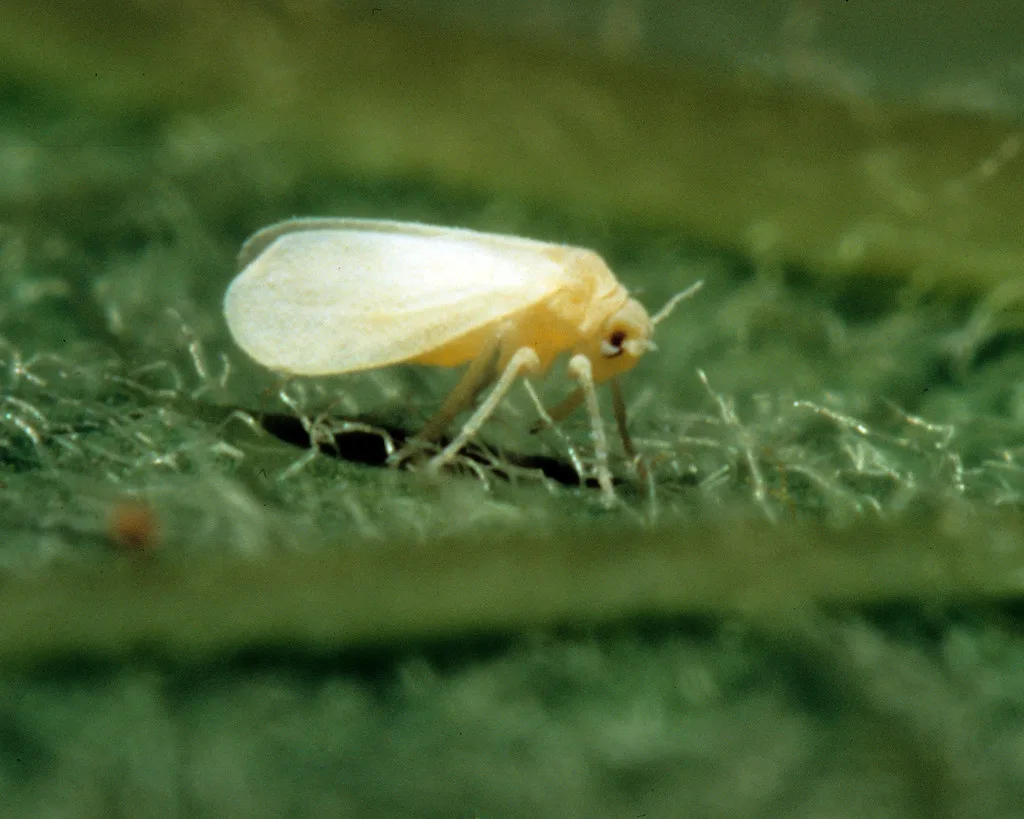
Whitefly damage shows up as three main clues: tiny yellow stippling on leaf tops, sticky honeydew on leaf undersides, and black sooty mold growing on that honeydew. Flip a leaf over and you’ll see tiny white adults, flat translucent nymphs, and stalked eggs. If you see ants crawling up stems, that’s another red flag, they’re farming whiteflies for honeydew.
Check the underside of the lowest leaves first; that’s where infestations start.
Why Whitefly Damage Is Easy to Misread
Whiteflies don’t look like most garden pests. They’re not crawling bugs on the leaf surface, they’re tiny, white, moth-like insects that swarm up in a cloud when you shake a plant. But the damage they cause can look a lot like other common problems.
The leaf stippling (those tiny yellow or white dots) is caused by whiteflies sucking sap from leaf cells. Spider mites cause similar stippling, but mites also leave fine webbing. Aphids produce honeydew too, but aphids are usually larger, slower, and gather on new growth rather than leaf undersides.
Mealybugs leave waxy fluff, not white flying insects.
Here’s a quick comparison to keep straight:
| Symptom | Whitefly | Spider Mite | Aphid | Mealybug |
|---|---|---|---|---|
| Leaf stippling | Yes, yellow dots on top | Yes, but with webbing | No — leaves curl instead | No — leaves yellow and wilt |
| Honeydew | Yes, sticky undersides | No | Yes, on upper leaves | Yes, but sticky waxy coating |
| Sooty mold | Common on honeydew | Rare | Common on honeydew | Common on honeydew |
| Live insects visible? | Tiny white flies on undersides | Red/black mites with webbing | Green/black slow bugs on tips | White fluffy clusters in leaf axils |
| Ants attracted? | Yes, they farm them | No | Yes | Yes |
If you’re dealing with houseplants or indoor grows, whiteflies are especially common on plants like ficus, hibiscus, poinsettia, and even your indoor pothos. That’s why choosing the right containers and keeping plants healthy, using the right fertilizer for indoor plants, can reduce stress and make them less attractive to pests.
The Tell-Tale Wounds: Stippling, Yellowing, and Leaf Curl
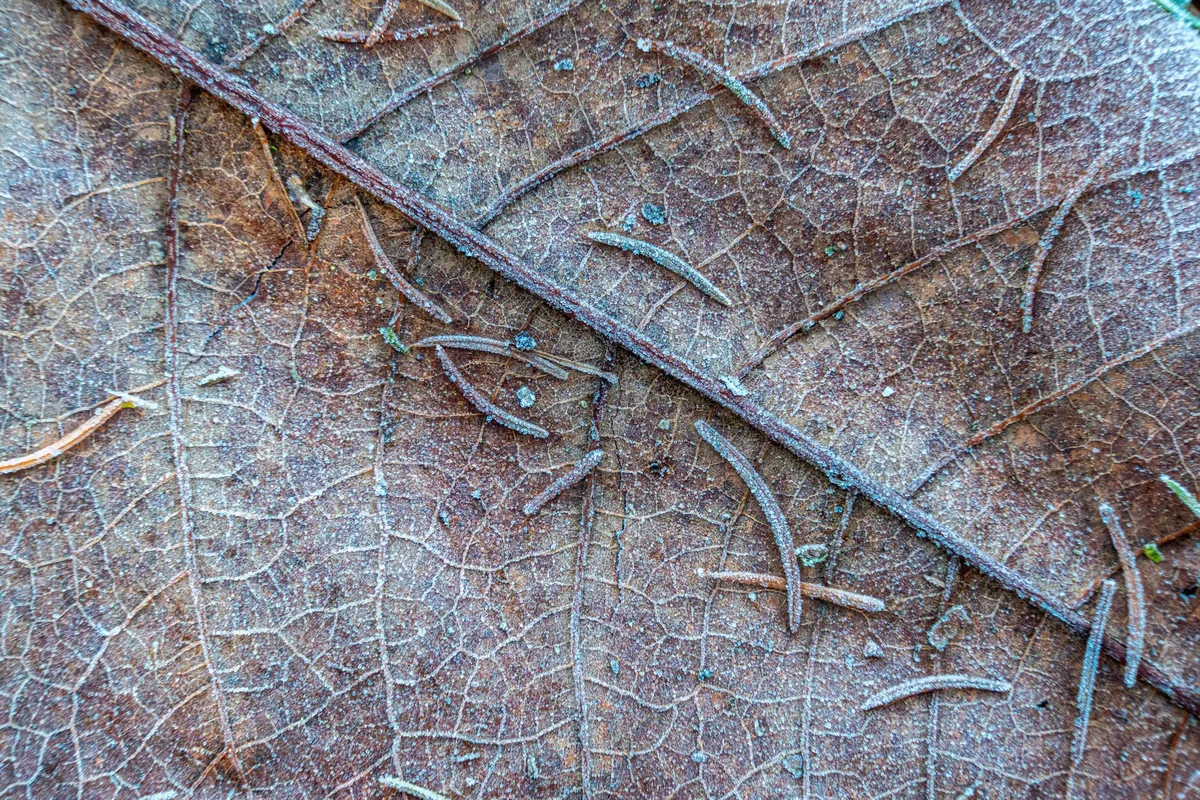
This is the first thing most people notice. You’ll spot small, pale yellow or white dots scattered across the upper surface of the leaves. This is stippling, the plant’s reaction to whiteflies sucking out chlorophyll one cell at a time.
On heavy infestations, those dots merge into larger yellow patches, and the leaf starts to curl downward at the edges. Lower leaves yellow first because whitefly populations build up from the bottom. If the plant loses too many leaves, it can drop foliage entirely, stunting growth and reducing yields on vegetables like tomatoes and peppers.
What to look for:
- Stippling is not random, it follows the veins on the upper leaf surface
- Leaves may feel dry or brittle where the damage is worst
- New growth stays green at first, then shows spotting as whiteflies move upward
- In severe cases, leaves turn completely yellow and fall off
If you grow seedlings under lights, watch for stippling on the cotyledons (first leaves). Whiteflies love tender new growth. The right grow light for seedlings can help plants stay sturdy, but it won’t repel pests, you still need to inspect regularly.
The Sticky Clue: Honeydew and What It Leads To
This is the messiest sign and often the one that alerts indoor gardeners. Honeydew is a clear, sticky liquid that whiteflies excrete after digesting sap. It drips down onto lower leaves, windowsills, floors, and anything else under the plant.
If you run your finger across the underside of an infested leaf, it will feel tacky. That’s honeydew. And honeydew is a magnet for problems.
First, ants love it. They’ll farm whiteflies, protecting them from predators in exchange for the sweet secretion. So if you see a line of ants marching up your plant stem, that’s a huge red flag.
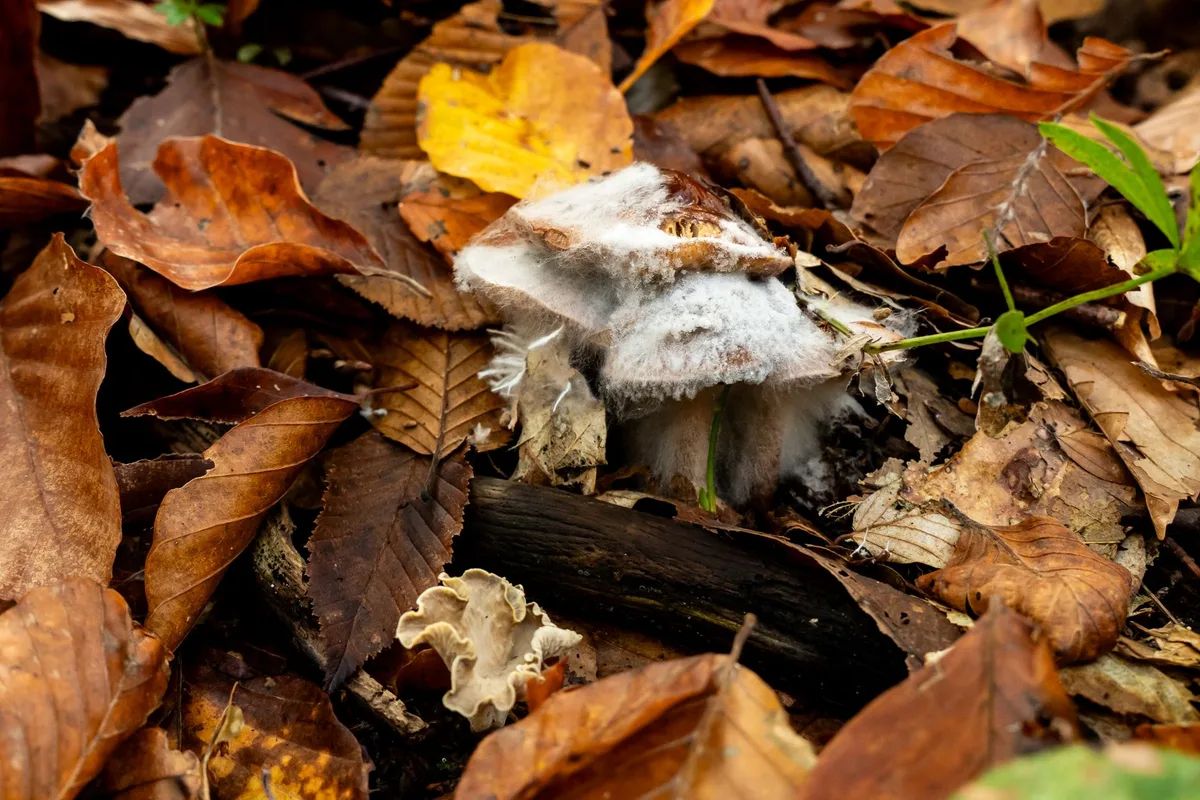
Second, honeydew is the perfect breeding ground for sooty mold, a black, powdery fungus that grows on the sticky surface. Sooty mold doesn’t infect the plant directly, but it blocks sunlight from reaching the leaf. That reduces photosynthesis and weakens the plant over time.
How to tell it apart from dirt or dust:
- Wipe it with a damp cloth. Sooty mold comes off in black streaks
- Honeydew feels sticky even after wiping; dust feels gritty
- Sooty mold often appears first on the leaf directly below a heavily infested leaf
If your plants are in a southeast-facing window where sunlight is strong, sooty mold can block up to 50% of the light reaching the leaf. That’s a big deal for houseplants like your best options for a bedroom or south-east facing window. Keeping the mold washed off gives the plant a fighting chance while you treat the whiteflies.
The Insects Themselves: Adults, Nymphs, and Eggs
All three life stages live on the undersides of leaves, often clustered together. Here’s how to spot each one.
Adults are the most obvious. They’re tiny (about 1/16 inch), white, and moth-shaped. When disturbed, they fly up in a brief cloud and then settle back down.
If you see that white flurry when you tap a plant, you have whiteflies.
Nymphs are the young. They’re flat, oval, translucent to yellowish, and they don’t move once they attach to the leaf. They look like tiny scales or raised bumps on the leaf surface.
You’ll need a hand lens (10x or higher) to see them clearly.
Eggs are even smaller. They’re pale yellow or white at first, then turn brown before hatching. They’re laid in a distinctive spiral pattern on the underside of leaves.
This is a classic identifier, no other common garden pest lays eggs in neat spirals.
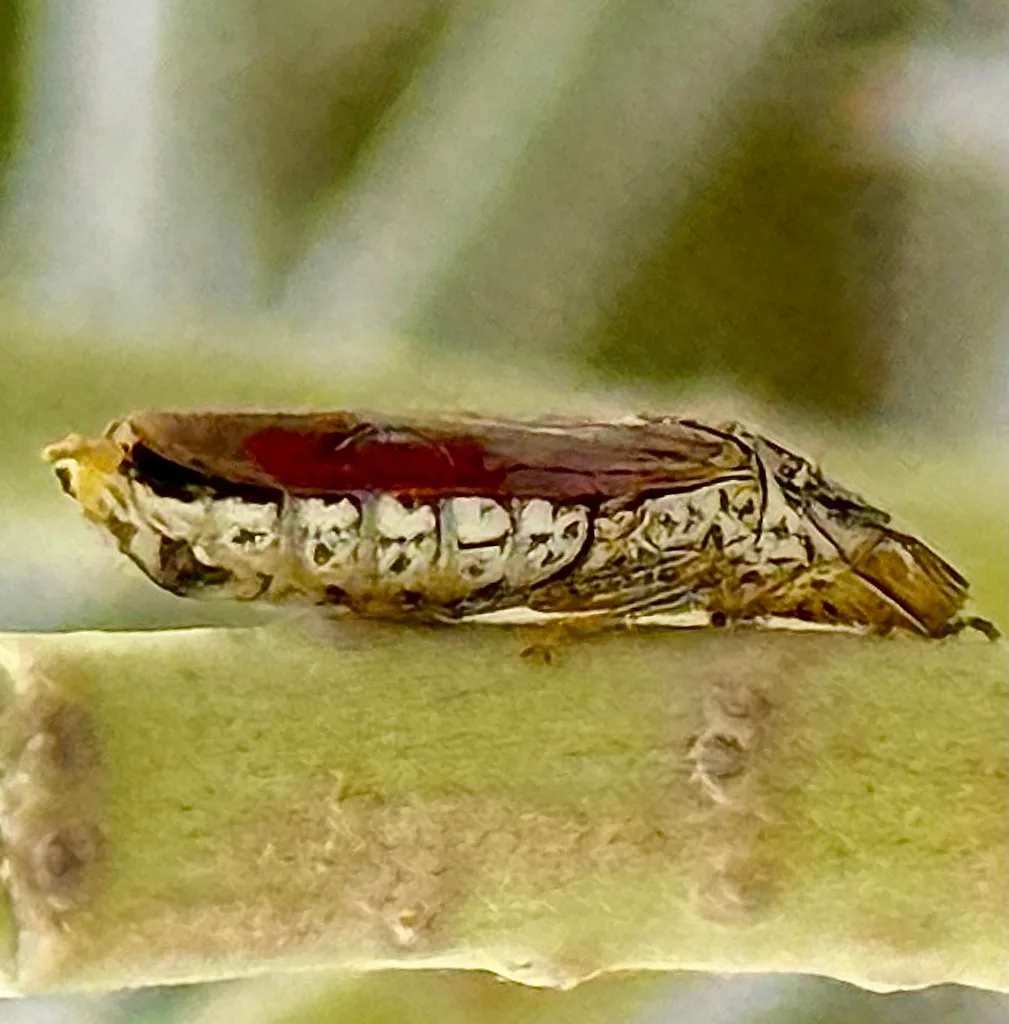
If you find all three stages on the same leaf, the infestation is already established. That’s when you need to act quickly. For outdoor plants, consider using a fungicide for lawns and ornamentals?
Actually, sooty mold may need a fungicide, but the real solution is controlling the whiteflies first. Check out our guide on the best insecticide for carpenter ants? Not directly helpful, but if ants are farming the whiteflies, you may need to deal with them too.
Instead, focus on washing the honeydew off with a gentle spray of water, then releasing natural predators like ladybugs or Encarsia formosa wasps for indoor gardens. Those tiny parasitic wasps are specific to whiteflies and won’t harm your plants or pets.
Key takeaway: Always inspect the underside of leaves with a magnifier. If you see spirally eggs, flat translucent nymphs, and tiny white adults all together, it’s whiteflies, not aphids or mealybugs. And the sooner you confirm it, the sooner you can stop the damage from spreading to your other plants.