Guide to Can Mealybugs Kill Plants: What Actually Works
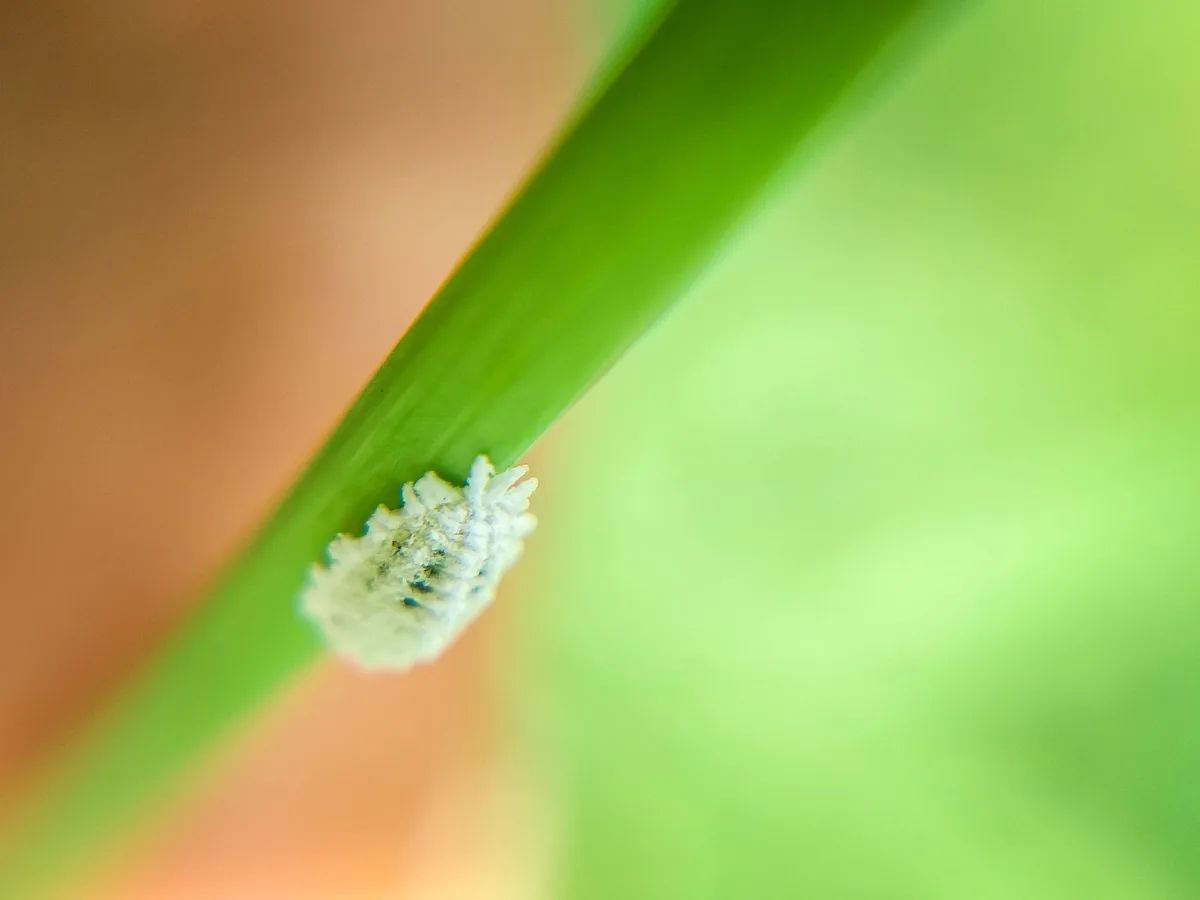
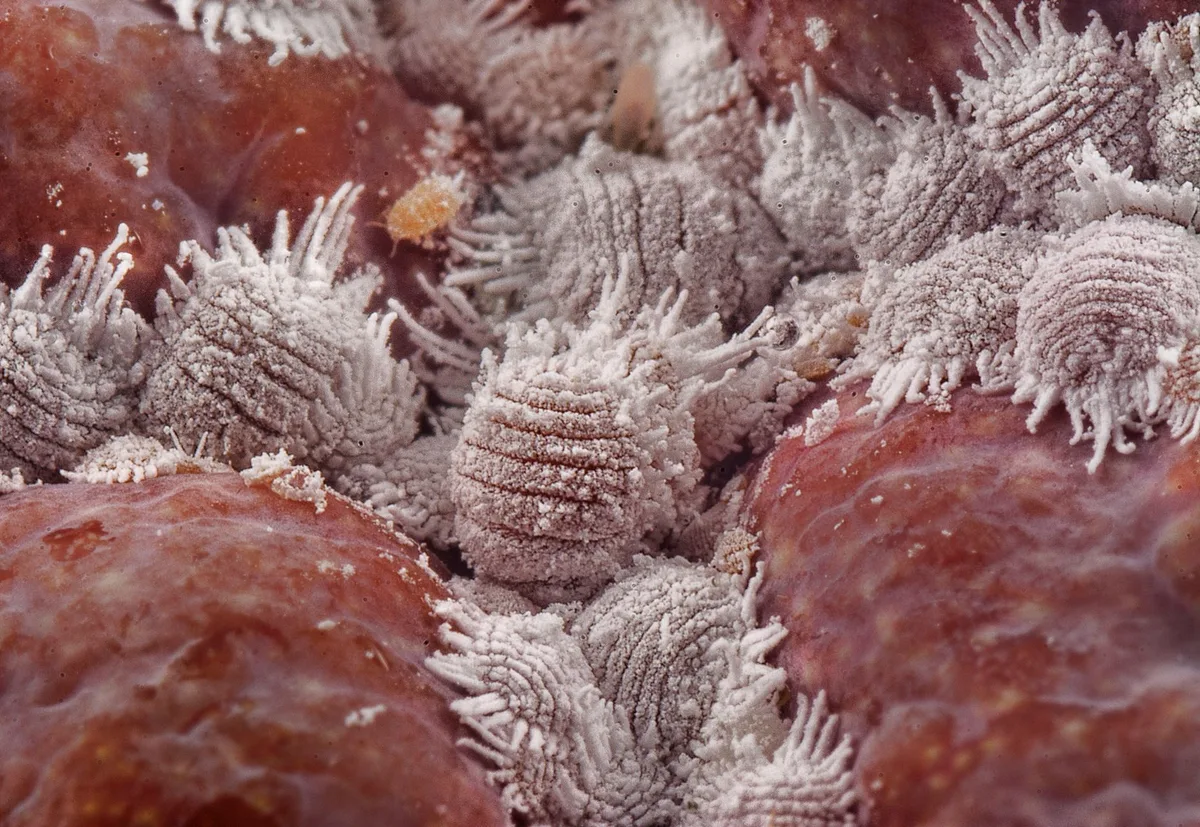
You’re looking at a plant you’ve cared for months, maybe years. The leaves are turning yellow. There’s this weird white fuzz in the creases.
And now you’re wondering: can mealybugs kill plants, or is this just an ugly cosmetic problem? The honest answer is yes, they absolutely can kill a plant, but it takes the right conditions and enough time.
A single mealybug won’t do it. But a full-blown infestation, left untreated, will drain your plant’s energy, block its ability to photosynthesize, and open the door to fungal diseases. University extension data shows that a moderate to severe infestation can kill a small houseplant within 2 to 4 weeks, especially if the plant is already stressed.
That’s why getting the facts straight matters more than you might think.
Quick Answer
Yes, mealybugs can kill plants. These pests feed on sap, weakening the plant. They also produce honeydew that grows sooty mold.
Small plants or stressed plants die fastest. Early treatment saves most plants.
Why Accurate Info Matters (and Why Guessing Can Kill Your Plant)
Here’s the thing: a lot of advice out there is either too casual or too extreme. You’ll hear “just wipe them off with alcohol” or “throw the plant away.” Neither is helpful if you don’t know the real risk your plant is facing.
The danger comes from the combination of sap loss and secondary infections. Mealybugs have piercing-sucking mouthparts. They tap directly into the plant’s vascular system, the same pipelines that move water and nutrients.
Each bug draws a tiny amount. A hundred bugs, each feeding day and night, add up to a serious drain. Over time, the plant can’t produce enough energy to replace what’s lost.
What makes it worse is the honeydew. That sticky, sugary waste coats leaves and stems. It blocks light from reaching the leaf surface, which reduces photosynthesis.
Then sooty mold spores land on the honeydew and start growing. The black coating further blocks light and eventually the leaf can’t function at all. Whole branches can die back.
If you rely on guesswork, “maybe it’ll go away on its own” or “I’ll just spray once and call it done”, you risk letting the infestation reach a point where recovery is impossible. That’s why this article covers the actual process: how mealybugs kill, which plants are most vulnerable, and exactly what to do at each stage.
What Mealybugs Actually Do to a Plant — The Damage Chain
Let’s break down the damage step by step. It’s not just one thing; it’s a cascade.
1. Sap loss (direct damage)
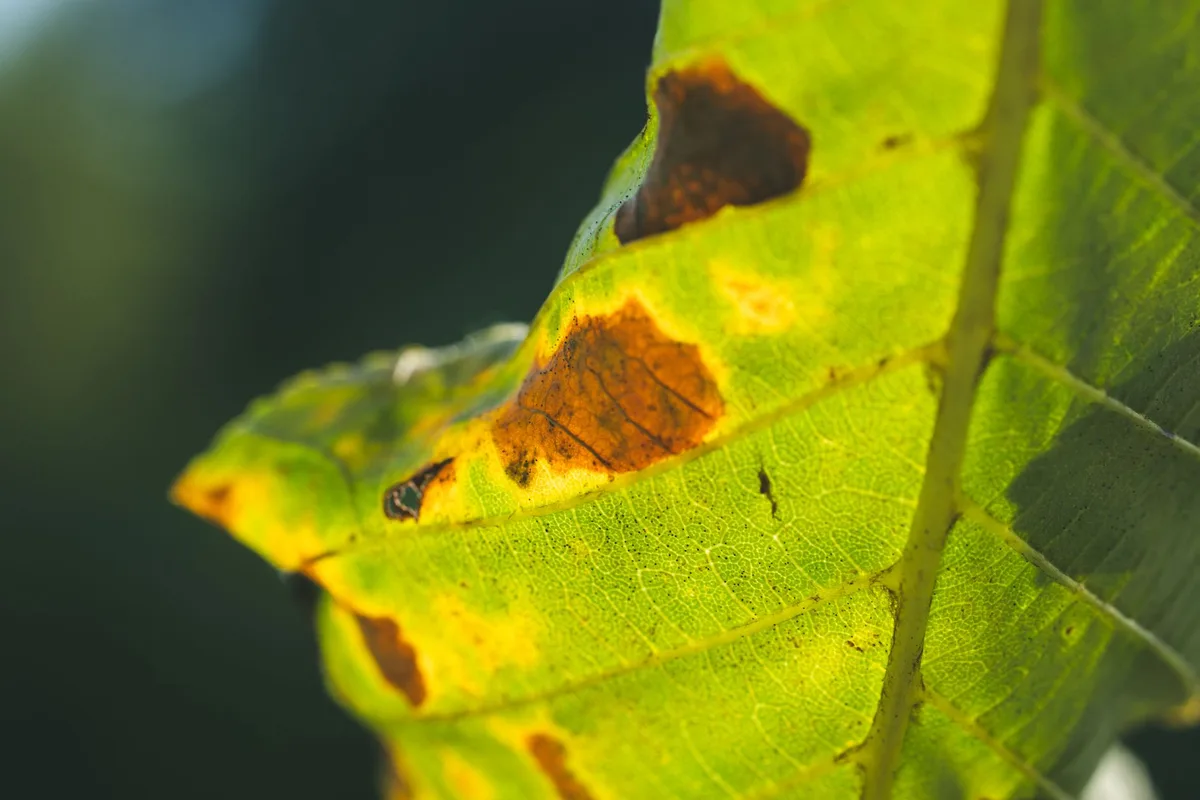
Each mealybug feeds by inserting its stylet into phloem tissue. The plant loses water, sugars, and amino acids. A heavy infestation can drain a small plant of a significant portion of its resources every day.
Look for these early signs:
- Leaves turn pale or yellow
- New growth looks stunted or distorted
- Leaf drop, starting from the bottom
2. Honeydew and sooty mold (indirect damage)
Mealybugs excrete honeydew constantly. It drips onto lower leaves, stems, and even the soil surface. Within days, sooty mold fungi start growing.
The mold does not infect the plant directly, but it blocks light from reaching the leaf surface. A leaf covered in sooty mold photosynthesizes poorly, making the energy deficit worse.
3. Root mealybug damage (hard to spot, fast to kill)
Root mealybugs are a separate variant that live below the soil. They feed on root hairs and fine roots. The above-ground symptoms, wilting, yellowing, slow growth, look exactly like overwatering or underwatering.
By the time you notice, the root system is already compromised. This is one of the fastest ways to lose a plant.
4. Secondary infections
Weakened plants are more vulnerable to fungal and bacterial pathogens. Root rot, stem rot, and leaf spot diseases often follow a mealybug infestation. The plant’s natural defenses are already low from sap loss, so an infection that would normally be shrugged off becomes fatal.
The damage timeline varies by plant size and health. A healthy, mature plant with a few bugs may show no symptoms for weeks. A succulent with a hundred bugs can look dead in 10 days.
That’s why knowing the risk factors is crucial.
The Real Risk Factors: Which Plants Are Most Vulnerable
Not all plants face the same threat level. Some are mealybug magnets. Others are naturally resistant.
If you know which category your plant falls into, you’ll know how fast to act.
High-risk plants (act fast)
| Plant Type | Why Vulnerable |
|---|---|
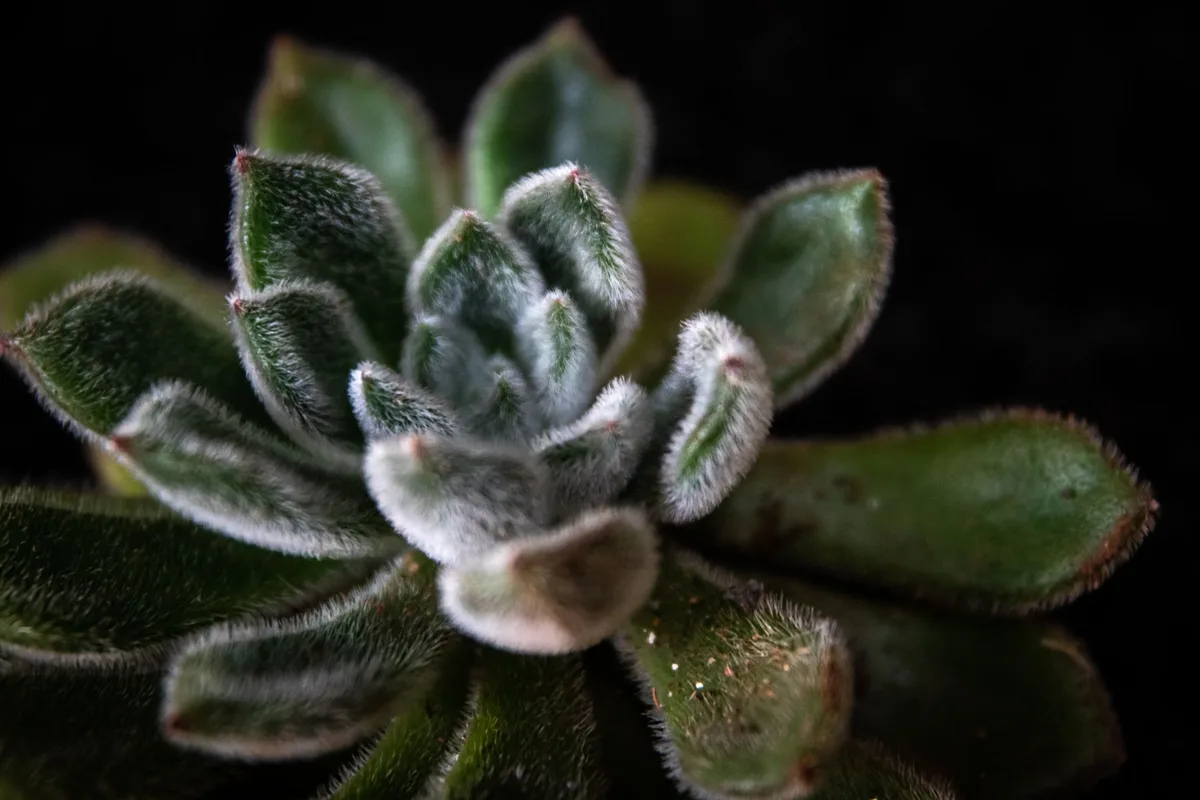
| Succulents and cacti | Tight leaf rosettes hide bugs; shallow roots get damaged quickly |
| Orchids | Mealybugs hide under sheaths and in bark crevices; hard to spot |
| Ficus trees (rubber plants, fiddle-leaf figs) | Large leaves collect honeydew; bugs cluster on stems and leaf axils |
| Citrus (indoor) | Mealybugs thrive on new growth; ants often farm them |
| Hoyas, jasmine, gardenia | Soft, tender growth is a prime food source |
Moderate-risk plants
Most standard houseplants, pothos, philodendrons, spider plants, peace lilies, can tolerate a few mealybugs for a while, but they decline steadily if the infestation grows. They are also harder to treat because the bugs hide in leaf sheaths and stem junctions.
Low-risk plants
Plants with tough, waxy leaves or naturally repellent oils, such as most culinary herbs, cacti with dense spines (not all), and some ferns, rarely get serious infestations. But no plant is completely immune.
The biggest risk multiplier is indoor conditions. Indoors, mealybugs have no natural predators. Warm, dry air from heating in winter speeds up their lifecycle.
A single female can lay 300 to 600 eggs. In an indoor environment, that population can double every week or two.
Plant stress also matters. A plant that is already struggling from low light, overwatering, or nutrient deficiency is a much easier target. A healthy, well-fed plant can fight off a small infestation on its own.
A stressed one can’t.
How to Tell If Your Plant Is at Risk of Dying (Not Just Annoyed)
This is the most important skill: knowing when the situation is serious versus when you still have time. Here’s what to look for, ranked by urgency.
Level 1, Low risk (you have weeks to months)
- You see fewer than 10 visible adults or nymphs
- No signs of honeydew or sooty mold
- The plant looks healthy otherwise
- Action: spot treat and monitor weekly
Level 2, Moderate risk (you have days to weeks)
- 10, 50 visible bugs across multiple leaves or stems
- Sticky honeydew on leaves or nearby surfaces
- A few leaves turning yellow or dropping
- Sooty mold starting on some leaves
- Action: start full treatment protocol immediately
Level 3, High risk (you have days)
- 50+ bugs visible, plus egg sacs
- Honeydew dripping onto soil or furniture
- Heavy yellowing, leaf drop, or wilting
- Sooty mold covering multiple leaves
- Stunted new growth
- Action: aggressive treatment or consider discarding if plant is small
Level 4, Critical risk (hours to days)
- Root mealybugs suspected (plant wilts even when watered)
- Stem or leaf collapse
- Extensive sooty mold covering most leaves
- Plant has lost over half its leaves
- Action: only attempt rescue if plant has high sentimental value; otherwise discard
The key indicator is whether the plant is still actively growing. If you see new leaves coming in, even if buggy, that’s a good sign. If growth has stopped entirely and leaves are dropping fast, the plant is in trouble.
One more clue: ants. Ants are attracted to honeydew. If you see ants crawling on your plant or potting soil, they are likely farming mealybugs.
That means the infestation is established enough to produce a steady honeydew supply. Ants will even fight off beneficial insects to protect the mealybugs. This is a strong signal that you’re past the early stage.
Now that you can assess the risk level, it’s time to act. The next section covers exactly how to rescue your plant, step by step, from that first sighting of fuzz to full recovery. We’ll also go over the common mistakes that turn a fixable problem into a dead plant.
The Step-by-Step Rescue Plan (From First Bug to Full Recovery)
You’ve spotted the white fuzz. Now move fast. Here is the treatment sequence that works, based on aggregated pest management protocols from university extension programs.
Step 1: Isolate the plant immediately. Move it away from every other plant. A single infested plant can spread crawlers to healthy neighbors within days. Keep it isolated for at least two weeks after the last bug sighting.
Step 2: Remove visible bugs manually. Dip a cotton swab in 70% isopropyl alcohol. Dab each bug and egg sac directly. The alcohol dissolves the waxy coating and kills them on contact.
This step removes the bulk of the population before you spray.
Step 3: Spray the whole plant. Mix one part 70% isopropyl alcohol with two parts water. Test one leaf first. Wait a day.
If no burn shows, spray the entire plant thoroughly. Cover every leaf surface, stem, and leaf axil. Spray from above and below the leaves.
Step 4: Treat the soil for root mealybugs. If the plant is wilting despite moist soil, root mealybugs are likely present. Apply a systemic insecticide soil drench labeled for mealybugs. Follow the label rates exactly.
Alternatively, repot the plant in fresh soil after washing the roots.
Step 5: Repeat every five to seven days. This is the step most people skip. Eggs survive the first spray. They hatch days later.
A single treatment cycle misses the next generation. Repeat the alcohol spray at weekly intervals for three to four weeks minimum.
Step 6: Quarantine after the last bug. Keep the plant isolated for two more weeks after you see zero bugs. Inspect closely every few days. If nothing reappears, it can rejoin your collection.
For small infestations on tough plants, spot-treating with a rubbing alcohol swab and a single follow-up spray may be enough. For heavy infestations, plan on the full multi-week protocol.
Common Mistakes That Make Things Worse
Using dish soap as a spray. Dish soap is designed to cut grease on dishes. It strips the waxy protective layer from plant leaves. Many houseplants get chemical burns from dish soap sprays.
Stick with 70% isopropyl alcohol or insecticidal soap formulated for plants.
Treating once and stopping. The adult bugs you see may be dead after one spray. The eggs laid days before the spray are not. They hatch three to ten days later, and suddenly the infestation is back worse than before.
Break this cycle with repeat treatments.
Overwatering during treatment. Stressed plants get extra water from concerned owners. Combined with alcohol sprays, this creates perfect conditions for root rot. Water only when the top inch of soil is dry.
Let the plant dry out between waterings.
Ignoring the quarantine step. You treat the infested plant, but crawlers have already spread to nearby plants. Treating one while ignoring others means re-infestation within days. Move the infected plant away and inspect every plant within three feet.
Using systemic insecticides on edible plants. If you grow herbs or vegetables indoors, do not use systemic neonicotinoids on them. These chemicals move into the plant tissue. They are not labeled for edible crops.
Stick with alcohol and soap sprays for edible plants instead.
Spraying in direct sunlight. Alcohol and water mix can magnify sunlight through water droplets. This causes leaf burn. Spray in the evening or move the plant to shade before spraying.
When to Discard vs. When to Treat — The Honest Decision Guide
Not every plant is worth saving. Here is how to decide based on the factors that matter.
| Factor | Treat | Discard |
|---|---|---|
| Plant value | Rare, sentimental, or expensive | Common, cheap, easily replaced |
| Infestation level | Less than 50% of leaves affected | Over 50% of leaves covered or collapsing |
| Plant size | Large, mature plant with healthy roots | Small seedling or cutting with few leaves |
| Root health | Roots look white and firm | Roots are brown, mushy, or have root mealybugs |
| Treatment history | Never treated before or only light infestation | Has failed multiple treatment cycles already |
| Plant type | Tough, resilient species | Known delicate species already declining |
Treat if: the plant is meaningful to you and still has energy to recover. A healthy mature plant with a moderate infestation has a strong survival chance.
Discard if: the plant is small, heavily infested, and you have other healthy plants nearby. The risk of re-infestation is not worth the effort. Also discard if root mealybugs have already damaged the root system beyond repair.
A plant that wilts even when watered is closer to death than recovery.
The in-between case: if you are unsure, isolate the plant and treat aggressively for two weeks. If you see new growth appear, continue. If the plant continues declining, discard.
How Long Until a Plant Dies? Real Timelines to Watch
The time from first visible bugs to plant death varies with plant size and health. Here are realistic estimates based on observed indoor infestations.
| Plant Type | Infestation Level | Time Until Critical Damage | Time Until Death (untreated) |
|---|---|---|---|
| Small succulent (2-3 inch pot) | Heavy (50+ bugs) | 5-7 days | 10-14 days |
| Medium houseplant (6-8 inch pot) | Heavy (100+ bugs) | 2-3 weeks | 4-6 weeks |
| Large ficus (10+ inch pot) | Heavy (200+ bugs) | 4-6 weeks | 8-12 weeks |
| Any plant, light infestation (<10 bugs) | Light | No significant risk for 4-6 weeks | Unlikely to die without major stress |
These timelines assume no intervention and average indoor conditions around 70°F with low humidity. Higher temperatures speed up mealybug reproduction and shorten the timeline. Lower temperatures slow them down but do not stop them.
The key takeaway: a light infestation gives you weeks to months. A heavy infestation on a small plant gives you days. Act accordingly.
Preventive Habits That Stop Infestations Before They Start
Quarantine every new plant for two weeks. This is the single most effective prevention. Most infestations start from a new plant that looked clean but carried hidden eggs or nymphs. Keep new arrivals in a separate room.
Inspect them weekly. Only introduce them to your collection after you are sure.
Inspect your plants weekly. Look at leaf axils, stem junctions, the underside of leaves, and the rim of the pot. Check the soil surface for white fuzz. Early detection takes seconds.
Late detection takes weeks of treatment.
Keep plants healthy but not pampered. A well-fed plant with proper light and watering resists pests better than a stressed one. But avoid excessive nitrogen fertilizer, which produces soft, tender growth that mealybugs prefer. Use a balanced fertilizer at the manufacturer’s recommended rate.
Maintain good airflow. Stagnant air encourages mealybug populations. Use a small fan near your plants on low speed for a few hours daily. This also helps prevent fungal issues.
Wipe leaves regularly. Dust on leaves can hide early infestations. Wiping leaves with a damp cloth removes dust and gives you a chance to spot any white fuzz early.
Watch for ants. Ants crawling on or near your plants are a warning sign. They are likely farming mealybugs for honeydew. Control ant access to your plants and inspect closely for the bugs they are protecting.
Apply neem oil as a preventative (optional). A monthly spray of diluted neem oil can deter mealybugs from settling on your plants. It is not a cure for an active infestation, but it works as a gentle deterrent for healthy plants.
Expert Tips That Actually Make a Difference
Use a flashlight during inspections. Mealybugs hide in dark crevices. A bright light reveals cottony masses you would miss in normal room lighting.
Rotate treatment methods. If you use only alcohol sprays, some bugs may survive. Alternate between alcohol spray and insecticidal soap. This reduces the chance of resistance building up.
Treat the pot rim and saucer. Crawlers hide under the pot rim and in the saucer. Wipe these areas with alcohol during each treatment cycle.
Safety First: What’s Safe for You, Your Pets, and Your Plant
Isopropyl alcohol (70%) is safe for most plants but toxic if ingested. Keep it away from children and pets. Always spray in a well-ventilated area.
Systemic insecticides carry real risks. Neonicotinoids like imidacloprid are highly toxic to bees and aquatic life. Never use them on outdoor flowering plants. For indoor use, keep the plant away from pets that might chew the leaves.
Test any spray on one leaf first. Wait 24 hours. If the leaf burns, dilute the solution further or switch to a different product.
Wear gloves when handling heavy infestations. Some people develop skin irritation from prolonged contact with mealybug honeydew or alcohol.
FAQs — What People Get Wrong About Mealybugs and Plant Death
Can mealybugs live in the soil without a plant?
Yes, but not long. Root mealybugs live in soil feeding on roots. Above-ground mealybugs can survive in soil debris for a few days, but they need a host plant to thrive.
Will my plant recover after mealybugs are gone?
Most plants recover fully if the infestation was caught early and the roots are healthy. Expect new growth within a few weeks. Remove severely damaged leaves to encourage fresh growth.
Do mealybugs spread to other plants easily?
Yes, very easily. Crawlers are tiny and mobile. They travel on air currents, on your hands, or on clothing.
Quarantine is non-negotiable.
Can I use neem oil to kill mealybugs?
Neem oil works best as a preventative, not a cure. It smothers nymphs but struggles against the waxy coating of adult mealybugs. Use alcohol for active infestations and neem for maintenance.
Final Verdict: Can One Bug Kill a Plant? No. Can an Infestation? Absolutely.
A single mealybug is not a death sentence. But an infestation left unchecked will kill your plant. The difference is timing and action.
Catch it early, treat methodically, and your plant will bounce back. Ignore it, and you will eventually lose the plant entirely. You now have the knowledge to decide which path you take.