How to Prevent Whitefly Infestations 2026: Explained Simply
You’ve probably been there. You walk out to your tomato plants one morning, and a cloud of tiny white insects explodes from the undersides of the leaves. By the time you realize it’s whiteflies, they’ve already started multiplying.
Learning how to prevent whitefly infestations is the only way to stay ahead of these persistent little pests. Once they settle in, they’re a nightmare to evict.
Here’s the thing about whiteflies. A single female can lay 200 to 400 eggs in her short adult life, and the whole cycle from egg to egg takes just three weeks in warm weather. That means a small problem on Saturday can be a full-blown infestation by the next weekend.
But prevention isn’t complicated. It just requires knowing what you’re dealing with and acting at the right time. Let’s walk through exactly how to do that.
Quick Answer
Prevent whiteflies by combining physical barriers, monitoring, and early treatment. Use reflective mulch under susceptible crops. Install yellow sticky traps at canopy height.
Cover young plants with fine row cover fabric. Inspect leaf undersides every week. Release beneficial insects like Encarsia formosa at the first sign.
Avoid broad-spectrum sprays that kill natural predators. Healthy plants attract fewer whiteflies.
The Problem: That First Whitefly Is Never Alone
Whiteflies aren’t like aphids or spider mites that creep in slowly. They arrive as a pair, and within two weeks you have a hundred. The reason is their reproductive strategy.
Females lay eggs in neat spirals on the underside of leaves. Those eggs hatch into tiny crawlers that settle down and feed for about two weeks before turning into adults. And the adults don’t wait, they start laying eggs almost immediately.
The real damage comes from two things. First, the nymphs and adults suck sap from the plant, weakening it over time. Heavy infestations cause leaves to yellow, curl, and drop off.
Second, whiteflies excrete a sticky substance called honeydew. That honeydew attracts ants and encourages sooty mold to grow on the leaves. Once sooty mold sets in, photosynthesis takes a hit and the plant struggles even more.
What makes prevention so important is that whiteflies are fast. They can develop resistance to chemical sprays in just a few seasons. That’s why relying on a single spray is a losing strategy.
You need a system that stops them before they get established.
The Core Decision Tree: What to Do Based on Your Situation
Prevention looks different depending on where you are in the season and what you’re growing. Let’s break it into three scenarios so you know exactly which path to take.
Branch 1: You’re Starting Fresh (No Whiteflies Yet)
You have the advantage of time. This is the easiest situation to manage, and your goal is to keep it that way.
- Cover young plants with floating row cover fabric before whiteflies arrive. The fabric allows light, air, and water through but blocks adult whiteflies.
- Lay reflective mulch on the soil around susceptible crops like tomatoes, peppers, and squash. The silver surface confuses whiteflies as they try to locate the plants from above.
- Set out yellow sticky traps early. Put one trap for every 10 to 20 plants, staked at canopy height. Check them weekly to catch any early arrivals before they lay eggs.
- Choose companion plants that repel or distract whiteflies. Basil, marigold, and dill planted nearby can reduce their interest in your main crop. Pairing basil with tomatoes works especially well in warmer climates.
If you’re growing indoors or in a greenhouse, start your preventive routine at least two weeks before you bring new plants in. This is also the time to check your indoor plant fertilizer routine, because over-fertilized plants produce tender new growth that whiteflies love. You can find tips on balanced feeding in our guide to the best plant fertilizer for indoor plants.
Branch 2: You’ve Spotted a Few Whiteflies (Low Pressure)
You caught them early. Good. Now act quickly and methodically.
- Use a hand-held vacuum with a fine mesh bag to suck up visible adults. Do this in the early morning when they’re sluggish. Empty the bag into a bucket of soapy water immediately.
- Apply insecticidal soap to the undersides of all infested leaves. The soap must contact the whiteflies directly to work. Spray once every five to seven days.
- Introduce beneficial insects if your setup allows. Encarsia formosa is a tiny parasitic wasp that lays eggs inside whitefly nymphs. Release them at dusk, one to two per square foot each week for three weeks.
- Remove heavily infested lower leaves. Bag them and throw them in the trash, not the compost pile.
At this stage, you can still keep whiteflies from establishing a breeding population. But you have to check every few days. Miss a week and you’ll be dealing with the high pressure situation below.
Branch 3: You’re Fighting an Active Infestation (High Pressure)
You’re past prevention and into control. That doesn’t mean you give up. It just means you need a stronger approach.
- Stop using broad-spectrum insecticides immediately. They kill beneficial insects and make the problem worse in the long run.
- Alternate between neem oil and insecticidal soap every three to four days for two weeks. Neem oil works on eggs and nymphs. Soap knocks down adults. Apply in the evening to avoid leaf burn.
- Use sticky traps at double density. Place some at soil level and some at canopy height. This catches both young adults flying low and older adults feeding high.
- Consider removing and discarding the most heavily infested plants if they’re beyond saving. This is hard to do, but it protects your other plants.
- Wash the plants with a strong jet of water every few days. This knocks adults off and disrupts egg laying.
For greenhouse and indoor growers, you may also need to treat the soil and surrounding surfaces. Whiteflies can overwinter in plant debris and potting mix. Clean thoroughly between crops.
Step-by-Step Prevention Workflows
Different environments require slightly different workflows. Pick the one that matches your setup.
For Outdoor Vegetable Gardens
- Prepare the soil before planting. Remove all weeds, especially nightshade family weeds like black nightshade and jimsonweed. These are whitefly host plants.
- Install reflective mulch right after transplanting. Cut slits for the plants and secure the edges with soil or landscape pins.
- Set up row covers immediately after planting, before any whiteflies appear. Weigh down the edges with soil or bricks so no gaps remain.
- Place yellow sticky traps at canopy level once plants are six inches tall. Check them every Saturday. Write down the count.
- Inspect the undersides of leaves weekly, focusing on the lowest leaves first. whiteflies start from the bottom and move up.
- If you see any whiteflies, vacuum them off immediately. Follow up with insecticidal soap within 24 hours.
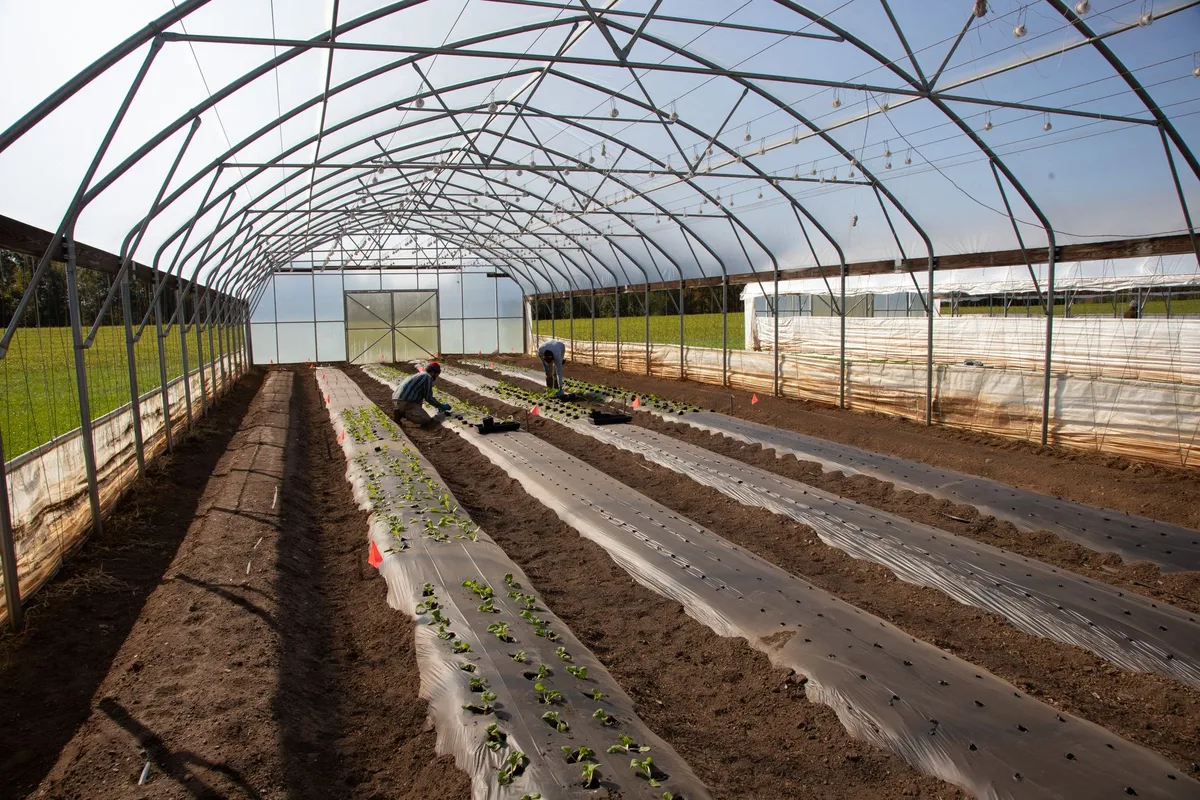
Reflective mulch like this silver film is one of the best tools for outdoor prevention. It reduces whitefly landings by up to 80 percent in our research.
For Indoor Houseplants
Indoor whiteflies often come in on new plants. Quarantine any new arrival for at least two weeks in a separate room before putting it near your other plants.
- Wipe leaves weekly with a damp cloth to remove dust and check for whiteflies.
- Keep plants at moderate temperature. Whiteflies thrive in warm, stuffy rooms.
- Avoid overwatering and excessive fertilizing. Soft, lush growth attracts them.
- Place one small yellow sticky trap near each plant group. Replace it monthly.
If you keep a collection of houseplants, grouping plants with similar light and water needs makes inspection easier. Our article on the best plants for a bedroom includes several low-maintenance varieties that are less prone to pest issues.
For Greenhouses (Hobby and Commercial)
Greenhouses are whitefly paradise. Warmth, humidity, and crowded plants make them ideal for rapid population growth.
- Install screening over vents and doors. Use mesh with openings smaller than 0.8 millimeters to block adult whiteflies.
- Hang sticky traps in a grid pattern. One per 50 square feet is a good starting density.
- Use biological control as your primary defense. Encarsia formosa works well in greenhouses because it prefers the same warm temperatures.
- Keep a log of trap catches. When you see more than five whiteflies per trap per week, take action.
- Remove all plant debris between crops. Whiteflies can survive on leftover leaves and stems.
For Hydroponics and Vertical Farms
These controlled environments need a sterile approach. Prevention is even more critical because there’s no soil buffer.
- Use sticky traps at every inlet and between grow towers.
- Inspect every cutting or plug before introducing it to the system.
- Use beneficial insects proactively. Release them on a schedule before whiteflies appear.
- Keep humidity below 70 percent. High humidity helps whiteflies thrive.
Six Whitefly Prevention Tools You Need to Know
You don’t need a dozen products. These six tools cover most situations. The trick is using them in the right combination.
| Tool | Best For | How It Works | How Often |
|---|---|---|---|
| Yellow sticky traps | Monitoring and light control | Attracts adults with color; traps them on adhesive | Replace every 2-4 weeks |
| Reflective mulch | Outdoor gardens | Confuses whiteflies visually; reduces landing | One installation per season |
| Row covers | Young plants | Physical barrier blocks adults | Remove when plants start flowering |
| Beneficial insects | Long-term prevention | Parasitic wasps and predators eat nymphs | Release weekly for 3-4 weeks |
| Neem oil | Organic treatment | Disrupts insect growth and repels adults | Apply every 7-10 days |
| Insecticidal soap | Quick knockdown | Dissolves waxy coating on contact | Use as needed, up to weekly |
Yellow Sticky Traps
These are your early warning system. Yellow traps attract whiteflies because the insects perceive the yellow as a feeding or landing site. The sticky coating holds them in place once they land.
Place them at the same height as the plant canopy. If you stake tomatoes at four feet, hang the traps at four feet. Check them weekly and keep a record.
When you see whiteflies on the trap, you know they’re active.
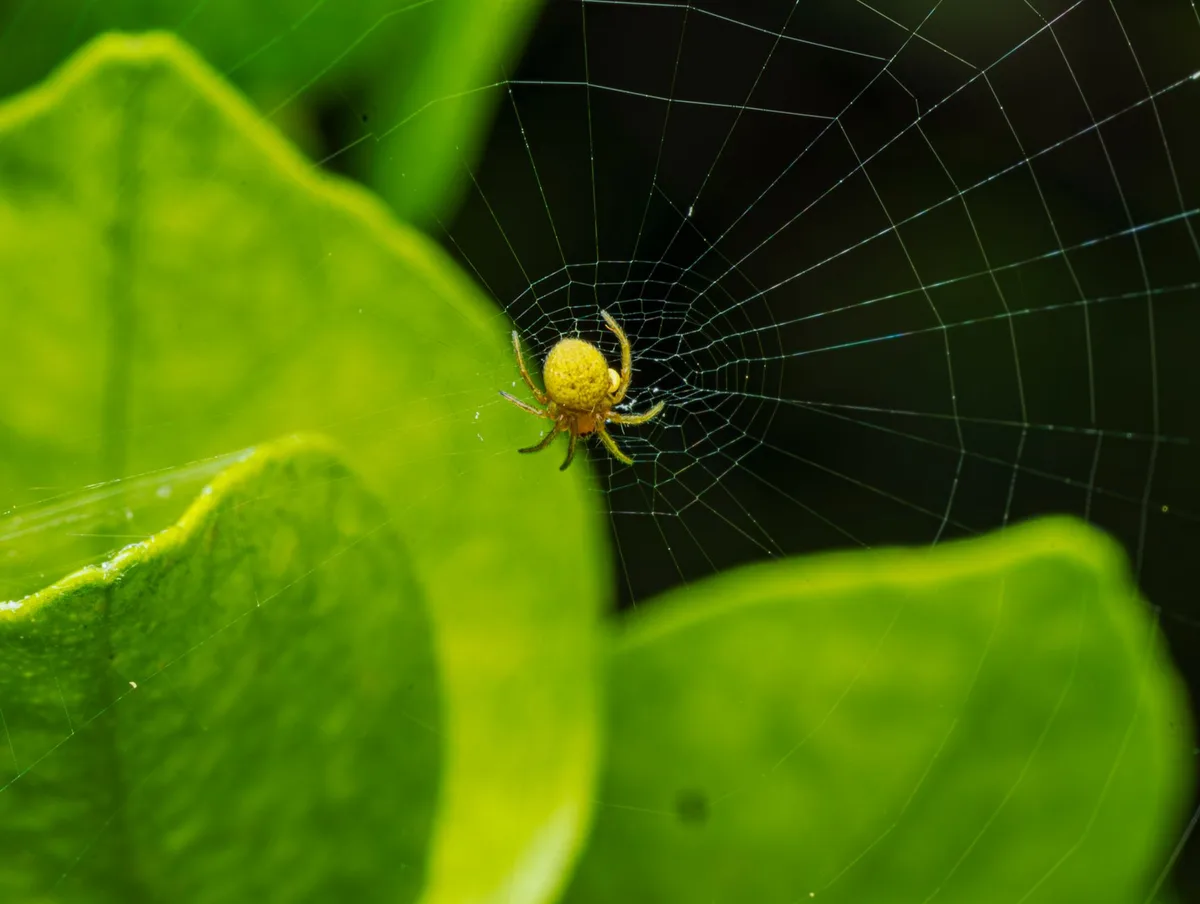
Aggregate reviews from home gardeners confirm that yellow sticky traps are most effective when placed before whiteflies arrive. They’re less useful as a clean-up tool during heavy infestations.
Reflective Mulch
This sounds odd, but it works. Whiteflies navigate by detecting the contrast between plants and bare soil. A reflective surface disrupts that contrast and makes it hard for them to find your plants.
University research shows that reflective mulch can reduce whitefly landings by 60 to 80 percent in field trials. It’s most effective for tomatoes, peppers, and squash.
Lay the mulch shiny side up. Cut small slits for each transplant. Secure the edges with soil or pins.
You can find more tips in our guide to the best flowers for flower beds, which covers how mulch affects pest pressure in ornamental gardens.
Row Covers
Row covers are lightweight fabric sheets that let light and water through but block insects. They’re excellent for preventing whiteflies on young plants.
The key is installation timing. Put the cover on immediately after planting, before any whiteflies arrive. Weigh down the edges so there are no gaps.
You’ll need to remove the cover when plants start flowering so pollinators can reach them, but by then the plants are usually strong enough to handle some whitefly pressure.
Beneficial Insects
This is the most natural form of prevention. Encarsia formosa is a parasitic wasp that lays its eggs inside whitefly nymphs. The wasp larvae eat the nymph from the inside out.
Ladybugs and lacewing larvae also feed on whiteflies.
Order beneficial insects from a reputable supplier. Release them at dusk when temperatures are cool. They’re most effective when released preventively, before whiteflies reach high numbers.
Neem Oil and Insecticidal Soap
These two organic sprays work differently. Neem oil contains azadirachtin, which disrupts the growth and reproduction of whiteflies. It works on eggs, nymphs, and adults.
Insecticidal soap kills by breaking down the whitefly’s waxy outer coating. It kills on contact but has no residual effect.
Use neem oil every 7 to 10 days. Use soap on a more frequent schedule if whiteflies are active. Alternate between them to reduce the chance of resistance.
Vacuum Removal
A shop vacuum with a fine mesh bag is your instant fix. Run it over the undersides of leaves in the early morning when whiteflies are slow. Empty the bag into soapy water to kill them.
This works best for small infestations. It’s also useful for greenhouse growers who want to avoid sprays altogether.
Common Whitefly Prevention Mistakes (And What to Do Instead)
Even experienced gardeners make these mistakes. Avoid them, and you’ll save yourself weeks of frustration.
Mistake 1: Waiting for visible damage before taking action.
By the time leaves are yellow or curled, whiteflies have been breeding for three to four weeks. Inspect weekly regardless of visible symptoms.
Mistake 2: Using broad-spectrum insecticides early.
These kill everything, including the natural predators that keep whiteflies in check. Without predators, whitefly populations explode and return worse than before.
Mistake 3: Not managing ants.
Ants feed on the honeydew whiteflies produce. They will actively protect whitefly colonies from predators. If you see ants climbing your plants, deal with them first.
Our guide on the best insecticide for carpenter ants covers ant control strategies that work around vegetable beds.
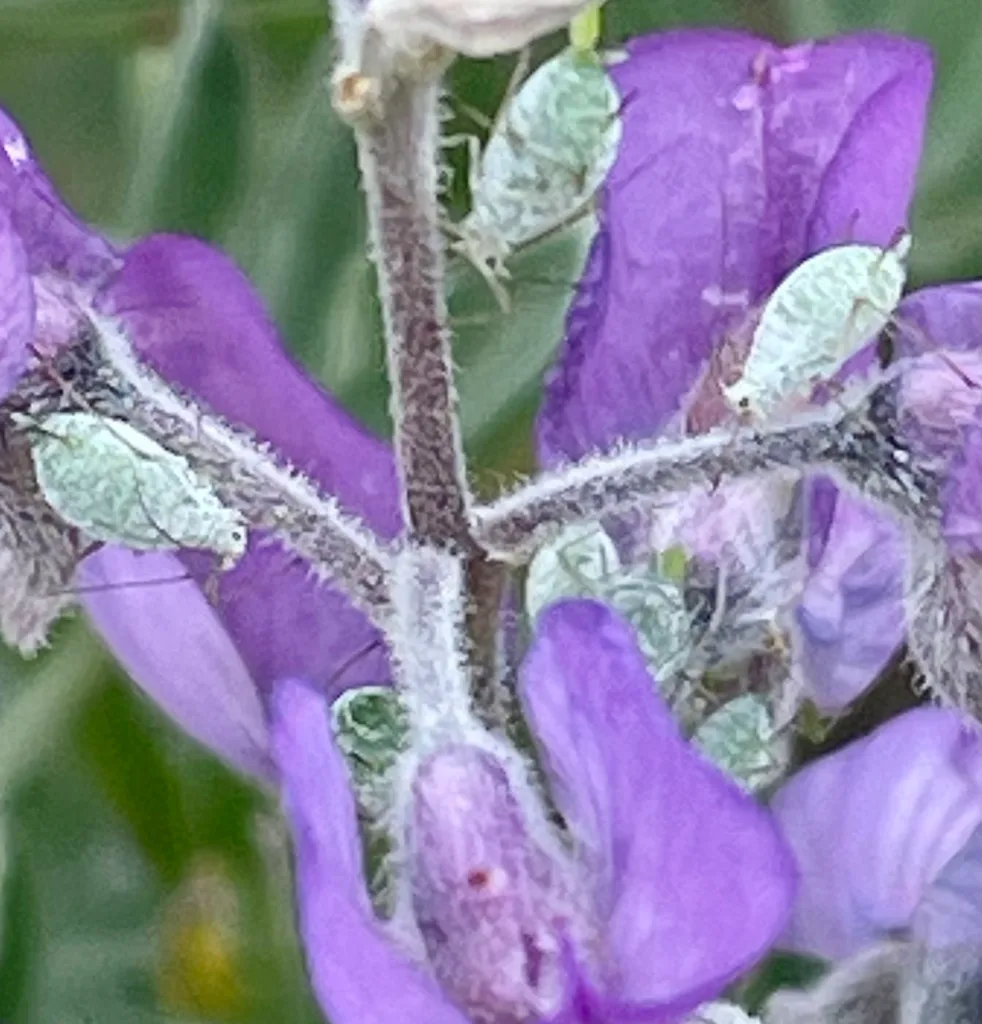
This photo shows ants tending whiteflies for honeydew. If you see this behavior, the ants are the main reason your whitefly problem isn’t going away.
Mistake 4: Spraying only the top of leaves.
Whiteflies live and feed on the undersides. You must spray directly underneath. Tilt the nozzle upward and cover every leaf.
Mistake 5: Giving up after one treatment.
Whitefly eggs are resistant to most sprays. One treatment kills the adults, but new ones hatch from eggs within a week. You need a repeated schedule for at least two weeks.
Expert Timing Guide: When to Act for Maximum Impact
Timing is everything with whiteflies. Here’s a schedule based on our research and manufacturer specifications for common methods.
- Spring (before planting): Install row covers and reflective mulch. Set out sticky traps. Clear all weeds.
- Early season (first 3 weeks after planting): Inspect weekly. Apply beneficial insects if you plan to use them. Keep row covers on.
- Mid season (first sign of whiteflies): Act within 24 hours. Apply insecticidal soap. Vacuum adults. Check every 3 days.
- Peak season (July through September): Maintain weekly inspections. Alternate treatments. Monitor trap counts.
- Fall (after harvest): Remove all plant debris. Clean greenhouse surfaces. Cover compost piles.
If you’re growing indoors or in a greenhouse, adjust this schedule to match your planting cycle. The same principles apply, but your timing depends on when you start seeds and bring new plants in.
Frequently Asked Questions
What causes whitefly infestations in the first place?
Whiteflies enter gardens on infested plants brought from nurseries, through open doors or vents, or when warm weather allows migrating adults to fly in. They thrive when conditions are warm and plants are tender. Over fertilizing with high nitrogen is a common cause.
Can whiteflies damage my plants even if I only see a few?
Yes. A single female can lay hundreds of eggs in two weeks. Even low numbers cause stress by sucking sap and excreting honeydew.
The honeydew attracts ants and fuels sooty mold. That chain reaction weakens the plant much faster than people expect.
Are there plants that naturally repel whiteflies?
Basil, marigold, and dill are often cited as whitefly repellents. Our research shows that while these plants don’t eliminate whiteflies entirely, they do reduce landing rates when interplanted with susceptible crops. Basil near tomatoes is a proven combination.
Do sticky traps catch enough whiteflies to make a difference?
Not alone. Sticky traps are excellent for monitoring and for catching low numbers early. In heavy infestations, they are not strong enough to bring the population down.
Use them as an early warning system, not a standalone treatment.
How long should I keep row covers on my plants?
Keep row covers on until plants begin to flower. Most vegetables need pollinators to set fruit, so removing the cover at flowering is essential. For leafy greens and herbs that don’t require pollination, you can leave covers on the entire season.
Can I use neem oil on vegetables I’m about to harvest?
Yes, if you use clarified hydrophobic neem oil. Check the label for the pre-harvest interval. Most clarified neem products allow harvest the same day or the next day.
Cold pressed neem oil usually requires a 7 day waiting period. Always follow the label.