Guide to Complete Backyard Maintenance Guide 2026
Your backyard shouldn’t feel like a second job, but for a lot of homeowners, it does. You look out the window and see patchy grass, muddy spots, weeds creeping in from every corner, and you’re not even sure where to start. That’s exactly why a Complete Backyard Maintenance Guide exists: to turn the chaos into a clear, season-by-season plan you can actually follow.
University extension services have studied this for decades. Research from Oregon State University’s turf program confirms that a simple soil test and two strategic aerations per year reduce water usage by nearly 30% and cut weed pressure in half. The science is solid, but most people never use it.
Let’s change that.
Quick Answer
A complete backyard maintenance guide covers soil testing, seasonal mowing and watering, aeration, overseeding, weed control, and winterization. Start with a soil test. Then follow a seasonal workflow: spring prep, summer care, fall restoration, winter protection.
Match every task to your grass type and local climate. That’s the whole system.
Is Your Backyard Stressing You Out? (The Real Problem)
You’re not alone if your yard feels like a constant battle. The biggest mistake people make? They treat every problem the same way.
They water more when the grass turns brown, but it might be a fungus. They mow shorter to “clean up”, but that actually weakens the roots.
The real problem is that most maintenance advice is one-size-fits-all. A lawn in Arizona needs completely different care than one in Ohio. A shaded bed of perennials has its own rhythm compared to a sunny vegetable patch.
If you’ve been following generic “lawn care tips” from a meme, you’ve probably been working against your own yard.
Here’s the good news: once you understand your yard’s specific conditions, soil, sun, grass type, the decisions become automatic. You stop guessing. You just execute.
First, Know Your Yard’s DNA – Soil, Sun, and Grass Type
Before you buy a single bag of fertilizer or fire up the mower, you need three data points: your soil’s pH and texture, how many hours of direct sunlight each zone gets, and what kind of grass or plants you’re actually growing.
Soil test first. You can grab a simple test kit at any garden center for about $10, 15. Take samples from three different spots in the yard, mix them together, and follow the kit instructions. What you’re looking for:
| Soil pH | What it means |
|---|---|
| 6.0–7.0 | Ideal for most lawns and garden plants |
| Below 6.0 | Too acidic – add lime |
| Above 7.0 | Too alkaline – add sulfur or organic matter |
Texture matters just as much. Grab a handful of moist soil. Squeeze it:
- Sandy soil falls apart immediately. Drains fast, needs more water and organic matter.
- Clay soil holds a tight ball. Drains slow, needs aeration and compost.
- Loam crumbles easily but sticks together. Perfect.
Sunlight mapping. Spend one day and note how many hours of direct sunlight each section of your yard gets. Full sun (6+ hours), partial shade (3, 6 hours), or full shade (less than 3 hours). This dictates everything from grass variety to where you plant flowers.
For example, fescue thrives in partial shade, but Bermuda needs full sun.
Grass type identification. Cool-season grasses (fescue, Kentucky bluegrass, rye) grow actively in spring and fall. Warm-season grasses (Bermuda, zoysia, St. Augustine) love summer heat.
If you don’t know which you have, take a clear photo and use a university extension service’s online identification guide. Your state’s extension website is a free, no‑nonsense resource.
Once you have these three pieces of info, you can skip 90% of the guesswork. You’ll know exactly what to do in each season.
Spring: The Season That Sets Everything Up (or Breaks It)
Spring is where most people make their biggest mistakes. They want to do everything at once, fertilize, rake, reseed, weed, but the soil is still cold and wet. Rushing leads to wasted seed, burned grass, and compacted soil.
Wait for the right moment. Don’t do any major work until the soil temperature reaches 55°F at a 4‑inch depth. You can buy a cheap soil thermometer or check your local extension’s online soil temperature map. For most of the US, that’s mid‑March to mid‑April.
The spring workflow looks like this:
- Clean up debris. Rake leaves, twigs, and dead grass. This lets sunlight hit the soil and warm it up.
- Test your soil if you didn’t in fall. Adjust pH now.
- Apply a pre‑emergent herbicide when soil hits 55°F. This stops crabgrass and other summer weeds before they sprout. Do not overseed if you use pre‑emergent, the chemical kills grass seeds too.
- Fertilize lightly. Cool‑season lawns need a low‑nitrogen fertilizer (like 5‑10‑10) in spring. Warm‑season lawns can take a balanced 15‑15‑15.
- Mow at the right height. Start at 3 inches for cool‑season, 1.5 inches for warm‑season. Never cut more than one‑third of the blade length at once.
If your lawn had bare patches last year, spring is not the best time to overseed cool‑season grasses. Wait until fall. Spring‑seeded fescue often dies in summer heat.
Warm‑season grasses can be seeded in late spring after the last frost.
One more thing: check your equipment. A dull mower blade tears grass instead of cutting it cleanly. That stresses the plant and invites disease.
Sharpen or replace the blade before the first mow. And don’t forget proper oil level and cleaning, you can find simple DIY repairs for common mower issues in our guide on fixing a lawn mower without a technician.
Summer: Water Smart, Mow Right, Beat the Heat
Summer is survival mode. The goal is to keep everything alive without wasting water or damaging the lawn.
Watering deep and infrequent is the rule. Most people water for 10 minutes every day. That’s wrong. It encourages shallow roots that can’t handle heat.
Instead, water deeply once or twice a week, enough to soak the soil 6 inches down. How long is that? Set out a few tuna cans or straight‑sided containers around the yard.
Run the sprinkler for 30 minutes and measure the depth. Aim for 1 to 1.5 inches per week, including rainfall.

Water in the early morning. Between 4 AM and 8 AM is ideal. The water has time to soak in before the sun evaporates it. Evening watering leaves the grass wet overnight, which invites fungus.
Morning watering cuts disease risk significantly.
Mowing rules change. Raise the mower deck:
- Cool‑season grass: 3.5 to 4 inches in summer
- Warm‑season grass: 2 to 2.5 inches
Taller grass shades the soil, keeps moisture in, and crowds out weeds. And leave the clippings on the lawn. They decompose quickly and return nitrogen to the soil.
You don’t need to bag unless you’re dealing with a disease outbreak.
Watch for heat stress. If the grass turns a blue‑gray color and footprints stay visible after you walk on it, that’s a sign of drought stress. Water immediately. If it’s already brown and crispy, it’s gone dormant.
Let it rest, water lightly once a week to keep the crown alive, and it will green up when rain returns.
Summer is also prime time for pests and diseases. If you see circular brown patches, powdery white spots, or insects like grubs or armyworms, you need a targeted approach. Our guide on selecting the best fungicide for lawns can help you identify the right treatment. For garden beds, keep an eye out for aphids and caterpillars.
Hand‑pick or use insecticidal soap.
Weeds thrive in summer too. Pull broadleaf weeds like dandelions early, before they go to seed. Use a spot‑spray with a selective post‑emergent herbicide, but follow the label carefully. Some herbicides damage certain grass types.
Fall: Aeration, Overseeding, and Putting the Lawn to Bed
Fall is the most important season for cool‑season lawns. It’s when you repair summer damage and set up for a lush spring. For warm‑season lawns, it’s the wind‑down period.
Aeration is the single most impactful thing you can do. Over the summer, foot traffic, mowers, and rain compact the soil. That compaction prevents water, air, and nutrients from reaching the roots. Core aeration, pulling small plugs of soil out, fixes this.
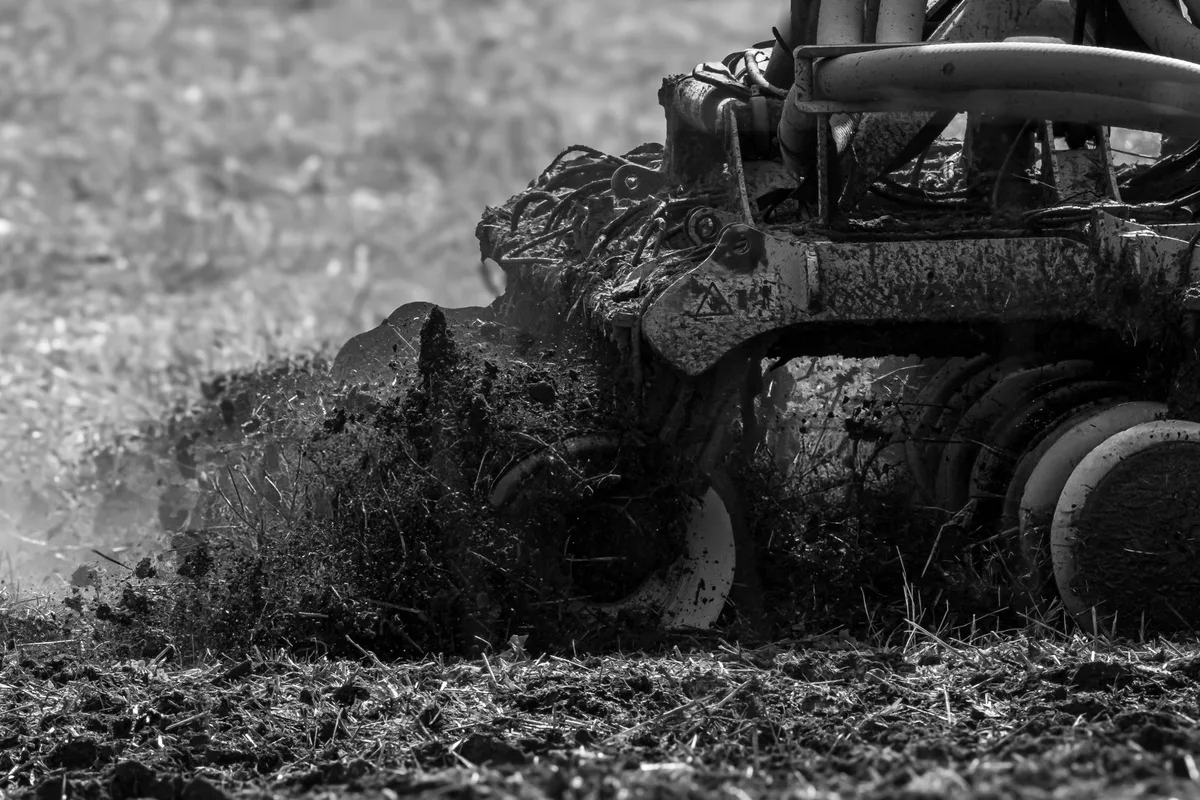
Rent a core aerator from a local hardware store for about $40, 60 for a half day. Do this when the soil is slightly moist (not soaking wet). Run the aerator over the entire lawn.
Leave the plugs on the surface, they’ll break down naturally.
After aeration, overseed. Choose a grass seed blend that matches your existing lawn type and sun exposure. For cool‑season lawns, fescue blends are reliable. Spread seed at the rate recommended on the bag, usually 3, 5 pounds per 1000 square feet.
Water lightly every day for the first two weeks until the new grass establishes.
Fertilize with a high‑nitrogen fertilizer (like 30‑0‑4) right after overseeding. This gives the new grass a boost before winter. Cool‑season lawns need about 1 pound of nitrogen per 1000 square feet in fall.
Don’t neglect your garden beds. Remove dead annuals, cut back perennials after they’ve browned, and add a 2‑3 inch layer of mulch to protect roots over winter. For shrubs and young trees, wrap the trunks with tree wrap if you’re in a zone with harsh sun or frost cracks.
Final mow of the season. As growth slows, gradually lower the mower deck to about 2 inches for cool‑season grass. This prevents snow mold and reduces the risk of rodent damage. Remove leaves from the lawn, a thick layer suffocates the grass.
But instead of bagging, run a mulching mower over them. Shredded leaves are excellent organic matter.
Winterize your irrigation system. If you live where the ground freezes, drain your sprinkler system completely. Blow out the lines with an air compressor if possible. Frozen water expands and can crack pipes and valves.
Wrap outdoor faucets with foam covers. Drain and store hoses indoors.
Fall is also the right time to think about larger projects like adding drainage to problem areas or improving your soil with organic matter. Our guide on selecting the best trees for hot dry climates includes tips for drought‑tolerant landscaping that can reduce your future maintenance workload.
Fall work pays off big in spring. You’ll see a denser, greener lawn with fewer weeds and less need for water. It’s the foundation of a low‑stress maintenance routine.
Winter: Protect, Drain, and Plan Ahead (Yes, There’s Work)
Winter isn’t a complete break from backyard maintenance. For cool‑season lawns, it’s a rest period. For warm‑season lawns, it’s dormancy.
But there are real tasks to do so you don’t start spring behind.
Drain and store everything. Disconnect hoses, drain them completely, and coil them indoors. Shut off outdoor spigots and wrap them with foam covers. If you have an irrigation system, blow out the lines with a compressor.
A single freeze can crack underground pipes and cost hundreds to repair.
Protect tender plants and hardscapes. Mulch the base of perennials, roses, and young shrubs with 2, 3 inches of shredded bark or straw. This insulates roots from freeze‑thaw cycles. For patios and walkways, avoid de‑icing salts that contain sodium chloride.
They damage concrete and kill adjacent grass. Use sand or calcium chloride instead.
Plan ahead. Winter is the best time to order seeds, sharpen tools, and read up on new techniques. Our guide on selecting the best grow light for seedlings can help if you plan to start plants indoors. It’s also a good moment to review what worked and what didn’t last season.
Make a list of problem spots to tackle in spring.
The “My Yard Has Weeds Everywhere” Decision Branch
Weeds are symptoms, not the root problem. If you have a carpet of crabgrass, dandelions, or clover, something is off with your lawn. The fix depends on the weed type and the season.
If it’s a grassy weed like crabgrass or foxtail: Apply a pre‑emergent herbicide when soil hits 55°F in spring. This creates a chemical barrier that stops seeds from germinating. Don’t overseed for 8 weeks after applying pre‑emergent.
If it’s already summer and the grassy weed is mature, spot‑treat with a post‑emergent that targets grasses specifically.
If it’s broadleaf weeds like dandelion or clover: These are easier to control. In fall, after aeration, apply a broadleaf herbicide. The weeds are pulling nutrients into their roots at that time, so the chemical travels deep.
In spring, hand‑pull young plants before they flower. A dandelion weeder tool removes the taproot cleanly.
If weeds cover more than 50% of the lawn: You’re better off killing everything, tilling, and starting fresh. Apply a non‑selective herbicide, wait two weeks, then scalp the dead grass, aerate, and reseed or sod. This is drastic but faster than trying to patch a heavily infested yard.
Always read herbicide labels carefully. Some products cannot be used near vegetable gardens or water features. If you’re growing flowers nearby, check the label for “safe for flower beds” or use spot‑treatment with a shielded sprayer.
The “Water Pools and Nothing Grows” Drainage Fix
Standing water kills grass roots, breeds mosquitoes, and turns your yard into a mud pit. Drainage problems almost always come from one of three causes: compacted soil, low spots, or blocked runoff paths.
If the soil is compacted: Core aerate in fall or spring. Rent a machine and run it over the problem area. Follow up with a thin layer of compost or topsoil.
Aeration alone often fixes mild pooling.
If you have a low spot where water collects: You can fix small depressions by filling with topsoil. Wait for a dry week. Remove the sod from the low area, add 1, 2 inches of soil, tamp it down, and replace the sod.
Raise it just enough so water drains away. For larger depressions, you may need to regrade the area with a slight slope (1‑inch drop per 10 feet).
If water comes from a neighboring slope or downspout: Redirect it. Extend downspout elbows away from the house by at least 6 feet. Install a French drain, a trench filled with gravel and a perforated pipe, to carry water to a lower area.
You can rent a trencher for about $100 a day. The project is DIY‑friendly if you’re comfortable digging.
When drainage is severe or affects the foundation, call a landscape contractor. They can install catch basins, dry wells, or grading solutions. A temporary fix that moves water toward a neighbor’s yard is illegal in many areas, so always direct water onto your own property.
Pest or Disease? How to Diagnose Before You Spray
Spraying the wrong thing wastes money and can harm beneficial insects. You need to identify the real culprit first.
Look at the pattern. Brown patches with a distinct border often mean disease. Irregular, spotty damage is more likely pest‑related. Check under leaves for insects or eggs.
Go out at dusk, some pests like armyworms or cutworms feed at night.
Common diseases and their signs:
- Brown patch: circular tan patches up to 2 feet across, often with a dark ring. Appears in humid weather with high nitrogen.
- Dollar spot: small silver‑dollar‑sized bleached spots. Common in under‑fertilized lawns.
- Snow mold: fuzzy white or pink mold visible in spring after snow melts. Rake it out and apply a fungicide if it returns.
Common pests and their signs:
- Grubs: spongy turf that lifts like a carpet. Dig up a 1‑foot square section. If you find 10+ white C‑shaped grubs, treat with a curative insecticide in late summer.
- Chinch bugs: yellow or dead patches that don’t lift easily. Look for tiny black and white bugs at the soil line. Soap flushes (pour a dish soap solution) will drive them to the surface.
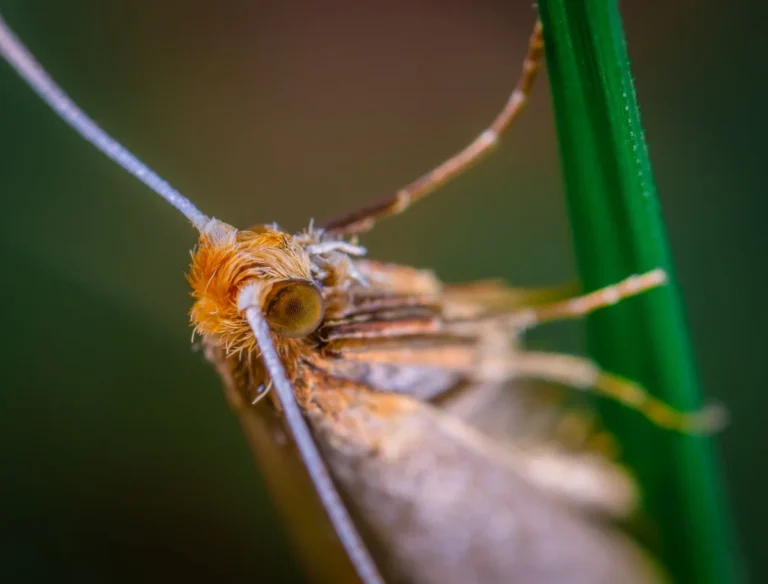
- Armyworms: leaves chewed down to the stem, plus dark green droppings. They march in groups. Treat with Bt (Bacillus thuringiensis) or pyrethrin.
For any treatment, apply it when the weather is calm and the grass is dry. Water it in lightly per the label. Avoid applying insecticides when bees are active, early morning or evening is safest.
7 Backyard Maintenance Mistakes That Cost You Time and Money
Most yards suffer from the same repeated errors. Knowing them in advance saves you hours of redoing work.
Mowing too short. Scalping the lawn weakens roots and invites weeds. Keep cool‑season grass at 3, 4 inches, warm‑season at 1.5, 2.5 inches.
Watering every day. Shallow roots, fungus, waste. Water deeply once or twice a week instead. Check that tuna can method we covered earlier.
Ignoring soil pH. Fertilizer can’t work in the wrong pH. Test once a year and adjust with lime or sulfur.
Using the wrong fertilizer. High‑nitrogen in summer burns lawns. Use slow‑release or organic blends. Match the N‑P‑K ratio to the season.
Not aerating compacted soil. Compaction blocks water and root growth. Core aerate once a year in fall for cool‑season, late spring for warm‑season.
Letting leaves sit all fall. A thick layer suffocates grass and encourages snow mold. Mulch them with the mower or rake them off by early December.
Skipping winter prep. Hoses left out crack. Irrigation lines freeze. Tools rust. Spend one day winterizing and you’ll save hours next spring.
Avoid these mistakes and your backyard becomes more resilient with less effort. Each one is easy to fix once you know it matters.
The Quick-Decision Guide: Match Your Situation to the Right Action
- Weeds everywhere? Go back to the weed decision branch. Apply pre-emergent in spring or spot-treat in fall.
- Water pooling? Aerate compacted soil. If water still stands, fill low spots or install a French drain.
- Brown patches with no pests? Likely disease. Reduce watering, raise mowing height, and apply fungicide.
- Grass looks thin? Overseed in fall after aeration. Use a blend matching your grass type.
Tools That Actually Help (and a Few You Can Skip)
Worth owning: Core aerator (rent or buy), soil test kit, dethatching rake, sharp mower blade, hose timer, and a quality spreader. Skip: rolling aerators (they don’t pull plugs), gas blowers (a rake works fine for small yards), and fancy soil amendments you haven’t tested for.
A few dollars spent on the right tools saves hours of wasted effort.
When to Call a Pro vs. When to DIY
DIY these: Soil testing, mowing, basic weeding, watering adjustments, and seasonal aeration. Call a pro for: Drainage redesign, tree removal, extensive hardscape repairs, or pest infestations requiring restricted chemicals. If you’re unsure about a job that involves digging near utility lines, call 811 first.
Pros charge $200, $600 for drainage projects. The peace of mind is worth it if water threatens your foundation.
Safety, HOA Rules, and Local Water Restrictions You Can’t Ignore
Check your local water district for odd‑even watering schedules. Many areas ban sprinklers between 10 AM and 6 PM. HOA covenants may limit grass height, fence materials, and plant choices.
Violations can bring fines.
Always wear eye and ear protection when using trimmers or blowers. Store gas safely away from heat sources.
Your Seasonal Backyard Maintenance Workflow (Printable Summary)
| Season | Top 3 Tasks |
|---|---|
| Spring | Test soil, apply pre-emergent, mow at 3 inches |
| Summer | Water deep 1‑2x/week, raise mower deck, spot‑treat weeds |
| Fall | Core aerate, overseed, fertilize with high nitrogen |
| Winter | Drain hoses, protect perennials, sharpen tools |
That’s your year at a glance. Stick to this rhythm and your yard works with you, not against you.