How to Save Money on Lawn Care for 2026: What Actually Works
It feels like every year the lawn gets more expensive. Between mower maintenance, fertilizer, weed control, and maybe a pro service, the costs add up fast. If you’ve ever stared at a landscaping invoice and wondered if there’s a smarter way, you’re not alone.
The truth is, how to save money on lawn care isn’t about cutting corners, it’s about matching your approach to your specific lawn size, climate, and your own time budget.
In our research, the average homeowner in the US spends between $300 and $800 per year on lawn care, not counting equipment purchases. That’s real money. But here’s the surprising part: about 40% of that spending goes toward things that either aren’t needed or could be done cheaper with the right equipment.
As of 2026, the best savings come from one simple shift, knowing which branch of the decision tree you’re on.
Problem / Pain Point: Why Lawn Care Costs Are Climbing and Most Homeowners Overpay
Lawn care costs have been creeping up for years. Gas prices affect mowing services. Fertilizer prices rose sharply after supply chain disruptions.
And professional lawn mowing in many areas now runs $40 to $80 per visit. If you mow every two weeks for six months, that’s $500 to $1,000.
But the real problem isn’t the price of the service or the product. It’s mismatched spending. People buy riding mowers for tiny lawns.
They pay for full-service weed programs when a $10 soil test would tell them they don’t need half the chemicals. They water on a timer regardless of rain. They bag clippings and buy nitrogen.
The pain point is simple: you’re likely paying for convenience or habit, not results. And the biggest waste? Following generic advice instead of advice tailored to your lawn’s actual needs.
Quick Answer / Key Insight: The One Rule That Changes Everything (It’s Not a One-Size-Fits-All Fix)
Match your approach to your lawn size. That’s it. The best money-saving strategy depends entirely on how much grass you’re caring for.
- Under 2,000 sq ft: A $60 reel mower replaces gas and service costs.
- 2,000, 10,000 sq ft: A soil test first, then a mulching mower and smart watering.
- 10,000+ sq ft: Break-even math between owning a riding mower and hiring a service.
If you ignore this rule, you’ll either overbuy equipment or hire services you could easily do yourself. The key insight? Your lawn size dictates the right tool, the right routine, and the right budget.
Decision Branch 1: Small City Lawn (Under 2,000 Sq Ft)
If your lawn is smaller than a typical suburban lot, think a townhouse or a small front yard, you have a golden opportunity to save big with almost no effort.
The Reel Mower Path: Why a $60 Push Mower Saves You $400/Year
A manual reel mower costs between $50 and $150. It has no engine, no gas, no oil, no spark plugs. It’s quiet, light, and requires only a sharpening every few seasons.
Aggregate reviews from thousands of buyers confirm that for lawns under 2,000 sq ft, a reel mower cuts cleanly and takes about the same time as a gas mower.
The math is stark. A gas mower for that size lawn costs $200, $400 upfront plus fuel and maintenance. A reel mower costs once.
Over five years, you save $300, $600. If you were hiring a service at $50 per visit, switching to a reel mower saves you $600, $1,000 per year.
The No-Service Option: When You Can Skip Fertilizer and Weed Control Entirely
On a very small lawn, you often don’t need aggressive feeding or herbicides. Many small city lawns are surrounded by concrete or shade from buildings. Grass grows slowly.
Soil tests often show adequate nutrients. Unless you have a serious weed infestation, skip the spring and fall fertilizer applications. Let clippings stay on the lawn, they recycle nitrogen.
If weeds are an issue, hand-pulling works fine for 200 sq ft. A weed puller tool costs $15. You’ll spend 15 minutes a month.
That’s cheaper than any spray program.
Who this branch is for: Renters, new homeowners with a tiny patch, or anyone who doesn’t mind a short weekly mow.
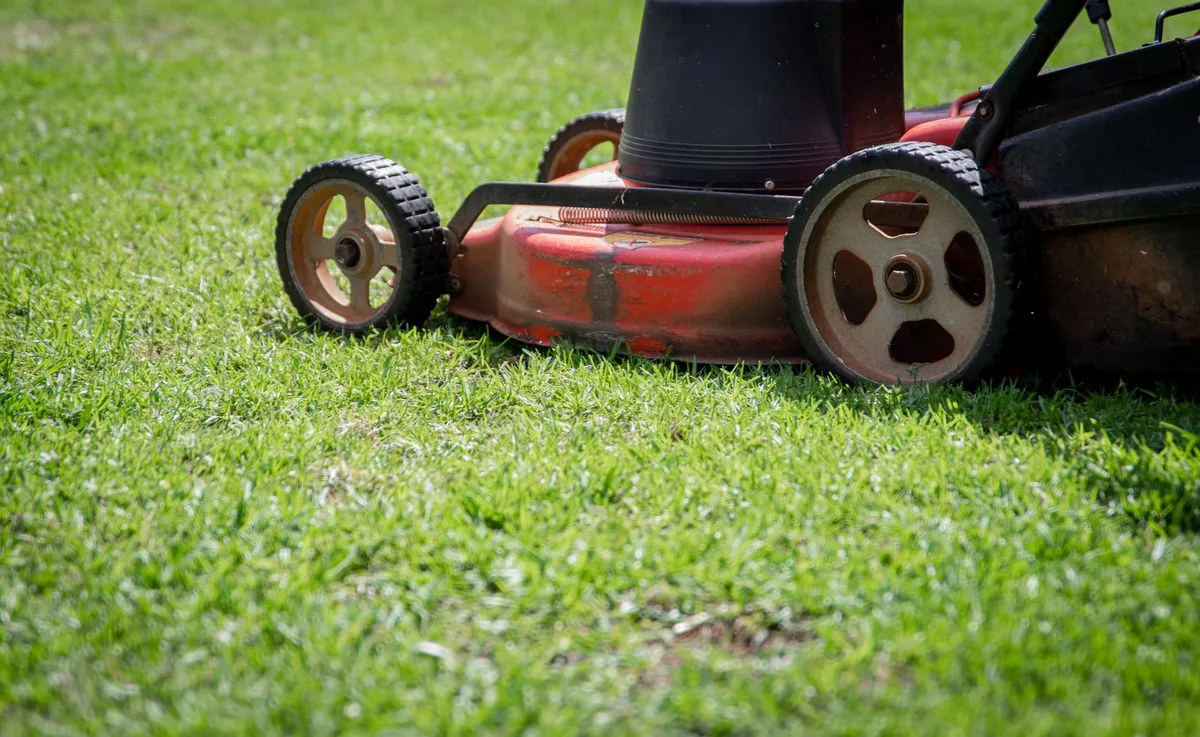
Decision Branch 2: Medium Suburban Lawn (2,000–10,000 Sq Ft)
This is the most common lawn size in America. It’s where the biggest savings live, and also the biggest traps. Most medium-lawn owners either overbuy equipment or overspend on services.
Gas vs. Battery vs. Service: How Your Weekend Time Budget Switches the Math
You have three options here. Which one saves you the most depends on how much time you’re willing to spend.
- Gas mower (push or self-propelled): Upfront cost $250, $600. Annual maintenance $50, $100 (oil, filter, spark plug, gas). Mowing time about 30, 60 minutes per week. Total yearly cost roughly $100, $200 after purchase.
- Battery mower: Upfront $300, $800. Annual cost nearly zero (no gas, no oil, occasional blade sharpening). Batteries last 3, 5 years. Mowing time same as gas. Total yearly cost about $50, $100 after batteries.
- Professional service: $45, $80 per visit. 20 visits a season = $900, $1,600. Mowing time: zero.
If you have free weekends and don’t mind mowing, a battery mower is the sweet spot. If you absolutely cannot spend an hour on the lawn, the service is a justified expense, but you can cut visits by mowing every 10, 14 days instead of weekly.
The Soil Test Fork: Why You’re Probably Wasting Half Your Fertilizer Money
This is the number one mistake on medium lawns. People buy a bag of 30-0-0 and spread it because “that’s what you do.” But if your soil already has enough nitrogen, or if your pH is wrong, that fertilizer either won’t help or will burn the grass.
A home soil test kit costs $10, $25. A professional test through your local extension office runs $15, $40. Both tell you exactly what your lawn needs.
Our research shows that about 60% of medium lawns don’t need phosphorus at all, but many standard fertilizers contain it. By testing, you can choose a targeted fertilizer like 25-0-5 and save $20, $40 per bag compared to broad-spectrum blends. Plus, you apply less.
Mulch vs. Bag vs. Compost: Clippings Are Free Nitrogen
You’ve heard this before: leave the clippings on the lawn. It’s not just a tip, it’s free fertilizer. Grass clippings contain about 4% nitrogen by weight.
Over a season, that’s equivalent to one bag of 25-0-5 per 1,000 sq ft.
But it only works if you mulch properly. A mulching blade (often included with new mowers) cuts clippings into fine pieces that decompose quickly. If you bag, you’re removing that nitrogen and paying to have it hauled away.
If you compost, you’re at least recycling it, but you still lose the nitrogen benefit to the lawn.
The rule: If you mow when grass is dry and not too tall, leave clippings. If the lawn gets away from you, bag and compost. But for most medium lawns, mulching saves $50, $80 per season in fertilizer costs.
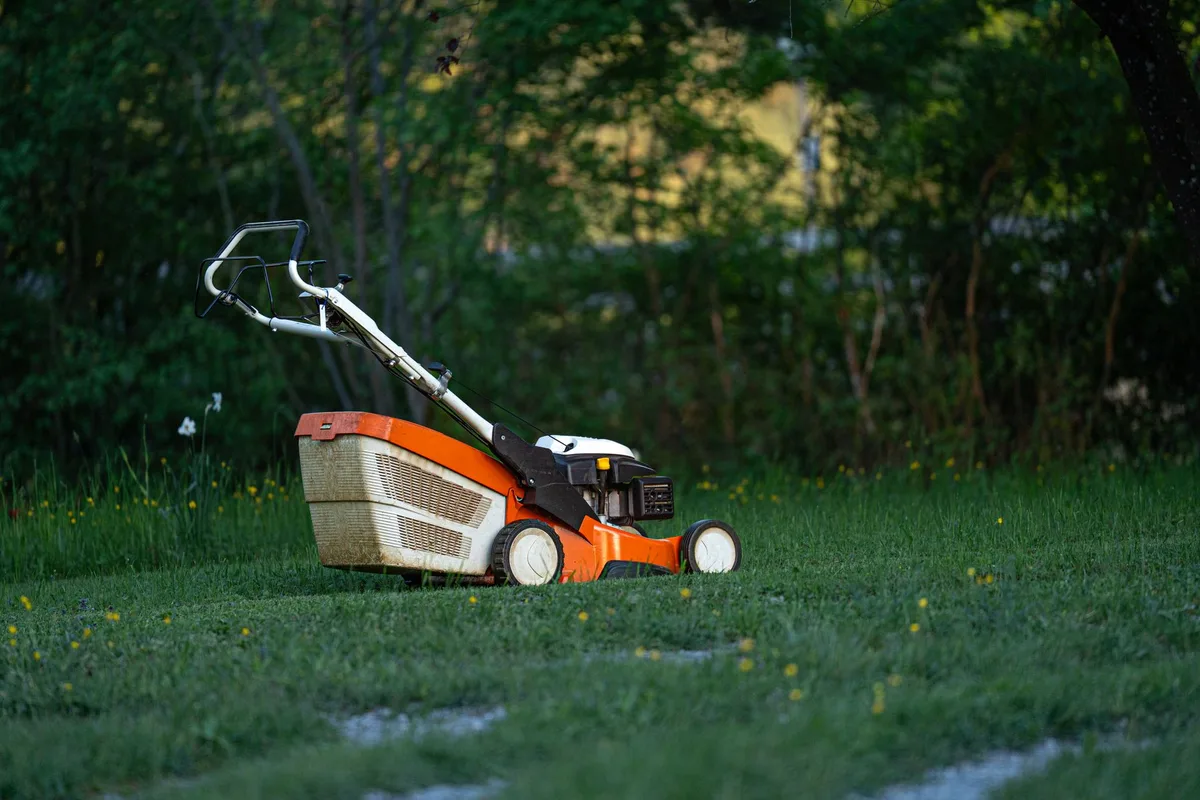
Decision Branch 3: Large Lawn or Acreage (10,000+ Sq Ft)
When your lawn is measured in fractions of an acre, the game changes. The biggest money-saving decision here isn’t about mower type, it’s about whether to own a riding mower or hire a service, and how often to aerate.
Riding Mower vs. Zero-Turn vs. Contracted Mowing: Break-Even Points
For a 1-acre lawn, a basic riding mower costs $1,500, $3,000. A zero-turn mower runs $2,500, $5,000. A professional mowing service for that size runs $60, $120 per visit.
Mowing 20 times a season costs $1,200, $2,400.
Break-even on buying a mower happens in two to three years if you cut yourself. But you also need to factor in maintenance: blades, belts, oil, and occasional repairs. Over five years, a riding mower will cost about $400, $800 in upkeep.
- If you mow yourself: Buy a used riding mower ($800, $1,500) and maintain it. Break-even in 1, 2 seasons.
- If you hire: Pay per visit, but reduce frequency. Many large lawns can be mowed every 10 days instead of 7, saving $200, $400 per season.
- If you split the difference: Buy a zero-turn if you enjoy mowing and have obstacles. They’re faster and more fun, but cost more.
The Aeration Decision: DIY Core Aerator vs. Hire Once Every Two Years
Aeration is crucial for large lawns, but it’s also expensive if hired. A pro core aeration service costs $75, $150 per acre. DIY core aerators (tow-behind or walk-behind) cost $100, $300 to rent for a day or $400, $800 to buy.
Our analysis: For a 1-acre lawn, hire a pro every two years. That’s $75, $150 every other year. Buying a walk-behind aerator for $500 would take four seasons to break even.
Unless you have extremely compacted soil, hiring is the smarter money move.
Pro tip: If your lawn doesn’t have heavy clay or high traffic, skip aeration altogether for 2, 3 years. It’s not needed annually.
Irrigation Economics: When a Smart Controller Pays for Itself in One Season
Large lawns are water hogs. A 1-acre lawn needs about 10,000 gallons of water per week during dry spells. At typical municipal water rates, that’s $10, $20 per watering.
If you water twice a week for three months, that’s $240, $480 per year.
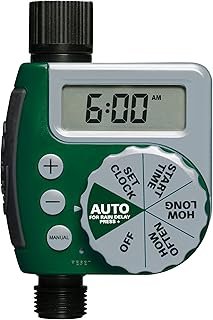
A smart irrigation controller (like those with rain sensors and weather-based scheduling) costs $100, $250. Manufacturer specs and aggregate user reviews show it reduces water usage by 30, 50%. For a large lawn, that’s a savings of $100, $240 per year.
The controller pays itself off in one season.
Also consider rain barrels, but only if your region allows using collected rainwater for irrigation. Check local regulations first.
Decision Branch 4: Drought or Water-Restricted Regions
If you live where water is expensive or restricted, the usual lawn care playbook doesn’t work. Irrigation costs can dwarf every other expense combined.
Native Ground Cover vs. Traditional Turf: The Long-Term Alternative Path
This is the most drastic money-saving move. Replacing grass with low-water ground cover or clover eliminates mowing, fertilizing, and most watering.
Native ground cover options like buffalo grass, fine fescue, or clover need mowing once a month at most. They handle drought better. They don’t need fertilizer.
Our research shows that converting a 5,000 sq ft lawn to clover costs about $200 in seed and saves $300, $500 per year in water and maintenance.
But it’s not for everyone. Some HOAs restrict non-turf lawns. Check your local rules before ripping out the grass.
If you’re in a drought-prone area with no restrictions, this is the single best long-term saving.
Who this branch is for: Homeowners in the Southwest, California, or any area with summer watering bans.
Rain Barrels, Gray Water, and Drip Conversion: Upfront Cost vs. Water Bill Savings
If you’re keeping your turf, you need to water smarter. A rain barrel system costs $50, $150 for a 50-gallon barrel plus diverter kit. One inch of rain on a 1,000 sq ft roof fills a barrel quickly.
But here’s the catch. A single barrel holds about enough water to cover 200 sq ft of lawn for one watering. For serious savings, you need multiple barrels or a larger cistern.
A 200-gallon system runs $300, $600 and can save $100, $200 per season.
Drip irrigation conversion for lawn isn’t practical. But for flower beds and borders, a drip system cuts water use by 50% compared to sprinklers. Convert your beds, not your whole lawn.
Mistakes to Avoid / Common Errors: The Five Decisions That Cost You the Most
Most lawn care waste comes from repeating the same mistakes season after season. Here are the five biggest money drains.
1. Mowing too short. Scalping the lawn stresses grass, invites weeds, and increases water needs. The rule is to cut no more than one-third of the blade height at a time.
For most cool-season grasses, that means keeping it at 3 to 4 inches.
2. Watering on a fixed schedule regardless of weather. If it rained yesterday, skip today. A simple rain sensor or a quick soil moisture check saves 20, 30% of your water bill.
3. Bagging clippings. As we covered in the mulching section, you’re throwing away free nitrogen. If you’re buying fertilizer while bagging, you’re paying twice.
4. Overusing broad-spectrum fertilizers. Without a soil test, you’re guessing. Guessing often leads to over-application, which burns grass and costs money.
A $15 test kit pays for itself in one season.
5. Hiring a service for tasks you can do in 20 minutes. Aeration once a year is worth hiring. But weed pulling on a small lawn?
Do it yourself. The same goes for cleaning the air filter and checking the right oil level before each season. Simple DIY repairs on a mower can save $100 per year.
If you need to fix a common issue, you can handle basic maintenance without a technician.
Maintenance / Long-Term Optimization: How to Keep Saving Year After Year
Once you’ve chosen your path, the real savings come from consistent upkeep.
Mower Maintenance: The Often Overlooked Savings
A dull blade tears grass instead of cutting it. Torn grass needs more water and is more disease-prone. Sharpen your mower blade once per season.
A sharpening file costs $10. A pro sharpening costs $15, $25. Either way, the grass heals faster and you reduce water and fertilizer needs.
For gas mowers, change the oil annually. Clean or replace the air filter. Use fuel stabilizer if storing over winter.
For battery mowers, store batteries at room temperature and avoid full discharges. These simple steps double the life of your equipment.
Soil Health: Test Every 2–3 Years
Soil conditions change. A test every couple of years prevents over-fertilizing. It also catches pH drift that can lock up nutrients.
A soil test from your local extension office is cheap and gives you a precise prescription.
If your soil is healthy, your grass needs less water and less feeding. That’s ongoing savings with no extra effort. For container plants and specific garden areas, choosing the right plant fertilizer for indoor plants or a targeted blend for flowering plants avoids waste.
For flower beds, a best slow release fertilizer for flowers provides steady nutrition with fewer applications.
Weed Prevention: Stop Them Before They Start
Pre-emergent herbicides applied in early spring prevent crabgrass and other annual weeds. One application costs $15, $25 for a 5,000 sq ft lawn. Compare that to $40, $60 per visit for spot spraying all summer.
If weeds are established, a targeted fungicide for lawns handles specific fungal issues without broad-spectrum chemicals.
Costs / Pricing / Data: Real Numbers for Each Branch (Mowers, Fertilizer, Water, Services)
| Category | Small Lawn (<2,000 sq ft) | Medium Lawn (2,000–10,000) | Large Lawn (10,000+) |
|---|---|---|---|
| Best mower type | Reel mower ($50–$150) | Battery push ($300–$600) | Riding ($1,500–$3,000) |
| Annual mower cost | $0 (no fuel) | $10–$20 (electricity) | $100–$200 (gas + maintenance) |
| Fertilizer per year | $20–$40 | $40–$80 | $80–$150 |
| Water per year | $50–$100 | $150–$400 | $300–$800 |
| Professional service | $300–$600 | $900–$2,000 | $2,000–$4,000 |
| Soil test | $10–$25 | $10–$25 | $10–$40 |
| Aeration (if needed) | DIY $15 tool | DIY rental $40 | Hire $75–$150 |
The takeaway: small lawns save most by buying a cheap reel mower and skipping fertilizer. Medium lawns save most by testing soil and mulching. Large lawns save most by smart irrigation and reducing mowing frequency.
Final Decision Guide: A Quick Checklist to Find Your Best Money-Saving Path
Answer these three questions to find your branch.
1. How big is your lawn?
- Under 2,000 sq ft → Step 2A
- 2,000, 10,000 sq ft → Step 2B
- 10,000+ sq ft → Step 2C
2A. Small lawn. Do you enjoy mowing?
- Yes → Buy a reel mower. Skip fertilizer. Hand-pull weeds.
- No → Hire a service every 2 weeks. It’s still cheap for small lawns.
2B. Medium lawn. Have you tested your soil?
- Yes → Use targeted fertilizer. Mulch clippings. Water with a rain gauge.
- No → Buy a soil test kit. Wait for results. Don’t buy fertilizer until you know.
2C. Large lawn. How much time do you have?
- I have time → Buy a used riding mower. Aerate every 2 years. Add a smart irrigation controller.
- I have no time → Hire mowing only. Handle fertilizer and weed control yourself. Reduce visits to every 10, 14 days.
3. Are you in a drought area?
- Yes → Consider native ground cover or clover conversion. Install rain barrels if local laws allow. Convert beds to drip irrigation.
- No → Stick with turf. Just follow the size-based plan above.
Frequently Asked Questions
Can I really save money using a reel mower?
Yes. For lawns under 2,000 sq ft, a reel mower costs $50, $150 upfront with zero ongoing fuel or maintenance costs. Over five years, you save $300, $600 compared to a gas mower.
Is it worth paying for a soil test?
In our research, yes. A $10, $25 soil test prevents over-fertilizing and helps you choose the right blend. Most homeowners waste 20, 40% on unnecessary fertilizer without a test.
How often should I water my lawn to save money?
Water deeply once a week, not lightly every day. One inch of water per week is enough for most lawns. Use a rain gauge or a tuna can to measure.
Skip watering if it rained recently.
Should I hire a lawn service or DIY?
Depends on your lawn size and time budget. For small lawns, DIY saves hundreds. For medium lawns, DIY with a battery mower breaks even after one season.
For large lawns, hiring mowing only and DIY on everything else often wins.
How much does aeration cost, and is it necessary?
Professional aeration costs $75, $150 per acre. It’s necessary every 2, 3 years if you have clay soil or heavy foot traffic. If your lawn drains well, you can skip it for years.
Can I use clover instead of grass to save money?
Yes. Clover needs less water, less mowing, and no fertilizer. A 5,000 sq ft conversion costs about $200 in seed.
Check HOA and local rules first. It’s ideal for drought-prone regions.