How to Choose Landscape Fabric for 2026: Everything You Need
You’re standing in the garden aisle staring at rolls of black fabric. Maybe you’re scrolling through product listings online. Every label promises to stop weeds, but the prices range from dirt cheap to surprisingly steep.
So how to choose landscape fabric without wasting money or dealing with a weed explosion a year from now?
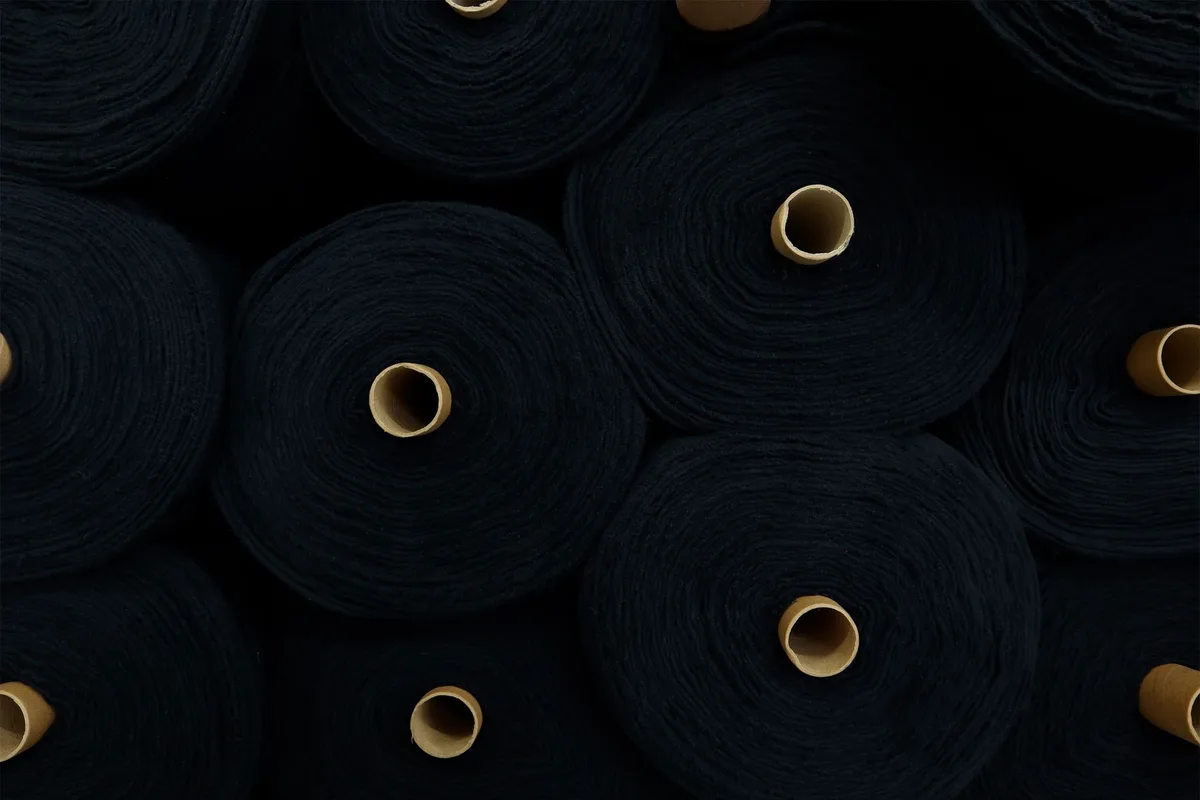
Manufacturer specifications divide the market into two structural categories: woven geotextiles and nonwoven fabrics. Weight ranges from 0.5 ounces per square yard for light-duty consumer rolls up to 6 ounces for heavy-duty professional grades. Getting the match right determines whether your fabric lasts one season or over a decade.
Let’s start with why most people pick wrong and how you can avoid that.
Why Landscape Fabric Choices Matter (And Why Most People Get It Wrong)
Most folks grab whatever roll is cheapest and call it done. That approach backfires fast. The wrong fabric can trap water on top of your beds, letting weeds germinate in the damp layer of mulch above the barrier.
It can tear the first time you step on a sharp rock. It can degrade after one season in direct sun before you even get the mulch spread.
Why does this happen? Because landscape fabric isn’t one product. It’s a family of engineered textiles designed for very different jobs.
A light-duty nonwoven roll works fine under a thin layer of bark mulch in a low-traffic flower bed. The same fabric under a gravel pathway will shred within months.
The real trap is that manufacturers label everything as “weed barrier” regardless of the construction. You have to look past the packaging and check three things: the weave structure, the weight rating, and the intended use case. Skip that step and you’re gambling with your time and soil health.
A lot of people also assume landscape fabric fixes perennial weed problems like quackgrass or bindweed. It won’t. Those aggressive runners push right through woven materials if there’s enough light and moisture underneath.
Choosing the right \nterial starts with understanding your specific weed pressure, not just the soil type.
Quick Answer
Choose woven fabric for gravel paths, under pavers, or anywhere you need puncture resistance. Choose nonwoven fabric for planted beds where water and air movement matter more. Go with heavy-duty (3 to 6 ounces per square yard) for permanent installations.
Pick light-duty (0.5 to 1 ounce) for temporary beds or annual flower gardens. Biodegradable fabrics work for one season in vegetable beds but break down fast.
The wrong choice costs you labor and money. The right choice saves hours of weeding and lasts years.
Woven vs Nonwoven – How Each Works (And Where It Fails)
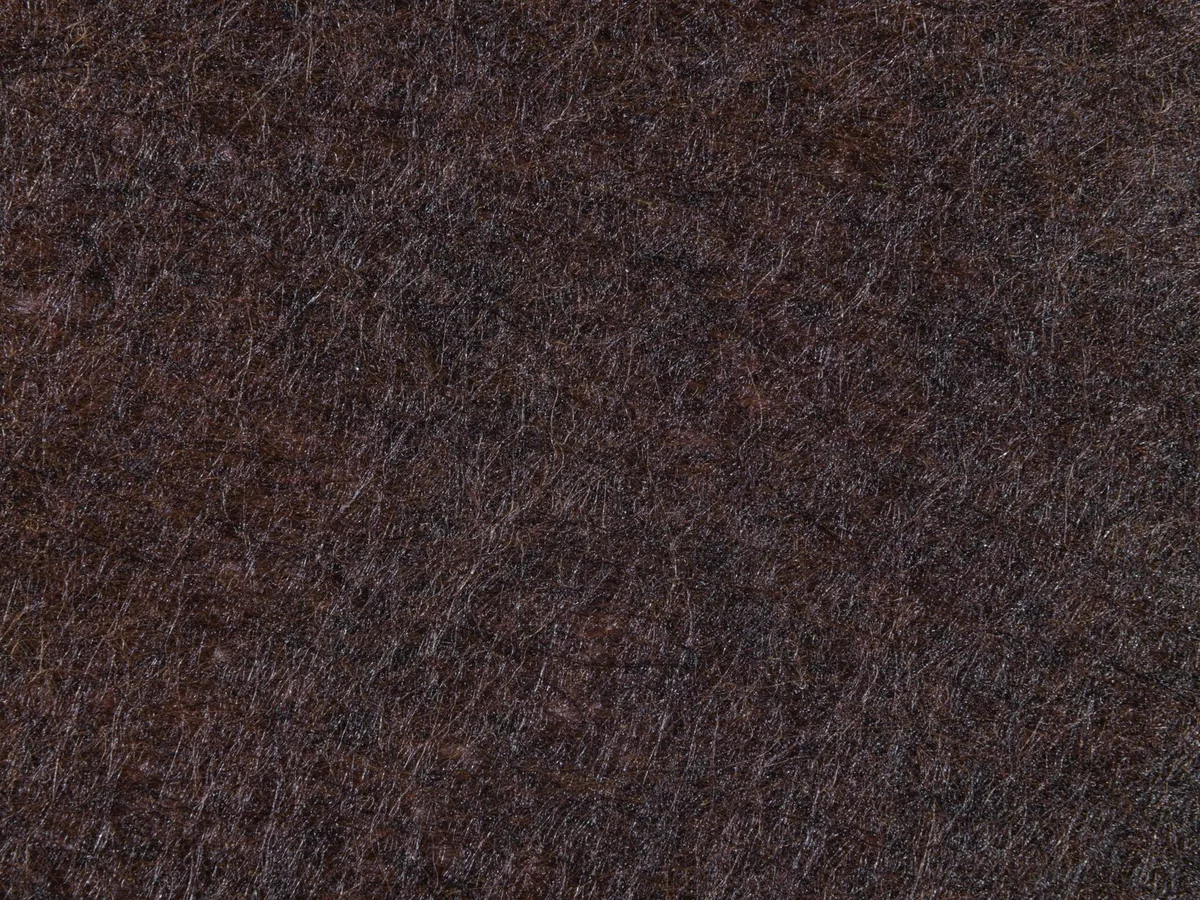
These two categories are the central decision point. They look similar on the shelf, but their internal structure changes everything about how they behave underground.
Woven Landscape Fabric – Strength, Drainage, and Longevity
Woven fabric looks and feels like a coarse burlap sack. Polypropylene tapes are machine-woven into a tight grid. The result is a sheet that resists tearing and handles heavy loads.
Water passes through the small gaps between the woven strands. Air flows too, so soil biology stays alive.
This is your go-to for anything with weight on top. Gravel paths, patio bases, flagstone beds, and anywhere you’ll walk. The puncture resistance is high, so it won’t rip when you spread stone or tamp pavers.
The downside is that the open weave can still let some light through. If you use it under thin mulch, you might see a few weeds germinate on the fabric surface. A heavier layer of stone or bark fixes that.
Nonwoven Landscape Fabric – Filtration, Moisture Retention, and Shorter Life
Nonwoven fabric feels softer and fluffier, like thick felt. Fibers are bonded together with heat or needles, creating a random mat. This mat filters water slowly and holds moisture against the soil surface.
It blocks light almost completely in a single layer.
That moisture retention is a double-edged sword. In a flower bed with plenty of mulch and regular rain, it keeps the soil damp and reduces watering. In a vegetable garden or sloped bed, it can trap water on top, leading to soggy roots and fungal issues.
Nonwoven fabrics have lower tear strength than woven ones. They work well under bark mulch in established beds. They perform poorly under stone or in high-traffic areas.
Most consumer-grade nonwoven rolls last 3 to 5 years before they start breaking down.
Heavy-Duty vs Light-Duty – Sorting by Weight, Lifespan, and Cost
Weight per square yard is the single most reliable specification on the label. It directly correlates with puncture resistance, tear strength, and how many years the fabric will last.
Light-duty fabric weighs 0.5 to 1 ounce per square yard. It costs less upfront. It tears easily if you mishandle it.
It degrades in direct sunlight within 6 to 12 months. Use it for temporary beds, seasonal vegetable gardens, or areas you plan to replant every year. Expect to replace it every 1 to 3 years.
Medium-duty fabric runs 1 to 3 ounces per square yard. This is the sweet spot for most home gardeners. It handles moderate foot traffic.
It survives a couple of seasons of mulch top-ups. It blocks weeds reliably for 3 to 5 years.
Heavy-duty fabric weighs 3 to 6 ounces per square yard. This is what professional landscapers use. It resists punctures from sharp gravel and heavy pavers.
It survives being walked on repeatedly. It stays intact for 10 to 20 years when properly installed and covered. The upfront cost is higher, but the cost-per-year lands lower than any other option.
Here’s the tradeoff in plain numbers. A light-duty roll covering 100 square feet costs roughly $10 to $15. You replace it every 2 years.
Over a decade, that’s $50 to $75. A heavy-duty roll covering the same area costs $40 to $60. It lasts 15 years with zero replacement.
The heavier fabric saves you money and labor over time.
Side-by-Side Comparison Table – Woven, Nonwoven, and Biodegradable Options
This table gives you the key specs at a glance. Use it as a quick reference when you’re comparing products on the shelf or in your cart.
| Property | Woven | Nonwoven | Biodegradable (jute/coir) |
|---|---|---|---|
| Weight range | 1–6 oz/yd² | 0.5–3 oz/yd² | 0.5–1.5 oz/yd² |
| Puncture resistance | High (good under gravel) | Low to medium | Very low |
| Tear strength | High | Low to medium | Low |
| Water permeability | High (flow rate 5–20 gal/min/ft²) | Low to medium (1–5 gal/min/ft²) | High |
| Blocks light fully | Partial (may need thicker mulch) | Yes (single layer) | Partial (multiple layers needed) |
| Lifespan under mulch | 5–20 years | 3–5 years | 1–2 seasons |
| Best placement | Gravel paths, patios, slopes | Flower beds, bark mulch | Vegetable gardens, temporary beds |
| Cost per sq ft | $0.20–$0.50 | $0.10–$0.20 | $0.15–$0.30 |
Woven fabric wins for structural projects. Nonwoven suits soft, planted areas. Biodegradable works when you want the bed to revert to bare soil after one season.
Your choice depends entirely on what you’re covering and how long you want it to last.
Best Use Cases for Each Fabric Type
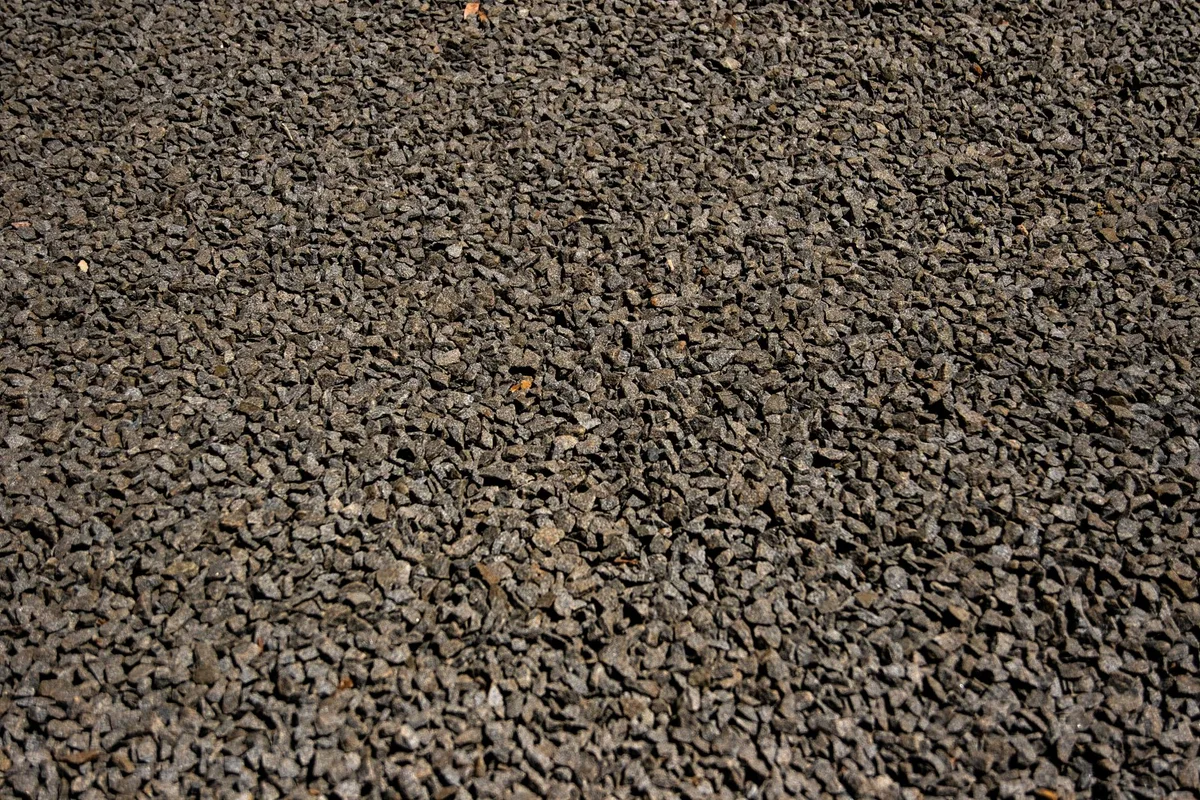
Flower Beds and Mulched Areas
Nonwoven fabric is the standard recommendation for mulched flower beds. Its random fiber mat blocks light completely in a single layer. It also holds moisture against the soil, which reduces watering frequency during dry spells.
The catch is that nonwoven fabric has lower tear strength. If you dig and replant often, you will tear holes. Woven fabric handles replanting better, but it lets more light through unless you pile on at least 3 inches of bark mulch.
For permanent flower beds with established perennials, go with medium-duty nonwoven. For beds where you swap annuals each season, light-duty nonwoven or even biodegradable jute works fine. Just expect to refresh it every couple of years.
Gravel Paths, Driveways, and Under Pavers
These applications demand woven fabric, specifically heavy-duty woven geotextile. The fabric sits between the subsoil and the gravel base. It prevents the stone from migrating down into the soil while letting water drain through.
Without fabric, gravel gradually sinks into the earth. You end up adding more stone every season. A heavy-duty woven barrier stops that.
It also blocks weeds from below, which is critical in pathways where you cannot spray or hoe easily.
Manufacturer specs show that woven fabric with a weight of 4 to 6 ounces per square yard handles the load of foot traffic and wheelbarrows. Under patios and driveways, it also acts as a soil separator. It keeps the compacted base layer stable for decades.
If you need to match the right gravel for your project, our guide on best gravel for patio area walks through the options that pair best with heavy-duty fabric.
Vegetable Gardens and Edible Beds
Vegetable gardens are the most debated use for landscape fabric. The problem is that nonwoven fabric traps moisture against the soil surface. That can lead to root rot in raised beds with dense soil.
Woven fabric drains better but still blocks some soil gas exchange.
Many gardeners prefer biodegradable fabrics like jute or coir for annual beds. These let air and water move freely. They suppress weeds for one growing season.
Then they break down into organic matter before the next planting.
Another option is to skip fabric entirely and use thick organic mulch. Straw, grass clippings, or shredded leaves work well for vegetables. They add nutrients as they decompose.
Fabric under vegetables tends to accumulate heat and can stress shallow-rooted crops like lettuce.
Slopes and Erosion-Prone Sites
Slopes need fabric that stays put and holds soil in place. Heavy-duty woven fabric with high puncture resistance works here. You staple it aggressively with 6-inch U-shaped pins spaced every 12 inches.
The fabric reduces water runoff by slowing the flow across the surface. It also prevents the soil from washing away under heavy rain. Combine it with a thick layer of mulch or riprap for the best erosion control.
University extension research confirms that woven geotextiles reduce soil loss by 70 to 90 percent on moderate slopes when properly installed. Nonwoven fabrics work for light slopes, but they can tear under the weight of saturated soil.
Commercial and High-Traffic Landscapes
Anything a professional crew installs uses heavy-duty woven fabric. The reason is simple: warranty and liability. A 3-ounce woven fabric lasts 10 years under typical conditions.
Nonwoven would fail within 5 years and require replacement at the company’s expense.
In commercial beds with drip irrigation, woven fabric still allows water to reach the roots. Just make sure the fabric has a permeability rating above 10 gallons per minute per square foot. That prevents water from pooling on top and drowning the plants.
Pros and Cons of Using Landscape Fabric (Be Honest Here)
Let’s drop the marketing fluff. Landscape fabric has real advantages and real downsides. Knowing both helps you decide whether it belongs in your garden.
Pros:
- Cuts weeding time dramatically. A single installation can reduce annual weeding by hours per bed.
- Conserves soil moisture. Fabric slows evaporation, so you water less often.
- Stabilizes soil on slopes and prevents erosion.
- Keeps gravel clean by separating it from the underlying dirt.
- Reduces the need for chemical herbicides.
Cons:
- Does not stop aggressive perennial weeds like quackgrass or bindweed. Those runners push through both woven and nonwoven layers.
- Blocks organic matter from reaching the soil. Worms and microorganisms cannot easily travel through the fabric.
- Can create a waterlogged layer on top if permeability is too low.
- Makes digging and replanting annoying. Every new plant requires cutting a hole.
- Degrades over time. When it breaks down, you have to remove the old fabric and start fresh.
The honest verdict? Fabric works best where you do not plan to dig regularly. Pathways, patios, and long-term shrub beds are ideal.
Vegetable gardens and annual flower beds benefit more from organic mulch.
Common Mistakes That Ruin the Fabric's Performance
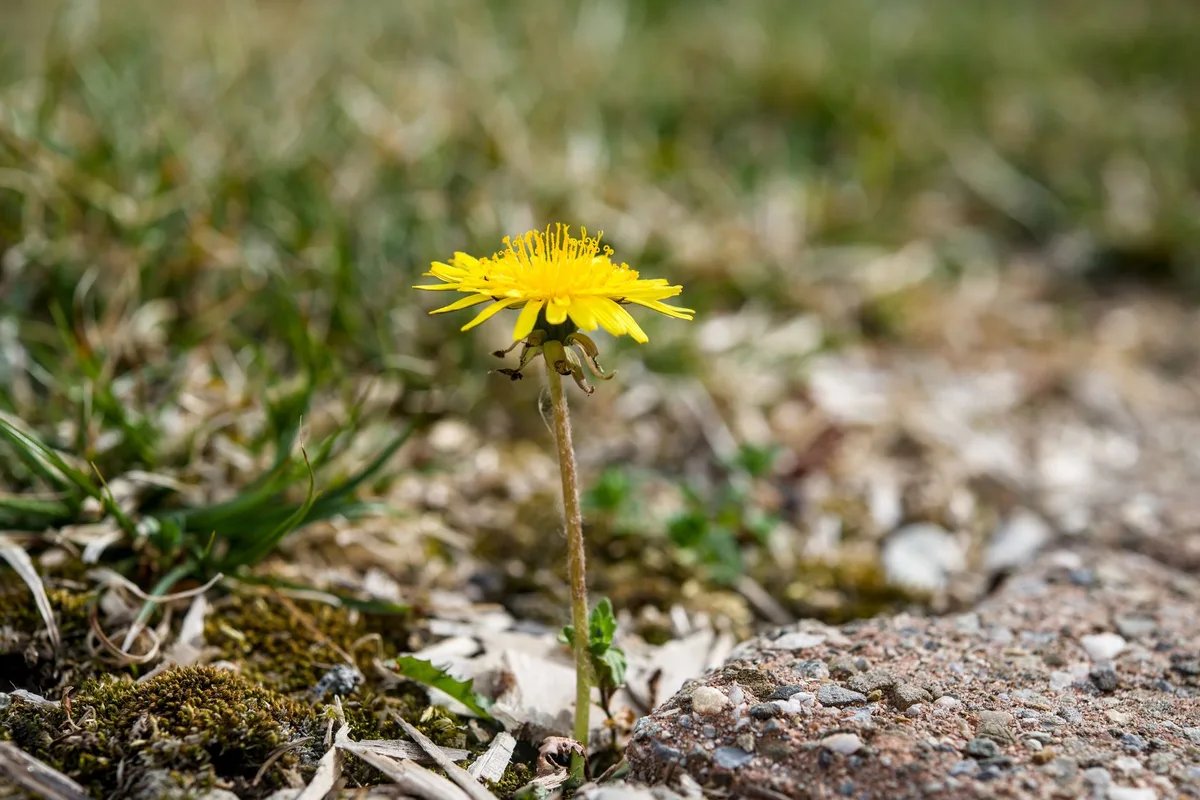
Mistake #1 – Choosing Too Light a Fabric for the Job
Thin fabric tears during installation or under the first load of gravel. You end up with gaps that let weeds through immediately. Always match the weight to the use.
Light-duty is for temporary beds only. Heavy-duty is for paths and patios.
Mistake #2 – Not Overlapping Seams Enough
Weeds find the tiniest gap between fabric edges. Overlap seams by at least 6 inches. On slopes, go 12 inches.
Use extra staples along the overlap to keep it from shifting.
Mistake #3 – Skimping on Staples or Using the Wrong Size
Fabric that flaps in the wind exposes soil and lets weeds germinate. Use 4-inch U-shaped staples for light-duty fabric on flat ground. Use 6-inch staples for heavy-duty fabric or any slope.
Space them 16 to 24 inches apart along edges and every 3 feet in the field.
Mistake #4 – Forgetting About Rhizomatous Weeds
If your yard has quackgrass or creeping Charlie, no fabric will stop it on its own. These weeds send underground runners horizontally and emerge anywhere. You need a combination of fabric, deep mulch, and an edging barrier buried 6 inches deep.
Mistake #5 – Leaving Fabric Exposed to Sunlight
UV light is the number one killer of landscape fabric. Even UV-stabilized grades degrade within a year of direct exposure. Always cover the fabric with at least 2 inches of mulch, gravel, or stone immediately after installation.
Cost per Square Foot – What Different Grades Will Actually Run You
Prices vary by retailer and roll size, but here are typical ranges as of 2026 for residential-grade fabric:
| Grade | Weight (oz/yd²) | Cost per sq ft | Typical roll size | Lifespan |
|---|---|---|---|---|
| Light-duty nonwoven | 0.5–1.0 | $0.10–$0.15 | 3 ft × 50 ft | 1–3 years |
| Medium-duty woven | 1.5–3.0 | $0.20–$0.30 | 4 ft × 100 ft | 5–8 years |
| Heavy-duty woven | 3.0–6.0 | $0.35–$0.50 | 6 ft × 300 ft | 10–20 years |
| Professional woven | 6.0+ | $0.50–$0.80 | 12 ft × 300 ft | 15–25 years |
The cheapest roll might cost $10. The heavy-duty professional roll might run $150. But cost per year flips the math.
A $150 roll that lasts 15 years costs $10 per year. A $10 roll that needs replacement every 2 years costs $5 per year, plus your labor to replace it. The heavier fabric is usually cheaper long-term.
Expert Tips for Installing Landscape Fabric the Right Way
Start with a clean site. Remove all existing weeds, rocks, and debris. Level the surface so the fabric lies flat without air pockets.
Cut the fabric slightly larger than the area. Allow 6 extra inches on each side for stapling. Overlap rows by 6 to 12 inches depending on slope.
Use a sharp utility knife for clean cuts. Jagged edges fray and create weak points. Cut planting holes with an X-shaped slit, not a circle.
Fold the flaps under to create a secure opening.
Staple at every seam and corner first. Then work inward. On flat ground, 16-inch spacing is enough.
On a 20-degree slope, drop to 8-inch spacing along the uphill edge.
After laying the fabric, add your mulch or stone immediately. Do not leave it exposed overnight if possible. If you cannot cover it right away, weigh down the edges with extra staples or bricks.
Check for wrinkles. A smooth surface drains better and looks cleaner. Smooth out any folds before stapling.
One final tip: if you are installing fabric under a gravel pathway, compact the gravel in layers. Spread 2 inches of gravel, tamp it down, then add another 2 inches. That prevents shifting and keeps the fabric from tearing under uneven pressure.
How to Maintain and Replace Landscape Fabric Over Time
Landscape fabric is not set-and-forget. Check it once a year, ideally in early spring before weeds take off. Look for tears, exposed edges, or areas where mulch has thinned.
If you find a small tear, patch it with a scrap of the same fabric. Overlap the patch by 4 inches and staple it down. For larger failures, replace the whole section.
Cutting a bigger hole defeats the purpose.
How often you replace depends on the grade. Light-duty fabric needs renewal every 2 to 3 years. Heavy-duty woven fabric can last a decade or more.
When the fabric starts fraying at the edges or breaking apart under light pressure, its lifespan is done. Remove the old layer completely, clear any weed buildup, and install fresh fabric.
When Not to Use Landscape Fabric – Better Alternatives
Fabric is not the answer for every weed problem. Skip it in vegetable gardens where you till annually. Organic mulch like straw or wood chips works better there.
It adds nutrients and avoids the hassle of cutting planting holes.
Skip it under trees and shrubs where you want natural leaf litter to decompose into the soil. Fabric blocks that process. A thick layer of arborist mulch is a better choice for woodland-style landscapes.
Skip it on steep slopes where water runs off faster than it can soak through. Fabric can actually increase runoff. Use erosion control blankets or coir logs instead.
For pots and containers, landscape fabric is overkill. A simple layer of pebbles or filter mesh at the drainage hole does the job without restricting root growth.
Final Verdict – How to Match the Right Fabric to Your Exact Project
Here is the decision framework in plain terms. Assess your project type, traffic level, and how long you want the solution to last.
For gravel paths and patios, choose heavy-duty woven fabric at 4 to 6 ounces per square yard. For mulched flower beds with perennials, choose medium-duty nonwoven at 1.5 to 3 ounces. For temporary vegetable beds, use biodegradable jute or coir.
For slopes, go with heavy-duty woven and double the staple count. For commercial landscapes, match the professional grade. The upfront cost is higher, but the replacement cycle is far longer.
Match your fabric choice to the weed pressure. Light weed loads handle any grade. Heavy pressure from rhizomatous weeds requires fabric plus deep mulch plus an edging barrier.
No single product stops everything alone.
Frequently Asked Questions
Does landscape fabric let water through?
Yes, if you choose the right type. Woven fabric has a high flow rate between 5 and 20 gallons per minute per square foot. Nonwoven fabric passes less water, typically 1 to 5 gallons per minute.
Always check the permeability rating on the package.
Can I put landscape fabric over weeds?
No. Remove all weeds and their root systems before laying fabric. If you cover live weeds, they push through the fabric or rot underneath and create air pockets.
The result is uneven ground and more weeds breaking through later.
How long does landscape fabric last?
The range is wide. Light-duty nonwoven fabric lasts 1 to 3 years. Medium-duty woven fabric holds up for 5 to 8 years.
Heavy-duty professional fabric can stay intact for 10 to 20 years when covered with mulch and kept out of direct sunlight.
Is landscape fabric safe for vegetable gardens?
It depends on the fabric type. Avoid herbicide-infused fabrics in edible beds. Plain woven polypropylene or biodegradable jute is safer.
Many gardeners still prefer organic mulch over fabric for vegetables because it improves soil health.
Do I need to remove old landscape fabric before installing new?
Yes. Old fabric traps debris, roots, and soil on top. That becomes a new weed-growing medium.
Pull up the old layer, clear the area, and start fresh. Stacking new fabric over old creates drainage problems and looks lumpy.