How Often Should Mulch Be Replaced 2026
You told me the answer. Three years ago. I lined my flower beds with fresh cedar mulch, patted it down, and figured I was set for a good long while.
Then last spring I noticed weeds poking through. Then the color had gone gray. Then I scraped back a corner and found a sour, matted layer underneath that smelled vaguely like a compost bin that had been left in the rain for too long.
That’s when I finally asked the question most gardeners avoid: how often should mulch be replaced? The short answer is not once a year like everyone says. The real answer depends on three things, the type of mulch you chose, the climate you live in, and how deep you originally laid it.
University cooperative extension research (the folks at Oregon State and Clemson among them) has tracked decomposition rates for common mulch types. As of 2026, the data is clear: shredded hardwood breaks down at roughly an inch per year in humid conditions, while cedar and cypress lose about half an inch annually. That difference alone means replacement schedules can range from six months to three years.
So let’s walk through the variables and find your exact schedule.
Quick Answer
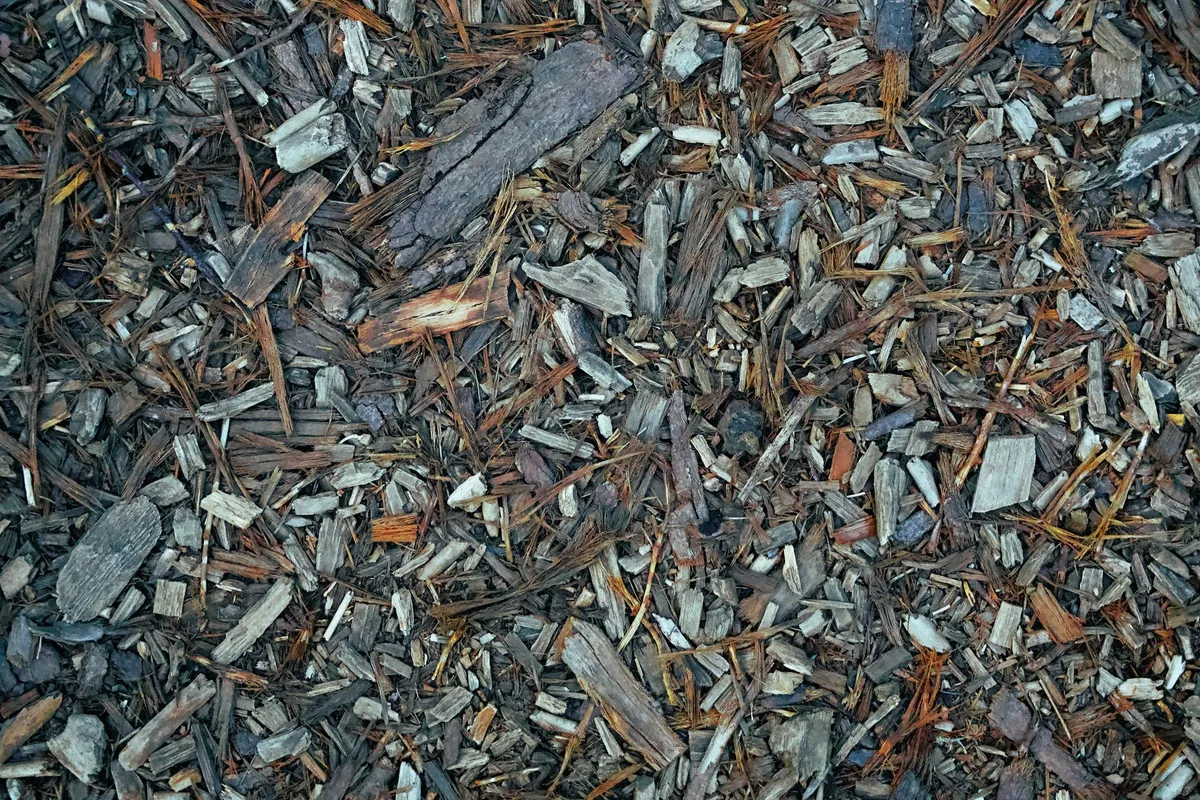
Hardwood mulch needs replacing every 12 to 18 months. Cedar lasts 2 to 3 years. Pine straw fades in one season.
Rubber mulch lasts 5 years or more. Climate speeds or slows every timeline. Check depth before you decide, anything above 2 inches just needs a top-up.
Below 1 inch means a full strip and replace.
It Starts with Mulch Type – Hardwood, Cedar, Rubber, or Pine Straw?
The material you chose is the biggest single factor in replacement timing. Organic mulches decompose, and they do it at different rates based on their chemical makeup and structure.
Shredded hardwood
This is the standard bagged mulch you find at garden centers. It’s usually a blend of oak, maple, and other hardwoods. It breaks down relatively fast because the small particles have more surface area for microbes to work on.
In our research, a 3-inch layer of shredded hardwood loses about an inch of depth per year in moderate climates. That means you get roughly 18 months before you need a full replacement.
Cedar and cypress
These two are the long-haul champs of organic mulch. Cedar contains natural oils that resist decay and repel insects. Cypress has similar properties.
Both break down slowly. A 3-inch layer can last 2 to 3 years before it needs stripping. The tradeoff is cost, cedar runs roughly 1.5 to 2 times the price of standard hardwood.
But if you factor in the longer replacement cycle, it’s often cheaper over time.
Pine bark nuggets and pine straw
Pine bark nuggets (the chunky kind) decompose slowly like cedar. But they also tend to float and wash away in heavy rain. You’ll lose more material to erosion than to actual decomposition.
Pine straw is the opposite, it breaks down fast, usually in one growing season, but it’s cheap and easy to refresh.
Rubber mulch
Rubber is inorganic. It does not decompose. You will never replace it because it rotted away.
You replace it because it fades, migrates, or gets contaminated with dirt and debris. Expect 5 to 7 years before the appearance drops off enough that you want fresh material. Some manufacturers claim 10 years.
That’s optimistic in direct sun.
Climate and Weather – The Hidden Timer on Your Mulch
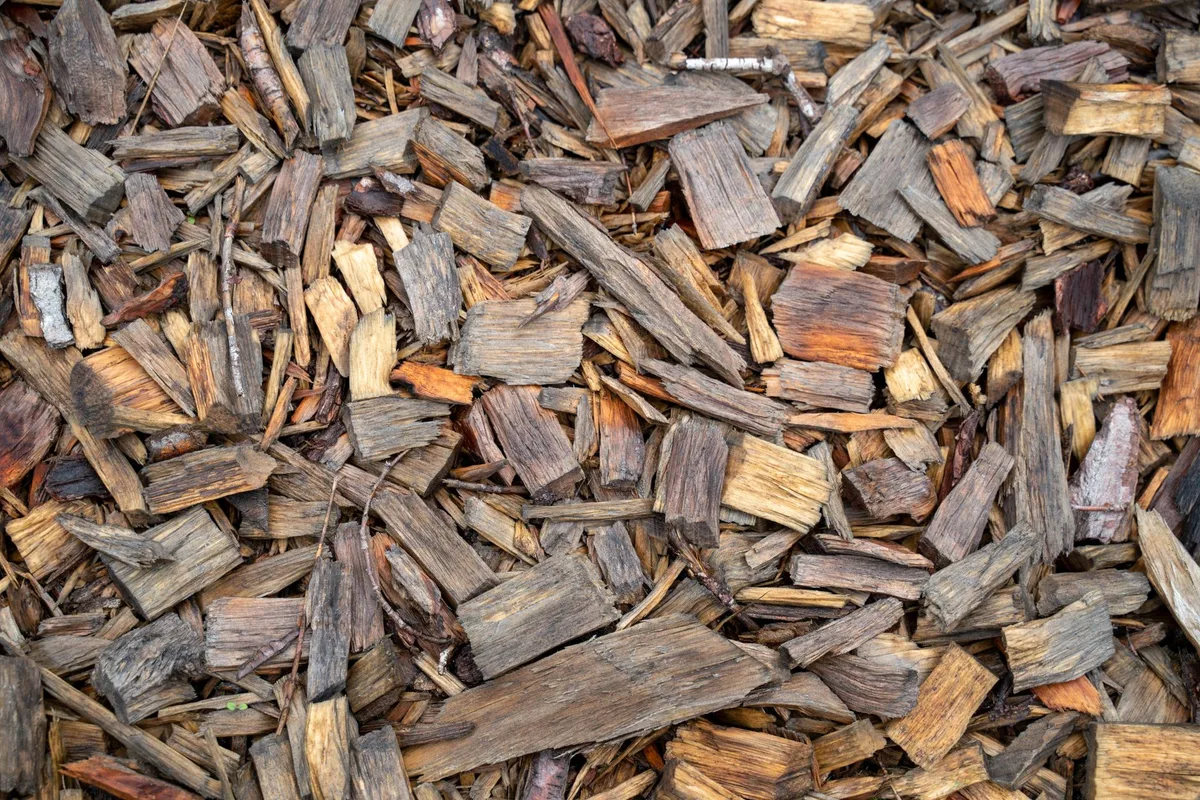
You can buy the same bag of mulch as your neighbor in the next state over and get twice the lifespan. Climate is that powerful.
Humid vs. arid
Humidity is the main engine of decomposition. Microbes need moisture to break down organic matter. In the Southeast US (Georgia, Florida, the Carolinas), shredded hardwood can lose its structure in 8 to 10 months.
In the arid Southwest (Arizona, New Mexico), the same mulch might look almost new after two years. The difference is simple, dry rot barely happens. Wet rot happens fast.
Freeze-thaw cycles
If you live in a region with hard freezes, your mulch will physically break apart. Water seeps into the wood fibers, freezes, expands, and cracks the particles from the inside. This turns chunky bark into fine material that compacts into a mat.
That mat is exactly what causes the anaerobic sour layer I mentioned earlier. Northern gardeners often need to fluff or replace mulch every spring simply because winter destroyed the structure.
Wind and heavy rain
Physical loss is real. High winds scatter pine bark nuggets across your lawn. Downpours wash fine particles into the soil or off the bed entirely.
You might not need a decomposition-based replacement. You might just need to replace what blew away. That’s a legitimate reason to top-dress even if the remaining mulch is in good shape.
Choose the right plants for your local conditions and your mulch choice matters even more. Take a look at our guide to the best plants for bedroom spaces if you’re working with interior beds, or the best trees for hot dry climates if you’re landscaping in a low-rainfall zone.
The “Do I Need Mulch?” Check – Three Quick Tests
Before you haul a single bag, do these three checks. They take 30 seconds total and they will tell you exactly what your beds need.
The depth test
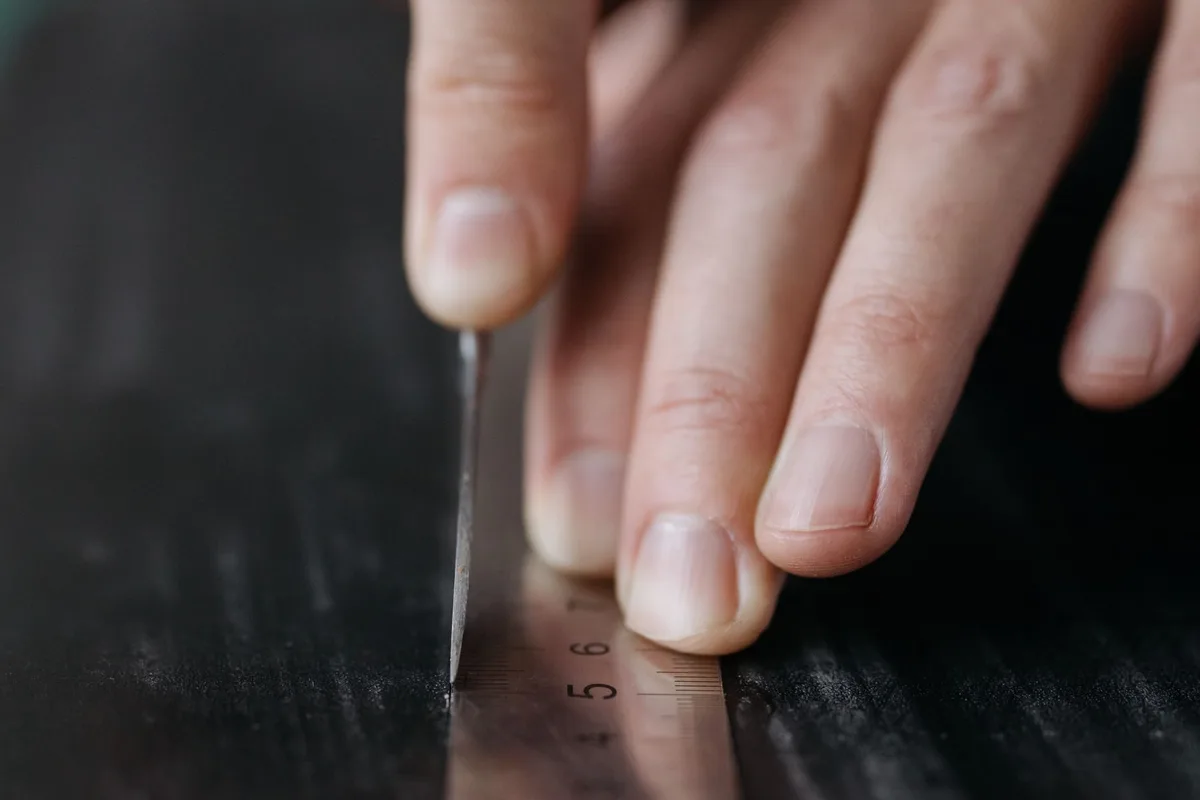
Push a ruler or your finger straight down through the mulch until you hit soil. If you feel more than 2 inches of depth, you do not need full replacement. You might not need any top-dressing.
If you feel less than 1 inch, you have lost the weed suppression layer. Weeds are coming. Replace fully.
If you’re between 1 and 2 inches, a light top-dress of half an inch will restore function.
The squeeze test
Grab a handful of mulch and squeeze it in your fist. If it crumbles easily and falls apart, it’s still working. If it holds together in a wet clump like a sponge, you have compaction.
That matted layer blocks water and air from reaching the soil. Your plants are suffocating. Fluff it with a rake first.
If it doesn’t break apart, strip it.
The sniff test
Dig down to the bottom of the mulch layer. Scoop up a handful from the soil interface. Smell it.
If it smells like fresh earth or nothing, you are fine. If it smells sour, like vinegar or rotten eggs, you have anaerobic decomposition. That layer needs to be removed completely.
Leaving it in place will harm your plants’ roots and can attract pests.
Condition Branch One: When to Just Top-Dress (Add Fresh Mulch)
Top-dressing means adding a thin layer of fresh mulch on top of existing mulch without removing the old material. It is faster, cheaper, and less labor than full replacement. It also produces less waste.
But it only works when certain conditions are met.
You should top-dress when all three of these are true:
- Depth is between 1 and 2 inches after the squeeze test
- The squeeze test shows loose, crumbly material (not compacted)
- The sniff test passes (no sour smell)
How much to add: Half an inch to one inch. No more. Adding more than that pushes total depth past 3 inches, which can suffocate roots and encourage fungus.
The half-inch rule is simple, just enough to restore color and weed suppression, not enough to create a new problem.
Best types for top-dressing: Shredded hardwood and cedar work well because they blend visually with aged material. Pine straw also works but the fresh straw will look noticeably different from the old. Pine bark nuggets tend to sit on top of the old layer without integrating.
That is fine functionally, but it looks uneven.
When to skip top-dressing entirely: If the old mulch is contaminated with weed seeds (you can see grass or weed seedlings sprouting from the mulch itself), do not top-dress. You will bury those seeds in ideal germination conditions. Strip first.
Similarly, if you had a disease problem in the bed (fungal spots on leaves, root rot), remove all old mulch before adding fresh material.
Condition Branch Two: When to Strip and Fully Replace
Full replacement means removing all old mulch down to the soil and laying down a fresh 2 to 3 inch layer. It is the more expensive option. But sometimes it is the only correct option.
You need a full replacement when any of these are true:
- Depth is below 1 inch (weed barrier is gone)
- The squeeze test produces a wet, matted clump that does not break apart
- The sniff test is sour or putrid
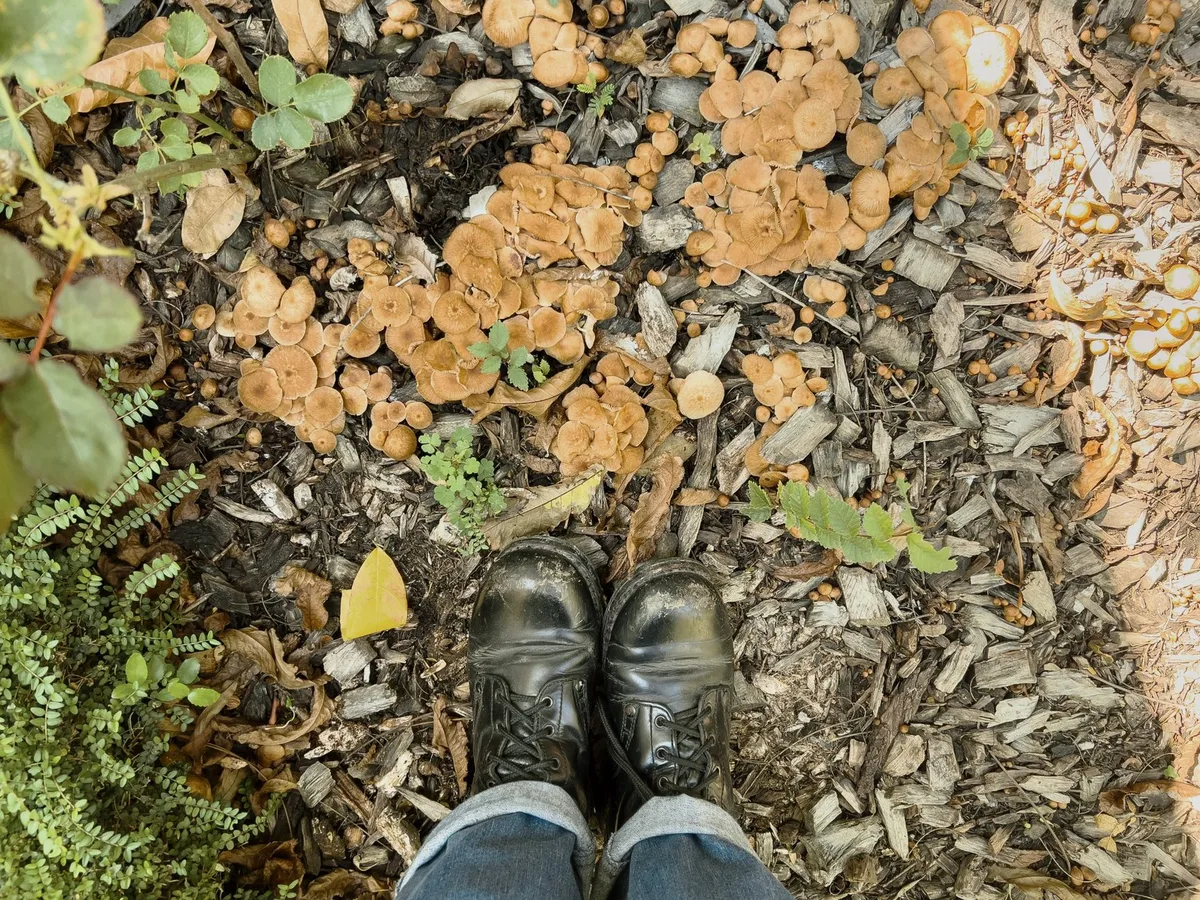
- You see visible fungus colonies, mushrooms, slime mold, or white mycelium mats
- You have pests, termites, ants, earwigs, or voles are living in the mulch
How to strip properly: Use a rake or a flat shovel to remove the top 2 inches. Do not scrape down to bare soil if you can avoid it. You want to leave the decomposed organic matter that has already integrated into the topsoil.
That material is valuable humus. Remove the loose mulch layer only. Dispose of it in your green waste bin or compost pile (if it is not diseased).
What to do after stripping: Let the soil surface dry for 24 to 48 hours. This kills any surface pathogens and gives you a clean starting point. Apply a pre-emergent weed preventer if you use one (some gardeners do, some skip it).
Then lay down fresh mulch at the proper depth for your chosen material. Water it in lightly to settle the layer.
The pest rule: If you found termites or ants in the old mulch, call a pest control professional before laying new material. The mulch is not the root cause, but it provided a habitat. You need to address the moisture or wood contact issue that attracted them first.
Check our guide on the best insecticide for carpenter ants for targeted treatment options.
Common Mulch Replacement Mistakes People Make
Mistake one is the biggest one. People lay new mulch on top of old matted layers without checking what is underneath. That creates a lasagna of compaction.
The old layer stops draining. Water pools between the layers. Roots rot.
And within six months, the whole bed smells like a swamp. You bought fresh mulch and made things worse.
Mistake two is over-applying. Gardeners see that the old mulch has faded and they pile on 3 to 4 inches of new material on top of 2 inches of remaining old material. Total depth hits 5 or 6 inches.
That much mulch holds too much moisture against plant stems and trunks. Crown rot follows. Perennials die.
Trees develop root collar rot. More mulch is not better.
Mistake three is using the wrong mulch type for the specific bed. Vegetable gardens benefit from fast-decomposing mulches like straw or grass clippings because they add organic matter each season. Ornamental beds benefit from longer-lasting mulches like cedar because you want visual consistency.
Mixing types mid-season creates a uneven look and uneven decomposition.
Mistake four is ignoring the pre-emergent window. If you apply a pre-emergent weed killer (like corn gluten meal or a commercial product), you need to apply it before the mulch goes down. Applying it on top of fresh mulch means half of it stays in the mulch layer and never reaches the soil.
Apply to the soil, then mulch.
Pro Tips on Timing – Spring vs. Fall vs. As-Needed
Spring is the most common time to replace mulch. It makes sense. You are cleaning up the beds anyway, dividing perennials, and getting ready for the growing season.
Spring replacement gives you the best weed suppression during the peak weed germination window (April through June). If you can only do one annual replacement, do it in spring.
Fall replacement is a viable alternative for specific situations. If you live in a region with hard freezes, a fresh layer of mulch in late fall insulates plant roots and reduces frost heave. It also looks tidy through winter.
The downside is that the mulch will fade over winter, so by mid-spring it already looks aged. Fall mulchers often need a light spring top-up just for appearance.
As-needed replacement is the smartest approach for experienced gardeners. Do not replace on a calendar. Replace when the three tests tell you to.
That saves labor, saves money, and keeps your soil healthier because you are not stripping away partially decomposed organic matter that is still feeding your plants.
Pre-emergent timing: If you use a pre-emergent, apply it in early spring when soil temperatures hit 55°F (12°C). Then mulch within 48 hours. Fall pre-emergent applications go down in late August or early September, before winter weed seeds germinate.
The same rule applies, mulch within two days.
Frequently Asked Questions
Can I just flip the old mulch instead of replacing it?
Flipping (turning the mulch over so the bottom layer ends up on top) can help with minor compaction and sourness. But it is a temporary fix. The organic matter is still breaking down.
Flipping buys you a few months at most. If the bottom layer is truly sour or matted, you need to remove it.
Does rubber mulch ever need replacing?
Rubber does not decompose, so it never rots. But it does fade, collect debris, and get displaced by rain and foot traffic. You will typically need to top it up or replace it after 5 to 7 years for cosmetic reasons.
The actual material lasts much longer.
What about shredded leaves as mulch?
Shredded leaves are excellent mulch for vegetable gardens and perennial beds. They break down fast (usually one season) and add significant organic matter. The tradeoff is that they need annual replacement.
They also mat down more than wood mulches. But they are free and they improve soil structure.
How do I know if the mulch is still good?
Run the three tests from earlier. Depth over 2 inches is good. A crumbly squeeze test is good.
No sour smell is good. If all three pass, the mulch is still doing its job. Do not replace it just because the color faded.
Color is cosmetic. Function is what matters.
Can I use dyed mulch and how often does it need replacement?
Dyed mulch is usually shredded hardwood dyed with iron oxide or carbon black. It decomposes at the same rate as undyed hardwood. The color fades faster than the structure breaks down.
You might need to replace dyed mulch every 12 months for color consistency, even though the physical layer is still 2 inches deep. That is a purely cosmetic decision.
Is landscape fabric worth using under mulch?
Landscape fabric can reduce weed growth and make it easier to remove old mulch. But it also blocks organic matter from integrating into the soil. Over time, you end up with fabric-covered soil that does not improve nutritionally.
Most university extension services recommend skipping fabric in ornamental beds and using a deep enough mulch layer instead.
Final Decision Guide – Your Personal Mulch Replacement Plan
Here is the one-sentence rule for each common scenario. Write this down or save it.
- Shredded hardwood in a humid climate: Replace every 12 to 18 months. Strip if matted. Top-dress if loose.
- Cedar in any climate: Replace every 24 to 36 months. You will rarely need a full strip.
- Pine straw: Replace every spring. It breaks down that fast.
- Rubber: Replace every 5 to 7 years. Only for looks.
- Any mulch below 1 inch: Replace now. You have no weed barrier.
- Any mulch with sour smell: Strip immediately. Do not top-dress.
And the golden rule that covers all scenarios: Check depth first. Check compaction second. Check smell third.
If all three pass, leave it alone. The best mulch replacement schedule is the one that matches what your beds actually need, not what a calendar tells you.
Special Considerations for Vegetable Gardens
Vegetable gardens need a different approach. Fast-decomposing mulches like straw, grass clippings, or shredded leaves work best here. They add organic matter to the soil every season.
Plan to replace them fully each spring before planting. Do not use dyed hardwood or rubber around edibles. The risk of chemical leaching into the soil is not worth the convenience.
Mulch in Play Areas and Pathways
Play areas and pathways have different rules. Depth matters for safety. Playground mulch (engineered wood fiber or rubber) needs to stay at least 6 inches deep.
Replace it when the depth drops below 6 inches, not when it fades. For pathways, shredded bark works well. Top-dress yearly to keep weeds down and look tidy.
Dealing with Invasive Weeds in Mulch
If mulch brings invasive weeds, it is time to strip. Do not just pull the weeds and leave the mulch. Weed seeds can stay dormant in the old layer.
Remove all infected mulch. Apply a pre-emergent. Then lay fresh material.
Check our guide on the best slow release fertilizer for flowers if you are replenishing nutrients in those beds after stripping.
Cost Comparison of Replacement Schedules
| Mulch Type | Cost per year (3-inch layer, 100 sq ft) | Replacement frequency |
|---|---|---|
| Shredded hardwood | $15–25 | 12–18 months |
| Cedar | $12–18 | 24–36 months |
| Pine straw | $20–35 | 12 months |
| Rubber | $8–12 | 5–7 years |
Cedar is the best value for ornamental beds. Rubber wins for play areas. Hardwood works for budget-friendly annual beds.
Final Maintenance Calendar
Test depth every spring and fall. Top-dress when depth drops below 2 inches. Strip when any test fails.
Keep a log in your phone. That single habit saves you time, money, and a lot of sour mulch headaches.