Guide to Can Grass Survive Without Water 2026: Quick Guide
You look out at your lawn during a dry spell and see nothing but brown. It's a sinking feeling, wondering if you've killed it or if it will bounce back. So, can grass survive without water?
The short answer is yes, but only under the right conditions.
Our research shows that most lawn grasses can survive anywhere from three to six weeks without water by entering a dormant state. That dormancy is a survival mechanism, not a death sentence. Understanding the difference between dormancy and death is the key to knowing whether to water or wait.
Let's walk through the signs and steps so you can make the right call for your lawn.
Quick Answer
Yes, grass can survive without water by going dormant. Dormancy lasts 3 to 6 weeks depending on the grass type. The crown remains alive and the lawn will regrow when rain returns.
Death occurs only after permanent wilting happens in the roots.
Problem / Pain Point: The Stress of a Brown Lawn

You've got a brown lawn and no idea if it's dead or just sleeping. It's stressful. Every day without water feels like a countdown.
You might feel pressure from your HOA or neighbors to keep the lawn green. Or you're watching your water bill climb and wondering if it's worth it.
The real pain point is not knowing. Without a clear process, you might overwater and waste resources. Or you might give up too soon and tear out a lawn that could have recovered.
This is where the decision tree comes in. If you're in this spot right now, you need a way to diagnose the condition of your grass. That's exactly what we're going to help you with.
Core Explanation / How It Works: Why Grass Shuts Down Without Water
Cool-Season vs. Warm-Season Survival Mechanics
Grasses fall into two main categories: cool-season and warm-season. Each handles drought differently.
Cool-season grasses, like Kentucky bluegrass and tall fescue, grow actively in spring and fall. When summer heat and drought hit, they go dormant quickly. They stop growing, turn brown, and wait for cooler, wetter weather.
Their survival window is about three to four weeks without water.
Warm-season grasses, like Bermuda grass and Zoysia grass, thrive in hot weather. They can stay green longer during a dry spell because their root systems go deep. Bermuda grass can survive four to six weeks without water in a dormant state.
Just like trees adapted to dry climates, deep-rooted grasses have better survival rates. That's a key factor.
The Role of Root Depth and Soil Moisture
Root depth is everything. A grass with roots 6 inches deep can pull water from deeper in the soil. Cool-season grass roots average 4 to 8 inches.
Warm-season roots can reach 12 inches or more.
Soil type matters too. Sandy soil drains fast and holds less moisture. Clay soil holds water longer but can become hard and compacted.
Loam is the ideal balance.
Per research from the University of California Statewide Integrated Pest Management Program, grass enters dormancy when soil temperatures exceed certain thresholds. Here's a quick comparison:
| Grass Type | Typical Root Depth | Survival Without Water (Dormant) |
|---|---|---|
| Cool-season (fescue, bluegrass) | 4–8 inches | 3–4 weeks |
| Warm-season (Bermuda, Zoysia) | 12–24 inches | 4–6 weeks+ |
Your soil's ability to hold moisture will stretch or shorten those windows. A deep, healthy root system is your lawn's best defense against drought.
Step-by-Step Process / Decision Tree: Is Your Grass Dormant or Dead?
Step 1 – Identify Your Grass Type
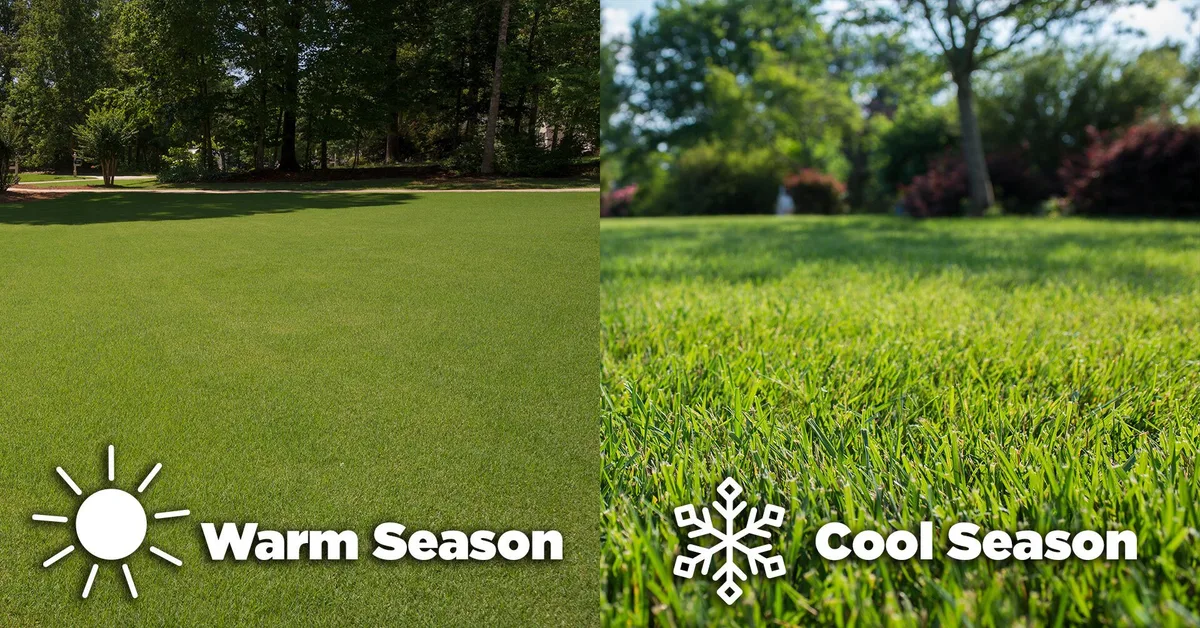
Before you do anything, know what you're working with. Is your lawn a cool-season or warm-season grass? Look at the leaf texture and growth pattern.
If you have a lawn that goes brown every summer and then greens up in fall, it's likely cool-season. If it handles hot summers well, it's probably warm-season.
Step 2 – Check the Crown (White or Brown?)
The crown is the base of the grass plant, right at or just below the soil surface. Gently pull apart the brown blades and look at the crown. If it's white or light cream, the plant is alive and dormant.
If it's dark brown or black, the crown is dead.
A living crown means the grass can recover. A dead crown means it's gone.
Step 3 – Perform the Tug Test

Take a handful of brown grass and give it a gentle tug. If the blades come out easily with no resistance, the roots are dead. If you feel resistance and the grass stays put, the roots are still alive.
This is one of the most reliable field tests.
Step 4 – Test Soil Moisture (Hand-Feel or Probe)
Dig down about 3 inches. Grab a handful of soil. Squeeze it.
If it holds together and feels cool, there's still moisture available. If it's dry and crumbly, the soil is parched.
A soil probe or a simple screwdriver can help. Push it into the ground. If it goes in easily, the soil is moist enough for roots to find water.
If it's hard to push, the soil is dry.
Step 5 – Decide Your Next Move (Decision Table)
Here's a decision table based on the steps above.
| Grass Type | Crown Color | Tug Test | Soil Moisture | What to Do |
|---|---|---|---|---|
| Cool-season | White/cream | No tug (stays) | Dry | Wait 1-2 weeks. Water only if no rain. |
| Cool-season | Dark brown | Comes out | Dry | Dead. Replace or overseed. |
| Warm-season | White/cream | No tug (stays) | Dry | Wait 2-4 weeks. Water if no rain after 4 weeks. |
| Warm-season | Dark brown | Comes out | Dry | Dead. Replace or overseed. |
| Any | White | No tug | Moist | Do nothing. Rain is coming. |
Decision tree logic: If the crown is alive and the tug test shows resistance, you're good. If the crown is dead, it's time to plan for replacement.
Mistakes to Avoid / Common Errors: What Kills Dormant Grass Faster Than Drought
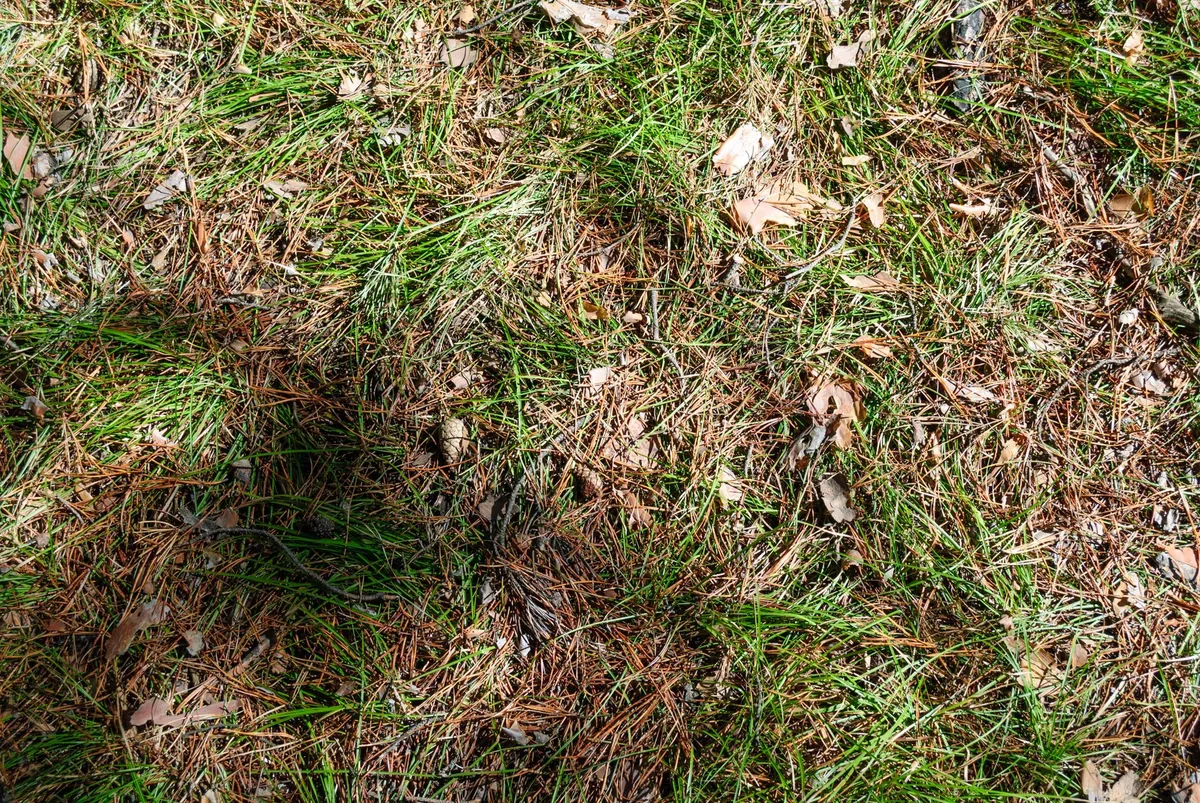
You might think you're helping, but some actions can kill dormant grass faster than the dry weather itself.
Overwatering During Dormancy
Dormant grass doesn't need much water. In fact, watering too much can wake it up briefly, then shock it when the water stops. It can also encourage fungal diseases.
If you've been overwatering, watch for signs of fungus. A targeted fungicide for lawns can help if the infection takes hold.
Scalping or Fertilizing a Stressed Lawn
Cutting the grass too short, known as scalping, removes crucial leaf area that protects the crown. Fertilizing a dormant lawn is worse. The grass can't use the nutrients, and the salts can burn the roots.
Wait until the lawn is actively growing again before applying any fertilizer. When you do resume feeding, aim for steady nutrition with a slow-release product.
Ignoring Foot Traffic and Soil Compaction
Walking on dormant grass can crush the crowns and compact the soil. Compacted soil holds less air and water, making recovery harder. Stay off the lawn as much as possible until it greens up.
Fertilizing Too Early
As mentioned, don't fertilize until the grass is actively growing. If you're tempted, remember that organic matter helps retain soil moisture, just like with fruit trees. Adding compost can improve soil fertility over time.
Benefits & Drawbacks / Pros and Cons: Letting Grass Go Dormant on Purpose
Letting your lawn go brown on purpose sounds wrong, but it's a legitimate strategy in dry climates. Here's the trade-off.
| Pros | Cons |
|---|---|
| Saves water and money on bills | Lawn looks brown for weeks |
| No mowing needed during dormancy | Higher risk of weed invasion |
| Grass naturally recovers when rain returns | Recovery takes 2-3 weeks |
| Reduces need for fungicides | Foot traffic can damage crowns |
| Builds deeper roots over time | Not suitable for high-traffic areas |
If you're in a region with seasonal drought, letting grass go dormant is the smartest choice. Our research shows that lawns allowed to enter natural dormancy actually develop stronger root systems. The key is knowing the survival window.
For a typical cool-season lawn, that window is about 3 to 4 weeks. For warm-season lawns, 4 to 6 weeks. If the drought extends past those limits, you need to water just enough to keep the crown alive.
A half inch every three weeks is usually enough.
Dormancy is not a failure of lawn care. It's a survival mechanism. You just need to plan for it.
Real Scenarios / Case Examples: What Happens After 3, 5, and 8 Weeks Without Water
Understanding timelines helps you decide when to act. Here's what we've seen from field observations and university extension data.
3 Weeks Without Water
The lawn is fully brown. Cool-season grasses look dead but the crowns are still alive. The tug test shows resistance.
Soil moisture at 3 inches is dry but not bone-dry. If rain comes within a week, the lawn greens up in 7 to 10 days. No action needed.
5 Weeks Without Water
Cool-season grasses start losing crowns. Some areas may show dead patches, especially on slopes or sandy soil. Warm-season grasses are still dormant but starting to stress.
The tug test shows some blades pulling loose. Soil is dry and cracked. A light watering (1/4 inch) can save the remaining crowns.
Do not fertilize.
8 Weeks Without Water
Most cool-season grasses are dead. Warm-season grasses are nearing the end of their survival window. The tug test pulls up big clumps.
Crowns are brown or black. Soil is dusty. You're looking at overseeding or sod replacement.
Start planning for fall when temperatures drop and moisture returns.
This timeline varies by grass type, soil, and local climate. A thick, healthy lawn with deep roots can stretch these windows by a week or two.
Expert Tips / Pro Advice: How to Help Dormant Grass Recover When Rain Returns
When the first good rain finally hits, you want your lawn to bounce back fast. Here's how to make that happen.
Don't rush to water. Let nature do the work. Once you see steady rain, wait until the soil is thoroughly wet before you do anything else. Overwatering after a dry spell can rot weakened roots.
Hold off on fertilizer. The grass needs time to wake up and start growing. Applying fertilizer too early is like feeding someone in a coma. Wait until the lawn is at least 50% green and actively growing.
Then use a balanced slow-release product.
Mow high. When you resume mowing, set the blade to the highest setting. Taller grass means more leaf surface for photosynthesis. That speeds up recovery.
Never remove more than one third of the blade height in a single mow.
Watch for weeds. Dormant lawns leave bare spots. Weeds love bare spots. A pre-emergent herbicide applied before dormancy can help.
If weeds appear, spot-treat them rather than broadcasting. You don't want to stress recovering grass.
Aerate if the soil is compacted. After a drought, the soil can harden. A core aeration improves water infiltration and root growth. Do this only after the lawn is fully green and growing.
Maintenance / Long-Term Optimization: Building Deeper Roots Before Next Drought
The best defense against drought is a lawn with deep, healthy roots. You can build those roots over time with the right care.
Water deeply, not often. Instead of light daily sprinkles, give the lawn a deep soak once a week. That encourages roots to grow downward. A typical lawn needs about one inch of water per week.
Water until the soil is wet 6 to 8 inches deep.
Mow higher year-round. Keeping the grass at 3 to 4 inches provides shade for the soil. Cooler soil holds moisture longer. Those taller leaves also store more energy, which the grass can tap during dry spells.
Improve your soil organic matter. Clay soils that are amended with compost hold water better. Add a quarter inch of compost over the lawn each spring. Earthworms and microbes will work it in naturally.
Over a few seasons, your soil structure improves dramatically.
Choose drought-tolerant grass varieties. If you're starting fresh or overseeding, pick varieties bred for dry conditions. Tall fescue is a top performer for cool-season lawns. Bermuda and Zoysia are excellent warm-season choices.
Per Texas A&M AgriLife Extension, deep-rooted warm-season grasses can survive up to 8 weeks without water.
Consider alternate ground covers for problem areas. In really dry spots, consider options like clover or buffalo grass. They use less water and stay greener longer. Check out our guide on plants for hot dry climates for ideas that work in challenging spots.
Frequently Asked Questions
How can I tell if my grass is dead or just dormant?
Check the crown color and do the tug test. If the crown is white or cream and the grass stays put when pulled, it's dormant. If the crown is dark brown and blades come out easily, it's dead.
Will watering dead grass bring it back?
No. Once the crown is dead, no amount of water will revive it. You need to remove the dead grass and reseed or lay new sod.
How often should I water a dormant lawn?
Dormant grass needs very little water. Every 3 to 4 weeks, apply about a half inch of water to keep the crown alive. That's enough to prevent permanent damage without waking the grass up.
Can I mow dormant grass?
Avoid mowing dormant grass. The blades are fragile and the crowns are sensitive. If you must mow for appearance or fire safety, set the blade high and use a sharp blade to avoid tearing.
Should I fertilize my lawn during a drought?
Never fertilize dormant or stressed grass. The roots can't absorb nutrients, and fertilizer salts can burn the crown. Wait until the lawn is actively growing and has received at least an inch of rain.
When should I give up and replace my lawn?
If the lawn has been completely brown for 8 weeks on a cool-season grass or 10 weeks on a warm-season grass, and the tug test shows no resistance, it's time to plan for replacement. Wait until the right season for your grass type.
Decision Guide / Final Verdict: Your One-Page Cheat Sheet for Each Situation
Here's your quick reference. Match your situation to the action.
Situation 1: Lawn has been brown for less than 3 weeks.
You're fine. Do nothing. The grass is dormant.
Wait for rain. If no rain after 3 weeks, apply a half inch of water to keep crowns alive.
Situation 2: Lawn has been brown for 4 to 6 weeks and crown is white.
Water lightly. Apply 1/4 inch every 2 weeks. Do not fertilize.
Do not mow. Watch for rain in the forecast.
Situation 3: Crown is white but tug test pulls some blades loose.
Some roots have died. Water 1/4 inch every week until rain returns. The lawn will recover patchily.
Overseed thin areas next spring.
Situation 4: Crown is dark brown and tug test pulls up big clumps.
The grass is dead. No amount of water will bring it back. Remove dead material and plan for reseeding or sod.
Wait for the right season.
| Lawn Condition | Crown Color | Tug Test | Action |
|---|---|---|---|
| Dormant (safe) | White/cream | Strong resistance | Wait, water sparingly after 3 weeks |
| Stressed (borderline) | White/cream | Some blades loose | Light water every 2 weeks |
| Dying | Light brown | Moderate resistance | Water weekly until rain |
| Dead | Dark brown/black | No resistance | Remove and replace |
If you're unsure, wait another week and recheck. A lawn that's truly dormant can survive a few extra days. A lawn that's dead can't be saved, so don't rush into expensive replacement until you're certain.
Your best long-term strategy is to build deep roots through proper watering and mowing. A strong lawn is a drought-tolerant lawn. And when the rain finally returns, give it time to wake up naturally.
Within two to three weeks, the green will come back.