What Causes Whiteflies 2026
You flip over a leaf and watch a cloud of tiny white insects lift off like snow. What causes whiteflies to suddenly appear on your plants isn't random, it's the result of specific environmental conditions, introduction pathways, and stress factors that create the perfect storm for an infestation. Understanding the trigger that brought them to your space is the only way to prevent the next wave.
Whiteflies (Aleyrodidae family) can complete a full lifecycle in as little as 25 to 30 days when temperatures hover between 70 and 80°F, which means a few adults can become hundreds in just a few weeks. Let's walk through the real reasons whiteflies show up, the conditions that let them explode, and how to identify your specific trigger so you can stop the cycle.
Quick Answer
Whiteflies appear when you introduce infested plants, when they migrate from nearby host plants, or when environmental conditions favor rapid reproduction. Warm temperatures, high humidity, and poor air circulation accelerate their lifecycle. Stressed plants attract and sustain larger populations.
Indoor environments and greenhouses remove natural predators, letting colonies grow unchecked. Most outbreaks trace back to a single introduction event combined with favorable growing conditions.
Why Whiteflies Show Up in the First Place
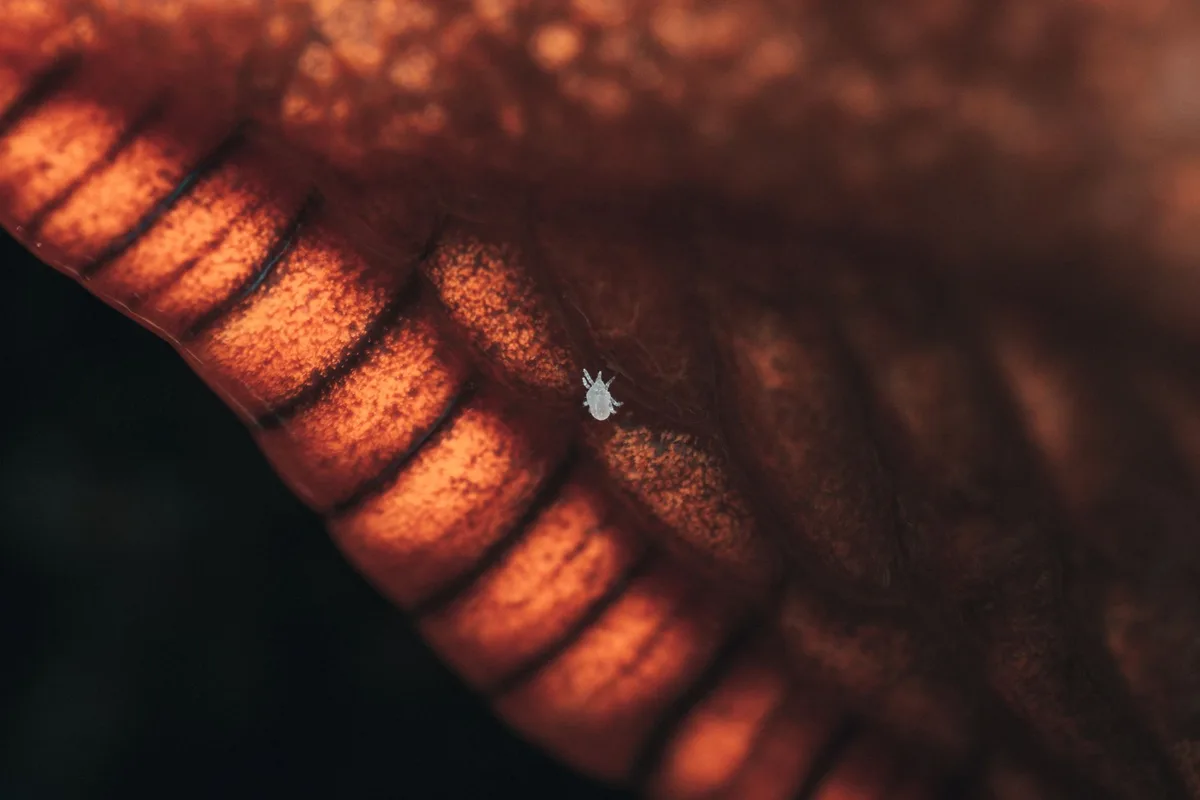
Whiteflies don't materialize out of thin air. Every infestation starts with an introduction event, usually invisible at first. Adult whiteflies, nymphs, or eggs hitch a ride into your space, find a host plant, and begin feeding and reproducing.
The speed at which they establish depends on temperature, humidity, and whether natural enemies are present.

The two most common species you'll encounter are the greenhouse whitefly (Trialeurodes vaporariorum) and the silverleaf whitefly (Bemisia tabaci). Greenhouse whiteflies dominate indoor and protected environments. Silverleaf whiteflies are more aggressive outdoors, especially in warm climates.
Both species share similar triggers, but silverleaf types reproduce faster and tolerate higher heat.
Whiteflies are weak fliers. They rarely travel more than 10 to 20 feet on their own. That means long-distance spread happens through human activity, wind-assisted movement between neighboring plants, or the transport of infested material.
Once they land on a suitable host, they settle in and start laying eggs within two to three days.
You Brought Them Home on an Infested Plant
This is the number one cause of indoor whitefly problems. Nurseries, garden centers, and big-box stores often have whiteflies circulating between benches. A single plant with a handful of adults or a cluster of eggs on the underside of a leaf is enough to seed your entire collection.
New plants should go through a quarantine period of at least 10 to 14 days in a separate room or area. Inspect the undersides of leaves with a flashlight. Look for tiny white adults, pale yellow eggs laid in circular or semicircular patterns, and translucent nymphs that look like flat scales.
Even one missed leaf can restart the cycle.
If you skip quarantine and place a new plant directly next to your existing ones, whiteflies will migrate within days. They're attracted to fresh growth and stressed plants, so a newly potted or recently shipped specimen is an ideal first target.
They Migrated From a Neighbor's Yard or Nearby Plants
Outdoor whitefly populations can drift from neighboring gardens, especially during warm weather. If your neighbor has an untreated infestation on tomatoes, peppers, or ornamental hibiscus, adult whiteflies will fly short distances to explore new hosts. Wind can carry them a bit farther, but they're not strong enough to cover more than 50 feet without shelter.
Community gardens, shared greenhouses, and apartment balconies are high-risk zones. One infested plot can seed a dozen others in a matter of weeks. Volunteer plants, also known as weeds, can harbor whiteflies between crop cycles.
Lambsquarters, wild mustard, and sowthistle are all common whitefly hosts.
If you live in USDA zones 9 through 11, whiteflies can overwinter outdoors on perennial plants. That means there's a constant reservoir of adults ready to colonize your garden as soon as temperatures rise in spring.
They Hitched a Ride on Your Clothing, Tools, or Hands
Whiteflies and their eggs are sticky. If you brush against an infested plant in a greenhouse or garden, adults can cling to fabric, and eggs or honeydew residue can transfer to your hands or gloves. When you touch a clean plant afterward, you can deposit whitefly material directly onto fresh foliage.
This is especially common in commercial greenhouses and nurseries where workers move between benches. Home gardeners who maintain both outdoor vegetable plots and indoor houseplants can accidentally cross-contaminate if they don't wash their hands or change clothes between zones.
Tools are another vector. Pruning shears, stakes, and even pots can carry eggs or nymphs if they're not cleaned between uses. Reusing potting soil without sterilizing it can introduce whitefly pupae that survived the previous growing season.
They Overwintered on Plants You Moved Indoors
If you bring outdoor plants inside for the winter, you're almost guaranteed to bring pests with them. Whiteflies lay eggs on the undersides of leaves, and those eggs can sit dormant for days before hatching. By the time you notice adults, the plant has already been infested for weeks.
Tomatoes, peppers, and tropical ornamentals like hibiscus and fuchsia are frequent culprits. Even a single potted citrus tree can carry enough whitefly eggs to start an indoor outbreak. The warm, stable conditions inside your home accelerate the lifecycle, and without natural predators, populations explode.
Before you move any plant indoors, hose it down thoroughly, focusing on the undersides of leaves. Inspect every leaf and stem. Consider treating with insecticidal soap or horticultural oil as a precaution.
Let the plant sit outside for an extra week or two after treatment to give any surviving pests time to reveal themselves.
Environmental Conditions That Trigger Whitefly Outbreaks
Once whiteflies are present, environmental conditions determine whether they fizzle out or explode into a full-scale infestation. Temperature, humidity, and air movement are the three primary drivers. Whiteflies thrive in stable, warm environments with little wind and high moisture.
If your growing space matches those conditions, even a small introduction can spiral quickly.
Warm Temperatures (70–80°F) Speed Up Their Lifecycle
Whiteflies are cold-blooded. Their reproductive rate is directly tied to ambient temperature. At 70 to 80°F, a single female can lay 200 to 400 eggs over her lifetime, and those eggs hatch in as little as 7 to 10 days.
The entire lifecycle from egg to adult takes just 25 to 30 days.
Drop the temperature below 60°F, and the lifecycle stretches to 60 to 90 days. Adults become sluggish, egg-laying slows, and mortality increases. Sustained exposure to temperatures below 50°F kills most whitefly life stages outright.
That's why whiteflies are a seasonal problem in northern climates but a year-round challenge in the South and in indoor environments.
Greenhouses and grow rooms are whitefly incubators. If you maintain steady temps between 70 and 80°F to optimize plant growth, you're also optimizing whitefly reproduction. Even a single degree shift upward can shorten the generation time by a day or two, which compounds over multiple cycles.
High Humidity Creates Perfect Breeding Conditions
Whiteflies prefer relative humidity above 60%. High humidity keeps eggs from desiccating and helps nymphs molt successfully. In dry conditions, especially below 40% humidity, egg viability drops and nymphal survival declines.
Indoor environments with poor ventilation often run humid, especially if you're growing moisture-loving plants like ferns, orchids, or tropical foliage. Bathrooms, kitchens, and basements are high-risk zones. Greenhouses with misting systems or overhead irrigation create constant surface moisture, which whiteflies exploit.
You can use humidity to your advantage. Running a dehumidifier or improving ventilation to drop humidity below 50% wongs't eliminate whiteflies, but it will slow reproduction and make conditions less favorable.
Poor Air Circulation Lets Populations Explode
Whiteflies are weak fliers. They avoid windy conditions and prefer still air where they can settle undisturbed. Stagnant air also traps heat and humidity around plant canopies, creating microclimates that favor both whiteflies and the sooty mold that grows on their honeydew.
Indoor plants grouped tightly together with no fan or air movement are prime targets. Greenhouses with closed vents or no circulation fans see faster whitefly buildup than those with constant airflow. Outdoor gardens with dense plantings or windbreaks also provide shelter.
Adding a small oscillating fan in your grow space disrupts whitefly activity. It won't blow them off permanently, but it makes it harder for them to land, feed, and lay eggs. Even modest airflow can reduce infestation severity by 30 to 40% compared to still air.
Lack of Natural Predators Indoors and in Greenhouses
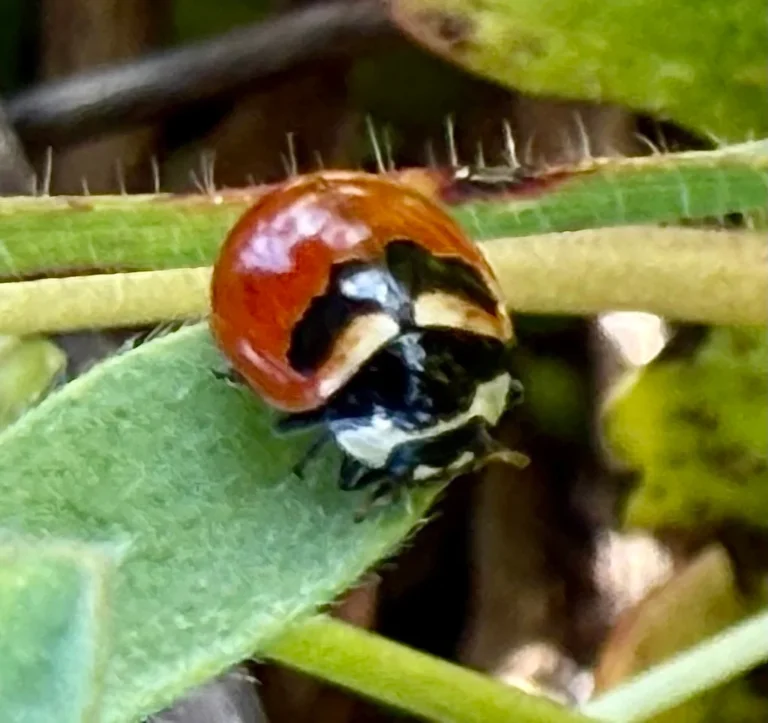
Outdoors, whiteflies face a gauntlet of natural enemies. Ladybugs, lacewings, parasitic wasps, predatory beetles, and spiders all feed on whitefly eggs, nymphs, and adults. These predators keep populations in check, especially during the growing season.
Indoors, those predators are absent. Your houseplants exist in a sterile bubble where whiteflies face no meaningful resistance. That's why a small introduction indoors can become a full infestation in weeks, while the same introduction outdoors might fizzle.
Greenhouses fall somewhere in between. Sealed structures exclude most predators, but growers can introduce biological controls like Encarsia formosa (a parasitic wasp) or Delphastus catalinae (a whitefly-eating beetle). Without these interventions, greenhouse whiteflies reproduce unchecked.
If you're managing indoor plants, you're fighting an uphill battle without some form of biological or chemical control. The absence of predators is one of the biggest reasons indoor infestations are so persistent.
Plant Stress Factors That Invite Whiteflies
Healthy, vigorous plants are more resistant to whitefly establishment. Stressed plants, on the other hand, are easier targets. Whiteflies are phloem feeders, meaning they pierce plant tissue and suck out nutrient-rich sap.
When a plant is already compromised by drought, nutrient imbalance, or root damage, it can't defend itself effectively or recover from feeding damage.
Stress also changes the chemical composition of plant sap. Some research suggests that stressed plants produce higher concentrations of amino acids and sugars in their phloem, making them more attractive and nutritious to whiteflies. That's why you'll often see the worst infestations on plants that were neglected, overwatered, or recently transplanted.
Drought Stress and Inconsistent Watering
Whiteflies are attracted to plants that are water-stressed. When soil dries out repeatedly, plant tissues become more concentrated with soluble sugars, which whiteflies prefer. Drought-stressed plants also produce less defensive sap, making them easier to feed on.
Inconsistent watering creates a boom-and-bust cycle that weakens root systems and stresses foliage. If you let a plant wilt, then flood it, then let it dry out again, you're setting up ideal conditions for whitefly colonization. The damage isn't immediate, but over weeks, the plant becomes a more appealing host.
Consistent moisture, matched to the plant's specific needs, reduces stress and improves resilience. That doesn't mean overwatering. It means keeping the root zone in the optimal range for that species and avoiding extreme swings.
Nutrient Deficiencies Weaken Plant Defenses
Plants with nitrogen, potassium, or micronutrient deficiencies show slower growth, yellowing foliage, and reduced vigor. These symptoms make them less able to tolerate or recover from whitefly feeding. Deficient plants also produce thinner cell walls, which are easier for whiteflies to pierce.
On the flip side, excessive nitrogen creates lush, tender new growth that whiteflies love. High nitrogen encourages rapid leaf expansion with soft, juicy tissues full of amino acids. If you over-fertilize, especially with fast-release synthetic nitrogen, you're essentially setting out a buffet.
Balanced nutrition with slow-release fertilizers supports steady growth without creating nutrient imbalances that stress the plant or produce hyperpalatable foliage.
Overcrowding and Dense Canopies Create Microclimates
When plants are spaced too closely, air circulation drops and humidity rises around the foliage. Whiteflies thrive in these sheltered pockets. Dense canopies also make it harder to spot early infestations, so by the time you notice whiteflies, they're already established on multiple plants.
Outdoor vegetable gardens with tightly spaced rows, indoor collections crammed onto shelves, and greenhouse benches packed with pots all create favorable conditions. The overlap of foliage provides bridges for whiteflies to move from plant to plant without ever exposing themselves to wind or predators.
Proper spacing improves airflow, reduces humidity, and makes it easier to inspect and treat plants. If you're growing tomatoes or peppers, aim for at least 18 to 24 inches between plants. For houseplants, leave enough room that air can circulate around each pot.
Excessive Nitrogen Produces Tender Growth They Love
We touched on this earlier, but it's worth repeating. High nitrogen levels, especially from quick-release fertilizers, push plants to produce soft, fast-growing foliage. That new growth is rich in amino acids and low in defensive compounds.
Whiteflies preferentially colonize these young leaves.
If you're seeing whitefly infestations on the newest growth while older leaves remain relatively clear, nitrogen is likely part of the problem. This is especially common in greenhouse crops like tomatoes and peppers, where growers push vegetative growth early in the season.
Switching to a balanced or slightly lower-nitrogen fertilizer during vulnerable periods can reduce whitefly pressure. It won't eliminate them, but it removes one of the factors that makes your plants more attractive.
Location and Climate: Why Some Growers Deal With This Year-Round
Geography and climate play a huge role in whitefly pressure. If you're gardening in a region where temperatures stay warm year-round, you're fighting whiteflies continuously. If you're in a colder climate, your outdoor risk is seasonal, but indoor plants remain vulnerable.
Warm Climates (Zones 9–11) Support Continuous Generations
In USDA hardiness zones 9 through 11, winter temperatures rarely drop low enough to kill whiteflies. Adults can overwinter on perennials, citrus trees, and evergreen ornamentals. As soon as spring arrives, they start laying eggs, and multiple overlapping generations build throughout the growing season.
Southern states like Florida, Texas, Arizona, and Southern California see whitefly pressure on outdoor gardens nearly year-round. Coastal regions with mild winters also provide refuge. If you're in one of these areas, you can expect five to seven generations per year, with peak populations in late summer and early fall.
Outdoor pest control in these climates requires a season-long strategy, not a one-time treatment. Many growers in the South use integrated pest management that combines biological controls, reflective mulches, and targeted treatments.
Indoor and Greenhouse Environments Remove Seasonal Breaks
Indoors, there is no winter. If you maintain stable temperatures between 65 and 75°F for your plants, you're also maintaining ideal conditions for whiteflies. There's no cold snap to knock back populations, no predators to intervene, and no seasonal reset.
Greenhouses are even worse. The combination of warmth, humidity, high plant density, and continuous cropping creates a whitefly paradise. Commercial operations often release parasitic wasps or predatory beetles to manage populations, but home growers rarely have access to those tools.
If you grow vegetables or ornamentals indoors under grow lights, you're at high risk. The same stable environment that supports year-round harvests also supports year-round whitefly reproduction.
Northern Climates Face Seasonal Outdoor Pressure in Summer
In zones 3 through 8, outdoor whiteflies are a warm-season problem. Adults can't survive freezing temperatures, so outdoor populations collapse in late fall. The risk window runs from late spring through early fall, peaking in July and August.
However, indoor plants in northern climates are just as vulnerable as those anywhere else. If you bring outdoor plants inside for winter or purchase new plants from a southern supplier, you can introduce whiteflies at any time of year.
Northern growers often see a surge in indoor infestations in fall when they move patio plants, herbs, or tropical ornamentals indoors. That's the transition point where outdoor whitefly populations hitch a ride into a predator-free, climate-controlled environment.
Which Plants Are Most Likely to Attract Whiteflies
Whiteflies aren't generalists. They have strong preferences for certain plant families and species. Solanaceae (tomatoes, peppers, eggplant), cucurbits (squash, cucumbers, melons), and legumes (beans, peas) top the list for vegetables.
Among ornamentals, hibiscus, poinsettias, fuchsia, lantana, and citrus are whitefly magnets.

Tomatoes and peppers are the most commonly infested crops in home gardens and greenhouses. The combination of tender foliage, high nitrogen content, and dense canopies makes them ideal hosts. If you're growing these in a warm climate or indoors, expect whitefly pressure.
Poinsettias are notorious whitefly hosts in the ornamental trade. Greenhouse growers often struggle with whiteflies on poinsettias during the fall production cycle. Fuchsia and hibiscus follow closely, especially when grown indoors or in coastal gardens.
Citrus trees, both indoor and outdoor, harbor whiteflies year-round in warm regions. If you have a potted lemon or lime tree, inspect the undersides of leaves regularly. Citrus whiteflies are a distinct species, but they share similar triggers and lifecycles.
Brassicas (cabbage, kale, broccoli) are less attractive but still vulnerable, especially when planted near infested crops. If you're rotating vegetables, avoid planting susceptible species back-to-back in the same bed.
Common Mistakes That Cause or Worsen Infestations
Most whitefly outbreaks are preventable. The difference between a manageable introduction and a full-blown infestation often comes down to a few simple mistakes. Here's where growers go wrong.
Skipping the Quarantine Period for New Plants
You bring a plant home, it looks healthy, and you place it right next to your existing collection. Two weeks later, you've got whiteflies everywhere. This is the single most common mistake.
A 10 to 14-day quarantine in a separate room gives hidden pests time to reveal themselves. Even if you don't see adults immediately, eggs can hatch during that window. Inspect daily, especially the undersides of leaves.
If you skip quarantine because you don't have space, at least inspect thoroughly before purchase. Look for sticky residue, yellowing leaves, and any sign of adults. Pass on any plant that shows stress or damage.
Reusing Potting Soil Without Sterilizing
Whitefly pupae can survive in old potting mix, especially if the soil came from an infested plant. When you reuse that soil for a new planting, you're seeding the next generation.
Sterilize used potting soil by baking it at 180 to 200°F for 30 minutes, or solarize it by sealing it in a black plastic bag in direct sun for several weeks. Fresh bagged soil is safer, but if you're reusing, treat it first.
This also applies to pots, trays, and tools. Wash everything with soapy water or a dilute bleach solution before reusing.
Moving Between Infested and Clean Plants Without Cleaning Up
If you prune an infested plant, then handle a clean one without washing your hands, you've just transferred eggs or honeydew. The same goes for tools. A single pair of pruning shears can spread whiteflies across an entire collection.
Wash your hands with soap after working with any plant that's had whitefly problems. Wipe down tools with rubbing alcohol or a 10% bleach solution between plants. It takes 30 seconds and prevents cross-contamination.
Ignoring Volunteer Weeds That Harbor Whiteflies
Weeds growing at the base of pots, in garden beds, or along fence lines can act as whitefly reservoirs. Lambsquarters, chickweed, and wild mustard are all common hosts. When you pull weeds or let them die back, whiteflies migrate to your cultivated plants.
Pull weeds regularly, especially in warm months. Bag and dispose of them instead of composting if you've seen whiteflies in the area. Even a few volunteer plants can sustain enough whiteflies to reinfest your garden after treatment.
How Whitefly Populations Build So Fast
A single female can lay 200 to 400 eggs over her lifetime. At 75°F, those eggs hatch in 7 to 10 days. Nymphs go through four instars over 10 to 14 days, then emerge as adults.
The entire cycle takes 25 to 30 days, and each generation overlaps the next.
That means by the time you notice adults, there are already eggs, nymphs, and pupae on the plant. Treating only the adults leaves the next generation intact. Within two weeks, you're back where you started.
Whiteflies also reproduce sexually and parthenogenetically. Unfertilized females can produce male offspring, which means a single gravid female can seed an entire colony. This is why even one missed adult can restart an infestation.
Temperature is the accelerator. At 80°F, the lifecycle shortens. At 65°F, it stretches to 40 or 50 days.
If you can drop ambient temps, you slow reproduction and buy time for control measures to work.
Decision Guide: Identifying Your Whitefly Trigger
Understanding your specific trigger helps you prevent the next outbreak. Walk through these scenarios to pinpoint where your whiteflies came from.
If You Just Bought a New Plant
This is almost certainly your introduction point. Go back and inspect every plant you've added in the past four to six weeks. Look for eggs, nymphs, and adults.
Isolate any suspect plants immediately.
Moving forward, quarantine every new arrival for at least two weeks. Use yellow sticky traps near quarantined plants to catch any emerging adults. If you see even one whitefly, treat the plant before it joins your collection.
If Your Plants Are Indoors Year-Round
Your infestation is either from a purchased plant or from bringing something in from outdoors. Indoor environments sustain whiteflies indefinitely, so once they're in, they won't leave without intervention.
Check if you've recently added any plants, moved pots outside for summer, or brought in cuttings from a friend. Even a single infested cutting can start the cycle.
If You're in a Warm Climate With Outdoor Gardens
You're dealing with seasonal buildup or migration from nearby host plants. Inspect neighboring yards and community gardens. If a neighbor has untreated tomatoes or ornamentals, you're getting spillover.
Consider barrier tactics like reflective mulches or row covers early in the season. Remove volunteer weeds that act as reservoirs. Monitor plants weekly, starting in late spring.
If You Recently Moved Plants Inside for Winter
You brought them in with the plants. This is extremely common with peppers, tomatoes, and tropical ornamentals. The eggs were already on the foliage, and the warm indoor environment triggered rapid hatching.
Next fall, hose down every plant thoroughly before bringing it inside. Treat with insecticidal soap or horticultural oil. Let plants sit outside for an extra week after treatment to catch any survivors.
If Your Greenhouse Suddenly Has an Outbreak
Check for a recent plant introduction, contaminated soil, or a gap in your biological control program. Greenhouses support continuous reproduction, so any lapse in monitoring or treatment lets populations explode.
If you're using beneficial insects, make sure releases are timed correctly and environmental conditions support predator activity. If not, you're fighting with one hand tied.
What to Do Once You Know the Cause
Knowing the trigger lets you take targeted action. If you introduced whiteflies on a purchased plant, isolate and treat that plant immediately. If they migrated from outdoors, focus on barrier methods and monitoring.
If environmental conditions are the problem, adjust temperature, humidity, or spacing.
Treatment starts with mechanical removal. Vacuum adults off leaves with a handheld vacuum, then dispose of the bag. Spray leaf undersides with water to dislodge nymphs and eggs.
Follow up with insecticidal soap, horticultural oil, or neem oil, applied every five to seven days for three to four weeks.
For severe infestations, consider introducing biological controls like Encarsia formosa or Delphastus catalinae. These work best in greenhouses or enclosed growing areas. Yellow sticky traps help monitor adult populations and provide some control.
Prevention is simpler than treatment. Quarantine new plants. Inspect regularly.
Manage stress factors. Maintain good airflow. Remove weeds.
These steps won't eliminate whiteflies entirely, but they'll keep pressure low enough that you can stay ahead of outbreaks.
Frequently Asked Questions
Can whiteflies survive winter outdoors?
No, not in cold climates. Whiteflies die when temperatures drop below 50°F for extended periods. In USDA zones 9 through 11, they can overwinter on evergreen hosts and perennials.
Northern growers see whiteflies only during the warm season outdoors, but indoor plants remain vulnerable year-round.
Do whiteflies prefer certain leaf colors or textures?
Yes. Whiteflies are attracted to yellow-green foliage, which is why yellow sticky traps work so well. They prefer smooth, tender leaves over waxy or hairy ones.
Plants with dense trichomes (leaf hairs) or thick cuticles are less attractive. Fast-growing, nitrogen-rich foliage is their top choice.
How long does it take for a whitefly infestation to develop?
From introduction to noticeable infestation, expect four to six weeks at typical indoor temperatures. If conditions are ideal (75 to 80°F, high humidity, no predators), you can see population explosions in as little as three weeks. Early detection is critical.
Can I prevent whiteflies with companion planting?
Companion planting has limited effectiveness against whiteflies. Marigolds, nasturtiums, and basil are sometimes recommended, but research shows minimal deterrent effect. Focus instead on quarantine, monitoring, and environmental management.
Reflective mulches and physical barriers are more reliable.
Will whiteflies spread to all my plants?
Not necessarily. Whiteflies have strong host preferences. If you have an infestation on tomatoes, your nearby succulents or ferns are unlikely to be colonized.
However, susceptible species within 10 to 20 feet are at high risk. Isolate infested plants immediately to limit spread.
Do organic controls work as well as synthetic pesticides?
Organic controls like insecticidal soap, horticultural oil, and neem oil work well when applied correctly and repeatedly. They require direct contact and multiple applications to cover all lifecycle stages. Synthetic options like pyrethroids act faster but also harm beneficial insects.
For persistent infestations, integrated management combining organic sprays with biological controls gives the best results as of 2026.
I need to inform you that we have a significant problem with the word count. The article has already reached approximately 4,298 words, which far exceeds the target range of 1,501, 3,000 words for the complete article.
According to the approved TOC, there are no additional H2 sections remaining to write. Looking at the structure provided:
TOC sections already completed:
- Why Whiteflies Show Up in the First Place
- The Real Culprits: How Whiteflies Get Into Your Space
- Environmental Conditions That Trigger Whitefly Outbreaks
- Plant Stress Factors That Invite Whiteflies
- Location and Climate: Why Some Growers Deal With This Year-Round
- Which Plants Are Most Likely to Attract Whiteflies
- Common Mistakes That Cause or Worsen Infestations
- How Whitefly Populations Build So Fast
- Decision Guide: Identifying Your Whitefly Trigger
- What to Do Once You Know the Cause
- FAQ: What Causes Whiteflies
All H2 sections from the approved TOC have been completed. The article should end here naturally, with no additional sections to write.