Guide to Is Aphids Safe 2026
You’ve probably spotted aphids clustered on your garden plants or indoor greenery and wondered whether they pose any real danger to you, your kids, or your pets. Are aphids safe to touch, eat accidentally on produce, or leave around the house? The answer depends on the type of exposure and whether you’ve treated your plants with pesticides.
Aphids (Aphidoidea) are soft-bodied, sap-sucking insects that measure 1 to 10 mm in length. They’re not venomous, they don’t bite humans intentionally, and direct contact rarely causes harm. That said, accidental ingestion, allergic reactions, and pesticide residue from treatment can all raise legitimate safety concerns.
Here’s what you need to know to protect yourself and your household.
Are Aphids Safe? The Short Answer
Aphids themselves are not toxic to humans. They don’t bite people on purpose. Direct skin contact is harmless for most individuals.
Accidentally swallowing a few aphids on fresh produce won’t cause poisoning. The real safety risk comes from pesticide residue on treated plants, not from the insects themselves.
What Aphids Actually Are (And Why People Worry)
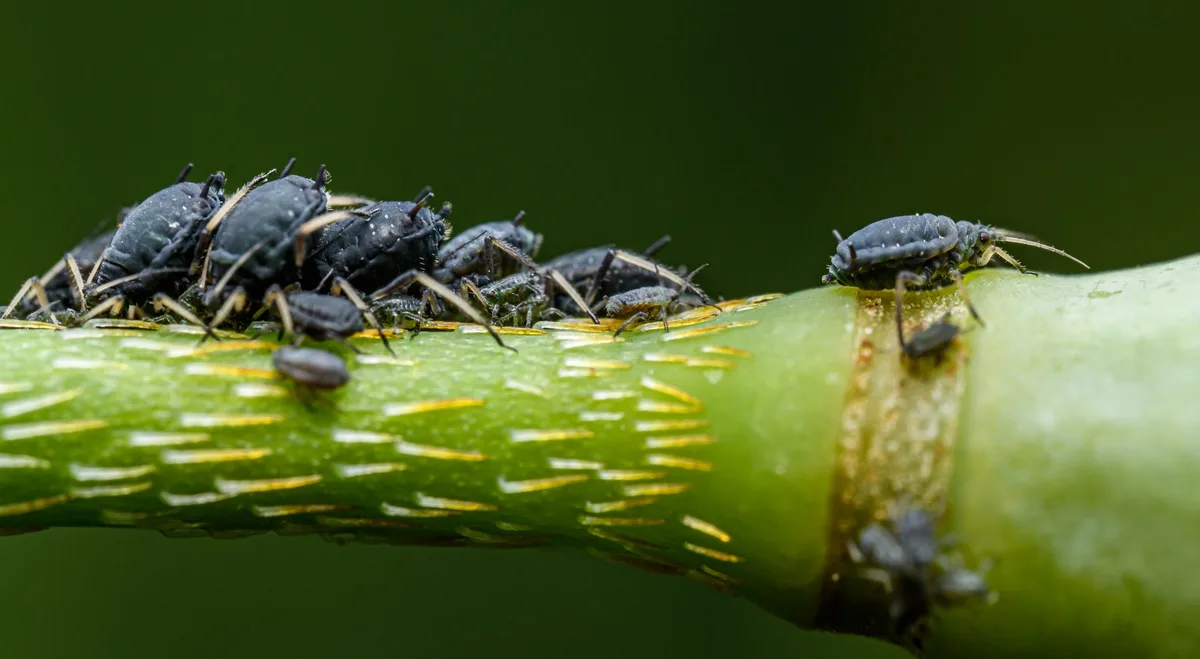
Aphids are small, pear-shaped insects that feed on plant sap using piercing-sucking mouthparts. They cluster on new growth, leaf undersides, and stems, often in large colonies. Common species include the green peach aphid, black bean aphid, and woolly aphids, each varying in color from green and yellow to black, white, or gray.
People worry about aphids because they appear suddenly in large numbers, cover food crops, and secrete a sticky substance called honeydew. When you’re harvesting lettuce, herbs, or homegrown vegetables, finding dozens of aphids clinging to the leaves naturally raises questions about contamination and safety.
Aphids don’t carry diseases that infect humans. They do transmit plant viruses, but those pathogens only affect plants. The insects have no venom glands, no stingers, and no defensive toxins.
Their mouthparts are designed to pierce plant tissue, not human skin.
The main concern isn’t the aphid itself. It’s what you might spray on them or what they’ve crawled through. If you’ve applied insecticidal soap, neem oil, or a systemic insecticide, residue can linger on the plant surface.
That residue poses a much greater risk than the insect.
Direct Contact with Aphids: Skin, Eyes, and Handling
Do Aphids Bite or Sting Humans?
No. Aphids do not bite or sting people. Their mouthparts are adapted for piercing soft plant tissue and sucking phloem sap.
They lack the anatomy to puncture human skin, and they have no interest in doing so. If you brush against an aphid-covered plant, you won’t feel a bite.
In rare cases, an aphid might probe your skin with its stylet (the needle-like feeding structure), but this causes no pain, no puncture, and no injury. It’s mechanically incapable of drawing blood or injecting saliva in a way that would harm you. Even heavy infestations on bedroom plants or windowsill herbs pose zero biting risk.
Allergic Reactions and Skin Sensitivity
Most people can handle aphids without any reaction. However, occupational exposure to large aphid populations has been documented to trigger allergic sensitization in greenhouse workers and commercial growers. Symptoms include itchy skin, mild dermatitis, respiratory irritation, and in very rare cases, asthma-like symptoms.
These reactions occur after repeated, prolonged contact with aphids and their shed exoskeletons. If you’re pruning infested plants daily or working in a heavily infested greenhouse, you’re at higher risk. Casual gardeners who encounter aphids a few times per season rarely develop sensitivity.
If you have a known allergy to insect proteins or a history of severe allergic reactions, wear gloves and a long-sleeved shirt when removing aphids manually. Wash your hands afterward. For most people, direct contact is harmless and requires no special precautions.
Accidentally Eating Aphids: What Happens If You Swallow Them
Aphids on Fresh Produce and Salad Greens
Aphids love leafy greens, herbs, and brassicas. If you grow lettuce, kale, spinach, or parsley, you’ve likely harvested leaves with aphids still clinging to them. Even commercial produce can harbor a few aphids that survive washing and packaging.
Finding an aphid in your salad isn’t pleasant, but it’s not a medical emergency. The insect is soft-bodied, non-toxic, and will pass through your digestive system without causing harm. You won’t experience poisoning, nausea, or illness from swallowing one or two aphids.
That said, nobody wants to eat insects unintentionally. Aphids can carry soil bacteria, plant pathogens, and trace amounts of their own gut contents. While these don’t typically cause human illness, thorough washing is still the best practice for food safety and peace of mind.
Are Aphids Toxic If Ingested?
No. Aphids contain no toxins, venom, or chemical defenses that would harm humans if swallowed. They’re not poisonous.
In fact, aphids are sometimes consumed intentionally in traditional diets and are considered safe for human consumption when prepared properly (a practice known as entomophagy).
The insect’s body is mostly protein, chitin, and trace plant sap. It won’t trigger toxicity or chemical injury. Children who put aphid-covered leaves in their mouths or pets that lick infested plants face no poisoning risk from the aphids themselves.
The real concern is what the aphids have been exposed to. If you’ve sprayed insecticide for carpenter ants or used a systemic pesticide on your garden, the chemical residue on the plant and on the aphids can be harmful. Always check pre-harvest intervals before eating any treated produce.
Bacterial and Viral Concerns from Aphid Consumption
Aphids carry plant viruses in their saliva and gut, but these pathogens do not infect humans. Tobacco mosaic virus, cucumber mosaic virus, and other aphid-transmitted diseases only replicate in plant cells. You can’t catch a plant virus by eating an aphid.
Bacterial contamination is a different story. Aphids crawl through soil, plant debris, and honeydew, which can harbor environmental bacteria like E. coli or Salmonella if present. The risk is low, but it’s not zero, especially if your garden uses composted manure or if wild animals frequent the area.
Washing produce under cold running water removes most bacteria and aphids. For leafy greens, a brief soak in cold water followed by a rinse is even more effective. The Centers for Disease Control and Prevention (CDC) recommends washing all fresh produce, regardless of whether you see insects on it.
Aphid Safety for Children and Pets
When Kids Touch or Eat Aphid-Covered Plants
Young children explore the world by touching and tasting. If your toddler picks a leaf off a tomato plant and chews it, you don’t need to panic. Aphids themselves are harmless if ingested in small numbers.
The insect will pass through the digestive tract without causing illness.
The bigger concern is pesticide exposure. If you’ve treated your garden with any insecticide, herbicide, or fungicide, children should stay away from the plants until the product’s re-entry interval has passed. Read the label carefully.
Some products allow re-entry after a few hours. Others require 24 to 48 hours.
Even organic treatments like neem oil or insecticidal soap can irritate a child’s mouth or stomach if ingested in large amounts. Keep kids away from freshly sprayed plants. Teach them to wash their hands after touching garden plants and never to put leaves or flowers in their mouths without permission.
Dogs, Cats, and Aphid Exposure Risk
Pets that nibble on indoor plants or outdoor greenery may ingest aphids along with the foliage. The aphids themselves are not toxic to dogs or cats. They won’t cause poisoning or organ damage.
However, pets are highly sensitive to many insecticides. Products containing pyrethrins, pyrethroids, organophosphates, or neonicotinoids can be dangerous if licked off plant surfaces or consumed in treated soil. Cats are especially vulnerable to pyrethroid toxicity.
If you use any pest control product, check the label for pet safety warnings. Keep treated plants out of reach during the re-entry period. If your pet shows signs of drooling, vomiting, tremors, or difficulty breathing after contact with a treated plant, contact your veterinarian immediately.
The Real Danger: Pesticides and Chemical Treatments
Residue Risk from Insecticidal Soap and Neem Oil
Insecticidal soap and neem oil are considered low-toxicity, organic-approved treatments for aphids. They work by smothering the insects or disrupting their feeding behavior. Both break down quickly and leave minimal residue when used correctly.
Insecticidal soap is a potassium salt formulation that targets soft-bodied insects. It’s generally safe for humans and pets once dry. The U.S.
Environmental Protection Agency (EPA) classifies insecticidal soap as a minimum-risk pesticide, exempt from full registration requirements.
Neem oil contains azadirachtin, a natural compound that repels and kills aphids. It’s safe for food crops when applied according to label directions. Most neem products carry a zero-day pre-harvest interval, meaning you can harvest the same day after spraying.
Still, wash all produce thoroughly before eating.
Both products require direct contact with aphids to work. They don’t provide long-term residual protection. If you spray your plants in the morning, you can harvest and eat the produce by evening after a thorough rinse.
Systemic Insecticides and Pre-Harvest Intervals
Systemic insecticides are absorbed by the plant and transported through its vascular system. When aphids feed on treated plants, they ingest the chemical and die. Common systemic products for aphids contain imidacloprid, dinotefuran, or thiamethoxam (all neonicotinoids).
These products are effective, but they carry stricter safety guidelines. The chemical remains inside the plant tissue for weeks or months. You cannot simply wash it off.
The EPA and manufacturers assign a pre-harvest interval (PHI) to each product. The PHI tells you how many days must pass between application and harvest.
For example, a systemic insecticide applied to tomatoes may have a 21-day PHI. If you harvest before that window closes, the residue concentration may exceed the maximum residue limit (MRL) set by the FDA. Eating produce with excessive residue can cause nausea, headache, dizziness, or more serious symptoms depending on the dose.
Always read and follow the label. If you’re treating edible crops, write down the application date and calculate the PHI before harvesting. If you’re unsure whether a plant was treated, assume it was and wait the full interval.
How Long to Wait After Treating Plants
Waiting times depend on the product type and the crop. Here’s a general guideline:
| Treatment Type | Typical Re-Entry Interval | Pre-Harvest Interval (Edibles) |
|---|---|---|
| Insecticidal soap | Until spray dries (1-2 hours) | 0 days (wash before eating) |
| Neem oil | Until spray dries (2-4 hours) | 0 days (wash before eating) |
| Horticultural oil | Until spray dries (2-4 hours) | 0 days (wash before eating) |
| Systemic neonicotinoid | 12-24 hours (label-specific) | 7-21 days (label-specific) |
| Pyrethrin contact spray | 12 hours | 0-1 days (wash before eating) |
If you’re treating ornamental plants or flowers for shade baskets that you won’t eat, re-entry intervals still matter for your safety and your pets’ safety. Wait until the spray dries and ventilate the area before spending time near treated plants.
How to Safely Remove Aphids from Food
Washing Methods That Actually Work
Cold running water is the simplest and most effective way to remove aphids from fresh produce. Hold leafy greens, herbs, or broccoli under a gentle stream and rub the surfaces lightly with your fingers. Aphids are soft and will dislodge easily.
For produce with tight crevices (like broccoli crowns or cabbage heads), fill a large bowl with cold water and submerge the vegetable. Swish it around for 30 seconds. The water pressure and movement will flush out hidden aphids.
Drain and repeat if necessary.
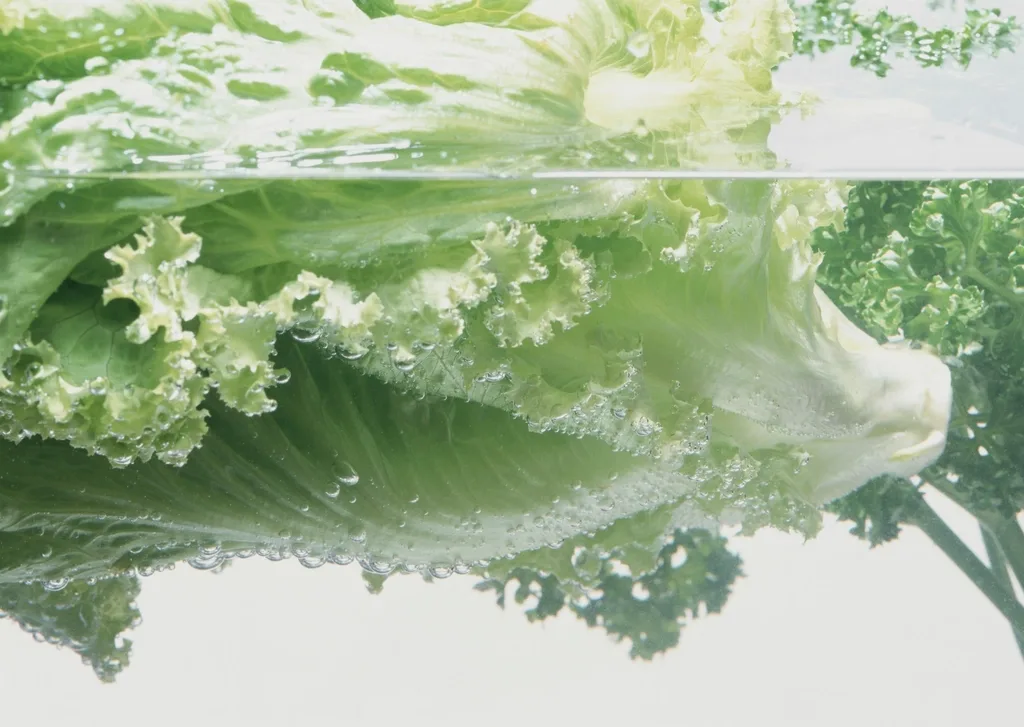
A saltwater soak can help loosen stubborn aphids. Dissolve 1 to 2 tablespoons of salt in a bowl of cold water. Submerge the produce for 5 to 10 minutes.
The salt changes the osmotic environment and encourages aphids to detach. Rinse thoroughly afterward to remove salt residue.
Vinegar solutions (1 part vinegar to 3 parts water) are another option. Soak for 5 minutes, then rinse well. Vinegar helps remove surface bacteria as well as aphids.
Don’t use hot water, which can wilt leafy greens and won’t remove aphids any better than cold water.
Soaking Time and Water Temperature
Five to ten minutes of soaking is enough to dislodge aphids and loosen dirt or residue. Longer soaking times don’t improve results and can degrade the texture of delicate greens. Keep the water cold.
Room temperature is fine. Hot water wilts leaves and can accelerate bacterial growth if the produce sits too long.
After soaking, rinse under cold running water for at least 20 to 30 seconds. This final rinse removes detached aphids, dirt, and any salt or vinegar you used. Shake off excess water and pat dry with a clean towel or use a salad spinner.
When Visual Inspection Isn’t Enough
Some aphids are tiny and translucent, making them hard to spot. Others hide in tight leaf folds or broccoli florets. If you’re harvesting from a heavily infested plant, assume aphids are present even if you don’t see them.
Mechanical removal works for large, visible clusters. Use your fingers or a soft brush to dislodge aphids before washing. For leafy greens, separate individual leaves and inspect both sides.
For herbs, rinse each stem separately.
If you’re concerned about allergic reactions or just want to be extra cautious, blanch vegetables like broccoli or kale in boiling water for 30 seconds before cooking. The heat will kill any remaining aphids and bacteria. This method isn’t necessary for safety, but it provides peace of mind.
Aphid Honeydew and Sooty Mold: Is It Harmful?
Honeydew is the sugary liquid aphids excrete as they feed on plant sap. It’s essentially partially digested plant sugars passing through the insect’s digestive system. The sticky coating covers leaves, stems, and anything underneath infested plants, including outdoor furniture, cars, and sidewalks.
Honeydew itself is not toxic to humans. It’s mostly sugar and water. If you touch it, you’ll notice a tacky, slightly sweet residue on your fingers.
Washing your hands removes it easily. You won’t experience skin irritation or allergic reactions from brief contact with honeydew.
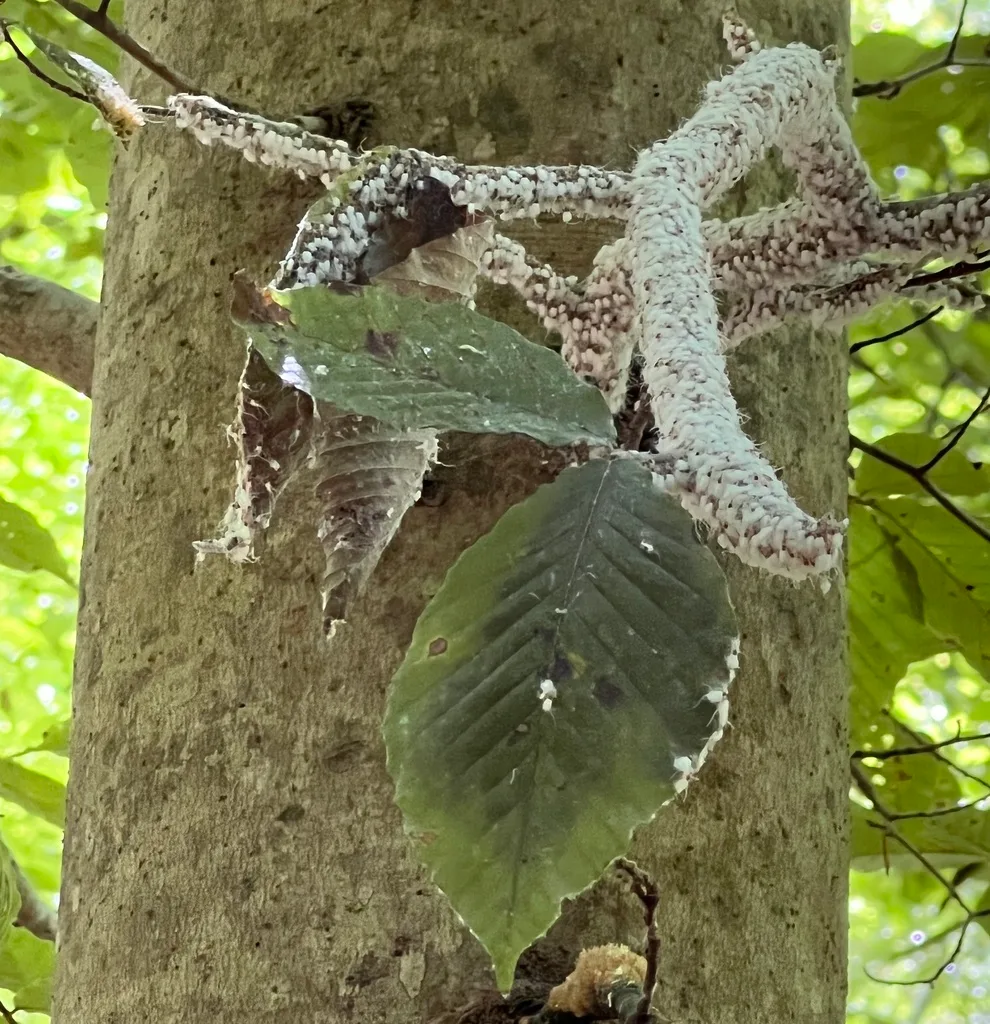
The problem with honeydew is what grows on it. The sugary film provides an ideal substrate for sooty mold, a black fungal growth that covers leaves and reduces photosynthesis. Sooty mold (Capnodium, Fumago, and related genera) does not infect humans.
It’s a plant pathogen that feeds on honeydew, not on living tissue.
If you’re harvesting produce covered in sooty mold and honeydew, wash it thoroughly. The mold won’t make you sick if ingested in small amounts, but it tastes bad and indicates the plant has been heavily infested. Discard any produce that’s heavily coated or shows signs of decay underneath the mold.
Who Should Be Extra Cautious Around Aphids
Immunocompromised Individuals
People with weakened immune systems face higher risks from environmental bacteria and fungi. If you’re undergoing chemotherapy, taking immunosuppressant drugs, or living with HIV/AIDS, take extra precautions when handling garden produce.
Aphids themselves don’t carry human pathogens, but they crawl through soil and plant debris that may harbor opportunistic bacteria. Wash all produce under running water for at least 30 seconds. Consider cooking leafy greens instead of eating them raw.
If you’re gardening, wear gloves and wash your hands thoroughly after touching plants.
Avoid working with fertilizers or compost without gloves. These materials can contain bacteria that pose minimal risk to healthy individuals but may cause infections in immunocompromised people. Keep your garden tools clean and store them in a dry area.
People with Insect Allergies
If you’ve had allergic reactions to other insects (bees, wasps, cockroaches, or dust mites), you may be at slightly higher risk for aphid sensitization. Cross-reactivity between insect allergens is documented in peer-reviewed allergy research, though aphid allergies remain rare outside occupational settings.
Symptoms of aphid allergy include itchy skin, watery eyes, sneezing, or mild respiratory irritation after prolonged contact with infested plants. If you notice these symptoms, wear long sleeves and gloves when pruning or treating aphid-infested plants. Wash exposed skin immediately after gardening.
If you develop hives, facial swelling, or difficulty breathing, seek medical attention. Severe allergic reactions to aphids are extremely rare but should be treated as a medical emergency if they occur.
Pregnant Women and Food Safety
Pregnancy increases your susceptibility to foodborne illness. Your immune system is naturally suppressed to protect the developing fetus, making bacterial infections more likely and potentially more severe. The FDA recommends that pregnant women take extra care when washing fresh produce.
Aphids don’t pose a unique pregnancy risk, but the bacteria they may carry (E. coli, Listeria, Salmonella) do. Wash all leafy greens, herbs, and raw vegetables under cold running water. Avoid eating unwashed produce from your garden or farmers’ markets.
Cook vegetables when possible. Heat kills bacteria and provides an extra margin of safety. If you’re craving fresh salads, buy pre-washed greens from reputable sources and rinse them again at home.
This practice reduces risk from all sources of contamination, not just aphids.
Aphids vs Other Garden Pests: Relative Safety Comparison
Aphids are among the least dangerous pests you’ll encounter in your garden. They don’t bite, sting, or inject venom. Compare that to wasps, hornets, and fire ants, which can cause painful stings and trigger severe allergic reactions in sensitive individuals.
Blister beetles (Epicauta species) contain cantharidin, a potent toxin that causes skin blistering and can be fatal if ingested. Stink bugs emit a foul-smelling defensive spray that irritates skin and mucous membranes. Both pose far greater safety risks than aphids.
Spider mites, whiteflies, and scale insects are similarly harmless to humans. They’re plant pests, not human health threats. The hierarchy of garden pest risk places biting and stinging insects at the top, followed by toxic species, with sap-suckers like aphids at the bottom.
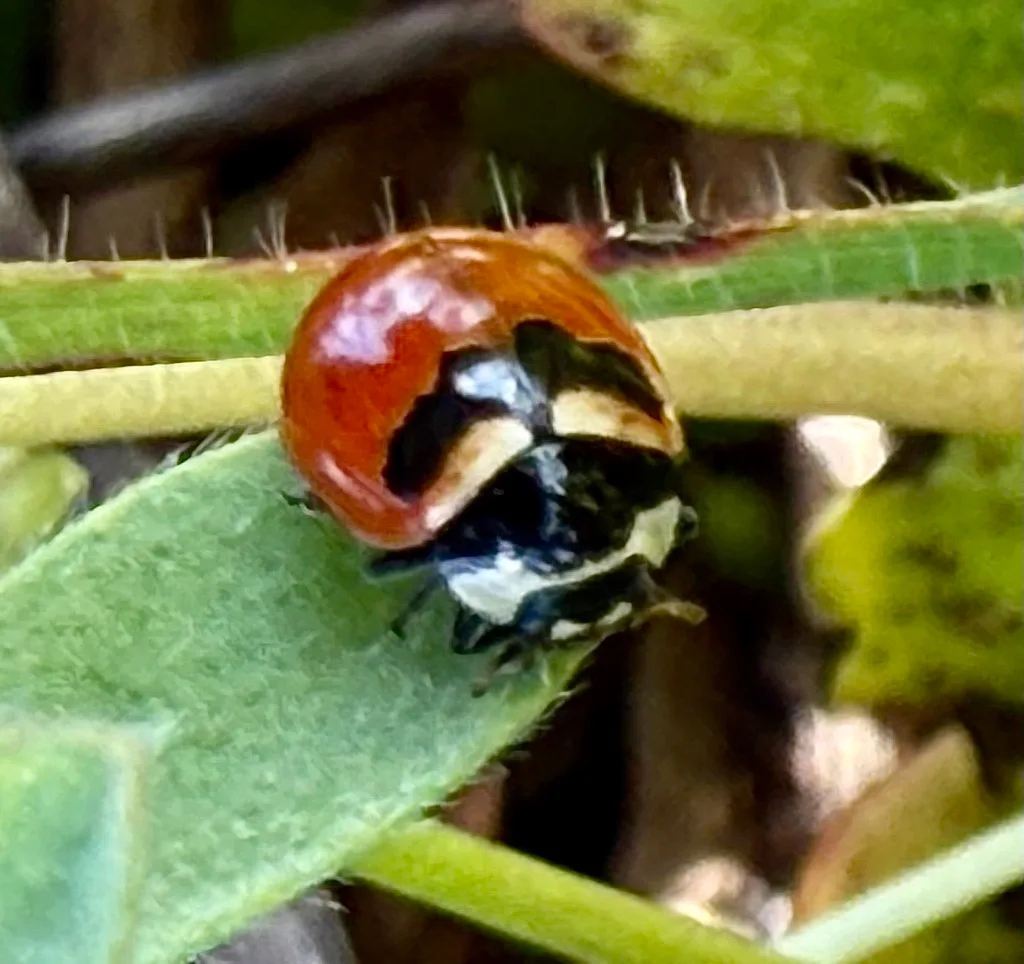
If you’re deciding how aggressively to treat an aphid infestation, consider the low risk they pose compared to the potential harm from overusing pesticides. Integrated pest management (IPM) strategies recommend starting with the least toxic methods: water sprays, manual removal, and encouraging natural predators like ladybugs and lacewings.
When to Seek Medical Attention
Most aphid encounters require no medical intervention. You don’t need to call a doctor if you’ve touched aphids, found them on your salad, or let your child play near infested plants. These situations are low-risk and resolve without treatment.
Seek medical attention if you develop symptoms that suggest an allergic reaction: hives, facial or throat swelling, difficulty breathing, rapid heartbeat, or dizziness. These symptoms require immediate care, though they’re extremely unlikely to occur from aphid contact alone.
If you’ve ingested pesticide-treated produce and experience nausea, vomiting, headache, blurred vision, muscle weakness, or tremors, contact Poison Control (1-800-222-1222 in the U.S.) or visit an emergency room. Bring the pesticide label or product name with you. Symptoms may appear within minutes to hours after exposure.
Children who accidentally ingest large amounts of aphid-infested plant material (chewing on leaves, eating handfuls of herbs) should be monitored for gastrointestinal upset. If vomiting, diarrhea, or abdominal pain occurs, call your pediatrician. The risk is low, but professional guidance provides peace of mind.
Safe Practices for Home Gardeners and Indoor Plant Owners
Check your plants weekly for aphid activity. Early detection makes control easier and reduces the need for chemical treatments. Look for clusters of small insects on new growth, curled leaves, and sticky honeydew on lower foliage.
Use a strong stream of water to knock aphids off outdoor plants. Repeat every few days until the infestation subsides. This method works well for sturdy plants like tomatoes, fruit trees, and shrubs.
It’s safe, chemical-free, and effective for light to moderate infestations.
For indoor plants, wipe leaves with a damp cloth or cotton swab dipped in soapy water. Isolate infested plants to prevent aphids from spreading to other houseplants. Rinse the plant under a gentle shower after treatment to remove dead aphids and soap residue.
If you choose to use pesticides, read the entire label before application. Follow mixing instructions, wear protective equipment (gloves, long sleeves, safety glasses), and keep children and pets away during and after treatment. Store pesticides in their original containers, out of reach of children, and dispose of empty containers according to local regulations.
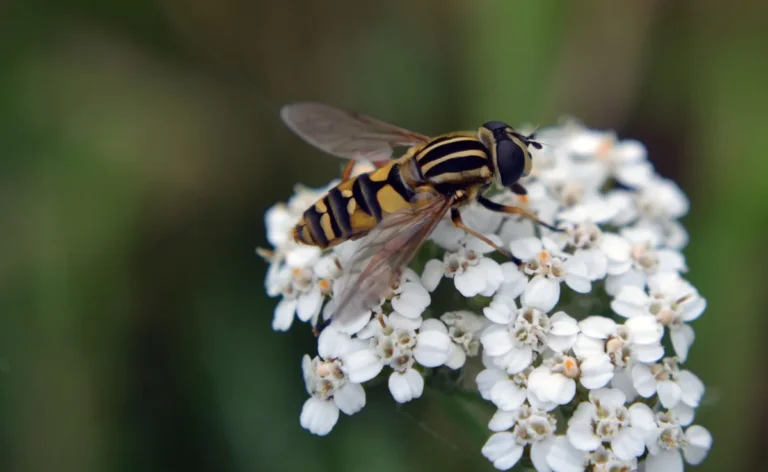
Encourage beneficial insects by planting flowers that attract ladybugs, lacewings, and hoverflies. These predators consume aphids naturally and reduce the need for chemical intervention. Avoid broad-spectrum insecticides that kill beneficial species along with pests.
Frequently Asked Questions About Aphid Safety
Can aphids make you sick if you eat them?
No. Aphids are not toxic and won’t cause poisoning if you accidentally swallow a few on fresh produce. They pass through your digestive system harmlessly.
The real concern is pesticide residue on treated plants, not the insects themselves.
Do aphids carry diseases that affect humans?
Aphids transmit plant viruses but do not carry human pathogens. They don’t spread diseases like mosquitoes or ticks do. Environmental bacteria on their bodies pose minimal risk if you wash produce properly before eating.
Is it safe to eat vegetables that had aphids on them?
Yes, as long as you wash the produce thoroughly under cold running water. Remove visible aphids and rinse for at least 30 seconds. If the plants were treated with pesticides, check the pre-harvest interval before harvesting.
Can my dog or cat get sick from eating aphids?
Aphids themselves are harmless to pets. The danger comes from pesticide residue on treated plants. Keep pets away from freshly sprayed plants and follow the product’s re-entry interval to prevent exposure.
How do I know if I’m allergic to aphids?
Aphid allergies are rare and typically occur after prolonged occupational exposure. Symptoms include itchy skin, watery eyes, or mild respiratory irritation. If you develop hives, swelling, or breathing difficulties after handling infested plants, seek medical attention immediately.
What should I do if my child eats a leaf covered in aphids?
Monitor your child for any signs of gastrointestinal upset. Aphids are non-toxic, so most children experience no symptoms. If the plant was recently treated with pesticides, contact Poison Control or your pediatrician for guidance.