Philodendron Pot Shape: Wide vs Deep 2026
So you've got a philodendron that's outgrown its current home, and now you're staring at a shelf full of pots wondering which one is actually right. Do philodendrons like wide or deep pots? The short answer is that it depends on the type of philodendron you own, but most common houseplant varieties prefer wider, shallower pots over deep ones.
Get this wrong, and you're setting yourself up for root rot, stunted growth, or a plant that just sits there looking unhappy no matter how much you baby it.
The reason comes down to how philodendron roots actually grow. Research on aroid root architecture shows that most philodendrons spread their roots horizontally rather than plunging deep into the soil. As of 2026, the consensus among horticultural sources and university extension guides is clear: matching pot shape to root morphology matters far more than most potting guides admit.
Let's walk through exactly how to figure out which shape your plant needs.
Quick Answer
Philodendrons generally prefer wide, shallow pots over deep ones. Vining philodendrons have shallow, spreading root systems that thrive in wide containers. Upright varieties need slightly deeper pots for stability.
Match pot width to root ball plus 2 to 3 inches. Avoid deep pots unless your plant is top-heavy. Drainage holes are non-negotiable.
Why Pot Shape Matters More Than Most People Think
Here's the thing about pots: they're not just containers. They're the entire environment your plant's roots live in, and roots are pickier than most people realize. The shape of your pot directly controls how water moves through the soil, how much oxygen reaches the roots, and how quickly the mix dries out between waterings.
Deep pots have a sneaky problem. The top few inches of soil dry out normally, but the bottom stays soggy for days. That's because gravity pulls water down, and in a tall pot, that water collects far below where philodendron roots actually reach.
The result is a wet, oxygen-starved zone at the bottom that breeds root rot.
Wide pots solve this differently. They spread the soil out horizontally, so moisture evaporates more evenly across the surface. The soil depth stays relatively shallow, which means the entire root zone dries at a more consistent rate.
For a plant that naturally grows in the loose, well-aerated leaf litter of tropical forest floors, that mimics home conditions much better. Think of philodendrons as forest-floor dwellers. They grow along the ground, sending roots into the top layer of decomposing leaves and organic matter.
That's why their roots stay shallow and spread wide. A deep pot doesn't match their natural growth habit, no matter how healthy it looks at first glance.
How Philodendron Roots Actually Grow
Understanding root growth is the key to making the right pot choice. Let's break down the two main categories of philodendrons, because they don't behave the same way underground.
Vining philodendrons include the hugely popular heartleaf (Philodendron hederaceum), the Brasil variety, and the Micans. These plants are natural climbers, sending out long stems with aerial roots that grab onto tree bark in the wild. Their underground roots are fibrous and surprisingly shallow.
They spread outward through the top 6 to 8 inches of soil, rarely diving much deeper.
Upright or self-heading philodendrons include types like the Hope or Selloum (Philodendron bipinnatifidum), the Congo rojo, and the majestic Philodendron gloriosum. These grow as large rosettes with substantial stems. Their root systems are more robust and can anchor deeper, especially as the plant matures and gets heavier above the soil line.
Here's the practical takeaway: vining philodendrons want width. Upright philodendrons want a bit more depth, mostly for physical stability rather than root preference.
You can actually see this if you ever repot a mature vining philodendron. The root ball comes out looking like a wide, flat disc. It hugs the bottom and sides of a shallow pot, but if you plant it in something too deep, the roots stay clustered near the top while the lower soil stays wet and compacted.
That's wasted space, and wasted space in a pot usually means trouble.
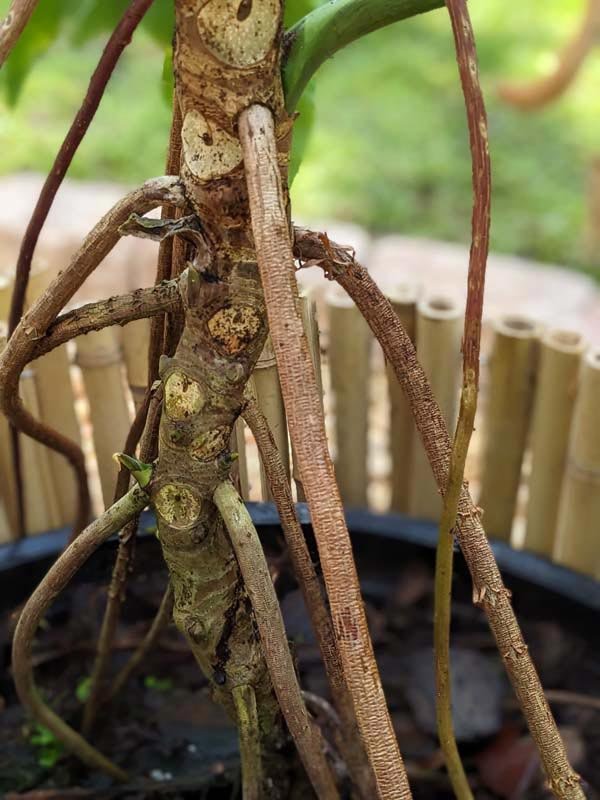
Image source: Bing (Web (fair-use with source credit))
Step 1: Identify Your Philodendron Type
Before you pick a pot, you need to know exactly what kind of philodendron you're dealing with. It's easier than you think.
Look at the growth pattern first. Does your plant climb, trail, or produce long vines that hang over the edge of the pot? If so, you've got a vining philodendron on your hands.
These are the most common types sold as houseplants, and they're the ones that look great in hanging baskets or on shelves where they can cascade downward.
Check the leaves. Heartleaf philodendrons have glossy, heart-shaped leaves that stay relatively small. The Brasil has the same shape but with striking yellow and green variegation.
Micans has velvety, bronze-tinted foliage that catches the light beautifully. All of these are vining types that want wide, shallow containers.
Alternatively, does your plant grow upright in a rosette pattern with large, split leaves? Does it form a trunk-like stem as it matures? Then you're looking at an upright philodendron.
The Hope philodendron is a classic example, with enormous leaves that can reach two feet across in good conditions. These plants get heavy, and they need a container with enough depth to keep them from toppling over.
Still unsure? Look at the aerial roots. Vining philodendrons produce small, brownish roots along their stems, especially at the nodes where leaves emerge.
Upright types are much less likely to show these along the main stem. That's a quick visual shortcut.
Step 2: Match the Pot to the Root System
Now that you know what you've got, here's how to choose the right shape.
For vining philodendrons: choose wide and shallow. A pot that's wider than it is deep gives the root system room to spread horizontally. Standard nursery pots are usually taller than they are wide, which is exactly the wrong shape. Look for azalea pots or bulb pans, which are traditionally shorter and wider.
A good rule of thumb is to choose a pot where the diameter is roughly one and a half times the height.
For upright philodendrons: choose deep enough for stability. These plants get top-heavy, especially as they mature. A deep pot provides the weight and anchoring they need. But here's the catch: you still don't want an extreme depth.
A pot that's about as deep as it is wide is a solid starting point. If your plant is particularly large and leggy, add a little extra depth for balance.
For young plants: always size up gradually. A baby philodendron in a giant pot is a recipe for disaster. The soil stays wet too long, and young roots can't reach it fast enough. Size up only 2 to 3 inches in diameter from the current pot.
That's roughly one pot size increase per step.
| Philodendron Type | Recommended Pot Shape | Pot Depth | Why It Works |
|---|---|---|---|
| Vining (heartleaf, Brasil, Micans) | Wide and shallow | 6-8 inches | Roots spread horizontally; soil dries evenly |
| Upright (Hope, Congo, gloriosum) | Balanced, slightly deep | 10-14 inches | Provides physical stability for heavy tops |
| Young cuttings | Small nursery pot | 4-6 inches | Prevents overwatering and root rot |
| Mature specimen | Whatever fits root ball | +2-3 inches clearance | Avoids rootbound stress without excess soil |
The biggest mistake here is overpotting. Aggregate grower feedback across forums and nursery guides consistently reports the same outcome: too much soil around a philodendron root system leads to root rot within weeks. The plant can't drink fast enough, and the excess moisture becomes a breeding ground for fungal pathogens.
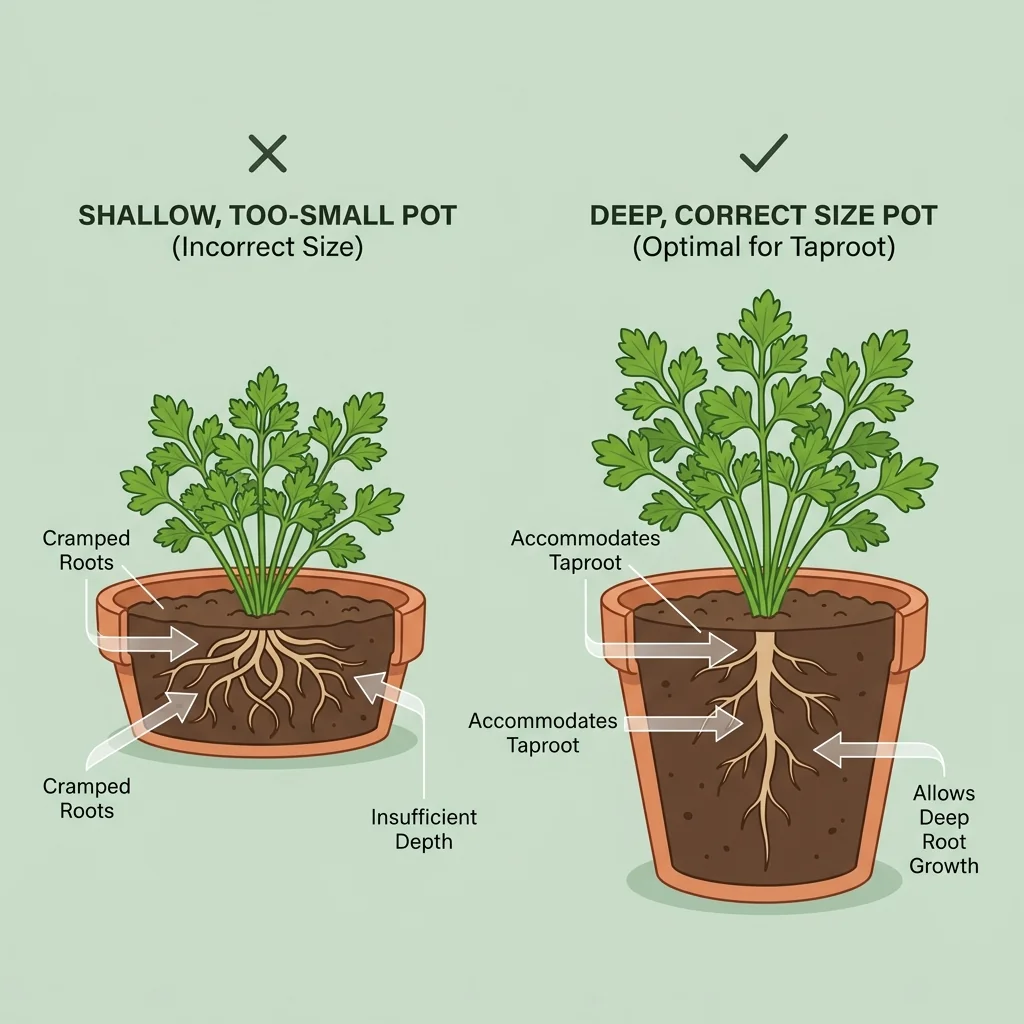
Image source: Bing (Web (fair-use with source credit))
Step 3: Choose the Right Potting Mix and Material
Pot shape is only half the equation. The material and the soil you use can completely change how well a pot works, regardless of its proportions.
Terracotta pots are porous. They let air and moisture pass through the walls, which means the soil dries out faster. That makes terracotta an excellent choice for philodendrons in wide, shallow pots, especially if you tend to water a bit too generously.
The downside is that terracotta dries out quickly in warm, dry rooms, so you'll need to water more often.
Plastic pots are non-porous. They hold moisture much longer, which can be a blessing in dry climates and a curse if you're prone to overwatering. If you're using plastic, err on the side of a shallower pot to compensate for the extra moisture retention.
Glazed ceramic pots fall somewhere in between. The glaze reduces porosity, but the thick walls provide some insulation against temperature swings. They're heavier, which helps stabilize upright philodendrons, but they're also harder to move.
Now, about the soil. Philodendrons need a chunky aroid mix, not standard potting soil. A good blend includes about equal parts of a quality potting mix, perlite, and orchid bark.
This creates the airy, fast-draining environment their roots naturally crave. The bark provides structure and drainage, while perlite keeps the mix from compacting. If you're mixing your own, aim for a blend that feels light and crumbly, never dense or clay-like.
The right soil in a wide, shallow pot with drainage holes is the golden trifecta for vining philodendrons. It mimics the loose, oxygen-rich forest floor conditions where these plants evolved, and it gives the roots room to expand without the risk of waterlogging. That combination is why I always point people toward choosing the right soil mix before worrying too much about the pot itself.
Drainage holes are non-negotiable. If a pot doesn't have them, either drill some or use that pot as a decorative cachepot with a plastic liner. Stagnant water at the bottom of a deep pot is the fastest way to kill a philodendron, and even a wide, shallow pot won't save you if the water has nowhere to go.
For more general plant care, avoiding common lawn fertilizing mistakes shows the same principle, healthy roots need balanced conditions, not extremes.