Best Grass for Shade Explained in 2026 (Real Buyer Picks)
If you've got bare patches under your maple tree or that north-facing strip that just won't green up, you're not alone. The best grass for shade explained really comes down to matching the right species to your specific conditions. It's not about buying the most expensive seed or grabbing any "shade mix" off the shelf.
You need to know your sunlight hours, your climate, and how much wear that spot takes.
In our research, the key number to remember is 3 to 4 hours of direct sun. Fine fescue, the top performer for cool-season shade, needs at least that much. St.
Augustine, its warm-season counterpart, does best with 4 to 5. Below those thresholds, even the most shade-tolerant grass will thin out and fail. Let's walk through what actually works.
Quick Answer
The best grass for shade depends on your region and sun hours. Fine fescue works best in cool climates. St.
Augustine excels in warm climates. Raise your mower height to 4 inches. Water less often to prevent disease.
The Shade Reality Check
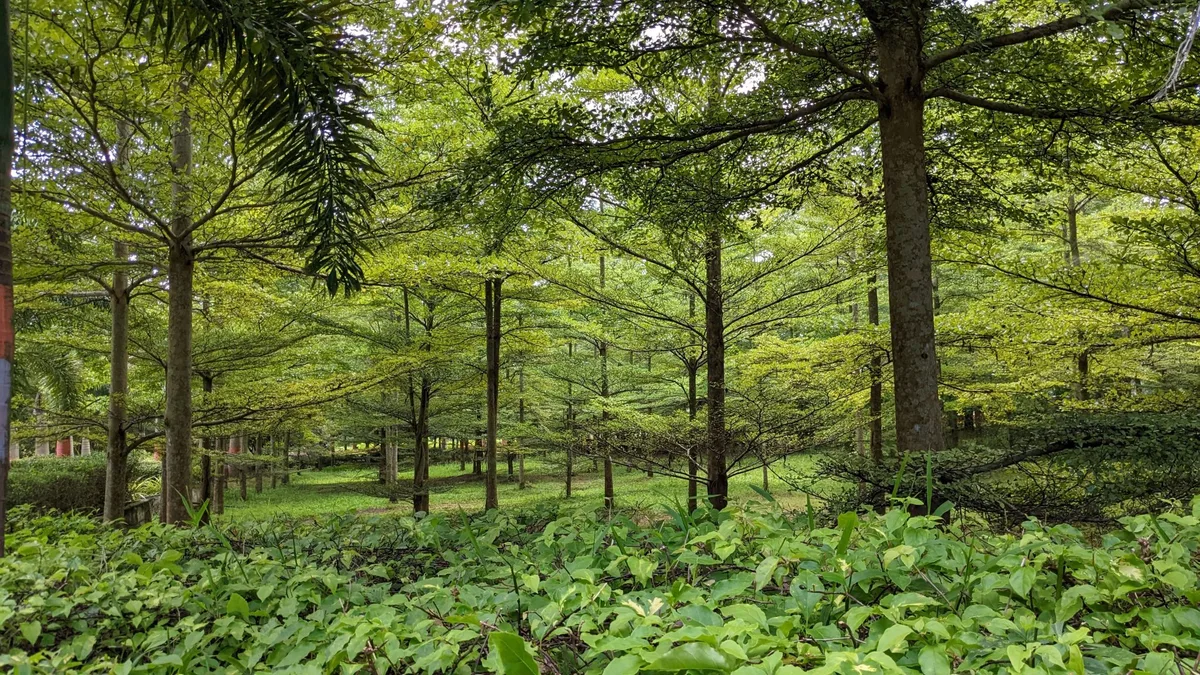
Not all shade is the same. Your lawn might get dappled light through a thin canopy, partial shade from a building, or deep shade under a dense evergreen. Each type changes what can grow.
Dappled shade is your best bet for grass. Think sunlight filtering through a young oak's leaves. That counts as 3 to 4 hours of direct sun.
Partial shade means 4 to 6 hours, but none at midday. Deep shade gets less than 3 hours and is the toughest zone to crack.
Tree roots change the game too. They steal water and nutrients from the top 6 inches of soil, right where grass needs them. That competition makes proper watering and soil prep critical.
Shade also increases humidity at ground level, which invites more fungus issues. Keeping up with the right fungicide for lawns can make or break your success. And regular leaf cleanup matters more than you'd think, especially under pines.
A good rake designed for needles helps keep the soil surface clear.
The 3 Big Questions Before You Choose
Three questions decide which grass survives in your shade. Answer these before you buy seed or sod. They form the backbone of the decision tree.
| Condition | If This | Then This |
|---|---|---|
| Sun hours | 3 to 4 hours | Fine fescue or St. Augustine |
| Sun hours | 4 to 6 hours | Tall fescue, zoysia, or St. Augustine |
| Sun hours | Under 3 hours | Skip grass entirely |
| Region | Cool-season (North) | Fine fescue or tall fescue |
| Region | Warm-season (South) | St. Augustine or zoysia |
| Region | Transition zone | Tall fescue |
| Traffic | Low traffic | Fine fescue |
| Traffic | High traffic (kids, dogs) | Tall fescue or St. Augustine |
Question 1: How many hours of direct sun?
If the spot gets 3 to 4 hours, fine fescue or St. Augustine are your best bets. If it gets 4 to 6 hours, you have more options.
Below 3 hours, even the most shade-tolerant grass will struggle. Consider alternatives like mulch beds or shade groundcovers.
Question 2: What's your climate zone?
Cool-season regions in the North need fine fescue or tall fescue. Warm-season regions in the South need St. Augustine or zoysia.
The transition zone is trickier and usually calls for tall fescue. Check your USDA zone to confirm what works near you. If you're under mature trees that create deep shade, the tree species also matters.
Some trees like maples cast denser shade than oaks.
Question 3: How much foot traffic?
Fine fescue will not handle kids or dogs running around. It's delicate. Tall fescue is more durable and handles moderate traffic.
St. Augustine recovers slowly from wear but holds up to light use. If your shade spot is a play zone, lean toward tall fescue or plan for a tougher alternative.
Grass Options for Shade
Let's look at the main options. Each one fits a specific situation, and none of them are magic bullets. You have to match them to your conditions.
| Grass Type | Sun Minimum | Best Region | Traffic Tolerance | Texture |
|---|---|---|---|---|
| Fine Fescue | 3 to 4 hours | Cool-season | Low | Fine, soft |
| Tall Fescue | 4 to 6 hours | Cool-season, Transition | Moderate to high | Coarse |
| St. Augustine | 4 to 5 hours | Warm-season | Low to moderate | Coarse, broad |
| Zoysia | 4 to 6 hours | Warm-season, Transition | Moderate | Fine to medium |
Fine Fescue: The Deep Shade Specialist
Fine fescue includes several species, creeping red, Chewings, hard, and sheep fescue. These grasses tolerate 3 to 4 hours of direct sun and handle dappled light better than anything else in cool climates. The leaves are fine and delicate, which gives a soft, uniform look.
But they don't handle heavy foot traffic at all. If your shady spot is just for looking at, not walking on, fine fescue is your top choice. It also does well in low-fertility soils.
Tall Fescue: The Versatile Workhorse
Tall fescue handles 4 to 6 hours of sun and tolerates foot traffic better than fine fescue. It has coarser, wider leaves that hold up to wear. Turf-type cultivars bred for shade do a decent job in partial shade.
It's the go-to for the transition zone and cooler regions where you need durability. Tall fescue also has deep roots, which helps it compete with tree roots for water.
St. Augustine: The Warm-Season Shade Champ
St. Augustine needs 4 to 5 hours of sun. It's the best warm-season option for shaded lawns.
Look for shade-tolerant cultivars like Palmetto or CitraBlue. These handle light shade better than standard St. Augustine.
It spreads by runners and fills in bare spots, but it recovers slowly from damage. St. Augustine also needs consistent moisture, so deep watering is important.
Zoysia: Slow but Steady in Southern Shade
Zoysia tolerates 4 to 6 hours of sun and spreads slowly by runners. Cultivars like Zeon and Empire handle shade better than older varieties. It's a slow grower, so sod is often better than seed for quick results.
Once established, it forms a dense carpet that resists weeds. Zoysia works best in warmer parts of the transition zone and the South.
When to Skip Grass
Below 3 hours of direct sun, even the best shade grass will struggle. Consider shade-loving alternatives instead. Groundcovers like pachysandra, vinca, or ajuga do well in deep shade.
Mulch beds with pine straw or cedar bark cut down on maintenance. And for areas that stay moist and dark, shade flowers can add color without the mowing headaches.
Decision Flowchart: Pick Your Grass in 3 Steps
This is the simple process that matches your situation to the right grass. Follow these three steps in order.
Step 1: Count Your Sun Hours
Count the hours of direct sunlight on a clear summer day. Use a timer or just check the spot every hour. If it gets less than 3 hours, skip grass.
If 3 to 4 hours, choose fine fescue (cool-season) or St. Augustine (warm-season). If 4 to 6 hours, you have more options, tall fescue, zoysia, or St.
Augustine.
Step 2: Match to Your Region
Cool-season regions in the North: fine fescue or tall fescue. Warm-season regions in the South: St. Augustine or zoysia.
Transition zone: tall fescue for better drought tolerance and wear resistance. If you're in a dry climate, check water availability first. Starting seeds indoors under a good grow light can help get a head start in cooler regions.
Step 3: Factor in Traffic
Low traffic area where you just want green ground cover? Fine fescue works. Kids or dogs running around?
Tall fescue or St. Augustine handle better. Heavy play area where grass gets trampled daily?
Consider alternatives like clover or a mulch play zone. It's better to be honest about foot traffic than to plant grass that will die in a month.