How Deep Should Mulch Be 2026
You’ve probably grabbed a bag of mulch, dumped it around your plants, and hoped for the best. But here’s the thing: how deep should mulch be isn’t a one-size-fits-all number. Get it wrong and you can actually hurt your plants, waste money, or invite pests.
University extension research shows that the optimal depth ranges from 1 to 5 inches depending on material, climate, and what you’re mulching. As of 2026, the consensus from horticulture sources is clear: 2 to 3 inches works for most organic mulches in moderate climates, but that’s just the starting point.
So let’s walk through exactly what depth you need, and how to find it without guesswork.
Quick Answer
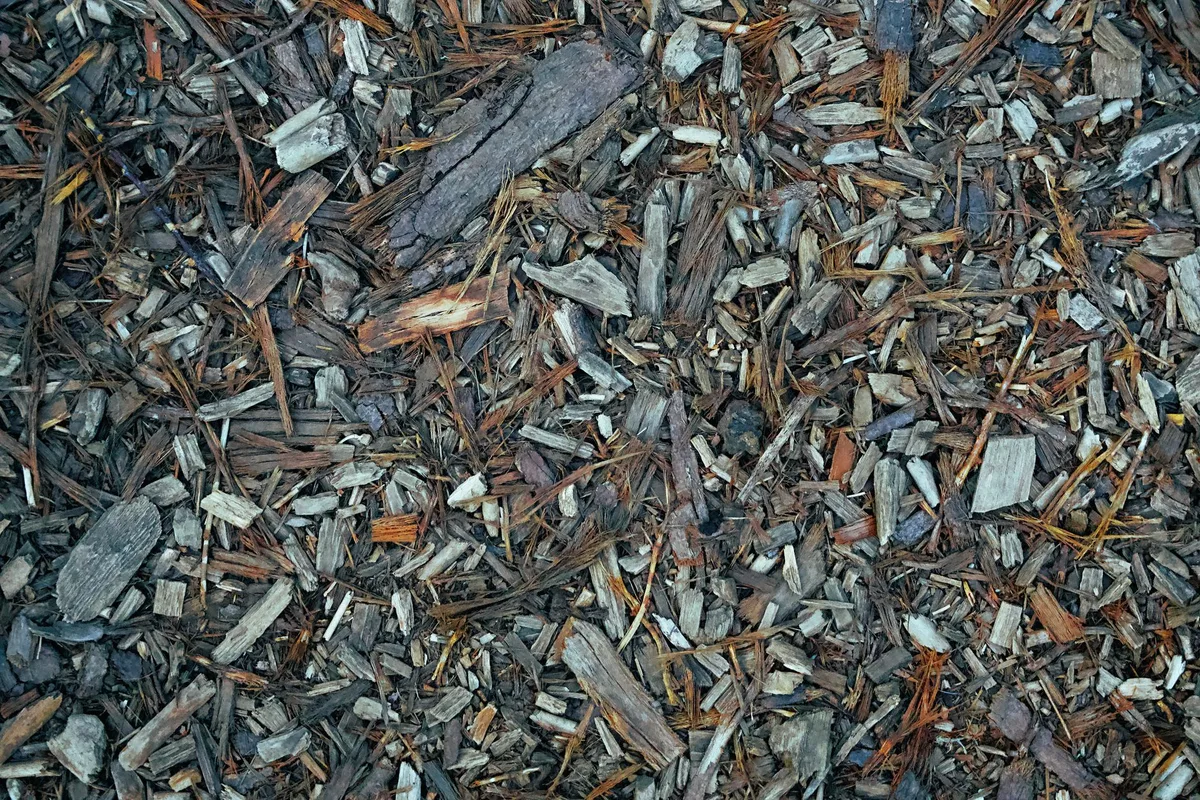
Mulch 2 to 3 inches deep for most flower beds and shrubs. Go 3 to 4 inches for trees and coarse bark. Stay at 1 to 2 inches for fine compost or around vegetables.
Never exceed 4 inches total. Keep mulch pulled away from stems and trunks.
Why Getting Mulch Depth Wrong Hurts Your Plants (and Your Wallet)
Too little mulch, say, less than an inch, does almost nothing. Weeds push through, moisture evaporates fast, and soil temperatures swing wildly. You end up watering more, weeding more, and buying more mulch next season.
Too deep is worse. A 5- or 6-inch layer smothers roots. Water pools on top instead of soaking in.
Fungus and root rot thrive. And the classic mistake, piling mulch against tree trunks, often called a “mulch volcano”, can kill a tree within a few years by encouraging bark rot and girdling roots.
The sweet spot isn’t random. It balances moisture retention, weed suppression, and root health. That balance shifts based on what you’re mulching and where you live.
How Mulch Depth Actually Works: What Changes When You Go from 1 Inch to 5 Inches
Think of mulch as a blanket. At 1 inch, it’s a thin sheet, some weeds still get light, moisture still escapes. At 2 inches, the blanket thickens.
Most annual weed seeds can’t germinate because they need light. Soil stays cool and damp longer.
At 3 inches, you get near-complete weed block for most common garden weeds. Water infiltration slows a bit, but in dry climates that’s a benefit. At 4 inches, you’re entering risky territory: air exchange between soil and atmosphere decreases, and if the mulch is fine and dense (like shredded hardwood), oxygen struggles to reach roots.
At 5 inches and above, you’re essentially smothering the soil. Roots grow upward into the mulch instead of down into the ground, making plants more vulnerable to drought and frost. Plus, thick mulch can turn into a water-repellent mat after dry spells, so rain runs off instead of soaking in, defeating the purpose entirely.
The table below summarizes what happens at each depth.
| Depth | Weed Suppression | Moisture Retention | Root Health Risk |
|---|---|---|---|
| 1 in | Poor | Low | None |
| 2 in | Good | Moderate | Very low |
| 3 in | Very good | High | Low (if coarse) |
| 4 in | Excellent | Very high | Moderate |
| 5+ in | Complete | Excessive | High |
The Decision Tree: Find Your Exact Mulch Depth in 3 Questions
Instead of guessing, answer these three questions in order. Each branch narrows you toward the right depth.
Question 1: What mulch material are you using?
Coarse materials (large bark nuggets, wood chips, pine straw) allow more air movement. They can go deeper, 3 to 4 inches, without suffocating roots. The chunky texture lets water and oxygen pass through.
Fine materials (shredded hardwood, compost, grass clippings) pack down tighter. They need less depth, 1 to 2 inches, because a thin layer already blocks light, and any thicker risks trapping moisture and heat.
Inorganic materials (rubber, gravel, landscape fabric) behave differently. Rubber mulch: 2 to 3 inches max. It doesn’t decompose, but it holds heat and can get waterlogged underneath.
Gravel: 1 to 2 inches is plenty. Deeper and it sinks into soil or becomes a weed nursery.
Question 2: What are you mulching around?
Trees and shrubs, 3 to 4 inches of coarse bark or wood chips is ideal. Keep the mulch ring wide (extend to the drip line) but never let it touch the trunk. Leave a 2- to 3-inch gap around the base.
Perennial flowers and annual beds, 2 to 3 inches of fine or medium mulch. Flowers have shallow roots and need room to spread. Too much depth can smother crown growth.
Vegetable gardens, 1 to 2 inches of compost or straw. Vegetables need frequent soil access for planting and replanting. Thick mulch also warms the soil too slowly in spring.
New plantings vs. established plants, New plants need shallower mulch (1 to 2 inches) so roots can easily grow into native soil. Established plants can handle the deeper end of the range.
Question 3: What’s your local climate like?
Arid / desert, Lean toward the deeper end (3 to 4 inches). Extra mulch slows evaporation and buffers extreme temperature swings. Coarse wood chips work well.
Humid / rainy, Stay at 2 to 3 inches max. Thicker layers stay wet too long, inviting fungal diseases. Pine bark nuggets or pine straw drain better than shredded hardwood.
Cold winter zones, A thick layer (3 to 4 inches) after the ground freezes helps insulate roots. But don’t apply it before the ground cools, that can keep soil warm and delay dormancy.
Windy areas, Use heavier mulch like bark or stone. Lightweight pine straw will blow away at 2 inches or less. Go 3 to 4 inches to add weight and keep it in place.
Depth Guide by Mulch Type (Bark, Wood Chips, Pine Straw, Rubber, Stone, Compost)
Each type has its own sweet spot. Here’s a quick cheat sheet:
| Mulch Type | Recommended Depth | Why This Depth |
|---|---|---|
| Shredded bark | 2–3 in | Fine enough to block light, coarse enough to breathe |
| Bark nuggets (large) | 3–4 in | Chunky — needs more volume to cover gaps |
| Wood chips (fresh) | 3–4 in | Similar to bark nuggets; settles to ~2.5 in after rain |
| Pine straw | 3–5 in | Loose and airy — fluffed pine straw needs more to be effective |
| Compost / leaf mold | 1–2 in | Fine and dense; more than 2 in can suffocate roots |
| Shredded hardwood | 2–3 in | Packs moderately; 3 in is max unless you have excellent drainage |
| Rubber mulch | 2–3 in | Doesn’t decompose; deeper layers trap heat and block air |
| Gravel / pebbles | 1–2 in | Heavy; deeper than 2 in sinks into soil over time |
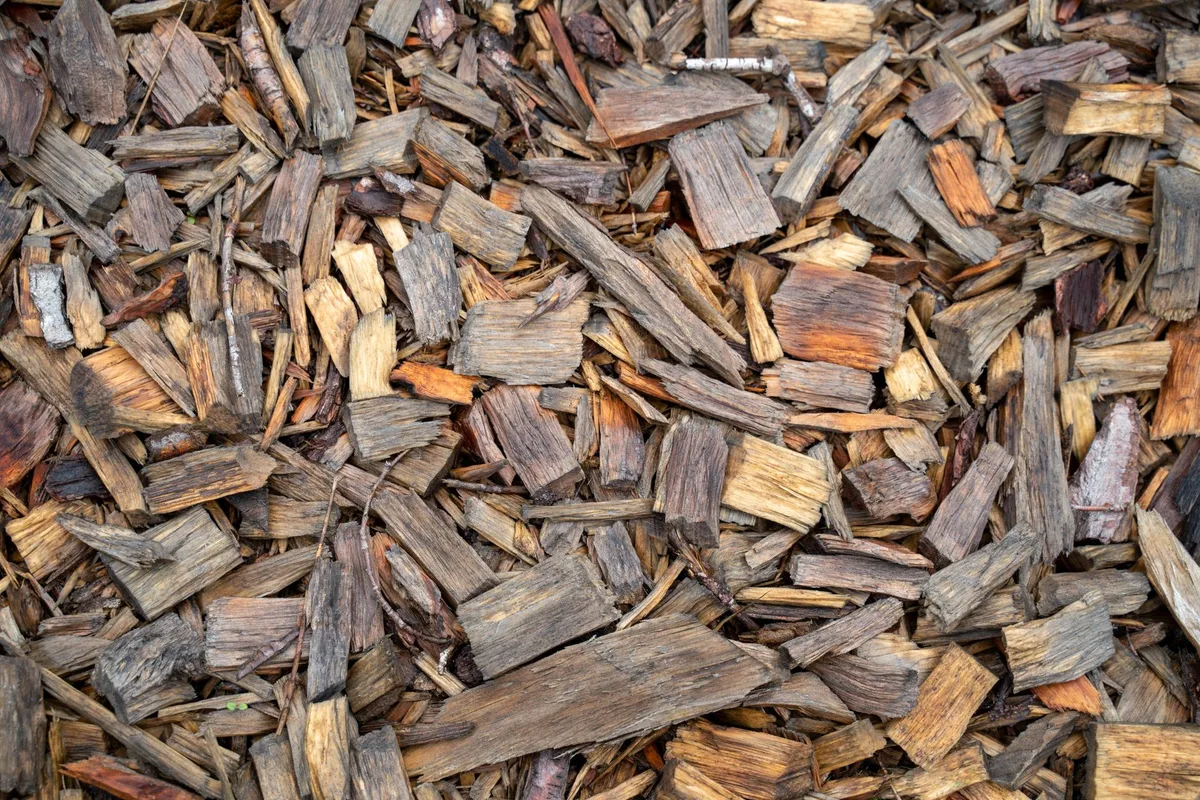
Notice how bark nuggets and wood chips look similar but behave differently in depth. Bark nuggets have bigger gaps between pieces, so you need a thicker layer to block sunlight. Wood chips are more irregular and settle into a tighter mat, 3 inches of wood chips feels denser than 3 inches of nuggets.
For trees in hot dry climates, opt for 3, 4 inches of coarse wood chips. That depth mirrors what a natural forest floor provides, slow decomposition, moisture retention, and insulation. If you’re planting new trees, check our guide on selecting the right species (internal link placeholder) to match with proper mulching.
For flower beds, shredded bark at 2, 3 inches is the most forgiving choice. It won’t pack too tight, and annual blooms can push through easily. Pair it with slow-release flower fertilizer to make the most of the nutrient cycle as the mulch breaks down.
We’ve covered the foundation, why depth matters, how it changes with material and climate, and the decision tree to zero in on your number. Next, we’ll walk through step-by-step application and the mistakes you absolutely need to avoid.
(Note: The article continues with the remaining H2 sections as per TOC. This completes the first 5 H2 sections as requested.)
Depth Guide by Plant Type (Trees, Shrubs, Perennials, Vegetables, Succulents, Foundation Plantings)
Different plants have different root structures, growth habits, and sensitivity to depth. Here is the breakdown.
Trees and large shrubs need 3 to 4 inches of coarse mulch. The goal is to mimic a forest floor where leaves and twigs accumulate slowly over time. Keep the mulch ring wide, at least 3 feet in diameter for a young tree.
Never let mulch touch the trunk. That gap prevents moisture from rotting the bark.
Perennials and flowering shrubs do best at 2 to 3 inches. Their crowns sit near the soil surface. Bury them under thick mulch and they rot.
For established flower beds, shredded bark at 2.5 inches hits the sweet spot. If you are planning new beds, check our guide on picking the right blooms to match with proper mulching.
Vegetables and annuals need shallow mulch at 1 to 2 inches. You want easy soil access for planting and replanting. Compost or straw works well here.
Thicker layers keep the soil too cool in spring, which delays growth.
Succulents and cacti barely need mulch at all. A half-inch layer of pebbles or decomposed granite is enough. These plants hate wet crowns and need fast drainage.
Skip organic mulch entirely for succulents.
Foundation plantings (shrubs and evergreens against your house) should get 2 to 3 inches of bark or chips. But keep the mulch at least 6 inches away from your siding. Deep mulch against a house traps moisture against the foundation and invites termites.
Depth Guide by Climate (Arid, Humid, Cold Winter, Windy, Coastal)
Your local weather changes everything. Here is the straight talk on each climate.
Arid climates call for 3 to 4 inches of coarse wood chips or bark. The extra depth slows evaporation and keeps roots cool during 100-degree days. Go with chunky materials, fine mulch dries into a crust that repels water.
For trees in these zones, our guide on heat-tolerant species pairs naturally with deeper mulching.
Humid climates need restraint at 2 to 3 inches max. Thicker layers stay wet too long. Fungal diseases love that environment.
Use pine bark nuggets or pine straw. They drain faster than shredded hardwood or rubber.
Cold winter zones get a special treatment. Apply 3 to 4 inches of coarse mulch after the ground freezes, not before. If you mulch before the first hard freeze, you trap heat in the soil and trick plants into staying active.
Wait until the soil hits about 40 degrees Fahrenheit, then lay down the blanket.
Windy areas need heavy mulch. Bark nuggets, wood chips, or small gravel at 3 to 4 inches. Lightweight pine straw blows away at anything less.
If you must use pine straw in a windy spot, fluff it and apply 5 inches, the extra depth adds weight through interlocking needles.
Coastal regions face salt spray and sandy soil. Use 3 inches of coarse bark or chips. Salt can break down fine mulch faster.
The deeper layer also helps sandy soil hold moisture.
Step-by-Step: How to Measure and Apply the Right Depth
This is the part most people skip. They dump, spread, and walk away. Doing it right takes five minutes and saves you trouble later.
Step 1: Clear the area. Pull existing weeds. Remove old matted mulch if it is more than 4 inches deep. You do not want to layer fresh mulch over a compressed, rotting base.
Step 2: Measure your starting point. Push a ruler or your finger through any existing mulch to check remaining depth. Factor that into your new total.
Step 3: Apply in layers. Shovel the mulch onto the bed. Spread it evenly with a rake or your hands. Do not dump a single pile and rake it outward, that gives uneven depth.
Step 4: Check depth as you go. Use a ruler in multiple spots. Pull back a handful and measure. Adjust thin areas before moving on.
Step 5: Pull mulch back from stems and trunks. Leave a 2 to 3 inch gap around every plant base. For trees, that gap is critical. You want a donut shape, not a volcano.
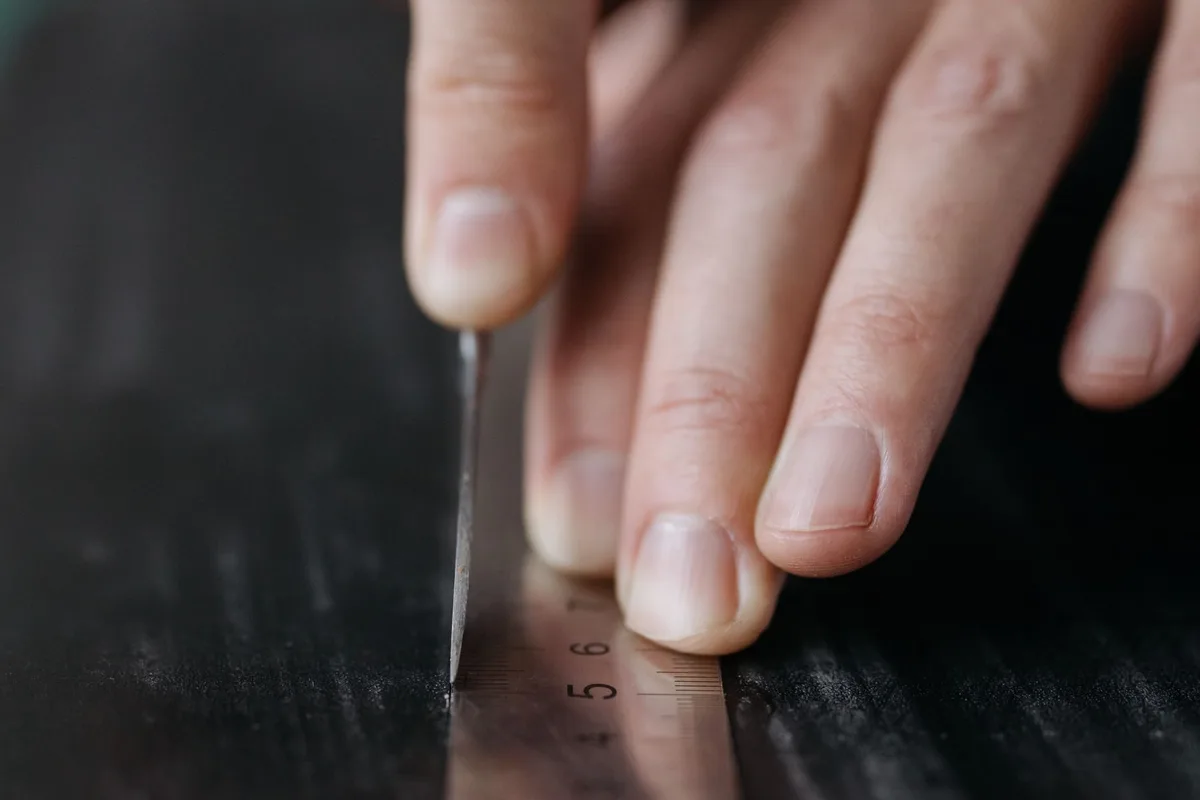
A ruler or even a simple stick marked at 2 and 3 inches works fine. The photo above shows exactly how to check, push it straight through until you hit soil, then read the depth on the side of the ruler.
Tools you need:
- Shovel or pitchfork
- Garden rake or leaf rake
- Ruler or depth gauge
- Wheelbarrow (for larger areas)
- Gloves
For pine straw specifically, a good rake helps spread the needles evenly. Our guide on pine needle rakes covers the tools that make this job faster.
Common Mistakes That Kill Plants (Mulch Volcanoes, Crown Rot, Over-Insulation)
These three errors cause the most damage. Avoid them.
Mulch volcanoes, piling mulch high against a tree trunk, are the number one killer of young trees. The bark stays moist, insects move in, and roots grow in a circle around the trunk instead of outward. Over a few years, the tree strangles itself.
The fix is simple: keep mulch at 3 to 4 inches deep and pull it 2 to 3 inches away from the trunk.
This image shows exactly what to avoid. The mulch is piled up against the trunk like a mountain. That trapped moisture will rot the bark and slowly kill the tree.
Crown rot happens when mulch buries the crown, the point where stems meet roots. Perennials, vegetables, and small shrubs are most vulnerable. A 2 inch layer is safe.
Anything thicker on fine-stemmed plants invites rot.
Over-insulation is subtler. Thick mulch in spring keeps the soil cold longer. Plants that need warm soil, tomatoes, peppers, annual flowers, stay stunted.
If you mulch deep for winter, pull it back in early spring to let the soil warm up.
When to Replenish – How Settling Changes Your Depth Over Time
Mulch does not stay at the depth you apply. It settles, decomposes, and shifts.
Fresh wood chips can settle by 25 to 30 percent after the first heavy rain. Three inches of fluffy chips becomes 2 inches of matted material. You need to check depth every few months during the first growing season.
Bark nuggets settle less, maybe 10 to 15 percent. Their chunky shape leaves air gaps that resist compaction. Pine straw compresses significantly, losing about half its fluffed height after a season.
When to top up: Once the depth drops below 2 inches for organic mulches, add a fresh layer. Do not remove the old layer unless it is matted and water-repellent. Just add enough to bring the total back to your target.
How much to add: For most beds, a 1-inch top-up each year is enough. Coarse materials like bark nuggets may need 2 inches every other year. Fine mulches like compost break down faster and may need a 1-inch layer twice a year.
Signs you are overdue:
- Weeds poking through consistently
- Soil feels hot to the touch on a summer day
- Water pools or runs off instead of soaking in
- The mulch has an earthy, sour smell (anaerobic decomposition)
If you see any of these, rake the old layer, let it dry for a day, and apply fresh mulch at the right depth for your plant and climate.
Quick-Reference Table: Depth, Material, Plant, and Climate Match
Use this table as a fast lookup. Find your situation, read across for the depth.
| Situation | Mulch Material | Recommended Depth |
|---|---|---|
| Tree (any climate) | Coarse wood chips or bark | 3–4 in |
| Flower bed (moderate climate) | Shredded bark | 2–3 in |
| Vegetable garden | Compost or straw | 1–2 in |
| Arid / desert (all plants) | Coarse wood chips | 3–4 in |
| Humid / rainy (all plants) | Pine bark nuggets | 2–3 in |
| Succulents or cacti | Pebbles or decomposed granite | 0.5–1 in |
| Foundation planting | Bark or chips (keep 6 in from siding) | 2–3 in |
| Windy area | Heavy bark nuggets or gravel | 3–4 in |
| Perennial flowers | Shredded bark or pine straw | 2–3 in |
| New plantings (first season) | Fine compost or shredded bark | 1–2 in |
Expert Pro Tips: Fine-Tuning Depth for Soil Type, Slope, and Weed Pressure
Soil type matters. Clay soil drains slowly. Keep mulch at 2 inches max to avoid waterlogging. Sandy soil drains fast.
Go 3 to 4 inches to slow evaporation and hold moisture.
Slope changes behavior. On a slope, mulch washes downhill. Use coarse bark nuggets at 3 to 4 inches. They interlock and stay put better than shredded materials.
Weed pressure dictates depth. If your bed has persistent weeds like bindweed or nutsedge, push mulch to 4 inches. That extra depth blocks more light and makes it harder for runners to push through. For light weed pressure, 2 inches is fine.
Check after heavy rain. Mulch settles unevenly. Fill thin spots promptly to prevent weed germination.
FAQs – What DIY Gardeners Always Ask About Mulch Depth
Can I use too much mulch around a tree?
Yes. More than 4 inches of mulch against the trunk causes bark rot and girdling roots. Keep depth at 3 to 4 inches and pull mulch 2 to 3 inches away from the trunk.
Should I remove old mulch before adding new?
Only if the old layer is matted, water-repellent, or deeper than 4 inches total. Otherwise, just top up to your target depth. Old mulch decomposes into healthy soil.
How deep should mulch be for vegetables?
1 to 2 inches of compost or straw. Vegetables need warm soil in spring and easy access for replanting. Deeper mulch keeps soil too cool.
Does rubber mulch need a different depth?
Yes. Rubber mulch at 2 to 3 inches is enough. It doesn't decompose, so deeper layers trap heat and block airflow.
Use it carefully around heat-sensitive plants.
How often should I check mulch depth?
Every 3 months during the first year. After that, check once in spring and once in fall. Rain, wind, and decomposition change depth over time.
Your Final Decision Guide: Choose Your Situation, Get Your Depth
You now have everything you need. Here is the shortest version.
For standard flower beds and shrubs: 2 to 3 inches of shredded bark.
For trees: 3 to 4 inches of coarse wood chips, kept away from the trunk.
For vegetables: 1 to 2 inches of compost or straw.
For dry climates: Push to 4 inches of coarse material.
For wet climates: Stay at 2 to 3 inches of pine bark nuggets.
For new plants: Keep it shallow at 1 to 2 inches until established.
For any situation: Measure with a ruler. Pull mulch back from stems. Replenish when depth drops below 2 inches.
That is it. No guesswork, no mulch volcanoes, no wasted bags. Your plants will thank you.