How to Avoid Herbicide Drift 2026
If you've ever watched a neighbor's soybean field turn yellow overnight or had a garden crop curl up for no obvious reason, you already know the problem. Herbicide drift is one of the most expensive mistakes you can make with a sprayer, and it happens faster than most people realize. Learning how to avoid herbicide drift is the single most important skill for anyone who sprays chemicals around crops, gardens, or lawns.
The worst part? Most drift accidents are completely preventable. According to EPA data and state extension research, improper wind assessment and wrong nozzle choice cause over 70% of drift incidents.
But the fix doesn't require expensive new equipment. It just requires understanding a few key variables and making smart decisions before you pull the trigger.
Quick Answer
To avoid herbicide drift, always check wind speed and direction first. Use air induction nozzles that produce coarse droplets. Keep your boom at 18 to 24 inches above the target.
Stop spraying when wind exceeds 10 mph. Watch for temperature inversions at dawn and dusk.
Why Herbicide Drift Costs You More Than Just a Bad Day in the Field

Drift is not just about wasted herbicide. It's about liability. If your spray moves onto a neighbor's organic vegetable operation, your organic certification is gone.
If it hits a vineyard, that's thousands of dollars in lost grapes. If it lands on a school or residential property, you're looking at fines and legal action.
The consequences break down into three categories:
- Crop injury. Off-target herbicide exposure can stunt growth, deform leaves, or kill plants entirely. Even sub-lethal doses reduce yield.
- Legal penalties. The EPA treats drift violations seriously. Fines under FIFRA can reach tens of thousands of dollars per incident. State ag departments can suspend your applicator license.
- Neighbor relations. Drift complaints destroy trust. Once word gets around that you're a careless applicator, it sticks.
Drift also wastes your money. Research from several state extension programs shows that drift can move 20% to 60% of your spray off-target. That's not just chemical cost.
That's time, fuel, and labor down the drain.
And if you're managing a lawn or garden that gets hit by drift, recovery takes work. The same principles apply in reverse. You might want to check out the right fungicide for lawns to help stressed grass bounce back after an incident.
The Four Things That Actually Decide Whether You'll Have Drift
Drift is not random. It's physics. Four variables control every drift event, and when you understand them, you can manage each one independently.
1. Wind speed and direction. This is the biggest single factor. Wind moves your spray particles sideways.
More wind means more drift.
2. Droplet size. Small droplets drift farther. Large droplets fall faster.
The size of your droplets depends on your nozzle type, pressure, and the product you're spraying.
3. Boom height. The higher your boom, the longer droplets stay in the air. More air time means more opportunity for wind to push them off-target.
4. Adjuvants and formulations. Some products are more drift-prone than others. Drift-reducing adjuvants thicken the spray mix and create larger droplets.
These four factors interact. A low boom with coarse droplets in light wind is safe. A high boom with fine droplets in moderate wind is a disaster waiting to happen.
If you're setting up a garden near a sprayed area, you might also want to look into the best slow release fertilizer for flowers to give your plants a healthy foundation against stress.
Decision Branch 1: Reading the Wind Right (Speed, Direction, and Inversions)
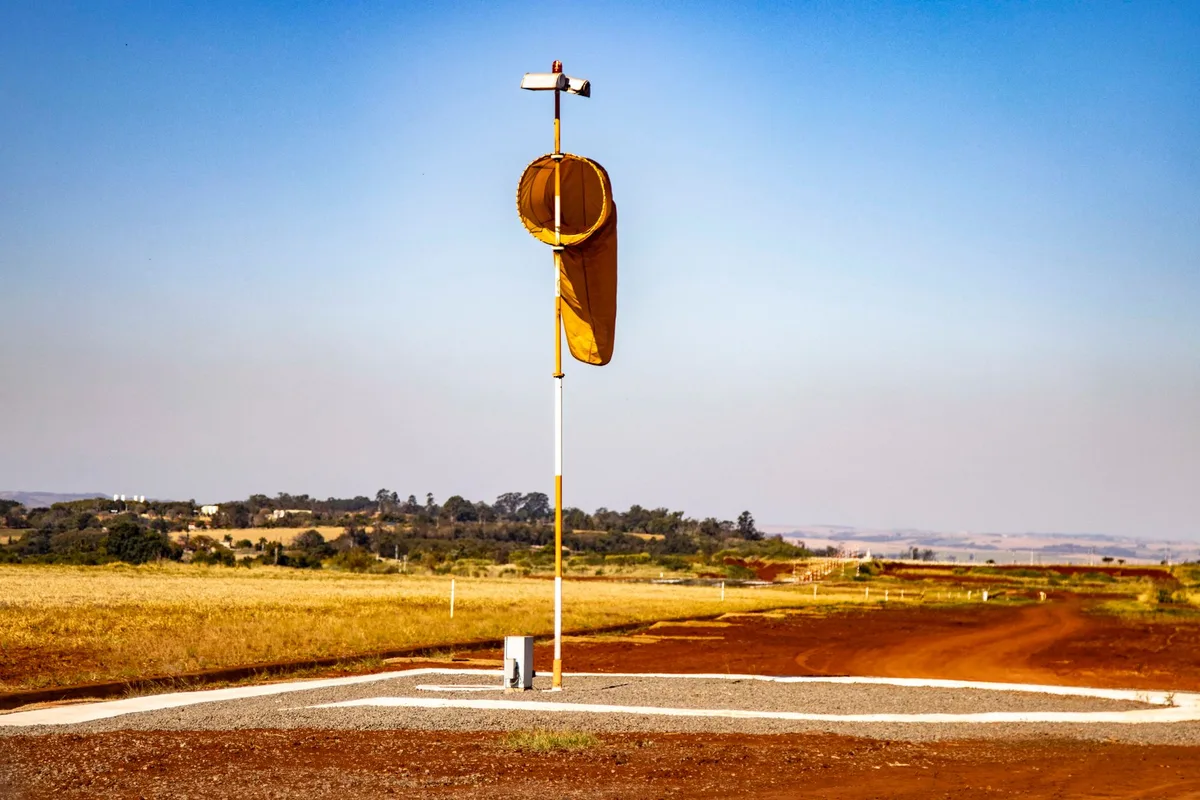
Wind is the first thing you check, and it's the most common reason people stop spraying. But reading wind is more nuanced than just glancing at a weather app.
What wind speed is safe?
The general rule. Most herbicide labels say 10 mph maximum. But that's a hard limit, not a target.
In our research, the safest range for ground application is 3 to 7 mph. Below 3 mph, you risk temperature inversions. Above 7 mph, drift potential climbs fast.
Here is a practical wind speed guide:
| Wind Speed | Drift Risk | Action |
|---|---|---|
| 0–3 mph | High inversion risk | Check for inversion before spraying |
| 3–7 mph | Low to moderate | Safe with coarse droplets and low boom |
| 7–10 mph | Moderate to high | Only spray with drift-reducing nozzles and low pressure |
| Over 10 mph | High | Do not spray. |
How to measure wind accurately
A weather app tells you the wind at the airport. It does not tell you the wind in your field. Use a handheld anemometer at boom height.
Measure for at least 30 seconds. Gusts matter. If gusts exceed 10 mph, stop and wait.
Temperature inversions: the invisible drift trap
This is where most experienced applicators mess up. An inversion happens when a layer of warm air sits above cooler air near the ground. That traps your spray cloud in a stable layer.
Then even a 2 mph breeze can carry it a quarter mile.
Inversions form on clear, calm nights. They often persist until mid-morning. The classic sign is dust or smoke that hangs in the air instead of rising.
If fog settles in low areas, that's also a clue.
If you see any sign of an inversion, wait until the ground warms up and the air starts mixing. Usually that means waiting until late morning.
When planning your garden layout to minimize future drift risk, you might want to consider the best plants for bedroom placement if you're growing near a window that faces a neighbor's field.
Decision Branch 2: Picking the Nozzle That Fits the Conditions
Your nozzle is the single most important piece of drift control equipment you own. You can have perfect wind, perfect boom height, and perfect pressure. If your nozzle is wrong, you will have drift.
Standard flat-fan vs. air induction
Standard flat-fan nozzles produce a range of droplet sizes, including many fine droplets that drift easily. Air induction nozzles create larger, air-filled droplets that fall faster and resist wind.
Here is the breakdown:
| Nozzle Type | Droplet Spectrum | Drift Potential | Coverage Quality | Best For |
|---|---|---|---|---|
| Standard flat-fan | Fine to medium | High | Excellent | Pre-emerge, contact products in calm conditions |
| Air induction (AI) | Coarse to ultra-coarse | Very low | Good to excellent | Systemic herbicides, windy conditions, sensitive areas |
| Venturi / low-drift | Coarse | Low | Good | General purpose drift reduction |
| Turbo TeeJet | Medium to coarse | Moderate | Very good | Higher travel speeds |
How to choose the right droplet size
The ASABE nozzle standard S-572 classifies spray quality from very fine to ultra coarse. For drift-sensitive situations, you want coarse or very coarse droplets. That means air induction nozzles.
A common mistake is thinking that air induction nozzles always reduce efficacy. For systemic herbicides like glyphosate or 2,4-D, coverage is less important. The chemical needs to hit the leaf, absorb, and move through the plant.
Coarse droplets are fine for that.
For contact herbicides or fungicides that need thorough coverage, you need a balance. You might use a medium-coarse droplet from a low-drift nozzle instead of ultra-coarse from an air induction nozzle.
Pressure matters
Higher pressure breaks droplets into smaller sizes. If you use an air induction nozzle at 60 PSI, you undo the drift reduction. Most air induction nozzles work best at 15 to 30 PSI.
If you're dealing with pests in addition to weeds, you might also want to look into the best insecticide for carpenter ants when treating structures near your spray areas.
Decision Branch 3: Setting Boom Height and Pressure Without Guessing
You can have perfect wind and the best nozzles on the market. If your boom is too high, you will still drift. Boom height is the second most important variable after wind.
The 20-inch rule
Most manufacturers recommend a boom height of 18 to 24 inches above the target. For most field crops, that means 18 to 20 inches. The lower you go, the less time droplets spend in the air.
Here is how boom height affects drift:
| Boom Height | Droplet Fall Time | Drift Risk | Typical Use |
|---|---|---|---|
| 12 inches | Very short | Very low | Precision spraying, banded applications |
| 18–20 inches | Short | Low | Standard field spraying with AI nozzles |
| 24–30 inches | Moderate | Moderate | Rough terrain, tall weeds |
| Over 30 inches | Long | High | Only acceptable in zero wind |
If your field has ruts or uneven ground, you might need to raise the boom to avoid skips. That increases drift risk. In that case, you need to compensate with coarser droplets or lower pressure.
Pressure and speed
Pressure and travel speed both affect droplet size. As a rule, keep pressure within the nozzle manufacturer's recommendation. For most air induction nozzles, that is 15 to 30 PSI.
Higher pressure produces finer droplets.
Travel speed also matters. Faster speeds create more turbulence behind the boom, which can lift droplets back into the air. Keep ground speed under 10 mph for most applications.
For drift-sensitive jobs, 6 to 8 mph is better.
The calibration check
Do not guess your boom height. Measure it. Park your sprayer on flat ground, set the boom at your working height, and measure from the nozzle to the ground.
Adjust for crop height.
If you're growing sensitive crops nearby, you might want to use a different approach entirely. The best organic fertilizer for fruit trees is a great alternative to synthetic herbicides in the orchard.
Decision Branch 4: When Drift-Reducing Adjuvants Actually Help
Adjuvants are products you add to the spray tank to change how the mix behaves. Some reduce drift. Others increase penetration or droplet size.
But they are not magic.
Types of drift-reducing adjuvants
- Drift control agents. These thicken the spray mix. They increase droplet size and reduce the percentage of fine droplets.
- Deposition aids. These help droplets stick to the leaf surface instead of bouncing off or shattering.
- Foam suppressants. These reduce spray mist and fine droplets.
When they work
Drift-reducing adjuvants work best when you already have good nozzle selection and boom height. They add a layer of insurance. But they cannot fix bad wind or wrong nozzles.
The catch. Some adjuvants can actually reduce coverage for contact products. And they can be expensive.
A typical drift control agent costs $3 to $8 per acre. If you only spray 50 acres a season, that's not a big deal. For large operations, it adds up.
When to skip them
If you are using air induction nozzles with a low boom in moderate wind, you probably do not need an adjuvant. The nozzles are already doing the heavy lifting.
If you are spraying fine droplets near a sensitive area, the adjuvant is worth the cost. But the better solution is to switch to coarse droplets first.
If you are dealing with stress on trees near your spray zone, consider the best fertilizer for pomegranate trees or similar crops to help them recover from any unintended exposure.
Buffer Zones: How Far Back Do You Really Need to Stay?
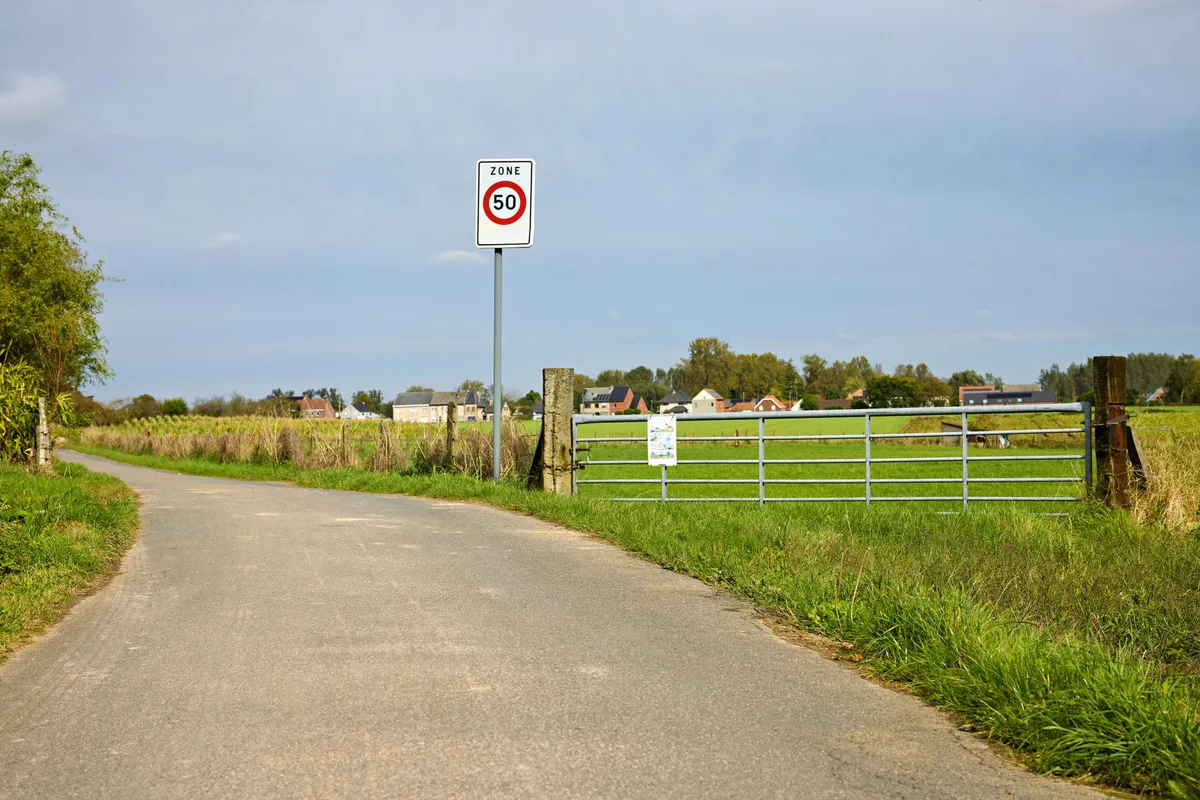
Buffer zones are the distance between your spray area and sensitive areas. They are not optional. Your herbicide label specifies mandatory buffer zones for certain products and application methods.
Ignoring them is a violation of federal law.
How buffer zones work
The label will say something like "Do not apply within 100 feet of aquatic habitats" or "maintain a 60 foot buffer from organic fields." That is legally binding. You cannot reduce it unless the label gives you options, like using drift-reducing nozzles.
Sensitive areas to protect
- Organic crop fields
- Residential properties
- Schools, parks, and public spaces
- Water bodies, streams, and drainage ditches
- Pollinator habitats
- Vineyards, orchards, and vegetable gardens
Practical buffer zone distances
| Situation | Recommended Buffer | Notes |
|---|---|---|
| Standard field next to organic crop | 100 to 300 feet | Check label; varies by product |
| Field next to residential area | 50 to 150 feet | Use coarse droplets and low boom |
| Field next to water body | 25 to 100 feet | Varies by state and product |
| Spot spraying near garden | 10 to 25 feet | Hand sprayer only, no broadcast |
How to measure a buffer zone
Use a measuring wheel or GPS. Do not guess. Mark the boundary with flags or posts.
If your buffer zone is 100 feet, that is about 33 paces for an average adult. But paces are not accurate. Use a real measurement.
The legal side
If a drift complaint happens, the first thing investigators check is whether you maintained the required buffer zone. If you did not, you are automatically in violation, even if the drift was accidental.
Records matter. Document your buffer zone plan for every application. If you ever need to defend yourself, those records are your best evidence.
The Decision Tree: Spray Today or Wait? (At-a-Glance Flow)
This is the most practical tool you can use before every load. Walk through these questions in order.
Step 1. Check wind speed.
- Under 3 mph: Check for inversion. If inversion is present, wait.
- 3 to 7 mph: Proceed with coarse droplets and low boom.
- 7 to 10 mph: Only proceed with air induction nozzles and reduced pressure.
- Over 10 mph: Stop. Do not spray.
Step 2. Check wind direction.
- Blowing away from sensitive areas: Good.
- Blowing toward sensitive areas: Wait or use maximum buffer zone.
Step 3. Check for temperature inversion.
- Smoke or dust hangs in the air: Inversion present. Wait until mid-morning or later.
- Air is mixing and rising: Proceed.
Step 4. Select nozzle.
- Sensitive area nearby: Use air induction nozzles (coarse or ultra coarse).
- No sensitive area nearby: Standard flat-fan or low-drift is acceptable.
- Contact herbicide that needs coverage: Use low-drift nozzle, not ultra coarse.
Step 5. Set boom height.
- Flat ground: 18 to 20 inches.
- Uneven ground: 24 inches maximum.
- Tall weeds: Raise boom but compensate with coarser droplets.
Step 6. Set pressure.
- Air induction nozzle: 15 to 30 PSI.
- Low-drift nozzle: 20 to 40 PSI.
- Standard flat-fan: 20 to 40 PSI.
Step 7. Check buffer zone.
- Measure and mark the distance required by the label.
- Confirm no sensitive areas within the buffer.
If you answer "yes" to all checks, you are ready to spray. If any check says "no," fix that variable or wait.
Drift Mistakes That Catch Even Experienced Applicators
Even people who have been spraying for decades make these errors. Here are the most common.
Mistake 1: Trusting the weather app
Your phone says 6 mph wind. You start spraying. Meanwhile, in your field, a 12 mph gust hits and your spray goes sideways.
The app reports average wind over a 10 minute period. It does not report gusts.
Use a handheld anemometer. Measure at boom height. Watch for sudden changes.
Mistake 2: Ignoring nozzle wear
Air induction nozzles wear out over time. A worn nozzle produces smaller droplets as the venturi gets damaged. Replace nozzles when flow rate increases by 10% from new.
Most nozzles need replacement every 100 to 200 hours of use. If you spray abrasive products like wettable powders, replace them sooner.
Mistake 3: Spraying right before a weather change
A front moving in often means shifting wind directions. You might start with a tailwind and finish with a crosswind that carries spray into a sensitive area.
Check the forecast for the next 3 to 4 hours. If wind is supposed to shift, plan accordingly.
Mistake 4: Not accounting for tree lines and buildings
Wind does not blow in a straight line around obstacles. Trees and buildings cause turbulence. That can lift your spray cloud and carry it in unexpected directions.
Stay at least 100 feet away from tree lines when spraying. If you must spray near them, use ultra coarse droplets and the lowest boom possible.
Mistake 5: Spraying too fast
High ground speed creates a vortex behind the boom. That pulls small droplets upward into the wind. Keep speed under 10 mph.
For drift-sensitive jobs, aim for 6 to 8 mph.
If you are working near flower beds or gardens, you might want to think about the best plants for dark bathroom or other indoor options to reduce outdoor spraying entirely.
Little Tweaks That Make a Big Difference in Drift Control
These are the small adjustments that experienced applicators use to get better results without buying new equipment.
Use a drift control agent with fine droplets
If you must use standard flat-fan nozzles near a sensitive area, add a drift control agent. It will shift the droplet spectrum toward medium and coarse. It is not as good as air induction nozzles, but it helps.
Spray at the right time of day
Early morning and late evening have lower wind and lower temperatures. That means less evaporation and less drift. But watch for inversions in the early morning.
The best window is often 2 hours after sunrise to 2 hours before sunset. Midday is hot and gusty. Late evening can be calm but inversion risk increases.
Adjust nozzle angle
Some air induction nozzles have an angled design. Pointing them slightly forward or backward changes the spray pattern. Follow the manufacturer's recommendation for your specific model.
Use a pulse-width modulation system
If you have the budget, PWM systems let you adjust flow rate without changing pressure. That means you can keep droplet size consistent even when you change speed. It is expensive but effective.
Keep records
Record wind speed, direction, nozzle type, pressure, boom height, buffer zone, and the products used. If a complaint happens, you have proof that you followed best practices.
Key Numbers to Know Before You Pull the Trigger
Here are the numbers that matter most. Memorize them or keep them in your cab.
| Variable | Safe Range | Danger Zone |
|---|---|---|
| Wind speed | 3 to 7 mph | Over 10 mph |
| Boom height | 18 to 20 inches | Over 30 inches |
| Pressure (AI nozzles) | 15 to 30 PSI | Over 40 PSI |
| Droplet size | Coarse or very coarse | Fine or very fine |
| Ground speed | 6 to 8 mph | Over 10 mph |
| Buffer zone | Label minimum + 50% | Less than label minimum |
The 50% rule is a good habit. If your label says 100 feet buffer, give yourself 150 feet. That extra margin covers mistakes in wind measurement or nozzle wear.
What Your Label Says (and What Happens If You Ignore It)
Your herbicide label is not a suggestion. It is a legal document. Every word on that label is enforceable under FIFRA.
What to look for on the label
- Drift management language. The label will specify mandatory buffer zones, nozzle restrictions, and maximum wind speeds.
- Droplet size requirements. Some labels require coarse or very coarse droplets. Do not use fine droplets.
- Temperature inversion language. Most labels say do not spray during an inversion.
- Adjuvant requirements. Some products require a drift-reducing adjuvant.
Consequences of ignoring the label
- Fines. EPA fines can reach $25,000 or more for a single violation.
- License suspension. State agencies can suspend or revoke your applicator license.
- Civil liability. If your drift damages someone else's crop, you can be sued for the full value of the loss.
- Criminal charges. In extreme cases where drift causes harm to people or the environment, criminal charges are possible.
State-specific regulations
Some states have more restrictive rules than the EPA. California has some of the strictest drift regulations in the country. Washington and Oregon require specific drift management plans for certain crops.
Check with your state department of agriculture before the season starts.
Spray Records That Protect You If Complaints Come
If a neighbor calls the county ag commissioner about drift, your records are your best defense. Without them, it is your word against theirs.
What to record for every load
- Date and time of application
- Wind speed and direction at boom height
- Temperature and humidity
- Nozzle type and pressure
- Boom height
- Product name and rate
- Adjuvant used, if any
- Buffer zone distance
- Weather forecast check
- Any unusual conditions
How to store records
Keep records for at least two years. Digital records are best because they have timestamps. Many sprayer manufacturers offer software that logs application data automatically.
If you do not have digital capability, use a paper logbook. Fill it out before you start spraying, not after.
What investigators look for
- Did you check wind speed before spraying?
- Did you use the required nozzle type?
- Did you maintain the buffer zone?
- Did you spray during an inversion?
If your records show you followed best practices, the investigation usually ends. If your records are missing or incomplete, you start from a position of weakness.
When planning your property, keep in mind that the best trees for hot dry climates can act as natural windbreaks and help reduce drift risk from neighboring properties.
Three Real Drift Situations and What They Teach Us
Situation 1: The early morning spray
A farmer sprayed glyphosate at 6 AM on a clear, calm morning. The wind was under 3 mph. By 8 AM, a neighbor's vineyard showed damage.
The investigation found a strong temperature inversion that trapped the spray cloud. The 2 mph breeze carried it 500 feet.
Lesson. Calm wind does not mean safe wind. Always check for inversion before early morning sprays.
Situation 2: The gusty field
An applicator checked a weather app showing 8 mph wind. During spraying, a 15 mph gust came through. The spray drifted onto a school playground.
The school bus driver saw the spray cloud and reported it.
The applicator lost his license for 6 months and paid $15,000 in fines.
Lesson. Weather apps are not accurate enough for drift management. Use a handheld anemometer and watch for gusts.
Situation 3: The worn nozzle
A farmer used air induction nozzles that had been in service for three seasons. The nozzles looked fine. But flow rate had increased by 18%.
Droplet size shifted from coarse to medium. The spray drifted onto a neighbor's organic soybean field.
The farmer had to pay for the lost organic certification plus crop value. Total cost was over $50,000.
Lesson. Replace nozzles every 100 to 200 hours. Test flow rate at least once per season.
Frequently Asked Questions
What is the most common cause of herbicide drift?
Wind is the single most common cause. Over 60% of drift incidents happen when wind speed exceeds 10 mph or when applicators misjudge gusts. Temperature inversions are the second most common cause, especially during early morning applications.
Can I spray in zero wind conditions?
Zero wind conditions often mean a temperature inversion is present. If you see smoke or dust hanging in the air, do not spray. Wait until the air starts mixing, which usually happens by mid-morning.
Do drift-reducing nozzles lower effectiveness?
For systemic herbicides, no. Coarse droplets provide excellent control because the chemical absorbs into the plant. For contact herbicides, you might need a compromise.
Use low-drift nozzles instead of ultra-coarse, or increase spray volume.
How do I measure boom height correctly?
Park on level ground. Set the boom at your working height. Measure from the nozzle tip straight down to the ground or crop canopy.
Adjust for crop height. The ideal height for most ground booms is 18 to 20 inches.
What buffer zone should I use for organic fields?
Check your herbicide label first. Most labels require a minimum of 100 to 300 feet for organic fields. If the label does not specify, use 100 feet as a minimum.
When in doubt, double the distance.
How often should I replace spray nozzles?
Replace nozzles every 100 to 200 hours of use. Test flow rate at the start of each season. If flow rate has increased by 10% or more compared to a new nozzle, replace it.
Worn nozzles produce smaller droplets and cause more drift.
Do adjuvants really reduce drift?
Yes, but they are not a substitute for proper nozzle selection and boom height. Drift control agents thicken the spray mix and shift droplet size toward coarse. Use them as an extra layer of protection, not as your primary drift control strategy.
What should I do if I suspect drift happened?
Stop spraying immediately. Document the wind conditions and application details. Talk to the affected neighbor.
Offer to help with crop assessment. Contact your insurance company and your state department of agriculture. Early communication often prevents escalation.