How to Fix Whiteflies 2026
You’ve probably noticed tiny white moths rising in a cloud when you brush past your tomato plants or indoor hibiscus. That’s a whitefly infestation, and if you’ve caught it early, you’re in a much better spot than most gardeners who let populations explode before taking action. The fix isn’t a single spray-and-done treatment.
It’s a workflow that changes based on how many whiteflies you’re dealing with and where your plants are growing.
Whiteflies (family Aleyrodidae) complete their life cycle in 16 to 30 days depending on temperature, which means a small problem can turn into hundreds of adults in under a month. The key is matching your treatment method to the infestation stage, hitting every life cycle phase, and sticking with it long enough to break the reproduction loop.
Quick Answer
How to fix whiteflies depends on infestation severity. For light cases, use water spray and yellow sticky traps. Moderate infestations need neem oil or insecticidal soap applied every 5 to 7 days.
Severe infestations require systemic insecticides or combination treatments. Always spray leaf undersides where nymphs and eggs live. Plan on 2 to 3 weeks minimum to eliminate all life stages.
What Whiteflies Are and Why They’re Hard to Get Rid Of
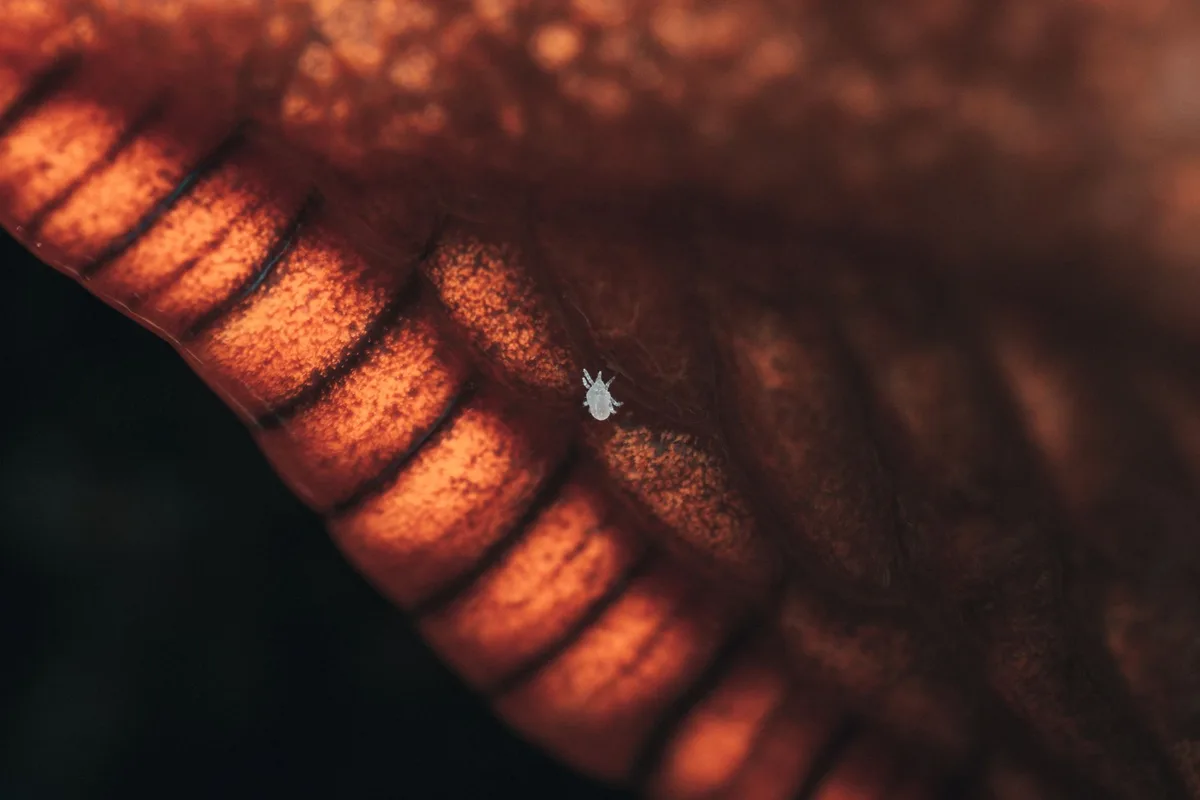
Whiteflies aren’t actually flies. They’re soft-bodied piercing-sucking insects related to aphids and scale. The two species you’ll encounter most often are the greenhouse whitefly (Trialeurodes vaporariorum) and the silverleaf whitefly (Bemisia tabaci), also called the sweet potato whitefly.
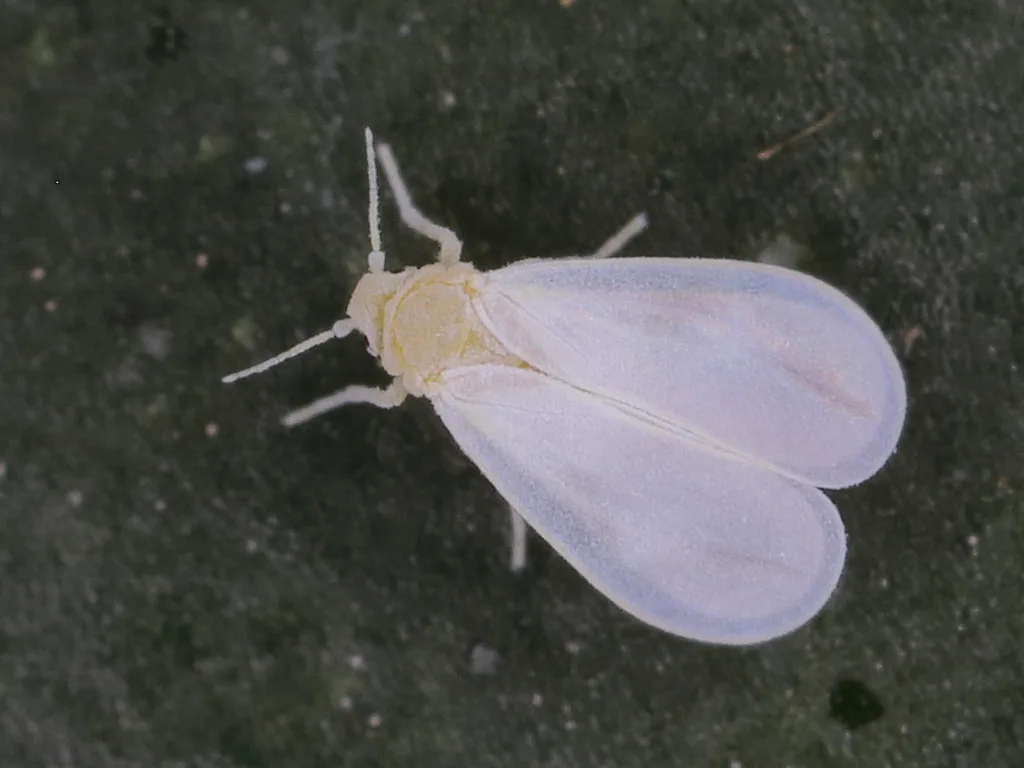
Adults look like tiny white moths about 1/16 inch long. They feed on plant sap by piercing leaf tissue and sucking out phloem, which weakens the plant and transmits diseases like Tomato Yellow Leaf Curl Virus. As they feed, they excrete a sticky substance called honeydew that coats lower leaves and encourages black sooty mold growth.
The real problem is their life cycle. A single female lays 200 to 400 eggs on the undersides of leaves. Those eggs hatch into nymphs that look like flat, translucent scales.
Nymphs don’t move. They just sit and feed for about two weeks before pupating and emerging as adults.
Why single treatments fail:
- Contact sprays (soap, oil, pyrethrin) only kill adults and mobile nymphs, not eggs or late-stage pupae.
- Eggs hatch over several days, so new nymphs appear after you spray.
- If you stop treatment too early, even a few survivors restart the cycle.
- Adults fly to nearby plants, so treating just one infested plant leaves a reservoir.
Most gardeners spray once, see improvement, and quit. Two weeks later the population is back because eggs hatched after the first treatment. You need repeat applications timed to the hatch cycle.
How to Tell If You Actually Have Whiteflies (Not Another Pest)
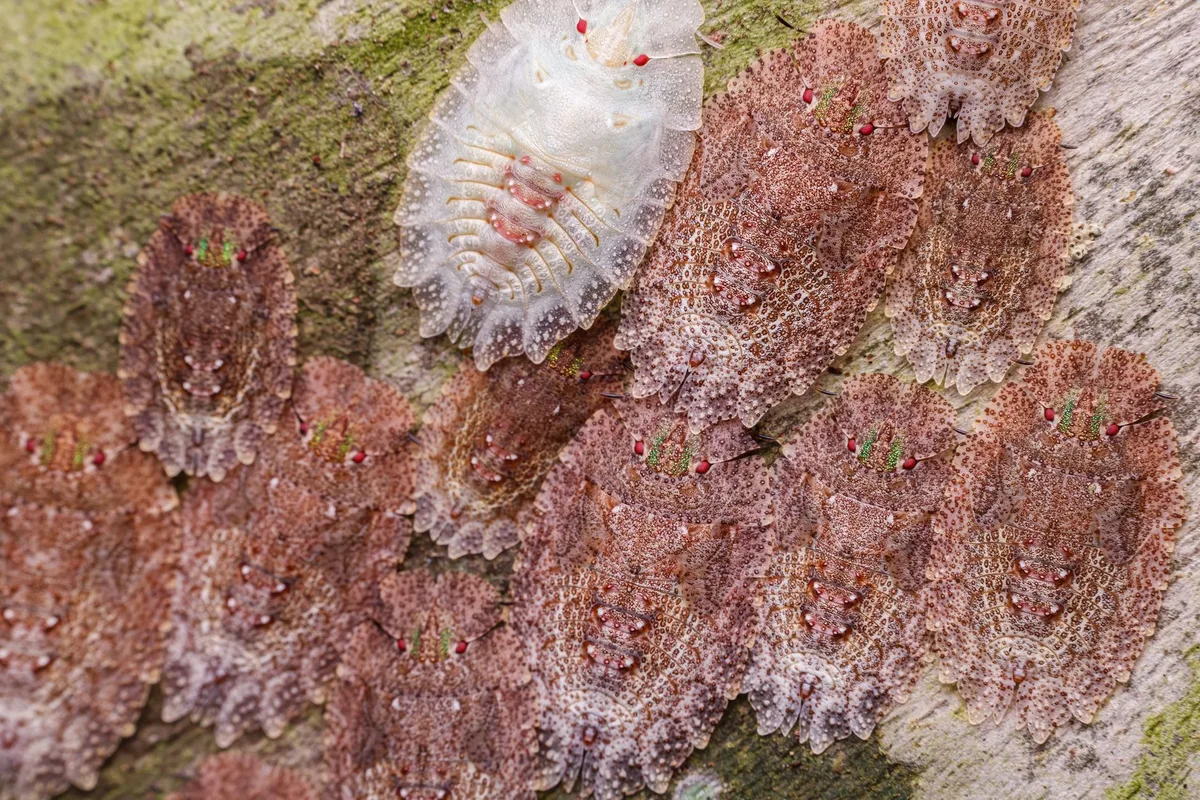
Before you start any treatment, confirm you’re dealing with whiteflies and not aphids, mealybugs, or fungus gnats. The identification is straightforward once you know what to look for.
The shake test:
Gently shake or tap an affected plant. If a cloud of tiny white insects flies up and then settles back down, you have whiteflies. Aphids don’t fly.
Mealybugs don’t fly. Fungus gnats fly but they’re dark and hang around soil, not leaves.
Check leaf undersides:
Flip over a few leaves and look closely. You’ll see three things if whiteflies are present.
- Tiny white oval adults, usually clustered near veins.
- Pale yellow or white eggs standing upright, almost like grains of rice but microscopic.
- Flat, translucent or yellow-green nymphs that look like scale insects.
Look for honeydew and sooty mold:
Run your finger along the top of a lower leaf. If it feels sticky, that’s honeydew. Black powdery coating on top of the stickiness is sooty mold, a secondary fungus that grows on the sugar-rich excretion.
Check for leaf damage:
Whitefly feeding causes stippling (tiny yellow dots), general yellowing, leaf curling, and stunted new growth. Heavy infestations lead to leaf drop and reduced fruit set on vegetables.
Indoor plants, especially houseplants in low-light spots, can harbor whiteflies year-round. Outdoor gardens in warm climates see higher pressure during summer and fall.
How Bad Is Your Infestation? Light, Moderate, or Severe
Treatment strategy changes completely depending on population size. Assess honestly before you pick a method, because using a light-touch approach on a severe infestation wastes time and lets the problem get worse.
| Infestation Level | What You See | Adult Count (Shake Test) | Leaf Damage |
|---|---|---|---|
| Light | A few adults fly up when disturbed; small clusters of nymphs on a few leaves | Under 10 adults per plant | Minimal yellowing, no leaf drop |
| Moderate | Dozens of adults; nymphs visible on most leaves; sticky honeydew present | 10-50 adults per plant | Noticeable yellowing, some curling, sooty mold starting |
| Severe | Hundreds of adults; nymphs coat undersides; heavy honeydew; black sooty mold | 50+ adults per plant | Severe yellowing, leaf drop, stunted growth, plant declining |
When to check:
Early morning or late evening when adults are less active. They hide on undersides during the heat of the day, so midday inspections can underestimate the problem.
Where to check:
Focus on new growth and the undersides of mid-level leaves. Whiteflies prefer tender tissue. Outdoor gardeners should check plants near doors, vents, or other entry points first, since that’s where indoor infestations often start.
If you’re seeing adults but no nymphs or eggs, you’ve caught it very early or the population just arrived. That’s the easiest scenario. If you see all three life stages (eggs, nymphs, adults), you’re dealing with an established colony that’s been reproducing for at least two weeks.
Treatment Path for Light Infestations (Just Started Noticing Them)
Light infestations respond well to non-chemical methods and gentle contact sprays. The goal here is to knock down the population before it explodes, using the least disruptive tools first.
Water Spray and Manual Removal
For indoor plants or a small outdoor garden, a strong water spray dislodges adults and nymphs. This works best if you’ve only got a few affected plants.
How to do it:
Take the plant outside or to a sink. Use a spray nozzle or hose set to a firm but not damaging stream. Spray the undersides of every leaf, top to bottom.
The water physically removes adults and nymphs.
Frequency:
Every 2 to 3 days for two weeks. Whiteflies can’t reattach once knocked off, but eggs will still hatch, so you need repeat sessions.
Limitations:
Water spray doesn’t kill eggs. It’s a mechanical removal method, not a pesticide. It works well as part of a layered approach but rarely solves a problem on its own unless the infestation is truly minimal.
For plants with very soft leaves (like some indoor flowering plants), use a gentler stream or skip this method entirely to avoid tissue damage.
Yellow Sticky Traps
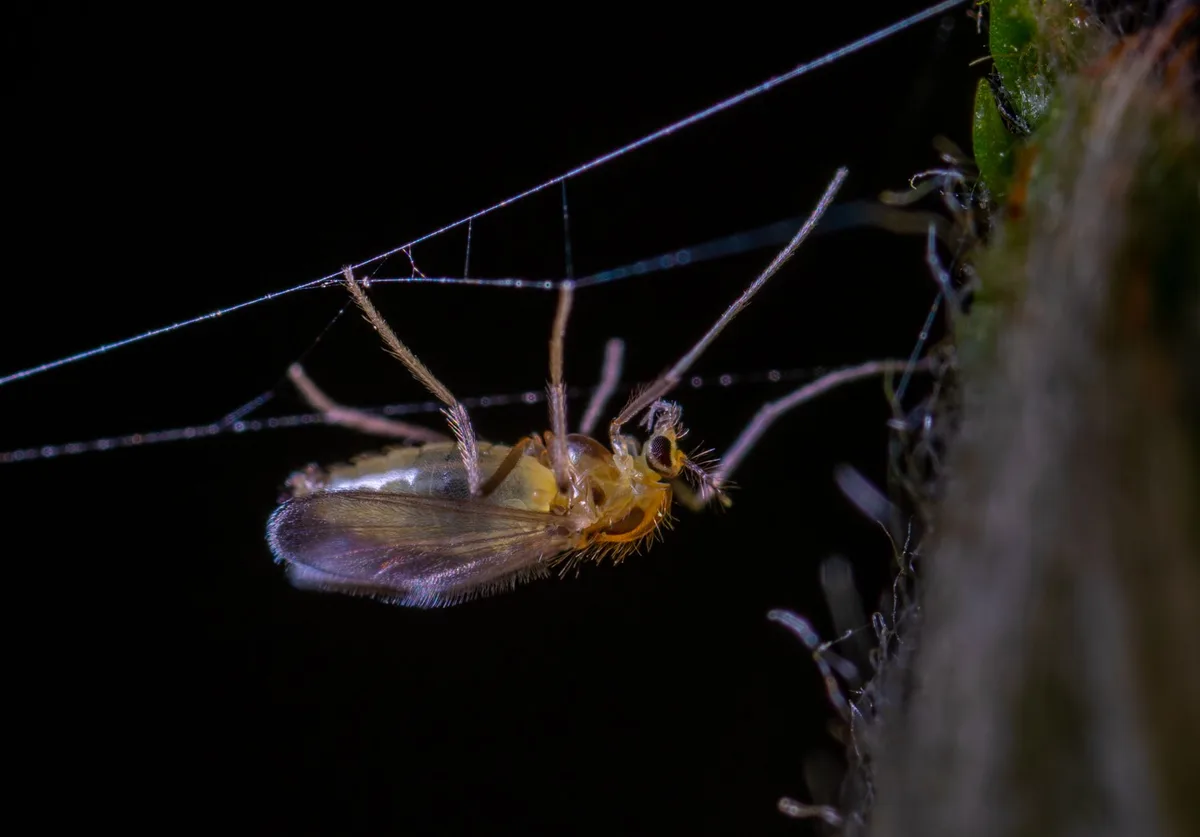
Yellow sticky traps catch adult whiteflies. Adults are attracted to the bright yellow color, land on the adhesive surface, and get stuck. Traps don’t kill nymphs or eggs, but they reduce the number of breeding adults and give you a real-time population monitor.
Where to place them:
Hang traps just above the plant canopy or among the foliage. Whiteflies fly weakly and tend to stay near their host plant, so traps need to be close. For a potted tomato or pepper, one trap per plant is enough.
In a garden bed, space traps every 3 to 4 feet.
How many:
Start with 1 trap per affected plant indoors, 1 per 10 square feet outdoors.
How often to replace:
Check traps every few days. When the surface is covered with insects or debris, swap in a fresh one. A trap loses effectiveness once it’s too full to catch more.
What traps tell you:
If you’re seeing dozens of new whiteflies on a trap each day, your infestation is worse than you thought. If trap catch drops to just a few per day after a week, your other treatments are working.
Traps are passive. They help but don’t replace active treatment. Think of them as part of an integrated approach, not a standalone fix.
Insecticidal Soap Application
Insecticidal soap kills soft-bodied insects on contact by disrupting cell membranes. It’s one of the safest and most effective tools for light to moderate whitefly pressure, especially on edible plants.
What it kills:
Adults and nymphs. It does not kill eggs or late-stage pupae that are encased in a protective coating.
How to apply:
Mix according to label directions (usually 2 to 5 tablespoons per gallon of water). Spray every leaf surface, top and bottom, until runoff. The spray must make direct contact with the insect to work.
Application timing:
Early morning or late evening when temperatures are below 80°F. Soap can cause leaf burn in hot sun or on heat-stressed plants.
Frequency:
Every 5 to 7 days for at least two weeks. You’re targeting new nymphs as they hatch from eggs that survived the last spray.
Plant safety:
Test on a small section of the plant first. Some varieties (ferns, succulents, certain herbs) can show phytotoxicity. Wait 24 hours and check for browning or spotting before treating the whole plant.
Pre-harvest interval:
Most insecticidal soaps have little to no pre-harvest restriction, but always check the label. You can typically harvest and wash vegetables the same day you spray.
Insecticidal soap works well for indoor plants where you want to avoid stronger chemicals. It breaks down quickly, leaves no residue, and won’t harm pets or people once it dries.
Treatment Path for Moderate Infestations (Lots of Adults, Visible Nymphs)
When you’re seeing dozens of adults per plant, clusters of nymphs on most leaves, and sticky honeydew coating lower foliage, water spray and soap alone won’t cut it. You need stronger contact treatments and a disciplined spray schedule.
Neem Oil or Horticultural Oil Sprays
Neem oil and horticultural oil both work by smothering insects and disrupting their feeding and reproduction. They’re more persistent than insecticidal soap and add some systemic activity (neem is absorbed into leaf tissue and affects insects that feed on treated leaves).
Neem oil:
Extracted from neem tree seeds, neem oil contains azadirachtin, a compound that disrupts insect molting and reproduction. It kills adults and nymphs on contact and has a residual effect that lasts several days.
Horticultural oil:
Refined petroleum or plant-based oil that coats and suffocates insects. It works purely by physical action, no chemical toxicity.
How to apply:
Mix according to label directions (neem is typically 1 to 2 tablespoons per gallon; horticultural oil varies by product). Spray to runoff, covering all leaf surfaces. Oils need direct contact to work.
Application timing:
Spray in early morning or evening. Never apply oils in full sun or when temperatures exceed 85°F. Oil can magnify sunlight and burn leaves.
Frequency:
Every 7 days for three weeks minimum. Neem’s residual activity lasts about 5 to 7 days, so weekly applications keep pressure on new hatchlings.
Advantages over soap:
Oils stick to leaves longer and provide some protection between sprays. Neem also has mild fungicidal properties, which helps if sooty mold has started.
Limitations:
Oils can injure sensitive plants (some ferns, blue-needled conifers, and succulents). Always test a small area first. Don’t use horticultural oil on plants already stressed by drought or heat.
For outdoor vegetables like tomatoes and peppers, neem oil is a solid choice. It’s approved for organic production and has a zero-day pre-harvest interval on most crops, meaning you can spray and harvest the same day (rinse produce before eating).
Pyrethrin-Based Sprays
Pyrethrins are natural insecticides derived from chrysanthemum flowers. They kill a broad range of insects quickly by attacking their nervous systems. For whiteflies, pyrethrins deliver fast knockdown of adults.
What pyrethrins kill:
Adults and mobile nymphs. They have little to no effect on eggs.
How to apply:
Follow label directions. Most pyrethrin sprays are ready-to-use or require minimal dilution. Spray all plant surfaces, especially undersides where nymphs cluster.
Speed:
Pyrethrins work within minutes. You’ll see adults drop immediately after contact.
Persistence:
Pyrethrins break down rapidly in sunlight, usually within 24 hours. That’s good for safety but means you need repeat applications.
Frequency:
Every 5 to 7 days for two to three weeks. The short residual means you’re relying on direct contact each time you spray.
Organic status:
Pyrethrins are approved for organic gardening, but some formulations include synthetic synergists (like piperonyl butoxide) that are not organic-approved. Read labels carefully if certification matters.
Cautions:
Pyrethrins are toxic to bees, beneficial insects, and aquatic life. Spray only in early morning or late evening when pollinators aren’t active. Avoid spray drift into ponds or streams.
Don’t use pyrethrins on plants that attract hummingbirds or other beneficial visitors unless absolutely necessary.
Pyrethrin sprays are a good fit for moderate outdoor infestations where you need fast results and can time applications to minimize non-target impacts.
How Often to Spray and Why Timing Matters
The whitefly life cycle drives your spray schedule. If you don’t align treatments with egg hatch and nymph development, you’ll leave survivors that restart the colony.
Egg stage:
Lasts 5 to 7 days. Eggs are resistant to most contact sprays.
Nymph stage:
Lasts 10 to 14 days. Early nymphs (crawlers) are vulnerable. Late-stage nymphs and pupae are harder to kill because they develop a waxy coating.
Adult stage:
Lives 30 to 40 days, laying eggs continuously.
Spray interval logic:
If you spray today, you kill adults and early nymphs but not eggs. Those eggs hatch in 5 to 7 days. If you spray again in 7 days, you catch the newly hatched nymphs before they mature.
A third spray 7 days later catches any stragglers or eggs that hatched late.
Minimum treatment duration:
Two full weeks (three applications spaced 5 to 7 days apart). Three weeks is better. Stopping after one or two sprays is the most common mistake.
Temperature matters:
Whiteflies develop faster in warm conditions. At 80°F, the full cycle takes about 18 days. At 70°F, it stretches to 30 days.
In cooler weather, space treatments slightly farther apart (every 7 to 10 days). In hot weather, tighten the interval to every 5 days.
Mark your calendar. Set phone reminders. Treating on a consistent schedule is the difference between success and frustration.
Treatment Path for Severe Infestations (Leaves Covered, Plant Declining)
Severe infestations need systemic insecticides or a combination of contact and systemic treatments. At this stage, adults number in the hundreds, nymphs cover entire leaf undersides, and plants show heavy stress from feeding damage and sooty mold.
Systemic Insecticides: When and How to Use Them
Systemic insecticides are absorbed into plant tissue and kill insects that feed on the plant over several weeks. They’re the most effective option when populations have exploded and contact sprays can’t keep up.
Common active ingredients:
Imidacloprid and dinotefuran (neonicotinoids) are the two most widely available systemics for whiteflies. Both are sold as soil drenches or granules you mix into potting soil.
How they work:
You water the product into the soil around the plant’s root zone. The roots absorb the chemical and distribute it through the vascular system. When whiteflies feed on leaves, they ingest the insecticide and die within days.
Application method:
Mix the concentrate according to label directions (typically 1 to 2 teaspoons per gallon for imidacloprid). Pour the solution around the base of the plant until the root zone is saturated. For potted plants, apply until liquid drains from the bottom.
How long it takes:
You’ll see reduced adult activity within 3 to 5 days. Full control takes 7 to 14 days as the chemical moves through the plant and reaches all feeding sites.
Frequency:
One application usually lasts 8 to 12 weeks. Most labels allow a second application if needed, but read restrictions carefully.
Restrictions:
Do not use neonicotinoids on plants that flower and attract pollinators. Imidacloprid is toxic to bees and persists in pollen and nectar. For edibles, check pre-harvest intervals (often 21 days or more).
Never use systemics on herbs you’ll harvest within three weeks.
Systemic insecticides are a last-resort tool for ornamentals and non-flowering vegetables. They’re overkill for light infestations and come with environmental trade-offs, but they work when nothing else does.
Combining Methods for Heavy Pressure
Severe infestations respond best to a layered approach. Use a systemic for long-term control and a contact spray to knock down the adult population immediately.
Example combo:
Apply imidacloprid as a soil drench on day one. Spray neem oil or pyrethrin on day two to kill visible adults. The contact spray gives fast relief while the systemic builds up in plant tissue.
Why this works:
The systemic handles eggs and newly hatched nymphs over the next two weeks. The contact spray reduces the number of adults laying new eggs right now. Together, they hit every life stage.
Follow-up:
Continue weekly contact sprays for two weeks after the systemic application. This catches any adults that survived the first spray and prevents reinfestation from nearby plants.
Don’t skip the contact spray phase. Systemics take time to reach effective levels, and during that window, adults keep reproducing.
Indoor Plants vs Outdoor Gardens: How Treatment Changes
Treatment strategy shifts depending on where your plants are growing. Indoor and outdoor environments present different challenges and different tool options.
Indoor plants:
You’re dealing with a closed environment. Whiteflies can’t fly away, but they also can’t be eaten by natural predators. Contact sprays (soap, neem) work well because you can treat every plant in the room and control reinfestation.
Avoid pyrethrins and synthetic insecticides indoors unless you can ventilate heavily. Stick with low-odor options like insecticidal soap. Quarantine any new plants for two weeks before placing them near established ones.
Check undersides before you buy.
Outdoor gardens:
Larger plant populations and open air make treatment harder, but you’ve got beneficial insects working in your favor. Yellow sticky traps catch more adults outdoors because wind and plant movement stir them up.
If you’re growing vegetables, avoid broad-spectrum insecticides that kill ladybugs, lacewings, and parasitic wasps. These predators provide free pest control if you let them. Use neem or soap first, and save pyrethrins or systemics for situations where organic methods fail.
Greenhouses:
Greenhouses combine the worst of both worlds. High humidity and warmth speed up whitefly reproduction. Limited airflow means populations concentrate quickly.
Use biological controls (covered below) whenever possible, because chemical sprays can build up in enclosed air and harm workers or plants.
Temperature also matters. Outdoor whiteflies slow down when fall temperatures drop below 50°F. Indoor plants can harbor them year-round, so winter is when houseplants become the biggest problem.
Biological Controls: Using Natural Predators That Actually Work
Biological control means releasing insects that eat or parasitize whiteflies. This works best in greenhouses or large outdoor gardens where predator populations can establish and reproduce.
Encarsia formosa:
A tiny parasitic wasp (smaller than a pinhead) that lays eggs inside whitefly nymphs. The wasp larva develops inside the nymph, killing it. Parasitized nymphs turn black, a clear sign the wasps are working.
How to use them:
Purchase cards or vials of Encarsia from biological control suppliers. Hang cards among infested plants. Wasps emerge over 2 to 3 weeks and start hunting immediately.
Best conditions:
Temperatures between 70°F and 80°F, moderate humidity, and no recent pesticide applications (most insecticides kill Encarsia). Release rates vary, but a common starting point is 5 to 10 wasps per infested plant, repeated every two weeks.
Delphastus catalinae:
A tiny black beetle (also called the whitefly predator beetle) that eats whitefly eggs and nymphs. Adults and larvae both feed on whiteflies. One beetle can consume hundreds of eggs and nymphs over its lifetime.
Release rates:
2 to 5 beetles per infested plant, repeated weekly for three weeks in heavy infestations.
Lacewings and ladybugs:
Both prey on whitefly nymphs, but they’re generalists and will leave if whitefly populations drop or other food is available. They’re helpful as part of an integrated approach but don’t rely on them alone.
Limitations:
Biological controls take time. Expect 4 to 6 weeks before you see significant population reduction. They don’t work well for small indoor plant collections, because predator populations need a steady food supply to survive.
They’re most effective in commercial greenhouses or large hobby gardens where you can sustain a release program.
Never spray insecticides (even organic ones like neem or pyrethrin) within two weeks of releasing beneficials. The spray kills your helpers along with the pests.
The Biggest Mistakes People Make (and Why Treatments Fail)
Most whitefly treatment failures come down to timing, coverage, or giving up too early. Here’s what goes wrong and how to avoid it.
Stopping after one spray:
You see fewer adults, assume the problem is solved, and quit. Eggs hatch a week later, and you’re back where you started. Always complete at least three applications spaced 5 to 7 days apart.
Missing leaf undersides:
Nymphs and eggs live on the undersides. If you only spray tops, you’re missing 90% of the population. Flip leaves up and spray from below, or use a spray wand that lets you reach undersides without awkward angles.
Treating one plant while ignoring others:
Whiteflies fly. If you treat your tomato but ignore the pepper plant next to it, adults just move over and restart the colony. Treat every susceptible plant in the area at the same time.
Using the wrong product for the situation:
Contact sprays don’t kill eggs. Systemics take a week to work. Biological controls need time and the right environment.
Match the tool to the infestation stage and your growing conditions.
Spraying in the middle of the day:
Hot sun and high temperatures cause leaf burn when you use oils or soaps. Spray early morning or evening when temps are below 80°F and the sun isn’t intense.
Not cleaning up fallen leaves:
Whiteflies can pupate on leaf litter under the plant. Rake up and dispose of dropped leaves to eliminate hiding spots.
Whitefly control is a process, not an event. Expect to stay on top of it for three weeks minimum, and monitor for another month after you think you’ve won.
How Long It Really Takes to Eliminate Whiteflies
Complete elimination takes 3 to 4 weeks with a disciplined treatment schedule. Here’s a realistic timeline based on starting infestation level.
Light infestation (under 10 adults per plant):
Week 1: Water spray and sticky traps, daily monitoring.
Week 2: Apply insecticidal soap twice (days 7 and 14).
Week 3: Monitor traps. If catch drops to zero for three consecutive days, you’re clear.
Total time: 2 to 3 weeks.
Moderate infestation (10 to 50 adults per plant):
Week 1: Neem oil spray on days 1 and 7, sticky traps in place.
Week 2: Second and third neem applications (days 14 and 21).
Week 3: Monitor. Apply a fourth spray if new adults appear.
Total time: 3 to 4 weeks.
Severe infestation (50+ adults per plant):
Day 1: Systemic soil drench (imidacloprid).
Days 2, 9, 16: Contact spray (pyrethrin or neem) to knock down adults.
Weeks 2 to 4: Monitor sticky traps. Systemic provides residual control.
Total time: 4 to 6 weeks, sometimes longer if plants are heavily stressed.
Maintenance phase:
After you’ve cleared visible adults and sticky traps stay clean for a week, continue monitoring for another two weeks. Check undersides weekly. One or two survivors can restart the cycle if conditions are right.
If you’re still seeing significant numbers after four weeks of treatment, reassess your approach. You might be missing coverage, skipping applications, or dealing with reinfestation from an untreated source nearby.
Preventing Reinfestation After You’ve Cleared Them
Once you’ve eliminated an active infestation, prevention keeps them from coming back. Whiteflies reappear when you introduce infested plants or when adults fly in from nearby sources.
Quarantine new plants:
Inspect any plant before you bring it home. Check undersides for nymphs, eggs, or adults. Isolate new arrivals for two weeks in a separate room or area.
If whiteflies appear during quarantine, treat before moving the plant near others.
Monitor weekly:
Check your plants every 7 to 10 days even when you don’t see problems. Early detection stops small populations before they explode. Yellow sticky traps left in place year-round catch the first scouts.
Improve airflow:
Whiteflies prefer still air and dense foliage. Space plants farther apart indoors. Prune overcrowded branches on outdoor plants.
Use a small fan in grow rooms to keep air moving.
Avoid over-fertilizing:
Excess nitrogen creates lush, soft growth that whiteflies love. Stick to balanced feeding schedules and avoid pushing plants too hard with high-nitrogen fertilizers.
Outdoor gardeners should clear garden debris in fall. Whiteflies overwinter on plant residue in warm climates. Remove spent vegetable plants and weeds that serve as alternate hosts.
Safety Considerations for Edible Plants, Pets, and Indoor Use
Different treatments carry different safety profiles. Choose products that match your situation and follow label restrictions carefully.
Edible crops:
Insecticidal soap and horticultural oil have zero-day or one-day pre-harvest intervals on most vegetables. Neem oil varies (usually zero to three days). Always rinse produce under running water before eating, even if the label says no waiting period.
Imidacloprid and other systemics have pre-harvest intervals of 21 days or longer. Don’t use them on herbs, leafy greens, or anything you’ll harvest within a month. Read the label for each crop.
Tomatoes, peppers, and cucumbers have different restrictions than lettuce or basil.
Pets and children:
Insecticidal soap and neem oil are low-toxicity once dry. Keep pets and kids away during application and until leaves dry (usually 2 to 4 hours). Pyrethrin sprays are more toxic.
Don’t let pets chew treated leaves.
Systemic soil drenches (imidacloprid) can be toxic to pets if they dig in treated soil or drink runoff water. Apply when pets are indoors, and water in thoroughly so the product binds to soil particles.
Indoor air quality:
Avoid aerosol sprays indoors. Pump sprayers give you better control and less airborne drift. Open windows during and after treatment.
Run exhaust fans if available.
Store all pesticides in original containers, out of reach of children and pets. Dispose of empty containers per local regulations. Never pour leftovers down drains or into storm sewers.
When to Cut Your Losses and Remove the Plant
Sometimes a plant is too far gone to save, or the effort to treat it exceeds its value. Here’s when removal makes more sense than continued treatment.
The plant is dying:
If more than half the leaves have dropped, growth has stopped, and the plant shows no new green tissue after two weeks of treatment, it’s not coming back. Compost it (hot compost only) or bag and trash it.
It’s a chronic source:
One heavily infested plant that keeps reinfecting others becomes a liability. If you’ve treated it three times and whiteflies keep rebounding while other plants stay clear, remove the problem plant to protect the rest.
It’s a low-value ornamental:
A $5 annual that would cost $20 in time and products to treat isn’t worth saving. Replace it with a healthy plant and move on.
For vegetables near harvest, weigh the remaining yield against treatment cost and safety. A tomato plant with three weeks left might be worth a systemic drench. A pepper plant with two fruit and heavy whitefly damage probably isn’t.
Dispose of removed plants carefully. Don’t leave them on the compost pile unless your compost reaches 140°F. Bag them and put them in household trash, or bury them away from the garden.
Quick Decision Guide: What to Use Based on Your Situation
Pick your treatment path based on infestation level, plant type, and location. Use this guide to skip straight to the method that fits.
| Your Situation | Best First Treatment | Follow-Up | Timeline |
|---|---|---|---|
| Few adults, indoor houseplants | Water spray + sticky traps | Insecticidal soap weekly x3 | 2-3 weeks |
| Moderate infestation, outdoor vegetables | Neem oil spray | Repeat every 7 days x3 | 3 weeks |
| Heavy infestation, ornamentals | Imidacloprid soil drench + pyrethrin spray | Weekly contact spray x2 | 4 weeks |
| Greenhouse, ongoing problem | Release Encarsia formosa | Repeat releases every 2 weeks | 6-8 weeks |
| Edible herbs, light infestation | Insecticidal soap | Repeat every 5 days x3 | 2 weeks |
If one approach isn’t working after two weeks, escalate. Move from soap to neem, or from neem to a systemic. Don’t keep repeating a method that’s failing.