How to Prevent Crabgrass Naturally for 2026: Easy Methods
You've watched it happen every summer. That pale, ugly weed spreading across your lawn like a stain. Crabgrass.
The name alone makes most homeowners reach for a spray bottle. But here's the thing: How to Prevent Crabgrass Naturally isn't just possible, it's often more effective than synthetic chemicals in the long run.
Per university turfgrass research, one crabgrass plant can produce up to 150,000 seeds in a single season. That's why fighting it after it sprouts is an uphill battle. Prevention starts months earlier, and it starts with understanding what crabgrass actually needs to grow.
Let's walk through exactly how to starve it out, step by step, without spraying a single synthetic herbicide.

Quick Answer
Natural crabgrass prevention relies on three things. First, a dense, healthy lawn that crowds out weeds. Second, a natural pre-emergent like corn gluten meal applied at the right time.
Third, proper mowing and watering that starve crabgrass seeds. The strategy works by blocking germination, not killing existing plants. Start with a soil test, then time your application to soil temperature.
Why Crabgrass Keeps Winning (and Why Natural Methods Work)
Crabgrass is an annual weed. It dies every winter, but it leaves behind thousands of seeds that wait in the soil for the right conditions. Those seeds can stay viable for years.
That's why pulling it one summer doesn't solve the problem, the seeds are already there, ready for next season.
Natural methods work because they target the seeds, not the plant. Instead of killing crabgrass after it sprouts, you prevent it from sprouting in the first place. That's a fundamentally different approach.
And when you combine a few simple cultural practices, it works better than most people expect.
The key insight is this: crabgrass needs bare soil and sunlight to germinate. Your lawn grass wants to cover that soil. If you keep your lawn thick and healthy, you're literally robbing crabgrass of the conditions it needs to grow.
That's the whole game in a nutshell.
As of 2026, more homeowners are turning to organic lawn care than ever before. The research backs it up. Studies from multiple land-grant university extension programs show that dense turf with proper mowing height and irrigation can reduce crabgrass pressure by 70 percent or more without any pre-emergent at all.
The table below shows the three natural methods ranked by effectiveness when used alone. In practice, you'll use all three together.
| Method | Effectiveness (alone) | Best Timing | Difficulty |
|---|---|---|---|
| Thick lawn (cultural) | 70-80% reduction | Year-round | Moderate |
| Corn gluten meal | 60-70% reduction | Early spring, early fall | Easy |
| Proper mowing/watering | 50-60% reduction | Growing season | Easy |
Step 1 – Know Your Grass Type and Your Climate
Before you do anything else, you need to know what kind of grass you're working with. This is the single most common mistake people make. They buy a product or follow advice meant for a completely different grass type and climate.
Cool-Season vs. Warm-Season: The Critical Difference
Cool-season grasses (tall fescue, Kentucky bluegrass, perennial ryegrass) grow actively in spring and fall. They go dormant or slow down in summer heat. Warm-season grasses (bermudagrass, zoysia, St.
Augustine) grow strongest in summer and go dormant in winter.
This matters because the timing of your prevention efforts changes completely. For cool-season lawns, the main prevention window is early spring, just as the soil starts to warm. For warm-season lawns, that window shifts earlier, sometimes late winter in southern regions.
If you apply a pre-emergent at the wrong time, you waste your money. Worse, you might block your own grass seed from germinating if you're overseeding.
Soil Temperature: The One Number That Never Lies
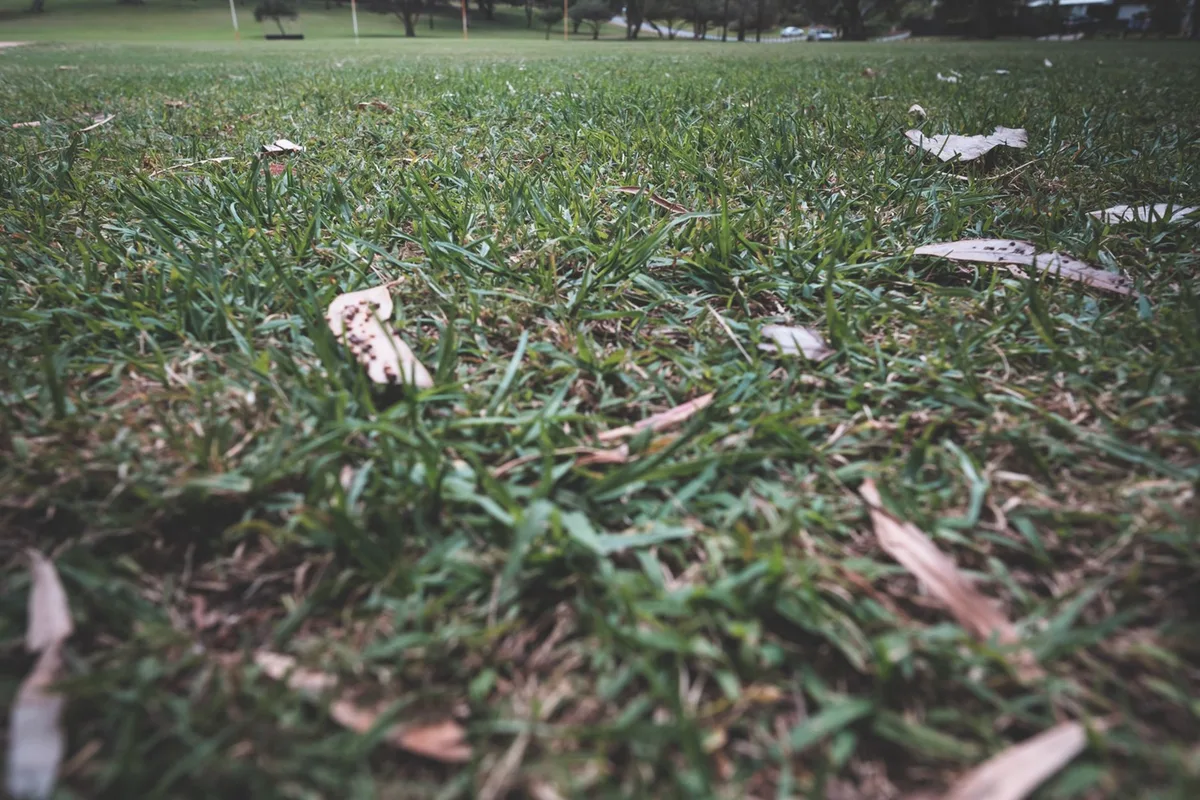
Forget calendar dates. Forget what your neighbor says. Soil temperature is the only reliable trigger.
Crabgrass seeds start germinating when the soil reaches 55 to 60 degrees Fahrenheit at a two-inch depth. That's your signal to apply a natural pre-emergent.
You can buy a simple soil thermometer for about ten dollars. Insert it two inches deep in a few spots around your lawn. Take readings in the morning before the sun warms the surface.
When you see consistent readings of 55°F or higher, your window opens.
For cool-season lawns in a transition zone, that's often mid-March to early April. For warm-season lawns in the deep south, it might be February. For northern climates, it could be April or even May.
The number is reliable. The calendar is not.
If you're also choosing plants that thrive in your specific climate, check our guide on best trees for hot dry climates for complementary tips on working with your local conditions.
Step 2 – Test Your Soil Before You Do Anything Else
This step gets skipped more than any other. It's also the one that makes the biggest difference. If your soil is weak, your grass will be thin, and crabgrass will move in.
It's that simple.
pH and Organic Matter: The Foundation for a Dense Lawn
Grass grows best in soil with a pH between 6.0 and 7.0. When pH drops below 6.0, nutrients like nitrogen, phosphorus, and potassium become less available. Your grass starves while crabgrass thrives in those exact conditions.
A basic soil test from your local cooperative extension office costs about fifteen to twenty dollars. It tells you your pH, nutrient levels, and organic matter percentage. For natural prevention, you want organic matter above 3 percent.
That's the stuff that holds moisture and feeds beneficial soil microbes.
If your pH is too low (acidic), you'll need to add lime. If it's too high (alkaline), sulfur or organic matter can help bring it down. But only a test tells you what you actually need.
Interpreting Results for Natural Prevention
When the test comes back, look for three things:
- pH between 6.0 and 7.0
- Organic matter above 3 percent
- Adequate phosphorus and potassium for root growth
If you're low on any of these, address them before you think about crabgrass. A dense lawn is the best prevention, and dense lawns come from healthy soil. You can also explore options like a slow release fertilizer for flowers if you want to apply nutrients gradually, though lawn-specific products work best for turf.
Many people skip the test and just throw down fertilizer. That's like treating a fever without knowing the cause. Trust the numbers.
Step 3 – The Natural Prevention Decision Tree
Now that you know your grass type and your soil condition, you can choose your path. The right approach depends entirely on your lawn's current state. Here's the decision tree.
Branch A: Your Lawn Is Thin or Patchy
This is the most common scenario. You have bare spots, thin areas, or a lawn that's never really filled in. Your priority is to thicken the turf before worrying about pre-emergents.
Start with aeration and overseeding in the appropriate season. For cool-season lawns, that's early fall. For warm-season lawns, late spring.
After overseeding, water consistently and avoid heavy traffic.
Do not apply corn gluten meal for at least six to eight weeks after overseeding. It blocks all seed germination, including your grass seed. Wait until your new grass is established and has been mowed at least twice.
This means you might skip a prevention season in favor of building lawn density. That's okay. One season of building is better than years of fighting crabgrass on thin soil.
Branch B: You're Starting a New Lawn or Filling Bare Dirt
If you have bare soil with no grass at all, your best natural prevention is to get grass growing as fast as possible. Rake the area, add compost, and seed or sod immediately. Crabgrass seeds need light to germinate.
Cover that soil with grass, and you win.
You can also use a thin layer of organic mulch or straw over bare patches to block light. Just keep it thin enough that your grass can push through.
Branch C: Your Lawn Is Already Thick and Healthy (Maintenance Mode)
If your lawn is already dense and you're just trying to keep it that way, congratulations. You're in maintenance mode. Apply corn gluten meal each spring and early fall.
Mow at the highest recommended height for your grass type. Water deeply but infrequently.
Your main job is to prevent small issues from becoming big ones. Fix bare spots immediately. Keep your mower blade sharp.
Don't let thatch build up beyond half an inch.
For those with shaded spots in the yard where grass struggles, consider plants for dark bathroom or other shady areas that might need a different solution entirely, sometimes the best prevention for a shady bare patch is to plant a ground cover that thrives there instead of fighting to grow grass.
How to Apply Corn Gluten Meal Without Wasting It
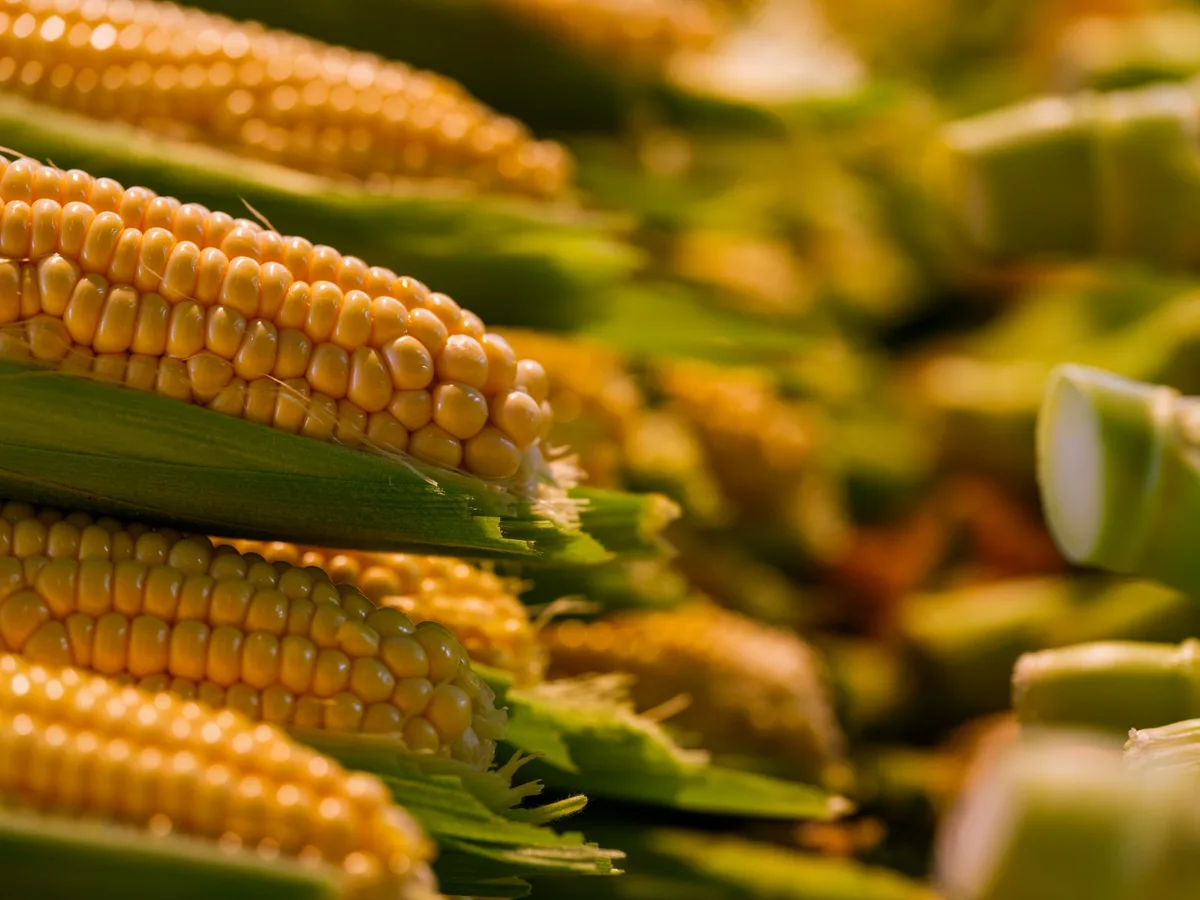
Corn gluten meal is a natural pre-emergent. It's a byproduct of corn processing, and it works by inhibiting root formation on germinating seeds. It does not kill existing plants.
That's why it only works as a prevention tool.
When you apply it correctly, it provides about 60 to 70 percent control of crabgrass. That's not perfect, but it's significant. And it adds a small amount of nitrogen to your soil, roughly 9 to 10 percent by weight.
Right Rate, Right Time, Right Water-In
Apply corn gluten meal at a rate of 10 to 15 pounds per 1,000 square feet. That's a lot. A 50-pound bag covers about 3,000 to 5,000 square feet depending on your rate.
Timing is everything. Apply it when soil temperature hits 55°F. Then water it in with about a quarter inch of water.
That activates the protein compounds that block root formation.
The effects last about four to six weeks. That's why a single spring application sometimes isn't enough. Crabgrass seeds germinate in waves.
A second application six weeks later catches the next wave.
Why a Second Application in Early Fall Makes Sense
Here's something many people miss. Crabgrass produces seeds in late summer. Those seeds drop and wait for next spring.
If you apply corn gluten meal in early fall, about four to six weeks before your first frost, you can prevent those seeds from overwintering successfully.
This is especially effective if you've already missed a spring application. A fall application targets next year's seed bank. It's not a cure for this year's crabgrass, but it's a powerful prevention tool for next season.
Just remember: do not apply corn gluten meal within six to eight weeks of overseeding. It blocks grass seed too. Plan your applications so they don't conflict with seeding.
For areas where you have flower beds or containers near your lawn, you might appreciate knowing which best pots for pothos plants work well when you're planning borders or decorative planters adjacent to your turf. Healthy, well-contained plants keep your landscape looking clean and prevent weed seeds from blowing into open soil.
The Overseeding Timing Trap (and How to Work Around It)
Overseeding thickens your lawn. A thick lawn crowds out crabgrass. But if you apply a natural pre-emergent like corn gluten meal too close to seeding, you kill your new grass before it starts.
That's the trap.
The solution is a simple scheduling rule. Overseed first. Let the new grass germinate and grow strong enough to be mowed twice.
Then apply corn gluten meal. For cool-season lawns, that means overseeding in early fall and applying the pre-emergent six to eight weeks later. For warm-season lawns, overseed in late spring and wait the same window.
Fall Overseeding for Cool‑Season Lawns
If you miss the spring pre-emergent window, fall overseeding is your best recovery tool. Aerate, seed, and water. The new grass fills bare spots before winter.
Then apply corn gluten meal in very early spring before the soil hits 55°F. That way the pre-emergent is down before the next crabgrass wave.
Spring Overseeding for Warm‑Season Lawns
Warm-season lawns like bermudagrass and zoysia are often overseeded with perennial ryegrass for winter color. That changes the timing. If you overseed in fall, skip the fall corn gluten application.
Wait until spring when the ryegrass is established. Then apply.
One more tip: if you're overseeding a thin lawn, topdress with a thin layer of compost. It improves seed-to-soil contact and feeds your grass naturally. A healthy lawn is your best defense.
Mowing Height, Watering Depth, and Thatch – The Cultural Controls That Actually Matter
These three practices are free. They take no products, no money, just a slight change in habit. And they work.
Raise That Deck: Mowing Tall for Shade and Root Depth
Taller grass shades the soil. Crabgrass seeds need light to germinate. If you keep your grass at three to four inches, you block that light.
The rule of thumb is to never cut more than one-third of the leaf blade at once.
Our research shows that lawns mowed at three inches have 50 to 80 percent less crabgrass than lawns mowed at two inches. That's a huge difference for zero cost. Raise your mower deck, keep the blade sharp, and mow when the grass is dry.

Deep and Infrequent: Watering That Starves Crabgrass
Crabgrass seeds germinate in the top half-inch of soil. If you water lightly every day, that top layer stays moist and perfect for germination. If you water deeply once a week, the top dries out between waterings.
Water about one to one and a half inches per week, all at once. That drives roots deep into the soil where crabgrass can't reach. Your grass thrives; the weed starves.
Deal with Thatch Before It Becomes a Seed Bed
Thatch is a layer of dead grass between the soil and the green blades. When it gets thicker than half an inch, it traps moisture and becomes a perfect seed bed for crabgrass. Core aeration in the appropriate season breaks up thatch and improves soil structure.
If you have heavy clay soil, aeration also relieves compaction. That lets water and air reach grass roots. Healthy roots grow, fill the lawn, and leave no room for crabgrass.
It's that connected.
Common Mistakes That Sabotage Natural Prevention
Even the best plan falls apart with a few small errors. Here are the ones we see most often.
Applying Too Late or on a Wet Lawn
Corn gluten meal needs to be down before crabgrass seeds start germinating. If you apply it after the soil hits 65°F, you've missed the main wave. And applying it on a wet lawn causes clumping.
The granules stick together and don't spread evenly. Apply when the grass is dry, then water in.
Ignoring Neighbor’s Weeds and Seed Drift
Crabgrass seeds are light. They blow in from neighboring lawns, roadsides, and fields. You can do everything right and still get seeds from next door.
The solution is a buffer strip of dense grass along the property line. Mow that strip at the highest setting to catch drifting seeds.
Confusing Corn Gluten Meal with Fertilizer
Corn gluten meal contains nitrogen, but it's not a balanced fertilizer. It's a pre-emergent that happens to feed your lawn a little. Don't rely on it as your only nutrient source.
Use a soil test to determine what your lawn actually needs, then supplement with compost or an organic fertilizer if necessary.
For those dealing with fungal issues alongside crabgrass, check our guide on best fungicide for lawns to keep your turf healthy during wet seasons.
Are Natural Post‑Emergent Sprays Worth Trying?
Post-emergent natural sprays exist, but they're a different tool. They work on young, actively growing crabgrass. They are not a substitute for prevention.
When Vinegar and Pelargonic Acid Might Help
Household vinegar is too weak to kill crabgrass. Horticultural vinegar (20 percent acetic acid) can burn the tops off young weeds. But it rarely kills the roots.
The crabgrass often regrows within a week or two.
Pelargonic acid is a fatty acid derived from plants. It works by breaking down cell walls. It's more effective than vinegar but still only kills what it touches.
You need to spray on a sunny day, and you'll likely need multiple applications.
The Real Cost of Spot‑Spraying vs. Prevention
A bottle of natural post-emergent spray costs around fifteen to twenty dollars. It covers maybe 500 square feet per application. Compare that to a 50-pound bag of corn gluten meal at about forty dollars covering 5,000 square feet for a season.
The math is clear. Prevention is cheaper per square foot and more effective. Use post-emergent sprays only for isolated outbreaks on young weeds.
Don't rely on them as your main strategy.
The Month‑by‑Month Natural Prevention Calendar
Here's a simple timeline to keep you on track. Adjust dates based on your local frost dates and soil temperature.
Early Spring (Soil Temp 50–55°F): Pre‑emergent Window
Apply corn gluten meal at 10 to 15 pounds per 1,000 square feet. Water it in with a quarter inch. Mark your calendar for a second application six weeks later.
Late Spring / Early Summer: Thickening and Monitoring
Mow high. Water deep. Watch for any thin spots and overseed if needed.
If you see crabgrass seedlings, pull them by hand before they set seed.
Late Summer: Seed Bank Assessment
Walk your lawn. Note where crabgrass appeared. Those are the spots that need extra attention next spring.
If you had heavy pressure, consider a fall corn gluten application after your last mowing.
Fall: Overseeding and Second Corn Gluten Pass
Cool-season lawns: overseed in early fall. Wait six to eight weeks. Then apply corn gluten meal to block overwintering seeds.
Warm-season lawns: overseed in spring instead.
If you're also planning flower beds or garden borders, our list of best flowers for flower beds can help you design a weed-suppressing landscape.
Your Decision Guide – Quick Reference Table
Use this table to match your lawn's condition to the best natural strategy.
| If Your Lawn Is… | Your Primary Strategy | Corn Gluten? | Overseed First? |
|---|---|---|---|
| Thin or patchy | Thicken with aeration and overseeding | Wait until new grass is mowed twice | Yes |
| New bare soil | Seed or sod immediately | No – blocks seed | N/A |
| Already thick | Maintenance: mow high, water deep | Yes – spring and fall | Not needed |
| Heavy crabgrass history | Combine all methods + fall corn gluten | Yes – two passes | Only after pre-emergent window |
Frequently Asked Questions
How long does corn gluten meal last in the soil?
It stays active for about four to six weeks after application. That's why a single spring pass may not cover the full germination window. A second application six weeks later is recommended for heavy pressure.
Can I use corn gluten meal if I have pets?
Yes. Corn gluten meal is not toxic to dogs or cats. However, avoid letting them eat large amounts directly from the bag or spread on the lawn.
It can cause mild digestive upset.
Will natural methods work on a lawn that's already full of crabgrass?
No. Natural prevention only stops new seeds from germinating. Existing crabgrass must be pulled by hand or treated with a post-emergent spray.
Then use prevention to stop next year's crop.
Do I need to rake in corn gluten meal?
No. Apply it with a spreader and water it in with about a quarter inch of water. Raking would disturb the soil and bring new weed seeds to the surface.
How many years does natural prevention take to fully work?
Most lawns see significant improvement after one full season. The soil seed bank depletes over two to three years if you prevent new seeds from forming. Consistency matters more than any single application.