How Long Does Weed Killer Stay in Soil (2026) — Easy Methods
You might be staring at a bare patch of soil wondering if that weed killer you sprayed last month is finally safe for planting. Or maybe you’re worried about that vegetable garden where you used a granular product in spring. The question of how long weed killer stays in soil is one of the most common, and most misunderstood, topics in home gardening and farming.
The short answer is: it depends entirely on the active ingredient, the soil conditions, and the weather. But “it depends” isn’t helpful when you’re trying to decide whether to plant those tomato seedlings today or wait another month. In our research, we found that many popular weed killers have half-lives ranging from just a few days to over a year.
The Environmental Protection Agency (EPA) requires manufacturers to publish these numbers on product labels, but they’re often buried in fine print. Let’s break down what you actually need to know.
Quick Answer: How Long Weed Killer Actually Lingers
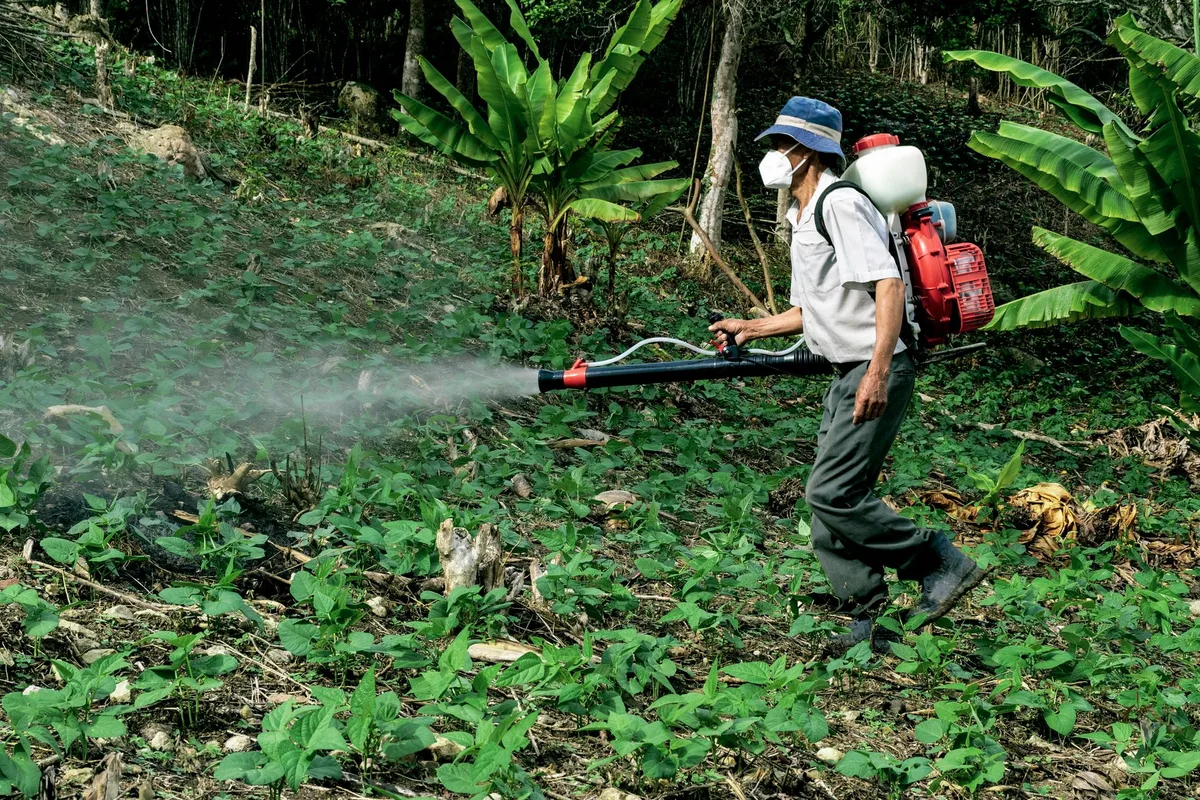
Most common home and garden weed killers break down within one to six months under normal conditions. Glyphosate, the active ingredient in many non-selective sprays, typically stays active in soil for 30 to 50 days. But here’s the catch: “active” doesn’t mean gone.
Some products, especially pre-emergent herbicides, can hang around for 3 to 12 months. Soil sterilants like imazapyr can persist for more than a year. The safest approach is to check the label for the “replant interval” specific to the crop you want to grow.
If you’re planting veggies, wait at least until that interval passes, then perform a simple bioassay test before putting anything in the ground.
Why This Answer Matters More Than You Think
Getting this wrong can kill your plants, waste a whole season, and even leave chemical residues in your food. We’re not being dramatic. Gardeners who planted too soon after using a long-residual product have watched their seedlings curl up and die within days.
It’s heartbreaking, and it’s entirely preventable.
The stakes are even higher if you’re growing vegetables or herbs. Some herbicides are absorbed by plant roots and can end up in the leaves and fruits. The EPA sets tolerances for these residues, but those limits are calculated for typical agricultural practice.
Home gardens often have much higher application rates per square foot. That’s why waiting the full recommended interval matters even if the product says “safe for lawns.”
Also, if you’re trying to go organic or transition away from chemicals, knowing exactly how long residues persist helps you plan your transition timeline. Some synthetic herbicides require a two-year waiting period before land can be certified as organic under USDA National Organic Program rules. That’s a big commitment if you didn’t plan ahead.
Core Facts: Half-Lives by Common Herbicide Active Ingredients
Here’s a practical reference table based on manufacturer data and university extension research. These are typical half-life ranges in warm, moist soil with average organic matter. Extreme conditions can shift these numbers significantly.
| Active Ingredient | Common Product Examples | Typical Soil Half-Life | Replant Interval (Vegetables) |
|---|---|---|---|
| Glyphosate | Roundup, many generics | 30–50 days | 1–3 days (label), but 2–4 weeks recommended by extension |
| 2,4-D | Weed B Gon, many lawn products | 1–14 days | 30 days for sensitive crops |
| Atrazine | Hi-Yield, many corn/sorghum products | 13–261 days | 12–18 months for most veggies |
| Dicamba | Banvel, many broadleaf killers | 14–28 days | 30–60 days depending on soil |
| Triclopyr | Brush-B-Gon, Garlon | 30–90 days | 21–30 days for grass, 6 months for woody ornamentals |
| Imazapyr | Arsenal, Polaris | 90–365+ days | 12–24 months for most plants |
| Prodiamine (pre-emergent) | Barricade, many lawn granules | 90–150 days | 6–12 months for ornamentals, 18–24 months for edibles |
Notice the huge range for atrazine? That’s because it’s heavily influenced by soil pH and microbial activity. In acidic soil with lots of organic matter, it breaks down faster.
In alkaline, sandy soil, it can linger for years.
Always check your specific product label. The Environmental Protection Agency (EPA) requires manufacturers to list active ingredient concentrations and recommended replant intervals. That label is legally binding.
If you ignore it and your crop fails, the manufacturer has no liability.
What Makes Weed Killer Break Down Faster or Slower
Several factors control how quickly herbicides degrade. Understanding these helps you predict whether your particular situation will speed things up or slow them down.
Soil microorganisms are the primary cleanup crew. Most herbicides are broken down by bacteria and fungi in the soil. Soils rich in organic matter (compost, aged manure) have more microbial diversity and faster degradation.
If you’ve been using synthetic fertilizers and tilling heavily, your microbial population might be lower, meaning longer persistence.
Temperature plays a huge role. Microbial activity doubles roughly for every 10°C (18°F) increase in soil temperature, up to about 35°C (95°F). In warm summer soil, herbicides break down much faster than in cold spring or fall soil.
If you apply a pre-emergent in late fall, it might still be active next spring because soil microbes are sluggish over winter.
Soil moisture matters. Microbes need water, but so does the herbicide itself. Many products break down via hydrolysis (reaction with water).
A moist but well-drained soil is ideal for degradation. Waterlogged soil can actually slow things down because anaerobic microbes work differently. Extremely dry soil stops microbial activity altogether.
Soil pH affects both microbial activity and the chemical stability of the herbicide. For example, atrazine stays stable longer in alkaline soil (pH above 7). 2,4-D breaks down faster in acidic soil. Most garden soils have pH between 6 and 7, which is generally fine for microbial activity, but if you’re dealing with unusual pH, check specific research for your product.
Sunlight (photodegradation) only matters for herbicides that remain on the soil surface. Once incorporated into the soil through rain or tilling, sunlight has no effect. Pre-emergents that are watered in rapidly lose the surface residue but the bulk remains in the root zone.

Risk Factors That Change the Timeline
Not all soils are created equal. If your garden fits any of these scenarios, the half-life numbers above could be way off for you.
Sandy soil drains fast and has low organic matter. Microbes have less food, and the herbicide can leach deeper where microbes are scarce. This often means the herbicide moves out of the top few inches but persists longer in deeper soil layers.
That matters if you’re planting shallow-rooted crops like lettuce or strawberries.
Clay soil binds tightly to many herbicides, especially glyphosate and paraquat. This can chemically inactivate the product quickly (it’s adsorbed and unavailable to plants), but it doesn’t mean the herbicide is gone. It’s just stuck.
If you later till and bring that clay-bound residue to the surface, or if the pH changes, it can release and become active again. This is rare but documented.
Heavy rainfall or irrigation can wash herbicides off the soil surface and into deeper layers, especially in sandy soils. The good news: it moves it away from germinating weed seeds. The bad news: it can contaminate groundwater, and it might still be active down deep where tree roots or deep-rooted vegetables could take it up.
Previous use of long-residual products like atrazine or imazapyr can create a cumulative effect. If you applied these products for several years in a row, the soil may have built up to higher levels than a single application. Even if the half-life is months, multiple years of use can result in persistent residues.
Organic matter level is the single biggest variable you can control. Soils with under 2% organic matter degrade herbicides much slower than soils with 5% or more. Adding compost, aged manure, or cover crop residues can dramatically speed up breakdown.
But be careful: if you add organic matter right after applying a herbicide, you might actually bind it up temporarily and reduce its effectiveness on weeds. Wait until the weed control period is done before amending heavily.
One more factor that’s often overlooked: the age of the product. Herbicide concentrates break down over time in storage, especially if exposed to temperature extremes. If you’re using an old bottle that’s been sitting in the garage for three summers, the actual concentration might be lower than labeled, and the breakdown products might be different. In some cases, those breakdown products can be more persistent than the original chemical.
So if your weed killer didn’t work as expected, don’t assume it’s all gone; it might just be less potent, with residues that still need time to degrade.
Safe Practices: When You Can Plant Vegetables, Flowers, or Grass
This is the question that keeps most gardeners awake at night. The honest answer is that it depends on what you’re planting and what you used. But there are clear rules of thumb that work.
For vegetables and herbs: Wait at least the label’s full replant interval, then add two weeks as a buffer. If the label says “7 days for vegetables,” wait 21 days. University extension research consistently shows that label intervals are tested under ideal conditions.
Home gardens with variable soil and weather need more margin. This is especially important for root crops like carrots, potatoes, and beets, which absorb more soil residues than leafy greens.
For flowers and ornamentals: Most annual flowers can go in 30 days after a glyphosate application. Perennials and woody ornamentals need more time. Triclopyr and other brush killers can stay active long enough to damage young shrubs.
If you used a product containing imazapyr or picloram, wait a full year before planting any ornamentals.
For lawns and grass seed: Pre-emergent herbicides like prodiamine and dithiopyr are specifically designed to prevent grass seed germination. You need to wait 8 to 16 weeks after application before seeding. Some labels have different intervals for different grass species.
Fine fescue germinates faster than Kentucky bluegrass, but both are vulnerable to pre-emergents.
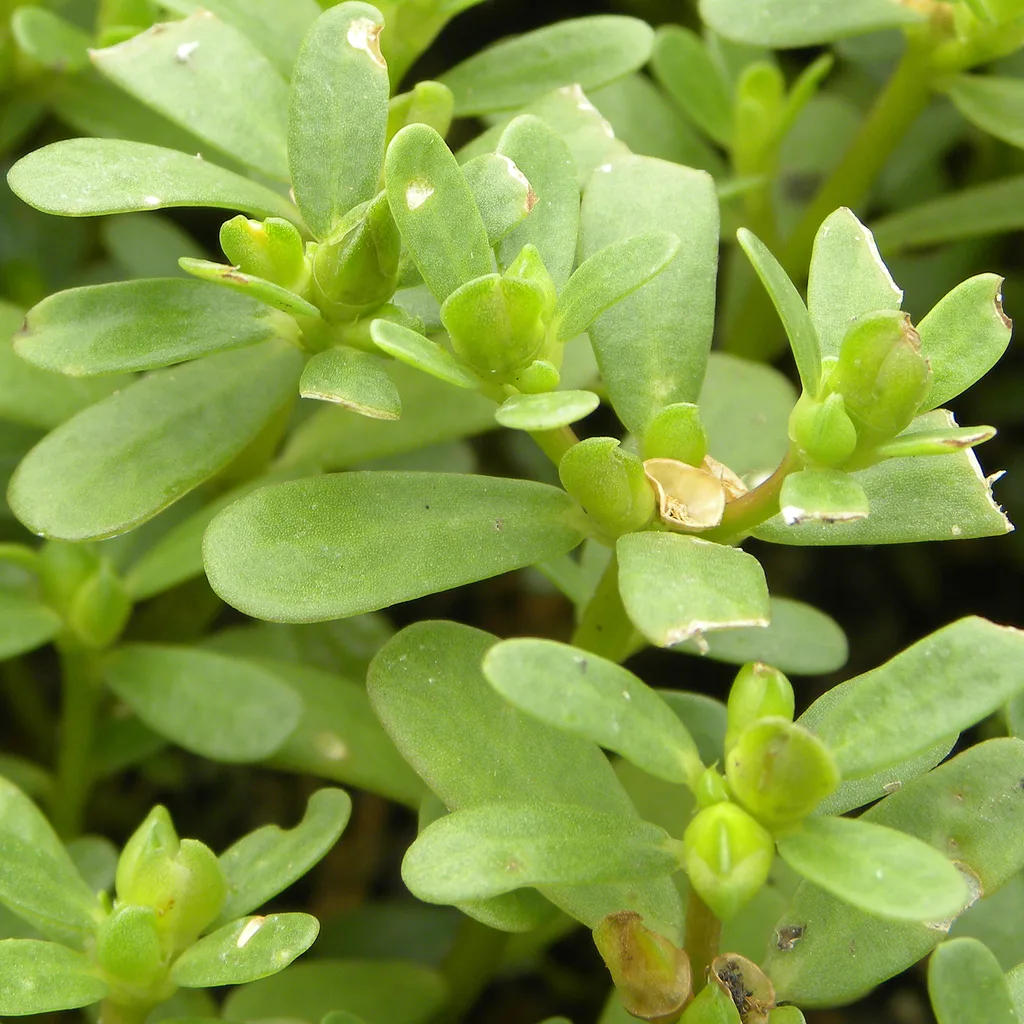
The most reliable method is a simple bioassay. Take a few cups of soil from the treated area. Plant some bean or pea seeds in each cup. Water them normally.
If the seedlings emerge and show normal green leaves within 10 days, the soil is likely safe. If the cotyledons look twisted, yellow, or stunted, wait another two weeks and test again. This works for almost all broadleaf herbicides.
Mistakes to Avoid That Cost You Your Garden
Planting “just one tomato” to test the soil. A single plant is not a reliable test. If the soil is borderline toxic, that plant might survive while the next ten die. Always do a proper bioassay with multiple seeds.
Assuming “organic” means safe. Organic herbicides like vinegar, clove oil, and citrus oil kill plants on contact but don’t have long soil persistence. That’s true. But some natural products can acidify soil or disrupt microbial activity temporarily.
And “organic” herbicide products sometimes contain synthetic surfactants that linger longer than the active ingredient. Read the full ingredient list, not just the front label.
Ignoring the pre-emergent timing. If you apply a pre-emergent in spring and then decide to plant a flower bed in the same spot three weeks later, you’ll waste both the herbicide and your plants. Pre-emergents prevent seed germination. If you’re planning to transplant established seedlings, some pre-emergents are safe.
Others are not. Check the label for “transplant safety” specifically.
Forgetting about drip irrigation. In our research, we found that gardeners who use drip irrigation often underestimate herbicide persistence. Drip systems concentrate water in a small zone. This can cause herbicides to accumulate near the drip emitters rather than spreading evenly.
The result is hot spots where residue levels are much higher than the average soil test shows.
Tilling contaminated soil deeper. Some people think tilling dilutes the herbicide. In reality, it spreads it through a larger volume of soil. That can reduce toxicity per gram, but it also contaminates the entire root zone.
If you tilled deep, you might need to wait longer for microbial breakdown because deeper soil has fewer microbes.
When to Test Your Soil (and How to Do It Right)
Testing is not always necessary. If you used a short-lived product like glyphosate and waited the full label interval, you’re probably fine. But testing is essential in these situations:
- You applied a long-residual herbicide like atrazine or imazapyr
- You’re planting sensitive crops like tomatoes, peppers, or beans
- You suspect a previous owner used something you don’t know about
- You’re trying to transition to organic gardening
- You’ve had unexplained plant problems after past herbicide use

Professional lab testing costs between $30 and $100 per sample. The University of Massachusetts Amherst Soil and Plant Tissue Testing Lab offers herbicide residue screening for common products. You mail in a dry soil sample and get results in two to three weeks.
Tests are specific to certain active ingredients, so you need to know what you’re looking for.
Home bioassay testing is cheaper and faster. As mentioned earlier, plant bean seeds in soil samples. This test works for most synthetic herbicides.
It won’t tell you the exact chemical or concentration, but it tells you what matters: can plants grow?
Do not rely on smell, color, or texture. Herbicide residues are invisible and odorless at safe levels. If you can smell or see something in the soil, you probably have a much larger problem than residual herbicide.
Sample correctly. Take soil from the top 6 inches where most weed seeds germinate and most roots grow. Avoid the very surface (1/2 inch) because that layer may have different residue levels due to sunlight exposure. Mix samples from several spots in the treated area to get a representative result.
Real Scenarios: What Happened When People Planted Too Soon
The tomato disaster. A home gardener in Ohio applied a glyphosate-based product to clear a vegetable bed, then planted tomatoes 10 days later. Within three weeks, the tomatoes showed stunted growth and purple veins on the leaves. The plants produced small, deformed fruit.
Soil testing later showed glyphosate levels above the tolerance for tomatoes. The waiting period should have been at least 30 days for that soil type.
The lawn renovation failure. A homeowner in Texas applied a pre-emergent containing prodiamine in March, then overseeded with Bermuda grass in April. Almost no grass germinated. The pre-emergent was still active.
The label clearly stated a 16-week waiting period for reseeding. The homeowner had to wait until August to try again.
The organic transition mistake. A small farmer in Oregon stopped using synthetic herbicides and applied for organic certification. Soil testing revealed atrazine residues from a product used three years earlier. The farmer had to wait two more years before the soil was clean enough for certification.
Atrazine can persist much longer than expected in certain clay soils.
The bioassay that saved a garden. A gardener in Washington state used a product containing triclopyr for brush control. Before planting vegetables, she did a simple bean bioassay. The beans showed leaf curling and stunted growth.
She waited six more weeks, tested again, and got normal growth. Without that test, she would have lost a full season of tomatoes and peppers.
Expert Tips for Accelerating Breakdown (Without Making Things Worse)
Add compost, but not too fast. Increasing soil organic matter to 3 to 5 percent can speed up microbial degradation of many herbicides. Add well-aged compost after the weed control period is done. Fresh compost can temporarily bind herbicides and make them less available to microbes.
Water strategically. Keep soil moist but not waterlogged. Microbial activity is highest at 60 to 80 percent field capacity. That’s a fancy way of saying the soil should feel like a wrung-out sponge.
If it’s dry, microbes go dormant. If it’s flooded, they switch to anaerobic metabolism which is slower.
Warm the soil if you can. In cold climates, black plastic mulch can raise soil temperature by 5 to 10 degrees. This speeds up microbial activity. Remove the plastic before planting to avoid overheating.
This trick works best in spring for fall-applied products.
Do not add lime or sulfur unless needed. Adjusting pH to speed herbicide breakdown can backfire. The optimal pH for microbial activity is 6.0 to 7.5. Most garden soils are already in that range.
Adding lime to raise pH can actually slow the breakdown of some herbicides like 2,4-D.
Bioaugmentation is not proven. Products that claim to contain “herbicide-eating microbes” have limited scientific support. University studies show mixed results. The microbes in these products often fail to establish in real soil.
Your native soil bacteria are usually the best tool for the job if you feed them with organic matter and keep conditions favorable.
Consider activated charcoal for emergencies. If you accidentally applied a long-residual herbicide in a spot where you need to plant soon, activated charcoal can absorb some residues. Mix 2 to 4 pounds of activated charcoal per 100 square feet into the top 6 inches of soil. This binds the herbicide and makes it unavailable to plants.
It’s not a perfect solution and it won’t remove the chemical, but it can save a planting season. Wear a mask when mixing charcoal dust.
Frequently Asked Questions
How long does glyphosate stay in soil?
Glyphosate typically breaks down within 30 to 50 days in warm, moist soil. The actual range is 3 to 130 days depending on conditions. Soil microbes do most of the work.
Colder, drier soils extend the timeline.
Can I plant vegetables after using Roundup?
Most Roundup labels allow planting vegetables after 1 to 3 days. University extension research recommends waiting 2 to 4 weeks for sensitive crops like tomatoes and beans. Always do a bioassay test first.
Root vegetables need extra caution.
How do I know if weed killer is still in my soil?
The most reliable method is a simple bioassay. Plant bean or pea seeds in a sample of the treated soil. If seedlings grow normally within 10 days, the soil is safe.
Professional lab testing is available for specific active ingredients.
Does rain wash away weed killer from soil?
Rain can dilute and redistribute herbicides, but it rarely removes them completely. Some products break down faster with moisture. Others can leach deeper into the soil where they persist longer.
Heavy rain does not guarantee the herbicide is gone.
What is the longest lasting weed killer for soil?
Imazapyr and atrazine are among the longest lasting. Imazapyr can persist for more than a year. Atrazine can last up to 261 days in some conditions.
Soil sterilants like these require careful planning and long waiting periods before replanting.
Final Verdict: Your Simple Decision Guide for Replanting
If you used a short-lived product like glyphosate, wait at least 30 days for vegetables and do a bioassay. If you used a pre-emergent or long-residual product, check the label for the specific replant interval and add two weeks. If you’re unsure what was used, run a bioassay before planting anything.
That simple test has saved more gardens than any chemical advice. When in doubt, patience pays. A season without a harvest is better than a season of twisted, stunted plants and wasted effort.