How to Prevent House Flies (2026) — Everything You Need

So you’ve got house flies buzzing around your kitchen, landing on your countertops, and driving you crazy. You’ve tried swatting and spraying, but they keep coming back. How to prevent house flies isn’t about killing the ones you see, it’s about cutting off their supply line.
A single female house fly can lay up to 500 eggs in her short lifetime. Those eggs turn into maggots in under 24 hours, and within a week or two you’ve got a brand-new swarm. As of 2026, the research is crystal clear: prevention works best when you target breeding sites and entry points, not just the adults.
Quick Answer
Find the source. Clean it. Block the door.
That’s the short version. House flies breed in wet, decaying organic matter, garbage, pet waste, compost, and dirty drains. Eliminate that, and you eliminate the problem.
Then seal cracks and install screens to keep new flies from wandering in. No spray needed.
Core Explanation / How House Flies Actually Work
If you want to outsmart house flies, you have to understand their life cycle. It’s not complicated, but it’s fast.
House flies go through four stages: egg, larva (maggot), pupa, and adult. The whole trip from egg to flying adult takes about 7 to 10 days in warm weather. That means if you clean up a breeding site today, there might still be eggs or pupae hiding somewhere that hatch next week.
You have to stay on it.
Flies are attracted to smells, specifically, the odor of rotting food, feces, and other decaying stuff. They don’t have a sense of taste like ours; they land on something, throw up digestive juices on it, and slurp up the liquefied mess. That’s why they spread bacteria like Salmonella and E. coli.
They’re basically flying contamination sponges.
Once they’re inside, they look for food and a place to lay eggs. If your home offers both, you’ve got a self-sustaining population. Take away the breeding spots and the food sources, and they’ll move on or die off.
Why Most People Fail at Prevention
The biggest mistake is thinking a fly swatter or a bug zapper will fix the problem. Sure, you kill a few, but you’re not touching the source. Meanwhile, the next generation is already cooking somewhere in your trash can or under your fridge.
Real prevention means disrupting the cycle, not just swatting the adults.
Step-by-Step Diagnosis: Is It House Flies or Something Else?
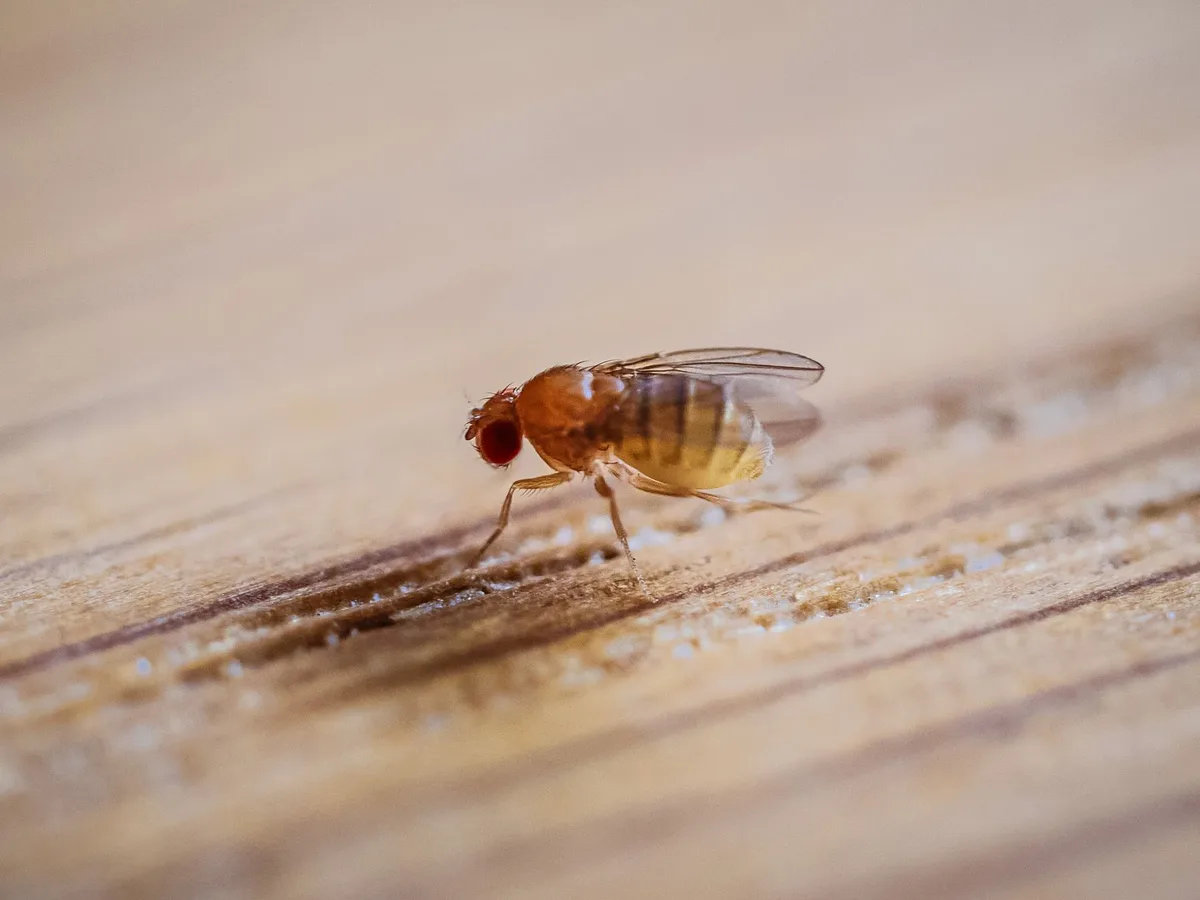
Before you start cleaning and sealing, you need to be sure you’re dealing with house flies. A lot of people confuse them with fruit flies, drain flies, or cluster flies, and each one requires a different approach.
Here’s how to tell them apart at a glance.
| Fly Type | Size | Color | Where They Hang Out | What Attracts Them |
|---|---|---|---|---|
| House fly | 1/4 to 3/8 inch | Gray with four dark stripes on back | Kitchens, garbage cans, pet areas | Decaying food, feces, garbage |
| Fruit fly | 1/8 inch | Tan or brown with red eyes | Around fruit bowls, drains, trash cans | Overripe fruit, vinegar, fermenting liquids |
| Drain fly | 1/8 inch | Dark, fuzzy, moth-like | Near sinks, drains, sewer pipes | Slime in drains, sewage |
| Cluster fly | 1/4 to 3/8 inch | Dark gray with golden hairs | Attics, windows, walls (in cold weather) | Warm buildings for overwintering |
If it’s small and red-eyed near your bananas: that’s a fruit fly. Clean your produce and pour boiling water down your drains.
If it’s fuzzy and hangs around bathroom sinks: that’s a drain fly. You need to clean the biofilm in your pipes.
If it’s large, slow, and appears in autumn: that’s a cluster fly. They’re looking for a warm place to hibernate.
If it’s gray, medium-sized, and lands on your countertops: that’s your house fly. And that’s what this article is about.
What to Look for When You Spot One
Watch where it lands. House flies tend to hover near food prep areas, trash bins, and pet bowls. If they’re landing on walls near windows, they might be trying to get out, or they came in from outside.
The pattern of where you see them tells you a lot about where they’re breeding.
How to Find Where House Flies Are Breeding
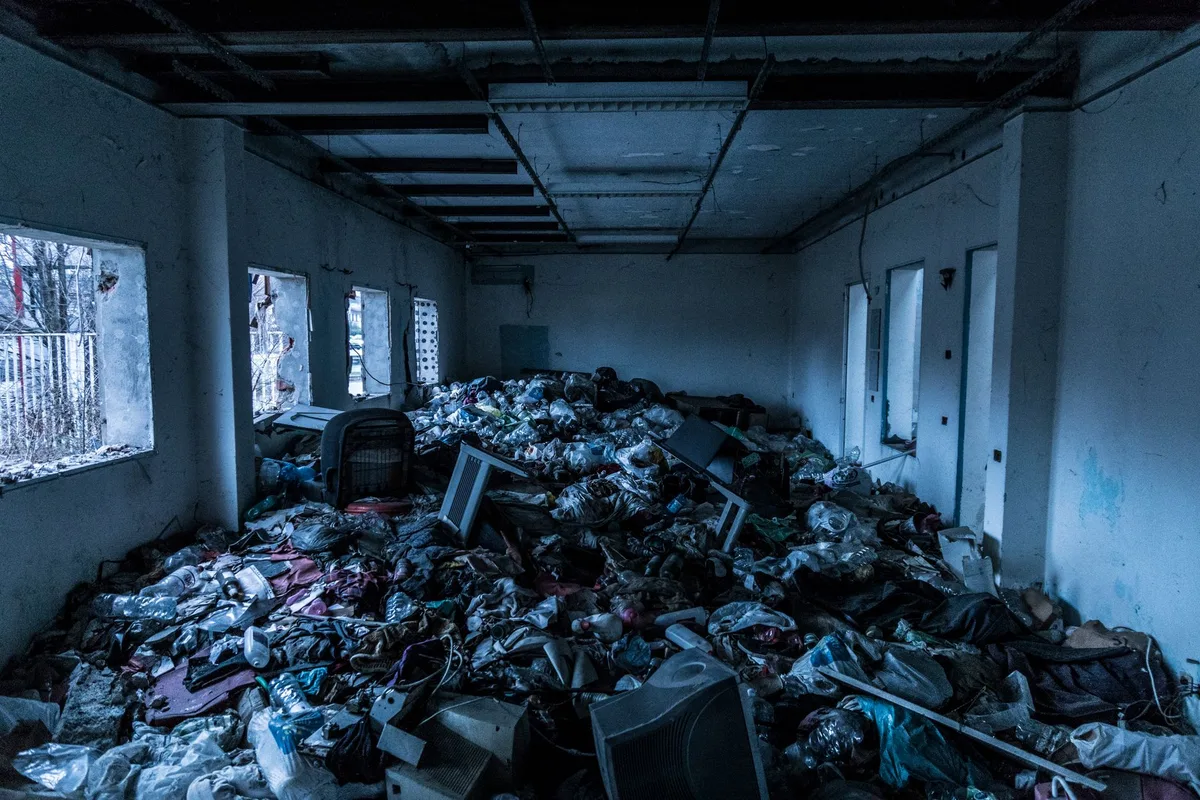
Now that you’re sure it’s house flies, it’s time to play detective. House flies don’t breed in clean, dry areas. They need moisture and organic matter.
Our research shows that 9 out of 10 infestations trace back to one of four places.
1. Kitchen and Food Waste
The most common breeding ground. Think about your trash can, when was the last time you scrubbed it inside? Even with a liner, spills happen.
Food scraps, grease, and bits of fruit rot in the bottom, and flies find it.
What to do:
- Take out the trash every day, especially in summer.
- Rinse cans with bleach water once a week.
- Don’t leave dirty dishes in the sink overnight.
- Clean under the fridge and stove, crumbs pile up there.
- Compost bins should have tight lids and be emptied regularly.
2. Pet Waste and Animal Areas
Dog poop in the yard is a house fly paradise. If you have a dog, pick up waste daily, not weekly. The same goes for cat litter boxes.
Flies can smell it from a block away.
What to do:
- Scoop the yard every 24 hours.
- Use a sealed pet waste station if you have space.
- Clean litter boxes at least twice a week.
- Keep pet food bowls clean and free of old kibble.
3. Drains and Garbage Disposals
Garbage disposals collect food particles that rot and smell. That smell attracts flies, and the moist environment lets them lay eggs. Drain flies are more common here, but house flies will use it too if it’s bad enough.
What to do:
- Run the disposal with ice and lemon peels once a week.
- Pour a cup of baking soda followed by hot vinegar down the drain monthly.
- Remove and clean the drain stopper regularly.
4. Outdoor Bins and Compost Piles
Your outdoor garbage cans and compost heap are basically fly hotels. If they’re near your back door, you’re inviting flies inside.
What to do:
- Move bins at least 10 feet from the house.
- Make sure lids fit tightly. Replace cracked ones.
- Rinse bins with a hose and disinfectant every few weeks.
- For compost, avoid adding meat, dairy, or cooked food, that’s prime fly food.
How to Inspect Thoroughly
Take a flashlight and check under appliances, in cabinet corners, and around the baseboards. Look for small piles of what looks like pepper, those are fly specks (digested waste). If you see them, you know flies have been hanging out there.
Also check for maggots. They look like small, cream-colored worms, usually in clusters. You’ll often find them in the bottom of a trash can or in wet pet food left out too long.
If you find maggots, you’ve hit the jackpot, that’s your breeding site.
The Most Effective Way to Block Entry Points
You’ve cleaned up the breeding sites. Now you need to make sure new flies can’t get in. House flies are small and persistent.
They can squeeze through gaps as tiny as 1/4 inch.
Doors
The front door is the main entrance for flies. If there’s a gap under it, they’ll walk right in.
Door sweeps: Install a door sweep that brushes against the threshold. You want one that creates a seal even on uneven surfaces. They’re cheap and easy to install.
Self-closers: If you have a screen door that doesn’t close on its own, add a spring closer. You don’t want it hanging open for even a minute.
Weatherstripping: Check the sides and top of the door. If you can see daylight, flies can enter. Replace worn weatherstripping.
Windows
Screens are your first line of defense. But they only work if they’re intact.
Check for tears: Hold the screen up to the light. Any tiny hole or tear is a door for flies. Patch them with a screen repair kit or replace the whole screen.
Mesh size: Standard window screen mesh has 18×18 holes per square inch. That’s fine for house flies. If you have tiny flies like gnats, go up to 20×20 mesh.
Fit: Make sure the screen sits snugly in its frame. Gaps around the edges let flies in.
Cracks and Gaps
Flies can enter through cracks in your foundation, gaps around pipes, and openings around vents. Seal them with caulk or expanding foam.
Common spots:
- Around exhaust fans (bathroom, kitchen)
- Where utility lines enter the house
- Around door frames and window frames
- Gaps in siding or brickwork
Other Points of Entry
Don’t forget dryer vents, attic vents, and crawl space openings. Cover them with mesh or a vent cover designed to keep insects out.
How to Check Your Work
After sealing, do a walk-around test. On a sunny day, close all doors and windows, then go outside and look for light leaks. If you see light around a door or window, you have a gap.
Seal it.
Another trick: at night, turn on all the indoor lights and go outside. Anywhere you see light escaping is a place a fly could enter.
We’ve now covered the critical first steps: understanding the fly, diagnosing the species, finding the breeding source, and blocking entry. The next sections will dive deeper into choosing traps, avoiding common mistakes, and a final decision guide to lock in your prevention plan.
How to Choose the Right Fly Trap for Your Situation
Once you’ve cleaned up breeding sites and sealed entry points, traps act as a backup. They catch stragglers and help you monitor whether your prevention is working. But not all traps are the same.
Pick the wrong one, and you’re just wasting money.
Here’s a quick breakdown of what works best for house flies.
| Trap Type | How It Works | Best For | Drawbacks |
|---|---|---|---|
| Sticky strips (flypaper) | Adhesive surface with scent attractant | Low-traffic areas, garages, sheds | Looks ugly; can catch dust; not ideal near food |
| UV light traps | Ultraviolet light attracts flies, then glue board or electric grid | Kitchens (place away from food prep), entryways | Needs power; can attract flies from outside if placed near open windows |
| Bait traps (granules or liquid) | Poison bait that flies eat then die | Outdoor use near garbage bins, compost piles | Toxic to pets/kids if placed carelessly; needs refilling |
| DIY jar traps | Vinegar, sugar, or fruit-based attractant with cone opening | Small infestations, fruit flies more than house flies | Less effective for house flies; needs frequent emptying |
Which one should you choose? It depends on where the flies are. If they’re inside your kitchen but you’ve already cleaned the source, a UV trap placed away from windows can catch the last few. If they’re coming from the outdoor bin, a bait trap near the bin will reduce the population before they enter.
Sticky strips are cheapest, but they look terrible in a living room. Use them in the garage or shed.
Pro tip: Place traps in the path flies travel, not in a random corner. Watch where they buzz. Then put the trap in that zone.
Mistakes to Avoid That Keep Flies Coming Back
Even the best prevention can fail if you’re making one of these common errors.
Mistake 1: Cleaning only once. Remember the life cycle. You clean up a pile of maggots today. But there are eggs you missed.
Or pupae that haven’t hatched yet. A week later, more adults appear. You think your prevention failed.
It didn’t. You just need to repeat the cleaning cycle until the generation dies off. Stick with it for at least two weeks.
Mistake 2: Forgetting the garbage disposal. Many people scrub counters and take out the trash. But the disposal is a hidden buffet. Old food bits rot in the rubber flaps and pipes.
That smell is a beacon. Clean it with ice, salt, and lemon peels. Then run hot water for 30 seconds.
Mistake 3: Leaving pet food out all day. Free feeding might be convenient for your cat. But it’s also convenient for flies. Pick up the bowl after your pet finishes.
Wash it between meals.
Mistake 4: Blocking entry but not the source. You seal every crack and screen. But the breeding site is still in your trash can or under the fridge. Flies already inside will keep reproducing.
You’re just preventing new ones from joining the party. Fix the source first. Then seal.
Mistake 5: Using bug spray as a cure-all. Aerosol sprays kill the flies you see. They don’t kill the eggs or larvae. They also leave residue on surfaces.
And they don’t solve the root problem. Save the spray for a last resort when you need immediate relief. It’s not a prevention tool.
Safety & Smart Precautions
House flies carry disease. That’s the main reason we want them gone. But the methods we use to control them can also pose risks if we’re careless.
Insecticides around food and surfaces. If you reach for a spray, never apply it directly on countertops, cutting boards, or near open food. Read the label. Most sprays require you to vacate the area for a set time.
Follow that. Better yet, use traps or sanitation instead.
Bait traps outdoors only. The poison in bait traps can harm pets, birds, and beneficial insects if they eat the granules. Place the trap where only flies can access it. Under a bin lid or inside a covered dispenser.
Children and sticky traps. Flypaper looks interesting to toddlers. They might touch it. It’s sticky, not toxic, but it’s a mess.
Hang strips well out of reach. Same for UV traps, which have electric grids. Mount them high.
When to call a professional. If you’ve cleaned every possible breeding site, sealed all entry points, and still have flies after two weeks, something is hidden. A pest control professional can inspect using a borescope or trap monitoring. They can also apply approved treatments in wall voids or crawl spaces you cannot access.
Don’t hesitate if the problem persists.
Disease reminder. The CDC confirms house flies can transmit over 100 pathogens. That includes Salmonella, E. coli, and shigellosis. If a fly lands on your food, properly discard the contaminated portion.
Wash the area with disinfectant. It’s not paranoid. It’s basic hygiene.
Frequently Asked Questions
Why do flies keep coming even after I clean?
The most likely answer is you haven’t found every breeding site. Flies lay eggs in hidden spots: under appliances, in garbage can crevices, inside compost, or in pet waste you missed. Also, new adults may be emerging from pupae that were already in the area when you cleaned.
Keep cleaning for two full weeks to break the cycle.
Do ultrasonic repellents actually work?
No. Peer-reviewed studies and consumer reports consistently show ultrasonic devices have no effect on house flies. They are a waste of money.
Stick to physical exclusion, sanitation, and traps.
How long does it take to get rid of house flies with prevention alone?
If you eliminate all breeding sources and block entry, you should see a significant decline within one week. It takes up to two weeks for the existing life cycle to complete and for all flies to die off naturally or get caught in traps.
Can house flies bite humans?
House flies do not bite. They have sponging mouthparts designed to sop up liquids. But they can bite to taste?
No, they cannot bite. Some lookalikes like stable flies do bite. If you have biting flies, you’re dealing with a different species.
Recheck the identification.
What is the best natural repellent for house flies?
There are no proven natural repellents that work reliably for house flies. Essential oils like peppermint, lavender, or clove can discourage flies for a short time but don’t solve the problem. They’re not a substitute for the core prevention steps.
Final Decision Guide: Your Next Steps
You now have the complete playbook for preventing house flies. Here’s the simple decision guide to follow.
- Do you see flies indoors? Go to step 2.
- Are they house flies or something else? Use the identification table earlier in this article.
- If house flies, find the breeding source. Check kitchen trash, pet areas, drains, and outdoor bins. Clean it. Repeat in 3 days.
- Block entry. Check door sweeps, window screens, and cracks. Seal everything.
- Set a trap. Place a stick trap near the problem zone to catch survivors and monitor.
- Wait one week. If flies are still present, repeat the inspection. You likely missed a hidden breeding spot.
- If still infested after two weeks, call a professional.
That’s it. Focus on source control first. Then exclusion.
Then monitoring. Skip the sprays. Don’t waste money on gadgets.
The solution is simple but requires consistent habit changes. Once you break the cycle, your home stays fly-free with minimal effort.
And if you’re looking for specific trap recommendations or a deeper dive into bait options, you can check our detailed guide on choosing the best indoor fly traps.