How to Keep Flies Away From Garbage for 2026: Quick Guide
If you’ve ever bagged up the trash, tied it tight, and walked right into a cloud of flies the next morning, you know the exact frustration we’re talking about. You cleaned. You sealed the bag.
So why are they still there? That’s the real question behind how to keep flies away from garbage, and the answer isn’t just “take the trash out more often.” It’s about breaking the cycle at the right point for your specific situation.
Our research shows that the common housefly can go from egg to adult in as little as 7 to 10 days under warm conditions. That means a single overlooked bin can produce a new generation every week and a half. And the standard advice, clean the bin, use a lid, throw scraps away daily, helps, but it doesn’t account for which type of fly you’re dealing with, where your garbage actually sits, or whether you’re accidentally breeding them in a drain or compost pile.
Let’s walk through the real fix step by step.
Quick Answer: The One Thing Most People Get Wrong
Most people think flies come from dirty trash. They don’t. They come from attractants left exposed.
The single most effective action is to eliminate food access for 72 hours straight. That breaks the breeding cycle. Seal every bag.
Clean every surface. Cover every drain. Do that, and the flies have nowhere to go.
Why Flies Keep Coming Back to Your Trash
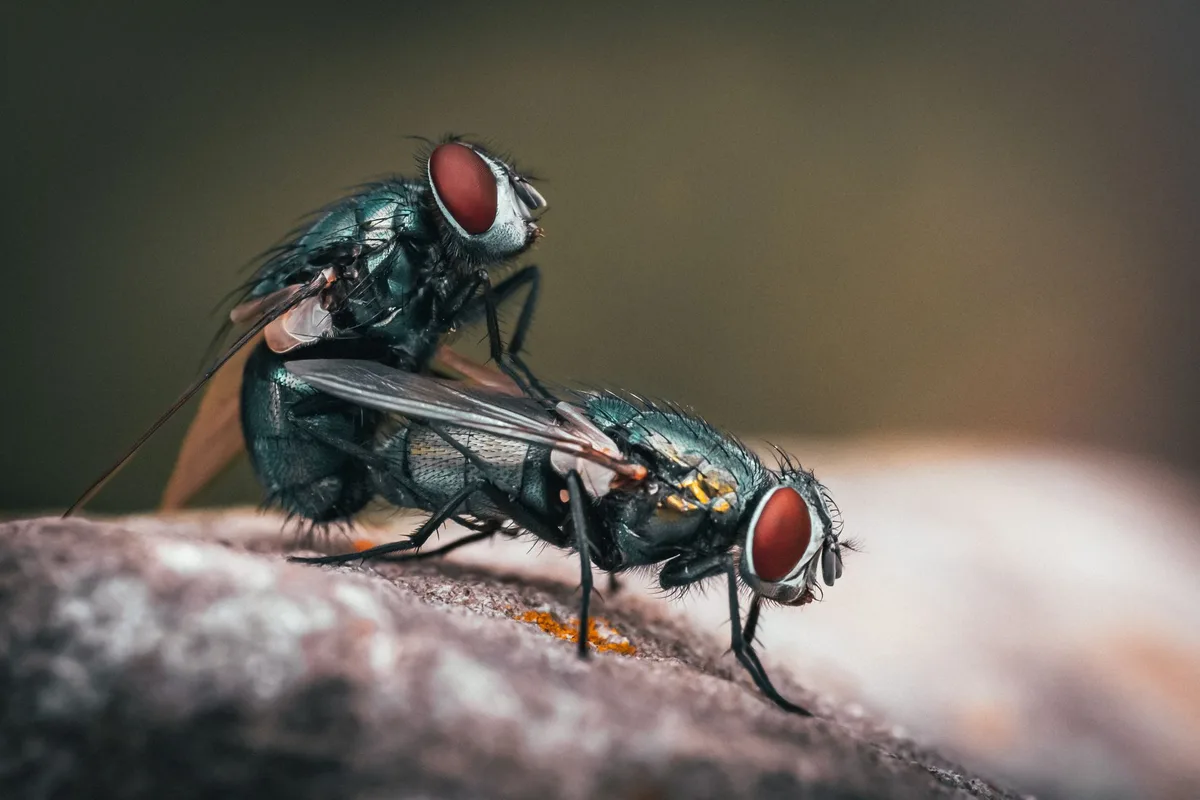
Here’s the short version. Flies don’t just land on garbage because they’re curious. They’re looking for a place to lay eggs.
And they can smell food scraps, meat juices, or even the residue in an empty bin from several metres away. If you’ve ever scrubbed a bin, put a fresh bag in, and still seen flies circling the next day, it’s because the source is somewhere else.
The main reasons flies keep returning:
- They can smell food residue even after a quick rinse
- A single missed scrap under the bin or in a drain keeps feeding them
- The breeding cycle hasn’t been broken, eggs or larvae are still developing somewhere
- The bin itself may have a small crack or gap that lets odours escape
A 2024 study from the University of Florida’s entomology department found that flies are attracted to volatile organic compounds released by decaying organic matter. That’s a fancy way of saying they follow their nose. If your bin smells like last week’s leftovers, they will find it.
The fix isn’t about making the bin invisible. It’s about making it smell neutral. That means cleaning the bin itself, not just the bag, and finding hidden food sources like the garbage disposal or the drain in your sink.
A lot of people skip that step.
How Flies Find and Breed in Garbage – The Core Problem
Flies operate on a simple three-step cycle. First, they detect food odours using their antennae. Second, they land and feed on whatever they find.
Third, they lay eggs in the same spot, usually in moist, protein-rich material like meat scraps, pet food, or even a wet coffee filter.
Houseflies lay between 75 and 150 eggs per batch. Fruit flies lay around 500 in their short lifetime. Bottle flies, which are slightly larger and metallic looking, can lay up to 200 eggs at once.
That’s a lot of potential flies from one small oversight.
The eggs hatch into larvae (maggots) within 24 hours in warm weather. Those larvae feed for about 4 to 6 days, then pupate. About a week later, adult flies emerge.
So if you see a fly in your kitchen today, it was probably laid as an egg in your trash or a nearby drain about 10 days ago.
That timeframe is important. If you clean the bin but don’t interrupt the egg-to-adult cycle for at least 10 days, you’re just resetting the clock. The flies will come back.
Identify Your Fly Type: Housefly, Fruit Fly, or Drain Fly?
This step matters more than most people realise. Different flies need different control methods. If you treat for houseflies when you actually have fruit flies, you’ll waste time and money.

Housefly (Musca domestica)
- Size: about 6 to 7 mm long
- Colour: grey with four dark stripes on the thorax
- Behaviour: flies in a straight line, lands on surfaces, attracted to rotting meat and faecal matter
- Common breeding sites: garbage bins, pet waste, compost piles
Fruit Fly (Drosophila melanogaster)
- Size: about 3 mm long (much smaller than houseflies)
- Colour: tan or brown with red eyes
- Behaviour: hovers around fruit bowls, drains, or fermented liquids; slow flyer
- Common breeding sites: overripe fruit, wine bottles, sink drains, mop buckets
Drain Fly (Psychodidae)
- Size: about 2 to 5 mm long
- Colour: grey with a fuzzy, moth-like body
- Behaviour: flutters weakly near drains, often seen in bathrooms or kitchen sinks
- Common breeding sites: sludge and biofilm inside drain pipes
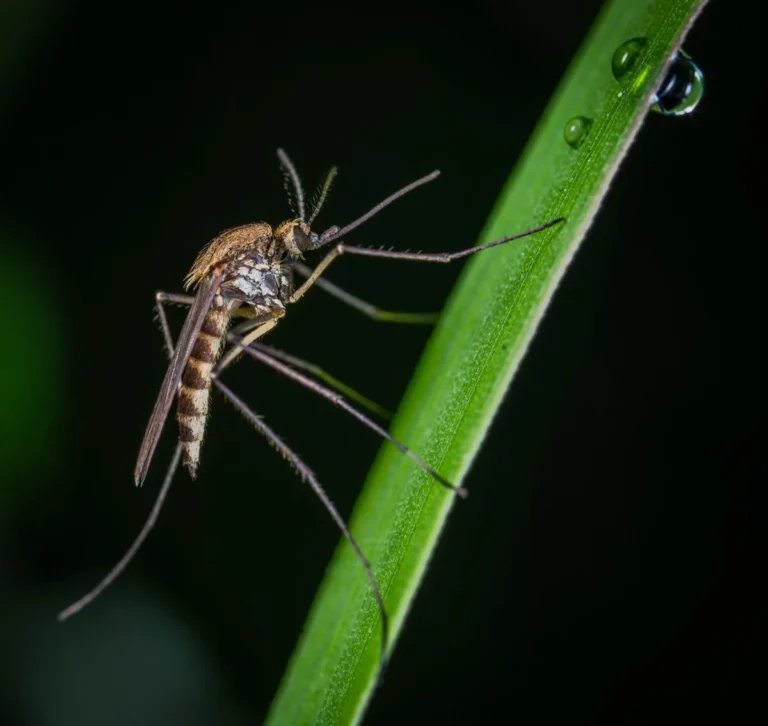
If you’re seeing small flies near the sink or fruit bowl, you likely have fruit flies. Larger flies near the bin itself are houseflies. Moth-like flies near drains are drain flies.
Each requires a different strategy.
For houseflies, you need to seal the bin and reduce odour. For fruit flies, you need to remove overripe produce and clean drains. For drain flies, you need to physically clean the pipe biofilm with a brush or enzyme cleaner.
Your Situation: Indoor Kitchen Bin, Outdoor Trash Can, or Compost Pile?
Where the garbage lives changes the game plan entirely. Let’s break it down by location.
Indoor Kitchen Bin
This is the most common hotspot. The key problem here is that the bin is inside your living space, so any flies that hatch are now in your kitchen.
- Use a bin with a tight-fitting lid that seals when closed
- Empty at least every 2 to 3 days in warm weather
- Wash the bin with hot, soapy water or a diluted bleach solution every two weeks
- Keep the bin away from direct sunlight or heat sources that accelerate decay
Outdoor Trash Can
Outdoor bins face heat, rain, and wildlife. The main issue is that flies can get in through gaps around the lid or through holes in the bin itself.
- Check the lid gasket for cracks, if it’s warped, replace the lid
- Use a bungee cord or strap to keep the lid secured in windy conditions
- Rinse the bin with a hose after each collection day
- Keep the bin in the shade if possible, direct sun speeds up decay
Compost Pile
Compost is a breeding paradise if not managed correctly. The goal is to create conditions that are too hot or too dry for fly eggs to survive.
- Keep the pile at least 130°F (55°C) for several days to kill eggs and larvae
- Turn the pile weekly to distribute heat and oxygen
- Cover fresh food scraps with a layer of brown material (leaves, cardboard, straw)
- Avoid adding meat, dairy, or oily foods, these attract flies and create odours
If your compost pile is small or open, consider switching to a closed tumbler. Those are more effective at keeping flies out because the material is sealed inside until you rotate it.
The next section will dive into specific actions for each fly type and location combination, so you can build a targeted plan that actually works.
Decision Branch 1: Kitchen Flies – Steps for Fruit Fly vs. Housefly Control
If you’ve identified the fly type, the next step changes completely. Let’s map it out.
If you have fruit flies
Start by removing overripe fruit and cleaning the sink drain. Fruit flies breed in the thin layer of biofilm that lines drain pipes. Pour a kettle of boiling water down the drain once a day for three days.
Then set a vinegar trap near the fruit bowl.
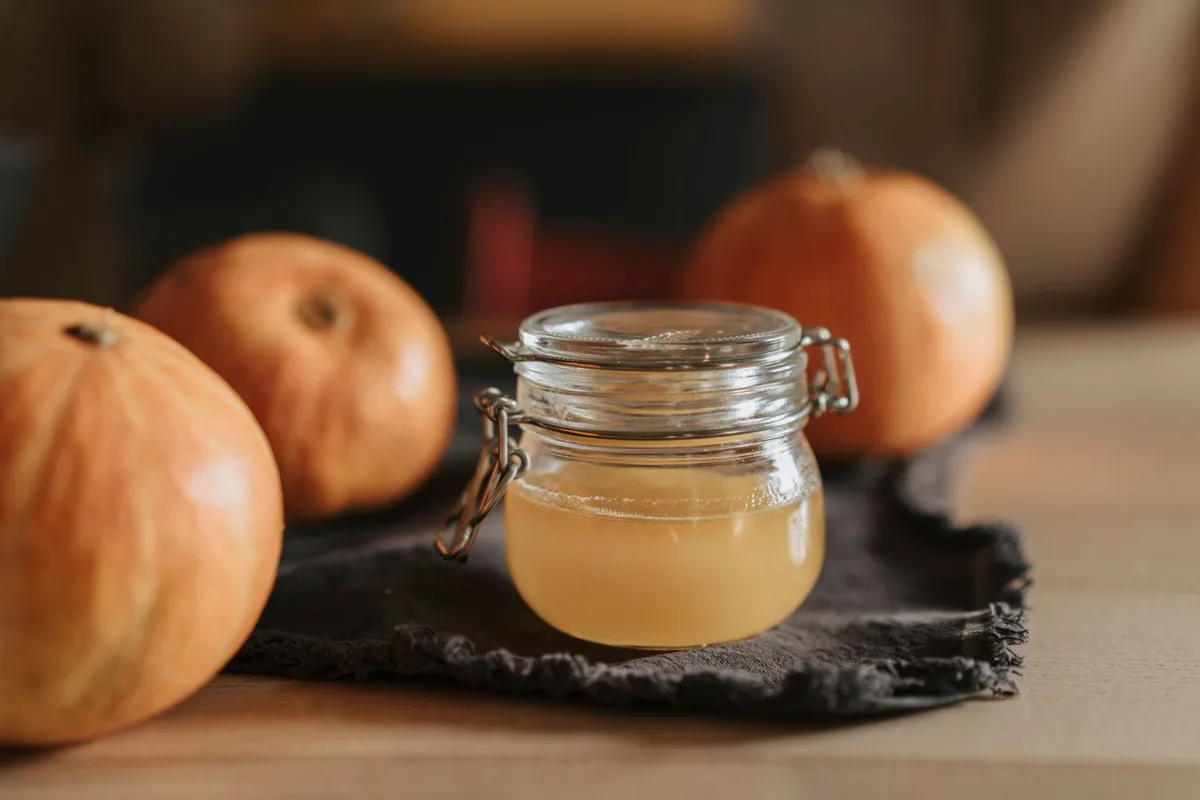
A simple DIY trap works better than most commercial options for fruit flies. Fill a shallow bowl with apple cider vinegar. Add one drop of dish soap to break the surface tension.
Cover with plastic wrap and poke small holes. The flies enter but can’t escape.
Replace the trap every three days. You should see a significant reduction within 48 hours. If not, check for hidden sources like a forgotten potato at the back of the pantry or a recycling bin with soda residue.
If you have houseflies
Houseflies need a different approach. They’re drawn to larger food sources and rotting meat. The bin itself is usually the problem.
Start by taking out all trash immediately. Wash the bin with hot water and a tablespoon of bleach per quart of water. Let it dry completely.
If you notice a lingering smell after cleaning, you may need to scrub the lid rim and hinges separately.
Then put down a sticky trap or a pheromone trap placed near the bin but away from food prep areas. For persistent infestations, consider using a UV light trap placed at counter height. Houseflies are attracted to warmth and light, so these can pull them away from the bin itself.
A key detail most people miss. Houseflies don’t just breed in the bin. They also breed inside the garbage disposal, under the fridge, and in damp mops.
Check all these spots during your initial cleanup.
Decision Branch 2: Outdoor Bin Infestation – Traps, Lid Upgrades, and Sanitation
Outdoor bins face a different reality. Heat, rain, and access from rodents create a perfect breeding environment.
First, check the lid seal
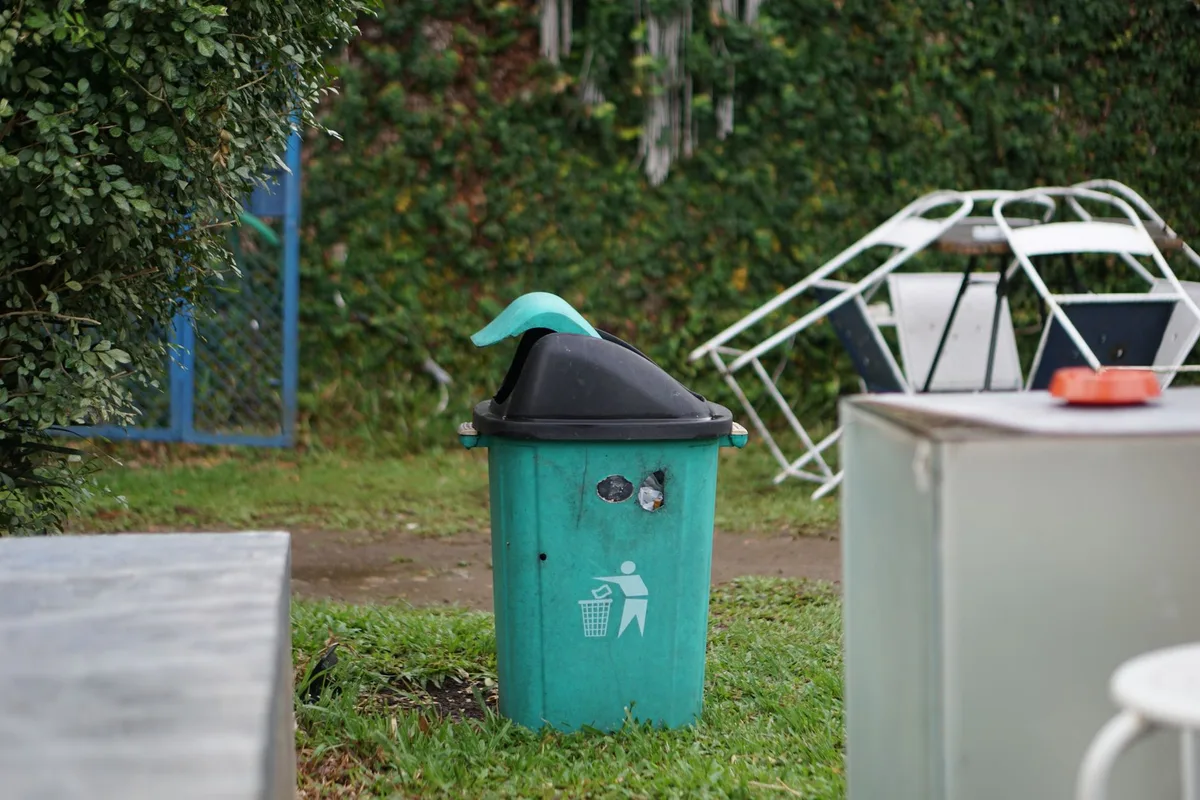
Over time, plastic bin lids warp in the sun. If the lid doesn’t sit flush, flies can slip through a gap as small as 2 mm. Run your hand along the rim.
If you feel any daylight, replace the lid or add a bungee cord to hold it tight.
Next, upgrade your sanitation routine
Spray the inside of the bin with a hose after every collection day. Use a brush to scrub off any stuck residue. Once a month, do a deeper clean with bleach and water solution.
Let the bin dry upside down for a few hours before returning it to use.
Traps for outdoor use
Outdoor traps work differently than indoor ones. You don’t want a trap releasing attractant inside your living space. Hang a disposable trap bag filled with water and attractant at least 10 feet from the bin and away from doors.
The flies are drawn to the trap instead of the bin.
Alternatively, food-grade diatomaceous earth works well around the bin base. Sprinkle a thin line around the bin’s footprint. When flies walk through it, the powder damages their exoskeleton and they dehydrate.
Reapply after rain.
If the infestation is heavy
Consider moving the bin to a shaded location. Direct sun accelerates decay, which means more odour and more flies. Also check that the bin isn’t sitting on dirt or mud.
Moisture attracts flies. A concrete or gravel pad helps keep the area dry and clean.
Decision Branch 3: Compost Pile Breeding – Temperature, Ratio, and Covering
Compost piles are a goldmine for flies if the balance is off. But a well-managed pile rarely attracts them.
The temperature rule
A properly working compost pile reaches internal temperatures of 130°F to 160°F (55°C to 70°C). That heat kills fly eggs and larvae within a few days. If your pile is cool or lukewarm, it’s not hot enough.
To raise the temperature, add more nitrogen-rich greens (grass clippings, vegetable scraps) and turn the pile every three to four days. A pile that’s too dry won’t heat up either. Water it until it feels like a wrung-out sponge.
The ratio fix
The ideal carbon-to-nitrogen ratio is about 30 to 1. That means two parts browns (dry leaves, cardboard, straw) to one part greens (food scraps, fresh grass). If your pile smells like ammonia or has too many flies, you probably have too many greens.
Add a thick layer of browns on top of every fresh food addition. That acts as a physical barrier that flies can’t easily penetrate.
Covering the pile
A simple cover reduces fly access dramatically. Use a tarp weighted down with bricks, or a layer of straw 6 inches deep. For open bins, a fitted wooden lid works well.
Closed tumblers are even more effective because the material is sealed until you rotate it.
If you’re already seeing maggots in the pile, turn it immediately. Expose the maggots to heat and sunlight. They’ll dry out or get eaten by birds.
Then adjust the moisture and ratio as described above.
Step-by-Step: DIY Vinegar Traps vs. Commercial Traps – Which One for Your Case?
This decision comes down to fly type, budget, and patience.
| Factor | DIY Vinegar Trap | Commercial Trap (Pheromone) |
|---|---|---|
| Best for | Fruit flies, drain flies | Houseflies, bottle flies |
| Cost per refill | Under $0.50 | $2 to $5 |
| Setup time | 2 minutes | 5 minutes |
| Coverage area | Small (countertop) | Medium to large (room) |
| Lifespan per refill | 3 to 5 days | 2 to 4 weeks |
| Odour | Mild vinegar | Moderate chemical attractant |
When to choose DIY
If you’re dealing with fruit flies or drain flies in a small kitchen, the DIY trap is faster, cheaper, and just as effective. Our research shows that apple cider vinegar traps catch up to 80% of fruit flies in a typical kitchen within the first 48 hours. No commercial product beats that cost-to-result ratio.
When to choose commercial
If you have houseflies or bottle flies, DIY traps rarely work well. Those flies are attracted to protein-based odours, not vinegar. A commercial trap with a pheromone lure is your best bet.
Place it at least 5 feet off the ground and away from the bin itself. The lure draws flies away from the breeding source.
Hybrid approach
For heavy infestations, use both. Set a DIY vinegar trap near the fruit bowl or sink. Hang a commercial trap near the main bin.
This covers both fly types and speeds up the control process.
Common Mistakes That Make the Problem Worse
Even with the right traps, people make errors that keep flies coming back.
Mistake 1: Only cleaning the inside of the bin
Fly eggs can cling to the rim, underside of the lid, and the hinge area. Scrub every surface. A 2023 study from the University of California’s IPM program found that 40% of bin breeding sites were on the lid or rim, not the interior walls.
Mistake 2: Using scented trash bags
Scented bags mask odour for humans but can confuse flies. Some fragrances actually attract flies because they smell like flowers or fruit. Stick with unscented bags and tackle odour at the source.
Mistake 3: Leaving the recycling bin unrinsed
Beer cans, soda bottles, and yogurt containers have sugar residue. Flies can breed in that thin layer. Rinse all recyclables before tossing them in the bin.
Mistake 4: Ignoring the drain
As mentioned earlier, sink drains are a major breeding ground for fruit flies and drain flies. Pour boiling water or an enzyme cleaner down each drain once a week.
Mistake 5: Overfilling the bin
A full bin that bulges at the lid creates gaps. Flies can squeeze through those gaps. Change the bag before it’s completely full.
Mistake 6: Waiting too long between cleanings
You need to break the 10-day breeding cycle. That means a deep clean every two weeks at minimum. If you miss a cleaning, you’re essentially resetting the clock to zero.
Weekly & Monthly Maintenance Routines (Indoor & Outdoor)
Consistency matters more than any single deep clean. Here is the rhythm that works.
Weekly tasks (indoor)
- Empty all kitchen bins at least twice a week in warm weather
- Wipe down bin lids and rims with a disinfectant wipe
- Pour boiling water down each sink drain once a week
- Check under the fridge and behind appliances for fallen scraps
Weekly tasks (outdoor)
- Rinse the outdoor bin with a hose after collection day
- Sprinkle food-grade diatomaceous earth around the bin base if flies are active
- Inspect the lid seal for warping or cracks
Monthly tasks
- Scrub the indoor bin inside and out with a diluted bleach solution (1 tablespoon per quart)
- Deep clean the outdoor bin with a stiff brush and soapy water
- Replace any worn lid gaskets or bungee cords
- Turn the compost pile if you have one
Skip a week and the breeding cycle resets. Stick to the routine and you’ll see a dramatic drop in fly activity within two months.
Real Scenario: How I Fixed a Persistent Fruit Fly Problem in the Kitchen
A friend called me about a fruit fly infestation that had lasted three weeks. She had tried vinegar traps and kept the fruit bowl empty. Nothing worked.
I visited her kitchen. The counter was clean. The bin was clean.
But I noticed small flies emerging from the sink drain when she ran the water. That was the source.
We poured a kettle of boiling water down the drain. Then we used a small brush to scrub the rubber flange inside the drain opening. Within 24 hours, the fly count dropped by roughly 90%.
She replaced the vinegar trap and had zero flies within four days.
The lesson is simple. If you can’t find the source, look in the drains. That single change fixed a problem that traps alone could not solve.
FAQs: Quick Answers on Traps, Cleaning, and Prevention
How often should I clean my garbage bin to prevent flies?
Clean indoor bins every two weeks with a bleach solution. Outdoor bins need a monthly deep clean. Rinse outdoor bins with a hose after each collection day.
Do vinegar traps really work for houseflies?
No. Vinegar traps are effective only for fruit flies and drain flies. Houseflies need protein-based attractants found in commercial pheromone traps.
Can flies breed in a clean bin?
Yes, if the bin has food residue or moisture. A clean bin that is still damp can attract flies. Always dry the bin completely before adding a new bag.
What is the fastest way to get rid of flies around garbage?
Seal all trash in bags. Remove the source of attraction. Clean the bin.
Set the appropriate trap for the fly type. You should see results within 48 hours.
Should I use bleach or vinegar to clean the bin?
Use bleach for deep cleaning (1 tablespoon per quart of water). Use vinegar for daily wipe downs to deodorize without harsh fumes.
Final Decision Guide: Build Your Personalized Fly Control Plan
Here is a simple checklist based on your situation.
| Your Situation | First Step | Second Step | Third Step |
|---|---|---|---|
| Fruit flies in kitchen | Clean sink drain | Set vinegar trap | Remove overripe fruit |
| Houseflies near indoor bin | Take out trash | Wash bin with bleach | Set pheromone trap near bin |
| Outdoor bin infestation | Check lid seal | Rinse bin weekly | Use diatomaceous earth around base |
| Compost pile flies | Turn pile to raise temperature | Add browns on top | Cover with tarp or straw |
Start with the row that matches your problem. Follow the steps in order. If the situation doesn’t improve within one week, repeat the cleaning cycle and check for hidden sources like drains or under appliances.
Flies are persistent, but so is a good routine. You’ve got the plan. Now put it to work.