How to Prevent Lawn Diseases in 2026 (Pro Tips & Tricks)
Nobody wants to walk outside and find their lawn covered in brown patches or strange circular spots. If you've ever dealt with lawn fungus, you know how fast it can spread. Understanding how to prevent lawn diseases starts with one simple truth: most problems are symptoms of what you're doing wrong, not bad luck.
Research from university turfgrass programs shows that over 70% of lawn disease outbreaks trace directly back to three factors: watering habits, mowing height, and fertilizer timing. The good news is you can fix all three without buying a single chemical treatment. Let's start with what's actually making your lawn sick.
Quick Answer
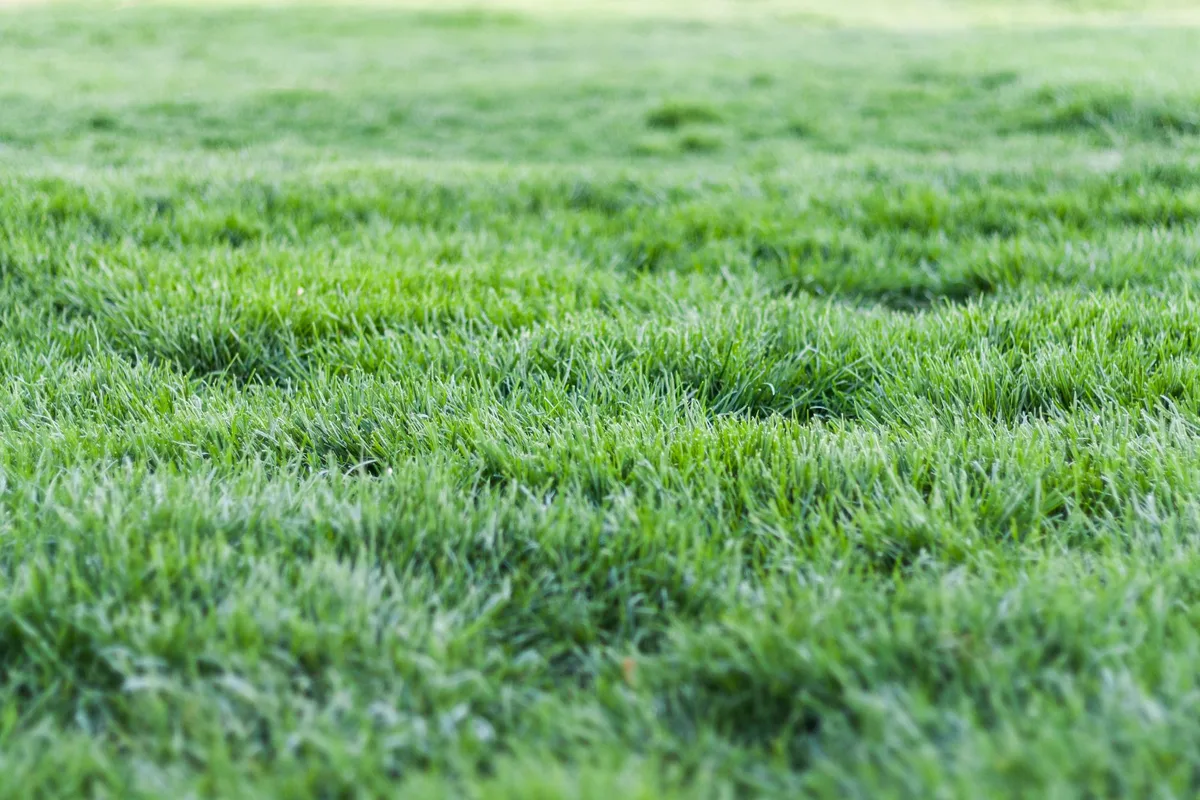
The best way to prevent lawn diseases is to keep grass healthy. Focus on the basics first. Water deeply only in early morning.
Mow at the right height for your grass type. Test your soil yearly.
Problem / Pain Point
Why Lawns Get Sick (Even When You Do Everything Right)
Here's the frustrating part. You water regularly. You mow every week.
You buy fertilizer and spread it around. Then one morning you spot a yellow ring or a patch of slimy grass, and you have no idea why.
The truth is that most lawn diseases don't come from some invisible spore that lands on your yard from a passing cloud. They come from conditions you create. That's actually good news because it means you have control.
But it also means you might be working against yourself without realizing it.
Homeowners make the same mistakes year after year. They water at night because it's convenient after work. They cut the grass too short because it looks neat.
They dump on a high-nitrogen fertilizer in early spring because the bag says "fast greening." Each of these actions stresses the grass, and stressed grass gets sick.
As of 2026, turfgrass researchers continue to confirm that the disease triangle remains the most reliable way to understand lawn health. You need three things for disease to appear: a susceptible host (your grass), a pathogen (fungus or bacteria), and a favorable environment (wet, warm, or stressed conditions). Remove any one leg of that triangle, and the disease simply cannot take hold.
Most homeowners focus on killing the pathogen. Smart prevention focuses on the environment and the host.
The Real Cost: Time, Money, and a Patchy Yard
Let's talk about what you're actually losing when disease hits your lawn. The obvious cost is the visual damage. Brown patches, dead spots, and discoloration ruin the look of your property.
But that's just the surface.
You also lose time. Treating an active disease requires multiple fungicide applications, careful watering restrictions, and often a full renovation of dead areas. A typical brown patch outbreak can take six to eight weeks to fully recover, assuming you treat it correctly.
If you wait too long or use the wrong product, you might be reseeding in the fall.
There's a financial hit too. A single course of curative fungicide treatments can run 40 to 80 dollars per application. Most lawns need two to three applications to knock down an active disease.
Compare that to the cost of prevention: a good soil test runs about 15 to 30 dollars, and a season's worth of preventive fungicide (if you even need it) costs less than a single curative round.
Prevention saves money. It saves time. It saves the frustration of watching your yard fall apart in midsummer.
Core Explanation / How It Works
How Lawn Diseases Actually Start
Let's get into the mechanics. Fungal spores exist in almost every lawn. They blow in on the wind, they hitch rides on mower blades, and they live in the thatch layer at the base of your grass.
Spores alone don't cause disease. They need the right conditions to germinate and infect.
The single biggest trigger is leaf wetness. When water sits on grass blades for more than eight hours, fungal spores have enough time to germinate and penetrate the leaf tissue. That's why watering at night is so dangerous.
The sun goes down, the temperature drops, and water stays on the blades until the next morning. That's a ten to twelve hour wetness window. Plenty of time for trouble.
Temperature is the second factor. Different diseases prefer different temperature ranges. Brown patch loves warm nights above 65 F.
Dollar spot shows up when days are warm but nights stay cool, typically in late spring or early fall. Snow mold needs prolonged snow cover, usually sixty days or more. Knowing what temperatures your local diseases prefer helps you time your prevention efforts.
The third factor is grass health. A grass plant growing in ideal conditions can fight off spores that would infect a weakened plant. Think of it like your own immune system.
You're exposed to germs every day. You only get sick when your body is run down.
The Disease Triangle: Host, Pathogen, Environment
This concept comes straight from university turfgrass programs, and it's the single most useful tool for understanding lawn disease. The disease triangle has three sides.
The host is your grass. Different grass types have different resistance levels. Some modern cultivars of tall fescue show strong resistance to brown patch.
Older varieties of Kentucky bluegrass tend to be more susceptible. Your choice of grass seed matters more than most homeowners realize, and choosing the right cultivar for your region is an excellent long-term prevention strategy.
The pathogen is the fungus or bacteria that causes the disease. You can't eliminate all spores from your yard. They're everywhere.
But you can keep their population low by removing infected clippings, cleaning your mower between properties, and reducing thatch where spores overwinter.
The environment is where you have the most control. Watering practices, mowing height, soil drainage, air circulation, and fertilization all create the environment your grass lives in. Get these right, and the pathogen simply can't get a foothold.
That's why experts say cultural control is the foundation of disease prevention. Everything else is just a backup plan.
Why Your Grass Type Matters More Than You Think
This is where a lot of homeowners go wrong. They follow generic lawn care advice without considering what grass they're actually growing. Cool-season grasses and warm-season grasses have completely different needs.
| Factor | Cool-Season Grasses | Warm-Season Grasses |
|---|---|---|
| Examples | Kentucky bluegrass, tall fescue, perennial ryegrass | Bermuda, Zoysia, St. Augustine |
| Active growth | Spring and fall | Late spring through summer |
| Mowing height | 2.5 to 4 inches | 1 to 2.5 inches |
| Water needs | Higher in summer (heat stress) | Lower (dormant in cool weather) |
| Common diseases | Brown patch, dollar spot, snow mold | Large patch, dollar spot, leaf spot |
If you're growing St. Augustine in the Southeast and you water it like a Kentucky bluegrass lawn in Ohio, you're creating perfect conditions for large patch disease. If you're growing fine fescue in the Pacific Northwest and you fertilize it with a high-nitrogen product in late fall, you're practically inviting snow mold to move in.
Know what you're growing. It changes everything.
Decision Tree: Find Your Prevention Path
Let's walk through this together. Answer each question based on your lawn, and the path will tell you exactly what to focus on.
Question 1: What Grass Type Do You Have?
If you have cool-season grass (Kentucky bluegrass, tall fescue, fine fescue, or perennial ryegrass), your prevention focus should be on mowing height and watering timing. Cool-season grass is naturally more prone to disease when it's stressed by heat and humidity. Keep your mower deck at the highest end of the recommended range.
Water only in early morning, ideally between 4 AM and 9 AM. Skip nitrogen fertilizer during the hottest part of summer.
If you have warm-season grass (Bermuda, Zoysia, St. Augustine, or centipede), your prevention focus should be on thatch management and proper mowing height. Warm-season grasses tend to build up thatch faster, and thick thatch holds moisture against the crown of the plant.
Core aerate annually. Dethatch when the layer exceeds half an inch. Keep your mowing height lower than cool-season grass, but don't scalp it.
Question 2: What's Your Climate and Region?
If you live in the Northeast or Midwest, you're dealing with cool-season grasses and diseases like brown patch, dollar spot, and snow mold. Your highest risk periods are late spring, midsummer (hot and humid), and late fall heading into winter. Plan your prevention around these windows.
Apply a preventive fungicide before the first heat wave if you've had brown patch before.
If you live in the Southeast, you're growing warm-season grass and fighting large patch, dollar spot, and take-all root rot. Your disease window starts earlier and lasts longer. Focus on soil drainage and avoiding excessive nitrogen.
A proper soil test is especially important here because phosphorus and potassium levels affect disease resistance in warm-season turf.
If you live in the Pacific Northwest, your cool-season grass deals with constant moisture, which means diseases like fusarium patch and red thread thrive. Your best prevention tool is improving air circulation. Thin out overhanging tree branches.
Aerate to reduce thatch. Reduce watering frequency since rainfall already covers most of your water needs.
If you live in the Southwest or a dry region, disease is actually less common because the environment is naturally dry. But irrigated lawns still get sick, especially if you water too often or too late in the day. Keep your irrigation schedule deep and infrequent.
Watch for dollar spot if you're skimping on nitrogen.
If you're in a transition zone (parts of the Midwest, Mid-Atlantic, and Upper South), you can grow either grass type. This is where the confusion hits hardest. Pick your grass type first.
Then follow the appropriate path. Trying to grow cool-season grass in a transition zone requires more intensive summer care, including extra watering and shade management.
Question 3: Do You Have a History of a Specific Disease?
If you've had brown patch before, you need to watch night temperatures. When nighttime lows stay above 65 F for several days in a row, apply a preventive fungicide. Brown patch is aggressive and can spread across an entire lawn in less than a week if conditions are right.
If you've had dollar spot, check your nitrogen levels. Dollar spot thrives on low nitrogen. A light application of a slow-release fertilizer often knocks it out without any fungicide at all.
But don't overdo it. Too much nitrogen creates lush growth that invites other diseases.
If you've had snow mold, your prevention starts in the fall. Stop fertilizing with nitrogen at least six weeks before the first expected frost. Do a final mow slightly lower than normal to prevent long grass from matting down under snow.
Rake up leaves and debris thoroughly.
Question 4: What's Your Current Lawn Care Routine?
If you water every day for short periods, stop. This is the most common mistake in lawn care. Shallow, frequent watering grows shallow roots and keeps the surface constantly damp.
Switch to deep, infrequent watering. One inch of water once a week is better than a quarter inch every day.
If you mow with a dull blade, sharpen it. A dull blade tears the grass instead of cutting it cleanly. Those torn edges create entry points for fungal spores and turn yellow within 24 hours.
Sharp blades make a visible difference in lawn health.
If you fertilize on a fixed schedule without a soil test, get a soil test first. The right fertilizer depends on what your soil is actually missing. Applying phosphorus when your soil already has enough can actually promote certain diseases.
A soil test costs less than a bag of fertilizer and tells you exactly what to use.
Step-by-Step Process / How to Guide
Once you know your grass type, your climate, and your disease history, it's time to build your prevention routine. Follow these seven steps in order.
Step 1: Test Your Soil
This is the foundation of everything. You cannot prevent disease effectively if you don't know what your soil needs. A standard soil test measures pH, organic matter, and the major nutrients: nitrogen, phosphorus, and potassium.
Collect samples from several spots around your lawn, mix them together, and send a cup of the combined sample to your state's cooperative extension lab. Results typically arrive in one to two weeks. The report will tell you your pH and recommend specific fertilizer amounts.
Most lawn grasses prefer a pH between 6.0 and 7.0. If your soil is too acidic (below 6.0), apply lime to raise it. If it's too alkaline (above 7.0), apply sulfur to lower it.
Correct pH helps grass access nutrients more efficiently, which makes it stronger and more disease resistant.
Step 2: Set Your Mowing Height and Schedule
Mowing height is your single most powerful prevention tool. Taller grass develops deeper roots, shades the soil to reduce evaporation, and has more leaf surface for photosynthesis. All of that adds up to a healthier plant that resists disease.
For cool-season grasses, keep the height at 3 to 4 inches during the growing season. In summer, raise it to the high end of that range. For warm-season grasses, follow the recommended range for your specific type.
Bermuda can handle 1 to 2 inches. St. Augustine needs 2.5 to 4 inches.
Follow the one-third rule. Never remove more than one third of the leaf blade in a single mowing. If your grass has gotten tall, mow twice with a few days in between rather than scalping it in one pass.
Scalping stresses the grass and opens the door for disease.
Step 3: Water the Right Way
Deep. Infrequent. Early morning.
That's the formula.
Apply about one inch of water per week, including rainfall. If you get a half inch of rain, you only need to add another half inch from irrigation. Water in one or two sessions per week rather than daily.
This encourages roots to grow deep into the soil where moisture is more stable.
Water between 4 AM and 9 AM. The grass blades dry off as the sun rises, limiting the leaf wetness window. Night watering keeps blades wet for ten to twelve hours, which is a direct invitation for fungal disease.
To measure how much water your sprinkler applies, place a few empty tuna cans or rain gauges on the lawn. Run the sprinkler for 15 minutes and measure the water collected. Then calculate how long you need to run it to reach one inch.
Step 4: Fertilize Based on Season and Grass Needs
Fertilization timing and type matter more than most people think. The wrong fertilizer at the wrong time creates soft, lush growth that fungi love.
For cool-season grass, fertilize primarily in fall and late spring. Skip high-nitrogen fertilizer during midsummer heat. Use a slow-release or controlled-release nitrogen source to avoid growth surges.
For warm-season grass, fertilize during the active growing season from late spring through summer. Stop fertilizing about six to eight weeks before the first expected frost in your area. Late-season nitrogen on warm-season grass can lead to disease damage during winter dormancy.
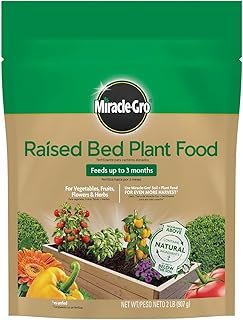
Consider carefully selecting a suitable lawn fertilizer that matches your soil test results and grass type. A slow-release formulation with some potassium supports root health and disease resistance.
Step 5: Aerate and Dethatch Only When Needed
Core aeration and dethatching are beneficial but only when your lawn actually needs them. Aerate when your soil is compacted. You can test compaction by trying to push a screwdriver into the soil.
If it takes serious effort, your soil needs aeration.
Dethatch when the thatch layer exceeds half an inch. Thatch is the layer of dead stems and roots between the soil and the living grass. A thin layer is normal.
A thick layer holds moisture against the crown and creates a perfect environment for fungal growth.
For cool-season grass, aerate in early fall or spring. For warm-season grass, aerate in late spring or early summer. Water the lawn a day before aeration so the tines penetrate more easily.
Step 6: Choose the Right Preventive Fungicide (If Necessary)
Not every lawn needs fungicides. If you follow the cultural steps above, many lawns never develop serious disease problems. But if you have a history of a specific disease or you're growing a susceptible grass type in a high-risk climate, preventive fungicides are a smart investment.
The key word is preventive. Apply fungicide before symptoms appear, timed to the disease's active window. For brown patch, apply when night temperatures start staying above 65 F.
For dollar spot, apply in late spring when conditions favor it.
Rotate between different chemical classes to prevent resistance. If you use the same active ingredient every time, the fungus can adapt. Follow the label rates exactly.
More is not better. More can damage your grass or waste money.
If you need help selecting the right product, a thorough look at the best fungicide for lawns can guide you toward an option that matches your specific disease pressure and grass type.
Step 7: Apply Fungicide at the Correct Timing and Rotation
Timing matters as much as product choice. Apply preventive fungicides early in the disease window, before you see symptoms. Once you see visible damage, the disease has already been active for days or weeks.
Curative applications work but require higher rates and more frequent reapplication.
Use a sprayer or granular spreader according to the product label. Water the lawn lightly after applying granular fungicides to move the material down to the soil surface and the crown of the plant.
Keep a log of what you applied and when. This helps you remember which chemical class you used last time and when your next application is due. Most preventive fungicides provide two to four weeks of protection depending on the product and disease pressure.