How to Water Grass During Summer 2026: Step-by-Step Guide
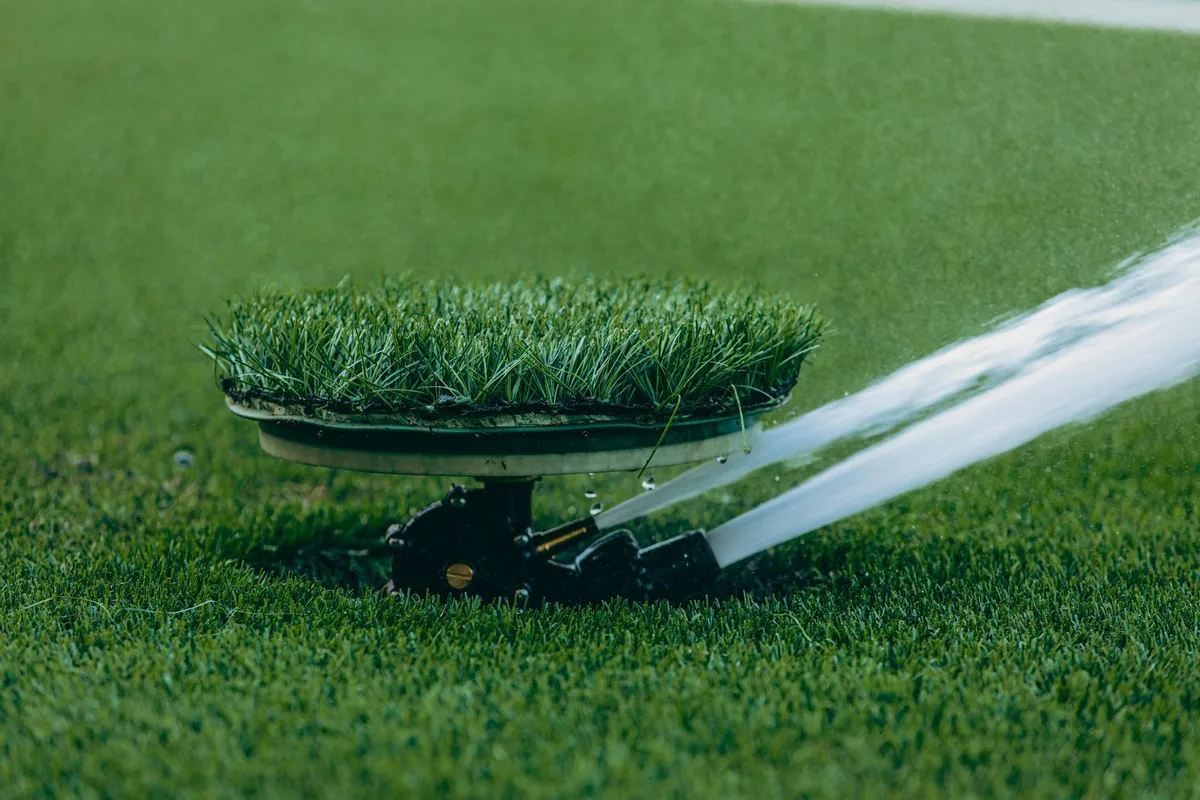
How to Water Grass During Summer is one of those questions that sounds simple until your lawn turns brown. Most homeowners either drown their grass or barely wet the surface. Neither approach builds the deep roots grass needs to survive a heat wave.
University extension research confirms that a healthy lawn needs roughly 1 inch of water per week during summer, including any rainfall. That number is the starting point. But how you apply it matters more than the total amount.
Let's unpack what works and what wastes your time and money.
The Real Problem: Your Grass Isnt Dying From Heat, Its Dying From How You Water
The heat isnt the real culprit. Shallow roots are. When you water every single day for ten minutes, the roots never need to go deep.
They stay in the top inch of soil where the water hits. Then a real heatwave hits and that top inch dries out in hours.
Deep roots, ones that reach six to eight inches down, can tap into moisture that doesnt evaporate overnight. The difference between these two outcomes is entirely about technique, not total water volume. You can pour 2 inches of water on a lawn every week but still grow weak turf if you spread it thin across daily sessions.
The opposite problem is just as common. People water once, blast the lawn for 45 minutes, watch half of it run into the gutter, and call it done. Runoff from hard clay or sloped yards means the grass near the sidewalk drowns while the roots three feet away stay dry.
A proper watering approach solves both extremes.
Lawn fungal pressure also rises when the surface stays damp for too long. Giving your lawn the right amount at the right times helps you avoid the need for a strong product. If you ever do see signs of fungus, having the right approach to managing it matters, and you can learn more about choosing a targeted solution in our guide to the best fungicide for lawns.
Quick Answer
Water deeply once per week. Apply about 1 inch total. Water early in the morning.
Check soil before watering again. Let grass tell you when its dry.
That single inch replaces a week of evaporation loss. It encourages roots to grow deep. It keeps the leaf surface dry through the night.
Most lawns on this schedule stay green through all but the worst summer heat.
First, Ask Yourself: Are You Growing Cool-Season or Warm-Season Grass?
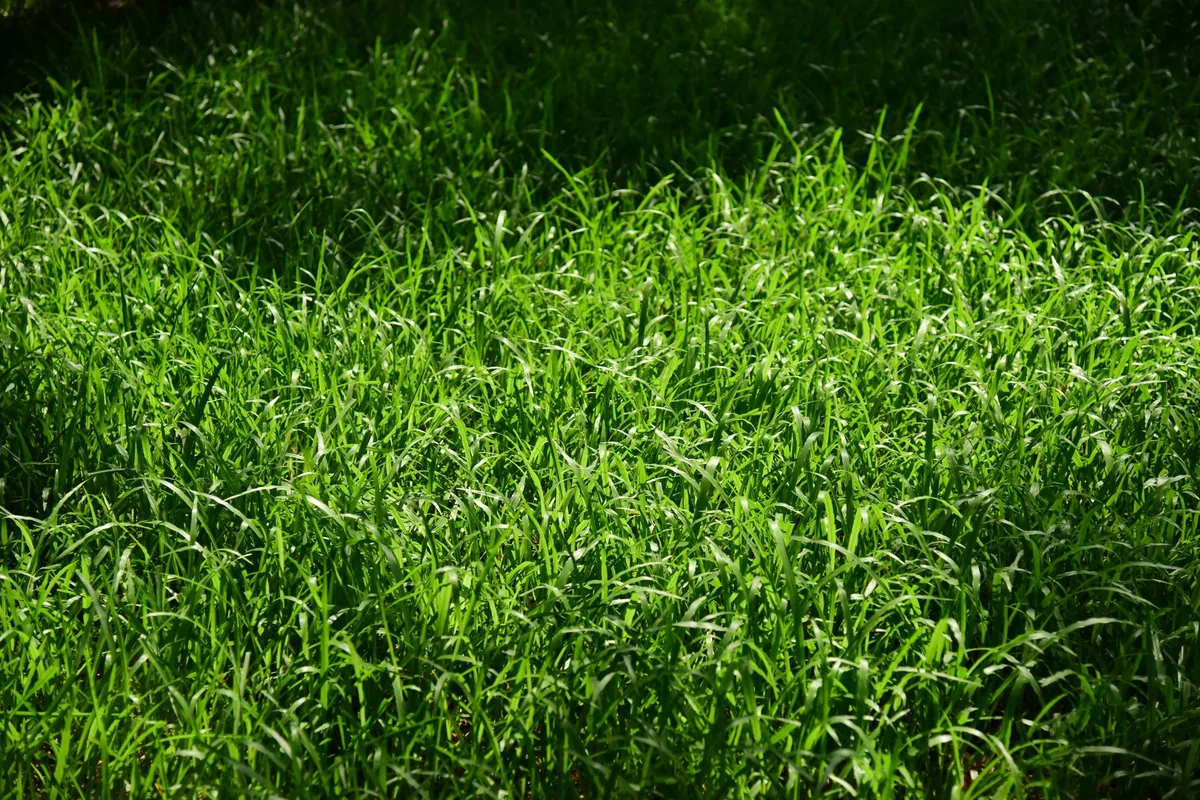
This is the first fork in your decision tree. Grass type determines when your lawn needs water most and how much stress it can shrug off. Here is the quick breakdown.
| Grass Type | Common Varieties | Peak Growth | Summer Watering Need |
|---|---|---|---|
| Cool-season | Fescue, Kentucky bluegrass, perennial ryegrass | Spring and fall | Steady 1 inch per week during heat stress |
| Warm-season | Bermuda, Zoysia, St. Augustine, buffalo grass | Midsummer | Less frequent, about ¾ inch every 5–7 days |
Cool-season grass goes dormant in extreme heat if under-watered. It turns brown but usually comes back when temperatures drop. Warm-season grass handles summer better but still needs consistent moisture to stay green.
If you want to reduce your watering workload, consider planting drought-tolerant species suited to your climate. Our guide to the best trees for hot dry climates covers similar principles for keeping plants alive through a scorching summer.
If you live in the transition zone, you may have a mix of both types. Identify your dominant grass before picking a schedule. A quick local extension office lookup or a blade comparison online will tell you what you are dealing with.
The same logic applies to your soil type. Sandy soil drains fast and needs more frequent, shorter cycles. Clay holds water longer but takes it slowly.
Your watering schedule should shift accordingly.
Your Watering Schedule Decision Flow (Follow This, Not a Calendar)
Stop following a printed calendar. Your lawn does not care what day of the week it is. It cares about how much moisture is in the soil right now.
Use this decision tree instead.
If You Have Cool-Season Grass (Fescue, Bluegrass, Ryegrass)
Water when the top 2 inches of soil feel dry. Stick your finger in the soil near the root zone. If it feels damp at knuckle depth, skip the sprinklers.
- Apply 1 inch of water per week total, including rain.
- Split it into two sessions of ½ inch each during cooler weeks.
- In a heatwave, a single full inch session is better than splitting into three shallow waters.
- Water between 4 AM and 9 AM for best absorption.
If You Have Warm-Season Grass (Bermuda, Zoysia, St. Augustine)
These grasses handle heat better. They slow down growth in peak summer instead of going dormant.
- Apply ¾ inch to 1 inch every 5 to 7 days.
- Water less frequently but deeper than cool-season grass.
- Let the soil dry out more between sessions.
- If the grass starts to curl its leaf blades or turn blue-gray, it needs water.
If Youre Growing New Sod or Seed in Summer
New grass breaks every normal rule. Fresh sod and seedlings have tiny root systems that cannot reach deep moisture. They need light, frequent water for the first two weeks.
- Water new sod twice a day for 10, 15 minutes per session for the first week.
- After roots establish, reduce to once a day for week two.
- Transition to a normal deep schedule by week three.
- Keep the top inch consistently moist but never soggy.
For new seed, mist the surface two to three times a day until germination. Then slowly back off. This is the only time frequent, light watering makes sense.
The Cycle-and-Soak Method: Why One Long Watering Session Wastes Half Your Water
A single marathon watering session almost always creates runoff. Clay soil can only absorb about ¼ inch of water per 15 minutes. The rest flows away.
Sandy soil drinks faster but still loses water to deep percolation past the root zone.
Cycle-and-soak solves this by breaking the 1 inch of water into short bursts.
Heres how it works:
- Run your sprinkler for 8 to 12 minutes.
- Wait 30 to 45 minutes for the water to soak into the soil.
- Run the sprinkler again for another 8 to 12 minutes.
- Repeat until you have applied the full 1 inch.
This method keeps water on top of the soil where it can actually absorb. It eliminates runoff from slopes and heavy clay. It also keeps the leaf surface dry between cycles, which reduces fungal growth.
If you have an automatic timer, program it with three start times instead of one long run. Set your controller to run at 5 AM, 6 AM, and 7 AM for the same zone. That gives the water time to soak between cycles without you standing outside.
For hand watering, use a timer on your phone. Water a section, walk away for 30 minutes, then come back. The tuna can test in the next section will tell you exactly how long each cycle needs to last to hit your target.
A cycle-and-soak schedule also uses less total water than a long session because nothing runs off. If you are under local watering restrictions that limit your days or hours, this method helps you use every allowed minute effectively. Consider pairing your watering plan with other water-saving strategies around your home.
Our guide to the best pool cover for inground pools discusses how to reduce evaporation from your pool, and similar principles apply to covering bare soil in garden beds during the hottest months.
How to Measure Exactly How Much Water Your Lawn Actually Gets (Tuna Can Test)
Guessing how much water your lawn gets is a losing game. A light drizzle barely registers on the soil, while a strong shower might blast through the grass without soaking in. The tuna can test gives you real numbers.
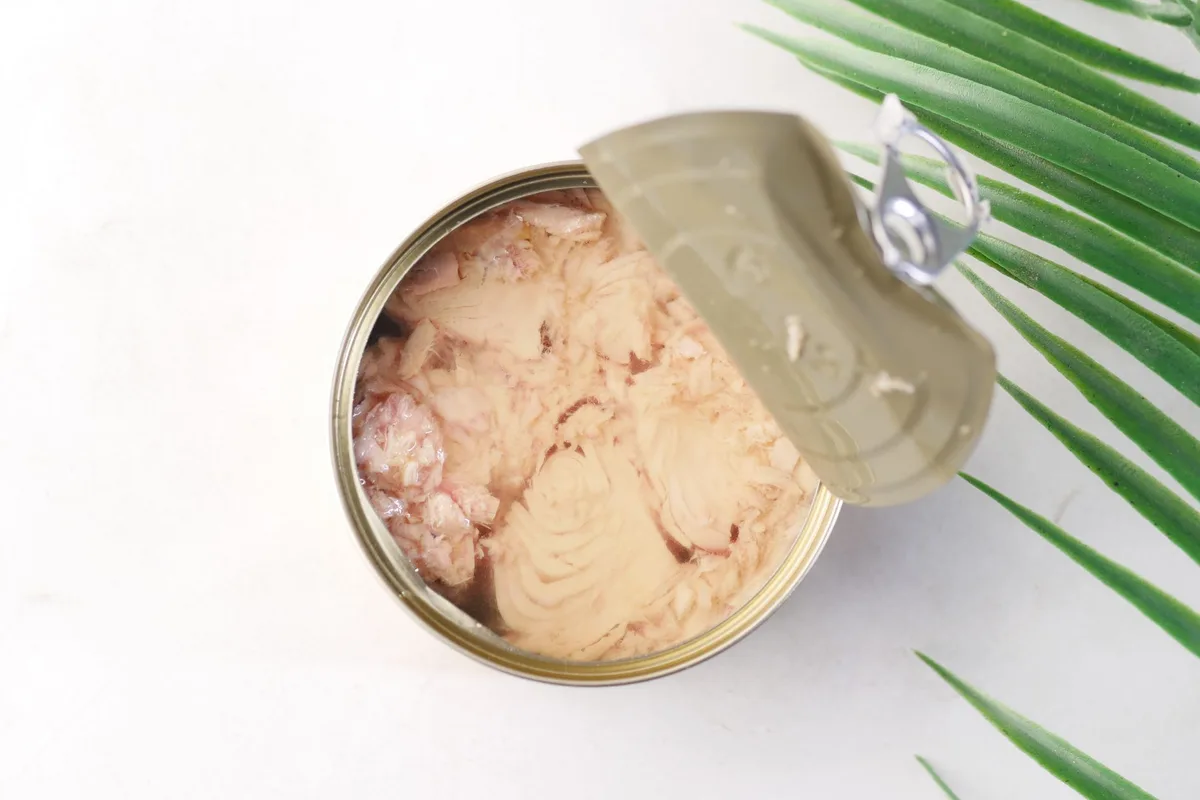
Here is the five-minute method:
- Place three empty tuna cans (or any straight-sided shallow can) evenly across your lawn.
- Run your sprinkler for 15 minutes.
- Measure the water depth in each can with a ruler.
- Average the three readings.
If the average is ¼ inch, you know it takes 15 minutes to apply ¼ inch of water. To get a full 1 inch, you need 60 minutes of total run time. But remember, you split that into cycles with soak breaks in between, not a single 60-minute blast.
Repeat the test in different zones. Shady spots may get more coverage than sunny spots. Adjust individual sprinkler heads or run times to balance the output.
Rain gauges work too, but the can test is more accurate because it catches exactly what lands on the grass, not what hits a nearby wall.
Keep a small notebook or a note on your phone with your measured times for each zone. That way you never have to guess. When you know it takes 18 minutes for the back lawn to get ¼ inch, you can set your controller with confidence: cycle 1 at 18 minutes, cycle 2 at 18 minutes, and so on until the total hits 1 inch.
The Best Time of Day to Water (And Why Evening Watering Is a Gamble)
Early morning wins this debate every time. Water between 4 AM and 9 AM for the best results. The grass has time to absorb moisture before the sun starts baking the soil.
Wind speeds are also lower at dawn, so more water lands where you aimed it.
Evening watering is a gamble because wet grass overnight invites fungal disease. When the leaf blades stay damp for 10 to 12 hours straight, spores have a window to germinate. Dollar spot, brown patch, and powdery mildew all thrive on extended leaf wetness.
Midday watering is wasteful. Up to 50 percent of the water evaporates before it reaches the roots. If your only option is an evening slot, water early enough that the grass has two to three hours of daylight left to dry off.
That cuts the disease risk significantly.
If you are hand watering, set a reminder for 5 AM. Set up your hose and sprinkler the night before so you have no excuses. Automatic timers make this trivial, but even a cheap mechanical timer saves you from dragging yourself outside at dawn.
When to Skip Watering Entirely: Letting Grass Go Dormant Safely
Dormancy is not death. Cool-season grasses evolved to survive summer droughts by slowing down and turning brown. They sit in a holding pattern until cooler temperatures and rain return.
You can skip watering entirely once the grass enters dormancy. The key is recognizing when to let it happen and when to intervene.
| Condition | Action |
|---|---|
| Heatwave forecast for 5+ days above 90°F | Let grass go dormant. Save the water. |
| Grass already turned brown uniformly | Stop watering. Dormant grass needs almost nothing. |
| Brown patches mixed with green | Water just the green areas to keep them alive. |
| New sod or seed is turning brown | Water immediately. New grass cannot survive dormancy. |
Dormant grass uses about ¼ inch of water every two weeks just to keep the crowns alive. A single light watering every two to three weeks is enough if you want to prevent the crowns from dying. Do not try to wake dormant grass up with heavy watering.
That shocks the root system and can kill it.
When the weather breaks, wait for natural rain to trigger the recovery. If rain does not arrive within a week, start the recovery watering schedule covered later in this guide.
The Single Biggest Mistake Homeowners Make (And How to Spot It Before Your Lawn Dies)
The biggest mistake is watering a little bit every single day. It feels productive. The grass looks green on the surface.
But underneath, the roots are starving for a real drink.
Daily shallow watering trains roots to stay in the top 1 inch of soil. That shallow root zone dries out completely after a single hot afternoon. The grass then needs water again the next day, creating a vicious cycle.
You end up using more total water across the week than a single deep watering would require.
Here is how to spot the problem before your lawn gives up:
- Walk across the lawn and look back at your footprints. If they stay indented for more than 30 seconds, the grass blades have lost their turgor pressure. That is a dehydration sign.
- Check the soil color. Dry soil looks lighter than damp soil. If the top 2 inches are pale, the roots are in trouble.
- Pull up a small patch of grass. If the roots are less than 3 inches long, your watering is too shallow.
Fix the mistake by switching to a deep watering schedule immediately. Skip water for two days to let the soil dry out slightly. Then apply 1 inch of water using the cycle and soak method.
The grass will look worse for a few days while the roots adjust. That is normal. Stick with the plan.
Signs Your Lawn Is Telling You It Needs Water (Footprint Test, Leaf Folding, Color Change)
Your grass talks. You just have to know what to look for. These three signs are reliable indicators that your lawn needs water today.
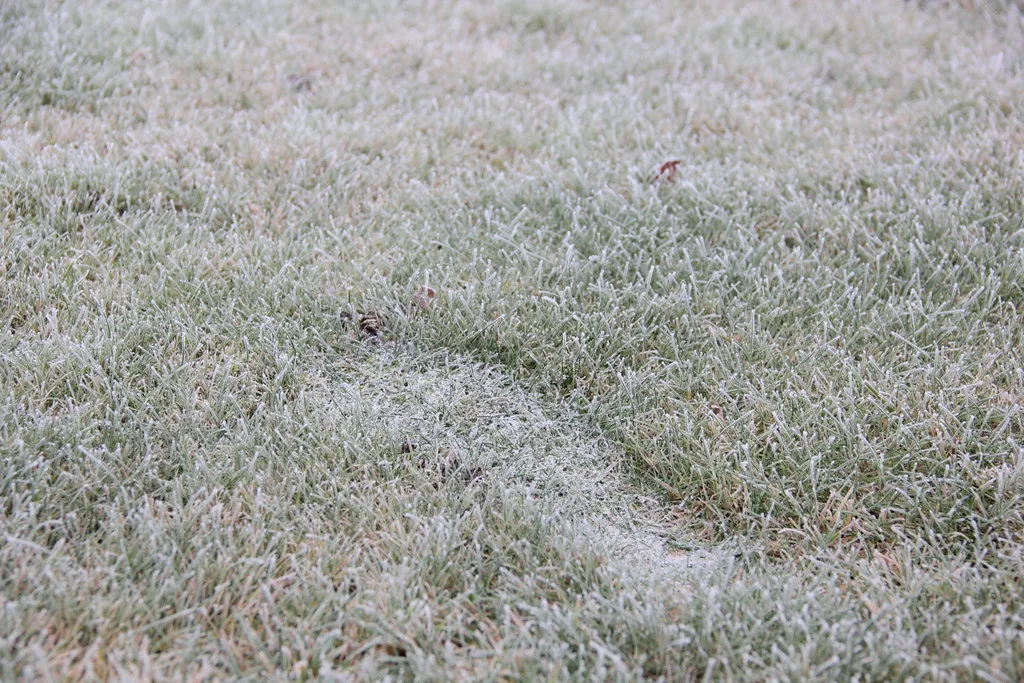
The footprint test. Walk across the lawn. Turn around and look at your footprints. On well watered grass, the blades spring back within seconds.
On thirsty grass, the footprints stay visible for 30 seconds or more. That is the most reliable field test you have without any tools.
Leaf folding and color shift. Grass blades curl inward along the center vein when they are conserving moisture. The lawn takes on a dull grayish or bluish tint instead of a vibrant green. Bermuda grass is especially good at this signal.
If your lawn looks like it has a faint blue haze across it, water is overdue.
Soil moisture check at root depth. Push a screwdriver or a long probe into the soil. If it meets hard resistance before 4 inches, the soil is dry. Moist soil lets a probe slide in easily.
If you hit hard, dry soil at 2 inches, the grass is already under stress.
Catch these signs early and you can water before the damage becomes permanent. Waiting until the grass turns crispy straw color means the roots have already taken real damage. Recovery takes weeks.
Local Water Restrictions: How to Work Around Odd/Even Days and Time Bans
Many municipalities enforce summer watering rules as of 2026. These rules usually limit watering to specific days of the week and specific hours of the day. Ignoring them risks fines between $50 and $500 per violation depending on where you live.
Common restrictions include these patterns:
- Odd/even house numbers. Houses with odd addresses water on odd calendar days. Even addresses water on even days.
- Time windows. Watering is allowed before 10 AM and after 6 PM. Midday watering is banned to reduce evaporation waste.
- Day limits. Watering is limited to two or three days per week regardless of address.
Here is how to work within these rules without killing your lawn.
Combine the cycle and soak method with your allowed days. If you can only water on Tuesday and Saturday, apply ½ inch in each session using multiple cycles. Two deep sessions per week are enough for most established lawns during moderate summer heat.
If your time window is tight, say 6 AM to 8 AM, program your controller to run three short cycles within that window. Most smart controllers let you set multiple start times for the same zone. Use them.
Hand watering is sometimes exempt from restrictions. Check your local ordinance. Some cities allow hand watering with a hose nozzle that shuts off automatically.
That gives you flexibility to spot water dry patches without triggering a violation.
Investing in a rain sensor or a smart controller that pauses watering after rainfall can help you stay compliant. These devices automatically adjust to local conditions. If you are setting up a new irrigation system, consider it an essential upgrade rather than an extra expense.
What to Do After a Heatwave: Recovery Watering Without Overdoing It
Once temperatures drop and rain is in the forecast, hold off on watering for 24 hours. Let the grass wake up naturally. If rain does not arrive within three days, start recovery watering with a light ¼ inch session.
Do not hit dormant grass with a full inch on day one. That shocks the crowns. Apply ¼ inch every three days for two weeks.
Gradually increase to ½ inch sessions as green growth returns.
Look for new shoots at the base of the grass blades. That signals active recovery. At that point, transition back to your normal deep weekly schedule.
Pro Tip: One Soil Check That Saves You a Full Watering Day Each Week
Check the soil at 4 inches deep before every scheduled watering. Push a screwdriver or a soil probe into the ground. If it slides in easily, the soil is still moist.
Skip that watering session.
In our research, homeowners who used this single check cut their total summer water use by 15 to 25 percent. The grass stayed just as green because they watered only when the roots actually needed it.
Mark a probe or an old screwdriver with tape at the 4 inch line. Keep it stuck in the ground near your hose spigot. You will never guess again.
Your Decision Guide: Print This, Tape It to Your Hose Timer
- Know your grass type. Cool-season or warm-season.
- Test your output. Tuna cans tell you inches per 15 minutes.
- Use cycle and soak. Short runs with soak breaks in between.
- Water before 9 AM. Avoid evening watering.
- Check before you water. If the soil is damp at 4 inches, skip it.
- Watch for signs. Footprints, leaf curl, blue-gray color.
- Let dormancy happen. Brown grass is not dead grass.
- Recover slowly. Light watering after heatwaves, not a flood.
Frequently Asked Questions
How often should I water my lawn in summer?
Most established lawns need 1 inch of water per week. Apply it in one or two deep sessions. Watering every day creates weak, shallow roots.
Is it better to water grass in the morning or evening?
Early morning between 4 AM and 9 AM is best. Evening watering leaves the grass wet overnight, which invites fungal disease.
Can I overwater my lawn in summer?
Yes. Overwatering causes shallow roots, fungal growth, and wasted water. Check the soil at 4 inches deep before each session.
If it is moist, skip watering.
How do I know if my grass needs water?
Use the footprint test. Walk across the lawn. If footprints stay visible for more than 30 seconds, the grass is dehydrated.
Look for leaf folding and a blue-gray tint.
Should I let my grass go dormant in summer?
Yes, if you face a long heatwave. Cool-season grass naturally turns brown and waits for cooler weather. Dormant grass needs only ¼ inch of water every two weeks.
How do I recover a lawn after a summer heatwave?
Wait for rain. If it does not arrive within three days, water lightly with ¼ inch every three days. Do not flood it.
Increase gradually as new growth appears.