What Height Should Grass Be Cut 2026
Most people guess when it comes to mowing height. They just set the deck somewhere in the middle and hope for the best. But the question "What Height Should Grass Be Cut" actually has a clear answer.
It depends on the grass type, the season, and how much sun your lawn gets.
University turfgrass research consistently shows that cutting height is one of the most important factors for lawn health. A lawn cut at 3 inches, for example, develops roots that are about 40 percent deeper than one cut at 1.5 inches. That means less watering and fewer weeds.
Let's break down what works for your lawn.
Quick Answer
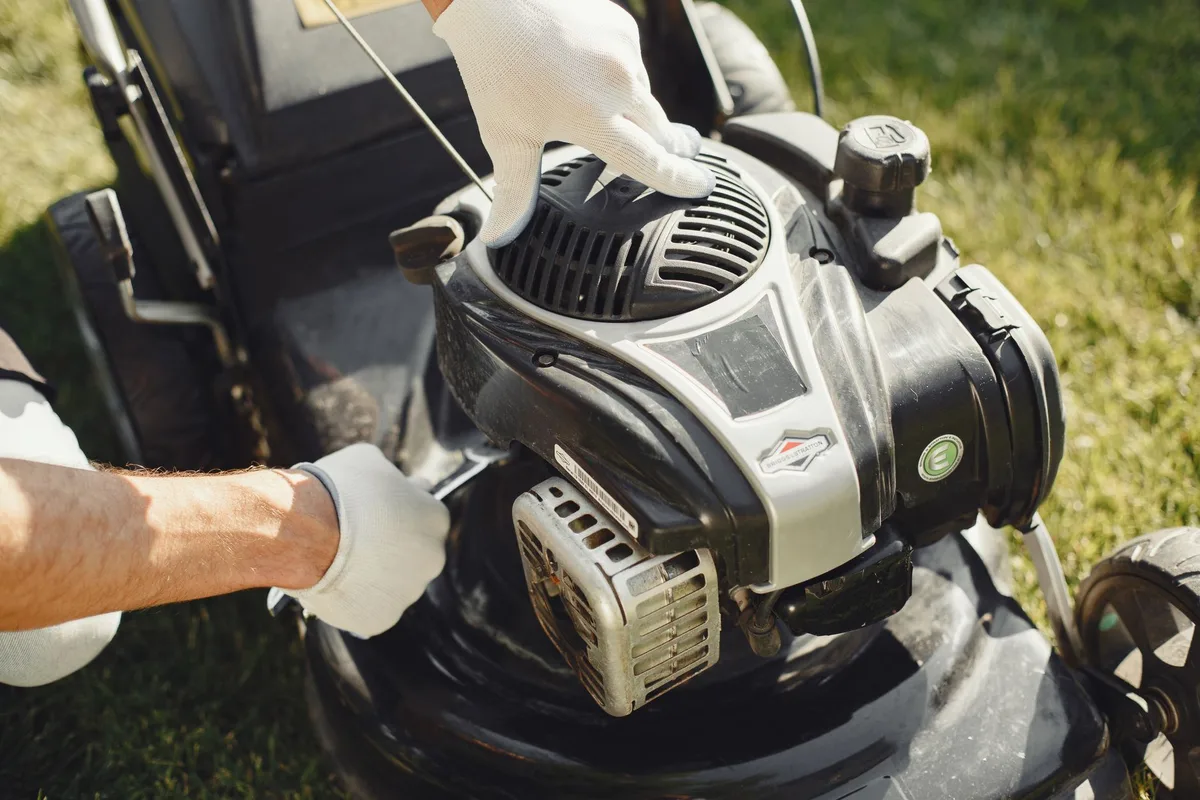
Cut cool-season grass 3 to 4 inches tall. Cut warm-season grass 1 to 2 inches tall. Never remove more than one-third of the leaf blade.
Raise the deck by an inch during summer heat. Lower it slightly in spring and fall. This simple guideline, backed by an Oregon State Extension research summary as of 2026, keeps roots deep and grass dense.
Why That "Set It and Forget It" Number Doesn't Work
A lot of advice out there says "mow at 3 inches" or "keep it at 2 inches." That sounds nice and simple. But it ignores the big variable: what kind of grass is in your lawn.
If you have Bermuda grass and treat it like tall fescue, you'll get a puffy, uneven mess. If you cut tall fescue at Bermuda height, you'll scalp it down to the stems. Those two grasses need completely different ranges.
And that's only the starting point.
Your mowing height should also change with the season. In summer, taller grass shades the soil and keeps moisture in. In fall, you gradually lower it so the grass doesn't stay wet and mat down under snow.
Aggregate reviews from university extension programs all say the same thing: adjust the deck as the year goes on.
Get it wrong and you invite bigger problems. A lawn cut too short struggles with root growth, dries out faster, and opens gaps for weeds. It also gets stressed, which makes it more vulnerable to disease.
That's when you might need a good fungicide for lawns to get things back on track.
Cool‑Season vs. Warm‑Season: The First Fork in the Decision Tree
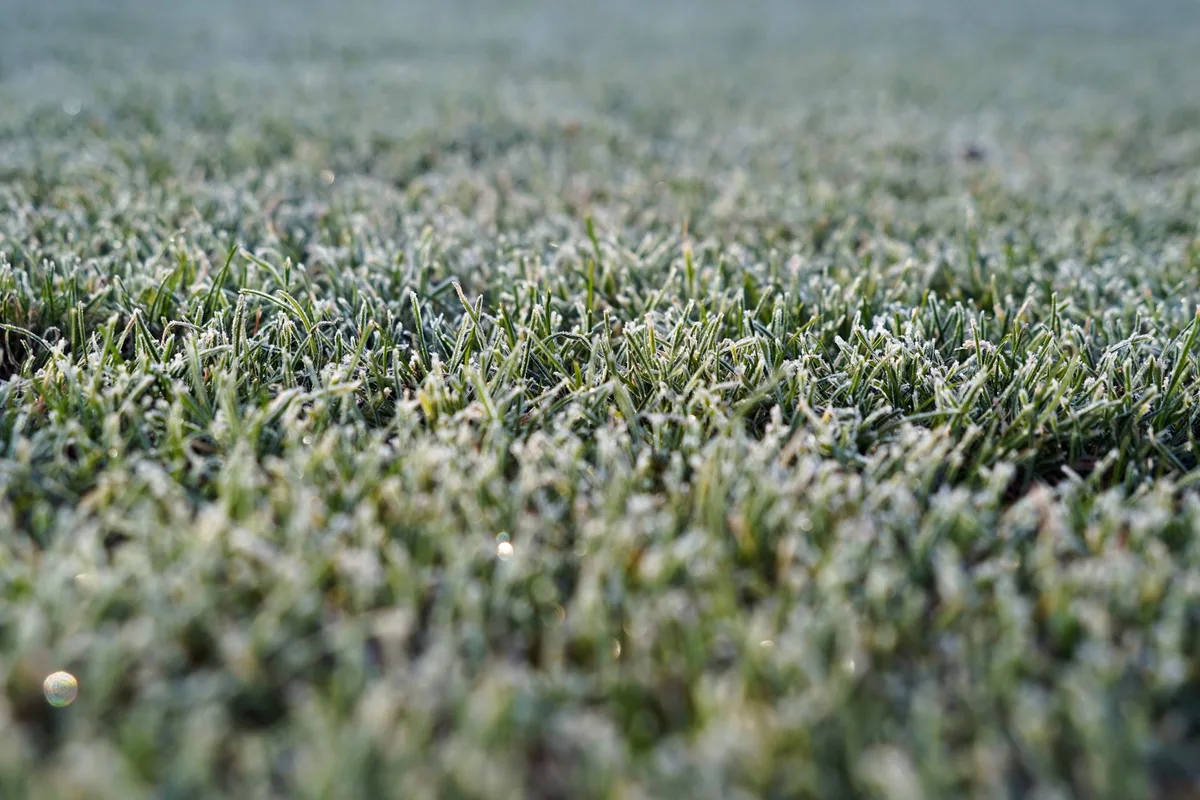
Before you touch that height lever, you need to know which family your grass belongs to. Cool-season grasses and warm-season grasses have completely different growth patterns. And they need different cutting heights.
Cool-season grasses (tall fescue, Kentucky bluegrass, perennial ryegrass) grow best in spring and fall. They slow way down in summer heat. These grasses thrive between 2.5 and 4 inches.
The taller cut protects the crown and keeps roots cool.
Warm-season grasses (Bermuda, zoysia, St. Augustine, centipede) love summer. They hit their stride when temperatures climb above 80°F.
These grasses do well at shorter heights, typically between 0.5 and 2.5 inches. Bermuda can even handle a half-inch cut if you're using a reel mower.
If you're not sure what you have, look at the blade shape and growth habit. Cool-season grass blades are usually narrow with a visible midrib. Warm-season blades tend to be wider and leafier.
Your local extension office can help identify it. Or you can check what neighbors grow successfully in the same climate.
If you live in a hotter region with trees adapted to dry conditions, you're almost certainly growing a warm-season grass. Cool-season lawns dominate the north, the Pacific Northwest, and higher elevations.
Spring vs. Summer vs. Fall: Why Your Mower Deck Needs to Move
Your lawn's needs change as the seasons do. So should your cutting height. This is where most people miss a simple adjustment that makes a big difference.
Spring. Start the season on the lower end of your grass type's range. For cool-season grass, that means around 2.5 to 3 inches. For warm-season, around 1 to 1.5 inches.
A lower cut in spring lets sunlight reach the soil and warms it up faster. It also encourages lateral growth, which thickens the lawn.
Summer. Raise the deck by about half an inch to a full inch. Taller grass shades its own roots, keeps soil moisture from evaporating, and reduces heat stress. Turfgrass specialists at Purdue's Turf Science program recommend this as the single most effective step for summer lawn survival.
For cool-season grass, go up to 3.5 or even 4 inches. For warm-season, 2 to 2.5 inches is safe.
Fall. Gradually drop back down to the spring range. This prevents the grass from staying damp under fallen leaves. It reduces the risk of snow mold in colder climates.
It also makes the last few cuts cleaner before winter dormancy sets in.
If you have a big lawn with lots of trees, fall cleanup matters even more. A good rake designed for pine needles or regular leaf removal keeps the grass from getting smothered.
Sun vs. Shade: The Two Inches That Matter
Here's a detail most lawn guides skip. Grass growing in shade needs a taller cut than grass in full sun. It's not a small difference either.
It can be one to two inches higher.
Shade reduces photosynthesis. Grass in low light needs more leaf surface area to produce enough energy. If you cut it short, it starves.
The blades thin out, and moss or bare patches take over.
The fix is simple. If part of your lawn gets less than four hours of direct sun, raise the mower deck. For cool-season shade grass, aim for the top of the range, around 4 inches.
For warm-season shade grass, stay at 2.5 inches or higher.
Full-sun lawns don't need this adjustment. They get plenty of light even with a shorter cut. So if your lawn is a mix of sun and shade, set the height for the shade areas.
The sunny parts will handle the extra height just fine.
If you're working with a heavily shaded yard, you might also consider shade-tolerant plants that thrive with less light. It's a different approach, but sometimes the best lawn is the one you don't fight.
The Step‑by‑Step Process for Setting the Right Height
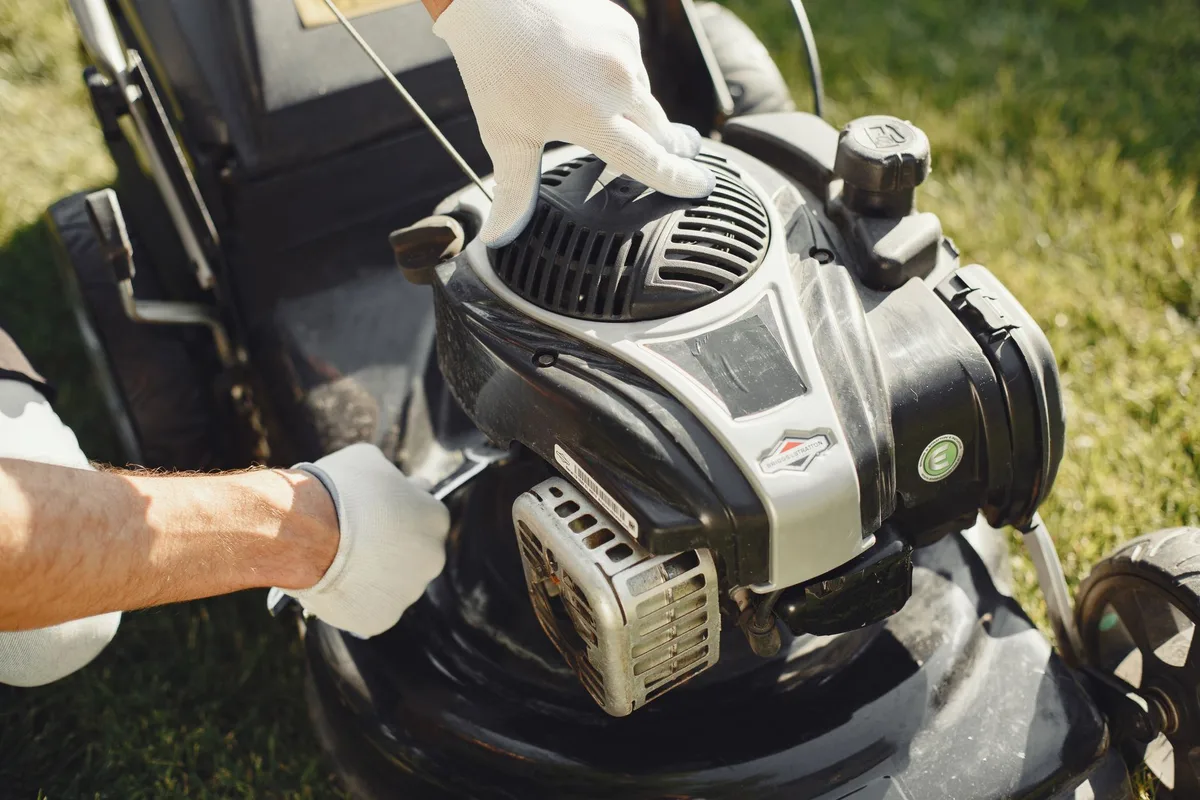
Getting the height right is a simple mechanical adjustment. But you'd be surprised how many people eyeball it and end up with a scalped lawn. Here's the exact process.
Step 1. Measure first. Don't guess. Walk out to your lawn and pull up a blade of grass.
Measure it from the soil line to the tip. That's your starting length. If it's 4 inches, you can take off a maximum of 1.3 inches.
That's the one-third rule in action.
Step 2. Pick your target range. Use the grass type and season from earlier. If you have tall fescue in summer, aim for 3.5 inches.
If you have Bermuda in spring, target 1.5 inches. Write the number down if you need to.
Step 3. Adjust the deck. Most mowers have a single lever or individual wheel adjustments. Refer to your owner's manual for the exact mechanism, but the general principle is the same.
Raise or lower the deck so the cutting blade sits at your target height. Use a tape measure from the ground to the blade tip. Don't trust the numbers printed on the deck label.
Those are often wrong by a quarter inch or more.
Step 4. Test a strip. Mow a single pass across a visible section of lawn. Stop and inspect the result.
Does it look even? Can you see brown stems sticking up? If it looks ragged, the blade might be dull.
If it's patchy, the height might be uneven across the deck. Adjust and retest.
Step 5. Check the clippings. They should be small and scattered. If they clump, you took too much off at once or the grass was wet.
Wait for it to dry and mow again at a higher setting.
This same process works every time you change the height for a new season. It takes five minutes and saves you from weeks of recovery.
Common Mistakes That Kill Lawns (And How to Avoid Them)
Most lawn damage comes from one thing. Cutting too short. It's called scalping, and it leaves brown, bare patches that take weeks to fill in.
Mistake 1: Scalping after a long delay. You go on vacation. The grass grows to 6 inches. You get home and cut it down to 2 inches in one pass.
That's a disaster. You removed more than one-third of the blade, shocking the plant. The solution is to step it down.
Cut to 4 inches, wait three days, then cut to 3 inches, and so on until you reach the target.
Mistake 2: Using the same height year-round. Cold-season grass left at summer height in fall stays wet and matted. Warm-season grass left at spring height in summer bakes in the sun. Adjusting the deck by half an inch each season prevents both problems.
Mistake 3: Cutting wet grass too low. Wet grass bends over. The blade passes over it unevenly. You end up with a ragged, uneven cut that looks like a bad haircut.
It also clumps on the lawn and smothers what's underneath. Mow when the grass is dry. If you must mow wet, raise the deck by an inch.
Mistake 4: Dull blades. A dull blade tears the grass instead of cutting it. Those torn tips turn brown within 24 hours. You get a lawn that looks stressed and dry.
Sharpen your blade every 10 to 25 hours of mowing. If you hit a rock, sharpen it immediately.
Common issue after scalping? The lawn thins out and weeds move in. At that point, you might need a broad-spectrum insecticide for carpenter ants or other pest problems that take advantage of stressed turf.
A healthy cut prevents most of that.
Pro Tips for a Better Cut Without Extra Work
You don't need to spend more time mowing. You just need to spend the same time smarter.
Follow the one-third rule without thinking about it. Here's a mental shortcut. If you mow every five days in peak season, your grass is growing about an inch a week. That means you can safely take off about a third of an inch each time.
Set your deck and forget it until the growth rate changes.
Alternate your mowing direction every week. If you always mow north to south, the grass starts leaning that way. It develops ruts. The cutting pattern becomes less effective.
Switch to east to west the next time. A diagonal pattern works even better for thick lawns.
Mulch the clippings. Don't bag them unless you're fighting weeds or the clippings are too long. Fine clippings break down fast and return nitrogen to the soil. That's free fertilizer.
The rule of thumb is if you can see the clippings after mowing, they're too long. If they disappear into the grass, you're in good shape.
Mow in the morning or evening. Midday mowing in summer stresses the grass. The heat plus the cut is a double hit. Early morning or late afternoon gives the grass time to recover before the hot part of the day.
Check the blade every month. A sharp blade makes a clean cut. A dull blade shreds. We've seen lawns that look brown not because of disease but because of a neglected blade.
Cleaning the mower air filter and checking the blade go hand in hand for a smooth-running machine.
Real‑World Scenarios: What Height for Your Exact Situation
Theory is useful. But here's how it actually plays out for different lawns.
Scenario 1: Northern homeowner with tall fescue. You live in the Northeast. Your lawn is mostly tall fescue with some Kentucky bluegrass. It's May.
Sun hits the front yard, shade covers the back. Set the deck at 3 inches for the sunny parts, 4 inches for the shady back. In July, raise both to 4 inches.
In September, drop back to 3 inches. Keep the blade sharp and the mower set to the same height for the whole yard once you find the number that works.
Scenario 2: Southern Bermuda lawn in August. You're in Texas. Your Bermuda is a weed in the neighbor's yard but a crown jewel in yours. In August, the heat is brutal.
Set the deck at 2 inches. That's at the higher end for Bermuda, but it protects the roots. Water deeply once a week.
Mow every five to seven days. If you scalp it to 0.5 inches with a reel mower, you need to water every three days. Higher cut means less work.
Scenario 3: Transition zone with mixed grass. You live in the middle of the country. Your lawn is a mix of tall fescue and zoysia. This is the hardest situation.
The fescue wants 3.5 inches in summer. The zoysia wants 2 inches. You can't satisfy both.
The best move is to pick the dominant grass and manage for that one. If it's a 50:50 split, go with the fescue height. The zoysia will survive a taller cut.
The fescue will not survive a shorter one.
Scenario 4: Overseeded winter rye. You have a warm-season lawn and overseed with annual ryegrass in winter. Cut the rye at 1.5 to 2 inches. That's shorter than you'd cut regular cool-season grass because the rye is temporary.
It'll fill in fast and die off when spring comes. Don't let it get tall. Topping up the oil before winter storage and prepping your mower for the seasonal switch makes the transition smooth.
Frequently Asked Questions
What if it rains for a week and my grass gets too tall?
Don't scalp it back to your normal height in one pass. Cut no more than one-third of the blade each time. Wait three to four days between cuts.
This gradual reduction prevents shock and keeps the lawn from turning brown.
Can I cut grass shorter to mow less often?
No. Shorter grass grows faster because the plant tries to recover. Taller grass grows slower and shades out weeds.
You end up mowing more often, not less. The sweet spot for cool-season grass is 3 to 4 inches for the longest interval between cuts.
Should I bag clippings or leave them?
Leave them if they're short. Fine clippings decompose quickly and return nutrients to the soil. Bag them only if the clippings are long enough to clump on top of the grass.
Long clumps block sunlight and can smother patches.
Does cutting shorter make the grass thicker?
Not directly. Cutting shorter removes leaf surface area, which hurts the plant. Thickness comes from lateral growth, not height.
The best way to thicken a lawn is to cut at the correct height for your grass type and let it fill in naturally.
What's the best height for St. Augustine grass?
St. Augustine is a warm-season grass that needs a taller cut than Bermuda. Set the deck at 2.5 to 4 inches.
In summer, stay at the higher end. In spring and fall, the lower end is fine. St.
Augustine does not tolerate low mowing well.
Your Personal Decision Guide: Three Questions to Find Your Number
You've made it through the details. Now it's time to put it all together. Here's a quick three-question workflow that gives you your exact mowing height.
Question 1: What grass type do I have?
If it's cool-season, your range is 2.5 to 4 inches. If it's warm-season, your range is 0.5 to 2.5 inches. Pick the low end for spring and fall.
Pick the high end for summer. If you're still unsure, cut a test strip at the middle of the range and watch how the grass responds over a week.
Question 2: What season is it right now?
In spring and fall, stay in the lower half of your range. In summer, move to the upper half. In winter dormancy, don't mow at all for warm-season grass.
For cool-season grass that stays green, keep it at 2.5 to 3 inches.
Question 3: Is this area in full sun or shade?
Shade means raise the deck by one to two inches. Full sun means you can use the standard range. If your yard is mixed, set the height for the shaded areas.
The sunny parts will adapt fine.
Here's a quick reference table:
| Your Situation | Target Height |
|---|---|
| Cool-season, spring, full sun | 2.5 to 3 inches |
| Cool-season, summer, full sun | 3.5 to 4 inches |
| Cool-season, summer, shade | 4 inches |
| Warm-season, spring, full sun | 1 to 1.5 inches |
| Warm-season, summer, full sun | 2 to 2.5 inches |
| Warm-season, shade | 2.5 inches |
That's your number. Set the deck, test a strip, and you're done. A properly cut lawn needs less water, fewer chemicals, and less work overall.
If disease or weeds do pop up, catch them early. A fungicide for lawns applied at the first sign of trouble saves you from a full renovation later. But with the right height, you probably won't need it.