Why Does Lawn Grubs 2026
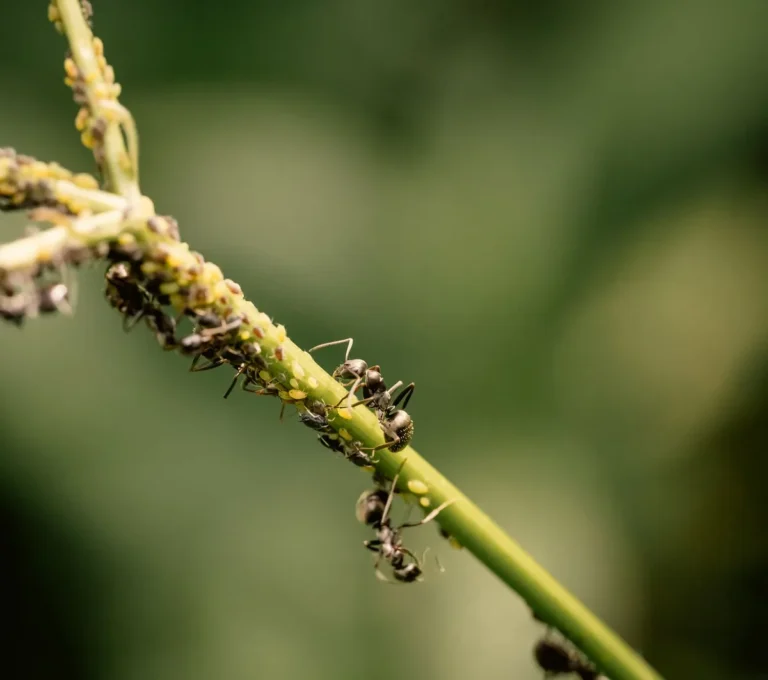
Why does lawn grubs tear up your yard? That's what you're really asking when you see brown patches spreading fast in July. The short answer is that white, C-shaped larvae of several beetle species feed on grass roots just below the surface.
Catching the right species and timing your action makes all the difference between a quick fix and a wasted season.
In our research, a count of just 6 grubs per square foot can trigger visible wilting within 10 to 14 days. That's a manageable number if you catch it early. So let's walk through the diagnostic steps that separate real grub damage from drought, disease, or dog spots.
Quick Answer
Grubs are beetle larvae that eat grass roots. They cause brown patches that peel up like carpet. Check by lifting a square foot of turf.
More than 5 per square foot means treat. Timing matters more than the product.
Problem / Pain Point
That sinking feeling hits when you grab a handful of grass and it just peels back like a loose carpet. No resistance. The roots are gone.
And you've probably already watered, fertilized, or sprayed something that didn't work.
The real frustration is that grub damage looks almost identical to a fungal disease like brown patch or dollar spot. Both show as irregular dead patches. Both get worse in hot, humid weather.
You could spend money on a fungicide for lawns when the real problem is crawling an inch below the surface.
Here's the giveaway: if the dead patch lifts easily with no roots attached, it's grubs. Fungal disease leaves the roots intact and the grass stays anchored. That one test saves you from wasting time and money on the wrong treatment.
And it tells you exactly where to focus your next step.
Core Explanation / How Grubs Destroy Grass
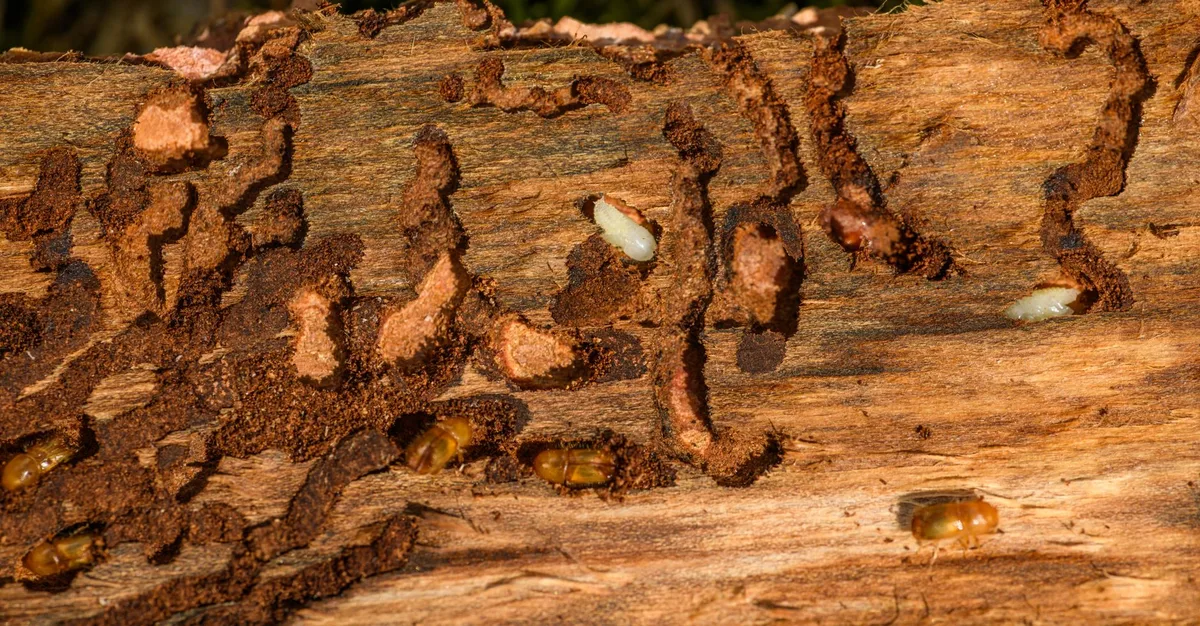
Grubs are the larval stage of beetles. The most common culprits in the US are the Japanese beetle, European chafer, June beetle, and masked chafer. They all follow a similar lifecycle, just on different timetables.
The adult beetle lays eggs in moist soil in mid to late summer. The eggs hatch into tiny grubs that immediately start feeding on fine root hairs. As they grow, they move on to thicker roots and eventually the crown of the grass plant.
That's when the damage becomes visible above ground.
The root system is the lifeline for your grass. When grubs sever those roots, the grass can't take up water or nutrients. It wilts even when the soil is wet.
It turns brown in patches that expand daily. A healthy lawn can tolerate some root loss, but once you cross that 5-to-10 grub per square foot threshold, the damage accelerates fast.
Heavy thatch, over half an inch thick, makes the problem worse. Beetles prefer to lay eggs in thatch because it stays moist and protects the eggs. Our research shows that lawns with significant thatch buildup are more likely to hit damaging grub levels year after year.
Keeping your lawn healthy with proper mowing and a regular slow-release fertilizer schedule strengthens the roots enough to buy you time if a low number of grubs shows up.
Step-by-Step Process / How to Diagnose Grubs
You don't need a soil test kit or an entomologist. You need a shovel or a sharp knife and five minutes.

Step 1: Pick a suspicious spot. Look at the edge of a brown patch where the grass is still green. That transition zone is where grubs are most active.
Step 2: Cut three sides of a 1-foot square. Use your shovel or knife to cut about 2 to 3 inches deep on three sides. Then peel the turf back like opening a book. Leave one side attached so the grass can be laid back down.
Step 3: Count the grubs. Sift through the soil and roots. Count every C-shaped white grub you see. Ignore any brown or black beetles you may find those are not root feeders.
Step 4: Compare to the threshold. Use the table below to decide if treatment is needed.
| Grub Count per Square Foot | What It Means |
|---|---|
| 0 to 5 | Low risk. Your grass can outgrow the damage. No treatment needed. |
| 6 to 10 | Moderate risk. Damage likely. Consider treatment, especially if the lawn is stressed. |
| 11 to 15 | High risk. Significant damage is happening. Treatment is strongly recommended. |
| More than 15 | Severe infestation. Immediate treatment needed. |
Step 5: Check at least three spots. Grubs are not always evenly distributed. Checking in three different areas gives you a reliable average. If the highest count is above 5, treat based on that hotspot.
Step 6: Replace the turf. Lay the flap back down and water it lightly. The grass may recover if the roots are not completely destroyed. If the flap has no roots at all, that patch is already dead and will need reseeding.
This test is the most reliable diagnostic method available. No product, no app, no visual guess comes close to what you learn by lifting the turf.
Decision Branches: What Kind of Grub Do You Have?
Here is where the workflow splits. Not all grubs are the same. The species matters because it determines your treatment window and the best product to use.
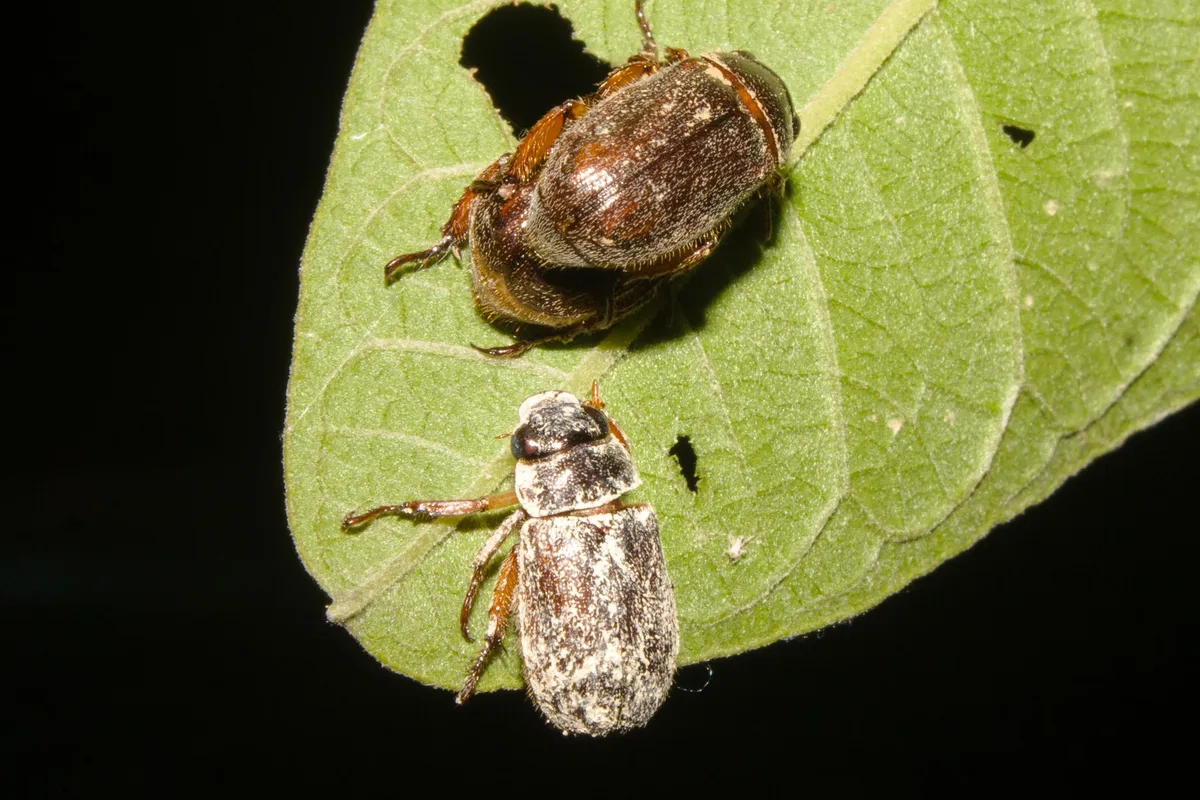
Japanese beetle grubs are the most common in the eastern and midwestern US. They feed actively in late summer and early fall, then again briefly in spring before pupating. European chafer grubs follow a similar schedule but cause more damage in the spring because they feed later into the fall and resume feeding earlier.
June beetle grubs are larger and take two to three years to complete their lifecycle. They are a problem in the southern and central states.
Here is how to tell them apart at a glance:
| Feature | Japanese Beetle | European Chafer | June Beetle |
|---|---|---|---|
| Size at maturity | 0.75 to 1 inch | 0.75 to 1 inch | 1 to 2 inches |
| Raster pattern (on rear end of belly) | V-shaped | Y-shaped | Parallel rows |
| Season of peak damage | August to October | September to April | March to May |
| Lifecycle | 1 year | 1 year | 2 to 3 years |
If you are in the Pacific Northwest, European chafer is the dominant species. If you are in the South, look for June beetle grubs that are larger and cause damage earlier in the spring. If you are in the Northeast or Midwest, Japanese beetle is the most likely culprit.
This matters because preventive insecticides work best when applied before the eggs hatch. For Japanese and chafer beetles, that means late July to early August. For June beetles, the window shifts to late spring.
A species identification from your diagnostic test tells you exactly what calendar dates to target.
Here is the simple workflow:
- If you found small grubs (under 1 inch) in late summer or early fall, that is likely Japanese beetle or European chafer. Use a preventive insecticide if the count is above 5.
- If you found large grubs (over 1.5 inches) in spring, that is likely a June beetle. You may need a different product or a curative approach because these grubs are already large and harder to kill.
- If you found a mix of sizes, you might have overlapping species. Treat for the dominant type and monitor the other.
Getting this right saves you from applying the wrong chemical at the wrong time. A misidentification could leave you with dead grass and an empty wallet.