How to Lawn Grubs 2026
You step outside one morning, and there it is, a sad, brown patch of lawn that wasn’t there yesterday. Maybe you spot a few skunks digging up the grass overnight. If that sounds familiar, you’re probably dealing with lawn grubs.
Learning how to lawn grubs starts with knowing exactly what you’re up against and how to spot the damage before it spreads.
Research from university turfgrass programs shows that a healthy lawn can tolerate up to five grubs per square foot without visible damage, but once that number hits double digits, the roots are in trouble. In this guide, we’ll walk through what grubs look like, how to confirm they’re the culprit, and when it’s time to take action. Let’s start with the short answer you came for.
Quick Answer
How to lawn grubs? Identify the pest first. Peel back a square foot of dead turf. Count the C-shaped white larvae in the soil.
If you find five to ten grubs per square foot, treatment is needed. Apply a curative insecticide or beneficial nematodes in late summer or early fall. Water the product in well.
The lawn should recover in two to three weeks.
What Lawn Grubs Actually Look Like – A Visual Breakdown
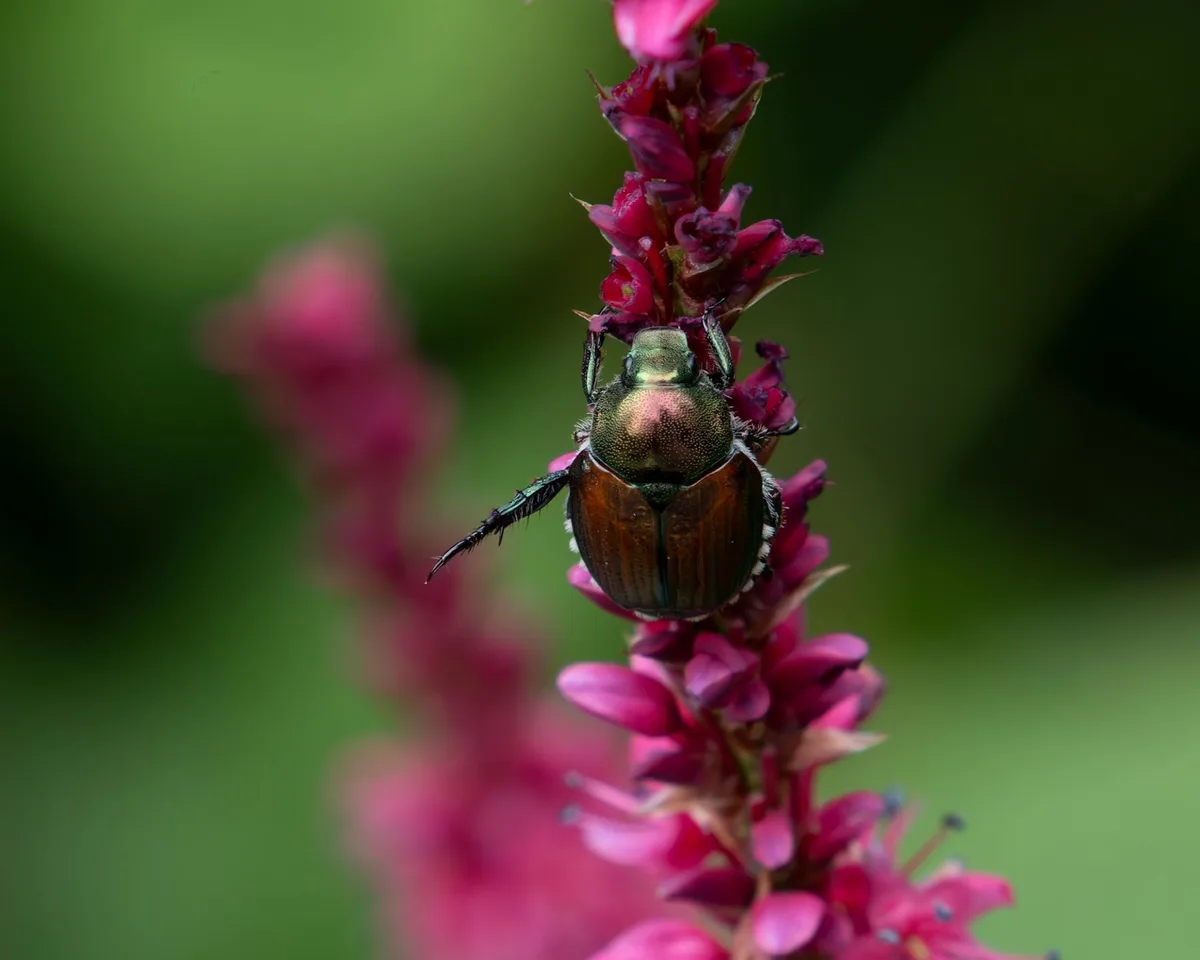
Grubs are the larvae of several beetle species, Japanese beetles, European chafers, and June beetles being the most common in North America as of 2026. They all share the same basic look: a creamy white body, a brown head capsule, and that distinctive C‑shape when disturbed. Size ranges from about half an inch to a full inch depending on the species and time of year.
If you pull back a section of turf and see these curled‑up white creatures wriggling in the top few inches of soil, you’ve found the source of the damage. The key visual clue is the brown head, that’s how you tell them apart from other soil insects like earthworms or beetle‑mimic larvae. Japanese beetle grubs are smaller and more compact, while European chafer grubs are slightly larger and plumper.
You can also check the pattern of damage. Grubs feed on roots, so the lawn dies in irregular patches that feel spongy underfoot. If you see a patch that lifts easily like a loose carpet, that’s a strong sign the roots have been chewed off.
Visual Signs of Grub Damage (What to Look For)
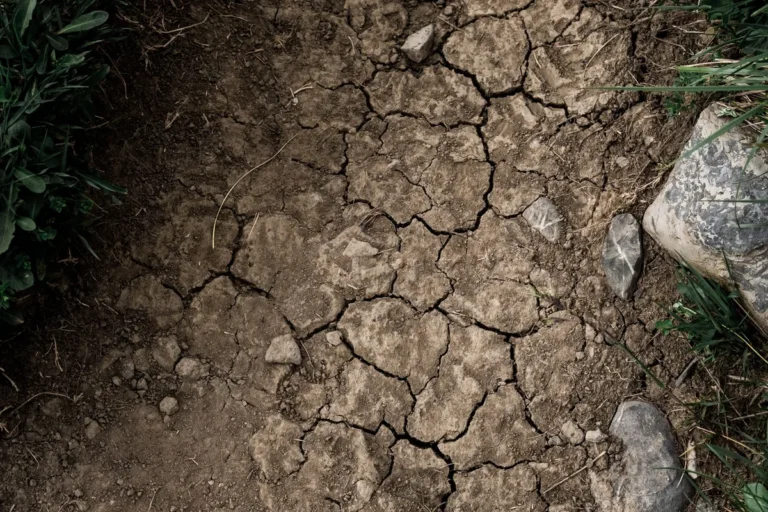
Before you dig, look for these surface clues. Brown patches that spread in late summer are the classic sign. But grub damage often mimics drought stress or fungal disease, so you need to rule those out first.
Key visual signs include:
- Turf that feels spongy or bouncy when you walk on it, roots are missing.
- Dead patches that pull up easily, grab a handful of grass and tug; if it lifts like a rug, you’ve got grubs.
- Animals digging at night, skunks, raccoons, and birds tear up the lawn hunting grubs. Their damage looks like small, cone‑shaped holes scattered across the grass.
- Increased beetle activity in early summer, Japanese beetles and chafers lay eggs in July, so a heavy beetle season often means a grub problem later.
If you spot any one of these, it’s worth performing the turf peel test. Don’t guess, check. Many homeowners treat a fungus or a dry‑spell issue when the real problem is just below the surface.
The “Turf Peel” Test – A Step-by-Step Visual Process
This is the only way to be sure. You’ll need a shovel or a garden spade and a sharp eye. Here’s how to do it:
- Cut a square. Use the shovel to cut a one‑foot by one‑foot section of turf right at the edge of a brown patch. Go about three inches deep.
- Fold back the sod. Gently lift the square like a flap of carpet. The roots should be visible on the underside.
- Sift the soil. Break up the dirt in the hole and on the lifted sod. Count every white grub you find.
- Repeat in three or four spots. One sample can give a false reading. Check multiple areas, both damaged and healthy‑looking turf nearby.
- Compare your count to the threshold. Use the table below to decide if treatment is necessary.
The test takes about ten minutes. It’s the most reliable way to diagnose a grub problem and avoid wasting money on unnecessary chemicals.
Grub Thresholds by Grass Type
Once you have your counts, use these thresholds to decide. These numbers come from turfgrass extension programs and are widely accepted as of 2026.
| Grass Type | Action Threshold (grubs per sq ft) |
|---|---|
| Cool‑season (fescue, bluegrass, perennial rye) | 5–8 |
| Warm‑season (Bermuda, zoysia, St. Augustine) | 8–12 |
| Newly seeded or thin lawn | 3–5 |
A lawn that’s stressed from drought, poor soil, or heavy foot traffic can show damage at lower counts. If you find three grubs per square foot and the lawn is already thin, it may be worth treating preventively next season rather than waiting for a full infestation.
Remember: the threshold is a guide, not a hard rule. A healthy, well‑fertilized lawn can tolerate more grubs than a weak one. If you’ve been dealing with skunk damage in addition to the brown patches, lean toward treating even at the lower end of the range.
Skunks and raccoons will tear up the entire lawn to find grubs, so their presence alone is a sign the grub population is too high.
Now that you know what to look for and how to check, the next step is choosing the right treatment method and timing it correctly.