Guide to Signs of Tree Borer Infestation 2026: Simple Steps
Your tree looks healthy in spring. By midsummer the top is thinning. You’ve noticed small holes in the bark and what looks like sawdust at the base.
These are classic Signs of Tree Borer Infestation, and catching them early makes the difference between saving the tree and losing it.
Borers are the most destructive wood-boring pests in North America. Per USDA Forest Service data, the emerald ash borer alone has killed hundreds of millions of ash trees since its discovery in 2002. Knowing what to look for is the single best defense.
Let’s start with why visual identification is your most powerful tool.
Quick Answer
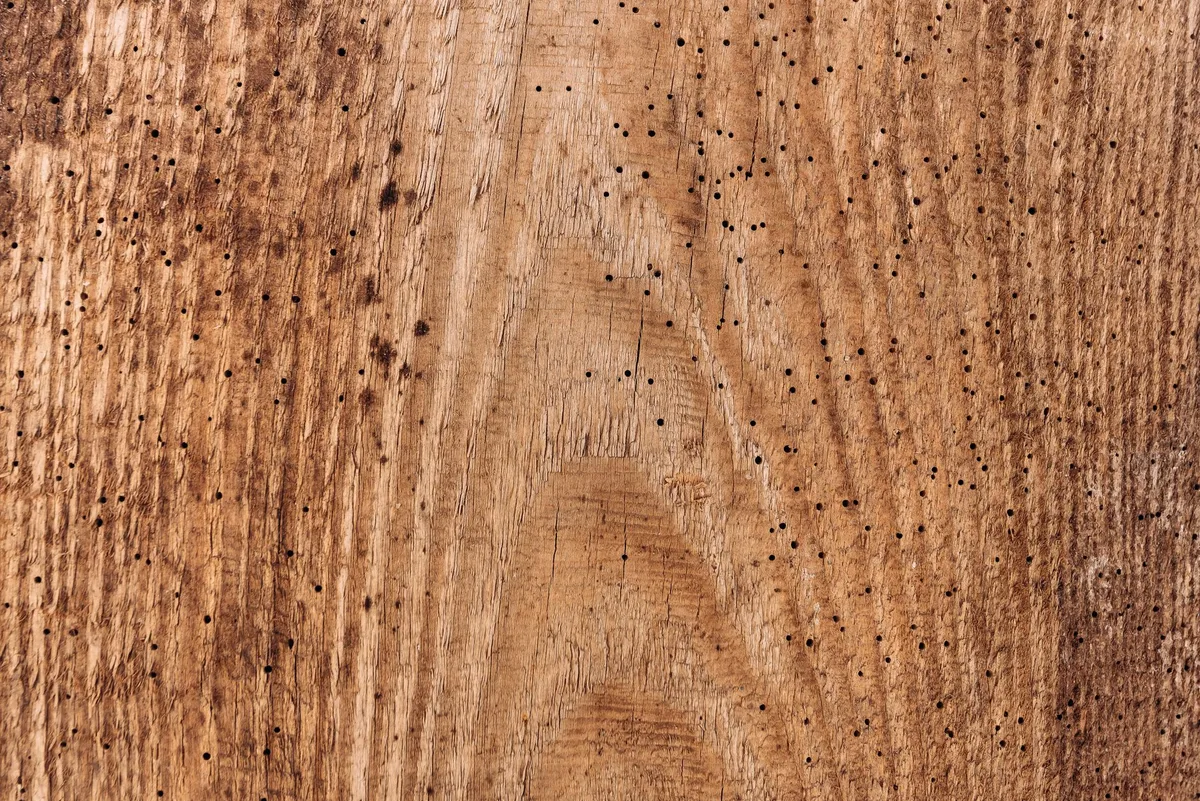
Look for D-shaped exit holes in the bark. Check for piles of fine sawdust (frass) at the tree’s base. Peel back loose bark to reveal winding tunnels (galleries).
Watch for canopy dieback starting at the top. Notice oozing sap or pitch tubes on the trunk.
Why Visual ID Matters More Than a Textbook Description
Borers spend most of their lives hidden inside the tree. You won’t see the insect itself until it emerges as an adult. The only way to catch an infestation early is by spotting the damage it leaves behind.
That’s where visual identification comes in. Our research into arborist field guides and university extension resources shows that external signs can appear weeks or even months before the tree shows obvious stress. By then, the damage is often severe.
Think of it like this. The tree looks fine from the road. But up close, the clues are there.
It is a multibillion-dollar problem. According to the USDA Forest Service, invasive borers cause an estimated $1.7 billion in annual economic losses in the United States alone.
Drought-stressed trees are a prime target for borers. We’ve covered tree selection for tougher conditions in our guide on the best trees for hot dry climates. Choosing species that thrive in your environment is a smart first step.
The Five Visual Signs You Can Actually See
These are the five signs arborists check first. If you spot any of them, take a closer look.
1. Exit Holes
Adult borers chew their way out of the tree. They leave behind a hole between 1/16-inch and 1/2-inch wide. The shape matters.
Emerald ash borer leaves a distinct D-shaped hole. Asian longhorned beetle leaves a round hole about the size of a pencil eraser.
2. Frass
Frass is a mix of sawdust and insect droppings. It collects at the base of the tree or in bark crevices. Fine sawdust looks like coarse sand.
Larger pellets resemble coffee grounds. You can also see it on branch crotches or stuck in spiderwebs.
3. Gallery Tunnels
Peel back a section of loose bark. Underneath, you might find winding tunnels packed with frass. These are galleries.
Different borers leave different patterns. Emerald ash borer creates S-shaped tunnels. Bark beetles leave short, straight tunnels.
4. Canopy Dieback
The top of the tree starts to thin out first. Leaves turn yellow or brown earlier than they should. Branches die back one by one.
This is a classic sign of a borer infestation that has been going on for a while.
5. Oozing Sap and Pitch Tubes
Some trees push sap out in response to borer tunneling. On fruit trees, this is called gummosis. On conifers, you’ll see pitch tubes.
These are small globs of resin mixed with frass. They look like popcorn on the bark.
Step-by-Step: How to Inspect Your Tree for Borers
You do not need special training to find borers. You just need to know where to look and what to look for.
What You Need
- A pair of binoculars for high branches
- A pocket knife or small pry bar for loose bark
- A white sheet or cloth to catch falling frass
- Gloves to protect your hands
Where to Start
Begin at the base of the trunk. Borers often enter near ground level. Look for frass piles on the soil or against the bark.
Run your gloved hand along the bark. Feel for rough patches or loose flakes.
Work Your Way Up
Check the south and west sides of the trunk first. Borers prefer warmer bark. Use binoculars to scan the main branches and the upper canopy.
Look for thinning leaves, dead branches, or unusual coloring.
Peel Back Bark Carefully
Find a loose section of bark near a suspected entry point. Gently pry it back. Do not strip healthy bark.
Look for gallery tunnels. If you see winding paths packed with frass, you have borers.
Use the White Sheet Trick
Place a white sheet or cloth under a branch. Gently shake the branch. If frass falls onto the sheet, you have an active infestation.
This is a reliable method used by professional arborists.
When to Call an Arborist
If you find clear signs of active borers, call a certified arborist. They can confirm the species and recommend a treatment plan. Some infestations require a professional approach.
Regular inspections are part of good tree care. If you are working on garden health, you might also check our article on the best fungicide for lawns for other common issues.
Visual Comparison: Borer Damage vs. Look-Alikes
Many tree problems look like borer damage. Here is how to tell them apart.
Woodpecker Damage
Woodpeckers drill small holes in rows or clusters. They are looking for insects. Woodpecker holes are usually shallow and do not go deep into the wood.
Borer exit holes are single, round or D-shaped, and go straight into the trunk.
Fungal Cankers
Cankers are sunken, dead areas on the bark. They are caused by fungi, not insects. Cankers do not produce frass.
If you see frass, it is borers, not a canker.
Drought Stress
Drought causes leaf wilting and browning. It starts on the entire tree at once. Borers cause canopy dieback that starts at the top and works down.
If the tree is getting enough water, the top should not be thinning.
Scale Insects and Sooty Mold
Scale insects produce a sticky liquid called honeydew. Sooty mold grows on it. This makes the bark look black and dirty.
It is not frass. Sooty mold wipes off easily with a wet cloth. Frass is gritty and does not wash away.
Knowing the difference prevents unnecessary treatments. If you are dealing with other wood pests, we have a guide on the best insecticide for carpenter ants that covers similar issues.
Key Identifier: Matching Exit Hole Shape to the Borer Species
The shape and size of the exit hole is your best clue for identifying the specific borer. Here is a quick reference.
| Borer Species | Hole Shape | Hole Diameter | Common Host Trees |
|---|---|---|---|
| Emerald ash borer | D-shaped | 1/8 inch (3 mm) | Ash |
| Asian longhorned beetle | Round | 3/8 to 1/2 inch (10-14 mm) | Maple, birch, poplar, willow |
| Bark beetles (various) | Round | 1/16 inch (1.5-2 mm) | Pine, spruce, fir |
| Clearwing moth borers | Oval or ragged | 1/4 to 3/8 inch (6-10 mm) | Apple, cherry, peach, birch |
| Oak borer | Round | 1/8 to 1/4 inch (3-6 mm) | Oak |
Why Shape Matters
A D-shaped hole is a dead giveaway for emerald ash borer. It is the only borer that makes that shape. If your ash tree has D-shaped holes, you need to act fast.
A large round hole on a maple or birch points to Asian longhorned beetle. This is a federally regulated invasive pest. You must report it to your state forestry agency or USDA APHIS.
Small round holes on a pine or spruce usually mean bark beetles. These pests attack stressed conifers and can kill a tree in one season.
Oval or ragged holes on fruit trees suggest clearwing moth borers. They target the trunk and major limbs. You might see gummosis around the hole.
Fruit trees are especially vulnerable. Our guide on the best organic fertilizer for fruit trees can help you keep them healthy and less attractive to borers.
Common Visual Mistakes Even Experienced Homeowners Make
Mistaking frass washed away by rain for no problem
Rain washes frass off the trunk and onto the ground. You might see a clean trunk and assume the tree is fine. Check the soil around the base instead.
Look in bark crevices and branch crotches where frass collects.
Confusing pitch tubes with plain sap
Pitch tubes look like popcorn on the bark. They are a mix of resin and frass. Plain sap flows freely down the trunk in streaks.
Pitch tubes stay as solid globs. Pry one open and you will find sawdust inside.
Ignoring high canopy signs
Borers often start in the upper crown first. You cannot see the top clearly from ground level. Use binoculars.
Look for dead branches, thinning leaves, or unusual coloring. If the top is sparse, check the trunk for exit holes immediately.
Thinking woodpecker rows are borer holes
Woodpeckers drill in straight rows. Their holes are shallow and do not go deep into the wood. Borer exit holes are single and go straight into the trunk.
Woodpecker damage looks like a dotted line. Borer holes look like scattered perforations.
Overlooking the south and west sides
Borers prefer warm bark. Check the south and west sides of the trunk first. These sides get the most sun throughout the day.
Signs often show up there before anywhere else on the tree.
When Visual Signs Alone Are Not Enough
Some infestations stay hidden. The tree looks healthy from the outside. The only clues are inside the bark.
Here is when you need to dig deeper.
When to test by peeling bark
If you see a small patch of loose bark near a suspicious area, gently pry it back. Do not strip healthy bark. Look for gallery tunnels packed with frass.
If you find winding paths, you have an active infestation.
When to collect a sample
If you find frass but no holes, collect a sample. Put it in a sealed plastic bag. Send it to your state extension service or a university diagnostic lab.
They can identify the borer species from the frass alone.
When to call a certified arborist
Call an arborist if you find clear signs but cannot see the full damage. They have tools for inspecting the crown and trunk. They can also recommend a treatment plan.
Waiting too long reduces your options.
When to report to authorities
If you suspect emerald ash borer or Asian longhorned beetle, report it immediately. Contact your state forestry agency or USDA APHIS. These are federally regulated invasive pests.
Early reporting helps prevent spread to neighboring areas.
Your trees might be part of a larger landscape plan. If you are thinking about replanting, check our guide on the best flowers for flower beds for complementary planting ideas.
What to Do After You Confirm Borers
Once you have confirmed an active infestation, you have two options. Treat the tree or remove it. The decision depends on the tree species, the damage extent, and your local regulations.
Systemic insecticide treatment options
Systemic insecticides are applied to the soil or injected into the trunk. They are most effective when caught early. The best time for treatment is spring before adults emerge.
Per manufacturer specifications, imidacloprid and emamectin benzoate are the most common active ingredients.
Tree removal vs. treatment decision guide
| Condition | Recommended Action |
|---|---|
| Less than 30% canopy dieback | Treatment is a good option |
| 30% to 50% canopy dieback | Treatment may work but results are uncertain |
| More than 50% canopy dieback | Removal is usually the better choice |
| Tree is dead or nearly dead | Remove immediately |
Preventing spread to nearby trees
Remove infested wood promptly. Chip it or burn it if local regulations allow. Never move firewood.
Moving firewood is the main way borers spread to new areas. Stack firewood away from healthy trees.
Reporting invasive species
If you have emerald ash borer or Asian longhorned beetle, report it. Your state forestry agency will provide guidance. They may offer free disposal of infested wood.
Some areas have quarantine zones with specific rules.
Considering replacement trees
If removal is necessary, choose a species resistant to local borers. Our guide on the best trees for hot dry climates includes species that handle stress well. Healthy trees are less attractive to borers.
Pro Tips for Finding Signs Early Before the Tree Dies
Catching borers early gives you the best chance of saving the tree. Here are tips from arborist field guides and extension resources.
Check stressed trees first
Borers target stressed trees. A tree that has been through drought, construction damage, or a storm is a prime target. Check those trees first.
They are the most vulnerable.
Look at the south and west sides
These sides get the most sun. Borers prefer warm bark. Check the south and west sides of the trunk first.
You will often find signs there before anywhere else.
Best time of year to inspect
Late summer and early fall are the best times. Adult borers emerge in late spring and summer. Exit holes are freshest in late summer.
Frass is still visible before autumn rain washes it away.
Use a white sheet under branches
Place a white sheet under a branch. Gently shake the branch. If frass falls onto the sheet, you have an active infestation.
This is a reliable method used by professional arborists.
Check branch crotches
Frass collects in branch crotches. Look there first. It is a common place to find early signs before they reach the ground.
Inspect after storms
Storms can cause hidden damage. Check trees that have lost major limbs. Borers love fresh wounds.
A storm-damaged tree is a high priority for inspection.
Keep records year to year
Take photos of suspicious spots. Compare them next season. Borer damage progresses slowly.
A small exit hole this year could mean a dead branch next year.
Frequently Asked Questions
Can a tree recover from borers?
Yes, if caught early and treated properly. Trees with less than 30% canopy dieback have a good chance. Systemic insecticides can stop the infestation.
The tree will need time and care to recover fully.
How long after signs appear will the tree die?
It depends on the borer species and tree health. Emerald ash borer can kill a tree in one to three years. Bark beetles can kill a tree in one season.
Catching it early is the only way to save it.
Are borers always fatal?
No. Many trees survive with treatment. Stressed trees are more at risk.
Healthy trees can fight off minor infestations on their own. The key is early detection and prompt action.
Should I treat preventively?
Only if you have a high value tree in an area with known borers. Preventive treatment is expensive and not always necessary. Check with your local extension office for guidance.
They know the risk levels in your area.
What is the best treatment for borers?
Systemic insecticides are the most effective option. Imidacloprid and emamectin benzoate are the most common active ingredients. They are applied in spring before adults emerge.
Professional application is recommended for best results.
How do I prevent borers from coming back?
Keep your trees healthy. Water them during drought. Avoid damage from lawn equipment.
Mulch around the base. Healthy trees resist borers much better than stressed trees.
Final Takeaway: One Visual Checklist You Can Use Right Now
Here is a quick checklist to run through the next time you check your trees. Print it or save it on your phone.
Before you start
- Grab binoculars, a pocket knife, and a white sheet.
- Walk around the tree. Start at the base.
- Focus on the south and west sides of the trunk.
Visual signs to spot
- Look for D-shaped or round exit holes in the bark.
- Check for frass at the base, in bark crevices, and on branch crotches.
- Peel a loose bark section and look for gallery tunnels.
- Scan the upper canopy for dieback starting at the top.
- Inspect for oozing sap or pitch tubes.
What each sign means
| Sign | What to do next |
|---|---|
| D-shaped hole on ash | Report to state forestry. Consider treatment. |
| Large round hole on maple | Check for Asian longhorned beetle. Report it. |
| Small round holes on pine | Likely bark beetles. Remove the tree if damage is extensive. |
| Frass with no visible hole | Peel bark nearby or collect a sample. |
| Canopy dieback only | Rule out drought first. Then inspect trunk for holes. |
When to act
- Less than 30% dieback: treat with systemic insecticide in spring.
- 30% to 50% dieback: consult an arborist. Results are uncertain.
- Over 50% dieback or dead tree: remove it and replace with a resistant species.
The key is consistency. Check your trees at least twice a year, once in late spring and again in early fall. The earlier you catch the signs, the more options you have.
If you are replacing trees, consider species that thrive in your local climate. Healthy trees resist borers. Stressed trees attract them.
That simple truth is your best long-term defense.