How to Control Nutsedge in Lawns 2026
If you’ve spotted a grass-like weed in your lawn that grows faster than everything else and laughs at pulling, you’re dealing with nutsedge. It’s not actually a grass, it’s a sedge, and it behaves very differently. That’s why most people fail to control it the first time around.
Learning how to control nutsedge in lawns requires understanding what makes it tick.
One single nutsedge plant can produce hundreds of underground tubers in a single growing season. Each tuber can stay dormant in the soil for years, just waiting for the right conditions to sprout. As of 2026, research from university turfgrass programs confirms that selective post-emergent herbicides remain the most reliable approach.
Let’s walk through what actually works and what doesn’t.
Quick Answer
Start with correct identification. Look for a triangular stem and leaves that grow in sets of three. Apply a selective herbicide with sulfentrazone or halosulfuron-methyl during active growth.
Target late spring or early summer for the first treatment. Plan on two to three applications per season to deplete the tuber bank.
The Two Kinds of Nutsedge (and Why It Makes a Difference)
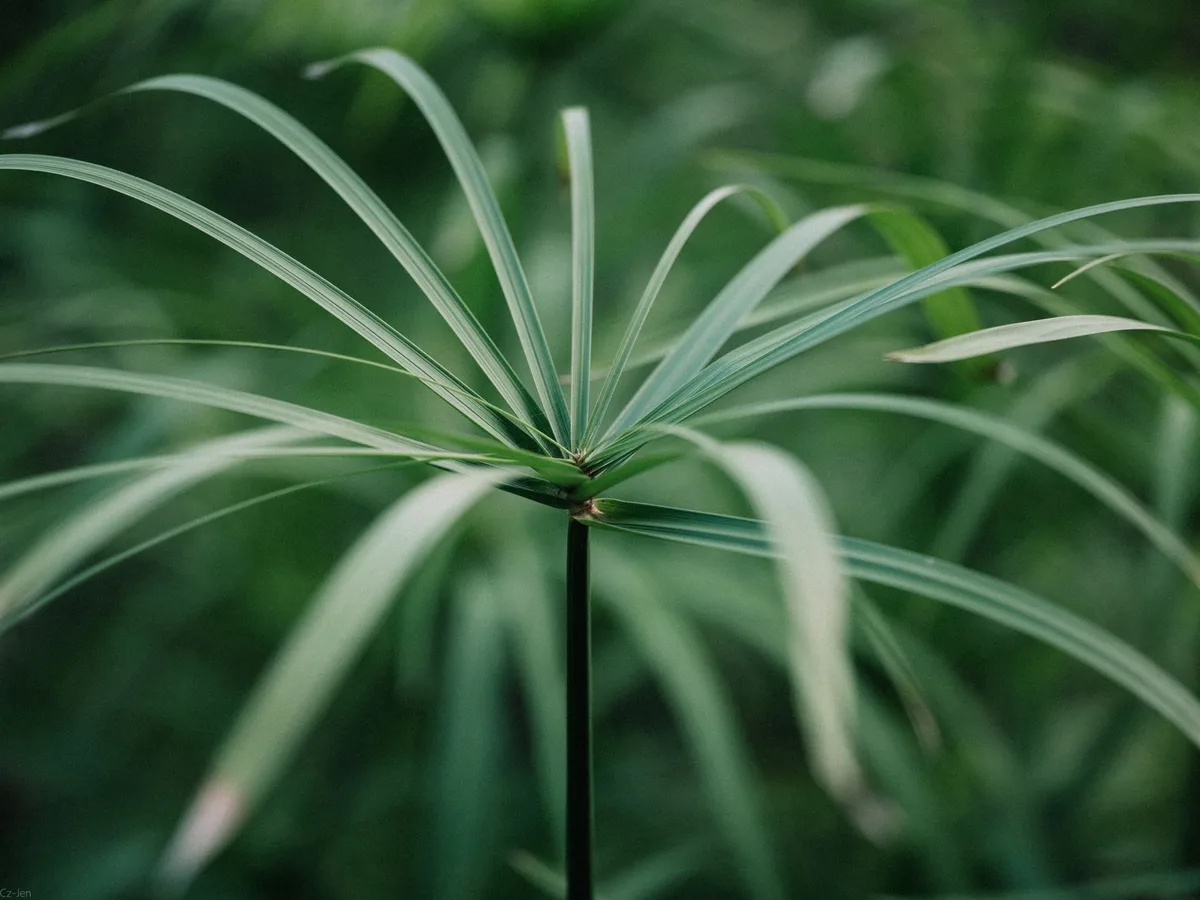
Not all nutsedge is the same. The two species you’ll encounter in North American lawns are yellow nutsedge (Cyperus esculentus) and purple nutsedge (Cyperus rotundus). They look similar from a distance, but the differences matter for control.
Yellow nutsedge is more common in northern and transition zone lawns. It grows lighter green, produces yellowish-brown seedheads, and its tubers form at the ends of long rhizomes. Purple nutsedge dominates in southern regions.
It has darker leaves, reddish-purple seedheads, and its tubers chain together in a connected network underground.
Here is the practical difference. Purple nutsedge is harder to kill. It builds a denser tuber system and responds less reliably to certain herbicides.
If you have purple nutsedge, you need a stronger active ingredient and more repeat applications.
| Feature | Yellow Nutsedge | Purple Nutsedge |
|---|---|---|
| Leaf color | Light green | Dark green |
| Seedhead color | Yellowish-brown | Reddish-purple |
| Tuber arrangement | End of rhizome chains | Connected chains |
| Control difficulty | Moderate | Higher |
| Primary region | North / transition zone | South |
What to Look For: Key Identification Details
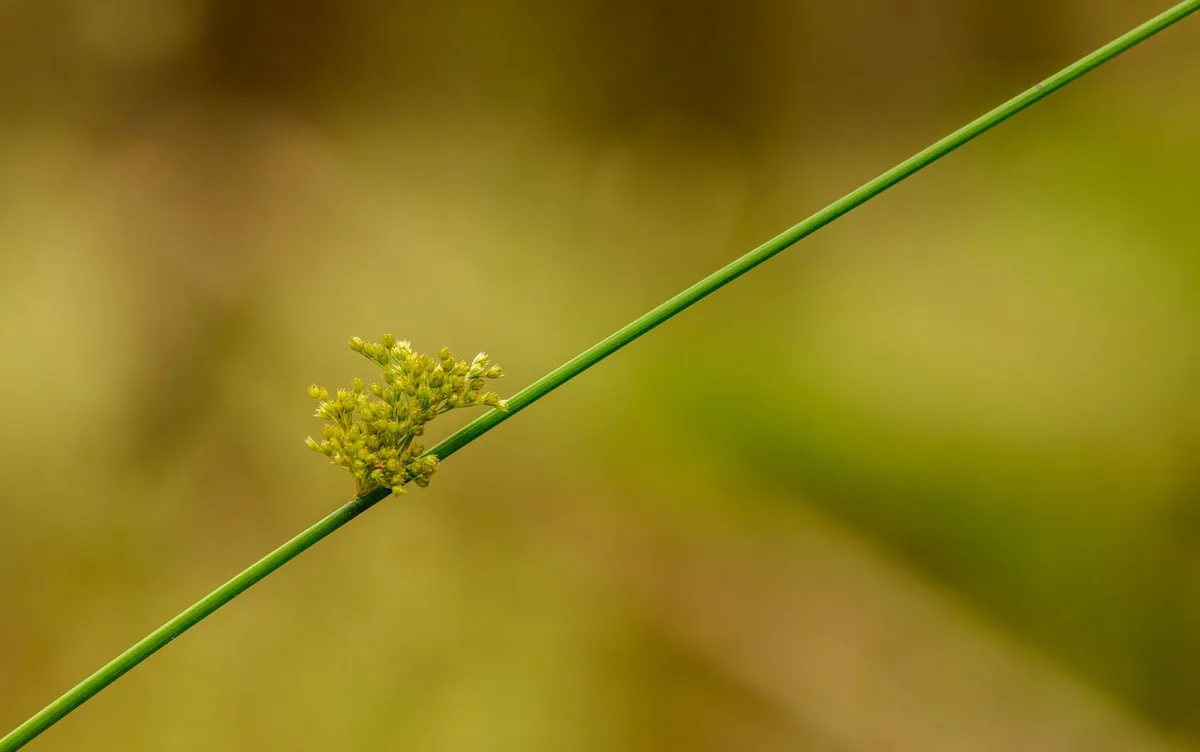
Misidentification is the number one reason people fail to control nutsedge. They treat it like a regular grass weed and wonder why nothing happens.
Here are the three main clues to look for.
Roll the stem between your fingers. Grass stems are round or flat. Nutsedge stems are triangular. You can feel the edges.
This is the quickest way to confirm you are dealing with a sedge, not a grass.
Check the leaf arrangement. Grass leaves grow in two ranks, opposite each other. Nutsedge leaves grow in three ranks around the stem. Look at the base of the plant and count the angles.
Look at the growth rate. Nutsedge grows noticeably faster than your lawn grass. After mowing, it will be the first thing to poke up above the canopy. If you see a weed that seems to outrun the mower every time, it is almost certainly nutsedge.
The plant also thrives in moist, compacted, or poorly drained soil. If you have a low spot where water collects, check there first. Nutsedge often appears in these areas before spreading to the rest of the lawn.
Why Most Home Remedies Fail
This is the part that frustrates most homeowners. You pull the weed, it comes right back. You spray vinegar, it wilts for a day, then regrows.
You apply a weed-and-feed product, and nothing happens at all.
Here is why.
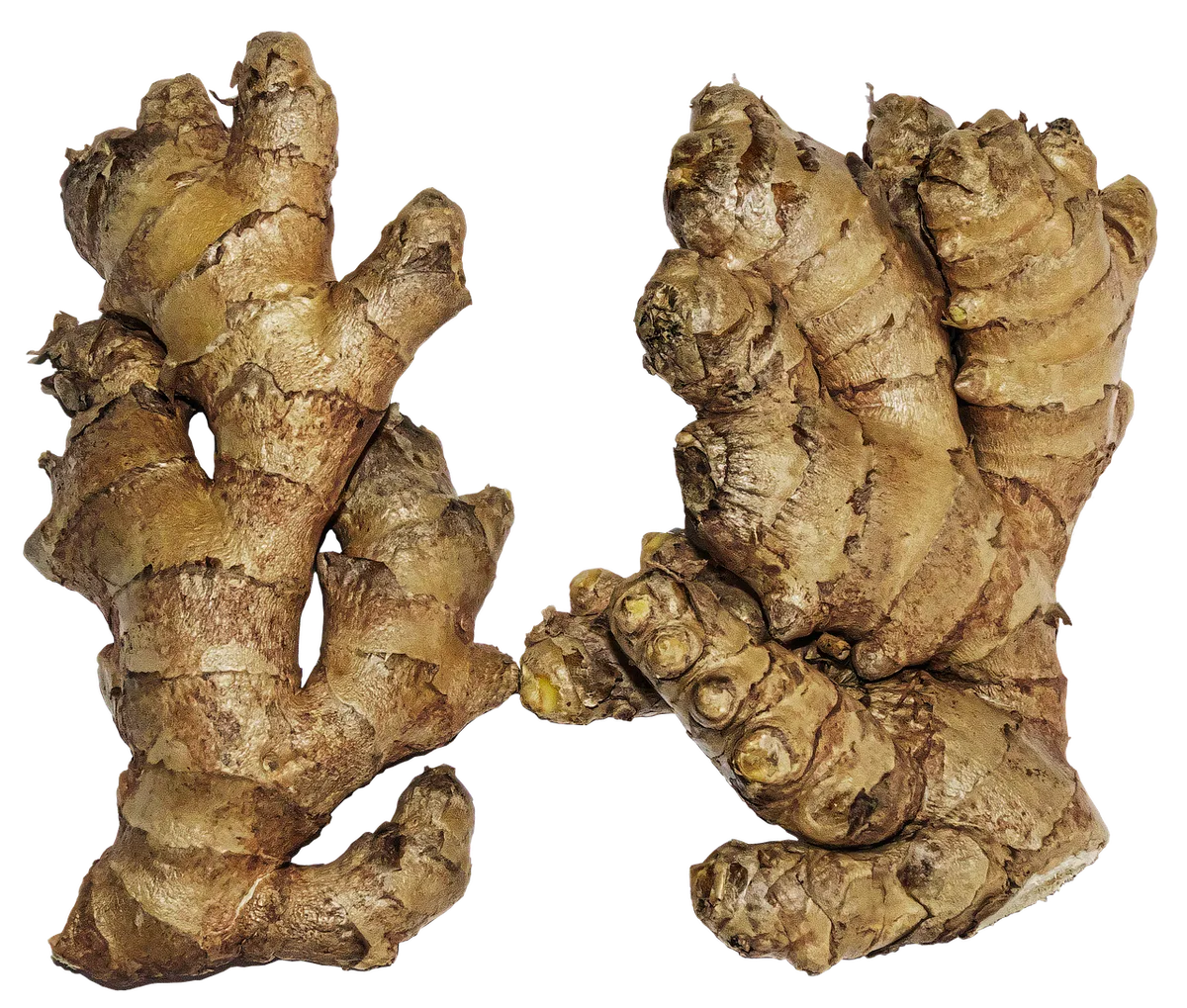
Nutsedge propagates primarily through underground tubers and rhizomes. What you see above ground is just the tip of the iceberg. The real plant lives below the surface.
A single tuber can produce multiple shoots, and each shoot creates new tubers. Pulling the top removes the leaves but leaves the tuber intact. It will sprout again within days.
Contact killers like vinegar or clove oil only burn the foliage. They do not travel down to the tuber system. You might kill the visible growth, but you have not touched the storage organ.
The plant just regrows from the energy stored in the tuber.
Pre-emergent herbicides designed for annual grasses have almost no effect on nutsedge. Products containing prodiamine or dithiopyr are standard for crabgrass prevention. They simply do not work on perennial sedges that sprout from tubers buried several inches deep.
The takeaway is straightforward. Surface treatments fail because the real target is underground. You need a systemic herbicide that moves through the plant and kills the tubers.
Chemical Control: What Works and What Doesn’t
Selective post-emergent herbicides are the standard tool for controlling nutsedge in lawns. The active ingredients you want to look for are sulfentrazone, halosulfuron-methyl, and imazaquin. Each works differently, but all three are systemic.
They get absorbed by the leaves and move down into the root system and tubers.
Sulfentrazone is the most common option for homeowners. It is available in many broad-spectrum weed killers sold at garden centers. It controls both yellow and purple nutsedge, though purple may need a higher rate.
It also controls a range of broadleaf weeds, which is a nice bonus.
Halosulfuron-methyl is more selective. It targets sedges specifically and is safe on most turfgrass species. It works well on yellow nutsedge and is a good choice if you only have a small patch to treat.
Imazaquin is effective but carries more restrictions. It can injure certain grass types, including tall fescue and perennial ryegrass. It is more commonly used by professionals.
What about non-selective herbicides? Glyphosate will kill nutsedge, but it kills everything else too. Use it only for spot treatment in bare areas, cracks in pavement, or if you are planning to renovate the entire lawn.
Here is one thing many people get wrong. Weed-and-feed products that combine fertilizer with a broadleaf herbicide will not touch nutsedge. They do not contain the right active ingredients.
You need a product specifically labeled for sedge control.
| Active Ingredient | Works on Yellow | Works on Purple | Safe on Most Lawns |
|---|---|---|---|
| Sulfentrazone | Yes | Yes | Yes |
| Halosulfuron-methyl | Yes | Moderate | Yes |
| Imazaquin | Yes | Yes | Limited |
| Glyphosate (non-selective) | Yes | Yes | No |
Application timing matters more than product choice. Treat nutsedge when it is actively growing and temperatures are between 60 and 85 degrees Fahrenheit. Early summer, after the plant has fully leafed out but before it starts producing new tubers, is the sweet spot. Late season treatments after tubers have already formed are much less effective.
Step-by-Step: How to Treat Nutsedge Safely
Let’s walk through the actual process. This assumes you have confirmed identification and chosen a selective herbicide with sulfentrazone or halosulfuron-methyl.
Step 1: Read the label. This is not a suggestion, it is the law. The label tells you the correct application rate, which grass types are safe, and the waiting period before rain or irrigation. Every product is different.
Do not guess.
Step 2: Calibrate your sprayer. If you are using a hose-end sprayer, test the output over a known area. If you are using a pump sprayer, mark the water level and mix according to the label rate. Too little does nothing.
Too much can injure your lawn.
Step 3: Apply during active growth. The best time is late morning or early afternoon on a calm day. Weeds need to be actively growing and not stressed by drought. Water the lawn the day before if the soil is dry.
Step 4: Avoid mowing for 2 to 3 days before and after. You want plenty of leaf surface to absorb the herbicide. Mowing right before application removes the leaves you need to treat.
Step 5: Wait for symptoms. You will start seeing results in 7 to 21 days. The nutsedge will yellow, stunt, and eventually die back. Do not expect overnight results.
Systemic herbicides take time to move through the plant.
Step 6: Repeat as needed. One application rarely wipes out the entire tuber bank. Monitor the treated area for regrowth. If new shoots appear, wait the interval listed on the label and apply again.
Most lawns need two to three treatments per season for full control.
Step 7: Keep children and pets off until dry. Reentry is safe once the spray has dried completely, usually 1 to 4 hours depending on temperature and humidity.
Follow product-specific guidance for watering. Some herbicides need to be watered in with half an inch of rain or irrigation within 24 hours. Others require a dry period.
The label will tell you exactly which approach to take.
The Timing Window That Makes or Breaks Results
Timing is everything with nutsedge. Apply too early and the plant is still relying on stored tuber energy. The herbicide won’t move through the plant effectively.
Apply too late and new tubers have already formed, making the treatment much less impactful.
The sweet spot is when the plant has at least four to six fully expanded leaves. This usually happens in late spring to early summer, when soil temperatures reach about 60 degrees Fahrenheit. You want the nutsedge actively growing and pulling nutrients up from the roots.
Look for the seedhead stage as your deadline. Once the plant starts producing seedheads, it has already begun forming new tubers. You can still treat it, but you will need more applications. The goal is to hit it before that reproductive phase begins.
Morning applications work best. The plant is fully hydrated and the leaves are turgid. This helps the herbicide absorb more effectively.
Avoid applying during heat stress or drought conditions. Stressed plants close their stomata and take in less product.
Common Mistakes That Worsen the Problem
Pulling nutsedge by hand is the most common mistake. It feels productive. You see results immediately. But you are leaving the tubers underground, and disturbing the soil encourages more tubers to sprout.
Each pulled plant can turn into ten new shoots within weeks.
Using a broadleaf weed killer that does not contain a sedge-active ingredient. Products like 2,4-D or dicamba control dandelions and clover. They do not touch nutsedge. You need sulfentrazone, halosulfuron-methyl, or imazaquin specifically.
Check the label for the words “nutsedge” or “sedge.”
Applying a single treatment and calling it done. One application rarely wipes out the tuber bank. Expect to retreat the same area two or three times per season. Skipping the follow-up is the reason most people deal with nutsedge year after year.
Mowing too short before or after treatment. Scalping the lawn removes leaf surface area that the herbicide needs to enter the plant. Keep your mowing height at the recommended level for your grass type. Wait at least three days before and after application.
Fertilizing heavily during a nutsedge outbreak. High nitrogen feeds the nutsedge just as much as your lawn. In some cases, it makes the problem worse because nutsedge responds faster to nitrogen than most turfgrasses. Use a balanced or low-nitrogen fertilizer while you are working on control.
Safety, Label Laws, and Protecting Your Lawn
Herbicide labels are not suggestions. They are legally binding documents under the Federal Insecticide, Fungicide, and Rodenticide Act. Every instruction about application rate, timing, and protective equipment is law.
Ignoring them can result in fines, but more importantly, it can damage your lawn and harm your family.
Wear the recommended protective gear when mixing concentrates. Long sleeves, long pants, chemical-resistant gloves, and safety glasses are standard. If the label specifies a respirator, use one. Concentrated herbicides are much stronger than the diluted spray that hits the lawn.
Keep children and pets off the treated area until the spray is completely dry. This typically takes one to four hours depending on temperature and humidity. The dried residue is generally safe, but the wet spray can cause skin irritation if contacted.
Do not apply near water features, drainage ditches, or storm drains. Many herbicides are toxic to aquatic life. A buffer zone of at least 15 feet is recommended. If you have a pond or stream on your property, use a hand sprayer for spot treatment instead of a broadcast application.
Store herbicides in their original containers, out of reach of children and pets. A locked cabinet in a cool, dry area is best. Never transfer herbicide to unlabeled containers, especially drink bottles. Disposal at a household hazardous waste facility is required for leftover product.
What to Expect After Treatment (Timeline)
Results do not happen overnight. Here is a realistic timeline based on research and field reports.
| Time After Application | What You Should See |
|---|---|
| 3 to 5 days | Very little change. The plant looks normal. |
| 7 to 14 days | Yellowing or browning of the leaf tips. Growth slows visibly. |
| 14 to 21 days | Significant dieback. Leaves turn brown and collapse. |
| 21 to 30 days | New shoots may appear from surviving tubers. |
| After 30 days | Assess regrowth and plan second application if needed. |
The yellowing and stunting are good signs. They mean the systemic herbicide is moving through the plant and reaching the tubers. Do not be tempted to retreat too soon.
Give the product time to work.
If you see no visible change after three weeks, check two things. First, did you apply at the correct rate? Second, was the plant actively growing at the time of application?
If both are yes, you may have a resistant population. Try switching to a different active ingredient for the next application.
Keeping Nutsedge From Coming Back
Prevention is easier than treatment. Once you have the infestation under control, focus on making the lawn inhospitable to new nutsedge plants.
Improve drainage where possible. Nutsedge thrives in moist soil. Core aeration helps relieve compaction and allows water to drain more effectively. If you have a low spot that stays wet for days after rain, consider amending the soil or installing a simple French drain.
Mow at the right height for your grass type. Taller grass shades the soil and makes it harder for nutsedge seedlings to establish. For cool-season grasses, keep the height at three to four inches. For warm-season grasses, follow the recommended range for your specific variety.
Water deeply and infrequently. Shallow, frequent watering encourages nutsedge. Deep watering promotes deeper root growth for your lawn grass, which makes it more competitive. Aim for one inch of water per week, applied in one or two sessions.
Do not over-fertilize with nitrogen. Nutsedge responds faster to nitrogen than most turfgrasses. Use a slow-release fertilizer with moderate nitrogen content. Soil testing every few years tells you exactly what your lawn needs.
Monitor the same spots every spring. The first warm days will tell you whether the tuber bank is truly depleted. If you see a few shoots, treat them immediately before they can produce new tubers. Early intervention is the cheapest and easiest approach.
Real Scenarios: When to Treat vs. When to Renovate
Most nutsedge infestations can be handled with selective herbicides over two or three seasons. But some situations call for a complete lawn renovation.
Treat if the infestation covers less than 30 percent of your lawn. Spot treatments and repeat applications will gradually deplete the tuber bank. The grass around it will fill in naturally.
Renovate if nutsedge has taken over more than half the lawn. In these cases, the tuber density is too high for selective control alone. Kill everything with glyphosate, wait two weeks, till the soil, and start fresh with sod or seed.
Treat if the infestation is in a single area that drains poorly. Fix the drainage issue first, then apply herbicide. The nutsedge will keep coming back until the soil dries out.
Renovate if you are dealing with purple nutsedge in a warm climate lawn. It resists many selective products. Starting over with a sterile base can save years of frustration.
FAQs About Nutsedge Control
Does vinegar kill nutsedge permanently?
No. Vinegar is a contact killer that only burns the foliage. It does not reach the underground tubers.
The plant will regrow from stored energy within a week or two.
Can I pull nutsedge by hand?
You can, but it usually makes things worse. Pulling removes the top growth while leaving tubers intact. Disturbing the soil also triggers dormant tubers to sprout.
You end up with more plants than you started with.
How many treatments does it take to get rid of nutsedge?
Most lawns need two to three applications per season for at least two growing seasons. The exact number depends on the species and how established the tuber bank is. Yellow nutsedge typically clears faster than purple.
Is nutsedge harmful to pets?
The plant itself is not toxic. But the herbicides used to control it can be. Keep pets off the lawn until the spray has fully dried.
Check the product label for specific reentry instructions.
Why does nutsedge keep coming back after treatment?
Surviving tubers are the usual reason. One application rarely kills every tuber. Each survivor can produce new shoots within weeks.
This is why follow-up treatments are essential.
When to Call a Professional
Some situations are best handled by a licensed lawn care operator.
You have tried selective herbicides for two seasons without success. A professional has access to restricted-use products that are more effective on resistant populations. They also have calibrated equipment that applies the right rate every time.
The infestation covers more than half an acre. Broadcast applications at that scale require commercial sprayers. Hand spraying that much area is impractical and inconsistent.
You are dealing with purple nutsedge in a warm-season lawn like St. Augustine or centipede grass. These grasses are sensitive to many herbicides. One wrong product can destroy large sections of your lawn.
A pro knows which products are safe for each grass type.
You have a water feature or well on the property. Runoff regulations are strict. Licensed applicators understand buffer zones and can apply products without contaminating groundwater.
Your Action Plan: Quick Decision Guide
Here is a simple decision tree to follow based on your situation.
Step 1. Confirm identification. Roll the stem between your fingers. Triangular means nutsedge.
If it is round, you have a different weed.
Step 2. Check the species. Look at the seedhead color. Yellowish is yellow nutsedge.
Reddish-purple is purple nutsedge. Purple needs a stronger product and more repeats.
Step 3. Evaluate the infestation size. Less than 30 percent of the lawn means spot treatments. More than 50 percent means consider renovation.
Step 4. Choose your product. Sulfentrazone for most situations. Halosulfuron-methyl for yellow nutsedge only.
Glyphosate for bare ground or renovation.
Step 5. Time the application. Late spring to early summer. Four to six leaves present.
Soil temperature above 60 degrees Fahrenheit.
Step 6. Apply and wait. Expect visible results in two to three weeks. Retreat as needed.
Plan on two to three treatments per season.
Step 7. Prevent reinfestation. Improve drainage, mow at the right height, water deeply and infrequently, and avoid high-nitrogen fertilizers.
Stick with the plan. Nutsedge is stubborn, but it is not invincible. Each treatment depletes the tuber bank.
You will see less each year until it is gone.