Guide to Can Weed Killer Kill Grass Roots: Easy Methods
You’re standing in your yard, sprayer in hand, staring at a patch of dandelions. But that voice in your head is asking the real question: Can weed killer kill grass roots?
It’s a fair concern. One wrong move and your whole lawn could be toast. The short answer: it depends on what you’re spraying and what kind of grass you have.
As of 2026, research from university turfgrass programs confirms that the difference between a safe application and a root-killing disaster comes down to herbicide chemistry and timing. Let’s walk through the variables so you don’t learn the hard way.
Start Here: The One-Minute Rule of Thumb
If you’re spraying a selective broadleaf weed killer (like ones containing 2,4-D or dicamba) onto a healthy lawn of cool-season grass, your grass roots are likely safe. If you’re spraying a non-selective product (glyphosate is the most common), those roots are dead within days. The label tells you which one you’ve got, read it before you mix.
How Different Weed Killers Reach (or Spare) Grass Roots
Herbicides work in two basic ways: they either move through the plant’s vascular system (systemic) or kill only what they touch (contact). That makes all the difference for roots.
Foliar-Active vs. Soil-Active: Where the Chemical Goes
Foliar-active herbicides land on leaves and get absorbed. If they’re systemic, they travel down to roots. Glyphosate is foliar-active and systemic, once it hits a leaf, it moves through the whole plant, roots included.
Soil-active herbicides get taken up through roots directly. Pre-emergents like prodiamine work this way. They form a barrier in the soil.
Grass roots growing through that barrier absorb the chemical and die.
Systemic vs. Contact: Why It Matters to Roots
Contact herbicides only kill the parts they touch. They don’t move to roots. So even if you spray a contact weed killer on grass leaves, the roots can survive.
Good news if you accidentally hit your lawn. Bad news if you’re trying to kill deep-rooted weeds.
Systemic herbicides are the ones that kill roots. That’s why they’re so effective on perennials, and why you have to be careful.
| Herbicide Type | Example Active Ingredient | Kills Grass Roots? | How It Works |
|---|---|---|---|
| Non-selective systemic | Glyphosate | Yes – roots die within days | Absorbed by leaves, translocated to roots |
| Selective systemic (broadleaf) | 2,4-D, dicamba, MCPP | Usually no – grass roots are spared | Absorbed by leaves, moves through broadleaf weeds only |
| Contact non-selective | Glufosinate | No – only kills foliage | Burns leaves on contact, roots survive |
| Pre-emergent soil-active | Prodiamine, dithiopyr | Yes – kills germinating grass roots | Absorbed by roots of young seedlings |
First Branch: What Weed Killer Are You Using?
This is the single most important decision point. Pick the wrong product for your situation and you’ll be patching dead patches all season.

You’re Using a Non-Selective Herbicide (Like Glyphosate)
If you’ve got a bottle of glyphosate concentrate and you spray it on grass, expect the roots to die. That’s the whole point. It’s designed for total vegetation kill, think driveways, patios, or spot-killing weeds in garden beds.
If you’re trying to renovate a lawn completely, this is the tool. You apply it, wait 7, 14 days, then the roots are dead, and you can start fresh. But if you’re trying to keep your existing lawn and just kill clover?
Wrong tool.
You’re Using a Selective Broadleaf Weed Killer (Like 2,4-D)
Selective herbicides contain ingredients that target broadleaf plants while leaving grasses mostly alone. Products with 2,4-D, dicamba, or MCPP are common. They’re absorbed by broadleaf weed leaves and move through the weed’s system, but grass plants are physiologically different, they don’t get damaged the same way.
In our research, most selective herbicides are safe for established grass roots when used according to the label. The catch: some grass species are more sensitive. More on that in a moment.
You’re Using a Pre-Emergent (Like Prodiamine)
Pre-emergents kill weed seeds before they sprout. They form a chemical barrier in the top inch of soil. Grass roots from existing plants are deeper, so they usually aren’t harmed.
But if you apply a pre-emergent and then overseed your lawn, the new grass seeds will take up the chemical and the roots will die.
This is a classic mistake. Always wait until after the pre-emergent has broken down (check the label for “seeding interval”) before planting grass seed.
Second Branch: What Grass Are You Trying to Protect?
Your grass type determines how tolerant it is to herbicides. Not all lawns are the same. Knowing your dominant grass species is step one.
Cool-Season Grasses (Fescue, Kentucky Bluegrass, Ryegrass)
These grasses are generally more tolerant of broadleaf selective herbicides. Tall fescue and fine fescue are particularly hardy. But they can be stressed by heat, drought, or over-application.
A stressed grass plant is more likely to show root injury.
If you have a cool-season lawn, spot treatments with 2,4-D are low risk. The roots stay alive as long as you’re not drenching the same spot repeatedly.
Warm-Season Grasses (Bermudagrass, Zoysia, St. Augustine)
Warm-season grasses are tougher in some ways, but they have different sensitivities. Bermuda grass is very tolerant to many herbicides. But St.
Augustine is notoriously touchy, it can be damaged by some selective herbicides, especially in hot weather.
Zoysia is somewhere in between. If you’re treating a warm-season lawn, check the label for specific grass species. Some products list St.
Augustine as “sensitive” or “caution.”
Mixed Lawns or Transition Zone Challenges
Many homeowners don’t have a pure stand. They’ve got fescue and Bermuda grass growing side by side. That makes selecting a herbicide tricky.
A product safe for fescue might harm Bermuda, or vice versa.
Your best bet: treat based on the more sensitive grass. Or use a spot-sprayer and apply only to the weeds. If you’re unsure, a strip test on an inconspicuous area can save you from a dead half-lawn.
Other Conditions That Flip the Answer
Even with the right product and the right grass, conditions can turn a safe application into a root-killing mess.
Application Timing: Growth Stage, Heat, and Drought Stress
Herbicides work best when plants are actively growing. If your lawn is dormant from heat or drought, the herbicide may not move through the plant properly. Worse, stressed grass is more vulnerable.
Applying during a heat wave can burn the leaves and even damage roots.
The sweet spot: air temperatures between 60°F and 85°F, with soil moisture adequate. Avoid applying when the lawn is wilted.
Soil Type: Sandy vs. Clay and Herbicide Leaching
Sandy soils drain fast. Herbicides can move down into the root zone more quickly, increasing the chance of root uptake. Clay soils hold chemicals longer near the surface.
This matters most for soil-active pre-emergents.
If you have sandy soil, consider using lower application rates and split applications. Check the label for “soil type” recommendations.
Over-Application and Runoff Risks
More is not better. Doubling the rate doesn’t kill more weeds, it just increases the chance of root damage and environmental runoff. Spills or heavy rain immediately after spraying can wash the chemical into the root zone.
Stick to the label rates. Use a sprayer that lets you calibrate. A few extra minutes spent measuring are worth the cost of ruining your lawn.
Step-by-Step: How to Diagnose Your Situation
Before you spray anything, you need three pieces of information. The herbicide type. The grass species.
The current weather and growth stage. Getting these right takes ten minutes and saves you a ruined lawn.
Step 1: Identify the Grass and Weed Species
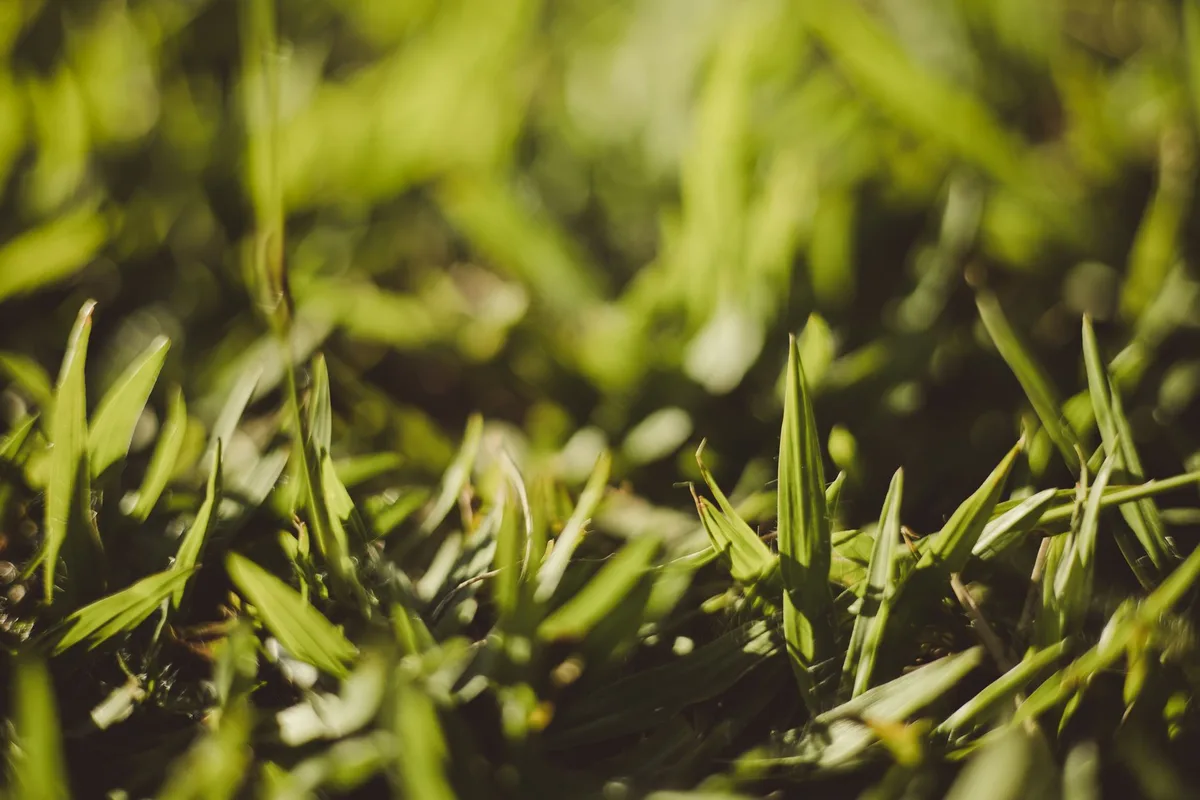
Walk your lawn and figure out what’s growing. Cool-season grasses have leaves that are narrow, dark green, and grow in a bunch. Warm-season grasses spread with runners and turn brown in winter.
For weeds, look at the leaf shape. Broadleaf weeds have wide leaves with veins. Grassy weeds look like your lawn but with different seed heads.
Sedge weeds have triangular stems. Each type responds to a different herbicide family.
Step 2: Read the Label for “Turf Tolerance”
The herbicide label lists which grass species are safe to spray. Look for a table or section called “tolerant turf” or “turfgrass safety.” If your grass isn’t listed, don’t use it.
Selective products often say “safe for established cool-season turf” or “not for use on St. Augustine.” That’s your guide. If the label mentions “root absorption” or “soil residual,” the chemical can affect roots.
Step 3: Match Your Application to the Right Window
Apply when grass is actively growing and temperatures are moderate. For cool-season grass, that’s spring and fall. For warm-season, it’s late spring through early summer.
Avoid spraying during drought, heat stress, or within 48 hours of a heavy rain. Wet soil increases herbicide movement to roots.
Decision Rules: When Can You Spray Without Killing Roots?
These are the rules of thumb that experienced lawn care pros use. Run through this checklist before you mix anything.
Safe Scenario Checklist (Low Risk)
You are safe to spray if you meet all of these conditions:
- You are using a selective broadleaf herbicide (2,4-D, dicamba, MCPP)
- Your lawn is a tolerant grass type (tall fescue, Kentucky bluegrass, Bermuda grass)
- The grass is actively growing and not stressed
- You spot-treat individual weeds rather than broadcast
- Temperatures are between 60°F and 85°F with no rain in the forecast
Risky Scenario Checklist (Proceed with Caution)
Proceed only if you take extra precautions:
- You are using a selective herbicide on a slightly sensitive grass (e.g., St. Augustine or fine fescue)
- You are applying during a mild drought but the grass still has some moisture
- You are using a soil-active pre-emergent near existing grass roots
- You are treating a mixed lawn with unknown grass types
In these cases, reduce the application rate by 25% and water the lawn deeply the day before.
Dangerous Scenario Checklist (Expect Root Damage)
Do NOT spray in these situations unless you want dead roots:
- You are using non-selective herbicide (glyphosate) anywhere you want grass to live
- You are applying selective herbicide during a heat wave or on dormant grass
- You are using a pre-emergent and plan to overseed within the next 8 weeks
- You are double-dosing or overlapping spray passes
- You have sandy soil and heavy rain is expected within 24 hours
Mistakes That Kill Grass Roots (Even with “Safe” Weed Killers)
These are the “I thought it was safe” moments that send homeowners to the store for grass seed.
Ignoring Temperature and Moisture Stress
Grass that is already struggling from heat or lack of water is more vulnerable. The herbicide hits harder. Even a selective product can cause root damage if the grass is barely hanging on.
Applying Pre-Emergents Too Close to Seeding
The most common root-kill mistake. You apply a pre-emergent in late winter to fight crabgrass. Then you decide to overseed in early spring.
The new grass seeds germinate, and the chemical barrier kills the roots within days. Always check the “seeding interval” on the label. It’s usually 8 to 12 weeks.
Using Non-Selective for Spot Treatments in Lawns
You see a big patch of clover. You grab the glyphosate bottle and spray just the leaves. But the wind drifts it onto the grass.
Or you drip a little. The roots of the grass around it die. Always use a selective herbicide for spot weed control in lawns.
Use non-selective only on pavement or where you want bare dirt.
Over-Applying Because “More is Better”
Doubling the rate doesn’t kill weeds faster. It just saturates the soil and pushes chemical into the root zone. Follow the label rate exactly.
Quick Reference: Root Safety by Herbicide Type
This table gives you a one-glance summary of what happens to grass roots.
| Herbicide Type | Key Active Ingredients | Grass Roots After Application | Recovery Time if Damaged |
|---|---|---|---|
| Non-selective systemic | Glyphosate | Dead within 7–14 days | Must reseed; no regrowth |
| Selective broadleaf | 2,4-D, dicamba, MCPP | Usually unharmed | N/A; roots should survive |
| Selective grassy weed | MSMA, quinclorac | Can damage certain grass species | 2–4 weeks if mild injury |
| Pre-emergent soil-active | Prodiamine, dithiopyr | Kills germinating grass roots only | New seed must wait until chemical degrades |
| Contact non-selective | Glufosinate | Roots survive; leaves burn | 2–3 weeks for new leaf growth |
| Organic/acetic acid | Vinegar (20% acetic) | Roots survive but leaves are damaged | 1–2 weeks for regrowth |
Frequently Asked Questions
Will my lawn grow back if I accidentally killed the roots?
If the roots are dead, the grass will not regrow. You will need to reseed or install sod. If only the leaves were burned but roots survived, new shoots will emerge in 2 to 4 weeks.
To check, gently tug on the grass. If it pulls out easily, the roots are dead.
How long does weed killer stay in the soil and affect roots?
It depends on the chemical. Glyphosate binds to soil and degrades within 30 to 60 days. It does not affect new grass roots after it has broken down.
Pre-emergents like prodiamine can last 8 to 12 weeks. Always read the label for the “seeding interval.”
Can I kill grass roots without chemicals?
Yes. Solarization works in hot climates. Cover the area with clear plastic for 4 to 6 weeks during summer.
The heat builds up and kills roots down to several inches. Another option is deep tilling or physical removal, though that disturbs the soil structure more.
What if I sprayed glyphosate on my lawn by mistake?
Act fast. Rinse the leaves with water immediately to dilute the chemical. Do not water the soil.
Glyphosate needs 6 hours to absorb into the plant. If you catch it within 30 minutes, you may save the grass. But expect some dieback.
Reseed the dead patches after 2 weeks.
Is it safe to use weed killer around tree roots?
Many lawn herbicides are safe for tree roots as long as you follow the label. But avoid applying near the root flare or on exposed roots. Pre-emergents and certain selective herbicides can damage shallow tree roots.
Keep applications at least 3 feet from the trunk.
Final Decision Guide: Choose Your Move
You have three paths. Pick the one that matches your goal.
You Want to Remove Weeds and Keep the Lawn
Use a selective broadleaf herbicide. Confirm your grass type is listed on the label. Apply when the grass is growing strong, not stressed.
Spot-treat instead of broadcasting. Your grass roots will survive.
You Want to Kill the Entire Lawn for Renovation
Use a non-selective systemic herbicide like glyphosate. Apply when the grass is green and actively growing. Wait 7 to 14 days for the roots to die.
Then till or remove the dead turf and reseed with your new grass. This is the standard approach used by professionals.
You’re Unsure: The Safest First Step
Test a small patch. Spot-treat a few weeds in an inconspicuous area with the product you’re considering. Wait 7 to 10 days.
If the grass around the weed stays healthy and green, you’re good to proceed. If it yellows or dies, switch to a different product or method.
One final thing: lawn health matters more than any herbicide. A dense, well-fed lawn crowds out weeds naturally. If you’re seeing more weeds than grass, consider improving your mowing height, watering schedule, and soil fertility before reaching for the sprayer.
A healthy lawn is the best weed preventer there is.