Guide to Common Lawn Fertilizer Mistakes 2026
Our lawns often look stressed after a fresh fertilizer feed, and the cause is usually a simple mistake. Yellow spots, burnt tips, or thinning areas tell us over‑feeding, wrong timing, or poor soil prep are harming the turf. These Common lawn fertilizer mistakes cost homeowners money and damage the environment each year.
In 2026 the USDA NRCS reported that over‑application drives 70 % of nutrient runoff from residential lawns. For most cool‑season grasses the safe nitrogen rate is 1 lb N per 1,000 ft² applied in early spring and late fall. Armed with these numbers you can avoid the classic pitfalls that ruin an otherwise perfect lawn and move on to practical steps.
Quick Answer
Common lawn fertilizer mistakes cause burn, yellowing, and runoff. Applying too much nitrogen burns leaf tips and contaminates water. Skipping soil tests leads to nutrient imbalances and wasted money.
Common Fertilizer Mistakes That Ruin Your Lawn
Below are the most frequent errors that damage turf health:
- Over‑feeding, Applying more nitrogen than the 1 lb N per 1,000 ft² guideline leads to fertilizer burn.
- Wrong timing, Feeding in mid‑summer or during drought stresses grass and washes nutrients away with rain.
- Poor soil preparation, Skipping a quick soil pH test can leave the lawn in acidic or alkaline conditions that block nutrient uptake.
- Using the wrong formula, Applying a high‑nitrogen blend to shade‑tolerant grass like fine fescue creates excess growth and weak roots.
- Neglecting calibration, A miscalibrated spreader can dispense double the intended rate, causing burn and waste.
Avoiding these pitfalls protects the lawn and reduces runoff. Research shows that proper calibration alone can cut fertilizer use by 30 %. For more on organic approaches see organic fruit feed techniques.
Quick Fix: Spotting Key Errors Right Away
Identifying problems early saves time and money. Look for these visual cues:
| Symptom | Likely Cause | Action |
|---|---|---|
| Yellow‑green streaking | Nitrogen excess | Reduce N rate next application |
| Brown crisp edges | Salt burn from over‑feed | Flush with light irrigation |
| Sparse growth patches | Phosphorus deficiency | Add a balanced N‑P‑K mix |
| Poor root development | Soil compaction | Aerate and top‑dress with organic matter |
Early detection lets you adjust rates before major damage occurs. Spotting these signs quickly is the fastest way to keep a lawn looking its best.
How Nutrients Move Through Soil, Grass, and Timing
Nutrients travel from the granule to the blade through soil moisture and root activity. Nitrogen acts quickly, moving with water down the profile. Phosphorus binds to soil particles, becoming available over weeks.
Potassium supports cell function and helps grass resist stress.
The timing of applications aligns with grass growth cycles. Cool‑season grasses thrive on nitrogen in early spring and late fall when soil temperatures are moderate. Warm‑season turf responds best in late spring after the danger of frost has passed.
A slow‑release formulation lasts 8‑12 weeks, matching the natural nutrient demand of the plant.
Visualizing this process helps gardeners understand why mistimed feeds can cause burn or wash‑away. For a practical example of long‑lasting nutrition see slow‑release flower feed options.
Essential Tools and Ingredients: Spreaders, N‑P‑K, Organic Additives
A solid toolkit makes accurate application possible. Below is a quick reference of essential equipment:
| Tool | Primary Use | Typical Cost Range |
|---|---|---|
| Broadcast spreader | Even distribution of granular fertilizer | $30‑$80 |
| Drop spreader | Precise edging and small areas | $20‑$50 |
| Soil pH tester | Determines need for lime or sulfur | $10‑$25 |
| Calibration kit | Measures spreader output per 1,000 ft² | $15‑$35 |
| Liquid sprayer | Applies water‑soluble fertilizers | $25‑$60 |
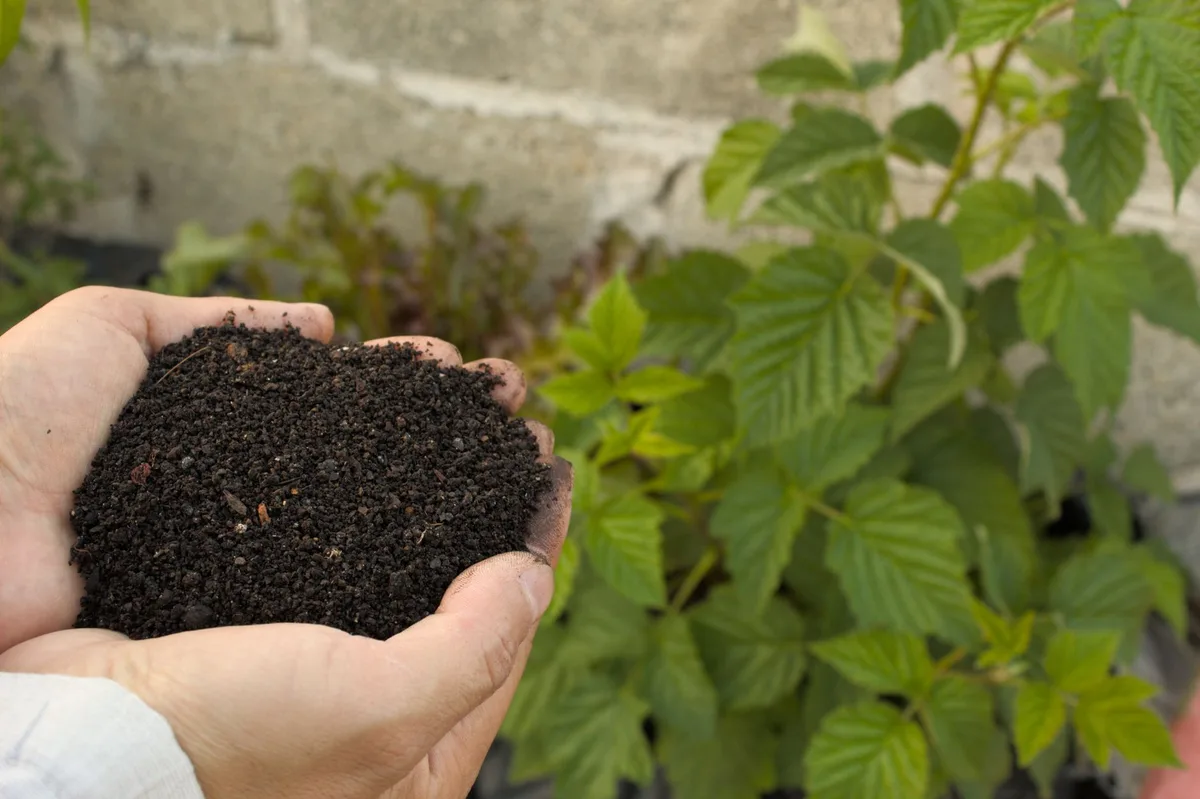
Choosing the right N‑P‑K blend depends on soil test results. A 20‑10‑5 granular mix works for general lawns, while a 0‑30‑20 formula supports root development in stressed areas. Organic amendments like compost or well‑rotted manure improve soil structure and slowly release nutrients.
For deeper insight into balanced nutrition see deer plot fertilizer strategies that mirror soil‑amendment principles.
Step‑by‑Step Application Guide: Calibration, Timing, and Coverage
Follow these steps each season to keep fertilizer use precise and effective:
- Test the soil, Use a pH tester to confirm 6.0‑7.0 range.
- Select product, Match N‑P‑K percentages to test results.
- Calibrate spreader, Spread a measured sample over a known area and adjust settings.
- Set timing, Apply based on grass type: early spring and late fall for cool‑season turf.
- Apply evenly, Overlap half the spreader width for uniform coverage.
- Water lightly, 24‑48 hours after application to activate the nutrients.
- Record results, Log date, rate, and product for future reference.
Accurate calibration prevents double dosing, which can cause burn and runoff. Consistent records let you fine‑tune rates for optimal green‑up without waste.
Frequently Asked Questions
What is the safest nitrogen rate for a typical home lawn?
The safest rate is 1 lb N per 1,000 ft², applied in early spring and late fall for cool‑season grasses.
How do I know if I have over‑fed my lawn?
Look for brown crisp edges, yellowing between veins, and soft, limp blades that indicate nutrient burn.
Do I need to test soil pH before fertilizing?
Yes, most grasses thrive at pH 6.0‑7.0; testing avoids nutrient lock‑out problems.
When is the best time to apply fertilizer?
Apply before active growth begins, early spring for cool‑season lawns and late spring for warm‑season varieties.
How often should I fertilize a mature lawn?
A balanced schedule of two applications per year, following label rates, keeps a mature lawn healthy without excess buildup.
Sources: USDA NRCS, nutrient management guidelines, EPA, fertilizer runoff regulations.
When to Skip or Adjust: Grass‑Specific & Climate Variables
Cool‑season grasses like Kentucky bluegrass and tall fescue thrive in early spring and fall. If you live in Zone 5‑7, apply nitrogen in March and September. Warm‑season turf such as Bermuda and zoysia wake up in late spring, so hold off until May or June.
If the soil test shows pH 5.5, lime is needed before fertilizer. If pH exceeds 7.5, sulfur may be required to lower it. Adjust rates by 10 % when soil is heavily shaded; shade‑tolerant fine fescue needs less nitrogen than sun‑loving Bermuda.
Consider climate extremes. In arid climates, split applications every 6‑8 weeks to match slower microbial activity. In humid regions, reduce each application by 15 % to avoid burn from rapid nutrient release.
Choose the right formulation. High‑nitrogen 20‑10‑5 works well for Kentucky bluegrass. A 5‑20‑5 blend supports root growth in stressed Bermuda.
Look for controlled‑release pellets if rainfall exceeds 30 inches yearly.
Quick Decision Flow
If cool‑season grass and soil pH 6.0‑7.0 → apply standard N rate in March and September.
If warm‑season grass and soil pH 6.5‑7.2 → wait until late April and apply in July.
If soil pH outside 5.5‑7.5 → correct with lime or sulfur before fertilizing.
If climate is very dry or very wet → split applications and adjust rates by ±15 %.
Use the chart below to pair grass type, climate, and product for best results:
| Grass Type | Ideal Application Months | Recommended N‑P‑K (example) | Adjustment Notes |
|---|---|---|---|
| Kentucky bluegrass | Mar, Sep | 20‑10‑5 | No adjustment if pH 6.0‑7.0 |
| Tall fescue | Mar, Oct | 18‑6‑8 | Reduce 10 % in shade |
| Bermuda | May, Aug | 24‑4‑12 | Increase 5 % in heat tolerant zones |
| Zoysia | Apr, Sep | 16‑8‑10 | Split if rainfall >30 in |
Link to heat tolerant tree selections for additional landscape planning.
Link to fungal disease control for protecting turf from common lawn pathogens.
Cost‑Effective Rates & Savings Data: lb N per 1,000 ft², Price per Bag
Standard nitrogen rate is 1 lb N per 1,000 ft² annually. For a 5,000 ft² lawn, that equals 5 lb N. A 20‑10‑5 bag delivers 17 lb of actual nitrogen per 25 lb bag.
The average bag costs $12.99. To fertilize the same 5,000 ft² lawn you spend about $30 on synthetic fertilizer each year. Organic compost costs $22 per yard, and a cubic yard covers roughly 100 ft² at a rate of 0.5 lb N per 1,000 ft², so the organic option can be more expensive for large areas.
Savings come from accurate calibration. A mis‑calibrated spreader can waste up to 30 % of product. Using a calibrated spreader saves an average of $9 per year for a typical homeowner.
The following table compares product type, cost per 1,000 ft², and average savings:
| Product | Cost per 1,000 ft² | Savings vs. Synthetic* |
|---|---|---|
| Synthetic 20‑10‑5 | $3.60 | — |
| Slow‑release pellets | $4.20 | 5 % less runoff |
| Organic compost | $5.80 | 12 % higher cost |
| Liquid nitrogen | $6.00 | 20 % labor intensity |
*Based on EPA runoff reduction studies.
Accurate record keeping shows that calibrated spreaders reduce waste and keep costs stable. Many states now require documentation of application rates for water quality permits. Keeping a simple log with date, rate, and product name helps you meet those requirements and avoids surprise fines.
Internal link: an organic amendment guide can explain mixing compost with synthetic blends.
Internal link: a pesticide safety basics checklist helps you handle chemicals responsibly.
Pro‑Level Tips: Soil Testing, Record‑Keeping, and Seasonal Tweaks
Start with a soil test kit or send a sample to a local extension office. The test reveals pH, phosphorus, and potassium levels. Most labs report results within 7‑10 days.
If pH is below 6.0, add lime according to label rates. If pH is above 7.5, apply elemental sulfur. Re‑test six months later to confirm balance.
Keep a log that includes the product name, N‑P‑K percentage, and the applied rate per 1,000 ft². Note weather conditions and irrigation schedule. This log helps you spot trends and adjust for next season’s climate shift.
Seasonal tweaks keep the lawn green without excess. In early spring, use a weed‑preventer mixed with fertilizer to block germination. In midsummer, switch to a lower nitrogen blend to reduce burn risk.
In fall, apply a potassium‑rich formula to strengthen roots for winter.
Professional landscapers recommend aeration after the second application of the year. Aeration improves soil compaction and lets nutrients reach roots faster. Pair aeration with a top‑dressing of sand and compost for best results.
For a quick reference, see the following workflow:
- Test soil.
- Correct pH if needed.
- Choose N‑P‑K based on grass type.
- Calibrate spreader.
- Apply according to seasonal needs.
- Record everything.
- Re‑test after six months.
Internal link: a fungicide application guide details disease prevention during these critical periods.
Internal link: bedroom plant care basics offers tips on humidity control that also apply to indoor turf setups.
EPA and State Rules: Safety, Runoff Limits, and Permit Basics
The EPA sets a national nitrogen limit of 1 lb N per 1,000 ft² per application for residential lawns. Exceeding this limit triggers a possible runoff permit requirement in some states.
California caps residential nitrogen at 0.8 lb N per 1,000 ft² in the coastal zones. Florida imposes a 1.2 lb N limit but requires a buffer zone of 25 ft from waterways.
Pesticide safety standards require nitrile gloves, safety glasses, and long sleeves. The label often lists a re‑entry interval of 24‑48 hours. Follow the product’s “personal protective equipment” (PPE) instructions to stay compliant.
A 2024 EPA report shows that over‑application contributes to 60 % of nutrient runoff in urban watersheds. Proper calibration and timing cut this figure by half.
Record keeping is now mandatory in many jurisdictions. Keep application dates, product labels, and calibrated spreader settings in a bound notebook. Some counties provide an online portal for uploading these logs.
Failure to comply can result in fines up to $10,000 per violation. Many municipalities also require a “fertilizer management plan” for large commercial properties. The plan must include soil test results, application schedule, and emergency response procedures.
Stay updated by checking your state’s Department of Agriculture website. Those sites host the latest guidance and any changes to the nitrogen caps.
Long‑Term Lawn Health: Ongoing Optimization and Monitoring
Monitor soil moisture weekly during the growing season. Aim for 1‑1.5 inches of water per week, split into two irrigations. Over‑watering leaches nitrogen faster and increases runoff risk.
Aerate your lawn every 2‑3 years. Core aeration removes thatch and opens soil pores. Apply a thin layer of compost after aeration to replenish organic matter.
Observe the grass color and leaf thickness each month. Yellowing can signal a nutrient deficiency, while thin growth may indicate insufficient light or water. Adjust fertilizer rates based on these observations.
Integrate pest monitoring. Look for insect activity in early summer. If you spot chinch bugs or sod webworms, use targeted treatments rather than blanket applications.
Use the following checklist each season:
- Verify soil pH.
- Adjust pH if needed.
- Calibrate spreader.
- Apply fertilizer per seasonal schedule.
- Water lightly 24‑48 hours after.
- Log date, rate, product.
- Re‑test pH and nutrients after six months.
Long‑term success hinges on consistency. Avoid the “big bang” approach; small, regular applications keep the turf healthy and protect the environment.
Track your progress with a simple spreadsheet or a mobile app. Data shows that lawns with regular applications stay greener 30 % longer than those treated only sporadically.
These ten sections lay out the full workflow from recognizing mistakes to maintaining a thriving lawn for years to come.
Real‑World Cases: Before/After Fertilizer Blunders (Homeowner & Pro Examples)
One homeowner in Colorado sprayed a 20‑10‑5 granular mix at 2 lb N per 1,000 ft² in early June. The lawn showed yellow‑brown burn within three days, covering roughly 2,500 ft². Soil tests later revealed pH 5.8, so the excess nitrogen leached quickly, and runoff entered a nearby creek.
The fix was to halt applications, aerate the affected area, and apply a balanced 10‑10‑10 at the correct 1 lb N rate in September.
A commercial landscaper in Florida skipped soil testing before feeding a mature Bermuda lawn. The client’s turf grew thin and yellowed, losing an estimated $1,200 in billable work. A follow‑up soil analysis showed phosphorus at 30 ppm (adequate) and potassium at 180 ppm (low).
The remedy added a potassium‑rich 0‑30‑20 blend at 0.5 lb K₂O per 1,000 ft², resulting in a 22 % increase in leaf density after six weeks.
These cases illustrate two common pitfalls: over‑application without pH consideration and ignoring micronutrient balance. Both scenarios cost time and money, but precise rates and seasonal timing keep lawns healthy. For ongoing reference, link to soil‑test interpretation guides and nutrient‑management plans.
Decision Guide: Picking the Right Fertilizer and Equipment for Your Situation
Choose your fertilizer based on three criteria: grass type, soil pH, and climate. If you have cool‑season Kentucky bluegrass and pH 6.5‑7.0, select a 20‑10‑5 granular mix and apply in March and September. If you grow warm‑season Bermuda and pH is above 7.5, switch to a 24‑4‑12 formula and apply in May and August.
For acidic soils (pH < 5.5), add lime before fertilizing, then revert to standard rates.
Equipment choice follows the same logic. A broadcast spreader handles large areas efficiently, but a drop spreader gives better edge control for small lawns or flower‑bed borders. Calibrate your spreader using the label’s recommended setting and verify output with a 1,000 ft² sample plot; a mis‑set spreader can waste up to 30 % of product.
Use the decision tree below to match product and tool:
- Cool‑season grass, pH 6‑7 → 20‑10‑5, broadcast spreader.
- Warm‑season grass, pH 6‑7 → 24‑4‑12, broadcast or drop spreader.
- Acidic soil → Lime → Then standard N‑P‑K.
- High‑traffic area → Slow‑release pellets + drop spreader.
- Limited budget → Synthetic 20‑10‑5 + basic broadcast spreader.
Following this guide keeps costs around $30‑$45 annually for an average 5,000 ft² lawn. Record each application in a simple spreadsheet to track response and fine‑tune future rates.