Guide to Ant Control Maintenance Guide: What Actually Works
If you've ever watched a line of ants march across your kitchen counter, you know the sinking feeling. You grab a spray. They scatter.
But tomorrow, they're back in full force. That's exactly why a proper ant control maintenance guide matters more than a quick fix. It's not about killing the ants you see.
It's about eliminating the colony and keeping them from coming back.
Our research shows that most homeowners treat the symptom, not the source. A single colony of Argentine ants can contain over a million workers and spread across multiple satellite nests. As of 2026, entomology studies confirm that baiting combined with exclusion is the only method that reliably eliminates the queen and stops the cycle.
Let's walk through exactly how that works.
Quick Answer
Ant control maintenance means consistent baiting and exclusion. Identify the ant species first. Choose the right bait for what they eat.
Place it along trails and seal entry points. Check and refresh baits monthly for full colony elimination.
Why Most DIY Ant Control Fails (And What Actually Works)
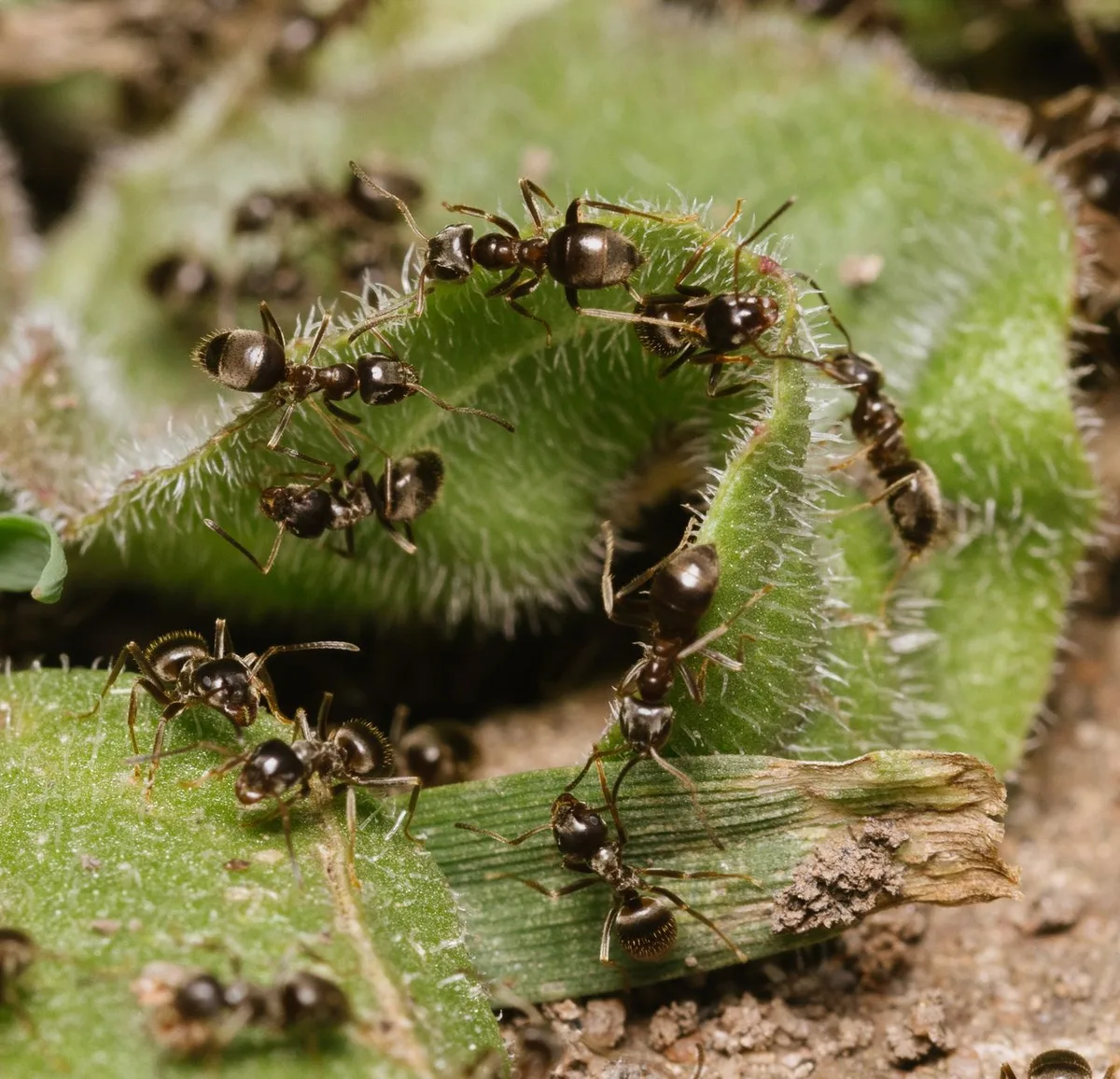
The biggest mistake people make is using a repellent spray on ant trails. You see a line of ants, you spray. The ants die on contact.
But the colony senses the danger and sends out new scouts to find a different route. Within a day or two, they find a new gap or a different path. You end up chasing trails forever.
Here's what actually works. You have to target the colony itself. That means using non-repellent baits that workers carry back to the nest.
The queen eats the bait and dies. Without her, the colony collapses. It takes patience.
But it works.
Manufacturer specifications indicate that a properly placed gel bait can eliminate an indoor colony within two weeks. That's faster and more effective than any spray on the market. You're not just killing scouts.
You're taking out the source.
The second reason DIY fails is skipping identification. People buy the first ant killer they see at the store. But not every bait works on every ant.
Some ants want sugar. Others want protein. Use the wrong one and they walk right past it.
That's why our next step is crucial.
Step One: Identify What Kind of Ant You’re Dealing With
Before you buy anything, you need to know your enemy. Look at the ants on your counter. Are they tiny, about 1/8 inch, dark brown, and moving in a defined trail?
Those are likely odorous house ants or Argentine ants. They're the most common indoor nuisance ants in the U.S.
Carpenter ants are bigger. They're about 1/4 to 1/2 inch long and usually black or dark red. You'll find them near wood, especially if there's moisture damage behind a wall or under a window sill.
They don't eat the wood for food. They excavate it to build nests. That can cause structural damage over time.
Fire ants are another story. They build mounds in lawns and sting aggressively. If you see a mound of loose soil in your yard, that's a fire ant colony.
The treatment approach is completely different from indoor ants.
Here's a quick visual reference that ID photos would show:
Look for these three traits to identify your ant:
- Size: Tiny (1/8 inch) vs medium (1/4 inch) vs large (1/2 inch)
- Color: Black, brown, reddish, or two-tone
- Nodes: Ants have either one or two tiny bumps (nodes) between the thorax and abdomen. That's a key ID marker. Sugar ants have one node. Carpenter ants have one node too, but their size and behavior are different. Pavement ants have two nodes.
If you're dealing with carpenter ants, you may need a targeted approach beyond standard baits. Check our detailed guide on the best insecticide for carpenter ants if you suspect structural involvement.
Step Two: Decide Your Treatment Strategy Based on the Situation
Once you know the species, you can choose your path. The strategy depends on where the ants are and what they're doing.
If ants are trailing indoors on counters or floors: Place gel bait directly along the trail. Do not wipe the trail before placing bait. The ants follow the pheromone trail, find the bait, and carry it back.
This is your best shot at colony elimination.
If ants are in walls or behind baseboards: Use gel bait injected into cracks with a bait injector or the syringe tip on the tube. The ants will feed inside the wall and bring the bait to the nest. Do not spray anything inside the wall.
That will kill a few ants and scatter the rest.
If you have fire ant mounds in your lawn: Broadcast granular bait over the entire lawn. The ants forage on the granules and take them back to the mound. Do not just dump bait on the mound.
For large mounds, you may need a follow-up mound drench with a product containing spinosad or d-limonene.
If carpenter ants are swarming in spring: Inspect for moisture damage. Likely the nest is in rotting wood near a leaky roof, window, or plumbing. Fix the moisture issue first.
Then place protein-based gel bait near the suspected nest entry point.
A healthy lawn resists fire ant problems. Proper fertilization and fungicide treatment keep the turf dense and less inviting for mound building. Our article on the best fungicide for lawns covers maintenance steps that indirectly support ant control.
Bait Selection: Sugar Bait, Protein Bait, or Liquid Bait?
Now that you know your ant, you need the right bait formulation. Ants change their food preferences by season and colony cycle. In spring and early summer, colonies produce young and need protein.
In late summer and fall, they shift to carbohydrates for energy storage.
Sugar-based baits work well for most common indoor ants like odorous house ants, Argentine ants, and pavement ants. They contain a sweet attractant mixed with a slow-acting poison. The ants take the bait back to the nest and share it.
Everyone eats. The queen dies.
Protein-based baits are better for carpenter ants and for any colony that ignores sugar baits. These baits use meat or grease as the attractant. If you place a sugar bait and the ants walk over it, try a protein bait instead.
Liquid baits are a third option. They're more attractive than gel to some species because ants can drink them. They also dry out slower.
But they require a special station and can leak if not placed carefully.
Here's a quick reference table for bait selection by ant species:
| Ant Species | Best Bait Type | Seasonality |
|---|---|---|
| Argentine ants | Sugar gel or liquid | Year-round indoors |
| Odorous house ants | Sugar gel | Spring and fall |
| Carpenter ants | Protein gel | Spring (swarming), fall |
| Pavement ants | Sugar or protein | Spring and fall |
| Fire ants | Granular bait (broadcast) | Spring through fall |
| Pharaoh ants | Protein or sugar gel | Year-round |
If the ants ignore your bait for more than a week, switch types. They may be in a different feeding phase. Rotate between sugar and protein until they take it.
This is a common step that many DIYers miss.
How to Place Baits Correctly (Location Matters More Than Product)
You can buy the most effective bait on the market. If you put it in the wrong spot, the ants won't find it. Placement is everything.
Place bait directly on the ant trail. Do not clean the trail first. The pheromone path is what guides the workers to the food. Wipe it away and they lose the scent.
Let the trail lead them right to the bait.
Put bait in small dots or thin lines. A pea-sized dot every 8 to 12 inches along the trail is enough. A thick line wastes product and can dry out before the ants finish it. Thin applications stay fresh longer.
Keep bait away from competing food sources. If you leave crumbs, pet food, or greasy residue on the counter, the ants will take that instead of your bait. Clean surfaces thoroughly before placing bait. Then place the bait before they find any new food.
Outdoor baiting requires different tactics. Place granular bait near mounds or along the foundation. Use bait stations every 6 to 10 feet around the perimeter. Keep them out of direct rain and direct sun.
Replace them monthly or after heavy rain.
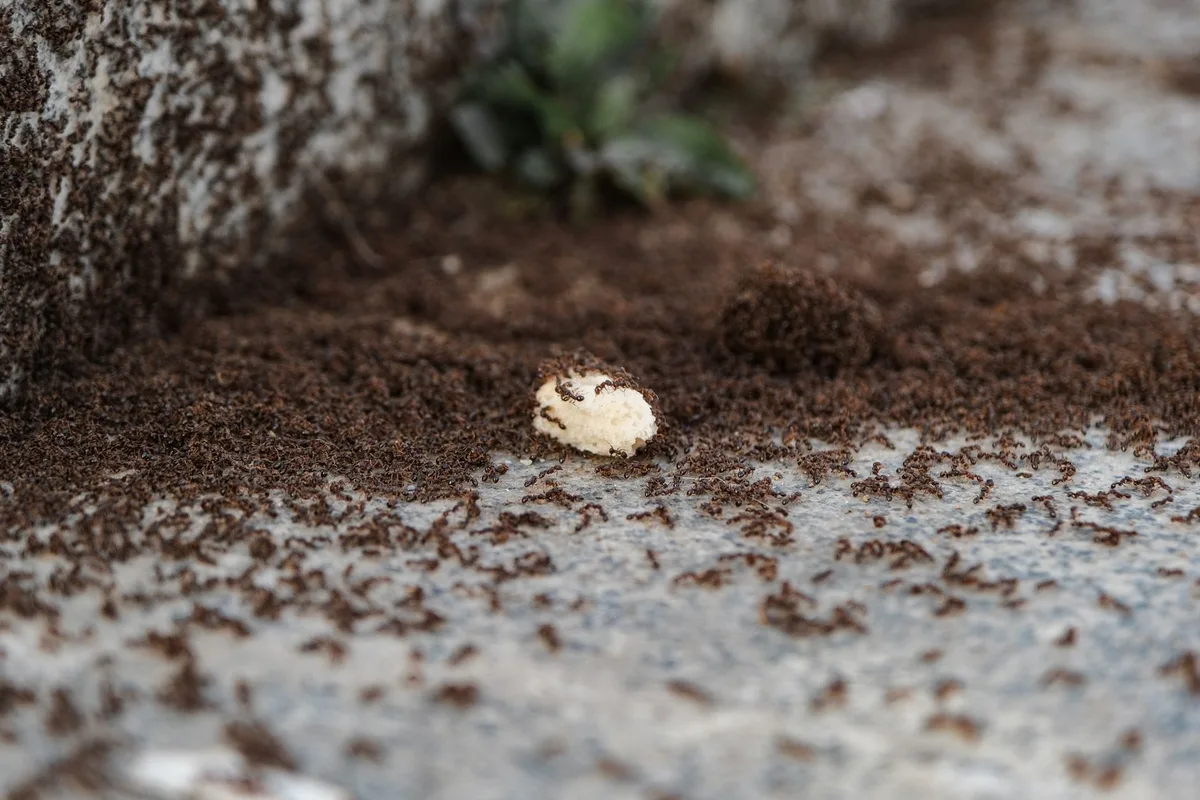
The most common placement mistake: Putting bait in one spot and walking away. Ants need multiple feeding points, especially in a large kitchen. Place stations in the pantry, under the sink, behind the fridge, and near pet bowls.
The more points you cover, the faster the colony gets the bait.
Check the bait after 24 hours. If the ants are feeding heavily, leave it. If they are ignoring it, move the bait slightly off the trail or switch to a different formulation. Sometimes the trail leads to a different entrance than you think.
Relocation fixes that.