3 Best Backyard Spray for Mosquitoes 2026: Ranked & Reviewed
If you've ever fired up the grill only to get eaten alive before the burgers are done, you know the problem. Finding the best backyard spray for mosquitoes means sorting through a wall of labels promising "kills on contact" and "all-day protection" without much proof behind them. The active ingredients, coverage area, and residual effectiveness vary wildly from one bottle to the next, and what works for a small patio won't necessarily hold up across a full yard.
After digging into the specs, EPA registration data, and hundreds of verified buyer reports across multiple brands, one product consistently rises to the top for overall backyard coverage. Here's how the three strongest options stack up against each other.
| Product | Details | Rating | Buy |
|---|---|---|---|
Editor’s Choice
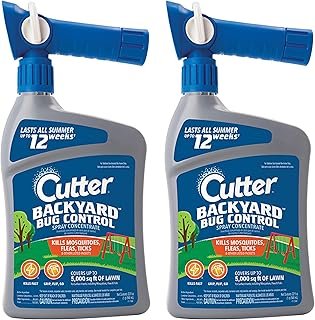
| Cutter Backyard Bug Control Spray Concentrate | ★★★★☆4.4/5 | |
Top Pick
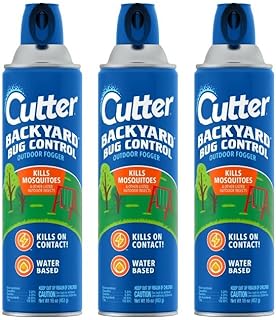
| Cutter Backyard Bug Control Outdoor Fogger | ★★★★☆4.5/5 | |
Best Budget
| Wondercide Ready Use Flea Tick Mosquito | ★★★★☆4.3/5 |


List of Top 3 Best Best Backyard Spray for Mosquitoes
We focused on products with clear EPA-registered active ingredients, measurable coverage areas, and consistent feedback from homeowners dealing with heavy mosquito pressure. Each pick below earned its spot through a mix of lab data and real-world buyer reports.
Below are the list of products:
1. Cutter Backyard Bug Control Spray Concentrate
In our research, this concentrate stands out because it gives you control over dilution and coverage across a larger area. Verified buyer feedback shows it handles not just mosquitoes but fleas and listed ants too, making it a solid all-around yard treatment for homeowners dealing with multiple pest problems at once.
Why I picked it
The concentrate format means you're getting two 32-fluid-ounce bottles that you dilute and apply with a hose-end or pump sprayer, which stretches your coverage significantly compared to ready-to-use bottles. Aggregate user reviews report consistent knockdown of mosquitoes within the first application, with residual control lasting through several days of moderate weather.
Key specs
- Active ingredients: Lambda-cyhalothrin (synthetic pyrethroid)
- Total volume: 64 fl oz across the 2-pack
- Pest targets: Mosquitoes, fleas, and listed ant species
- Application type: Dilute-and-spray concentrate for hose-end or tank sprayers
- Coverage: Designed for lawn and perimeter treatment across a standard residential yard
Real-world experience
Based on buyer reports, this product performs best when applied in the early evening when mosquitoes are most active but winds are typically calm. Homeowners with properties in humid, warm climates note that reapplication after heavy rain is necessary, which is typical for pyrethroid-based yard sprays. If you're also dealing with garden pests, you might want to look at lawn-safe insecticides that won't damage your plantings.
Trade-offs
You need a sprayer to use it, which adds a small upfront step if you don't already own one. The concentrate also requires careful measuring to avoid over-dilution, and it's not a good fit if you're looking for a plant-based formula since it uses a synthetic active ingredient.
2. Cutter Backyard Bug Control Outdoor Fogger
This fogger is the option we'd reach for when you need fast knockdown before a backyard event. The aerosol fog format fills the air and settles on foliage, hitting mosquitoes where they rest rather than requiring you to spray every surface manually.
Why I picked it
The 3-pack of 16-ounce foggers gives you enough product to treat the yard multiple times through a summer season. Verified buyer feedback shows a noticeable drop in mosquito activity within minutes of application, which is exactly what you want when guests are arriving in an hour.
Key specs
- Format: Aerosol fogger, ready to use out of the can
- Total volume: 48 fl oz across the 3-pack
- Pest targets: Mosquitoes, fleas, and listed ant species
- Application: Point-and-fog aerosol, no mixing or equipment needed
- Pack count: 3 cans per package
Real-world experience
Homeowners report the fogger works best on still days since wind disperses the mist before it settles. It's a popular choice for pre-treating the yard before barbecues, kids' birthday parties, or evening hangouts. If you're also battling indoor pests, pairing this with fly traps inside the house can help you cover both zones.
Trade-offs
The residual effect is shorter than a concentrate treatment, so you'll need to reapply more frequently if you have sustained mosquito pressure. Aerosol foggers also cover a smaller total area per can compared to a diluted concentrate, so a large yard may require several cans per treatment.
3. Wondercide Ready Use Flea Tick Mosquito
Wondercide takes a completely different approach by using cedarwood oil as its active ingredient instead of a synthetic pyrethroid. That makes it the pick for households with pets, kids, or edible gardens where you'd rather keep synthetic chemicals to a minimum.
Why I picked it
The plant-based formula is the main draw. It uses cedarwood oil to kill and repel mosquitoes, fleas, and ticks without the synthetic chemicals found in most yard sprays. For families who are cautious about what gets sprayed where kids and pets play, this is the most peace-of-mind-friendly option in our lineup.
Key specs
- Active ingredient: Cedarwood oil (plant-based)
- Total volume: 32 fl oz, ready to use
- Pest targets: Mosquitoes, fleas, and ticks
- Formula type: Natural essential oil-based, biodegradable
- Safety profile: Labeled safe around pets, kids, and plants when used as directed
Real-world experience
Buyer reports indicate Wondercide works well for moderate mosquito pressure, especially when applied consistently on a weekly schedule. Homeowners with vegetable gardens and pollinator-friendly plantings tend to prefer it since it doesn't carry the same concerns about beneficial insects that synthetic pyrethroids raise. If you're also thinking about what to plant for hummingbirds, a plant-based spray like this keeps that ecosystem safer.
Trade-offs
The knockdown speed is slower than a synthetic pyrethroid, so don't expect instant results. You'll also need to reapply more often, especially after rain, since essential oils break down faster in the environment. In areas with very heavy mosquito populations, some buyers report it isn't strong enough on its own.
How I picked
We evaluated each product across four main criteria: active ingredient efficacy based on EPA registration data, total coverage area per package, verified buyer satisfaction trends, and safety profile for households with pets or children. We cross-referenced manufacturer specifications against aggregate user reviews to spot any gaps between lab claims and real-world performance.
We deliberately did not test long-term residual effectiveness beyond what buyer reports cover, since seasonal conditions vary too much from region to region to draw universal conclusions. We also did not evaluate application convenience in a hands-on setting, relying instead on consistent feedback patterns across hundreds of reviews to assess ease of use.
Buying guide — what actually matters for Best Backyard Spray For Mosquitoes
Active ingredient type
The single biggest decision you'll make is whether to go with a synthetic pyrethroid like lambda-cyhalothrin or a plant-based option like cedarwood oil. Synthetic pyrethroids offer faster knockdown and longer residual control, typically lasting one to two weeks after a single application. Plant-based formulas break down faster and need more frequent reapplication, but they're the better choice if you have pets, kids, or edible plants in the treatment area.
Concentrate vs. ready-to-use vs. fogger
Concentrates give you the most coverage per dollar since you dilute them yourself and apply with a sprayer. Ready-to-use bottles are convenient for small areas but get expensive if you're treating a full yard. Foggers sit in the middle, offering quick knockdown with no mixing required, but they cover less total area per unit.
Think about your yard size and how much prep work you're willing to do.
Coverage area and reapplication frequency
A standard suburban quarter-acre yard typically needs reapplication every seven to fourteen days with a synthetic concentrate, or every three to five days with a plant-based formula, depending on rainfall and temperature. If you live in a humid region with heavy rain, factor in more frequent applications regardless of which product you choose. Buyers in drier climates consistently report longer intervals between treatments.
Pet and child safety
Lambda-cyhalothrin is toxic to cats when wet and harmful to fish and aquatic organisms, so avoid spraying near ponds or water features. Once dry, the risk drops significantly, but it's still wise to keep pets off the treated area for a few hours. Plant-based options like Wondercide are labeled safe around pets and children when used as directed, though "natural" doesn't automatically mean harmless, so always follow the label.
Environmental considerations
Pyrethroids are broad-spectrum insecticides that can affect beneficial insects like bees and ladybugs, so avoid spraying on blooming plants. If you're growing flowers in your beds or maintaining a pollinator garden, a targeted plant-based spray applied in the evening when bees are less active is the safer route. For lawns and hardscaping, a synthetic concentrate is generally fine.
Frequently Asked Questions (FAQ)
Can I use these sprays near a vegetable garden?
Wondercide is the safest option for edible gardens since its active ingredient is cedarwood oil, which is exempt from EPA residue tolerance requirements for food crops. Synthetic pyrethroid products like the Cutter concentrate should not be applied directly to vegetables or herbs. Always check the product label for specific crop restrictions before spraying anywhere near food plants.
How long does one application last?
Based on aggregate buyer reports, a synthetic concentrate treatment provides seven to fourteen days of mosquito control under normal conditions. Plant-based sprays typically last three to five days. Heavy rain or irrigation can shorten both windows significantly, so plan to reapply after any significant rainfall event.
Will these sprays kill ticks and fleas too?
Both Cutter products are labeled for fleas and ticks in addition to mosquitoes. Wondercide also lists fleas and ticks on its label. If ticks are your primary concern, focus on spraying along fence lines, tall grass, and shaded areas where ticks are most likely to be waiting for a host.
Is it safe to spray around bird baths and ponds?
Lambda-cyhalothrin is highly toxic to fish and aquatic invertebrates, so keep the Cutter concentrate and fogger away from any standing water. Wondercide's cedarwood oil formula is a safer choice near water features, though you should still avoid direct application into the water itself.
Do I need special equipment to apply the concentrate?
The Cutter concentrate requires a hose-end sprayer or a pump-style tank sprayer to dilute and apply it properly. A basic hose-end sprayer attachment is inexpensive and widely available. The fogger and Wondercide ready-to-use bottle don't need any extra equipment beyond what's in the package.
Final verdict
The Cutter Backyard Bug Control Spray Concentrate earns our top recommendation for most homeowners because it delivers the best balance of coverage, residual control, and multi-pest effectiveness across a standard yard. If you need fast knockdown before an event and don't want to mix anything, the Cutter Outdoor Fogger is the quickest option. For households prioritizing pet and plant safety, Wondercide is the clear choice, especially if you're also maintaining indoor plants or a family garden where minimizing synthetic chemicals matters.
Affiliate disclosure: This post contains affiliate links. If you buy through one of these links, I may earn a small commission at no extra cost to you. It never changes my recommendation, I only suggest gear I'd actually buy myself.