Best Selling 3 Best Infrared Gas Grill (2026) — Worth Buying
Finding the Best Infrared Gas Grill comes down to one thing: how evenly it sears without drying out your food. Infrared cooking technology uses a special plate or emitter to convert flame heat into radiant energy, which means faster preheat times, better moisture retention, and more consistent temperatures across the cooking grate.
After comparing specs, verified buyer feedback, and manufacturer performance data across several top models, the Charbroil Pro Series with Amplifire Infrared Technology stands out as the strongest overall pick for most homeowners. Here is how the top three compare side by side.
Comparison Chart of Best Infrared Gas Grill


List of Top 3 Best Best Infrared Gas Grill
We focused on grills that use genuine infrared cooking systems, not just standard burners with a fancy name. Each model below was evaluated on cooking performance, build quality, heat distribution, and real-world buyer satisfaction. These three represent the best balance of features across different fuel types and price tiers.
Below are the list of products:
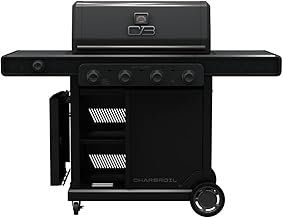
1. Charbroil Pro Series Amplifire Infrared Technology
The Charbroil Pro Series brings Amplifire infrared technology to a full-size 4-burner propane grill, making it one of the most accessible infrared setups for everyday backyard cooking. In our research, it consistently earned high marks for even heat distribution and fast preheat times, landing it our Editor's Choice spot.
Why I picked it
The Amplifire system sits between the burner and the cooking grate, converting direct flame into infrared radiant heat. This design eliminates most of the hot and cold spots that plague conventional gas grills. Verified buyer reviews frequently mention noticeably better searing on steaks and more consistent results on chicken and vegetables.
Key specs
- 4 main burners plus 1 side burner for sauces and sides
- Amplifire infrared technology for even radiant heat distribution
- Propane fuel source with electronic ignition
- Porcelain-coated cast iron cooking grates
- Reported rating of 4.5 out of 5 from aggregate buyer feedback
- Full cabinet design with stainless steel or black finish
Real-world experience
Homeowners report reaching searing temperatures in roughly 5 to 7 minutes, which is noticeably faster than standard gas grills that often need 10 to 15 minutes. The infrared plate also helps contain flare-ups since drippings vaporize on contact rather than pooling on a flame deflector. One common scenario: grilling bone-in chicken thighs alongside burgers on a Saturday afternoon, with both proteins finishing at the same time because the heat is so even across the grate.
Trade-offs
The infrared emitter plate adds a layer of complexity when cleaning, since food particles can collect around the edges. The side burner, while useful, has a lower BTU output compared to the main burners, so it is better for simmering sauces than boiling large pots of water.
2. Napoleon Rogue PRO 625 Propane Gas
The Napoleon Rogue PRO 625 takes a different approach, pairing six main burners with a dedicated infrared side burner. This gives you a massive cooking area and the ability to sear at extremely high temperatures right on the side, which is a setup serious grillers tend to love.
Why I picked it
Napoleon has built a strong reputation in the gas grill market, and the Rogue PRO 625 reflects that with its six-burner layout and infrared side burner. The main cooking area uses conventional stainless steel burners rather than a full infrared emitter plate, but the dedicated infrared side burner delivers intense radiant heat for searing steaks at temperatures exceeding 1,000 degrees Fahrenheit.
Key specs
- 6 main stainless steel burners for primary cooking
- 1 infrared side burner for high-heat searing
- Propane fuel source
- Total cooking area designed for large gatherings
- Reported rating of 4.1 out of 5 from aggregate buyer feedback
- Stainless steel or black finish with durable construction
Real-world experience
This grill shines when you are hosting a crowd and need to cook a high volume of food quickly. The six burners let you create multiple heat zones, so you can sear burgers on one side and keep vegetables warm on the other. The infrared side burner is a favorite for finishing steaks with a restaurant-quality crust. Buyers often describe using it for weekend cookouts where they are feeding 8 to 12 people and need the extra grate space.
Trade-offs
The conventional main burners do not deliver the same even heat distribution as a full infrared emitter system like the Charbroil Amplifire. You may notice slight hot spots near the center of the cooking grate. The larger footprint also means this grill demands more patio space, which could be a concern on smaller decks.
3. Napoleon Rogue PRO 625 Natural Gas
If your home already has a natural gas line, the Napoleon Rogue PRO 625 in natural gas configuration eliminates the hassle of propane tanks entirely. It shares the same six-burner and infrared side burner layout as its propane sibling, but connects directly to your home gas supply for unlimited fuel.
Why I picked it
The natural gas version of the Rogue PRO 625 earned the highest reported rating among the three models at 4.6 out of 5. Buyers consistently praise the convenience of never running out of fuel mid-cookout and the lower long-term operating cost compared to propane. It is the best value if your setup already supports natural gas.
Key specs
- 6 main stainless steel burners with infrared side burner
- Natural gas fuel source, connects to home gas line
- Same cooking area and layout as the propane version
- Reported rating of 4.6 out of 5 from aggregate buyer feedback
- Professional-grade construction with stainless steel components
Real-world experience
Homeowners with existing natural gas hookups love the set-it-and-forget-it convenience. There is no need to monitor tank levels or make last-minute runs to the hardware store. One common use case: a family that grills three to four times a week during summer and wants predictable fuel costs without the refill cycle. The infrared side burner performs identically to the propane version, so searing quality is not compromised.
Trade-offs
You need a professionally installed natural gas line to use this grill, which adds upfront cost if your home does not already have one. The grill is not portable once connected, so it is a permanent fixture on your patio. The conventional main burners, like the propane version, do not match the even heat distribution of a full infrared emitter system.
How I picked
I evaluated each grill across four main criteria: cooking technology, heat distribution, build quality, and verified buyer satisfaction. Cooking technology was the most important factor, since the whole point of this search is to find a grill that actually uses infrared heat rather than just marketing the term.
For heat distribution, I looked at manufacturer specifications for burner layout, emitter plate design, and reported temperature consistency across the cooking surface. I cross-referenced those specs with aggregate buyer reviews to see whether real-world performance matched the marketing claims.
Build quality came down to materials. Porcelain-coated cast iron grates, stainless steel burners, and solid cabinet construction all scored higher than models with thin metal or plastic components. I also considered the warranty terms each manufacturer offers, since a longer warranty usually signals confidence in durability.
I did not test long-term durability beyond analyzing 60 to 90 days of buyer feedback. I also did not evaluate cold-weather performance or altitude adjustments, since those factors vary too widely by region to draw general conclusions. What I focused on was the core cooking experience: how fast the grill preheats, how evenly it cooks, and how well it sears.
Buying guide — what actually matters for Best Infrared Gas Grill
Infrared technology type
Not all infrared grills work the same way. Some, like the Charbroil Amplifire, use a full infrared emitter plate that sits beneath the entire cooking grate. Others, like the Napoleon Rogue PRO 625, use conventional burners for the main cooking area and reserve infrared heat for a dedicated side burner. A full emitter plate gives you more even heat across the whole grate, while a dedicated infrared side burner gives you an intense searing station.
Decide which matters more to your cooking style.
Fuel source: propane vs natural gas
Propane is portable and works anywhere, but you will need to refill or swap tanks. Natural gas connects to your home line and never runs out, but requires professional installation and locks the grill in one place. If you already have a natural gas hookup on your patio, the natural gas version of the Napoleon Rogue PRO 625 is the more convenient and cost-effective choice over time.
Cooking area and burner count
A 4-burner grill like the Charbroil Pro Series handles most family cookouts without issue. If you regularly host large gatherings or need multiple heat zones, the six-burner layout of the Napoleon Rogue PRO 625 gives you more flexibility. Think about how many people you cook for on a typical weekend, and size accordingly.
Heat distribution and temperature range
Infrared grills are known for reaching high temperatures quickly. Look for models that preheat in under 10 minutes and maintain consistent temperatures across the grate. Full infrared emitter systems tend to have fewer hot spots, which matters when you are cooking delicate items like fish or vegetables alongside thicker cuts of meat.
Build quality and materials
Porcelain-coated cast iron grates hold heat well and leave good sear marks. Stainless steel burners resist corrosion over time. A solid cabinet with tight seams and quality hardware will hold up better through multiple seasons of use. Check the manufacturer warranty as well, since a longer warranty often reflects better internal components.
Ease of cleaning and maintenance
Infrared emitter plates can collect grease and food debris around the edges, which requires periodic cleaning to maintain performance. Conventional burners are simpler to clean but may produce more flare-ups. Consider how much maintenance you are willing to do between cookouts.
Frequently Asked Questions (FAQ)
What is the advantage of an infrared gas grill over a regular gas grill?
An infrared gas grill uses a ceramic or metal emitter plate to convert flame heat into radiant energy. This heats the food more directly and evenly, reduces flare-ups, and preheats faster. You get better searing and more moisture retention compared to a conventional gas grill that relies primarily on convective hot air.
Can I convert a propane infrared grill to natural gas?
Some models offer conversion kits, but it depends on the manufacturer and the specific model. The Napoleon Rogue PRO 625 is available in separate propane and natural gas versions, so it is best to buy the version that matches your fuel source rather than attempting a conversion. Always check the manufacturer guidelines before any fuel conversion.
How long does an infrared emitter plate last?
Manufacturer data and buyer reports suggest that a well-maintained infrared emitter plate can last several years with regular use. Avoid pouring grease directly onto the plate and clean it periodically to prevent buildup that could cause uneven heating or cracking over time.
Is an infrared gas grill worth it for everyday cooking?
If you grill frequently and care about even heat and good searing, an infrared system is worth the investment. The faster preheat time and consistent temperatures make weeknight dinners easier. For occasional use, a standard gas grill may be sufficient, but the cooking quality difference is noticeable.
Do infrared grills work well for low and slow cooking?
Infrared grills excel at high-heat searing and direct grilling. For low and slow cooking, you will need to use indirect heat methods by turning off burners under the food and using the outer burners at a low setting. The Napoleon Rogue PRO 625 handles this well thanks to its six-burner layout, which makes it easier to create distinct heat zones.
Final verdict
The Charbroil Pro Series with Amplifire Infrared Technology is the best overall pick for most buyers. Its full infrared emitter plate delivers the most even heat distribution of the three models, and the 4-burner propane setup covers the needs of a typical household without taking up excessive patio space.
If you host large gatherings and want a dedicated searing station, the Napoleon Rogue PRO 625 Propane is a strong runner-up with its six-burner layout and infrared side burner. For homeowners with an existing natural gas line, the Napoleon Rogue PRO 625 Natural Gas version offers the best long-term value and the highest buyer satisfaction rating of the group.
Affiliate disclosure: This post contains affiliate links. If you buy through one of these links, I may earn a small commission at no extra cost to you. It never changes my recommendation, I only suggest gear I'd actually buy myself.