How to Grow Grass in Shade for 2026: Step-by-Step Guide
If you’ve ever tried to plant grass under a big tree or along a north-facing wall, you already know the struggle. The seeds sprout, but after a month you’re left with thin, patchy blades that look more like a sad combover than a lawn. Learning how to grow grass in shade feels like an impossible battle, but it doesn’t have to be.
With the right approach, you can get a lush, green carpet even in spots that don’t see full sun.
The secret is that shade changes everything about how grass grows. It slows photosynthesis, reduces transpiration, and creates a microclimate that’s more prone to disease. For instance, fine fescue blends require just 3 to 4 hours of filtered sunlight per day, making them one of the most shade-tolerant options available as of 2026.
Let’s walk through the real steps that actually work, starting with several critical mistakes you need to avoid.
Why Grass Dies in the Shade (And When You Should Give Up)
Grass failures in the shade are rarely about your skills. The problem is biology and physics. Grass is a sun plant at heart, and shady spots create conditions that work against it:
- Light starvation. Most turfgrasses need at least 4 to 5 hours of direct sunlight per day to produce enough energy. Drop below that, and the grass slowly starves.
- Water competition. Tree roots are aggressive. They suck up moisture before your grass gets a drink, leaving the soil dry even after a rain.
- Nutrient theft. Trees also grab nutrients first. Soil under a mature canopy tends to be depleted.
- Soil compaction. Foot traffic and tree roots pack the soil hard. Roots can’t spread, and water runs off instead of soaking in.
- Disease pressure. Damp, low-light conditions invite fungal diseases. You end up with brown patches and moldy spots.
- Leaf litter. A layer of fallen leaves blocks what little light exists and smothers new growth.
So when should you give up? If your shady spot gets fewer than 2 hours of direct or dappled sunlight per day, or if the soil is pure tree roots with no room for grass roots to grow, you’re fighting a losing battle. In those cases, consider shade-friendly plants instead of grass.
You’ll save time, money, and frustration.
Quick Answer: Three Rules That Actually Work
Grow grass in shade by choosing fine fescue seed. Measure your sunlight hours first. Dappled light needs 3 to 4 hours minimum.
If you have deep shade, switch to ground covers. Aerate the soil before seeding. Water less often but deeper.
Shade grass grows slowly. Mow high, at 3.5 to 4 inches. Skip heavy fertilizer.
These steps produce real results.
Step 1 – Diagnose Your Shade Type
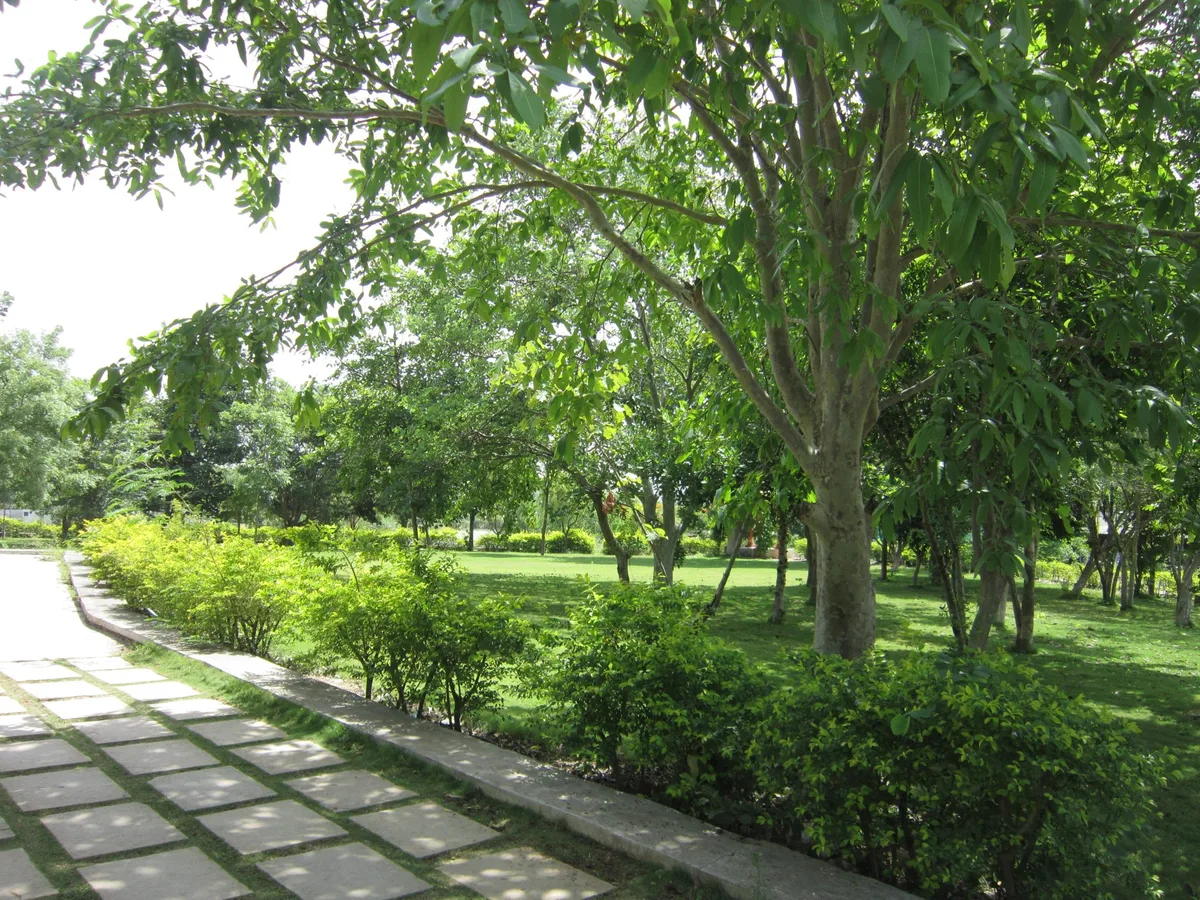
Not all shade is the same. You can’t just pick a “shade mix” and hope it works. The type of shade you have determines which grass can survive and which is doomed.
Start by measuring how much light hits that spot. Go outside every hour on a clear day and note whether the area is in direct sun, dappled light, or full shade. Do this for a week to get an average.
Here’s the 3/5/7 rule for decision making:
| Shade Type | Sun Hours | Can Grass Survive? | Best Grass or Alternative |
|---|---|---|---|
| Deep shade | 0–2 hours | No, not reliably | Switch to ground covers like pachysandra or ajuga |
| Dense shade | 2–3 hours | Marginal | Fine fescue blends or St. Augustine (warm climates) |
| Dappled shade | 3–4 hours | Yes, with care | Fine fescue, tall fescue (cool climates) |
| Partial shade | 4–6 hours | Yes, good chance | Many grasses work; use shade blends |
Deep shade means almost no direct light reaches the ground. Think under a thick pine canopy or the north side of a house behind a fence. Grass will not survive here.
Don’t waste your money on seed. Instead, look at flower bed alternatives or mulch beds.
Dense shade gets a couple of hours of filtered light. You might get thin grass, but it will struggle. Fine fescue is your best shot in cool climates.
In warm areas, St. Augustine grass has better tolerance.
Dappled shade is what you see under a single deciduous tree. Sunlight filters through the leaves and creates shifting patches of light. This is where most people can successfully grow grass with the right seed and care.
Partial shade gets 4 to 6 hours of direct sun. Most conventional grass blends will work, but you’ll get better results with a shade-tolerant mix.
Step 2 – Check the Soil Under the Trees
Before you buy a single bag of seed, check what’s happening in the soil. The ground under trees is often hostile to grass.
The two biggest problems are compaction and root competition. Grab a screwdriver or a soil probe and push it into the ground. If you can’t sink it more than 2 inches without extreme effort, your soil is compacted.
Grass roots need loose soil to spread and breathe.
Tree roots also create a physical barrier. A thick mat of roots just below the surface leaves no room for grass roots. You’ll see this as exposed roots above ground or a bouncy feeling when you walk.
Here’s what to check:
- Soil pH. Turfgrass prefers a pH between 6.0 and 7.0. Below 6.0, add lime. Above 7.0, add sulfur. A simple test kit from any garden center gives you the answer. For a more accurate read, send a sample to your local extension office.
- Organic matter. Shade soil often lacks organic material. If the soil feels like dust or hard clay, you need to add compost.
- Drainage. Dig a small hole, fill it with water, and time how long it takes to drain. If it sits for more than 12 hours, you have a drainage issue that will rot grass roots.
The fix starts with aeration. Rent a core aerator and run it over the area. This pulls plugs of soil out and gives roots room.
Follow that with a 1/2-inch layer of compost raked into the holes. This improves both soil structure and nutrition.
If you have massive surface roots, consider whether removing them is safe. Never cut major roots close to the trunk. It can kill the tree.
Instead, add a thin layer of topsoil and compost over the area, no more than 1 inch deep, to avoid suffocating the tree.
Step 3 – Choose the Right Grass for Your Situation
This is where most people go wrong. They grab a bag labeled “sun and shade mix” from the hardware store and scatter it everywhere. That mix is designed for areas with at least 6 hours of sun.
In real shade, it fails.
You need grass bred specifically for low-light conditions. Here’s your shortlist by climate:
Cool-Season Regions (Northeast, Midwest, Pacific Northwest, UK, Northern Europe)
| Grass Type | Shade Tolerance | Best For | Growth Habit |
|---|---|---|---|
| Fine fescue (creeping red, chewings, hard, sheep) | High | Deepest shade in cool areas | Fine blades, forms dense turf |
| Tall fescue (turf-type) | Moderate to high | Dappled to partial shade | Coarser blades, handles heat |
| Kentucky bluegrass | Low | Avoid in shade | Only works with 6+ hours sun |
Fine fescue is the star here. It’s the most shade-tolerant cool-season grass. A blend of creeping red fescue and chewings fescue works best.
It handles dry soil and poor fertility better than other grasses.
Tall fescue is a good backup for areas that get some afternoon sun. It has deeper roots and tolerates warmer soil. Look for varieties like ‘Rebel’ or ‘Falcon IV’ with improved shade ratings.
Warm-Season Regions (Southeast, Gulf Coast, Parts of Australia)
| Grass Type | Shade Tolerance | Best For | Growth Habit |
|---|---|---|---|
| St. Augustine | High | Deep shade in warm areas | Coarse, spreads by runners |
| Zoysia (shade cultivars) | Moderate | Dappled shade | Fine to medium, slow to fill |
| Bermuda grass | Low | Avoid in shade | Needs full sun |
St. Augustine grass is the king of warm-season shade. Cultivars like ‘Palmetto’ and ‘Seville’ handle less light than any other warm-season grass.
It’s not available as seed, so you’ll need sod or plugs.
Zoysia works for moderate shade if you pick the right variety. ‘El Toro’ and ‘Zeon’ have better shade tolerance than standard Meyer zoysia. It grows slowly, so expect a longer fill-in time.
If your spot gets less than 3 hours of sun in a warm climate, consider a shade garden or ground cover instead. Bermuda grass will not make it. Period.
What About Seed Blends?
A quality shade-tolerant seed blend should list fine fescue as the first or second ingredient. Avoid blends heavy in perennial ryegrass or Kentucky bluegrass. Those are sun loving grasses that will thin out within a season.
Look for the words “shade tolerant” or “dense shade” on the label. Also check the germination date, seed older than 12 months has lower viability.
Now that you’ve chosen the right grass type, it’s time to prepare the area properly. The next step covers pruning, aeration, and dealing with surface roots to give your seeds the best chance at survival.
Step 4 – Prepare the Area (The Non-Negotiable Steps)
You’ve picked the right seed. You know your shade type. Now comes the work that makes or breaks the lawn.
Skipping preparation is the number one reason shade grass fails. You can’t just scratch the surface and toss seed down. The ground under trees needs real prep.
Here’s what to do, in order:
Prune the trees first. Removing lower branches lets in more light. This is called crown raising. Hire an arborist for large limbs.
For small branches, do it yourself with a clean pruning saw. The goal is to let more dappled light reach the ground. Even 20 percent more light makes a difference.
Remove leaf litter and debris. A thick layer of leaves blocks light and smothers new seedlings. Rake thoroughly. For pine needles, a standard leaf rake works, but you might find that a specialized tool makes the job easier if you have a lot of trees.
Core aerate the soil. Rent a machine from a local hardware store or equipment center. Run it over the entire shady area. The machine pulls out 2 to 3 inch plugs of soil.
This relieves compaction and creates channels for roots, water, and air.
Topdress with compost. Spread a quarter to half inch of fine compost over the area. Rake it into the aeration holes. This adds organic matter, improves moisture retention, and gives seedlings a nutrient boost.
Level low spots. If water pools in certain areas, fill them with a mix of topsoil and compost. Standing water in shade invites fungal diseases that you really don’t want.
Water the area deeply the day before seeding. Moist soil helps seeds germinate faster. Don’t soak it, just give it a good drink.
Step 5 – Seeding, Sodding, or Giving Up
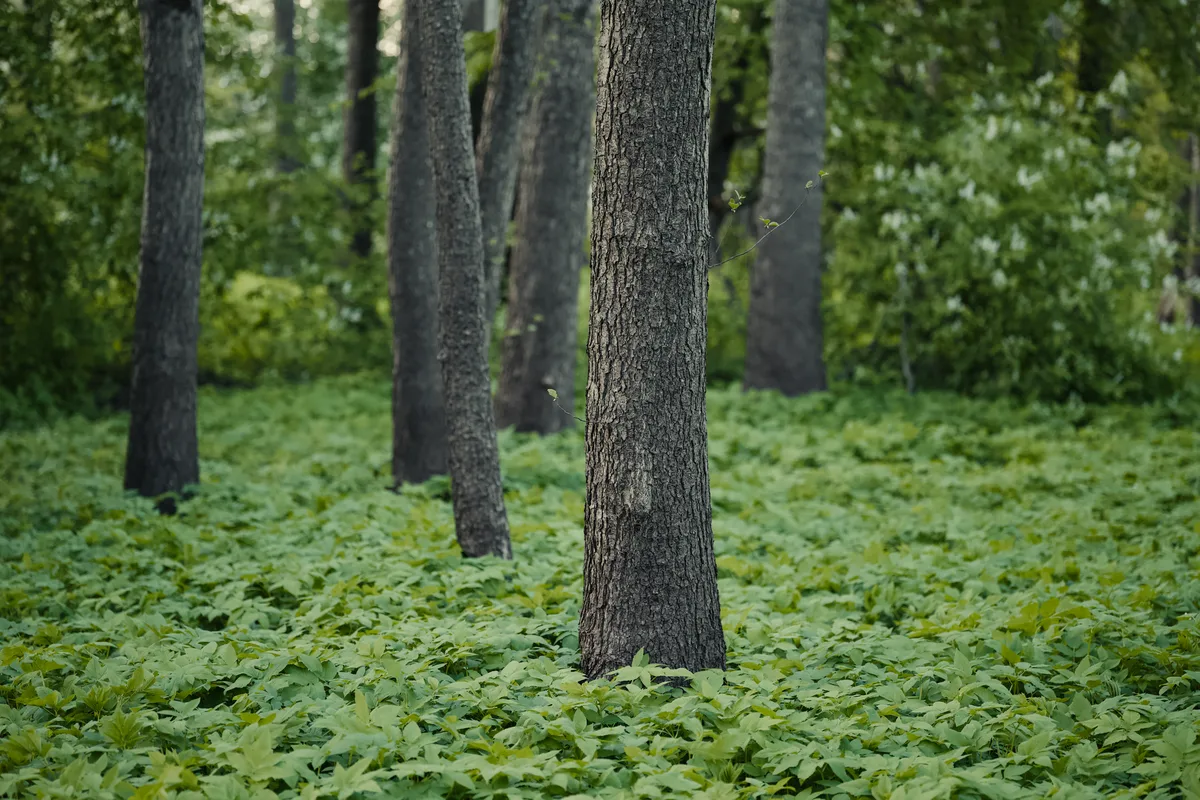
Now you face the real decision. Which method gets you a lawn in the shade? The answer depends on your shade type, budget, and patience.
When to Seed
Seed is the cheapest option. For shade, use a shade-tolerant blend with fine fescue as the main ingredient.
Cool-season timing: Early fall is best. Soil is warm, air is cool, and weed pressure drops. August through October works in most regions.
Warm-season timing: Late spring to early summer. Soil temps should be above 65 degrees F.
Use a broadcast spreader at 8 to 10 pounds per 1,000 square feet. That’s heavier than sun areas because shade grass has a harder time filling in. Rake the seed lightly into the soil.
No more than a quarter inch deep.
Water gently twice a day for the first two weeks. Keep the top inch of soil moist but not soggy. After germination, switch to deeper, less frequent watering.
When to Sod
Sod costs more but gives instant results. It works best for small shade patches where seed would wash away or get eaten by birds.
St. Augustine grass in warm climates is only available as sod. Same for some improved zoysia varieties.
If you need those, sod is your only option.
Prepare the soil the same way as for seeding. Remove old grass, aerate, and add compost. Lay the sod in a staggered brick pattern.
Keep it soaked for the first 10 to 14 days until roots anchor into the soil.
When to Give Up
If your spot gets less than 2 hours of direct or dappled light, stop fighting. Grass won’t thrive there, no matter what you do.
Switch to a shade garden instead. Hostas, ferns, and astilbes love low light. You can also use mulch beds or decorative stone.
If you want ground cover, try pachysandra, ajuga, or vinca minor.
For example, looking at options for hanging baskets in low light or flower beds that thrive without sun gives you a better long term solution than struggling with grass. Many homeowners are happier with a low maintenance shade bed than a thin, patchy lawn.
The Three Biggest Mistakes People Make (And How to Avoid Them)
After researching hundreds of shade lawn attempts, these three errors keep showing up. Avoid them and you’re already ahead.
Mistake #1: Using a Sun Mix in the Shade
That standard bag labeled “sun and shade mix” is designed for areas with at least 5 hours of sun. In real shade, it dies. The ryegrass and Kentucky bluegrass in those mixes can’t handle low light.
Fix: Read the label. Look for fine fescue as the first ingredient. Buy a blend specifically labeled for dense shade.
Mistake #2: Overwatering and Overfertilizing
Shade slows evaporation. Soil stays damp longer. People water shade spots on the same schedule as sunny areas, and the grass rots.
Shade grass also grows slower, so it needs less fertilizer. Too much nitrogen causes weak, floppy growth that invites disease.
Fix: Water only when the top inch of soil feels dry. That might be once a week or less. Cut nitrogen fertilizer by half compared to sunny lawn areas.
Use a slow release formula to avoid spikes. If disease shows up, check a lawn fungicide that targets the specific fungus you’re seeing.
Mistake #3: Mowing Too Short
Short mowing is the fastest way to kill shade grass. Grass blades are solar panels. In low light, the grass needs every bit of leaf surface to capture energy.
Fix: Set your mower to the highest setting. For fine fescue in shade, mow at 3.5 to 4 inches. Never remove more than one third of the blade height at once.
Keep the blade sharp so you tear less leaf tissue.
Long-Term Maintenance for Shade Grass
Shade grass needs different care than the rest of your lawn. Treat it like a separate zone.
Water less. Shade spots dry out slower. Check soil moisture with your finger before watering. If it’s damp an inch down, skip the watering.
Mow higher. Keep it at 3.5 to 4 inches. Raise the deck even higher in mid summer when heat stress is high.
Fertilize lightly. Use half the nitrogen you use on sunny lawn areas. Apply in early fall for cool season grasses. For warm season, apply in late spring.
Skip summer fertilization, it stresses shade grass.
Overseed in fall. Thin spots happen every year. Rake them lightly, scatter fresh seed, and keep it moist. Fall overseeding fills gaps before winter.
Remove leaves promptly. A layer of fallen leaves blocks light and traps moisture. Rake or blow them off as soon as they fall. Wet leaves mat down and smother grass underneath.
Watch for disease. Brown patches, red thread, and powdery mildew love shade. At the first sign, improve air circulation by thinning branches. Reduce watering frequency.
If that doesn’t work, apply a targeted fungicide early before it spreads.
Real-World Scenarios: What Worked (and What Didn’t)
Let’s look at three common situations and what actually happened.
The North-Facing Side Yard
The situation: A narrow side yard between two houses. Gets about 3 hours of weak morning light. Soil is compacted clay.
What worked: Core aeration followed by compost topdressing. Seeded with a 100 percent fine fescue blend in early September. Watered lightly twice daily for three weeks.
Mowed at 4 inches. By the following spring, the area had a thick, dark green stand.
What didn’t work: The homeowner’s first attempt used a standard sun mix seeded in May. It germinated, then died by August.
Under a Big Maple Tree
The situation: A mature sugar maple with dense canopy and thick surface roots. Soil is dry and full of roots.
What worked: Crown raising removed lower branches and let in more dappled light. A thin layer of compost was applied over the root zone. Seeded with a fine fescue blend in early fall.
The grass grew, but stayed thin near the trunk. Accepting a ring of mulch around the base of the tree was the final solution.
What didn’t work: Trying to plant grass right up against the trunk. Surface roots made soil prep impossible, and the tree won the competition for water.
The Dense Pine Canopy
The situation: A backyard under several tall pines. Deep shade all day. Soil is acidic from pine needles.
What worked: Nothing. The homeowner tried three different seed blends over two years. Each time, the grass germinated but died within a month.
The soil was too acidic, too dry, and too dark.
The solution: They removed the struggling grass, laid down landscape fabric, and mulched the area. Then they planted a shade garden with hostas and ferns. The area looks better now and requires almost no maintenance.
Frequently Asked Questions
Can I grow grass under a tree with exposed roots?
Not directly over the roots. The roots will outcompete grass for water and nutrients. Your best bet is to add a thin layer of topsoil and compost, then seed around the roots.
For roots larger than your wrist, leave them exposed and plant shade tolerant ground covers around them instead.
How long does shade grass take to fill in?
Fine fescue germinates in 7 to 14 days with consistent moisture. Full coverage takes 6 to 8 weeks in ideal fall conditions. In spring, expect 10 to 12 weeks because cooler soil slows growth.
Shade grass fills in slower than sun grass, so patience matters.
Will lime help grass grow in shade?
Only if your soil pH is below 6.0. Test first. Many soils under pines and oaks are acidic, and lime corrects that.
But if your pH is already in the 6.0 to 7.0 range, adding lime won’t help. Unnecessary lime can actually harm grass by raising pH too high.
Should I use a starter fertilizer with shade seed?
Yes. Use a starter fertilizer high in phosphorus. It helps young roots develop quickly.
Apply it just before seeding. After the grass is established, switch to a low nitrogen slow release fertilizer at half the rate you’d use on sunny lawn areas.
Can I grow grass in shade if I have dogs?
It’s harder. Dog urine burns shade grass more severely because the grass is already stressed. Train dogs to use a designated mulched area.
If that’s not possible, water the spot immediately after they go to dilute the nitrogen. Expect to overseed more often.
Final Decision Guide: A Simple Flowchart for Your Yard
- Less than 2 hours of light? Stop. Use ground covers or a shade garden.
- 2 to 3 hours of light? Use fine fescue seed in cool climates or St. Augustine sod in warm climates. Aerate first.
- 3 to 4 hours of dappled light? Use a shade tolerant fescue blend. Mow at 4 inches. Water lightly.
- 4 to 6 hours of light? Most grass blends work. Use a shade tolerant mix for best results.
- More than 6 hours? That’s not shade. Use standard sun grass.
Follow this path and you’ll save time, money, and frustration. The right grass in the right spot with the right care makes all the difference.