How to Store Lawn Fertilizer Safely 2026: Explained Simply
You grab a bag of lawn fertilizer from the hardware store, use what you need, and then what? Toss it in the corner of the garage until next spring? That’s what most people do.
But here’s the thing: how to store lawn fertilizer safely isn’t just about keeping it dry. It’s about preventing a fire hazard, protecting your family and pets, and making sure the product still works when you need it.
The National Fire Protection Association (NFPA) classifies many common lawn fertilizers as oxidizers under its standard 400. That means they can make a fire burn hotter and faster if stored near something flammable. As of 2026, local fire codes in many U.S. jurisdictions restrict how much oxidizing fertilizer you can keep in a residential garage without special precautions.
So let’s walk through what actually matters.
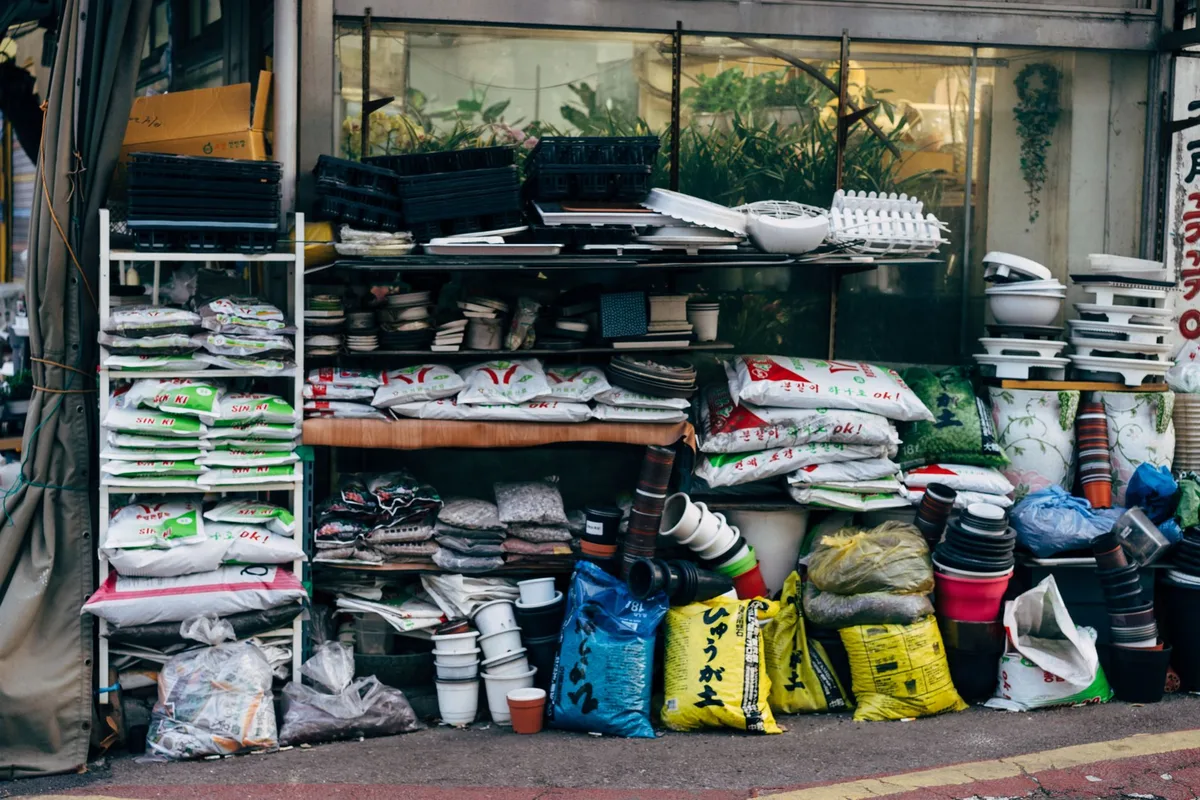
Quick Answer
Store lawn fertilizer in its original bag inside a sealed plastic bucket. Keep it in a cool, dry place away from heat sources. Maintain temperatures below 90°F and humidity under 60%.
Keep it off concrete floors. Store it at least 10 feet away from fuel, pesticides, and combustibles. Label the container with the date and N-P-K ratio.
Why Storage Safety Actually Matters (It’s Not Just About Clumping)
Most people think fertilizer storage problems start and end with clumpy granules that won’t spread evenly. That’s a real annoyance, for sure. But the bigger picture involves genuine safety risks that can damage your property or harm someone in your home.
Fertilizer contains chemical salts. Ammonium nitrate, ammonium sulfate, and potassium nitrate are common ingredients. These compounds are hygroscopic.
They pull moisture out of the air, which leads to clumping and caking. But that same chemistry makes them reactive under the wrong conditions.
Our research shows that a surprising number of garage fires each year involve stored fertilizer. Not because the fertilizer spontaneously combusts. Because it gets stored near gas cans, oily rags, or other combustibles.
The fertilizer acts as an oxidizer. A small fire that might be containable turns into a fast-spreading blaze.
Then there’s the issue of off-gassing. Some fertilizers, especially urea-based products, release ammonia gas as they degrade. In an enclosed space like a garden shed or a garage without ventilation, that can create a respiratory hazard.
If you’ve ever opened a bag of fertilizer that’s been sitting for a year and gotten a face full of sharp fumes, you know exactly what we’re talking about.
Core Facts: How Long Fertilizer Lasts and What Makes It Fail
Not all fertilizers have the same shelf life. The type matters a lot.
| Fertilizer Type | Typical Shelf Life (Sealed) | Typical Shelf Life (Opened) | Primary Failure Mode |
|---|---|---|---|
| Synthetic granular (dry) | 2 to 5 years | 1 to 2 years | Moisture clumping, nutrient loss |
| Organic granular | 1 to 2 years | 6 to 12 months | Mold, pest attraction, odor |
| Liquid concentrate | 6 to 12 months | 6 to 12 months | Chemical precipitation, pH shift |
| Slow-release (coated) | 3 to 5 years | 2 to 3 years | Coating breakdown, uneven release |
The biggest enemy of fertilizer is moisture. Once granular fertilizer absorbs enough water to start dissolving the salts, the N-P-K ratio changes. Nitrogen can volatilize and escape as ammonia gas.
Potassium and phosphorus can leach out or form insoluble compounds.
Heat is the second biggest problem. Temperatures above 90°F accelerate chemical breakdown. That matters because garages and sheds in direct summer sun can easily hit 120°F or more.
When you store a bag of ammonium nitrate in those conditions, you’re not just losing potency. You’re creating a more reactive, less stable product.
Freezing doesn’t hurt granular fertilizer much. But liquid fertilizer can separate or form crystals after freeze-thaw cycles. If the container wasn’t completely full, condensation inside the bottle can also introduce moisture.
The Real Risks: Fire, Fumes, and Contamination
Let’s get specific about what can go wrong.
Fire hazard. Ammonium nitrate sits at the top of the list. It’s a strong oxidizer. The U.S.
Chemical Safety Board has investigated multiple incidents where fertilizer storage conditions contributed to fires. In residential settings, the most common scenario is a small ignition source near stored fertilizer. A water heater pilot light.
A spark from a power tool. A cigarette. The fertilizer doesn’t ignite itself.
But it makes every other fuel around it burn faster and hotter.

Ammonia fumes. Urea-based fertilizers break down over time, especially in warm, humid conditions. The process releases ammonia gas. In a small, unventilated shed, concentrations can build up.
At low levels, it irritates eyes and lungs. At higher levels, it can cause serious respiratory distress. The Occupational Safety and Health Administration (OSHA) sets a permissible exposure limit of 25 parts per million over an eight-hour workday.
You can reach that in a small enclosed space with degrading fertilizer.
Contamination. If fertilizer spills on a concrete floor and absorbs moisture, it can stain or etch the surface. More concerning is what happens when you sweep it up and toss it outside. Rain can wash it into storm drains, leading to algae blooms in local waterways.
Some municipalities have specific rules about disposing of spilled or expired fertilizer.
Pet and child safety. Fertilizer is salty. Dogs are sometimes attracted to the taste, especially bone meal or blood meal in organic blends. If a dog eats enough, it can cause sodium ion poisoning, pancreatitis, or gastrointestinal blockages.
The Pet Poison Helpline reports thousands of calls each year related to fertilizer ingestion. Kids are at risk too. A sealed bucket with a locking lid is the minimum standard if you have children or pets.
Step-by-Step: The Safe Way to Store Any Fertilizer
Here’s the process we recommend based on manufacturer specifications and safety guidelines from university extension services.
Check the Bag First
Before you store anything, inspect the bag. Look for tears, punctures, or signs of moisture. If the bag is damp, the contents may already be compromised.
If you see any liquid or a strong ammonia smell, that product needs disposal, not storage.
If the bag is intact and dry, you’re good to proceed. If you have a liquid concentrate, check the bottle for cracks around the cap or any residue on the threads.
Pick the Right Container
The original bag is fine for short-term storage if you can keep it dry. But most fertilizer bags are paper or thin plastic. They tear easily.
They don’t seal well after opening. They attract rodents, especially with organic ingredients.
Your better option is a heavy-duty plastic bucket with a gasketed lid. Think the type used for pet food or restaurant supplies. A five-gallon bucket holds about 40 pounds of granular fertilizer.
That’s enough for most home lawns.
Do not use metal containers. Some fertilizers corrode metal over time. The reaction can produce enough heat to be a concern in large quantities.
Stick with HDPE plastic. It’s inert, durable, and easy to clean.
Choose the Right Location
This matters more than most people realize. The ideal spot is:
- Cool: below 90°F, ideally between 35°F and 75°F
- Dry: relative humidity under 60 percent
- Ventilated: some airflow to prevent fume buildup
- Away from combustibles: at least 10 feet from gasoline, propane, solvents, oily rags, and wood piles
- Away from ignition sources: no pilot lights, water heaters, furnaces, or electrical panels nearby
A detached shed with a concrete floor and a roof overhang is ideal. A garage corner is workable if you can meet the distance requirements. A basement or indoor closet is not recommended because of ventilation and fume concerns.
Seal, Label, and Elevate
Pour the fertilizer into your bucket. Seal the lid tight. Write the product name, N-P-K ratio, and date on the bucket with a permanent marker.
Put the bucket on a shelf or a pallet. Never place it directly on a concrete floor. Concrete sweats, especially in temperature changes.
That moisture wicks up through the bucket or bag.

Mistake #1: Storing in the Wrong Container
The most common error we see is people leaving fertilizer in the original bag, half-folded over, clipped with a binder clip. That bag gets shoved under a workbench or on a damp garage floor. Come spring, the bottom of the bag has a solid block of nutrient-hardened concrete.
Here is why that matters beyond frustration. A wet bag sitting on concrete wicks moisture constantly. Even with a sealed top, the bottom stays damp.
The chemical reaction that causes clumping also releases heat. In a bag large enough and with the right chemistry, that heat can accelerate decomposition enough to be a fire concern in extreme cases.
The fix is simple and cheap. A five-gallon bucket with a gamma seal lid costs about 10 to 15 dollars at most hardware stores. It’s reuseable.
It protects against moisture, pests, and fumes. And it stacks neatly.
Mistake #2: Putting It Near These Common Household Items
People routinely store fertilizer next to things that should never share shelf space. Here is the short list of what to keep at least 10 feet away:
- Gasoline and fuel containers
- Propane tanks
- Paint thinner and solvents
- Pesticides and herbicides
- Oily rags or shop towels
- Wood piles or cardboard boxes
- Pool chemicals (chlorine is also a strong oxidizer)
- Lawn mowers and trimmers with fuel in the tank
The risk is not the fertilizer catching fire by itself. The risk is a small fire starting from a fuel can or a rag, then reaching the fertilizer, which supercharges the burn. Fire departments report that garages with mixed chemical storage are far harder to control when they catch fire.
If you have to store fertilizer in a small garage, dedicate one shelf or cabinet away from everything else. Label it clearly. Make sure everyone in the household knows what it is and why it’s separate.
Organic vs. Synthetic: Does One Need Different Storage?
Organic fertilizer is less reactive than synthetic. It won’t oxidize or off-gas ammonia the way ammonium nitrate can. That makes it somewhat safer from a fire perspective.
But organic fertilizer has its own storage challenges.
Moisture is worse for organics. Bone meal, blood meal, and composted manure are basically rotting organic material. If they get wet, they don’t just clump. They grow mold and bacteria.
The smell changes from earthy to rancid. And they attract rodents, raccoons, and insects.
Pests are a real issue. Organic fertilizer smells like food to many animals. Rats will chew through a paper bag to get at blood meal. Ants will nest in a bucket of composted manure if it’s damp.
If you store organics, a sealed plastic bucket is essential. Not optional.
Synthetic fertilizer with ammonium nitrate or ammonium sulfate needs more care around ignition and heat. It also lasts longer. But it’s more dangerous if you get it wrong.
If you’re unsure what kind you have, check the label for the words “oxidizer” or the flame-over-circle symbol. That tells you it’s in the higher-risk category.
Temperature, Humidity, and Placement: The Three Factors That Matter Most
These three variables control everything about fertilizer storage. Get them right, and your fertilizer stays usable for years. Get them wrong, and you’re throwing away money or creating a hazard.
Temperature. The sweet spot is between 35°F and 75°F. Below freezing is fine for granular. Above 90°F starts breaking down the chemicals.
Above 120°F is dangerous for some products. In our research, the average uninsulated garage in a summer climate hits 100°F by early afternoon. That is too hot.
Humidity. Relative humidity under 60% is ideal. Above that, granular fertilizer starts absorbing moisture from the air. If you live in a humid climate, a dehumidifier in your storage space is worth considering.
Silica gel desiccant packs inside the bucket help for smaller quantities.
Placement. Elevate the container off the floor. Keep it in the darkest, coolest corner of the space. Avoid south-facing walls that heat up in the afternoon.
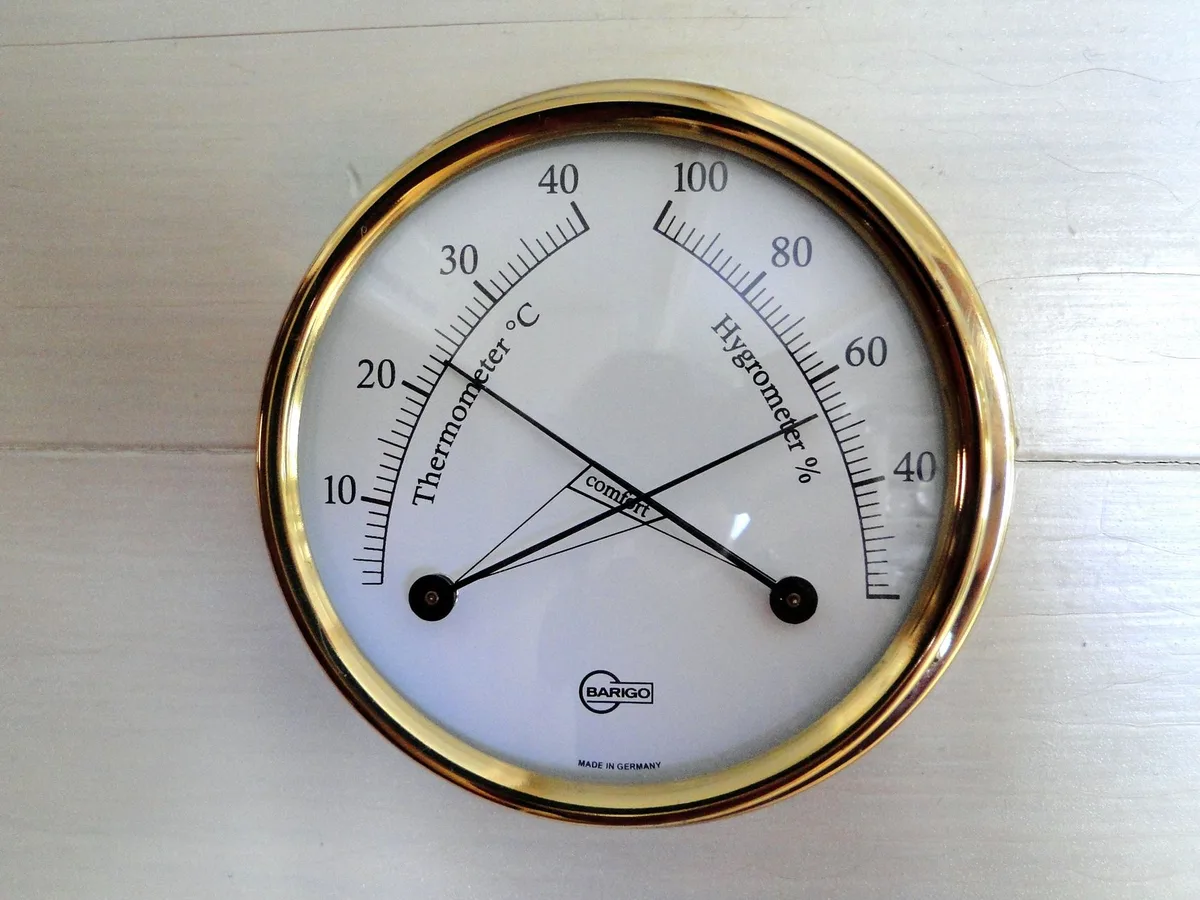
A simple analog thermometer and humidity gauge costs about 5 dollars at any hardware store. Put one in your storage area. Check it once a month.
If conditions are out of range, adjust your storage plan.
Liquid Fertilizer: A Few Extra Rules
Liquid fertilizer gets less attention in storage guides, but it has its own risks.
Freezing is the main concern. Liquid concentrates and water-soluble powders mixed into solution can freeze. Freezing can crack the bottle, cause the chemicals to fall out of suspension, or change the pH. Some liquid fertilizers form crystals that never go back into solution, making the product unusable.
Keep them above 40°F. If your storage space drops below freezing in winter, bring liquids inside. Not into living areas. A heated basement corner or a utility closet works.
Label them clearly so nobody mistakes them for something else.
Check the cap. Liquid bottles rely on a tight seal. If the cap is loose or cracked, the liquid evaporates or spills. Spills are a slip hazard and can stain concrete permanently.
Store liquids on a tray or in a secondary containment bin. A simple plastic storage tote works fine.
When to Throw It Out and How to Dispose of Old Fertilizer
Fertilizer doesn’t last forever. Here are the signs that it is time to get rid of it.
- Granules are hard as a rock. If you cannot break them apart by hand, they will not spread evenly.
- Strong ammonia smell. That means nitrogen is escaping. The product has lost potency.
- Mold or visible growth on organic fertilizer. Do not spread moldy material on your lawn.
- Liquid has sediment that will not re-dissolve. Shake the bottle. If cloudy chunks remain, the chemistry has changed.
- Expired past manufacturer date by more than two years. The N-P-K ratio is no longer accurate.
Disposal is not as simple as putting it in the trash or pouring it down the drain. The EPA considers fertilizer a potential water contaminant. Most municipal waste systems recommend one of the following:
- Contact your local solid waste district. Many offer household hazardous waste collection days.
- Spread it on your lawn at the recommended rate if it’s still viable. This is the best option for small amounts.
- Check with the manufacturer. Some have take-back programs for expired products.
Never put fertilizer in the regular trash bin unless it is completely inert and the bag says it is safe to do so. Never pour liquid fertilizer down a storm drain. That is illegal in many places and contributes directly to algal blooms in local waterways.
Local Regulations and Fire Codes: What You Need to Check
This part varies by where you live, but it matters enough to include.
Many local fire codes limit how much oxidizing fertilizer you can keep in a residential garage. A common threshold is 500 pounds of ammonium nitrate. That is more than most homeowners use.
But if you buy in bulk for a large property, you might hit that limit.
Some municipalities require a permit for storing certain fertilizers above a specific quantity. Others have restrictions on where you can keep them relative to property lines or structures.
For homeowners with standard lawn sizes, these rules rarely apply. But if you manage multiple properties or run a small landscaping business from home, check with your local fire marshal. The information is usually available on your city or county website.
A quick phone call can save you a fine or a dangerous situation.
If you use organic fertilizers exclusively, the fire codes are less restrictive. But environmental regulations about runoff and disposal still apply.
Seasonal Storage: Getting Through Winter or Rainy Season
The biggest seasonal challenge is humidity and temperature swings.
Winter. In cold climates, the main risk to granular fertilizer is condensation. The temperature drops overnight, warms during the day, and moisture forms on the container. That moisture can seep into the bag if it is not sealed.
The fix is airtight storage. Keep the bucket sealed until you open it in spring.
For liquid fertilizer, bring it inside if your shed or garage gets below 40°F. A basement corner or a heated utility closet works. Mark the bottle clearly.
Rainy season. In humid climates like the Southeast, the issue is constant moisture in the air. Even a sealed bucket can develop condensation inside if the temperature fluctuates. Adding a desiccant pack inside the bucket helps.
Check the bucket monthly during wet months. If you see moisture on the inside of the lid, wipe it dry and add more desiccant.
Quick Checklist: What to Do Right Now
Here is a summary you can act on today.
- Inspect any fertilizer you already have. Check for clumping, odor, or damage.
- Buy a plastic bucket with a gasketed lid for each product.
- Transfer fertilizer from the original bag to the bucket.
- Label the bucket with the product name, N-P-K ratio, and date.
- Place the bucket on a shelf or pallet, off the concrete floor.
- Check the temperature and humidity in your storage space.
- Move the bucket at least 10 feet away from fuel, solvents, and combustibles.
- Dispose of any expired or damaged fertilizer properly.
This takes about 30 minutes and costs less than 20 dollars per bucket. The peace of mind is worth it.
Frequently Asked Questions
Can fertilizer explode in a garage?
Under normal residential storage conditions, no. But if ammonium nitrate fertilizer gets contaminated with certain organic materials or is exposed to intense heat, it can become explosive. That is rare for home users.
The bigger risk is accelerating an existing fire.
Is it safe to store fertilizer in a plastic bag?
Not long term. Plastic bags tear easily and don’t seal well. The bag itself does not protect against moisture wicking from a concrete floor.
A rigid plastic bucket with a gasketed lid is much safer.
How do I know if my fertilizer has gone bad?
Check for hard clumps, a strong ammonia smell, or visible mold. For liquid fertilizer, look for sediment that will not re-dissolve after shaking. If you see any of those signs, the product has lost potency and should be disposed of properly.
Can I store fertilizer and pesticides together?
No. Keep them in separate containers and separate locations. Mixing or cross-contamination can cause dangerous chemical reactions.
Also, if a pesticide leaks onto fertilizer, you have a contaminated product that you cannot safely use.
Does fertilizer attract rodents?
Organic fertilizers do. Bone meal, blood meal, and fish emulsion smell like food to rodents and other pests. Synthetic fertilizers generally do not attract animals, but they can if they contain organic additives.
What temperature is too hot for fertilizer storage?
Any temperature above 90°F starts to degrade the nutrients. Above 120°F, some fertilizers become unstable and the fire risk increases. If your storage space exceeds 90°F, move the fertilizer to a cooler location.
Final Verdict: The 3 Most Important Rules
If you remember nothing else, hold onto these three.
Seal it. An airtight container prevents moisture, pests, fumes, and spills. A five-gallon bucket with a gamma lid solves almost every storage problem.
Separate it. Keep fertilizer away from fuel, solvents, ignition sources, and other chemicals. Ten feet of distance is a simple rule that covers most risks.
Cool and dry. Find the coolest, driest spot you have. Not the garage floor. Not the hot corner.
If your storage space is uncomfortable for you, it is probably uncomfortable for your fertilizer too.
Store it right once. Then relax knowing your lawn has the nutrients it needs, your family is safe, and your garage is not a chemistry experiment waiting to happen.
Storing Fertilizer in a Rental Property
If you rent and cannot modify the garage or shed, focus on portability and containment. Use a latching plastic tote with a gasket lid. Keep everything in one labeled bin.
That way you can move it quickly for inspections or when you leave. Never store fertilizer in a basement or indoor closet in a rental. The liability if something leaks or off-gasses is yours.
Travel and Vacation Storage
Leaving fertilizer unattended for weeks means checking conditions before you go. Move the bucket to the coolest interior spot. Remove any nearby combustibles.
For liquid fertilizer, double bag the bottle in a zip-close bag inside the bucket. Ask a neighbor to check the space once if you are gone through a heat wave. A 10-minute check can prevent a problem.
Bulk Storage for Large Lawns
Buying 50 pound bags to save money changes the storage math. You need a heavy duty 20 gallon trash can with a locking lid. Keep the can on a pallet in a detached shed.
Write the purchase date on the lid. Bulk ammonium nitrate blends require checking local fire codes. Many municipalities limit residential bulk storage of oxidizing fertilizers to under 500 pounds.
Storing Fertilizer in a Community Garden
Shared storage spaces create extra risk. Someone else might leave the lid loose or store something incompatible. Use your own locking bucket with your name on it.
Keep liquids in a separate smaller bin inside your bucket. Coordinate with the garden manager about maximum quantities allowed. A single fire incident in a community shed can affect everyone’s plots.
Digital Inventory for Fertilizer Storage
A simple note on your phone or a whiteboard on the shed door helps you track what you have. List the product name, N-P-K ratio, purchase date, and estimated expiry. Check it before you buy a new bag.
That prevents overstocking and reduces how long fertilizer sits around. Rotating stock by date keeps your oldest product used first, which cuts waste and storage duration.
Storing Fertilizer in a Basement
Basements stay cooler than garages, but they have poor ventilation. Ammonia fumes can build up in a closed basement room. If you must store fertilizer in a basement, keep it in a utility room with a window or exhaust fan.
Never store it near a furnace, water heater, or laundry area.
Storing Fertilizer in a Shed
Sheds offer better ventilation but larger temperature swings. Insulate the shed if you can. Place the bucket on the north side away from direct sun.
Check for condensation on the lid after a rainstorm. Sheds with dirt floors are a bad idea because moisture wicks up through the ground.
Storing Fertilizer in Hot Climates
If you live in the Southwest or a tropical region, temperature is your biggest challenge. Store fertilizer in the coolest spot you have, even if that means an air conditioned garage. A reflective shed roof can lower interior temps by 10 to 15 degrees.
Consider buying smaller quantities so it gets used before summer heat peaks.
Storing Fertilizer in Cold Climates
Freezing is not a problem for granular fertilizer. Liquid fertilizer needs protection. Bring liquid bottles inside an unheated but insulated garage.
If the temperature drops below 20°F, move them into a heated space temporarily. Thawed liquid concentrates should be shaken well before use.
Storing Fertilizer with Desiccants
Silica gel desiccant packs absorb excess moisture inside a sealed bucket. They cost about one dollar each. For a five gallon bucket, use two packs.
Replace them every six months. They are especially useful in humid climates. You can buy reusable desiccant packs that change color when saturated.