How to Water During a Heatwave (2026) — Step-by-Step Guide
You’ve been watering every evening, and your tomatoes still look like they’re about to call it quits. That’s because learning how to water during a heatwave isn’t about watering more, it’s about watering smarter. The heat doesn’t just dry out the soil, it cooks delicate root systems near the surface.
Most standard watering routines fail the moment temperatures hit the mid-90s.
During a heatwave, evapotranspiration rates can jump 2 to 3 times higher than normal, meaning plants lose moisture through their leaves and soil faster than we realize. Per USDA Cooperative Extension research, many garden plants can suffer root damage when soil temperatures exceed 85°F for prolonged periods. That’s why the timing and method of watering matter more than the volume.
Let’s start with why your usual approach might be making things worse.
The Real Problem: Heatwaves Don’t Just Dry Out Soil — They Cook Roots
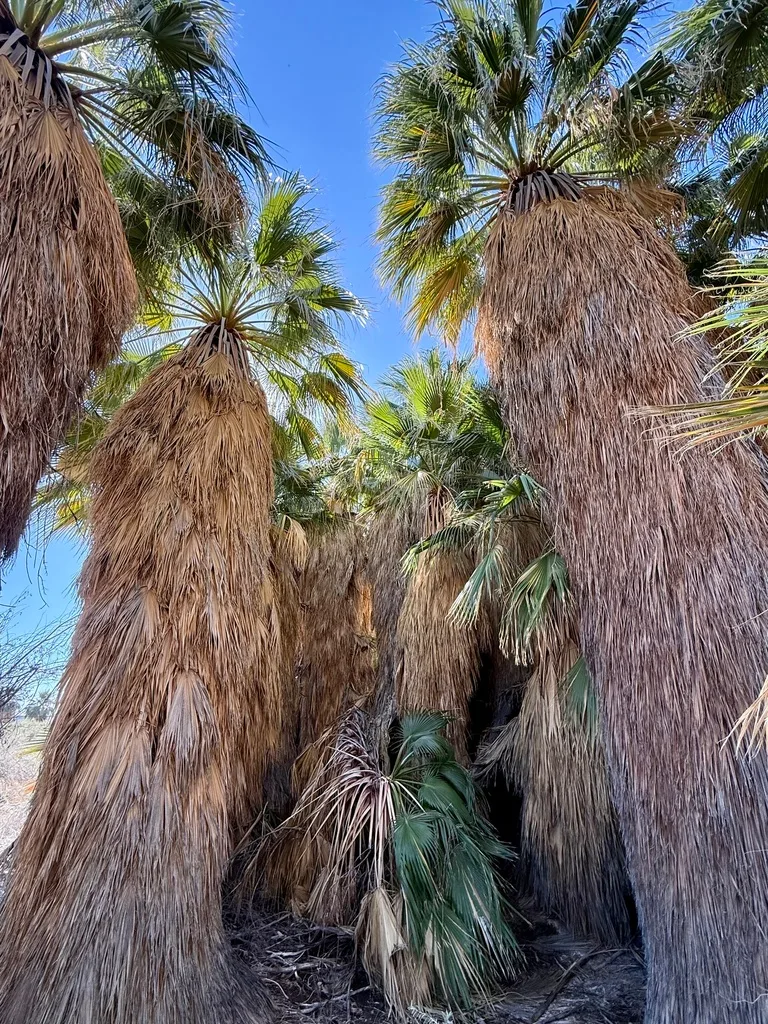
Here is what most gardeners miss. The air temperature might be 95°F, but the soil surface in full sun can hit 120°F or higher. That heat radiates down into the root zone.
When soil gets that hot, two things happen. Water evaporates from the top few inches almost instantly. And fine feeder roots, the ones that actually absorb water, start to die off.
They literally cook at sustained soil temperatures above 90°F.
This explains why some plants wilt even when the soil feels damp. The roots cannot pull water up fast enough to replace what the leaves are losing. In our research, this disconnect between soil moisture and plant hydration is the most common misunderstanding during heatwaves.
Adding shade is one way to reduce soil temperature. Dense canopies from larger plants can lower the ground temperature by 10 to 15 degrees. If you are designing a garden to handle future heatwaves, consider trees that tolerate high heat naturally so they provide lasting shade for smaller plants.
Now here is the good news. You can manage all of this with the right watering approach. Let’s get straight to what works.
Quick Answer
How to water during a heatwave comes down to timing and depth. Water deep at dawn. Target the root zone, not the leaves.
Check soil moisture two inches down before you water. New plants need water every day. Established plants need a deep soak every three days.
Use mulch to keep roots cool.
Why Your Regular Watering Routine Just Failed
If you water the same way in July that you do in May, you are working against the heat. Here is what goes wrong with common routines.
Evening Watering Creates Disease
Many gardeners switch to evening watering because it feels cooler. That is a mistake. In humid heatwaves, wet foliage overnight is a perfect environment for fungal diseases.
Per university trials, powdery mildew and botrytis infections increase sharply when leaves stay wet past sunset.
If you have struggled with lawn fungus during hot summers, you already know the pattern. Brown patch and dollar spot thrive when grass stays wet overnight and day temperatures stay high.
Morning Watering Works, But Only If You Do It Right
Watering at dawn is the correct choice. The sun dries the leaves quickly, and the water has time to soak in before the heat peaks. But here is the trap.
A light sprinkling at dawn evaporates before it reaches the root zone. You must water long enough for moisture to penetrate at least six inches deep.
Overhead Watering Loses Half the Water
On a 95°F day with low humidity, overhead sprinklers can lose 30 to 50 percent of the water to evaporation before it hits the ground. That is water you pay for that never helps your plants.
Drip irrigation and soaker hoses solve this. They deliver water directly to the soil surface, where it can soak in rather than float away.
Decision Tree Start: What Are You Watering?
Your watering plan depends entirely on what you are growing and where. Use this simple decision tree to find your path.
Branch A: Container Plants (Pots, Hanging Baskets, Grow Bags)
Containers dry out fastest. The soil heats up on all sides, and limited soil volume holds less moisture. During a heatwave, you may need to water containers every day.
Some small pots need watering twice a day.
The pot material matters. Terracotta and fabric grow bags dry out faster than plastic or glazed ceramic. If you are choosing pots for heat-sensitive plants, consider plastic or glazed options that retain moisture longer.
For specific advice on pot selection, check these recommendations for pothos and other popular houseplants that can live outdoors in summer.
Signs a container needs water: The pot feels light when you lift it. The soil has pulled away from the sides. Leaves look droopy in the morning.
What to do: Water until it runs out the drainage holes. Then wait 10 minutes and water again. This ensures the entire root ball gets moisture.
Branch B: In-Ground Garden Beds and Vegetable Rows
In-ground beds have more soil volume, so they hold moisture longer. But soil type changes everything. Sandy soil drains fast and needs water every two to three days.
Clay soil holds moisture but can become hard and cracked.
Signs in-ground beds need water: The soil is dry an inch or two below the surface. Plants look wilted in the late afternoon. Vegetable leaves curl up at the edges.
What to do: Water slowly so the moisture soaks in, not runs off. Aim for six to eight inches of penetration. For flower beds, look for flowering plants that handle hot, dry conditions best to reduce watering needs.
Branch C: Young Trees and Newly Planted Shrubs
These need the most attention. A newly planted tree has a root ball that dries out fast because it is smaller than the surrounding soil. During a heatwave, young trees can die in a week without water.
Signs a young tree needs water: Leaves look scorched or curled. New growth droops. The soil around the root ball is dry.
What to do: Water slowly at the root ball. Use a soaker hose or a slow trickle from a hose. Water for 30 to 45 minutes.
Check the soil two hours later to confirm moisture reached the full root ball.
The Core Decision: Deep Watering vs. Quick Sprinkling
This is the single most important choice you will make during a heatwave. Deep watering wins every time.
| Factor | Deep Watering | Quick Sprinkling |
|---|---|---|
| Water depth | 6 to 8 inches | 1 to 2 inches |
| Root response | Roots grow deeper, more resilient | Shallow roots, more stress |
| Frequency | Every 3 to 5 days | Every day or twice daily |
| Evaporation loss | Low if done at dawn | High, especially midday |
| Best for | Established plants, trees, shrubs | Seedlings, new transplants |
Deep watering encourages roots to grow downward where the soil stays cooler and moisture lasts longer. Shallow sprinkling keeps roots near the hot surface where they dry out fast. Aggregate reviews from university extension programs consistently show that deep, infrequent watering produces healthier plants during heat stress than daily light sprinkling.
How to Deep Water Effectively
Use a soaker hose or drip line. Place it around the base of plants, not against stems. Run it for 30 to 60 minutes, depending on soil type.
Check penetration. After watering, dig down six inches with a trowel. The soil should be moist but not muddy. If it is dry at that depth, water longer next time.
Water in cycles for clay soil. Clay absorbs water slowly. If water pools on the surface, turn the hose off, wait 20 minutes, then water again. Repeat until moisture reaches the root zone.
Group plants by water needs. Put thirsty vegetables and flowers together. Keep drought-tolerant plants separate. This saves water and makes the job simpler.
For established plants that are not heavy feeders, you usually do not need to add fertilizer during a heatwave. Roots are stressed enough without the added salt load from concentrated nutrients. If you do need to feed, use a slow release fertilizer formulated for flowers to avoid burning roots in the heat.
Now that you understand the core decision, the next step is matching that approach to each plant type. The following sections walk through the step by step process for containers, beds, and trees so you can water with confidence tomorrow morning.
Step-by-Step: How to Water Each Plant Type During a Heatwave
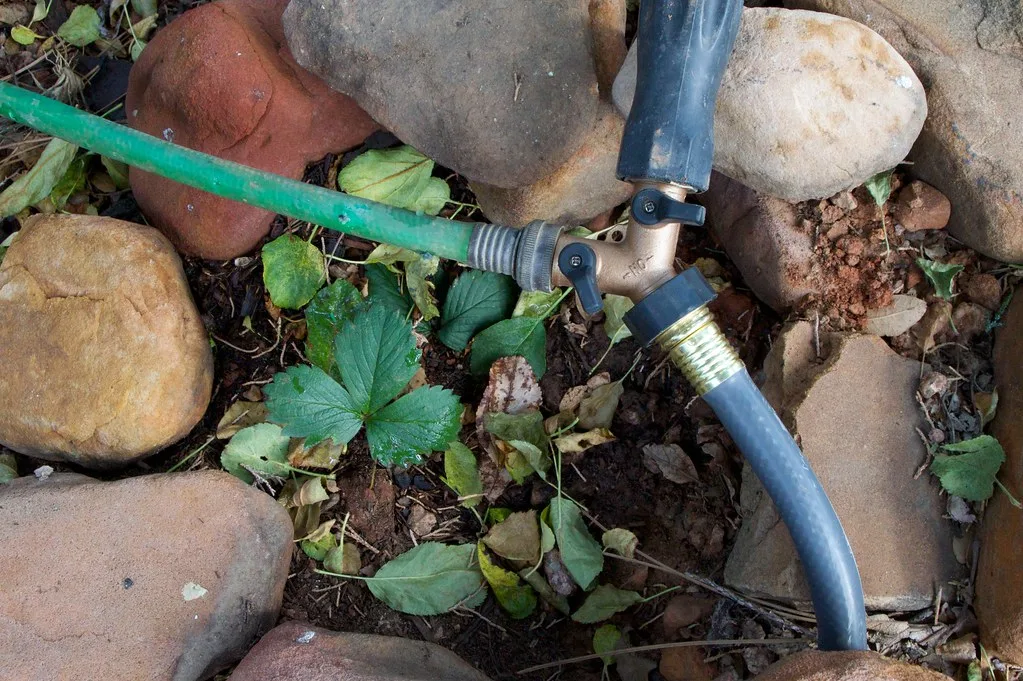
Let’s get practical. Here is exactly what to do tomorrow morning for each type of plant.
For Container Plants
Step 1. Check soil moisture with your finger. Push two inches deep. If it feels dry, water now.
Step 2. Water slowly at the base of the plant. Use a watering wand or a drip emitter. Avoid getting the leaves wet.
Step 3. Water until you see a steady stream from the drainage holes. Then pause. Wait 10 to 15 minutes.
Water again until it drains out a second time.
Step 4. Move pots to shade if you can. Even partial shade reduces water loss by half. If the pot is too heavy to move, leave it but add a layer of mulch on top.
Frequency check: Small pots under 12 inches need water every day. Larger pots 18 inches or wider may last two days. In hot dry climates, terracotta pots may need two waterings per day.
For In-Ground Garden Beds
Step 1. Water at dawn, before 8 a.m. This gives the water time to soak in before the sun gets high.
Step 2. Use a soaker hose or drip line placed around the base of plants. Run it for 30 to 60 minutes depending on your soil. Sandy soil needs less time.
Clay needs longer cycles.
Step 3. After watering, dig down six inches with a trowel. The soil should be dark and moist. If it is dry, increase the watering time by 15 minutes next session.
Step 4. Repeat every three to five days. Do not water again until the top two inches feel dry.
For Young Trees and Shrubs
Step 1. Create a watering basin around the root ball. Mound up a ring of soil about 4 inches high around the base. Fill the basin with water.
Step 2. Let the water soak in. Fill the basin again. Repeat until the root ball is saturated.
Step 3. Water every day for the first two weeks after planting. Then every other day for the next month. After that, twice a week during a heatwave.
Step 4. Apply a slow trickle from a hose at the base of the tree. Let it run for 20 to 30 minutes. Move the hose around the dripline to cover the full root zone.
If you are planting new trees in a hot climate, choose species that tolerate dry conditions. Our guide on trees for hot dry climates covers varieties that bounce back faster after heat stress.
The Mulch Rule (Yes, It Matters That Much in a Heatwave)
Mulch is not optional during a heatwave. It is the single easiest thing you can do to keep soil cool and moist.
A three to four inch layer of organic mulch does three things. It blocks the sun from hitting the soil directly. It reduces evaporation by up to 70 percent.
And it insulates the root zone from extreme temperature swings.
What Kind of Mulch to Use
| Mulch Type | Best For | Notes |
|---|---|---|
| Shredded bark | Flower beds, shrubs | Lasts longest, looks neat |
| Wood chips | Trees, pathways | Cheap, breaks down slowly |
| Straw | Vegetable gardens | Light, easy to move |
| Compost | Any garden | Adds nutrients, but breaks down fast |
| Grass clippings | Veggie beds | Free, but must be dry or it mats |
How to Apply Mulch
Do not pile it against stems or trunks. Leave a two inch gap around the base. Wet mulch touching the stem causes rot and invites pests.
Spread it evenly across the root zone. For trees, extend the mulch circle out to the dripline. For beds, cover all exposed soil.
Check depth. Three inches is the sweet spot. Less than two inches does not help much. More than four inches can trap too much moisture and cause root rot.
Replenish as needed. Mulch breaks down over time. Add a fresh layer once a year. In a heatwave, a new layer can drop soil temperature by 10 degrees.
If you struggle with weeds in your flower beds, mulch is also your best defense. Thick mulch smothers weed seeds before they sprout. Pair it with the right flowers for your flower beds to reduce maintenance further.
The Biggest Mistake: Watering at the Wrong Time of Day
Here is what most people do wrong. They water when the plants look wilted. That is usually midafternoon when the sun is highest.
Watering in the middle of the day wastes water. Up to half evaporates before it reaches the roots. The water droplets on leaves can also act like tiny magnifying glasses.
They magnify the sun and scorch the leaf tissue.
Watering late at night is almost as bad. Leaves stay wet for hours. Fungus and mildew take hold overnight.
In humid heatwaves, this is a recipe for disease.
The Only Two Windows That Work
Best time: Dawn (5 a.m. to 8 a.m.)
The air is cool. The sun is low. The water soaks in before the heat builds.
Leaves dry quickly as the sun rises.
Second best: Early evening (4 p.m. to 6 p.m.)
This works only if you water the soil, not the leaves. Use drip irrigation or a soaker hose. Avoid overhead sprinklers in the evening.
What to Do If You Miss Both Windows
Skip watering that day rather than doing it wrong. Your plants can handle one dry day. They cannot handle a fungal infection that takes weeks to clear.
If the soil is bone dry and the plants are collapsing, water at the base with a slow trickle. Keep the leaves as dry as possible. Then get back on schedule the next morning.
When to Water Twice a Day (And When Not To)
Some plants need two waterings a day during a heatwave. Most do not. Here is how to tell which camp you are in.
When Twice a Day Is Necessary
Small containers in full sun. Any pot under 10 inches in diameter dries out in hours. Water at dawn and again around 2 p.m.
Hanging baskets. They are exposed on all sides. The soil gets hot and dry fast. Two waterings are standard in heatwaves.
Seedlings and new transplants. Their root systems are tiny. They cannot reach deep moisture. Water them gently in the morning and again in the late afternoon.
Vegetables with high water needs. Tomatoes, peppers, cucumbers, and squash all drink heavily. On 95 degree days, they may need a morning soak and a late afternoon top up.
When Twice a Day Hurts
Established trees and shrubs. Deep roots need a good soak every few days. Twice a day watering keeps the surface wet but leaves the deep roots dry. This encourages shallow root growth and makes the plant weaker.
Plants in clay soil. Clay holds water well. Watering twice a day leads to waterlogged soil and root rot. Stick to one deep watering every three days.
Drought tolerant plants. Lavender, rosemary, succulents, and cacti prefer dry soil. Twice a day watering kills them quickly. Let them dry out between waterings.
How to Water Twice a Day the Right Way
Morning session: Deep soak. Get the full root zone wet. Water until it runs through.
Afternoon session: Light top up. Give just enough to keep the top two inches moist. Do not soak the pot again.
Aim for about a quarter of the morning volume.
Use a moisture meter. A simple probe tells you if the soil is still damp at root level. If it is, skip the afternoon round. Overwatering in hot weather is just as dangerous as underwatering.
What About Wilting? (Signs of Overwater vs. Underwater)
Wilting is confusing. Both underwatered and overwatered plants droop. But the causes are opposite, and the cure is different.
Underwatered Wilting
The leaves look limp and lifeless. They may curl inward at the edges. The soil feels dry two inches down.
The plant perks up within an hour of watering.
What to do: Water deeply. The plant should recover by the next morning. If it does not, check for root damage from heat.
Overwatered Wilting
The leaves droop but feel soft and mushy. The soil feels wet or soggy. The plant does not perk up after watering.
Sometimes you see yellow lower leaves or a musty smell from the soil.
What to do: Stop watering. Let the soil dry out completely. Move the pot to a shady spot.
If the plant is in the ground, improve drainage by adding organic matter after the heatwave passes.
The Finger Test
Push your index finger two inches into the soil. If it feels cool and damp, do not water. If it feels warm and dry, water now.
If it feels wet and cold, you have overwatered.
Heat Stress Wilting
Sometimes the plant is not thirsty at all. The leaves droop in the afternoon heat even when the soil is moist. This is transpiration.
The plant is losing water through its leaves faster than its roots can pull it up.
What to do: Check the soil. If it is damp, the plant is just dealing with the heat. Leave it alone.
It will recover in the evening when the air cools. Adding shade cloth over the plant for the hottest part of the day can help.
If you are growing plants indoors on a sunny windowsill during a heatwave, the same rules apply. Check your indoor setup for the right window orientation. Our guide on plants for south or east facing windows explains which species handle direct heat best.
How to Automate Without Burning Money or Plants
A simple timer turns a hose into a set-and-forget system. Use a mechanical timer for basic dawn watering. Use a smart timer with a rain sensor if you want precision.
Set the timer for 4 a.m. to 6 a.m. Run drip lines for 30 to 45 minutes per zone. Test the soil depth after the first run and adjust from there.
Do not rely on a timer alone. Check your plants in person every few days. A sensor can fail.
A hose can kink. No gadget replaces eyes on the garden.
Warnings: Heatwave Water Bans, Runoff, and Root Rot
Check your local water authority for odd-even watering restrictions. Many municipalities ban midday watering entirely during extreme heat. Fines can start at 50 dollars per violation.
Runoff is wasted water. If water pools on the surface or runs into the street, you are watering too fast. Break the session into two shorter cycles with a 30 minute pause between them.
Root rot is the silent killer. Soggy soil in hot weather breeds pythium and phytophthora fungi. If the soil smells sour or the roots look brown and mushy, you have overwatered.
Let the soil dry completely before watering again.
Decision Guide: Your Heatwave Watering Plan for Tomorrow Morning
If you have containers: Check soil at 6 a.m. Water until it drains. Repeat in the afternoon only if the pot feels light.
If you have garden beds: Run soaker hoses at dawn for 45 minutes. Check moisture depth afterward. Skip watering if the soil is still damp two inches down.
If you have young trees: Fill the watering basin twice. Water again in three days. Do not let the root ball dry out completely.
If you have lawn: Water once a week with one inch of water. Do not water daily. Deep infrequent watering builds stronger roots.
If you are leaving town: Set a timer on drip irrigation. Add a rain sensor backup. Ask a neighbor to check once midweek.
Frequently Asked Questions
Can I water my plants in the middle of a heatwave?
Yes, but only at the base. Avoid overhead watering during peak sun hours. Water evaporates too fast and leaf burn is a real risk.
How much water do plants need during a heatwave?
Most garden plants need one to two inches of water per week. During a heatwave, double that for containers and high-water vegetables. Check soil moisture before each watering.
Does mulch really help in extreme heat?
Yes. A three inch layer of organic mulch reduces soil evaporation by up to 70 percent. It also keeps root zone temperatures 10 degrees cooler than bare soil.
Should I fertilize plants during a heatwave?
No. Fertilizer adds salt stress to already stressed roots. Wait until temperatures drop back to normal.
If plants look pale, use a half strength liquid feed after the heatwave passes.
How do I know if I overwatered my plants?
Leaves droop but feel soft and mushy. The soil stays wet for days. The pot feels heavy.
Stop watering immediately and let the soil dry out before the next session.
Is it better to water in the morning or evening during a heatwave?
Morning is best. Water at dawn so the leaves dry quickly and the water soaks in before the heat peaks. Evening watering risks fungal disease on wet foliage overnight.