Guide to Can Grass Recover From Drought 2026: Complete Guide
You look out at your lawn after weeks of no rain, and it’s brown, crunchy, and looks completely dead. It’s a gut punch. But here’s the thing: can grass recover from drought?
In most cases, yes. The grass you’re staring at might not be dead at all.
Research from university turf programs suggests that roughly 80 to 90 percent of drought-stressed grass slips into dormancy instead of dying. That dormancy is a built-in survival mechanism. It buys time until water returns.
Before you tear it all out and start shopping for sod, let’s walk through what’s actually happening under that crispy layer.
The Quick Answer: Yes, Most Grass Can Recover — Here’s the Catch
Yes, most grass can recover from drought. The trick is knowing if it’s dormant or dead. Dormant grass looks brown but stays alive at the crown.
Dead grass pulls up easily and shows no green. Wait two to three weeks after rain before giving up.
Is It Dead or Just Dormant? How to Know for Sure
The first thing to understand is that brown lawn doesn’t automatically mean a dead lawn. Drought dormancy is a survival trick that almost all turfgrasses use. When soil gets bone-dry and temperatures climb, the grass shuts down.
It stops growing. It pulls water and nutrients from the leaves into the crown and roots. The leaves turn brown.
To the untrained eye, that looks like death.
But here’s where it gets interesting. The crown, the thick section where leaves meet roots, stays alive. As long as the crown is firm and white or pale green, the grass can bounce back.
We’re talking about a plant-level coma, not a funeral.
So how do you tell the difference? You need to get your hands dirty. Walk out there and look closely.
Grab a handful of the brown blades and give a gentle tug. That one simple test tells you more than any watering schedule ever could.
Why Grass Fakes Its Death (Dormancy vs. Death Explained)
Dormancy is a physiological shutdown. It’s not a sign of weakness, it’s a strategy. When the grass senses that soil moisture has dropped below a critical threshold, it releases a stress hormone called abscisic acid.
That signals the leaves to stop photosynthesizing and the plant to redirect energy to the root system and the crown.
The grass isn’t dying. It’s waiting.
Death, on the other hand, happens when the crown itself dries out completely or when the roots rot from overwatering during the dormant period. A dead grass plant has no living tissue left. You can’t revive it with water, fertilizer, or good intentions.
You’ll have to reseed or sod.
This distinction matters because many homeowners panic and start watering heavily the moment their lawn turns brown. That’s a mistake. If the grass is dormant, heavy watering can smother the roots and invite fungal diseases, especially in cool-season grasses.
A proper approach to fungicide for lawns can help, but prevention beats cure.
Here’s a quick comparison table to keep straight:
| Condition | Crown appearance | Pull test result | Recovery potential |
|---|---|---|---|
| Dormant | Firm, white or pale green | Grass holds tight | High — greens within 2–4 weeks of rain |
| Dead | Soft, brown, mushy, or hollow | Grass comes out easily with no roots | Zero — must reseed or sod |
The Decision Tree Starts Here: 3 Tests to Diagnose Your Lawn
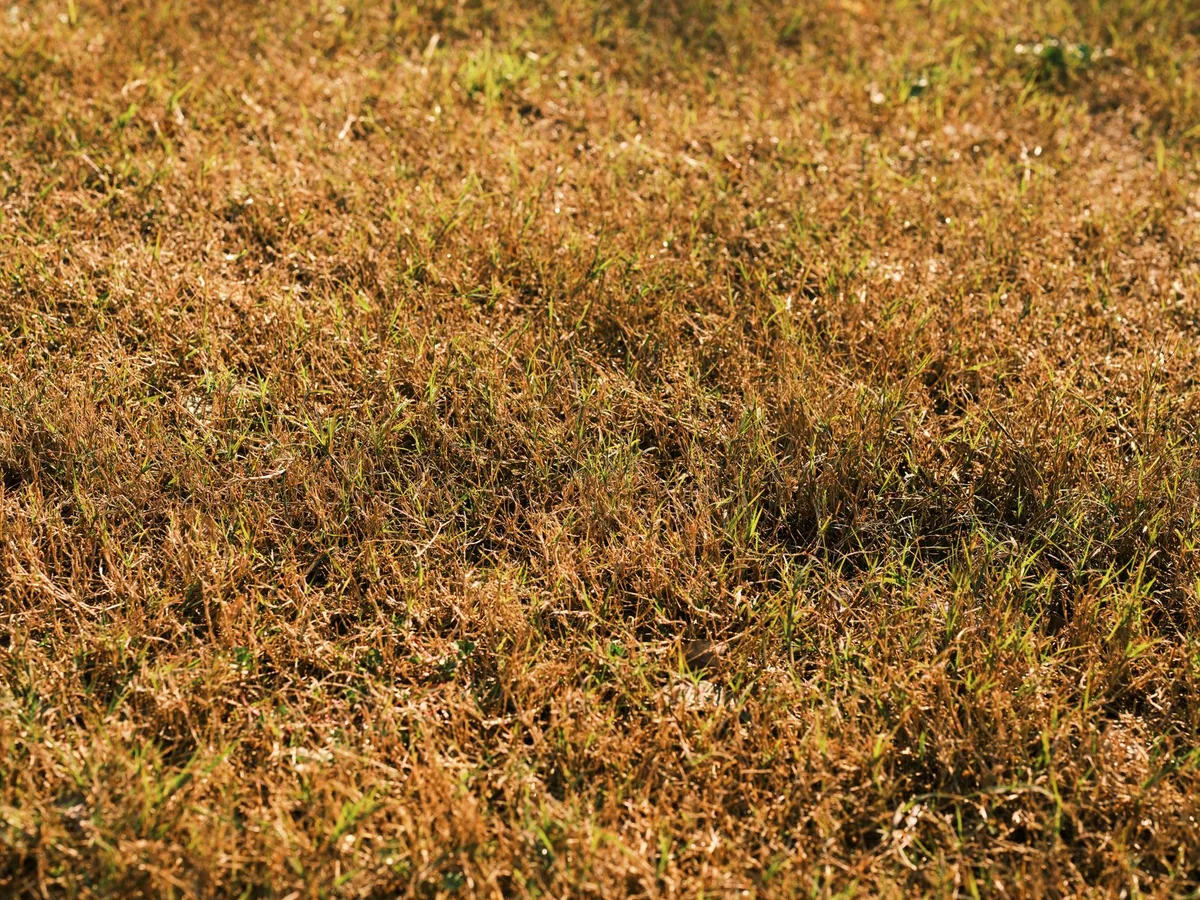
Now it’s time to get specific. You don’t need a soil moisture meter or a lab test. You need your hands, your eyes, and a little patience.
Here are three tests that will tell you exactly what’s going on.
Test 1: The Pull Test (Grab and Check)
Walk to a brown patch. Grab a handful of grass blades near the base. Pull firmly but gently.
If the grass comes out easily, like pulling a weed from loose soil, it’s dead. The roots are gone. If the grass resists and doesn’t lift, it’s dormant.
The roots are still anchored.
Do this in several spots across the lawn. One test isn’t enough.
Test 2: The Crown Check (Look at the Base)
Push aside the brown leaves and look at the base of the plant. The crown should be plump, firm, and either white or a pale cream color. If it’s mushy, dark brown, or completely dried out, that plant is gone.
This test takes about ten seconds per spot. It’s the most reliable visual clue you’ll get.
Test 3: The Water Test (Give It a Drink and Wait)
If you’re still unsure, run a quick water test. Give the lawn a thorough soak, about one inch of water. Then wait three to five days.
If you see even a hint of green at the base of the blades, it was dormant and is now waking up. If there’s no change, it’s likely dead.
This test works because dormant grass responds to moisture within days. Dead grass doesn’t.
Cool-Season vs. Warm-Season Recovery Timelines
Not all grass recovers at the same speed. The two main families, cool-season and warm-season, have different triggers and different paces.
Cool-season grasses (fescue, Kentucky bluegrass, ryegrass) thrive in spring and fall. They slow down in summer heat even with water, and they’ll go dormant faster in drought. Recovery is slower because they hate high soil temperatures.
Even after rain, they may need a drop in temperature to fully green up. Expect two to four weeks after consistent moisture, and only if nighttime temperatures fall below 70°F.
Warm-season grasses (Bermuda, Zoysia, St. Augustine) love heat. They go dormant during drought too, but once water returns, they bounce back fast, often within one to two weeks.
Bermuda grass in particular is a survivor. It has deep roots and can regrow from underground runners called rhizomes.
Here’s a handy timeline for reference:
| Grass type | Days to show green after watering | Full recovery window | Notes |
|---|---|---|---|
| Kentucky bluegrass | 7–10 days | 3–4 weeks | Slower because of heat stress |
| Tall fescue | 5–7 days | 2–3 weeks | Deeper roots than bluegrass |
| Bermuda grass | 3–5 days | 1–2 weeks | Fastest recovery; spreads via rhizomes |
| Zoysia | 5–7 days | 2–3 weeks | Moderately fast |
| St. Augustine | 7–10 days | 3–4 weeks | Sensitive to cold after recovery |
If you’ve been thinking about replacing a dead patch with a more resilient type, consider the heat tolerance of different turf varieties. Some drought-tolerant options pair well with other low-water landscaping choices, like the best trees for hot dry climates you might plant nearby.
So far we’ve covered the diagnosis and the timeline. Next, we’ll walk through the actual recovery steps, what to do if it’s dormant, what to do if it’s dead, and the mistakes that cost people their lawns.
Step-by-Step Recovery Guide (Based on Your Diagnosis)
Once you know whether your grass is dormant or dead, the next move is clear. One path is about patience and light maintenance. The other path involves making a new lawn.
Here is exactly what to do in each scenario.
If It’s Dormant: The “Wait and Water” Plan
Dormant grass doesn’t need much from you. It needs water and time. That’s it.
Start by giving the lawn a deep soak. One inch of water per week is enough. Any more than that, and you risk root rot or fungal issues.
If your area has watering restrictions, check municipal guidelines. Some towns allow limited hand-watering for established lawns.
After that first soak, wait. Do not fertilize. Do not aerate.
Do not walk on it repeatedly. The grass is fragile right now. Walking compresses the soil and damages the already stressed crown.
If you’ve been dealing with compact soil, hold off on aeration until the grass is fully green again. You can address compaction later with a proper schedule.
Watch for green at the base of the blades. That is the first sign of recovery. It usually appears within three to fourteen days.
Once you see that, ease back into a normal watering routine. Do not flood it. Consistency matters more than volume.
If It’s Dead: The Re-Seed or Sod Decision
If the pull test came up empty and the crowns were soft or brown, you are starting over. The good news is you have two solid options. Seed is cheaper but slower.
Sod is faster but costs more.
If you re-seed, pick a grass variety that matches your climate. Cool-season lawns do well with tall fescue or Kentucky bluegrass. Warm-season lawns prefer Bermuda or Zoysia.
Spread the seed evenly, cover it lightly with topsoil, and water it gently every day until germination. That takes about seven to twenty-one days depending on the type.
If you sod, prepare the soil first. Remove dead debris, level the ground, and rake it smooth. Lay the sod in staggered rows like brickwork.
Water it deeply for the first two weeks. You will have a usable lawn in about three weeks, but full rooting takes closer to six.
Regardless of your choice, avoid using a fertilizer high in nitrogen right away. Roots need to establish before leaves need to grow. A balanced starter fertilizer works better.
Mistakes That Kill Dormant Grass (Don’t Do These)
A brown lawn makes people anxious. Anxiety leads to overreaction. Here are the most common mistakes that turn dormant grass into dead grass.
Mowing too short. Scalping the lawn removes the protective leaf tissue that shades the crown. If you must mow, set the blade high. Three inches or higher is a good rule for both warm and cool season grasses.
Fertilizing during dormancy. You might think food will help. It won’t. Dormant grass cannot absorb nutrients.
The fertilizer sits on the soil, burns the roots, and feeds weeds. Wait until the lawn is actively growing again.
Overwatering. More water does not equal faster recovery. One inch per week is the sweet spot. Overwatering saturates the soil, drowns the roots, and invites fungal diseases.
A proper fungicide for lawns can help if you spot signs of disease, but prevention is better.
Walking or playing on it repeatedly. Foot traffic crushes the crown and compacts the soil. If you have kids or pets, keep them off the brown patches until you see green.
Applying weed killer during stress. Herbicides are harsh on a lawn that is already fighting to survive. Hold off until the grass is actively growing and fully recovered.
When to Re-Seed vs. When to Sod (Cost, Time, Results)
This decision comes down to three factors: your timeline, your budget, and your patience level.
| Factor | Seed | Sod |
|---|---|---|
| Cost per 1,000 sq ft | $30 to $80 | $150 to $400 |
| Time to usable lawn | 3 to 4 weeks | Immediate |
| Time to full root establishment | 8 to 12 weeks | 4 to 6 weeks |
| Labor effort | Moderate | Moderate to heavy |
| Variety selection | Wide | Limited to what’s in stock |
Choose seed if you are patient and want to save money. You can get a great lawn for a fraction of the cost. The downsides are the waiting period and the risk of birds or wind disturbing the seed.
Choose sod if you need a lawn fast, or if you only have small patches to replace. Sod gives you an instant green surface. The catch is the cost and the heavy lifting.
Both options work well. The choice really depends on how much you want to spend and how fast you need results. If you are already planning other landscaping upgrades, like adding best flowers for flower beds or installing new patio gravel, a seeded lawn might fit your timeline better than sod.
How Long Until You See Green Again? Real Timelines
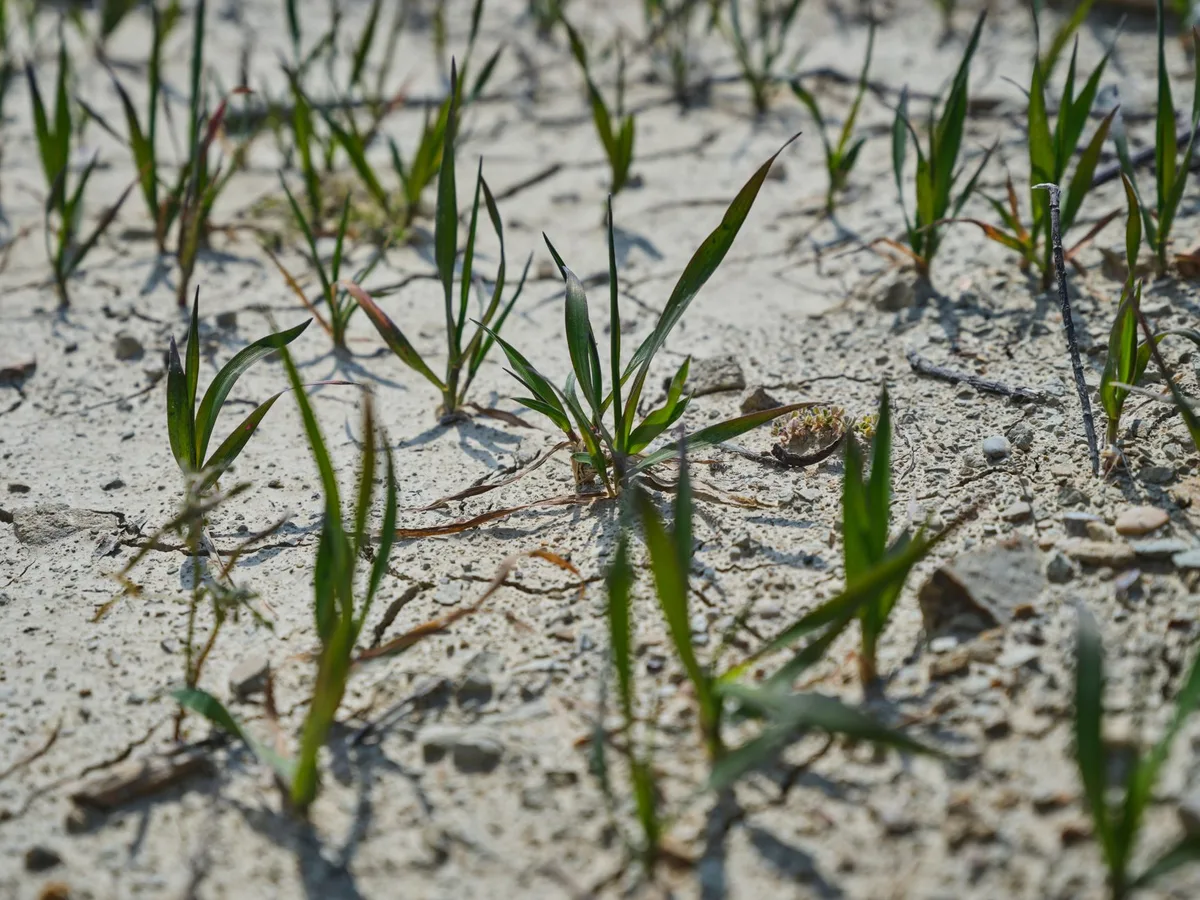
Patience is the hardest part of drought recovery. But timelines help.
For dormant grass that gets consistent water, here is what to expect:
- Days 1 to 3. No visible change. The grass is rehydrating at the root level.
- Days 4 to 7. You may see a pale green tint at the base of leaves. That is the first good sign.
- Days 7 to 14. Green color spreads up the blades. Recovery is underway.
- Days 14 to 21. Full green returns for most cool season grasses if temperatures are moderate.
- Days 21 to 28. Warm season grasses are usually fully recovered by this point.
If you are starting from seed, add seven to fourteen days for germination and another three weeks for visible coverage. If you used sod, you will have a green surface immediately, but do not treat it like a mature lawn for at least four weeks.
The timing shifts with weather. Hot, dry conditions slow everything down. A spell of cooler weather speeds it up.
That is why early fall is the best time to recover a cool season lawn from drought.
FAQs from Stressed-Out Lawn Owners
Should I fertilize drought-stressed grass?
No. Do not fertilize dormant grass. It cannot use the nutrients.
The nitrogen will sit on the soil and burn the roots. Wait until the grass is actively growing and you see at least fifty percent green coverage. Then use a slow release formula.
A quality slow release fertilizer for flowers works well on lawns too, as long as the nitrogen ratio is appropriate.
Can I walk on dormant grass?
Light traffic is okay, but heavy repeated traffic is not. The crown is vulnerable. Children playing, pets running, or you dragging a hose across the same path can kill those spots.
Stick to walking on pathways if you can. Once the grass greens up, normal traffic is fine.
Will one good rain save my lawn?
A single heavy rain is a great start, but it is rarely enough on its own. The soil needs sustained moisture over several days to break dormancy completely. One rain might green up the surface, but deeper roots still need more water.
Think of it as a wake-up call, not a full recovery. Follow up with regular watering or more rain within a week.
The One-Page Decision Guide (Print This and Go Outside)
You have all the information. Now here is the cheat sheet to take outside with you.
Step 1. Do the pull test in three spots. If grass holds tight, it is dormant. If it comes out easily with no roots, it is dead.
Step 2. Check the crown. Firm and pale equals dormant. Soft or brown equals dead.
Step 3. If dormant, give one inch of water per week and wait two to three weeks. Do not fertilize. Do not mow short.
Do not walk on it.
Step 4. If dead, choose seed or sod. Seed is cheaper but takes longer. Sod is faster but costs more.
Both work if you prepare the soil properly.
Step 5. Water consistently after recovery starts. Deep watering once or twice a week beats light sprinkling every day. That encourages deeper roots and better drought tolerance next time.
One last thing. A brown lawn is not a dead lawn. Most of the time, it is just resting. Give it water.
Give it time. And trust that nature knows what it is doing.