Guide to Is Whiteflies Safe 2026
You've probably spotted tiny white insects hovering around your houseplants or garden vegetables and wondered, "Is whiteflies safe?" The short answer is that whiteflies pose minimal direct risk to humans and pets, but they can wreak havoc on your plants and, by extension, your food crops and ornamental gardens. Understanding the difference between human safety and plant health is the key to managing these persistent pests effectively.
Whiteflies belong to the Aleyrodidae family and reproduce rapidly, completing a full generation in just 21 to 28 days under ideal conditions. That speed is why a small cluster can explode into a cloud of hundreds within weeks. Let's break down exactly what risks whiteflies present, who's actually at risk, and when you need to act.
Quick Answer: Are Whiteflies Dangerous to Humans, Pets, or Plants?
Whiteflies are not directly dangerous to humans or pets. They don't bite, sting, or transmit diseases to mammals. The main risk is to plants.
Whiteflies feed on plant sap, causing yellowing, stunting, and wilting. They also excrete honeydew, which leads to sooty mold and blocks photosynthesis. The biggest agricultural threat is their ability to transmit viral diseases like tomato yellow leaf curl virus.
For people, heavy indoor infestations can occasionally trigger mild respiratory irritation in sensitive individuals, but this is rare.
What Whiteflies Actually Are (And Why People Worry)
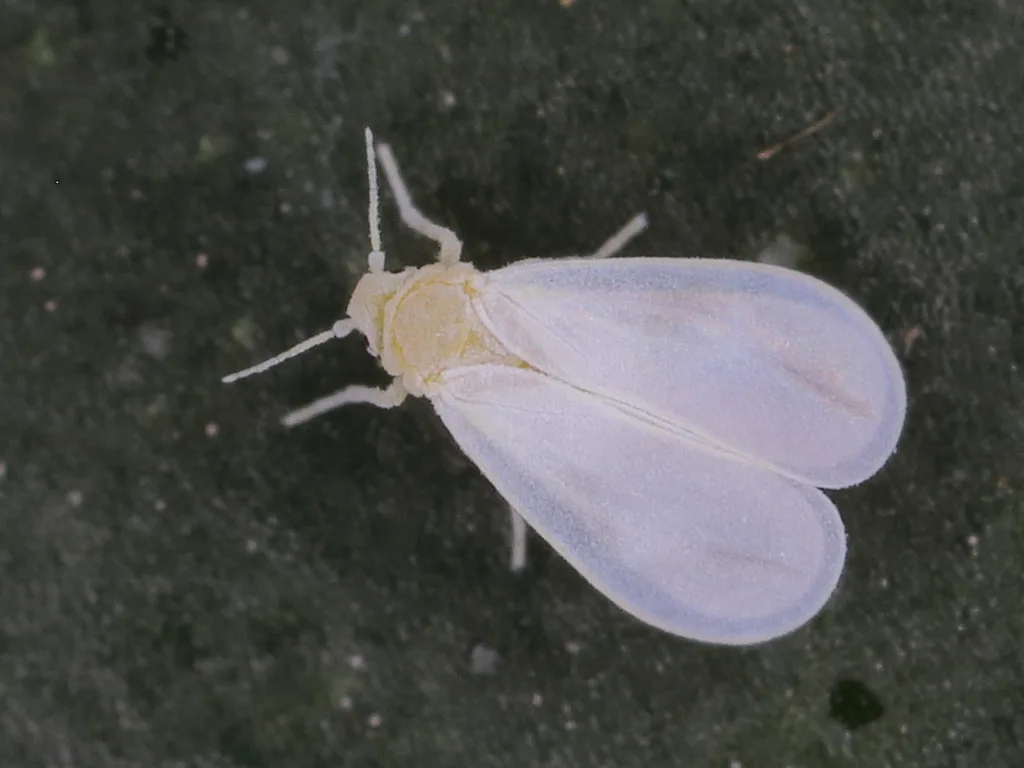
Whiteflies are tiny sap-sucking insects in the order Hemiptera, closely related to aphids and scale insects. Adults measure just 1 to 2 millimeters long and have a distinctive white waxy coating on their wings. When you brush against an infested plant, you'll see them lift off in a small cloud before quickly settling back down.
The most common species you'll encounter are the silverleaf whitefly (Bemisia tabaci) and the greenhouse whitefly (Trialeurodes vaporariorum). Both species have piercing-sucking mouthparts designed to tap into plant phloem and extract nutrient-rich sap. They don't have the anatomy to bite human or animal skin.
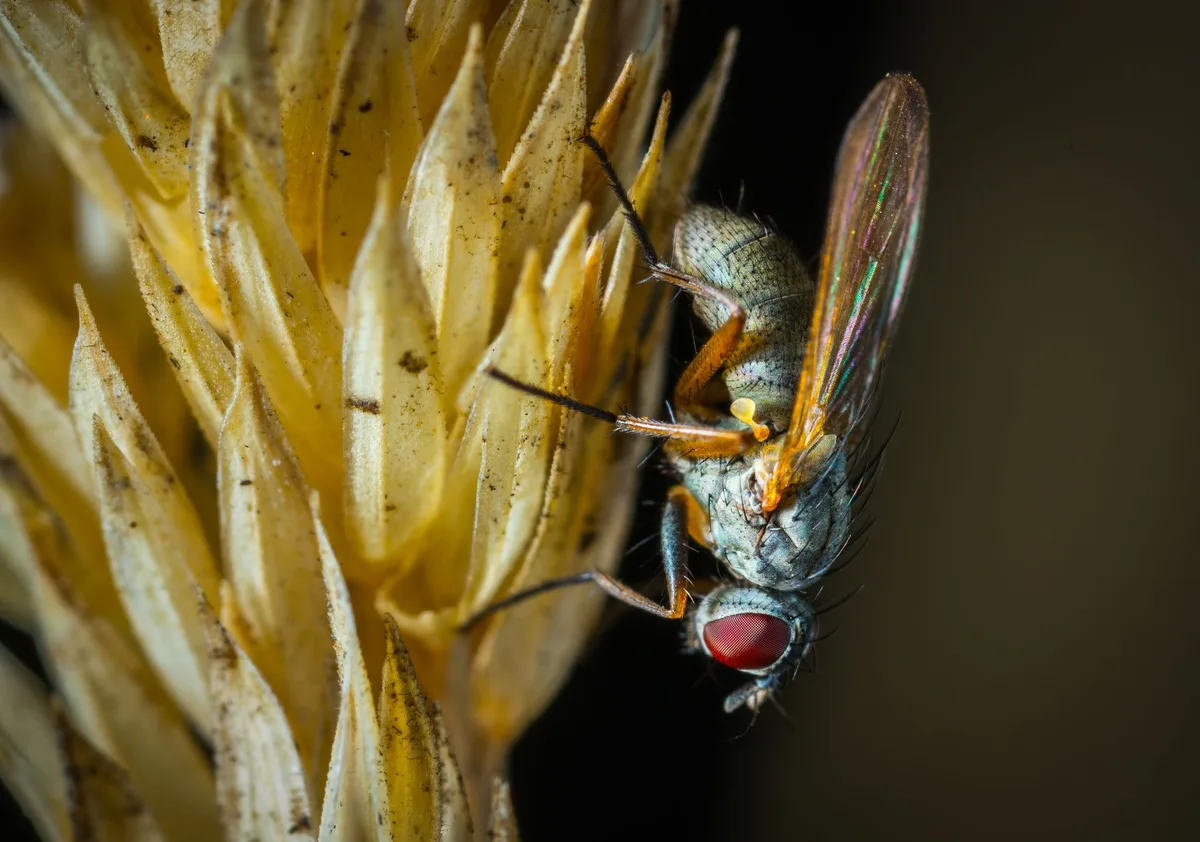
People worry about whiteflies for a few reasons. First, they reproduce incredibly fast. A single female can lay 200 to 400 eggs in her lifetime, and under warm conditions (70 to 80°F), those eggs hatch and develop into adults in less than a month.
Second, they're notoriously difficult to eliminate once established because they exist in multiple life stages at once. You'll find eggs, nymphs, and adults on the same plant. Third, the sticky honeydew they excrete covers leaves and nearby surfaces, creating a mess and attracting ants.
Finally, whiteflies are vectors for dozens of plant viruses, particularly geminiviruses and criniviruses, which can devastate commercial crops. That's why quarantine regulations exist in some states and countries to prevent their spread.
Direct Safety Risks to Humans and Pets
Do Whiteflies Bite, Sting, or Transmit Diseases to People?
No. Whiteflies cannot bite or sting humans. Their mouthparts are designed exclusively for penetrating plant tissue, not skin or flesh.
You can handle whitefly-infested plants without any risk of being bitten.
Whiteflies also do not transmit diseases to people or animals. The viruses they carry are plant-specific pathogens that replicate only in plant cells. You can't catch tomato yellow leaf curl virus or any other whitefly-vectored disease by touching an infested plant or eating produce that had whiteflies on it.
Allergic Reactions and Respiratory Irritation from Heavy Infestations
In rare cases, people exposed to very heavy indoor whitefly populations have reported mild respiratory irritation or allergic-type symptoms. This isn't from whitefly bites or toxins. Instead, it's thought to be a reaction to airborne particles like whitefly scales, frass, or honeydew residue.
If you're managing a large greenhouse or indoor grow operation and notice persistent coughing, sneezing, or itchy eyes, it's worth improving ventilation and reducing the whitefly population. For most home gardeners, the infestation level never reaches the point where this becomes an issue.
Are Whiteflies Safe Around Children and Pets?
Yes. Whiteflies are safe around children and pets. They don't bite, sting, or carry diseases that affect mammals.
If a pet eats a few whiteflies while investigating a plant, there's no toxicity risk.
The only indirect concern is if you're using pesticides to control whiteflies. Some insecticides, especially organophosphates and synthetic pyrethroids, can be harmful to pets and children if misused. Always follow label instructions, keep treated plants out of reach during the application period, and choose low-toxicity options like insecticidal soap or neem oil when possible.
The Real Threat: What Whiteflies Do to Plants
How Whiteflies Damage Plants Through Sap Feeding
Whiteflies insert their stylet (a needle-like mouthpart) into the phloem of plant leaves and stems to extract sap. Phloem carries sugars, amino acids, and other nutrients throughout the plant. When dozens or hundreds of whiteflies feed simultaneously, they drain significant resources.
The immediate symptoms include chlorosis (yellowing of leaves), especially on older foliage. New growth may appear stunted or distorted. In severe cases, leaves wilt and drop prematurely.
Plants weaken because they can't photosynthesize efficiently or transport nutrients properly.
Certain crops are especially vulnerable. Tomatoes, peppers, cucumbers, beans, and ornamentals like poinsettias and hibiscus are favorite hosts. Whiteflies can feed on over 500 plant species, but they show strong preferences for specific families, particularly Solanaceae (nightshades) and Cucurbitaceae (cucurbits).
Honeydew, Sooty Mold, and Secondary Plant Problems
As whiteflies feed, they excrete excess sugary liquid called honeydew. This sticky substance coats the leaves, stems, and any surfaces below the plant. You'll notice it as a shiny, tacky film that attracts ants and wasps.
Honeydew creates a perfect environment for sooty mold, a black fungal growth that colonizes the sticky surface. Sooty mold isn't a pathogen that infects the plant directly, but it blocks sunlight from reaching the leaf surface. Photosynthesis drops, and the plant's health declines further.
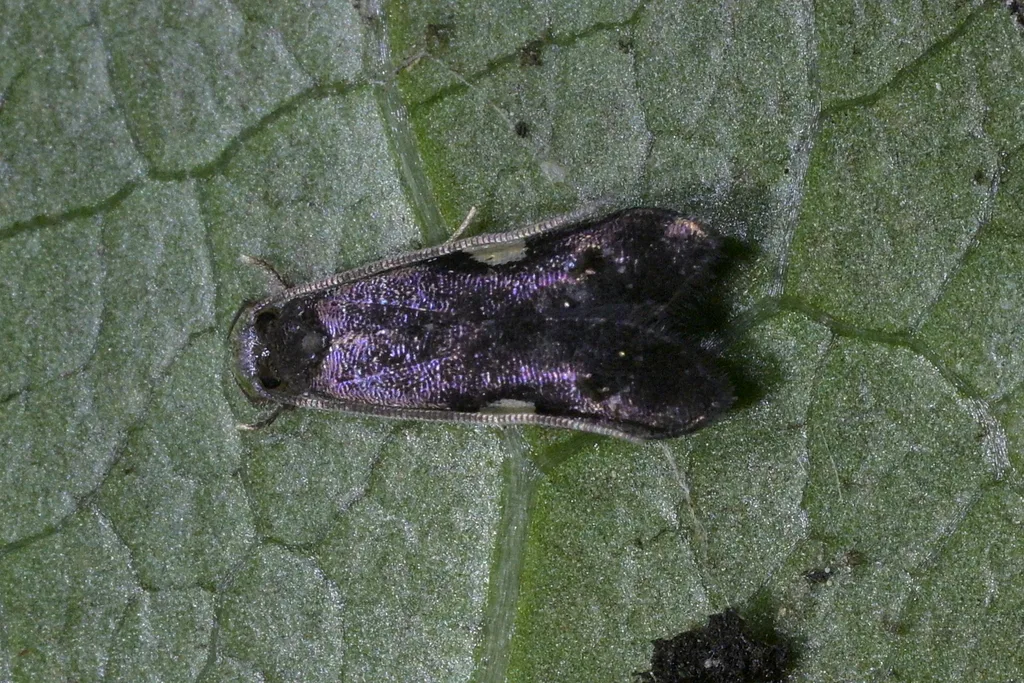
If you're growing edible crops, honeydew and sooty mold can make harvested produce unmarketable or unappetizing. You can wash it off, but the cosmetic damage and reduced yield are real problems for commercial growers.
Viral Disease Transmission: The Biggest Agricultural Risk
The most serious threat whiteflies pose is their role as vectors for plant viruses. The silverleaf whitefly, in particular, transmits more than 100 virus species, including tomato yellow leaf curl virus (TYLCV), cucurbit leaf crumple virus, and bean golden mosaic virus.
These viruses cause stunting, leaf distortion, fruit discoloration, and crop failure. Once a plant is infected, there's no cure. You have to remove and destroy it to prevent the virus from spreading to neighboring plants.
Whiteflies pick up viruses when they feed on an infected plant. The virus replicates inside the whitefly's body, and the insect remains infectious for the rest of its life. When it moves to a healthy plant and begins feeding, it injects the virus along with its saliva.
In commercial agriculture, especially in warm climates and greenhouse operations, whitefly-transmitted viruses can cause 100% crop loss. That's why integrated pest management programs focus heavily on keeping whitefly populations below economic thresholds.
When Whiteflies Become a Serious Problem
Identifying Light vs. Heavy Infestations
A light infestation might mean seeing a handful of adults when you shake a plant, along with a few nymphs on the undersides of leaves. At this stage, you can often manage the problem with simple cultural controls like water sprays or pruning affected leaves.
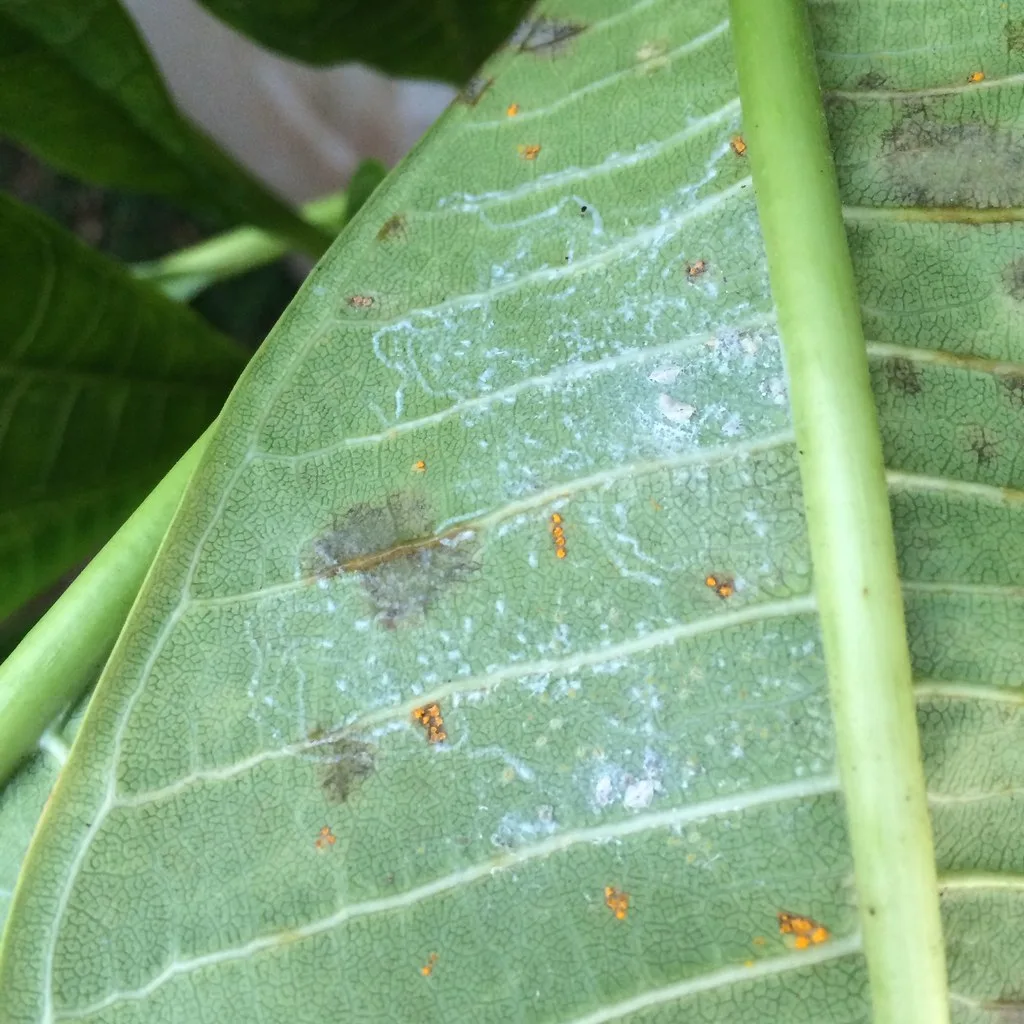
A heavy infestation looks different. You'll see clouds of dozens or hundreds of adults rising from the plant. Leaf undersides will be covered with nymphs in various stages, appearing as tiny translucent or yellowish ovals.
Honeydew will coat the leaves, and sooty mold will be visible. The plant itself will show significant yellowing, wilting, or stunting.
Yellow sticky traps are a useful monitoring tool. Place them near susceptible plants and check weekly. If you're catching more than 10 to 15 adults per trap per week, you're approaching an action threshold in a home garden.
Commercial growers use more precise thresholds based on crop type and market standards.
Crops and Plants Most at Risk
Certain plants are whitefly magnets. Tomatoes, peppers, eggplants, and other members of the nightshade family are highly susceptible, especially in greenhouses or warm climates. Cucumbers, squash, and melons also attract heavy whitefly pressure.
Ornamental plants like poinsettias, hibiscus, fuchsia, and lantana are common hosts. If you're growing these indoors or in a greenhouse, you'll need to be vigilant. Whiteflies can also infest houseplants, especially if you move plants outdoors in summer and bring them back inside in fall.
Cannabis cultivators face serious whitefly problems, particularly in indoor grow operations. The warm, humid conditions and dense canopy create an ideal environment for whitefly reproduction. Heavy infestations can reduce yield and quality, and the sticky honeydew can contaminate flowers.
Economic and Yield Loss Thresholds
In commercial agriculture, whiteflies are considered a major economic pest. Yield losses vary by crop, but tomato growers in whitefly-prone regions routinely see 20 to 50% reductions in marketable fruit. In cases where viral diseases spread, losses can reach 100%.
The economic injury level (EIL) is the point at which the cost of control equals the value of the crop loss. For most vegetable crops, this threshold is very low, often just one to five adults per plant, because the risk of virus transmission is so high.
Home gardeners don't face the same economic calculations, but the principle holds. If you're growing food crops and you see whiteflies, act quickly. Waiting until symptoms are severe makes control much harder and increases the risk of permanent damage or crop failure.
Safety Considerations During Whitefly Treatment
Pesticide Safety: What You Need to Know
Most whitefly control products are safe when used correctly, but some carry real risks if mishandled. Organophosphates and carbamates, for example, can cause acute toxicity in humans and pets if ingested or absorbed through skin. These products are less common in home garden formulations as of 2026, but they're still used in commercial agriculture.
Synthetic pyrethroids like bifenthrin and permethrin are moderately toxic to mammals but highly toxic to bees and aquatic organisms. If you're treating plants near water features or flowering plants visited by pollinators, avoid these products. Always check the label for environmental hazards and pre-harvest intervals if you're treating edible crops.
Systemic insecticides like imidacloprid (a neonicotinoid) are absorbed by the plant and transported through the vascular system. Whiteflies ingest the chemical when they feed. These products work well for long-term control, but they can persist in plant tissues for weeks or months.
If you're growing food crops, pay close attention to the days-to-harvest restriction listed on the label.
Safe Treatment Options for Edible Gardens
For vegetables, herbs, and fruit plants, stick with low-toxicity options that break down quickly. Insecticidal soap is one of the safest choices. It works by disrupting the cell membranes of soft-bodied insects like whiteflies.
Spray it directly on adults and nymphs, making sure to cover leaf undersides thoroughly. It has no residual activity, so you need to reapply every five to seven days.
Neem oil is another effective and low-toxicity option. It contains azadirachtin, a compound that disrupts insect growth and feeding. Neem also has some antifeedant and repellent properties.
Mix it according to label instructions and apply in the early morning or late evening to avoid phytotoxicity in hot sun. Most neem oil products have a zero-day pre-harvest interval, meaning you can harvest the same day you spray.
Horticultural oils (also called dormant or summer oils) smother whitefly eggs and nymphs by coating them with a thin film. These oils are petroleum- or plant-based and are generally safe for use on edibles. They're most effective on immature stages, so timing is critical.
Apply when you see clusters of eggs or young nymphs on leaf undersides.
Protecting Beneficial Insects While Controlling Whiteflies
Broad-spectrum insecticides kill beneficial insects along with pests. Lady beetles, lacewings, and parasitic wasps are natural whitefly predators that you want to keep around. If you spray indiscriminately, you'll wipe out these allies and often trigger secondary pest outbreaks.
Spot-treat only infested plants rather than blanket-spraying your entire garden. Use selective products like insecticidal soap or neem oil that have minimal impact on beneficials once they dry. Avoid spraying open flowers, where pollinators are actively foraging.
If you're releasing biological control agents (discussed below), wait at least 10 to 14 days after any pesticide application. Even low-toxicity products can reduce the effectiveness of parasitoids and predators if applied too close to release timing.
Are Whiteflies Safe to Ignore? When You Can Wait and When You Can't
Low-Risk Scenarios: A Few Whiteflies on Ornamentals
If you spot a few whiteflies on non-edible ornamental plants like lantana or hibiscus, and the plants are otherwise healthy, you can often wait and monitor. Ornamentals tolerate more cosmetic damage than food crops. A small population might stay stable or even decline if natural predators are present.
Check the plants weekly. If you're not seeing increased honeydew, sooty mold, or yellowing leaves, the infestation may not be growing. In outdoor settings, whitefly populations often crash when temperatures drop in fall or when beneficial insects move in.
Indoor ornamentals are a different story. Without natural predators or weather changes to slow reproduction, even a small population can explode. If you're growing houseplants indoors, act sooner rather than later.
High-Risk Scenarios: Greenhouse Operations and Food Crops
In greenhouses, whiteflies are a constant threat. The warm, stable environment allows year-round reproduction. A single infested plant can seed an entire greenhouse in weeks.
Combine that with the risk of virus transmission, and you've got a situation where early intervention is non-negotiable.
For food crops, especially tomatoes, peppers, and cucumbers, any whitefly presence is a red flag. These crops are prime hosts, and the viruses whiteflies transmit can ruin an entire season's harvest. Don't wait for symptoms to appear.
Start control measures as soon as you catch adults on yellow sticky traps or spot nymphs on leaves.
Cannabis growers face similar stakes. Whiteflies can compromise flower quality, introduce sooty mold, and reduce yields. Indoor grows are particularly vulnerable because environmental conditions favor rapid whitefly reproduction.
Quarantine any new plants before introducing them to your grow room.
The Cost of Delayed Action
Waiting too long to treat whiteflies almost always makes control harder and more expensive. Once the population is heavy, you're dealing with overlapping generations. Eggs, nymphs, and adults are all present at once, and no single treatment will kill all stages.
You'll need to apply treatments on a strict schedule (every five to seven days for contact sprays) to catch new adults as they emerge. That's more labor, more product cost, and more stress on the plants. If a virus has already spread, no amount of whitefly control will save infected plants.
You'll have to remove and destroy them.
In commercial settings, delayed action can mean crop loss that runs into thousands of dollars per acre. Home gardeners face a smaller financial hit, but the time and effort invested in growing vegetables or ornamentals is still significant. Early action is always the cheaper, easier path.
How to Safely Manage Whiteflies Without Harm
Low-Toxicity Control Methods (Soaps, Oils, Water)
Start with the simplest methods. A strong spray of water from a hose can knock whitefly adults and nymphs off leaves. Do this early in the morning so plants have time to dry before nightfall.
Repeat every few days. This won't eliminate the population, but it can reduce numbers enough to give other controls time to work.
Insecticidal soap is effective against both adults and nymphs. Mix according to label directions and spray thoroughly, focusing on leaf undersides where nymphs cluster. Reapply every five to seven days.
Soap works on contact, so coverage is critical. Miss a few nymphs, and the population will rebound quickly.
Neem oil and horticultural oils work similarly but have slightly different modes of action. Neem disrupts feeding and growth, while horticultural oils physically smother insects. Both require good coverage and repeated applications.
Rotate between soap and oil treatments to reduce the risk of whiteflies developing resistance.
Biological Control: Using Natural Predators Safely
Biological control is one of the safest and most effective long-term strategies for whitefly management. The parasitic wasp Encarsia formosa is widely used in greenhouses and indoor growing operations. Female wasps lay eggs inside whitefly nymphs.
The wasp larva develops inside the nymph, eventually killing it. Parasitized nymphs turn black, a sign that the biocontrol is working.
Another effective predator is Delphastus catalinae, a small black lady beetle that feeds on whitefly eggs and nymphs. It's more tolerant of heat than Encarsia, making it a good choice for warmer climates or summer greenhouse use. Both predators are available from biological control suppliers and can be shipped to your location.
Release rates vary by infestation level and crop type. A typical starting rate for Encarsia is two to five wasps per square foot of growing area, released weekly for three to four weeks. Monitor black (parasitized) nymphs to confirm establishment.
Biological control works best when started early, before whitefly populations explode.
When Chemical Control Is Necessary and How to Apply It Safely
Sometimes low-toxicity methods aren't enough. If you're facing a heavy infestation, virus transmission risk, or a high-value crop, you may need to use synthetic insecticides. Choose products labeled for whiteflies and appropriate for your crop type.
Systemic insecticides like imidacloprid can be applied as a soil drench or foliar spray. They provide weeks of control because the plant absorbs the chemical. Use these only on ornamentals or non-edible crops unless you can observe the pre-harvest interval on the label.
Contact insecticides like pyrethrins or spinosad kill on contact but have little residual activity. They're safer for edibles because they break down quickly. Apply them in the early morning or late evening to avoid harming pollinators.
Repeat applications every seven to ten days to catch newly hatched adults.
Always wear gloves, long sleeves, and eye protection when mixing and applying pesticides. Keep children and pets away from treated areas until the spray has dried. Store products in their original containers, out of reach of kids and animals.
Common Mistakes That Make Whitefly Problems Worse
Treating only the visible adults is a classic error. If you spray just the top surfaces of leaves, you'll miss the nymphs on the undersides. Nymphs are the most numerous stage, and they're stationary.
They sit in one spot and feed for weeks. Miss them, and the population will explode again.
Another mistake is stopping treatment too soon. Whitefly eggs hatch over several days, and nymphs develop through multiple instars. You need to maintain a treatment schedule for at least three to four weeks to break the reproduction cycle.
One or two sprays won't cut it.
Using the same insecticide repeatedly leads to resistance. Whiteflies are notorious for developing resistance to pyrethroids, organophosphates, and neonicotinoids. Rotate between different chemical classes or switch to non-chemical controls like soaps and oils.
Integrated pest management (IPM) guidelines from university extension services recommend rotating modes of action every generation.
Ignoring cultural controls is another misstep. Removing heavily infested leaves, isolating new plants before adding them to your garden, and using reflective mulches (which disorient whiteflies) all help reduce pressure. Relying solely on sprays without addressing the environment or plant health is a losing strategy.
Finally, over-fertilizing plants with nitrogen can make whitefly problems worse. High nitrogen levels produce lush, tender growth that whiteflies prefer. If you're growing vegetables or ornamentals and seeing persistent whitefly pressure, check your fertilizer rates.
A balanced or slightly lower nitrogen ratio can make plants less attractive to pests.
Frequently Asked Questions
Can whiteflies infest your home like bed bugs or fleas?
No. Whiteflies don't infest homes in the way bed bugs or fleas do. They need living plants to survive.
If you bring an infested plant indoors, whiteflies will stay on that plant and nearby foliage. Remove the plant or treat the infestation, and the whiteflies disappear.
Will whiteflies go away on their own?
Rarely. Outdoor populations may decline when temperatures drop or natural predators move in, but indoor or greenhouse whiteflies won't leave without intervention. Their reproduction rate is too fast.
A small population becomes a large one in weeks.
Are whiteflies harmful to organic gardens?
Whiteflies themselves aren't more harmful in organic settings, but your control options are more limited. Organic-approved products like neem oil, insecticidal soap, and biological controls work well if applied early and consistently. Virus transmission remains the biggest risk.
Can you eat vegetables that had whiteflies?
Yes. Wash the produce thoroughly to remove honeydew and sooty mold. Whiteflies don't transmit diseases to humans.
If you used pesticides, follow the pre-harvest interval on the label before harvesting.
Do whiteflies carry diseases that affect humans?
No. The viruses whiteflies carry replicate only in plant cells. You can't catch tomato yellow leaf curl virus or any other whitefly-vectored pathogen.
Handle infested plants without worry about disease transmission to yourself or your family.
Final Verdict: Understanding Whitefly Risk in Context
Whiteflies pose no direct threat to you, your kids, or your pets. They don't bite, sting, or transmit diseases that affect mammals. The real risk is to your plants, especially edibles and high-value crops.
Act early when you spot them. Use low-toxicity methods first and escalate only if needed. With consistent monitoring and timely treatment, you can keep whiteflies from turning into a serious problem.