When Should You Mulching (2026) — Beginner-Friendly Guide
You’ve probably heard that mulching is great for your garden, but when should you mulch? The answer isn’t as simple as “spring and fall.” Mulching at the wrong time can trap cold soil and delay planting, encourage crown rot on perennials, or let weeds establish before you’ve laid down an inch of protection. Getting the timing right makes the difference between mulch that works for you and mulch that works against you.
Soil temperature is the real decision factor. Most warm-season vegetables need soil at 50 to 60°F before you mulch, or you’ll slow their growth. Perennials and trees follow different calendars, and your USDA hardiness zone shifts every deadline by weeks.
Let’s walk through exactly when to mulch based on what you’re growing, where you live, and what you’re trying to accomplish.
Why Mulching Timing Matters More Than You Think
Mulch does more than make your beds look neat. It regulates soil temperature, conserves moisture, suppresses weeds, and slowly improves soil structure as organic types break down. But every one of those benefits depends on applying mulch at the right time.
Mulch too early in spring, and you’re insulating cold soil. That delays warming and pushes back your planting window by a week or more. Vegetables like tomatoes and peppers won’t thrive until the ground reaches the mid-50s, and a thick layer of wood chips can hold the chill well into May in northern zones.
Mulch too late, and weeds get a head start. Once annual weeds germinate and establish roots, mulch won’t stop them. You’ll spend the season pulling through the layer instead of enjoying the weed suppression you paid for.
Fall timing matters just as much. Mulch perennials too early, and you trap warmth that keeps them growing when they should be hardening off. Wait until after a few frosts, and you’ll protect roots without encouraging soft new growth that winter will kill.
The Quick Answer: When to Mulch Based on Your Goal
Spring vegetable gardens: Wait until soil reaches 50 to 60°F, typically 4 to 6 weeks after your last frost date. Perennial and flower beds: Mulch in early to mid-spring, after you’ve cut back dead growth but before weeds germinate. Trees and shrubs: Apply mulch in early spring once the ground thaws, or refresh existing mulch anytime during the growing season. Fall protection mulching: Wait until after the first hard frost when perennials are fully dormant, usually late October through November in northern zones.
How Soil Temperature and Season Control Mulching Success
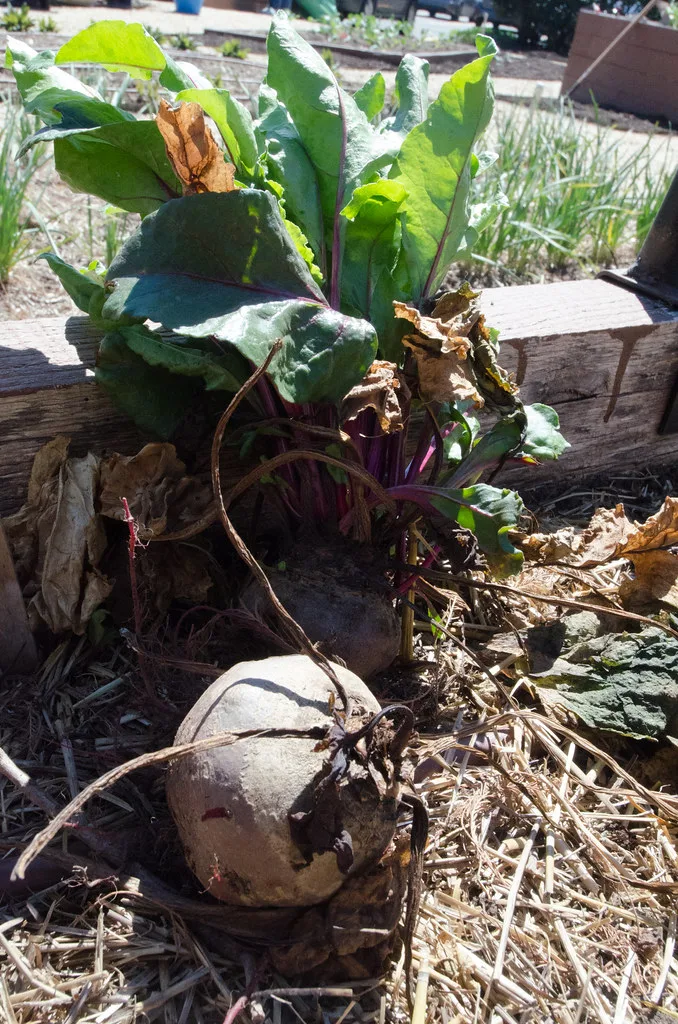
Mulch acts as insulation. In summer, it keeps soil cooler and slows evaporation. In winter, it buffers freeze-thaw cycles that heave roots out of the ground.
But in spring, that same insulation works against you if you apply it before the soil warms.
Research from land-grant university extension services confirms that mulched soil warms 5 to 10°F slower than bare soil in spring. For cool-season crops like lettuce and peas, that’s fine. They germinate and grow well in 40 to 50°F soil.
For warm-season crops like tomatoes, peppers, squash, and beans, cold soil means stunted roots and poor establishment.
Soil temperature matters more than air temperature. You can have 70°F days in April, but if the soil is still 48°F under last year’s mulch, your transplants will sulk. A simple soil thermometer pushed 2 to 4 inches deep gives you the real number.
Season also controls weed pressure. Most annual weed seeds germinate when soil hits 50 to 55°F and day length increases. If you mulch a week or two before that window, you block light and prevent germination.
If you mulch a week after, the weeds are already up and mulch just makes hand-weeding messier.
| Season | Soil Temperature Range | Primary Mulching Goal |
|---|---|---|
| Early Spring | 40–50°F | Prepare beds, wait to mulch warm-season crops |
| Late Spring | 55–65°F | Mulch vegetables, annual beds after planting |
| Summer | 65–75°F+ | Refresh mulch, conserve moisture |
| Fall | 50°F and dropping | Mulch perennials after dormancy, protect roots |
| Winter | Below 40°F | Mulch stays in place, insulates against freeze-thaw |
Spring Mulching: Timing It Right for Different Plants
Spring is the most common mulching season, but one date doesn’t work for everything. Vegetables, perennials, and woody plants each have different needs.
Vegetable Gardens: Wait for Warm Soil
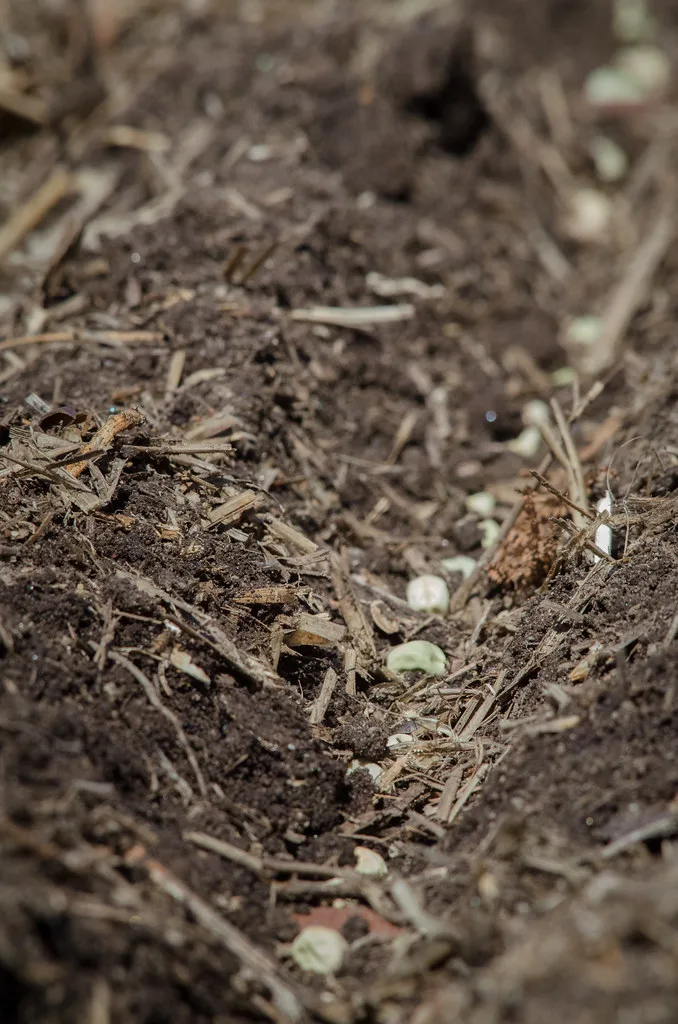
Vegetable gardens need patience. If you’re growing tomatoes, peppers, eggplant, squash, cucumbers, or beans, don’t mulch until soil temperature holds steady at 55°F or higher. In most of the U.S., that’s 4 to 6 weeks after the last frost date.
For gardeners in USDA zones 5 and 6, that usually means mid to late May. Zones 7 and 8 can mulch vegetables in late April to early May. Zones 9 and 10 can mulch as early as March, or skip spring mulch altogether if winter temperatures stayed mild.
Straw, shredded leaves, and compost work well for vegetable gardens. Apply 2 to 3 inches after transplants are in the ground and the soil has warmed. Pull mulch back an inch or two from plant stems to prevent rot and discourage slugs.
Cool-season crops like lettuce, spinach, peas, and brassicas are the exception. You can mulch these in early spring because they prefer cooler soil. Just keep the layer thinner, around 1 to 2 inches, so the soil doesn’t stay waterlogged.
Perennials and Flower Beds: After Cleanup, Before Weeds
Perennial beds benefit from early spring mulch, but timing depends on when you do your spring cleanup. Most gardeners cut back dead foliage in late March or April, depending on zone. Once you’ve cleared the beds and can see emerging shoots, it’s time to mulch.
This timing, right before soil hits 50°F, blocks weed seeds before they germinate. It also conserves the moisture from spring rains, which helps new perennial growth establish quickly.
Use 2 to 3 inches of shredded hardwood mulch, shredded bark, or composted wood chips. Keep mulch 2 to 3 inches away from plant crowns. Perennials are particularly prone to crown rot if mulch sits directly against the base of the plant where stems emerge.
If you have early spring bulbs like daffodils, crocuses, or tulips, wait until their foliage is fully up before mulching. Mulch applied too early can smother emerging bulbs or make it harder for them to push through.
For annual flower beds, mulch after you’ve planted and the soil has warmed. Annuals like petunias, marigolds, and zinnias don’t tolerate cold soil, so the same 55°F rule applies.
Trees and Shrubs: Early to Mid-Spring Window
Trees and shrubs are more forgiving. You can mulch them anytime from early spring, once the ground thaws, through early summer. The goal is moisture retention and weed suppression around the root zone, not soil temperature control.
Apply 3 to 4 inches of mulch in a ring extending out to the drip line, the outer edge of the tree’s canopy. For young trees, that might be a 3-foot diameter circle. For mature trees, it can be 6 to 10 feet or more.
Never pile mulch against the trunk. Volcano mulching, where mulch is mounded up around the base, traps moisture against the bark and encourages rot, insect damage, and disease. Leave a 6 to 8-inch gap of bare soil around the trunk.
Newly planted trees and shrubs benefit from mulch applied right after planting, regardless of season. The mulch conserves moisture during the establishment period, which is critical for root development in the first year.
If you’re refreshing mulch around established trees and shrubs, early spring is ideal. Rake back the old layer, check for matting or compaction, fluff it if it’s still good, and add 1 to 2 inches of fresh mulch on top to bring the total depth back to 3 to 4 inches. Choosing the right organic material can also support nutrient cycling as mulch breaks down.
Summer Mulching: When You Missed Spring or Need Emergency Help
Summer mulching works when spring passed you by or when bare spots appear mid-season. You won’t get the weed suppression benefit that early spring mulch provides, but you’ll still conserve moisture and protect roots from heat stress.
If you’re mulching in June or later, pull any weeds first. Mulch won’t kill established weeds. It only prevents new seeds from germinating.
Hand-pull or hoe the bed clean, then apply 2 to 3 inches of mulch while the soil is still moist from watering or recent rain.
Dry soil under fresh mulch is a common mistake. Water the bed thoroughly before you spread mulch. The layer will lock in that moisture, but it won’t replace it.
Mulching over dust just traps the dust.
Summer is also the right time to top up mulch that’s decomposed or blown away. Wood-based mulches break down at roughly 1 to 2 inches per year. If your spring layer has settled to less than 2 inches by July, add another inch to restore depth.
Avoid mulching during active heat waves if possible. Let plants adjust to the heat, then mulch during a cooler stretch or after an evening watering session. Freshly disturbed roots and hot afternoons don’t mix well.
Fall Mulching: Protecting Roots and Prepping for Winter
Fall mulching protects perennial roots from freeze-thaw cycles and insulates bulbs through winter. But timing is everything. Mulch too early, and you keep soil warm when plants should be going dormant.
Mulch too late, and the ground may already be frozen.
Timing Fall Mulch Around First Frost
Wait until after your first hard frost, typically when nighttime temperatures drop to 28°F or lower for several hours. That frost signals perennials to shut down for winter. Once the foliage has died back and the plant is fully dormant, you can mulch.
In zones 5 and 6, that’s usually late October to early November. Zones 7 and 8 see first frost in November. Zones 3 and 4 may hit frost by mid-September, so fall mulch goes down earlier there.
Don’t rush it. If you mulch perennials in September while soil is still 60°F and plants are actively growing, you’re creating conditions for crown rot and fungal disease. Cool soil and dormant plants are the green light.
Why Fall Mulching Perennials Is Different from Trees
Perennials need mulch pulled back slightly from crowns in fall. Apply 2 to 3 inches around the root zone, but leave a 2 to 3 inch gap at the center where stems emerge. This prevents moisture from sitting against dormant crowns all winter.
Trees and shrubs don’t need the same caution. Their bark protects them. You can refresh tree mulch in fall the same way you do in spring.
Just maintain that 6 to 8 inch gap around the trunk.
Fall is also a good time to mulch newly planted trees and shrubs, even if you plant them in September or October. The mulch conserves soil moisture as roots establish before winter, and it insulates roots during their first freeze.
For newly planted fruit trees, fall mulch combined with proper nutrition sets them up for strong growth the following spring.
Winter Mulching: The Few Cases When It Actually Makes Sense
Winter mulching is rare, but it has a place in cold climates. The goal isn’t to keep plants warm. It’s to keep soil frozen.
Freeze-thaw cycles do more damage than steady cold. When soil freezes, thaws, and refreezes repeatedly, it heaves roots upward and exposes them to drying wind and deeper cold. A thick mulch layer, applied after the ground freezes solid, keeps soil temperature stable.
This technique works for strawberries, garlic, and other crops that overwinter in the ground. Wait until soil temperature drops below 32°F and stays there. Then apply 4 to 6 inches of straw, shredded leaves, or pine needles.
Don’t mulch before the ground freezes. You’ll insulate warm soil and delay the freeze, which can encourage late growth that winter will kill.
Winter mulch also protects containers left outdoors. Pots freeze faster than ground soil, and roots in frozen pots are more vulnerable. Mulch piled around and over containers adds insulation.
Just make sure the containers themselves are freeze-safe.
Regional Timing: How Climate Zones Change Everything
Your USDA hardiness zone shifts every mulching deadline by weeks or months. A spring mulching date that works in zone 5 is far too late for zone 9.
Northern Climates (Zones 3 to 5)
Northern zones experience long winters and short growing seasons. Soil warms slowly, often not reaching 55°F until late May or early June.
Spring mulch for perennials goes down in late April or early May, after cleanup and before weed seeds wake up. Vegetable garden mulch waits until late May or early June, after transplants are in and soil is warm.
Fall mulch happens in late September to mid-October, right after first frost. Winter lasts long enough that a 3 to 4 inch layer of mulch provides real freeze-thaw protection.
Moderate Climates (Zones 6 to 7)
Zones 6 and 7 have a longer growing season and milder winters. Soil typically reaches 55°F in late April or early May, depending on sun exposure and drainage.
Spring mulch for perennials can go down in early April. Vegetable mulch waits until early to mid-May. Fall mulch timing is mid to late October, after several frosts.
These zones also benefit from summer mulch refresh, especially during dry spells in July and August. A 1-inch top-up keeps moisture in and weeds down.
Southern and Warm Climates (Zones 8 to 10)
Southern zones rarely see prolonged freezes. Soil stays warm year-round in zones 9 and 10. That changes the mulching game entirely.
Spring mulch goes down in March or even February. You’re not waiting for soil to warm. You’re protecting roots from summer heat that’s already building.
Fall mulch is less about freeze protection and more about moisture conservation during winter dry spells. Apply it in November or December, after summer’s heat breaks but before winter rains taper off in late winter.
In these zones, mulch breaks down faster because of heat and humidity. Plan to refresh every 6 to 9 months instead of once a year. Matching your plant selections to the climate also reduces the need for heavy mulching.
Decision Guide: Matching Mulch Timing to Your Specific Situation
Here’s a quick decision tree to find your timing.
If you’re mulching a vegetable garden: Check soil temperature. Is it 55°F or warmer at 3 inches deep? Yes: mulch now.
No: wait another week and check again.
If you’re mulching perennials or flower beds: Have you finished spring cleanup and can you see new shoots? Yes, and soil is 45 to 50°F: mulch now. No: wait until cleanup is done.
If you’re mulching trees or shrubs: Is the ground thawed and workable? Yes: you can mulch anytime from now through early summer. Frozen ground: wait until thaw.
If it’s fall: Have perennials had a hard frost and died back? Yes: mulch now. No: wait for frost and dormancy.
If you’re in a hot climate (zone 8+): Is it late winter or early spring? Mulch now to prep for summer heat. Is it late fall?
Mulch now to conserve moisture through dry winter months.
If you missed your ideal window: Pull weeds, water the bed, then mulch. You’ll lose some weed suppression, but you’ll still get moisture retention and temperature moderation.
Mulching Mistakes That Ruin Your Timing
Mulching Too Early in Spring (Cold Soil Problem)
Mulching before soil warms is the most common spring mistake. Cold soil under mulch delays germination and slows root growth for weeks. Check soil temperature at 3 inches deep before you mulch vegetables or annuals.
Volcano Mulching and Crown Rot Risks
Piling mulch against tree trunks or plant crowns traps moisture and encourages rot. Leave 6 to 8 inches of bare soil around tree trunks and 2 to 3 inches around perennial crowns. Mulch belongs around the root zone, not touching the plant itself.
Wrong Depth at the Wrong Time
Too thin and mulch won’t suppress weeds or hold moisture. Too thick and it blocks water penetration and suffocates roots. Stick to 2 to 3 inches for most beds, 3 to 4 inches for trees and shrubs.
Fresh mulch settles by 20 to 30 percent, so a 3-inch layer becomes 2 inches within weeks.
How to Tell When Your Soil Is Ready for Mulch
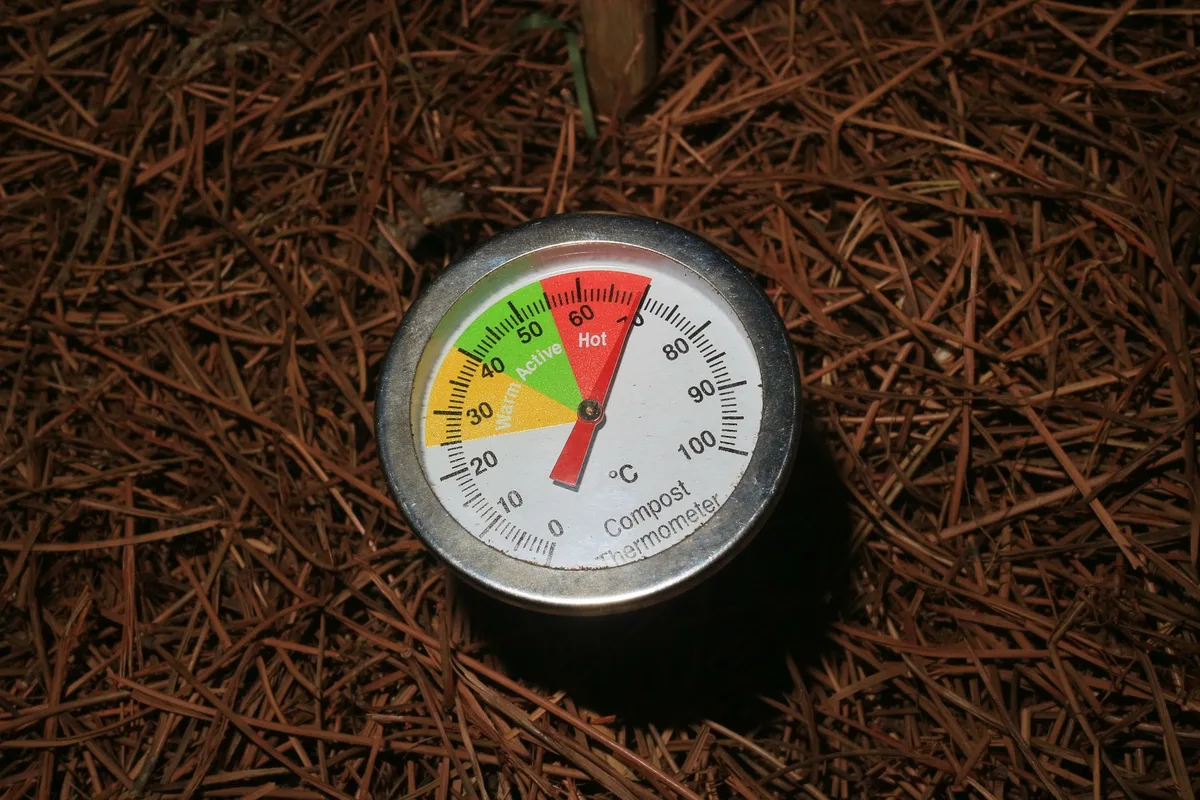
Use a soil thermometer. Push it 2 to 4 inches into the ground in mid-morning. Take readings for three days in a row.
If soil holds at 55°F or higher, it’s ready for warm-season crops and summer annuals.
For perennials and cool-season plants, 45 to 50°F is fine. You’re not trying to warm the soil. You’re locking in spring moisture and blocking weed seeds before they get light.
Check multiple spots if your garden has sun and shade areas. Shaded beds warm 5 to 10 days slower than sunny ones. You may mulch sunny vegetable rows first and wait another week for shade beds.
Refreshing vs. New Mulch: When to Add More Throughout the Year
Mulch breaks down over time. Wood-based types lose 1 to 2 inches per year to decomposition and settling. If your mulch layer drops below 2 inches, it’s time to refresh.
Rake back the existing mulch and check underneath. If the old layer is matted or compacted, fluff it with a rake or remove it entirely. Add 1 to 2 inches of fresh mulch on top to restore the 3-inch depth.
You don’t need to remove old mulch unless it’s diseased, moldy, or heavily compacted. Layering fresh mulch over partially decomposed material is fine. The lower layer continues breaking down and adding organic matter to the soil.
Frequently Asked Questions
Can you mulch in hot weather?
Yes, but water the bed first. Mulch conserves existing moisture but doesn’t replace it. Apply mulch in the evening or on a cloudy day to avoid stressing plants during peak heat.
Should you mulch before or after planting?
After planting for vegetables and annuals. Before planting for perennials if you’re mulching an empty bed. The key is keeping mulch away from stems and letting soil warm before you cover it.
How often should mulch be replaced?
Annually for most organic mulches. Wood chips and shredded bark lose 1 to 2 inches per year. Top up in spring or fall to maintain 2 to 3 inches of coverage.
Is fall or spring mulching better?
Spring for vegetables, annuals, and weed suppression. Fall for perennials, bulbs, and winter root protection. Trees and shrubs can be mulched in either season.
Can you mulch over weeds?
No. Mulch blocks weed seed germination but won’t kill established weeds. Pull or hoe weeds before mulching, or they’ll grow right through the layer.