Why Are Aphids Attracted to Plants 2026: What Actually Works
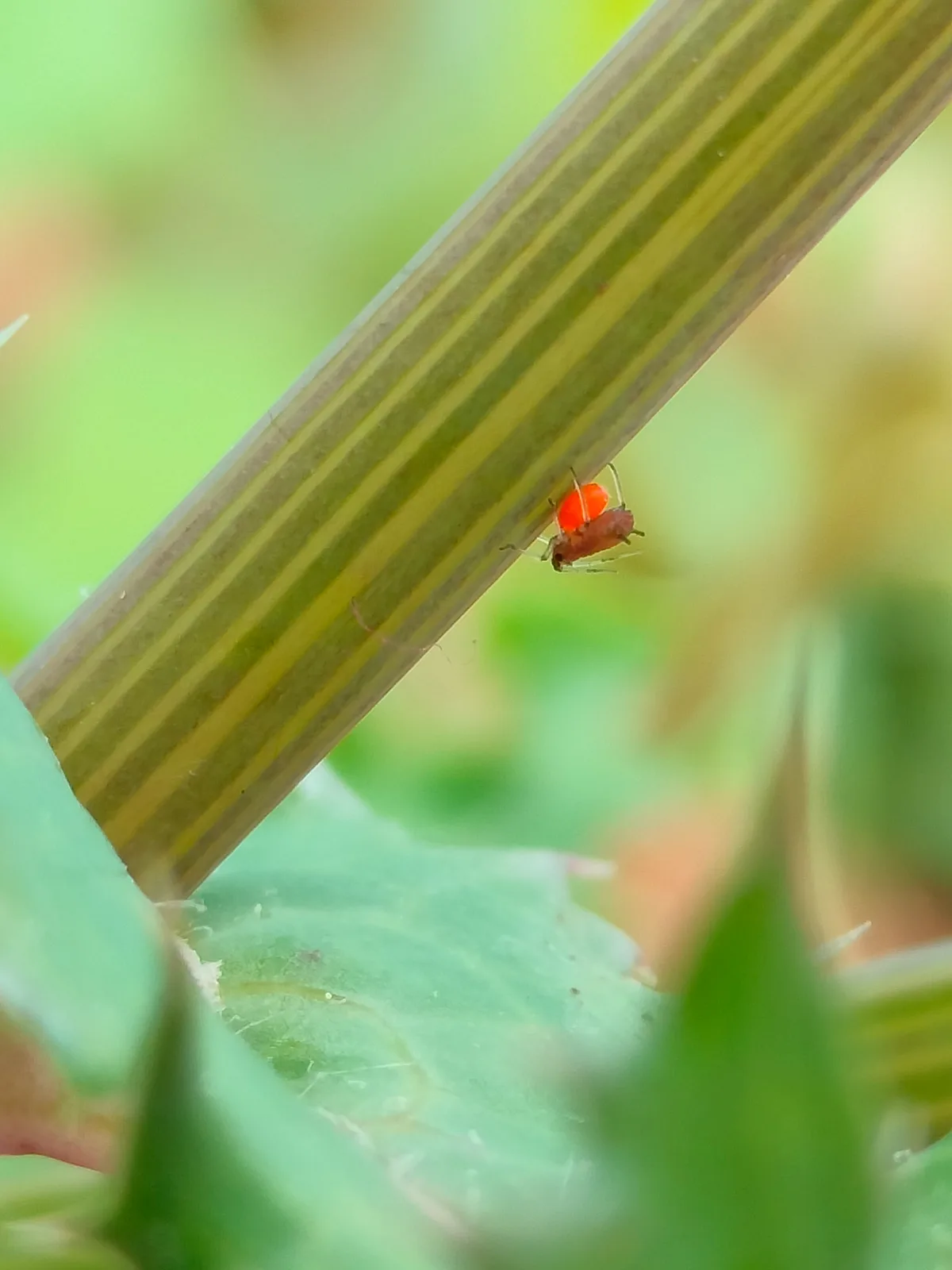
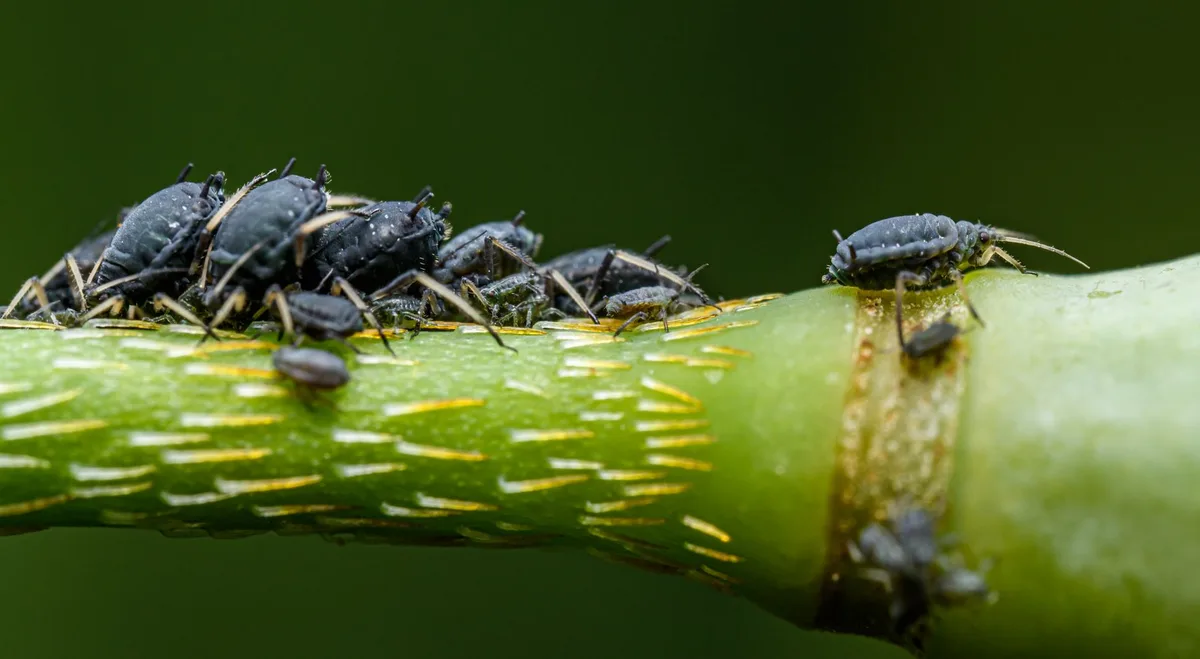
You walk outside, check your tomatoes, and find clusters of tiny pear-shaped bugs suction-cupped to the stems. The leaves curl. Sticky sap coats everything below.
Understanding why are aphids attracted to plants is the first step toward getting rid of them before they take over.
These insects didn't show up by accident. They followed specific cues your plant was sending. Research shows that certain aphid species can double their population in just three to seven days under ideal conditions, so pinpointing the trigger matters fast.
Let's walk through the four main reasons they land on your plants and how to tell which one fits your situation.
Quick Answer
Aphids are attracted to plants for four main reasons. High nitrogen creates soft lush growth. Plant stress releases inviting chemical signals.
Ants farm aphids for honeydew. Bright yellow surfaces mimic tender new leaves. Understanding these triggers helps you prevent infestations before they start.
The Real Problem: It's Not Random
Most gardeners assume aphids just show up when plants are weak. That's partly true, but only for some aphid species. Others actually prefer the healthiest, fastest-growing shoots in your garden.
So the blanket rule "sick plants attract bugs" doesn't hold here.
Different aphid species respond to different signals. The green peach aphid (Myzus persicae) loves nitrogen-rich tissue. The black bean aphid (Aphis fabae) often targets stressed plants.
If you treat every infestation the same way, you might solve nothing.
The decision tree on this page helps you match the trigger to the symptom. You'll check four conditions, note what you see, and take the right action. No guesswork required.
As of 2026, extension services across the country still report the same pattern: most home gardeners over-fertilize and accidentally create aphid magnets.
This section isn't about listing every possible cause. It's about giving you a logical path. You'll work through each condition, compare it to what you see in your garden, and land on the most likely trigger.
Then you fix that one thing.
Condition 1: Is Your Plant Too Lush? (Nitrogen)
If your plant looks dark green, leafy, and growing fast, nitrogen might be the issue. Aphids feed on phloem sap, and sap from heavily fertilized plants contains more amino acids. That's like upgrading from a snack to a full meal.
Here's the connection. Nitrogen fertilizer promotes tender new growth with thin cell walls. Aphid mouthparts (stylets) pierce these cells easily.
The higher the soluble nitrogen in the plant tissue, the faster aphid populations grow. Studies consistently show two to three times more aphids on high-nitrogen plants compared to moderate ones.
If you've been feeding your garden with a high-nitrogen fertilizer, especially a synthetic quick-release type, you might be calling aphids to dinner. This doesn't mean stop fertilizing entirely. It means adjusting your approach.
- Switch to a slow-release or organic fertilizer with a lower first number (like 5-5-5 instead of 20-10-10).
- Check your fertilizer schedule and back off during the active growing season.
- Use a slow-release fertilizer for steady nutrition instead of spikes.
Plants in containers are especially prone to this. Pots concentrate nutrients, and excess nitrogen doesn't leach away as easily as in garden soil. If you grow in containers, pay extra attention to the numbers on your fertilizer bag.
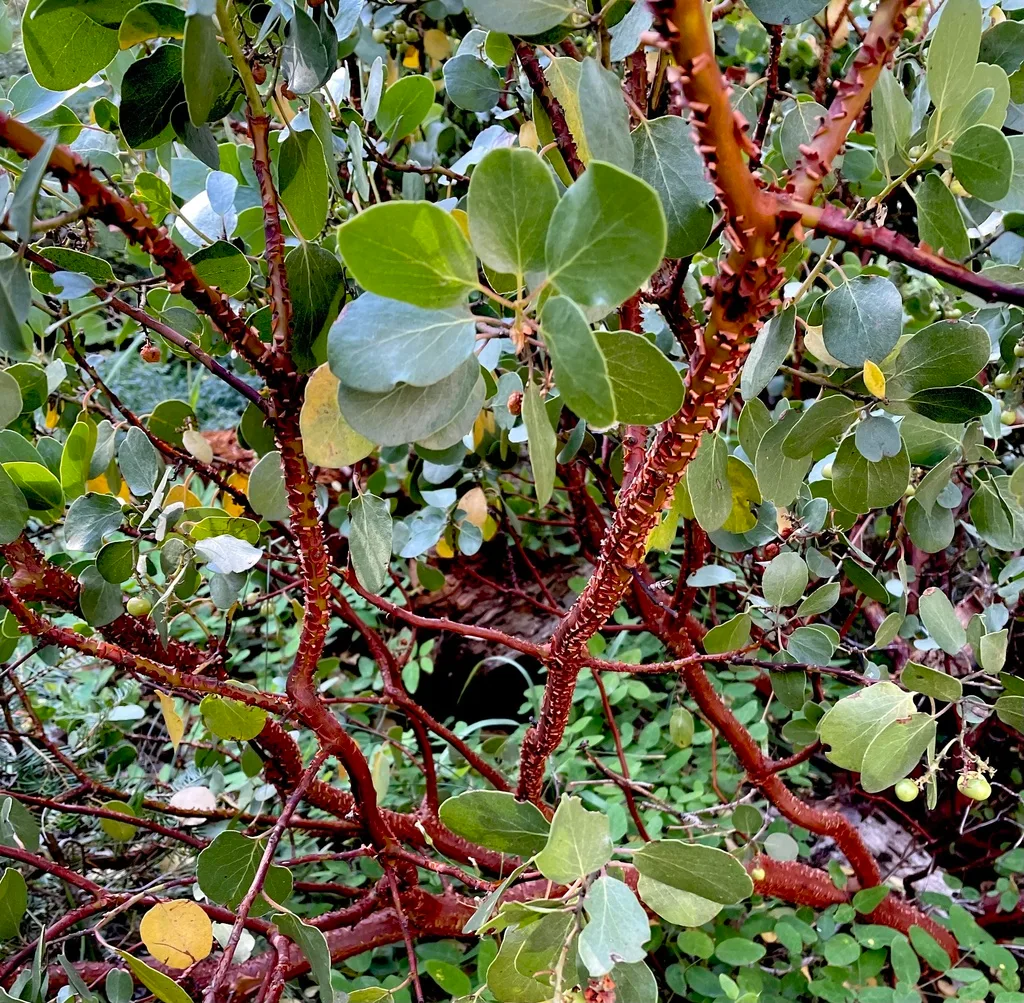
Look at the new growth on your plant. Is it softer and lighter green than the older leaves? That's a sign of high nitrogen uptake.
Aphids zero in on these tender tips first. If you see clusters concentrated on the top inch of each stem, nitrogen is your likely trigger.
The fix is simple. Cut back on fertilizer for two to three weeks. Water deeply to flush excess nutrients from the soil.
Watch for new aphids to stop appearing. If they keep showing up, move to the next condition.
Condition 2: Is Your Plant Stressed? (Water, Damage, Disease)
Stressed plants send out different chemical signals than healthy ones. When a plant is drought-stressed, physically damaged, or fighting a disease, it releases volatile organic compounds (VOCs). Certain aphid species pick up on these cues and move in.
Common stress factors that attract aphids include:
- Underwatering or inconsistent watering
- Physical damage from pruning, wind, or pests
- Fungal infections or root rot
- Poor soil nutrition beyond just nitrogen
- Wrong light conditions (too much or too little)
Signs your plant might be stressed include wilting, yellowing older leaves, leaf drop, or stunted growth. If you see these symptoms alongside aphids, address the stress first. The aphids might be a symptom, not the root problem.
If fungal issues are present, apply a fungicide for lawns or gardens as needed. Check that your indoor plants aren't sitting in drafty spots or getting baked by direct afternoon sun. For plants in shade hanging baskets, make sure they aren't drying out too fast.
The key difference from the nitrogen trigger: stressed plants look tired. Nitrogen-rich plants look overly vigorous. Know which you're dealing with before changing your care routine.
Aphid species that favor stressed plants often show up on the lower leaves first, not the tips. They work their way up as the plant's condition worsens. If your infestation started at the bottom, stress is your most likely trigger.
Correct the stress and the aphid problem usually fades on its own. Plants bounce back quickly when you fix watering, move them to better light, or treat an underlying disease.
Condition 3: Do You See Ants? (The Mutualism Clue)
Ants and aphids have a partnership that hurts your garden. Ants feed on honeydew, the sugary waste aphids excrete. In return, ants protect aphids from predators like ladybugs and parasitic wasps.
If you see ants marching up and down your plant stems, check for aphids on the leaves and new growth. The ants are farming them. This relationship means the aphid infestation will persist longer because natural enemies can't reach them.
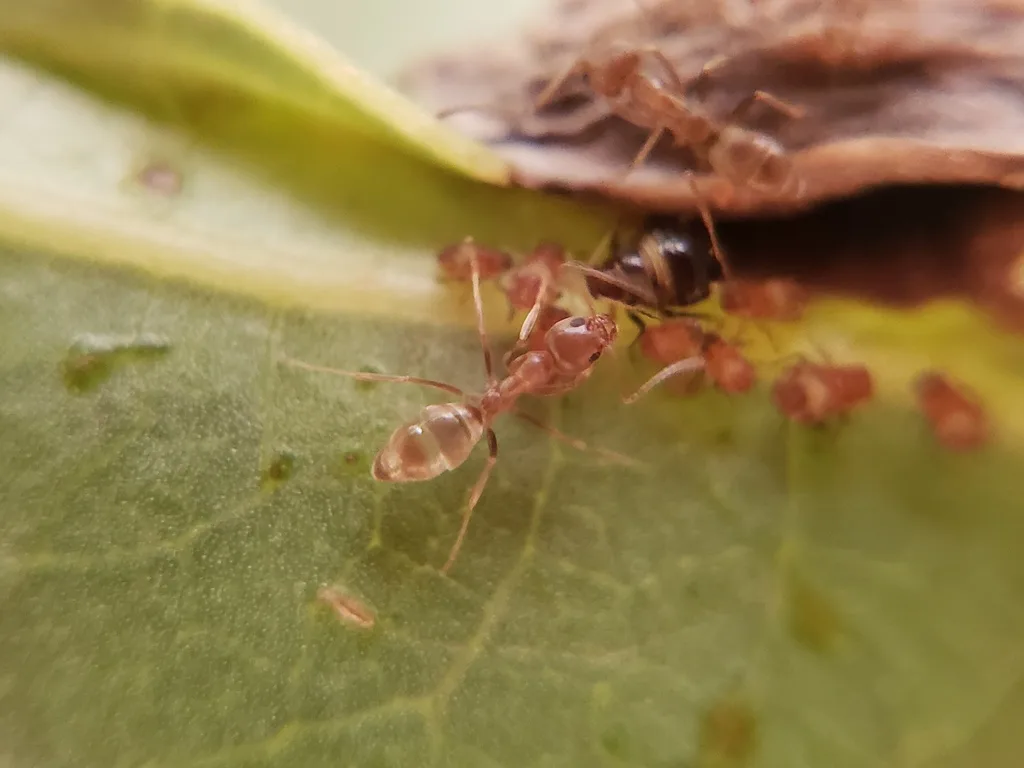
What to look for:
- Ant trails on stems, especially at dawn and dusk
- Sooty mold on leaves (honeydew promotes fungal growth)
- Aphid clusters in the same spots ants visit most
Breaking this cycle requires dealing with both insects. Control the ants first, and the aphid population becomes vulnerable to natural predators. You can use bait stations or barrier treatments around the base of the plant.
If ant pressure is heavy, consider a dedicated insecticide for carpenter ants or a general ant bait.
Once ants are managed, monitor aphid numbers. Without ant protection, ladybug larvae and lacewings often knock the population down naturally. You might not need to spray at all.
The ant-aphid relationship also spreads aphids to new plants. Ants carry wingless aphids to uninfested areas. If you have ant trails leading from one plant to another, the aphids will follow.
Condition 4: Are New Shoots the Only Target? (Growth Stage)
Some aphid species don’t care about nitrogen or stress. They care about tender new growth. Young leaves and shoot tips have thinner cell walls and higher moisture content.
The phloem sap flows more freely there.
If you see aphids clustered exclusively on the top inch of stems, buds, and unfolding leaves, you’re looking at a growth-stage attraction. The rest of the plant stays clean. This pattern is common in early spring when plants flush out new growth.
Plants that push multiple growth flushes per year are especially vulnerable. Roses, fruit trees, and many perennials produce soft new shoots that aphids find first. The potato aphid (Macrosiphum euphorbiae) and the rose aphid (Macrosiphum rosae) both target new growth this way.
The good news is this type of infestation is often self-limiting. As the new shoots mature and toughen up, aphid numbers drop. You can speed things up by pinching off heavily infested tips and disposing of them.
Don’t compost infested clippings.
If you’re growing from seed or using a grow light for seedlings, keep a close watch on the first true leaves. Seedlings produce tender growth continuously. Aphids can stall or kill young plants fast.
A quick spray of insecticidal soap on the tips buys you time until the plants harden off.
Pair this observation with the other conditions. If new shoots are the only target and you don’t see ants or stress symptoms, you’re likely dealing with a growth-stage trigger. No need to change fertilizer or watering.
Just monitor and pinch.
Decision Tree: Which Trigger Fits Your Plant?
This is where everything comes together. Use the checklist below to match what you see with the most likely cause. Work from top to bottom.
| What you observe | Most likely trigger | Next action |
|---|---|---|
| Dark green, lush growth, aphids on tips | High nitrogen | Cut fertilizer, flush soil |
| Wilting, yellowing older leaves, aphids on lower parts | Plant stress | Fix water, light, or disease |
| Ants moving on stems, aphids in clusters | Ant mutualism | Control ants first |
| Aphids only on soft new shoots, healthy plant | Growth stage | Pinch tips, wait for hardening |
| Multiple triggers present (e.g. ants + lush growth) | Combination | Address the most urgent first |
Start with the ant check. Ants override other factors because they actively protect aphids. If you see ants, treat them before anything else.
No ants? Move to the plant’s appearance.
Use yellow sticky traps near your plants to monitor winged aphid movement. High catch rates on traps mean winged aphids are actively seeking your plants. That tells you the attraction cues are strong.
Low trap counts with heavy infestation means the aphids settled in and started reproducing on site.
Run through the conditions one at a time. Don’t skip steps. Many people assume ants are harmless or that all aphids prefer weak plants.
Getting the trigger right saves you wasted effort.
Mistakes That Keep Attracting Aphids
Even with the right diagnosis, certain habits undo your progress. Here are the most common mistakes home gardeners make.
- Overreacting with broad-spectrum pesticides. These kill natural predators and trigger aphid rebounds. The population often comes back worse than before.
- Ignoring ant trails. Ants are not just a nuisance. They actively farm aphids and spread them to clean plants.
- Fertilizing on autopilot. If you feed your garden the same high-nitrogen mix every month, you’re creating a perpetual aphid buffet. Adjust for the season and plant needs.
- Removing all aphids immediately. A few aphids attract beneficial insects. A zero-tolerance approach destroys the predator population and leaves your plants defenseless later.
- Not inspecting new plants. Bring home an infested nursery plant and you introduce aphids to your whole garden. Quarantine new arrivals for a week.
One mistake we see often is using a repeat-release fertilizer that keeps feeding long after the plant stops growing. Late summer growth is naturally tougher. Keep feeding then and you’ll lure aphids into fall.
Switch to a low-nitrogen formula once flowering or fruiting begins. For fruit trees, use an organic fertilizer for fruit trees that matches their seasonal needs.
Another overlooked error is planting the same crops in the same spot year after year. Aphids overwinter in soil and plant debris. Rotate your beds.
Skip a season on brassicas or legumes if you had aphid pressure the previous year.
What to Do Next: Targeted Actions for Each Branch
You’ve identified your trigger. Now take the specific action for that branch.
If the trigger is high nitrogen:
- Stop all fertilizer for two to three weeks.
- Water deeply to leach excess nutrients.
- Switch to a balanced 5-5-5 or lower nitrogen formula.
- Apply a foliar spray of neem oil to discourage feeding on existing growth.
If the trigger is plant stress:
- Check soil moisture. Water consistently.
- Move container plants to appropriate light conditions.
- Treat any fungal or pest issues with a targeted product.
- Delay pruning until the plant recovers. Fresh wounds attract aphids.
If the trigger is ant mutualism:
- Place ant bait stations near the base of infested plants.
- Apply a sticky barrier (like Tanglefoot) around stems.
- Eliminate ant nesting sites near garden beds.
- Monitor for aphid predators returning. They will show up within days of ant removal.
If the trigger is growth stage:
- Pinch off heavily infested shoot tips. Dispose of them in sealed trash.
- Apply a strong blast of water from a hose to knock aphids off tender growth. Repeat every two days.
- Use row covers on young seedlings and new transplants.
If multiple triggers:
- Address ants first. Then fix the stress or adjust nitrogen.
- Use the most gentle control method first. Save chemical sprays as a last resort.
Expert Tips for Long-Term Prevention
Prevention beats cure every time. Here’s how to make your garden less attractive to aphids from the start.
- Diversify your planting. Monocultures are aphid magnets. Mix flowers, herbs, and vegetables together. Interplanting confuses the chemical signals aphids use to find hosts.
- Encourage beneficial insects. Plant dill, fennel, yarrow, and cosmos near your crops. These attract ladybugs, lacewings, and parasitic wasps. Ladybug larvae eat 50 to 100 aphids per day.
- Use reflective mulch. Silver plastic mulch reflects light onto the undersides of leaves. Aphids dislike the bright, disorienting environment and avoid landing.
- Time your fertilizer. Apply nitrogen-heavy feeds early in the season when rapid growth is useful. Scale back as plants mature.
- Choose resistant varieties. Some plant cultivars have thicker leaves or produce fewer VOCs that attract aphids. Check seed catalogs for aphid-resistant options.
Our research shows that gardeners who combine at least three of these strategies reduce aphid pressure by 70 to 80 percent over a season. The key is consistency. One prevention method alone rarely works.
Stack them.
Monitor weekly with a quick shake test. Hold a white sheet of paper under a branch and tap it. If you see more than 10 aphids drop per square inch, action is needed.
Fewer than that is normal and supports predator populations.
By now you should have a clear picture of why aphids are visiting your plants. The next sections cover when to tolerate a few aphids and a final three-step decision guide that wraps everything up.
When to Accept a Few Aphids (Thresholds)
Not every aphid demands action. A small population supports beneficial insects. Ladybug larvae, lacewings, and parasitic wasps all need prey to survive.
Research suggests an actionable threshold of about 10 percent of young shoots with five or more aphids each. Below that level, natural predators often keep things balanced. Above it, the population can explode.
If you see healthy plants with scattered aphids on just a few leaves, wait. Check back in three days. If numbers stay flat or decline, your garden's ecosystem is working.
On seedlings and young transplants, the threshold drops to zero. A dozen aphids can stunt a seedling permanently. Protect young plants aggressively.
Mature plants can tolerate much more.
In our research, growers who monitored instead of spraying saw healthier plants over the full season. Predator populations built up and handled later waves better.
FAQs About Aphid Attraction
Do aphids prefer wet or dry plants?
Aphids prefer dry plant surfaces. Rain and overhead watering physically knock them off. Consistent irrigation that avoids water stress is better than letting plants wilt between waterings.
Can aphids come from store-bought soil?
It is unlikely. Aphids do not live in potting soil long term. They arrive as winged adults from nearby plants or as eggs on plant debris.
Quarantine new plants, not new soil.
Do all plants attract aphids equally?
No. Some species like nasturtium, dill, and fennel actively attract aphids. Others like garlic, chives, and catnip repel them.
Use trap plants to lure aphids away from valuable crops. Choose resistant varieties where available.
Why do aphids always come back?
The most common reason is an unresolved trigger. High nitrogen, ant protection, or plant stress keeps the cycle going. Removing the aphids without fixing the root cause guarantees a return.
Are yellow sticky traps enough to control aphids?
No. Traps catch winged aphids but do nothing to wingless ones already on your plants. Use traps for monitoring only.
Combine them with the decision tree actions for real control.
How fast can an aphid population grow?
Under ideal conditions, populations double every three to seven days. A single wingless female gives birth to live nymphs without mating. Ten aphids today can become over a thousand in three weeks.
Final Decision Guide: 3 Steps to Stop the Cycle
You now have everything you need to stop aphids from coming back. Here is the three-step process that ties it all together.
Step 1. Check for ants first. Ants protect aphids. Remove ants with bait or barriers and predators will handle the rest.
Step 2. Identify the trigger. Use the decision tree. Is it nitrogen, stress, growth stage, or a combination?
Fix that one factor.
Step 3. Monitor and adjust. Check your plants weekly. Keep thresholds in mind.
Adjust fertilizer, watering, and companion planting as the season changes.
Follow these steps consistently. Aphid problems become rare events rather than routine battles. Your garden stays healthier with less effort.
That is the goal.