Guide to Winter Lawn Care Tips in 2026 (Step-by-Step Guide)
Whether you live in Minnesota or Mississippi, your lawn faces very different challenges when the mercury drops. That’s why generic Winter Lawn Care Tips you find online often do more harm than good. The right approach depends entirely on what type of grass you’re growing and what your local winter actually looks like.
Per USDA Plant Hardiness Zone data, lawns in zones 3, 6 experience deep freezes and long snow cover, while zones 7, 10 deal with mild winters where grass goes semi-dormant but still needs care. One method never fits both. Let’s walk through how to figure out exactly what your lawn needs this winter.
Quick Answer
Stop fertilizing warm-season grass once it turns brown. Water only during dry spells. Keep leaves off the lawn.
Don’t walk on frozen grass. Check your grass type first. Adjust mowing height before winter.
Apply a winterizer fertilizer for cool-season grass. Prevent snow mold with proper cleanup. Plan spring repairs now.
Why One-Size-Fits-All Winter Lawn Advice Fails (And What Actually Works)
Most winter lawn care guides treat every lawn the same. That’s a recipe for disaster. If you follow northern advice in the South, you might overwater dormant Bermuda grass and invite fungus.
If you follow southern advice up north, you could fertilize too late and cause tender growth that frost kills.
The deciding factor is your grass type. Cool-season grasses like Kentucky bluegrass, tall fescue, and perennial ryegrass stay green through winter in many climates. They grow slowly but still need some care.
Warm-season grasses like Bermuda, Zoysia, and St. Augustine go completely dormant when soil temps drop below 60°F. They stop growing entirely.
So the first rule is simple: know your grass. Once you do, the rest of the decisions fall into place. If you’re unsure which type you have, check the growing pattern.
Cool-season grass thrives in spring and fall. Warm-season grass peaks in summer and goes brown in winter.
First, Know Your Grass: Cool-Season or Warm-Season?
This is the single most important step. Without it, every other tip is guesswork. Let’s make it easy.
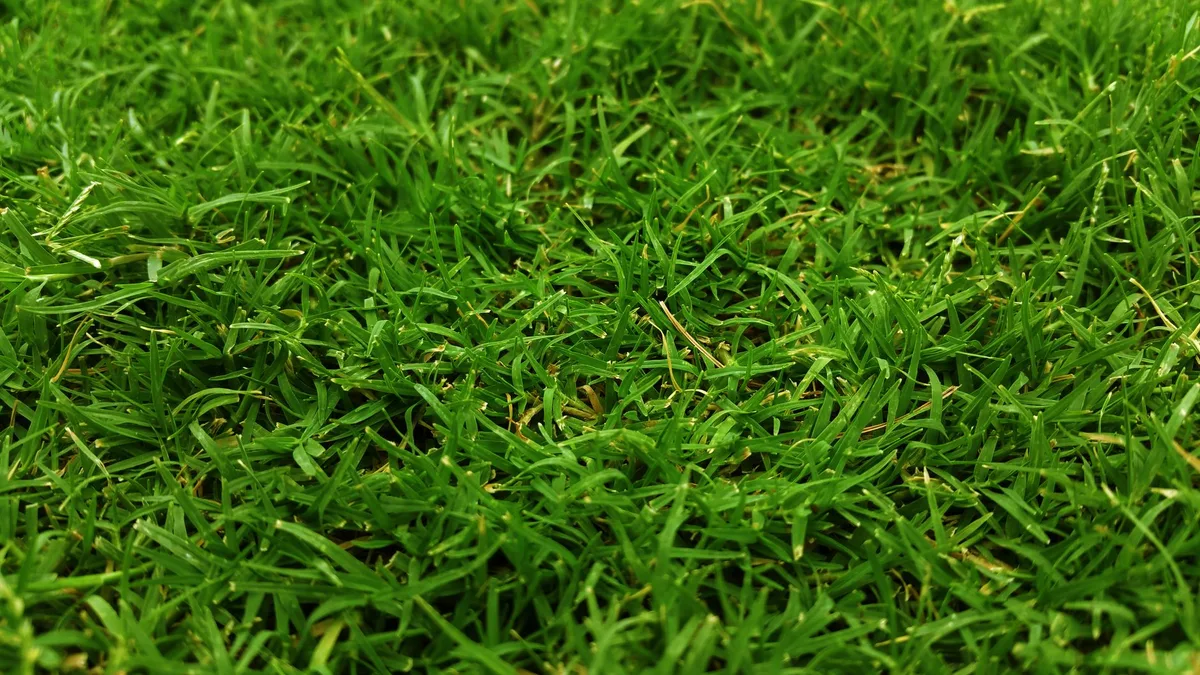
Cool-season grasses grow actively when temperatures are between 60°F and 75°F. They stay green under snow and during mild winters. You find them in the northern half of the country and in higher elevations.
Common types include Kentucky bluegrass, perennial ryegrass, tall fescue, and fine fescue. These grasses need winter fertilizer to support root growth.
Warm-season grasses thrive in heat between 80°F and 95°F. They go dormant and turn brown once soil temperatures drop below 60°F. You’ll find them in the South and Southwest.
Common types include Bermuda grass, Zoysia grass, St. Augustine grass, and centipede grass. These grasses need no winter fertilizer.
In fact, feeding them while dormant wastes money and can harm the lawn.
If you’re still unsure, look at your lawn in January. If it’s brown and crispy, it’s warm-season. If it’s green or only slightly yellowed, it’s cool-season.
Also check with your local county extension office. They can tell you exactly what grows in your area.
Then, Check Your Hardiness Zone and Winter Weather Pattern
Your USDA Plant Hardiness Zone tells you the average minimum winter temperature. That’s helpful, but it’s not the full story. What matters more is how long snow stays on the ground, how often the ground freezes and thaws, and whether you get heavy rain or dry cold.
Let’s break it into three common patterns.
Long snow cover (zones 3, 5). Snow is a great insulator. Under a deep blanket, the grass stays at about 32°F regardless of air temperature. The main risk is snow mold if snow sits for more than 60 days.
Aim for short final mowing height and remove all leaves before the first snowfall.
Freeze-thaw cycles (zones 5, 7). These are the hardest on lawns. The ground freezes at night, thaws during the day, and then freezes again. That heaving motion can tear roots.
You need good drainage to prevent ice layers. Avoid walking on the lawn when it’s frosty firm.
Mild winters (zones 8, 10). Your grass goes dormant but rarely freezes solid. You might get frost a few mornings, then daytime highs in the 60s. The big risk is overwatering.
Some homeowners keep sprinklers running because the grass looks thirsty, but dormant grass doesn’t need much moisture.
Knowing your zone is the foundation. If you need zone maps, the USDA provides an updated one as of 2026. For the most accurate guidance, pair your zone with your grass type.
The Cool-Season Winter Workflow: Last Mow, Fertilizer, Snow Prep
If you have cool-season grass, here’s your winter routine in order.
Step 1: Adjust final mowing height. Gradually lower your mower deck over the last few cuts. Aim for a final height of about 2 to 2.5 inches. That’s short enough to prevent matting under snow but tall enough to protect the crown.
Never scalp the lawn in one pass. Drop the height gradually over two or three mowings.
Step 2: Apply a winterizer fertilizer. This is a low-nitrogen, high-potassium formula (like 15-0-15 or similar). Apply it about two to three weeks before the ground freezes. The goal is to feed the roots, not the leaves.
Potassium strengthens cell walls and improves cold tolerance. If you apply too early, the grass uses the nitrogen for top growth, which can be damaged by frost. Too late and the ground is too hard for uptake.
Step 3: Do a thorough leaf cleanup. Leaves left on the lawn block sunlight and trap moisture. That combination invites snow mold and fungal diseases. Rake or blow them off, or mulch them into the lawn with a mower if the layer is thin.
Thick piles must be removed.
Step 4: Manage traffic. Once the ground freezes, the grass is brittle. Walking on it can crush the crowns. Use pathways or shovel a path if you need access.
Keep kids and pets off until the ground thaws completely.
Step 5: Consider dormant seeding. If you have bare spots, you can seed dormant cool-season grass late in the season. The seeds stay on the soil and germinate when soil temperatures rise in early spring. This works best if you apply right before a light snow or rain, but not on frozen ground.
If you’re dealing with fungal issues, our guide on the best fungicide for lawn applications can help you prepare for spring outbreaks.
The Warm-Season Winter Workflow: Dormancy, Weeds, and Traffic Control
Warm-season grass owners have a different job. Your grass is sleeping. The goal is to keep it safe until spring.
Step 1: Stop fertilizing. Once daytime highs stay below 70°F and the grass starts to brown, put the fertilizer away. Any nitrogen you apply now will just wash away or feed winter weeds. Save the fertilizer for spring green-up.
Step 2: Lower the final mow gradually. Aim for a final height of 1.5 to 2 inches for Bermuda grass, a bit taller for St. Augustine. Shorter grass reduces the chance of fungal problems during cool, damp weather.
But don’t scalp it down to the soil. Leave enough leaf blade to protect the crown.
Step 3: Control winter weeds. Warm-season lawns are vulnerable to winter annual weeds like henbit, chickweed, and annual bluegrass. A pre-emergent herbicide applied in late fall can prevent them. If you already have weeds, spot-treat with a post-emergent product labeled for your grass type.
Avoid blanket spraying when the grass is dormant. Many products can kill dormant grass if applied heavily.
Step 4: Water only when dry. Dormant grass needs very little moisture. If you get no rain for four to six weeks, give it a light watering (about half an inch) to keep the roots alive. Overwatering drowns the roots and encourages rot.
If you’re in a wet winter region like the Pacific Northwest, turn off irrigation entirely.
Step 5: Watch for traffic damage. Dormant grass is still alive at the roots. Compacted soil from foot traffic can slow spring recovery. If you must walk across the lawn, do it after the morning frost clears.
For areas with heavy use, consider temporary walkways.
Step 6: Plan for spring. Use the winter downtime to test your soil pH. Warm-season grasses prefer a pH between 6.0 and 6.5. If your test shows it’s off, you have time to adjust with lime or sulfur before active growth resumes.
For those in the transition zone where both grass types meet, your lawn may have a mix. That’s a special case we cover in the next section.
The Final Mow: Height, Timing, and Blade Sharpness
Your last mow of the season matters more than any other. Get the height wrong and you invite snow mold or winter kill. Get the timing wrong and you force the grass into dormancy with too much leaf mass.
What height should you cut to? For cool-season grass, aim for 2 to 2.5 inches. That’s short enough so the blades don’t mat down under snow, but tall enough to protect the crown. For warm-season grass, drop to 1.5 to 2 inches.
Bermuda grass can go a bit lower. St. Augustine should stay closer to 2 inches.
Never scalp down to bare soil.
How do you get there? Lower the deck gradually over the last three or four mowings. Dropping it all at once shocks the grass and leaves it vulnerable. Our research shows that a gradual step-down reduces stress and helps the lawn store energy in the roots.
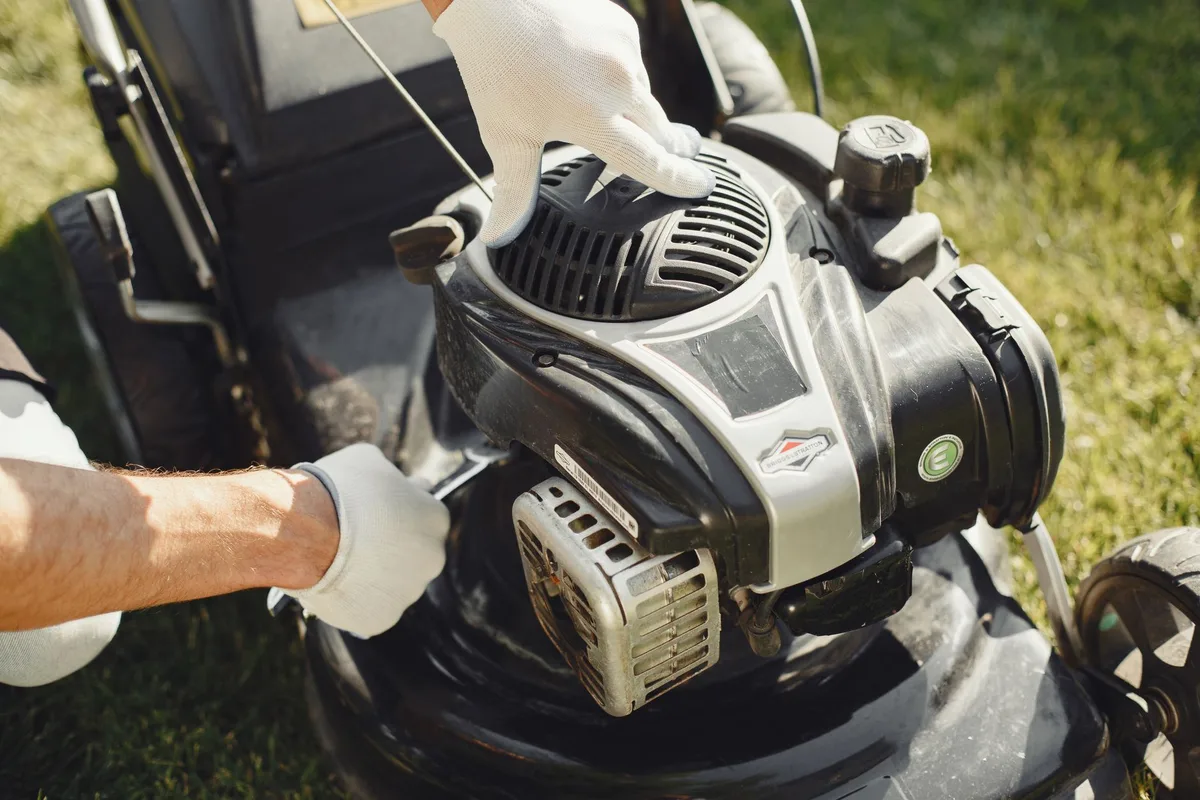
Use a quality mower and keep the blade sharp. A dull blade tears the grass rather than cutting it cleanly. Torn ends dry out faster and invite disease.
When is the last mow? Wait until growth stops. For cool-season grass, that’s when daytime highs stay below 50°F for a week. For warm-season grass, it’s when the lawn starts to turn brown.
Cut once more after that, at the lower height, to clean up any final growth.
If you need a reliable rake for cleanup, check our guide on the best rakes for pine needles. It covers leaf removal too.
Winterizer Fertilizer: When to Apply, What Ratio to Use, and Which Grasses Need It
Winterizer fertilizer is not a magic product. It’s a specific formulation designed to strengthen roots for the cold months ahead. The key difference is the nutrient ratio.
You want low nitrogen and high potassium. Nitrogen drives leaf growth, which you don’t want going into winter. Potassium improves cell structure and frost tolerance.
What ratio should you look for? A typical winterizer bag shows numbers like 15-0-15 or 13-0-20. The first number (N) is low, the second (P) is often zero, and the third (K) is high. Some products include a small amount of phosphorus if your soil test shows a deficiency.
Apply at a rate of about 1 pound of nitrogen per 1000 square feet, but always follow the label.
When exactly do you apply it? For cool-season grass, apply two to three weeks before the ground freezes. That usually means late October through November in northern zones. Soil temperature should be around 55°F.
For warm-season grass, do not apply winterizer. Dormant grass cannot use the nutrients. You’re better off saving that money and applying a balanced fertilizer in early spring.
Which grasses need winterizer? Only cool-season grasses benefit. Kentucky bluegrass, tall fescue, and perennial ryegrass all respond well. If you have a mix, treat it as cool-season.
Warm-season grasses like Bermuda and Zoysia do not need it.
Protecting Your Lawn From Snow Mold, Frost Traffic, Deer, and Salt Damage
Winter brings four main threats beyond the cold. Here’s how to handle each one.
Snow mold. This fungal disease appears as circular patches of matted, white or pinkish grass after snow melts. It thrives when snow sits on long, uncut grass for more than 60 days. Prevention is simple.
Mow to the right height. Rake up leaves. Avoid piling snow from driveways onto the lawn.
If you’ve had snow mold before, consider a preventive fungicide in late fall. Our guide on the best fungicide for lawns covers the right products for this job.
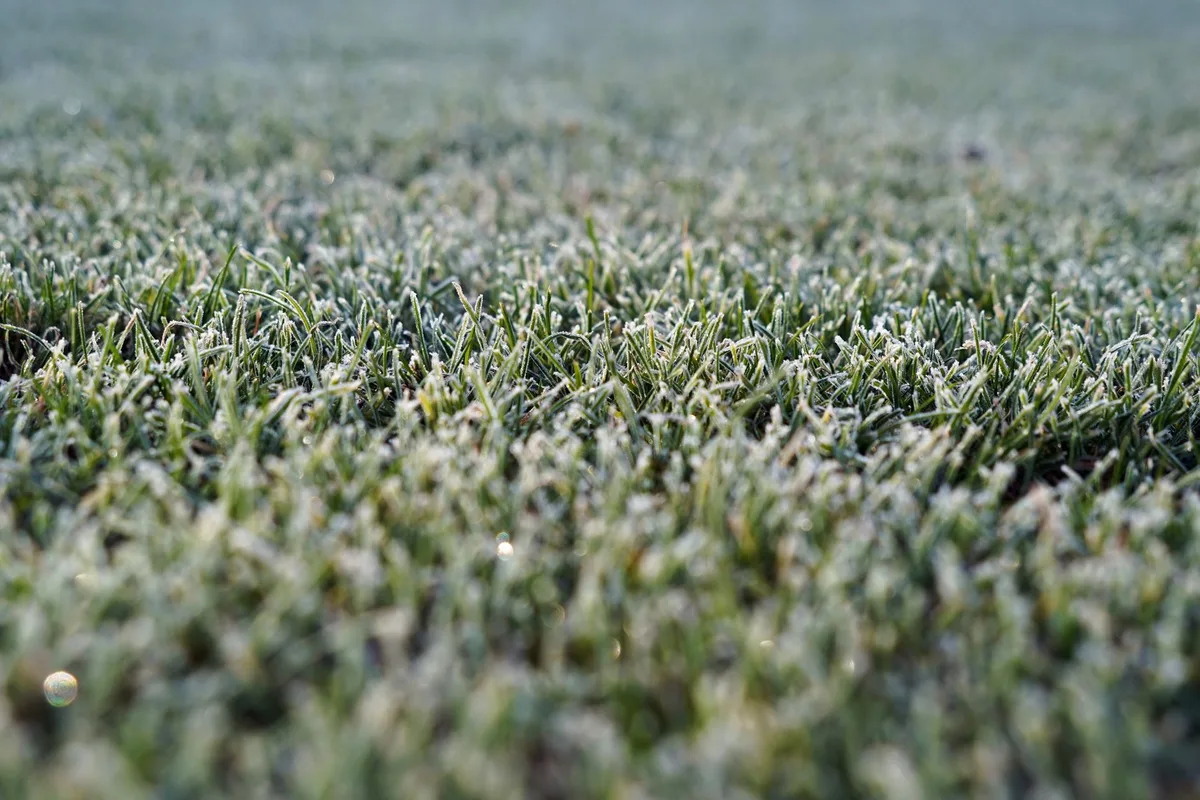
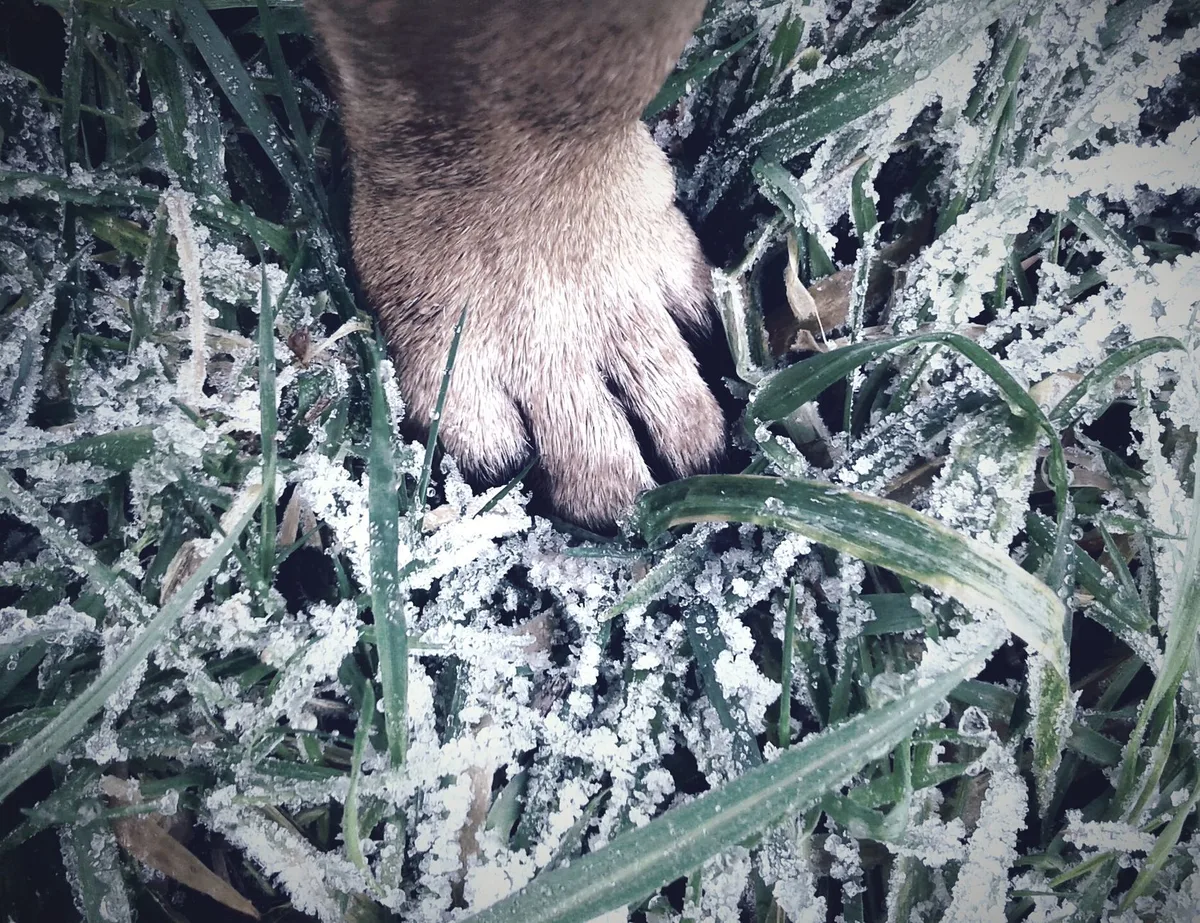
Frost traffic damage. Walking on a frozen lawn crushes the grass blades. They’re brittle and break rather than bend. The crowns get damaged, and the lawn takes longer to green up in spring.
If the grass is stiff and crunchy underfoot, stay off it until the afternoon thaw. Use stepping stones or temporary paths for high-traffic areas.
Deer and rodent damage. Deer nibble on tender grass and rub antlers on trees. Voles and moles tunnel under snow and eat roots. To protect your lawn, install fencing or use deer repellent sprays.
For voles, keep the grass short and remove thick thatch where they hide. You can also use traps or bait stations, but check local regulations.
Salt damage. Road salt splashed onto the lawn kills grass. The sodium draws moisture out of the roots. Use calcium chloride or sand instead of rock salt near your lawn.
If salt spray is unavoidable, flush the area with water after the thaw.
Common Mistakes: Late Fertilizing, Scalping, Walking on Frozen Grass, and Ignoring Leaves
Let’s call out the four errors we see most often. Avoid these and you’re already ahead.
Late fertilizing. Applying nitrogen when the grass is nearly dormant forces a flush of soft growth. That new growth has no time to harden off before frost. It dies, turns brown, and invites disease.
The rule is simple. Once you stop mowing weekly, stop fertilizing for cool-season grass unless it’s a proper winterizer. For warm-season grass, stop fertilizing when the lawn starts to brown.
Scalping. Dropping the mower deck too low in one pass removes the leaf blade entirely. The crown gets exposed. Sunlight and cold air hit the growing point directly.
The result is a patchy, weak lawn that struggles in spring. Lower the height gradually over a few weeks.
Walking on frozen grass. We touched on this already, but it’s worth repeating. A single walk across a frozen lawn can leave brown footprints that last until spring. The damage is irreversible until new growth emerges.
If you must cross the lawn, do it after the frost has melted.
Ignoring leaves. A thick layer of wet leaves blocks sunlight and traps moisture. That creates a perfect environment for snow mold and fungal spots. Even thin layers can smother the grass if left for weeks.
Rake, blow, or mulch them promptly. If you mulch, make sure the leaf pieces are small enough to fall between the blades.
Expert Tips: Drainage, Pre-Emergent Timing, and Dormant Seeding
Here are three pro moves that separate a decent winter lawn from a great one.
Fix drainage before winter. Standing water on a frozen lawn creates ice layers that suffocate the roots. Low spots that collect water in fall will be trouble by January. Fill them with topsoil or sand now.
Improve drainage with a simple French drain if the problem is chronic. The work is easier when the ground is soft.
Time your pre-emergent herbicide carefully. If you have warm-season grass and struggle with winter weeds, apply a pre-emergent in late October or early November. That stops henbit, chickweed, and annual bluegrass from germinating. The timing depends on your local first frost date.
Apply just before the soil temperature drops below 55°F. For cool-season lawns, a pre-emergent in late summer to early fall works better for spring weeds.
Try dormant seeding for bare spots. Cool-season grass can be seeded when the soil is cold but not frozen. The seeds sit on the surface through winter and germinate in early spring. You get a head start on repairs without competing with summer weeds.
Use a seed variety that matches your existing lawn. Spread it before a light rain or snow cover. Avoid seeding on frozen ground because the seeds won’t make contact with soil.
For deeper soil prep, our guide on best slow release fertilizer for flowers shares principles that apply to lawns too, especially if you’re building soil health for spring.
Transition Zone Special: Handling the In-Between Winter
The transition zone stretches roughly from Virginia to Oklahoma. Winters here are unpredictable. You might get a foot of snow one week and 60 degree weather the next.
If you have cool-season grass, follow the northern workflow but delay the winterizer application until late November. Warm-season grass goes dormant but can suffer from freeze-thaw cycles. Improve drainage to prevent root heave.
For mixed lawns, treat the dominant grass type. Spot-treat patches of the other type separately if needed.
FAQs: Watering in Winter, Covering the Lawn, and Post-Winter Prep
Should I water my lawn in winter?
Only if you have no rain for 4 weeks or more. Dormant grass needs about half an inch of water per month. Overwatering invites rot and fungal disease.
Can I cover my lawn with plastic or fabric?
No. Never cover a dormant lawn with plastic. It traps moisture and suffocates the grass.
Burlap or lightweight frost cloth is safe for brief cold snaps but remove it after the freeze passes.
When should I start spring lawn prep?
Start when soil temperatures reach 55°F consistently. For cool-season grass, that’s typically March or April. For warm-season grass, wait until April or May.
Rake lightly, test soil, and apply a balanced fertilizer.
Should I remove snow from my lawn?
Only if it creates traffic issues. Snow insulates the grass. Shoveling or plowing can damage the crown.
Pile snow on hard surfaces, not on the lawn.
Your Winter Lawn Care Decision Guide: One Simple Flow
| If you have… | Do this… |
|---|---|
| Cool-season grass in a cold zone | Mow to 2.5 inches, apply winterizer, remove leaves, limit traffic |
| Warm-season grass in a mild zone | Mow to 1.5 inches, stop fertilizing, control weeds, water only when dry |
| Mixed grass in the transition zone | Identify the dominant type, handle freeze-thaw with good drainage |
| Snow cover for 60+ days | Mow shorter, remove leaves, apply preventive fungicide if needed |
| Frost but no snow | Stay off the grass until afternoon thaw |
That’s the whole plan. Follow the path that matches your lawn and your winter. Your grass will thank you next spring.