How to Start Lawn Care for Beginners 2026: Pro Tips & Tricks
You look at your yard and you’re not sure where to begin. Maybe it’s a dust bowl after new construction. Maybe the grass is patchy, weedy, and sad.
That’s exactly why we wrote this guide on how to start lawn care for beginners.
The truth is most lawn problems are solved before you ever buy a bag of seed. According to the USDA, over 80 percent of lawn issues trace back to the soil. Fix the soil and the grass mostly fixes itself.
Let’s walk through exactly what to check first.
Quick Answer
Test your soil before anything else. Get a $15 soil test kit. Adjust pH to 6.0-7.0.
Pick the right grass for your climate. Water deeply but rarely. Mow high and sharp.
That’s the whole secret.
Before You Do Anything: What Kind of Lawn Are You Starting With?
Stop and look. What have you actually got out there? Three situations exist and each one needs a different first step.
If you have bare dirt, your priority is soil prep and seed selection. If you have an existing lawn that’s thin and weedy, your priority is diagnosis and soil correction. If you have a decent lawn you just want to keep healthy, your priority is good mowing and watering habits.
Don’t treat bare dirt like you treat an established lawn. The first mistake beginners make is buying a bag of seed and throwing it down without checking what’s underneath.
The One Thing Beginners Get Wrong That Kills Lawns Fast
Watering. Specifically, watering too often and too shallow.
Most people stand there with a hose every evening and sprinkle the grass for ten minutes. That’s almost worse than not watering at all. Shallow watering makes roots grow shallow.
Shallow roots can’t handle heat, drought, or foot traffic.
The rule is simple. Water once a week. Put down a full inch of water.
You can measure it with a tuna can on the lawn. When the can has an inch of water, stop. The water needs to soak in six to eight inches deep.
That forces roots down deep where the soil stays cooler and holds moisture longer.
The same mistake happens with new seed. People water five times a day for five minutes each. The surface stays wet and the seed rots.
New seed needs consistent moisture, yes, but not constant saturation.
Why Your Grass Type and Climate Unlock Every Decision
If you plant the wrong grass, you will fight your lawn forever. This is where a lot of beginners get stuck. They love the look of a certain grass but their climate doesn’t support it.
The US splits into two main grass regions.
Cool-season grasses grow best in the Northeast, Midwest, Pacific Northwest, and higher elevations. Think Kentucky bluegrass, tall fescue, and perennial ryegrass. These grasses thrive in spring and fall.
They go dormant or struggle in hot summers.
Warm-season grasses grow best in the Southeast, Gulf Coast, Southwest, and Hawaii. Think Bermuda, zoysia, St. Augustine, and centipede.
These grasses love summer heat and go brown in winter.
The transition zone from the Ohio Valley down to North Carolina is tricky. You can grow either type but you have to pick one system and stick with it.
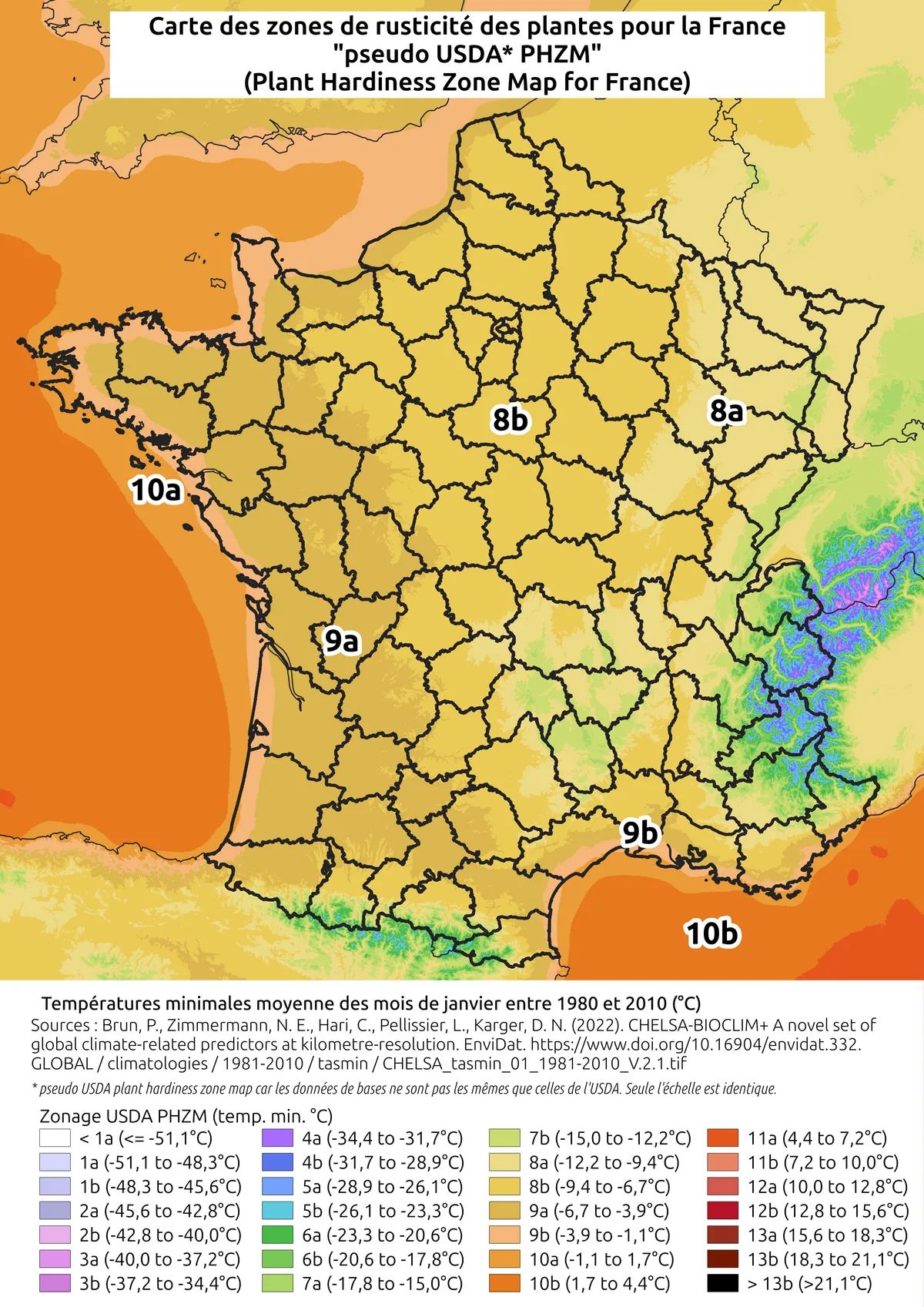
Check your USDA hardiness zone before you buy a single seed. That map tells you which grasses are proven to survive in your area. Pull it up on your phone right now.
It takes thirty seconds.
Your Personal Lawn Care Decision Tree (Follow Your Situation)
Here is where we match the advice to your exact yard. Find the branch that fits.
Branch A: You’re Starting from Bare Dirt or New Construction
You have no lawn. Maybe the builders scraped off the topsoil. Maybe you moved into a new house.
Your job is soil work first.
Send a soil sample to your local cooperative extension. They will tell you exactly what nutrients are missing and how much lime or sulfur to add. The test costs around $20.
It’s the best money you will spend.
Then pick a grass seed suited to your light and climate. Full sun areas need a different blend than shady spots. Read the seed bag label.
It will say sun, shade, or sun and shade mix. Buy the right one.
Till the top four to six inches of soil. Rake it smooth. Remove rocks and debris bigger than a golf ball.
Then seed at the rate the bag specifies. Rake the seed in lightly so about a quarter inch of soil covers it. Water gently twice a day until germination.
Then switch to once a week deep watering.
Branch B: You Have an Existing Lawn That’s Patchy, Weedy, or Worn Out
You have grass but it looks rough. Don’t rip it out. Fix it.
Start with the soil test here too. Then aerate the lawn if the soil feels hard or water sits on top. Core aeration pulls plugs of soil out and lets air, water, and fertilizer reach the roots.
Apply a balanced starter fertilizer based on your soil test results. Two to four pounds of nitrogen per thousand square feet per year is typical for cool-season grasses. Warm-season grasses need half that.
Overseed in the right season. Cool-season grasses get overseeded in late summer to early fall. Warm-season grasses get overseeded in late spring.
Use a blend that matches what is already growing.
Keep the existing grass mowed at the right height while the new seed germinates. Tall fescue likes three to four inches. Bermuda likes one to two inches.
Scalping it short stresses the lawn and lets weeds in.
Branch C: You Just Want to Keep a Decent Lawn Without Going Overboard
You already have a lawn that looks fine. You want to keep it fine without turning into a weekend warrior.
Mow high. Never cut more than one third of the blade length. If the grass gets too tall, cut it twice over two days rather than scalping it.
Water once a week with one inch. That’s it. Skip the sprinkler if it rained this week.
Fertilize twice a year. Once in spring and once in fall for cool-season grass. Once in late spring and once in midsummer for warm-season grass.
Use a slow release fertilizer so you don’t burn the lawn.
Pull weeds when you see them. Spot spray broadleaf weeds instead of blanket bombing the whole yard. A healthy thick lawn crowds out most weeds naturally.
Step-by-Step: What to Do If You’re Starting from Scratch
This section is for Branch A people. You have bare dirt and you want grass. Follow these steps in order.
Step 1: Test the soil. Order a kit from your extension office or a reputable online lab. Take samples from three or four spots in the yard. Mix them together.
Mail them in. Wait two weeks for results.
Step 2: Amend the soil. Add lime if your pH is below 6.0. Add sulfur if it’s above 7.0. Mix in an inch of compost if the organic matter is low.
Compost improves water retention in sand and drainage in clay.
Step 3: Grade and smooth. Fill low spots where water pools. Rake out high spots. You want a gentle slope away from the house.
Water that sits against the foundation is trouble.
Step 4: Choose and spread seed. For sunny spots in cool climates, tall fescue is a beginner friendly choice. For sunny warm climates, Bermuda or zoysia work well. For shade in any climate, use a fine fescue blend.
Spread at the rate on the bag using a broadcast spreader.
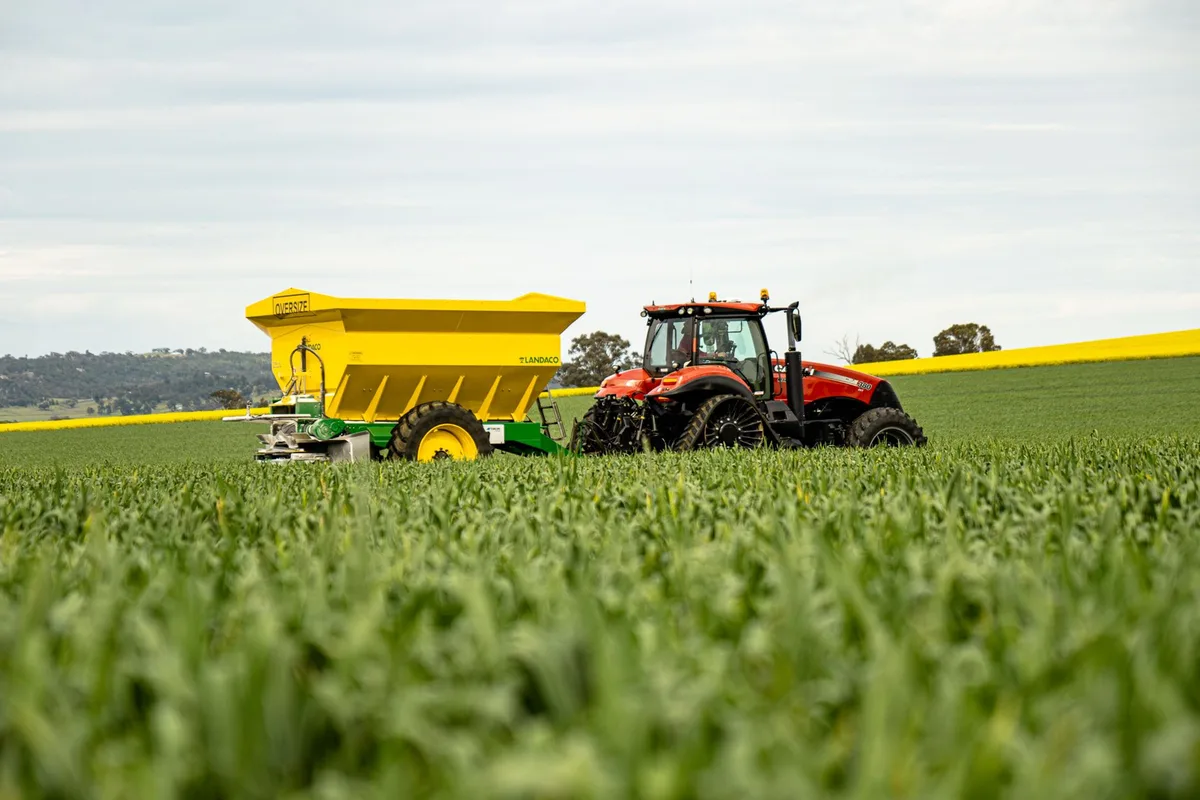
Step 5: Protect the seed. Rake it in lightly. Cover with a thin layer of straw or erosion blanket if you have a slope. This keeps the seed from washing away and holds moisture.
Step 6: Water right. The first two weeks are critical. Water lightly twice a day to keep the top inch of soil moist. After germination, taper to once every other day.
After the third week, switch to once a week deep watering.
Step 7: First mow. Wait until the grass is three and a half to four inches tall. Then mow to three inches. Use a sharp blade.
Dull blades tear the grass and leave ragged tips that turn brown.
Your first mow is the beginning of regular maintenance. Keep the mower at that same height all season. Never drop it shorter just because you want less mowing.
Short grass invites weeds and heat stress.
If you have flower beds or garden areas nearby, take a minute to think about the best flowers for flower beds that complement your new lawn. A good lawn frames a good garden, and good garden plants make the lawn look intentional rather than accidental.
Use a slow release fertilizer formulated for young grass about four weeks after germination. This gives the seedlings the nutrients they need without burning their tender roots. You can find a good slow release fertilizer option in our guide on best slow release fertilizer for flowers, which works similarly for grass in its early growth phase.
Keep an eye out for fungal disease in the first month. Warm wet weather can cause damping off or brown patch. If you see spots spreading quickly, you may need a best fungicide for lawns to stop it before it kills the new seedlings.
Step-by-Step: What to Do If You’re Fixing a Worn-Out Lawn
You have grass but it looks rough. Maybe spots are bare. Maybe weeds have taken over.
This is the most common lawn situation and the easiest to fix if you follow the right order.
Step 1: Diagnose the problem. Walk the yard and look for patterns. Bare spots in high traffic areas mean compaction. Weeds in thin areas mean low fertility.
Brown patches in summer mean wrong grass type or poor watering. Write down what you see.
Step 2: Test the soil. Same as the bare dirt route. Send a sample to your extension office. You cannot guess what the lawn needs.
Guessing leads to overfertilizing or underliming, both of which waste money and stress the grass.
Step 3: Aerate if compacted. If water pools after rain or the ground feels rock hard, core aeration is your first action. Rent a gas powered aerator for a day. Run it over the whole yard.
The plugs should be two to three inches apart. Leave the plugs on the surface. They break down and add organic matter.
Step 4: Overseed in the right season. For cool-season lawns, overseed between mid August and mid October. For warm-season lawns, overseed in late spring. Use a blend that matches your existing grass.
Spread at half the rate the bag recommends for new lawns. You want to thicken, not crowd.
Step 5: Fertilize based on the test. Apply a starter fertilizer high in phosphorus if your test shows low levels. Many states restrict phosphorus, so check your local rules. A slow release nitrogen source like polymer coated urea works well for established lawns.
Step 6: Water deep and seldom. After overseeding, keep the top inch moist for the first two weeks. Then back off to once a week deep watering. The new seedlings need consistent moisture, but the existing grass prefers less frequent drinks.
Step 7: Mow higher than you think. Keep the mower at three and a half to four inches for cool-season grass. For warm-season grass, follow the recommended height for your type. Taller grass shades the soil, reduces weed germination, and encourages deeper roots.
A worn-out lawn usually recovers in one full growing season. By next year the bare spots should fill in and the weeds will thin out naturally.
Mistakes to Avoid – What Every Beginner Does Wrong (and How to Skip It)
Beginners make the same five mistakes over and over. Avoid these and your lawn will be ahead of most neighbors.
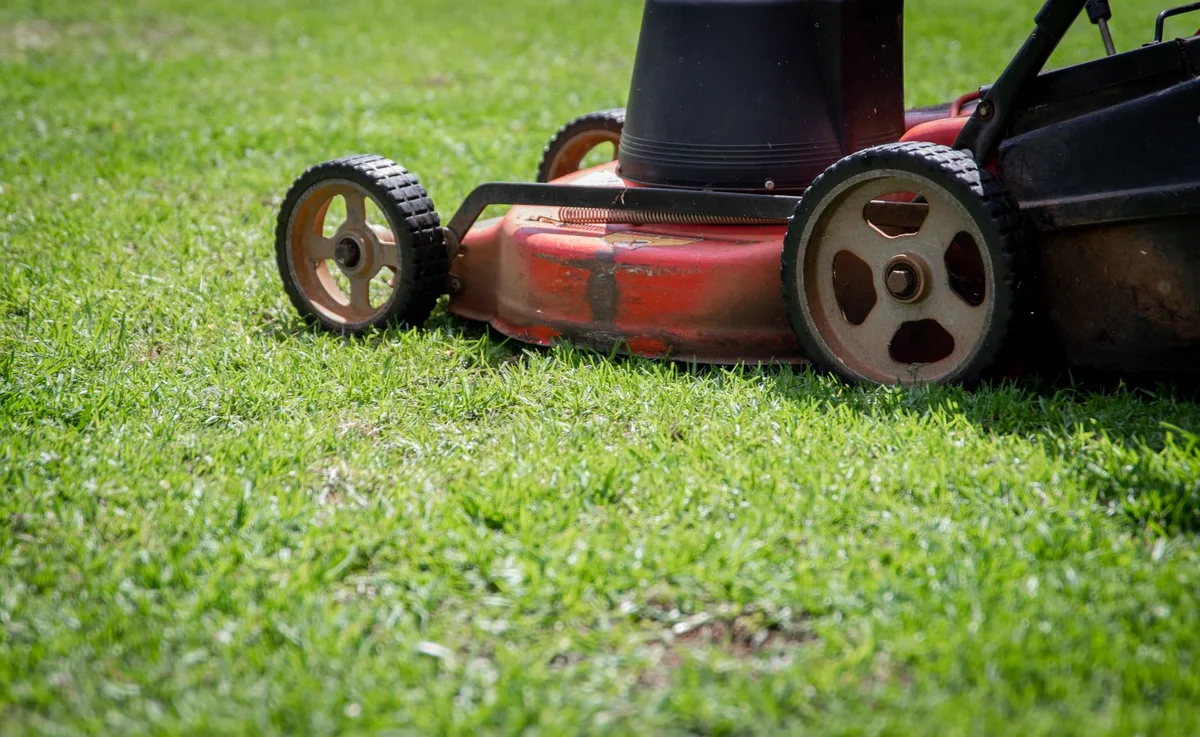
Mistake 1: Mowing too short. This is called scalping. It stresses the grass, exposes the soil to sunlight, and lets weeds sprout. Keep the blade high.
Never cut more than one third of the grass height at once.
Mistake 2: Watering every day. Shallow watering creates shallow roots. Shallow roots die in droughts. Water once a week with one inch.
That trains roots to go deep.
Mistake 3: Fertilizing without a soil test. You might add nitrogen when the soil already has plenty. Or you might skip lime when the pH is acidic. Both waste money and can damage the lawn.
The $20 test saves you from guessing.
Mistake 4: Using the wrong seed. Buying whatever is on sale at the big box store often means getting a mix designed for a different climate. Check the label for your grass type and region. A local garden center usually stocks the right blends.
Mistake 5: Ignoring the fall window. Most beginners focus on spring. But fall is the best time to seed, fertilize, and aerate cool-season lawns. The soil is warm, the air is cool, and weeds are less aggressive.
Fall care pays off hugely in spring.
If you live in a hot dry climate, choosing the right trees for your yard can also help shade parts of the lawn and reduce water needs. Pairing drought-tolerant landscaping with your lawn care routine saves effort long term.
Pro Tips That Save You Time, Money, and Water
These tips come from experienced landscapers and turf researchers. They work because they work with nature, not against it.
Tip 1: Let the clippings fall. Don’t bag them. Grass clippings are 80 percent water and contain valuable nitrogen. A mulching mower chops them fine enough to decompose quickly.
This returns up to 25 percent of your lawn’s nitrogen needs for free.
Tip 2: Sharpen your mower blade twice a season. A dull blade tears the grass instead of cutting it. Ragged tips lose more water and turn brown. A sharp blade gives a clean cut that heals fast.
You can feel the difference when you run your hand over the grass.
Tip 3: Water early in the morning. Between 4 and 8 AM is best. Less wind means more water hits the lawn. Lower temperatures mean less evaporation.
Watering at night leaves the grass wet for hours, which invites fungus.
Tip 4: Use a rain gauge. You need one inch per week. A simple plastic gauge costs five dollars. Put it in the yard and check it after each rain or watering session.
If you got half an inch from a storm, only water half an inch that week.
Tip 5: Spot treat weeds. Instead of spraying the whole lawn with broadleaf herbicide, mix a small batch in a hand sprayer and treat individual weeds. This saves money and reduces chemical use. A healthy lawn will crowd out most weeds on its own.
Tip 6: Plant the right companion plants. A border of flowers around the lawn can attract pollinators and beneficial insects. For example, the best plants for hummingbirds add color and help with pest control naturally.
The 7 Starter Tools You Actually Need (Nothing Extra)
You do not need a shed full of expensive equipment. Beginners can get by with these seven tools. Buy the rest as your lawn demands it.
| Tool | Why You Need It | Approximate Cost |
|---|---|---|
| Soil test kit | Only way to know what to add | $15-30 |
| Broadcast spreader | Even seed and fertilizer application | $40-80 |
| Hose and sprinkler | Consistent watering | $30-60 |
| Lawn mower with sharp blade | Clean cuts, healthy grass | $150-400 |
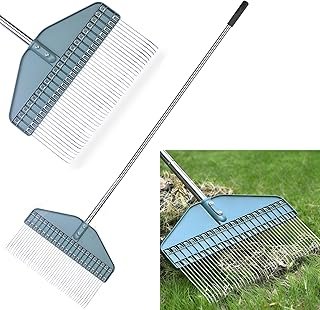
| Garden rake | Smoothing soil and thatch removal | $15-25 |
| Hand trowel | Spot repairs and weed removal | $8-12 |
| Watering timer (optional but smart) | Automatic early morning watering | $20-40 |
The spreader is the most important tool after the mower. A drop spreader gives more precision for small yards. A broadcast spreader works faster for larger areas.
Either one beats hand spreading.
If you have bare patches from heavy foot traffic or pet urine, a patch repair mix and a trowel are all you need. For larger bare areas, consider using a grow light for seedlings indoors to start plugs before transplanting outside.
Cost Breakdown – What This Will Really Set You Back
Here is a realistic look at first year costs for a typical quarter acre lawn.
| Item | Low End | High End |
|---|---|---|
| Soil test | $15 | $30 |
| Lime or sulfur amendment | $10 | $25 |
| Compost (1 yard) | $30 | $60 |
| Grass seed (5 lbs) | $20 | $50 |
| Starter fertilizer | $15 | $30 |
| Mower (if needed) | $150 | $400 |
| Spreader | $40 | $80 |
| Hose and sprinkler | $30 | $60 |
| Water (extra summer usage) | $50 | $150 |
| Total first year | $360 | $885 |
Second year costs drop significantly. You only need seed for overseeding, fertilizer, and water. Expect $100 to $200 per year after the initial setup.
The cheapest route is to start with a soil test and only buy what you truly need. Many beginners overspend on products they never use. Stick to the list above and skip the weed and feed combos until you know what your lawn actually requires.
If you are on a tight budget, consider using organic lawn care methods. Compost and slow release fertilizers cost less in the long run and build healthier soil. Our guide on best organic fertilizer for fruit trees covers principles that apply to lawns too, since healthy soil biology benefits all plants.
Long-Term Lawn Care: How to Keep It Simple (Without a Full-Time Job)
After the first season, maintenance gets easier. Your job is to stay consistent with four habits.
Mow at the same height all year. Water one inch per week. Fertilize twice per year based on your soil test.
Aerate every two years unless the soil is heavy clay.
That is the entire routine. Skip the weekly weed spraying and daily watering. A healthy lawn handles most problems on its own.
FAQs – When to Seed, How Much to Water, and More
When is the best time to plant grass seed?
For cool-season grasses, plant between mid-August and mid-October. For warm-season grasses, plant in late spring after soil temperatures reach 65°F.
How much should I water a new lawn?
Keep the top inch of soil moist for the first two weeks. Water twice a day for 10 to 15 minutes each session. After germination, switch to once a week with one inch total.
Can I just throw seed on top of the soil?
No. Seed needs soil contact to germinate. Rake it in lightly so about a quarter inch of soil covers it.
Bare seed on the surface dries out or washes away.
How often should I fertilize?
Twice a year for most lawns. Once in spring and once in fall for cool-season grass. Once in late spring and once in midsummer for warm-season grass.
Why is my lawn turning yellow?
Yellowing usually means low nitrogen, overwatering, or an iron deficiency. A soil test tells you which one. Nitrogen deficiency shows as pale green lower leaves.
Should I bag my grass clippings?
No. Leave them on the lawn. They return nitrogen and moisture to the soil.
Use a mulching mower to chop them fine.
Your Quick Decision Guide – One Page to Reference All Season
| Situation | What to Do |
|---|---|
| Bare dirt, new house | Test soil, add amendments, seed in right season, water consistently |
| Patchy weedy lawn | Test soil, aerate, overseed in fall or spring, spot treat weeds |
| Decent lawn, just maintain | Mow high, water once a week, fertilize twice a year, leave clippings |
| Brown spots in summer | Check for grubs or drought stress. Water deeply once a week. Rake out dead spots and overseed in fall |
| Moss or algae growth | Too much shade or acidic soil. Test pH and add lime if below 6.0. Trim trees to increase light |
| Crabgrass invasion | Apply pre-emergent in early spring before soil hits 55°F. Keep lawn thick and mow high |