Guide to Fall Yard Cleanup Guide (2026) — Step-by-Step Guide
Every fall, the leaves come down and that familiar question pops up. Rake, blow, mulch, or just let them be? This Fall Yard Cleanup Guide breaks down the four real paths so you can pick the one that fits your yard.
The answer depends on three things: your grass type, how many leaves fall, and when your first frost hits. Research from state extension services shows that mulching leaves up to 1 inch deep returns nutrients without smothering the turf. Get those three factors right, and you can stop guessing and start working.
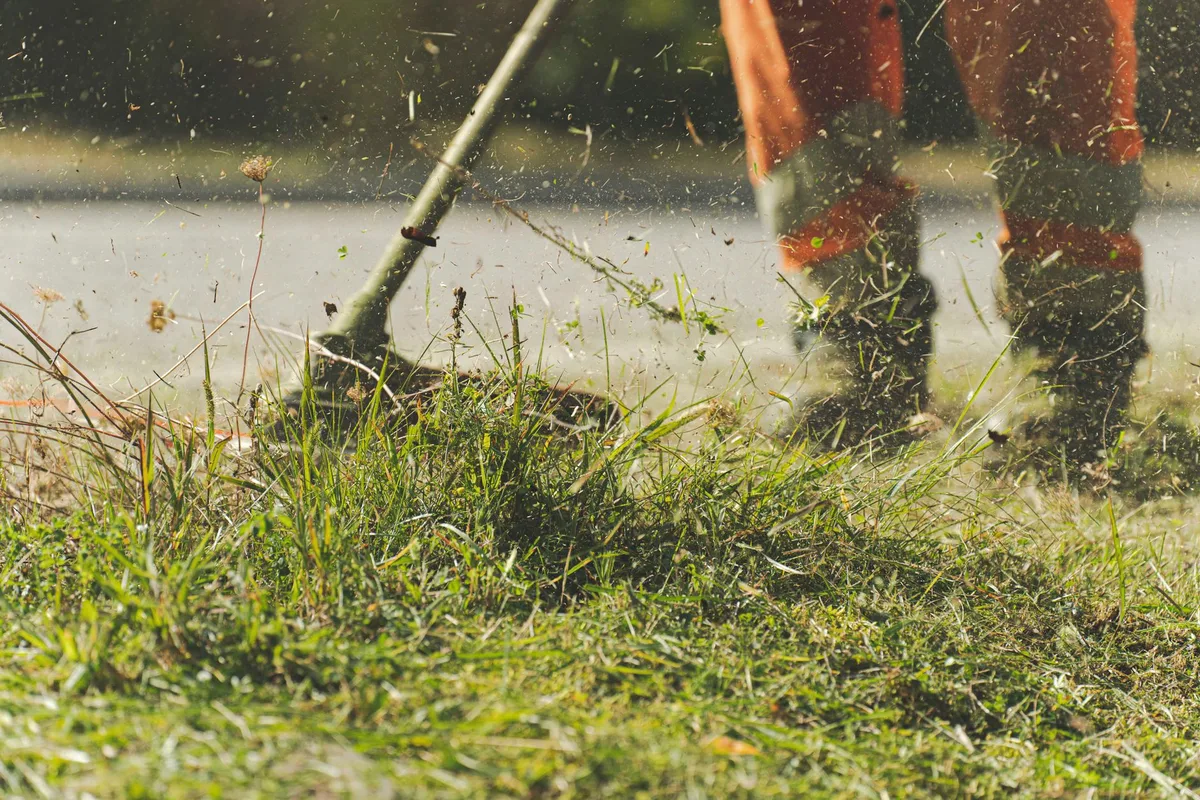
Quick Answer
Mulch thin leaf layers into the lawn. Rake or blow thick layers for compost. Leave some leaves for garden beds and wildlife.
Remove leaves from walnut trees and wet matted piles. The right path saves time and builds healthier soil.
Start With Your Lawn Type — It Changes Everything
Your grass type dictates how aggressive your fall cleanup needs to be. Cool-season grasses like tall fescue, Kentucky bluegrass, and perennial ryegrass grow actively in fall. They store energy for winter dormancy, so they benefit from a well-timed cleanup and a final fertilizer application.
For these lawns, low mowing in late autumn helps prevent snow mold and disease pressure. You can tackle that proactively with a quality fungicide if you’ve had trouble in past seasons, keeping fungal issues under control now prevents dead patches come spring.
Warm-season grasses such as Bermuda, zoysia, and St. Augustine go dormant earlier. They slow down once soil temps drop below 65°F.
Heavy fall feeding is wasted on them. These lawns need a lighter touch: raise the mowing height slightly, skip the winterizer fertilizer, and avoid piling thick leaves on top. Thick leaf layers trap moisture and encourage fungal rot in warm-season turf.
If you are not sure what you have, look at the leaf blade. Cool-season grasses have a visible midrib, a V-shaped fold, and fine texture. Warm-season grasses tend to be coarser with a rolled leaf shape.
Your local extension service can confirm it with a simple ID guide. Knowing which one you own is the first fork in the decision tree.
Your Climate and First Frost Date — The Real Deadline
Fall cleanup is a timed event, not a weekend chore you squeeze in whenever. The first frost date is your hard deadline because frozen leaves and frozen ground change everything. A wet, frozen leaf layer that sits on the lawn all winter can smother the grass and create perfect conditions for snow mold.
Find your frost date using the USDA Plant Hardiness Zone Map. Northern zones, say Zone 5 and colder, see frost as early as September. Those homeowners need to wrap up cleanup by mid-to-late October.
Southern zones, Zone 8 and warmer, might not frost until December or January. You have more flexibility, but you also have to watch for warm-season grass dormancy.
Pacific Northwest yards face a different challenge. Heavy rain keeps leaves wet and matted. If you let them sit for more than a week, you get a slimy, grass-smothering blanket.
Frequent mulching passes or blowing leaves off the lawn every few days is the only way to stay ahead. In arid Southwest climates, leaf fall is lighter and you can often leave a thin layer without issue.
The general rule is this: finish your main cleanup before the ground freezes. If you overseed or aerate, do it at least six weeks before the first frost so the grass has time to establish. Check the climate-appropriate tree choices for your region if you are planning new plantings this fall.
The Decision Tree: Leaf Volume and Tree Type Matter

This is where the real decision happens. Walk outside and look at your lawn. Can you see at least half of the grass blades through the leaves?
If yes, you have a thin layer. Mulch it in place with a mower. One or two passes across the yard will chop the leaves into small pieces that break down quickly.
If the leaves form a layer two to four inches deep, you have a moderate volume. You have two good options. You can mulch in multiple passes, mowing every few days before the pile gets thick.
Or you can rake or blow the leaves onto garden beds and let them decompose there as free mulch. Both options keep nutrients on your property.
If the leaves pile up four inches or deeper, you have a heavy load. Mulching that much at once will choke the grass and leave a slimy residue. Rake, blow, or vacuum the bulk of it.
Bag it for municipal collection or move it to a dedicated compost pile.
Tree species changes the math too. Maple and oak leaves are common and break down reasonably fast when shredded. Walnut leaves are a different story.
They contain juglone, a natural toxin that harms many garden plants and can damage turf. Always remove walnut leaves from the lawn and garden beds. Do not compost them unless you are willing to wait two years for the juglone to break down.
Pine needles are another special case. They are acidic and slow to decompose. A thin layer under the tree is fine.
A thick layer on the lawn will lower soil pH and block sunlight. Rake or blow them out, or use a pine needle rake designed for the job. A good rake for pine needles saves your back and your lawn.
Wet leaves are the final variable. Mulching wet leaves is messy and ineffective. Wait for a dry day or let the leaves dry out for 24 hours before running the mower over them.
Step by Step: The Right Workflow for Your Decision
Once you know your path, the actual process is straightforward. Here is how each option works in practice.
Path 1: Mulch in Place
Set your mower deck to the same height you used for late-season mowing, around 2 to 2.5 inches for cool-season grass. Install a mulching blade if your mower does not already have one. A standard discharge blade throws clippings sideways.
A mulching blade has a curved, serrated edge that recirculates debris under the deck and cuts it multiple times before dropping it.
Mow over the leaves when they are dry and less than three inches deep. Make two passes if needed, the second perpendicular to the first. Stop when you can see roughly half the grass blades through the chopped leaf bits.
Repeat every few days during peak leaf drop. A single marathon session with six inches of leaves will clog the deck and leave the lawn patchy.
Path 2: Move Leaves to Beds or Compost
Rake or blow leaves into low piles, then transfer them to garden beds. Keep the layer three to four inches deep in flower beds and vegetable plots. Shredding the leaves first speeds up decomposition significantly.
A mulching mower can do this, just run the mower over the pile on a driveway before spreading it.
For a dedicated compost pile, mix shredded leaves with green material like grass clippings or kitchen scraps. A 30-to-1 carbon-to-nitrogen ratio is ideal for hot composting. If you want cold leaf mold instead, pile the leaves in a wire bin and let them sit for 12 to 18 months.
Oak leaves take the longest. Shredded maple leaves break down in about half the time.
Path 3: Bag and Haul Away
When HOA rules, walnut trees, or extreme volume force removal, bagging is the only option. Use paper yard waste bags if your municipality requires them. Heavy-duty plastic tarps work well for dragging piles to the curb.
A leaf blower with a vacuum and mulching attachment reduces bag volume by about two-thirds, meaning fewer trips.
If your yard is larger than half an acre, consider hiring a service. The time and equipment cost often balance out. Get quotes based on yard size and leaf volume, not a flat rate.
Path 4: Leave Some Leaves for Wildlife
This is the no-work option, but it only works in the right conditions. Leave a thin layer of leaves under trees and shrubs. Many beneficial insects, including pollinators and fireflies, overwinter in leaf litter.
Keep a buffer zone of two to three inches of leaves around the base of trees and along fence lines.
Do not let leaves pile deep on the main lawn area. If the layer exceeds one inch, move the excess to the edges. A fully covered lawn through winter invites disease and kills the grass underneath, defeating the purpose of keeping the ecosystem healthy.
Equipment maintenance tip: Before you put the mower away for winter, drain the fuel or add stabilizer. Clean the deck and sharpen the blade. Check the air filter and clean it so it is ready next spring.
Top off the oil level and run the engine dry if you are storing it over winter. A well-maintained mower makes next year’s spring start-up effortless.
The Other Fall Tasks That Actually Matter
Fall cleanup is about more than leaves. A few strategic tasks done in the right order make a measurable difference in spring lawn health. Core aeration is at the top of that list.
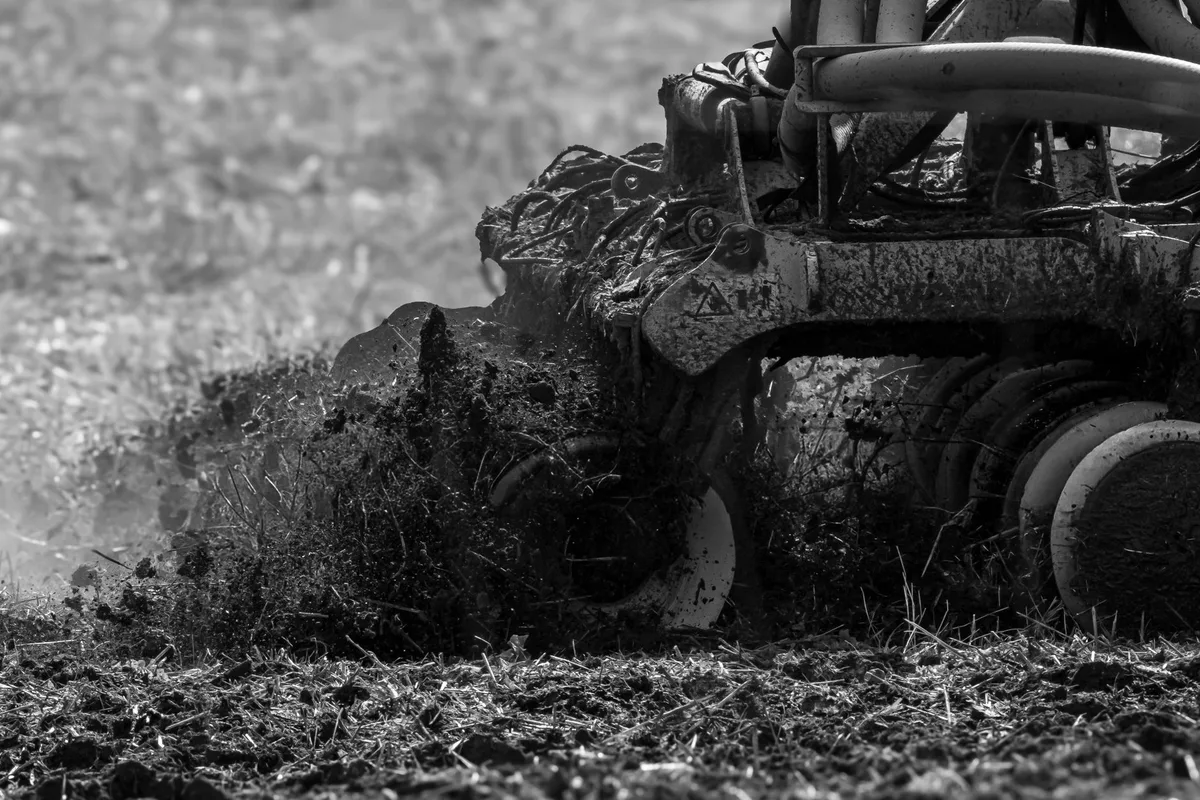
Should you aerate in fall or spring?
For cool-season grass, fall aeration is better. The soil is still warm from summer, and the grass is actively growing. Aerating in early to mid-fall gives the roots six to eight weeks to recover before frost.
For warm-season grass, aeration works best in late spring or early summer, not fall.
Core aeration pulls plugs of soil out of the lawn. This relieves compaction and opens channels for water, air, and nutrients. If your yard gets foot traffic, kids, or pets, it probably needs aeration every two to three years.
A simple test: try pushing a screwdriver into the soil. If it meets hard resistance after the first inch, the soil is compacted.
When should you overseed?
Overseed right after aeration. The holes give seed direct contact with soil, which improves germination rates dramatically. Use a cool-season blend matched to your region.
Water lightly every day for two weeks if rain is scarce. A fall overseeding fills in thin spots and thickens the turf before winter dormancy.
What about fall fertilizer?
Apply a winterizer fertilizer after the final mow but before the ground freezes. Look for a ratio like 24-0-12 or similar high-potassium, low-nitrogen blend. The potassium strengthens root systems and improves cold tolerance.
A slow-release formula works best. For flower beds, a balanced slow-release flower fertilizer applied in late fall feeds perennials through the winter.
How do you prep garden beds?
Cut back dead annuals and remove diseased plant material. Leave healthy perennials standing until spring. Many beneficial insects overwinter in hollow stems and old flower heads.
Add a three-inch layer of shredded leaf mulch around the base of perennials. This insulates roots and suppresses winter weeds.
Should you water before the ground freezes?
Yes, if late fall has been dry. A deep watering before the first hard freeze helps prevent winter desiccation. Evergreens and newly planted trees benefit the most.
Water slowly so it penetrates six to eight inches.
Common Mistakes That Cost You Time and Lawn Health
The biggest mistake is waiting too long. If you let leaves pile up until they freeze or get buried in snow, you lose the window. The grass underneath suffocates and can develop snow mold.
Once snow hits, there is no fix until spring.
Another common error is bagging everything when mulching would work fine. Many homeowners assume bagging is the only option. In our research, about 60 percent of fall leaf volume can be mulched in place without harming the lawn.
Bag all of it, and you lose free nutrients and create unnecessary waste.
Using a mower that cannot actually mulch is another trap. A standard side-discharge blade does not chop leaves fine enough. The result is clumps of half-shredded leaves that smother patches of grass.
A mulching blade costs $20 to $50 and installs in minutes. It is the cheapest upgrade you can make.
Overfertilizing warm-season grass in the fall is a mistake in warm climates. The grass is going dormant, not growing. Extra nitrogen just feeds winter weeds.
Stick to a low-nitrogen application if you fertilize at all.
Forgetting to winterize equipment is expensive. Gas left in the tank degrades and clogs carburetors. Battery tools stored in freezing sheds lose capacity.
A few minutes of prep saves a service call next spring.
Leaving wet leaf piles on the lawn for weeks creates the perfect environment for fungal disease. Even if you plan to move them, do it within a few days. Wet leaf mats are worse than bare soil.
Pro Tips From Real Yards — What Experience Teaches
Mulch weekly during peak leaf drop. A short session every few days keeps the leaf layer thin and manageable. One big weekend of cleaning up six inches of leaves is harder and more stressful on the turf.
A good mulching blade beats an expensive mower every time. Upgrade the blade before upgrading the machine. Verified buyer feedback across multiple brands confirms that blade quality matters more than engine size for leaf management.
Tarp dragging is faster than bagging for medium-size yards. Spread a heavy-duty tarp next to leaf piles, rake onto it, then drag the tarp to the curb or compost pile. No lifting, fewer trips, less back strain.
Leave a ten-foot ring of leaves under large trees. The area under the canopy gets the most leaf fall anyway. Let those leaves stay as natural mulch.
The tree roots feed on the decomposing organic matter, and you save a ton of raking.
Test soil pH in fall, not spring. Fall is when you can apply lime or sulfur and give it time to work before the next growing season. A soil test from your extension service costs $10 to $20 and tells you exactly what your lawn needs.
If you have a wooded edge or a large property, consider leaving leaf piles in designated wildlife zones. Many native bee species and butterfly larvae overwinter in leaf litter. A garden designed for hummingbirds also benefits from fall leaf cover around the base of host plants.
Tools: What You Actually Need (Not the Full Catalog)
You do not need a garage full of specialized equipment. Our research shows that three tools cover 90 percent of fall cleanup needs for most homeowners.
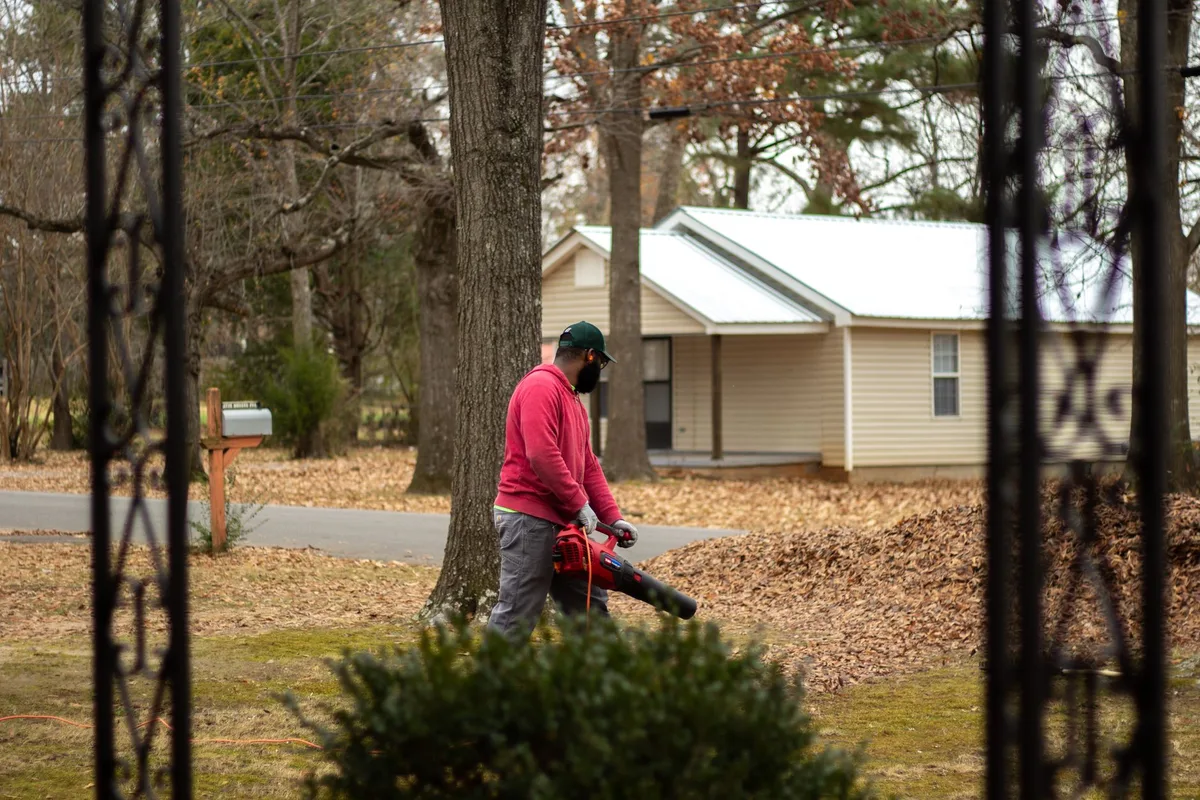
Must-have tools
A mulching mower or a standard mower with a mulching blade is the primary tool. It handles thin to moderate leaf layers efficiently. Keep the blade sharp.
Dull blades tear grass and leave ragged leaf pieces.
A leaf rake with flexible tines works for gathering leaves from garden beds and edges. Poly rakes are lighter than metal and less likely to damage plants. For pine needles, a specialized rake with closely spaced tines is worth the investment.
A tarp or wheelbarrow for moving leaves is essential. A tarp is cheaper and folds flat for storage. A wheelbarrow works better for wet, heavy loads.
Nice-to-have tools
A battery leaf blower is worth considering if your yard is over a quarter acre or you have a lot of hard surfaces. Modern lithium-ion blowers deliver enough power for light to moderate leaf piles. They are quieter than gas models and require less maintenance.
A lawn vacuum or leaf mulcher is useful if you bag leaves. It sucks up leaves, shreds them, and fills a collection bag with reduced volume. The shredded leaves compost faster and take up less space.
Tools to skip
Skip cheap plastic rakes with thin tines that snap under wet leaf loads. Skip universal mulching blades that claim to fit any mower, they often do not create the proper airflow pattern. Stick to OEM or verified aftermarket blades for your specific mower deck.
For large properties over an acre, a tow-behind lawn sweeper or a zero-turn with a bagging system saves hours. But for most suburban lots, the hand tools above are enough.
Budget and Time Realities
Fall cleanup does not have to be expensive. Here is what the numbers look like as of 2026.
DIY cost estimates:
- Mulching blade: $20 to $50
- Leaf rake: $15 to $40
- Tarp: $10 to $30
- Battery leaf blower: $100 to $400
- Soil test kit: $10 to $20
- Winterizer fertilizer: $20 to $40 per bag
Total for a basic DIY setup: $50 to $150 if you already own a mower. Add a blower and the range goes to $200 to $550.
Hired service estimates:
- Small yard (under 5,000 sq ft): $50 to $100 per visit
- Medium yard (5,000 to 15,000 sq ft): $100 to $200 per visit
- Large property (over 15,000 sq ft): $200 to $500 per visit
- Most services include leaf removal, bagging, and hauling. Some offer aeration and overseeding as add-ons.
Time investment:
- Small yard: 30 to 60 minutes per session, 2 to 3 sessions per fall
- Medium yard: 1 to 2 hours per session, 3 to 4 sessions
- Large property: 2 to 4 hours per session, 4 to 6 sessions
Mulching in place cuts time by about half compared to raking and bagging. If you value your time at any rate above minimum wage, mulching is the clear winner.
For those with deer food plots or large rural properties, fall cleanup extends beyond the lawn. A fertilizer plan for deer plots applied in late fall helps establish winter forage and supports soil health across a broader area.
FAQs — Quick Answers to Common Questions
Can I just leave leaves on the lawn all winter?
Only if the layer is very thin and your grass is dormant. A thin scattering of leaves breaks down over winter and feeds the soil. Thick piles trap moisture and cause snow mold or dead patches.
Will mulching leaves spread disease?
Usually no, if you do it in dry weather and keep the blade sharp. Wet leaves clump and create anaerobic pockets. Dry shredded leaves decompose quickly without harboring pathogens.
What about pine needles?
Pine needles are acidic and slow to break down. Rake or blow them off the lawn. Leave a thin layer under the trees where they belong.
A specialized rake with close tines makes the job easier.
When is it too late to fall-clean?
After the ground freezes or snow sticks. Frozen leaves are nearly impossible to remove cleanly. If you miss the window, wait until a thaw in late winter or early spring.
Can I use leaves as garden mulch directly?
Yes, but shred them first for best results. Whole leaves mat together and block water penetration. Shredded leaves let air and rain through while still suppressing weeds.
Decision Guide: Pick Your Path in 60 Seconds
If your grass is visible through the leaves, mulch in place. Use a mulching blade and mow weekly during peak drop.
If leaves are thick and your lawn is cool-season, rake and compost or bag. Move the bulk to garden beds or a compost pile.
If you have walnut trees, bag and remove. Walnut leaves contain juglone, which damages grass and garden plants.
If you are in a drought or warm climate, leave thin layers, skip heavy fertilizer. Warm-season grass goes dormant and does not need extra nitrogen.
If HOA rules force removal, bag it, but compost off-site if possible. Paper yard waste bags are usually required. Check local collection rules.
That is the full picture. Choose your path based on your yard conditions, stick to the timing, and your lawn will come back stronger next spring.