Guide to Contact Vs Systemic Insecticides 2026
You have spotted pests on your prized tomatoes or your favorite houseplant. Now you are staring at a wall of insecticide bottles, wondering which one actually works. The choice between contact and systemic insecticides is the single most important decision you will make.
It hinges on where the pest is hiding, not just what it is. Get it wrong and you waste time, money, and maybe your plant.
Manufacturer specs and EPA label data show that contact insecticides can break down in sunlight within 24 to 48 hours. Systemic options can persist inside plant tissue for four to six weeks. That difference is huge when you are planning a treatment schedule.
Let us walk through how each type works so you can pick the right one for your situation.
Quick Answer
Contact insecticides kill pests on direct contact. Systemic insecticides get absorbed into the plant. Systemics work against hidden pests like aphids and scale.
Contacts are safer for edible crops near harvest. Choose based on pest location and timing.
Core Explanation / How It Works
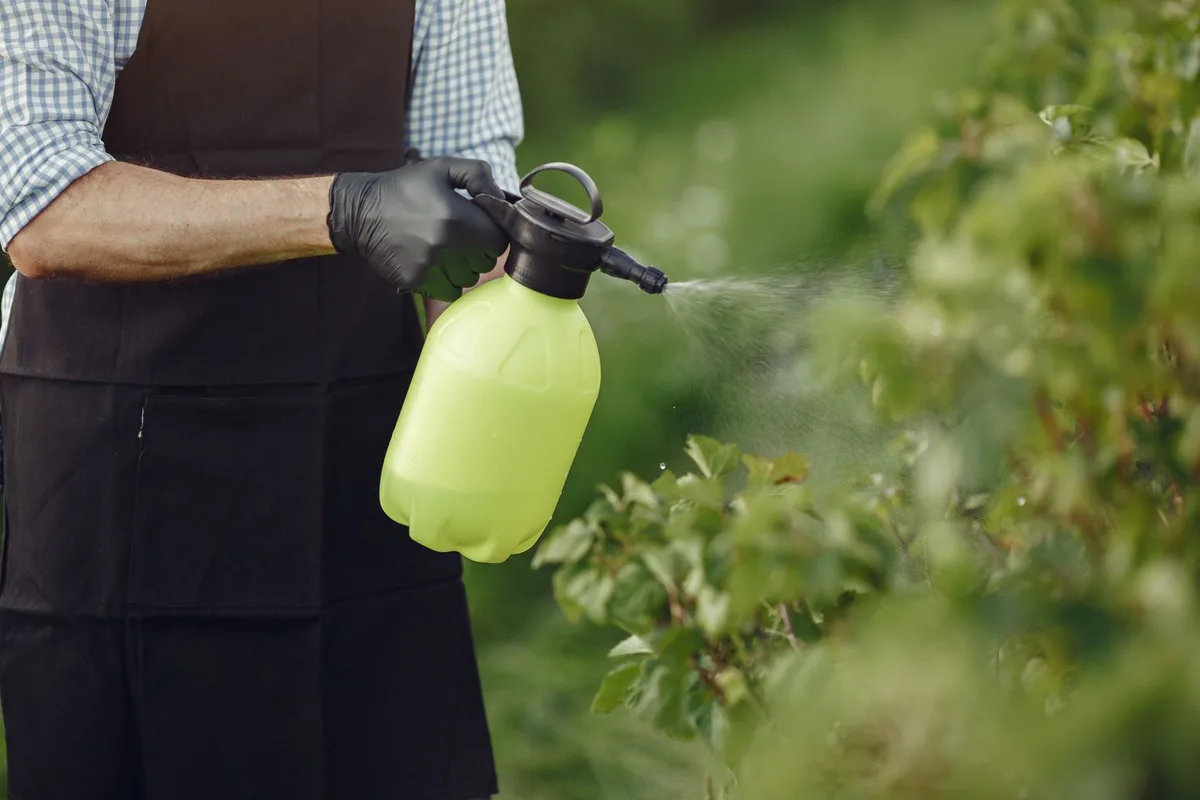
A contact insecticide kills only when it actually touches the pest. Think of it like a direct hit. If the insect is on top of a leaf and the spray lands on it, game over.
But if the pest hides on the underside, inside a curled leaf, or deep in a branch crotch, a contact spray will miss it.
A systemic insecticide is absorbed into the plant’s vascular system. The plant essentially becomes a poison delivery network. When a sap-sucking pest like an aphid feeds on the plant, it ingests the chemical and dies.
This works even if you never sprayed that exact spot.
Most systemics move upward through the xylem. That means a soil drench travels from the roots up into the leaves. A few move both directions through the phloem.
Contact products, by contrast, stay on the surface. They rely on you hitting every single insect.
The practical takeaway is simple. If the pest is exposed, a contact works fast. If it is hidden or feeding on sap, a systemic is often the only way to reach it.
Our research review of university extension guides confirms this split applies across ornamentals, vegetables, fruit trees, and houseplants.
The Decision Tree: 5 Questions That Tell You Which to Use
One size does not fit all in pest control. The right answer changes with your specific situation. Ask yourself these five questions before you pick a bottle.
Question 1 – Where is the pest hiding?
If the pest is fully exposed on the leaf surface, stem, or flower, a contact spray will work. If it is inside the leaf (leaf miners), under waxy scale covers, or boring into stems, you need a systemic. For aphids clustered on new growth, systemics do the job because the insects feed continuously.
If you spot caterpillars chewing on open leaves, a contact spray knocks them down immediately.
Question 2 – What type of plant are you treating?
Edible crops with a short harvest window call for a contact insecticide. The pre-harvest interval is usually zero to one day. Ornamentals, fruit trees, and long-season crops like tomatoes handle a systemic better.
You get weeks of protection without reapplying. For indoor houseplants, a systemic soil drench is often cleaner and less smelly than repeated contact sprays. Check the label for specific plants, especially if you are growing edible varieties in containers.
Question 3 – How much time do you have before harvest or next bloom?
Contacts often have a pre-harvest interval of zero to one day. Systemics can range from 7 to 30 days. If you are picking fruit this weekend, a contact is your only option.
If you have a month before harvest, a systemic gives longer coverage. The same logic applies to ornamental blooms. Do not apply systemics to plants that bees will visit in the coming weeks.
Question 4 – Are bees or other beneficials active nearby?
Systemics can be taken up by flowers and harm pollinators. Contacts can be more targeted if you spray early morning or evening when bees are not foraging. Aggregate reviews from pollinator protection studies show that systemic residues persist in nectar and pollen for weeks.
If your garden is full of flowering plants, a narrow-spectrum contact or a simple water spray can be the safer choice.
Question 5 – Can you actually reach every infested surface?
If you cannot get a spray nozzle to the underside of every leaf on a 20-foot tree, forget about contact sprays. A systemic soil drench or trunk injection is your only realistic option. For a small potted plant, you can flip the leaves and hit everything with a contact.
Be honest about your ability to cover the entire plant. Missed spots mean surviving pests.
Best Use Cases at a Glance
Once you have run through the decision tree, match your situation to one of these two categories.
Contact insecticides are best for:
- Quick knockdown of visible pests like caterpillars or beetles
- Edible crops near harvest (short pre-harvest interval)
- Indoor plants where odor and residue matter
- Organic gardens using neem oil, insecticidal soaps, or horticultural oils
- Small infestations on young plants you can cover thoroughly
Systemic insecticides are best for:
- Hidden pests like scale, leaf miners, borers, and aphids on leaf undersides
- Large trees and shrubs where thorough foliar coverage is impractical
- Long-term prevention in ornamentals and turf
- Plants with dense canopies that block spray penetration
- Situations where you want a single treatment that lasts weeks
If you are growing a special collection of houseplants, a systemic approach often fits the indoor lifestyle better. Check our guide on the best plants for a bedroom if you are treating plants that share your sleeping space.
Benefits & Drawbacks / Pros and Cons
No tool is perfect. Here is the honest trade-off between the two approaches.
| Feature | Contact Insecticide | Systemic Insecticide |
|---|---|---|
| Speed of action | Immediate (minutes to hours) | Slower (days to feed) |
| Residual activity | 1 to 7 days | 2 to 6 weeks |
| Pre-harvest interval | 0 to 1 day typically | 7 to 30+ days |
| Coverage needed | Must hit every pest | Less critical, plant distributes |
| Risk to bees | High if applied to open blooms | High if taken up by flowers |
| Resistance risk | Lower when rotated | Higher if overused repeatedly |
| Best for | Visible, active pests | Hidden, persistent pests |
The speed difference matters more than most people think. If your plant is overrun with aphids, a contact spray gives you visual relief within an hour. A systemic takes a day or two for the pests to stop feeding and die.
That delay can be nerve-wracking when you are watching damage spread.
On the flip side, a systemic saves you from reapplying after rain. A contact spray washes off in a storm and you have to start over. For outdoor plants in wet seasons, that advantage is huge.
Common Mistakes to Avoid
Even experienced gardeners slip up on these points. Avoid them and your treatments will work far better.
Mistake 1: Spraying contacts during the heat of the day. The droplets evaporate before they hit the pest. You also increase drift and burn the plant if you use oils. Spray early morning or at dusk.
Mistake 2: Ignoring rainfastness. Contacts need 2 to 4 hours without rain to dry and become effective. Systemics absorb faster but still check the label. Applying right before a storm is a waste of money.
Mistake 3: Applying systemics to flowering plants. Even a soil drench can move into the flowers and contaminate nectar and pollen. Your bee-friendly garden can become a trap. If the plant is in bloom or will bloom soon, choose a contact spray instead.
Mistake 4: Not rotating modes of action. Using the same systemic class every season breeds resistant pests. Swap between systemics and contacts, or switch the active ingredient within the systemic group. Our research review of university IPM programs recommends rotating every two or three applications.
Mistake 5: Assuming all systemics are the same. Some are xylem-mobile only, meaning they move upward from the roots. Others are phloem-mobile and move both directions. A xylem-only product will not reach pests inside the roots of a tree being treated through a trunk injection.
Read the label carefully.
Mistake 6: Forgetting about the underside of leaves. Even with a systemic, the pest has to feed on a treated part. If you rely on a contact and you miss the undersides, the pests survive. Aggressive coverage matters for contacts.
For systemics, the plant does the distribution, but you still need to apply at the right time and dosage.
If you are dealing with a specific pest like scale or borers, systemic treatments are usually the way to go. For an immediate solution on a visible infestation, a contact spray works best. Keep these mistakes in mind and you will save time, money, and your plants.
Expert Tips for Smarter Application
A few small adjustments can make either type of insecticide work far better. Here is what the research and experienced growers recommend.
Time your application to the pest life cycle. Contact insecticides hit hardest when applied to the youngest, most active life stages. Caterpillars and aphid nymphs die faster than older, tougher adults. Systemics work best when the plant is actively growing and taking up water.
Apply a soil drench in the morning when transpiration is highest.
Use a spreader-sticker with contact sprays. A non-ionic surfactant helps the droplets stick to waxy leaves and spread evenly. Without it, contact sprays bead up and roll off. For systemic soil drenches, you do not need an adjuvant.
The roots absorb the chemical through the water.
Measure carefully. Overdosing a systemic does not kill faster. It just wastes product and increases the risk of phytotoxicity or environmental runoff. Follow the label rate per gallon or per square foot exactly.
For contacts, using too high a concentration can burn tender new growth.
Rotate active ingredients every season. If you used a neonicotinoid systemic last year, switch to a different mode of action group next year. This slows resistance. University IPM programs suggest rotating between at least three chemical classes over a growing season.
Apply systemics before the pest arrives. A systemic works as a preventive if you apply it when the plant is healthy and pests are not yet present. Once an infestation is established, a systemic takes days to reach lethal levels inside the plant. A contact spray gives immediate relief while the systemic builds up.
Safety & Compliance Notes
Safety is not optional with either type of insecticide. Both require you to read the label before opening the bottle.
Pollinator protection is critical. Systemic insecticides can move into nectar and pollen. Even a soil drench around a flowering plant can contaminate flowers. The old advice was to avoid spraying open blooms with contact sprays.
With systemics, the rule extends to any plant that will flower within weeks. Check the label for a “no bee” statement. As of 2026, more systemic products carry a “do not apply to plants in bloom” restriction.
Personal protective equipment matters. Gloves, long sleeves, and eye protection are standard for both types. Contacts can be irritating to skin because of the solvents. Systemics are often water-based but still require nitrile gloves.
Wash all equipment after each use. Store pesticides out of reach of children and pets.
Pre-harvest intervals vary widely. Our research review of label data found that contact products for vegetables often have a zero-day PHI. That means you can spray and pick the same day if you rinse the produce well. Systemic products on the same crops can have a 21-day PHI.
Always check the specific product label for the crop you are treating.
Disposal rules are the same for both. Never pour leftover insecticide down a drain or onto bare soil. Use it up according to the label or take it to a local hazardous waste collection site. Empty containers must be triple rinsed and disposed of in the trash.
If you are growing edible plants indoors or in a small space, you might prefer contact options for their shorter PHI. For ornamentals, systemics offer convenience. Our guide to the best plants for dark bathroom discusses plants that do well in low light and need minimal pest intervention.
FAQs – Real Scenarios You’ll Face
Should I use contact or systemic on aphids on my tomatoes?
Use a systemic for aphids on tomatoes. Aphids feed on the underside of leaves and inside new growth. A contact spray will miss many of them.
Apply a systemic soil drench at the labeled rate when plants are actively growing. The pre-harvest interval is usually 7 to 14 days for systemic products. Stop applying at least two weeks before picking fruit.
If you need quicker results, use a contact spray like insecticidal soap on the visible colonies and follow up with a systemic for long-term control.
Can I mix contact and systemic in one spray?
Yes, but only if the labels for both products allow tank mixing. Many growers do this for a quick knockdown and residual protection. The contact kills the visible pests immediately.
The systemic soaks into the plant and protects new growth. Always check compatibility first. Mix a small test batch in a jar and look for clumping or color changes.
Also adjust your application timing to the more restrictive pre-harvest interval of the two products.
What if I need to treat a 30‑foot tree?
Go systemic. A contact spray will never reach the top of a large tree evenly. Use a soil drench around the base of the tree or a trunk injection if the product allows.
The roots or trunk will carry the chemical up to the canopy. This is how arborists treat oak borers and pine beetles. Make sure the tree is actively growing and the soil is moist for best uptake.
A single treatment can protect the tree for the entire growing season.
For smaller trees, consider a drench in early spring before leaf-out. Our article on the best trees for hot dry climates covers species that are naturally pest-resistant in arid zones.
Final Decision Guide
Here is a one-page checklist you can run before every treatment.
Step 1, Identify the pest and its location.
Is it on the surface or hidden? If hidden, default to systemic.
Step 2, Check the plant type and crop status.
Is it an edible near harvest? Use contact. Ornamental or long-season?
Systemic works.
Step 3, Assess bee activity.
Are flowers open or will they open within a week? If yes, avoid systemics and use a targeted contact at dawn or dusk.
Step 4, Evaluate your spray reach.
Can you completely cover the plant? If not, choose systemic.
Step 5, Read the label.
Confirm the pre-harvest interval, re-entry interval, and any pollinator restrictions.
Step 6, Pick your tool.
Contact for quick knockdown on exposed pests. Systemic for hidden pests and long-term prevention.
Step 7, Apply correctly.
Use the right rate, time of day, and weather conditions. Rotate modes of action between seasons.
That is it. The decision tree is simple once you know where the pest lives and when you need to harvest. If you still feel unsure, start with a systemic on the soil for most houseplants and ornamentals.
Use a contact for vegetable patches where you pick food soon. Your plants will thank you.
For more on keeping your garden healthy, browse our guide on the best slow release fertilizer for flowers to support plant vigor after pest stress.