Guide to Organic Vs Chemical Insecticides: Easy Methods
Choosing between organic and chemical insecticides can feel like a gamble with your garden’s health. The conversation around Organic vs Chemical Insecticides rarely captures the full picture. What works for a tomato patch may be overkill for a houseplant.
A product that saves your roses could wipe out your local pollinators.
As of 2026, the EPA classifies over 1,400 active ingredients used in registered pesticides. Each one carries a different safety profile, residual life, and approved use pattern. That’s why labels and signal words tell you more than the organic seal ever will.
Let’s break down what each category actually offers so you can make an informed choice.
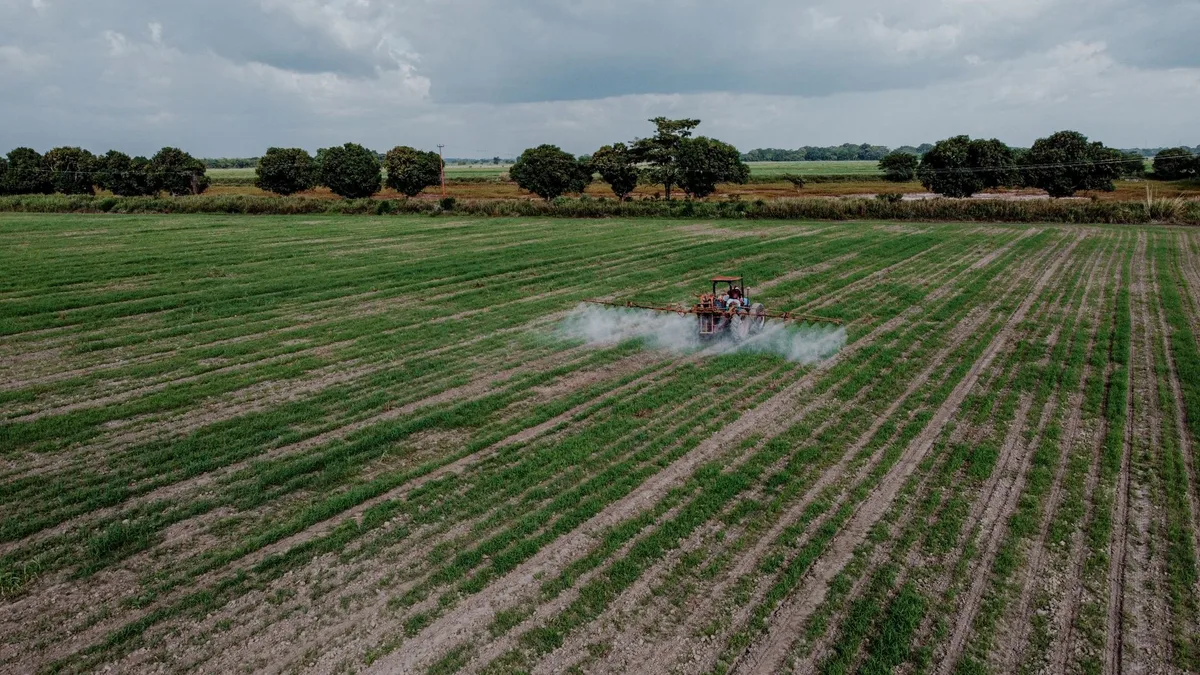
Why This Comparison Matters
Picking the wrong insecticide doesn’t just waste money. It can damage your plants, contaminate your soil, and harm the beneficial insects you actually want around. Many home gardeners grab a bottle based on the label’s buzzwords without understanding what’s inside.
The organic label makes people feel good. The chemical one makes them nervous. But neither word alone tells you if the product is safe for bees or effective against a specific pest.
Understanding the real differences helps you match the right tool to the problem. That’s what saves your harvest and keeps your garden healthy long term. It also helps you avoid common mistakes like overapplying a broad-spectrum product when a targeted one would work better.
Quick Answer: It’s Not About “Good vs. Bad”
Organic insecticides come from natural sources. Chemical ones are synthetically manufactured. Neither is inherently safer or more effective.
The right choice depends on your pest, your crop, and your timing. Always read the label first.
That’s the short version. But the details matter. Some organic products are highly toxic.
Some synthetic ones are remarkably safe when used correctly. Performance varies widely within both groups.
The smartest approach is to match the product to the situation. A narrow-spectrum organic like Bacillus thuringiensis (Bt) works great for caterpillars. A synthetic pyrethroid might be a better choice for a sudden ant infestation indoors.
Context is everything.
Core Explanation: Defining “Organic” and “Chemical” Under the Label
Let’s clear up the definitions before we go further. An organic insecticide comes from a natural source, plants, bacteria, minerals, or other biological materials. Examples include neem oil, pyrethrin, spinosad, diatomaceous earth, and insecticidal soaps.
A chemical insecticide (often called synthetic) is manufactured in a lab. The active ingredient may mimic a natural compound. Pyrethroids, for instance, are synthetic versions of pyrethrin.
But they’re created chemically and often last longer in the environment.
Here’s the catch. Both organic and chemical products undergo the same EPA registration process. Both can carry the same signal words, Caution, Warning, or Danger, based on their toxicity.
The source alone doesn’t tell you how dangerous a product is.
Organic does not equal non-toxic. Spinosad, a common organic insecticide derived from a soil bacterium, is highly toxic to bees while wet. Neem oil can cause phytotoxicity on tender leaves in hot weather. Even diatomaceous earth can irritate lungs if inhaled.
Chemical does not equal evil on contact. Some synthetic products, like insect growth regulators, are extremely targeted and have low mammalian toxicity. Others, like organophosphates, are genuinely dangerous and restricted for good reason.
The label is your source of truth, not the marketing. Look for the active ingredient, the signal word, the pre-harvest interval, and any bee advisory warnings.
Side-by-Side: Head-to-Head Feature Comparison
The table below summarizes the key differences between organic and chemical insecticides. These are general trends, individual products vary within each category.
| Feature | Organic Insecticides | Chemical (Synthetic) Insecticides |
|---|---|---|
| Residual activity | Hours to a few days | Days to weeks |
| Selectivity | Often narrow-spectrum | Often broad-spectrum |
| Speed of knockdown | Slow (1 to 7 days) | Fast (hours to 1 day) |
| Resistance risk | Lower when rotated | Higher with repeated use |
| Mammalian toxicity | Generally low | Varies widely (Caution to Danger) |
| Cost per treatment | Higher | Lower |
| Effect on beneficials | Less harmful (some exceptions) | Can be highly disruptive |
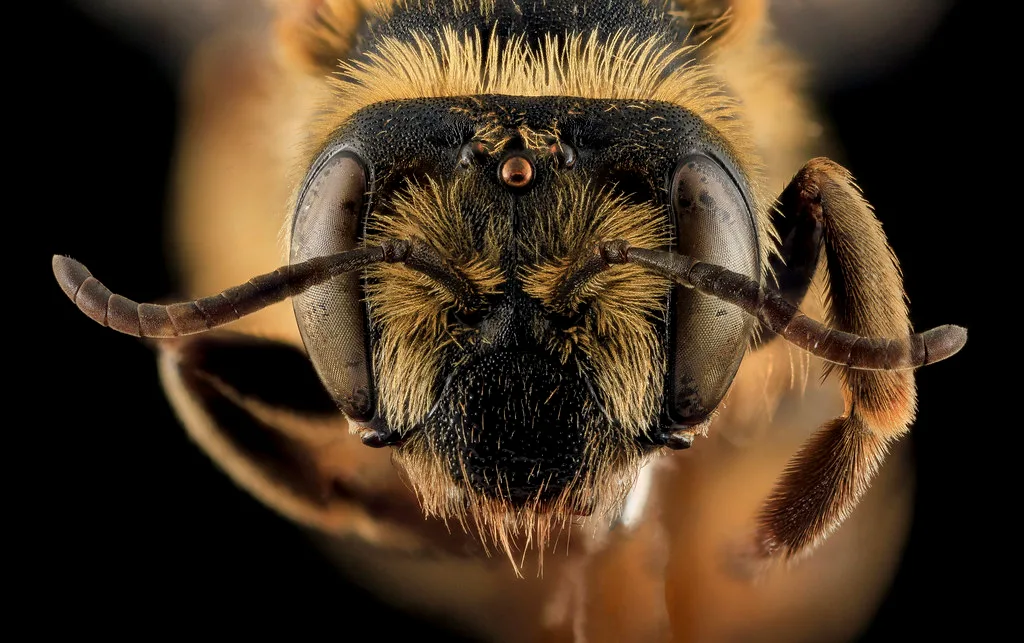
Residual Activity and Persistence
Organic products break down quickly in sunlight and rain. That’s good for the environment but bad for long-term control. You may need to reapply every 3 to 7 days during an active infestation.
Synthetic products are designed to last. Pyrethroids can remain active on plant surfaces for 7 to 14 days or longer. That means fewer applications but more persistence in the environment.
Selectivity and Beneficial Insect Safety
Many organic insecticides target specific pest groups. Bt only affects caterpillars. Spinosad targets thrips and caterpillars but spares most predatory insects once dry.
This makes organic products easier to integrate with biological controls.
Synthetic broad-spectrum products kill everything they touch. That includes ladybugs, lacewings, predatory mites, and ground beetles. Overuse can create a pest rebound effect where survivors thrive without natural enemies.
Speed of Knockdown
Synthetic products win on speed. Permethrin and bifenthrin knock down pests within hours. Organic products work more slowly.
Spinosad may take 1 to 3 days. Insecticidal soaps kill on contact but leave no residual for later hatches.
For heavy infestations that need immediate control, synthetic products often perform better. For light or preventive use, organic options work fine with a bit of patience.
Resistance Development Risk
Pest resistance is a growing problem. Over 500 insect species now show resistance to at least one insecticide. Synthetic products, especially pyrethroids and neonicotinoids, have the highest resistance rates.
Organic products generally face less resistance because they often have multiple modes of action. But resistance is still possible. That’s why rotating products from different groups matters.
Toxicity to Humans and Pets
This is where labels matter most. Some organic insecticides can still be harmful. Concentrated neem oil can cause eye irritation.
Pyrethrin is a known skin sensitizer. Spinosad is safe for mammals when dry but toxic to bees.
Synthetic products cover the full range. Permethrin is safe for dogs but toxic to cats. Organophosphates require full PPE.
Always check the signal word and follow safety precautions.
Cost Per Application
Organic products cost 1.5 to 3 times more per treatment on average. A quart of concentrated neem oil runs about $15 to $25. A synthetic alternative like bifenthrin concentrate costs $10 to $15 for the same volume.
The higher cost of organics is offset somewhat by shorter environmental persistence. But for large-scale applications, synthetic products are almost always cheaper.
Use Cases: What Each Option Wins At
Different situations call for different tools. Here’s a breakdown of which category suits which scenario.
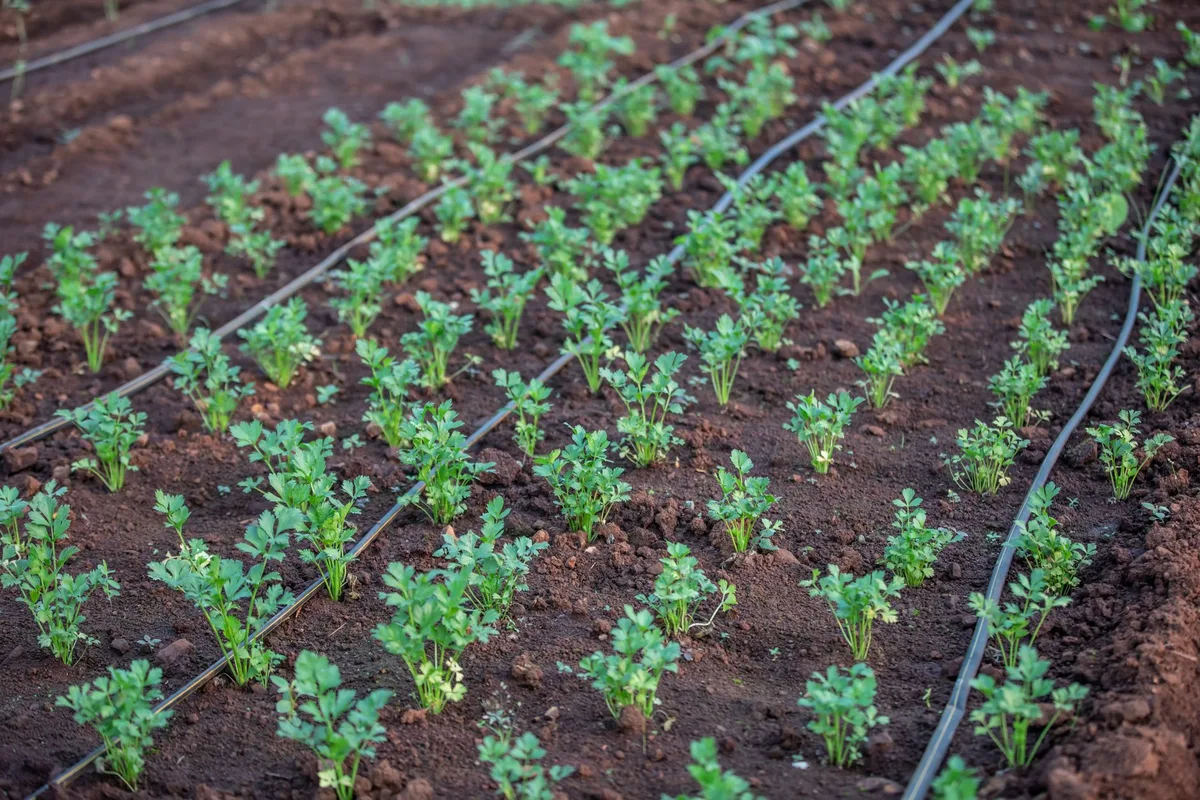
Best for Edible Crops Close to Harvest
Organic insecticides win here. Products like spinosad and Bt have pre-harvest intervals of 0 to 1 day on most vegetables. That means you can spray up to the day of harvest without concern.
Synthetic products often require a waiting period. Permethrin has a 3 to 7 day pre-harvest interval depending on the crop. Organophosphates may require 14 days or more.
If you grow your own vegetables, keep organic options on hand for late-season pest flare-ups. For larger orchards, an integrated approach with synthetic products early in the season and organic options near harvest works well. Pair this with an organic soil program like the one covered in our guide to organic fruit tree fertilizer for a comprehensive approach.
Best for Heavy Infestations
When aphids are coating every new shoot or caterpillars have stripped half your kale, you need fast knockdown. Synthetic products deliver that. A single application of pyrethroid can drop populations by 90% within 24 hours.
Organic products struggle with heavy pressure. You may need 3 to 4 applications over 10 days to match a single synthetic treatment. Time and cost add up.
For emergencies, use a synthetic product. Follow up with organic options to finish off survivors. Always rotate modes of action to prevent resistance.
Best for Preventative Spraying
Organic products shine here. Neem oil and horticultural oils applied regularly can prevent pest buildup without disrupting beneficial insects. The short residual means less environmental load over time.
Synthetic products are overkill for prevention. You don’t need 14 days of persistence if you haven’t seen a pest yet. Save them for when you actually need them.
Best for Indoor Use Around Children and Pets
This is a safety-first zone. Choose products with the lowest mammalian toxicity. Insecticidal soaps, diatomaceous earth, and Bt are good options.
They break down quickly and pose minimal risk once dry.
Avoid synthetic products indoors unless absolutely necessary. Pyrethroids can irritate lungs. Organophosphates should never be used inside.
If you have persistent indoor pests, a targeted product like the ones covered in our carpenter ant treatment guide is safer than broad-spectrum foggers.
Best for Large-Scale Agriculture on a Budget
Synthetic products dominate here. The lower cost and longer residual make them practical for field crops. A typical acre of corn might receive one or two synthetic applications per season.
Organic alternatives would require many more passes.
For home gardens, the cost difference is less dramatic. A few extra dollars per season is worth the reduced environmental impact. Choose based on your scale and priorities.
Mistakes to Avoid
Even experienced gardeners make errors with insecticides. The most common ones cross both organic and chemical categories. Here’s what to watch for.
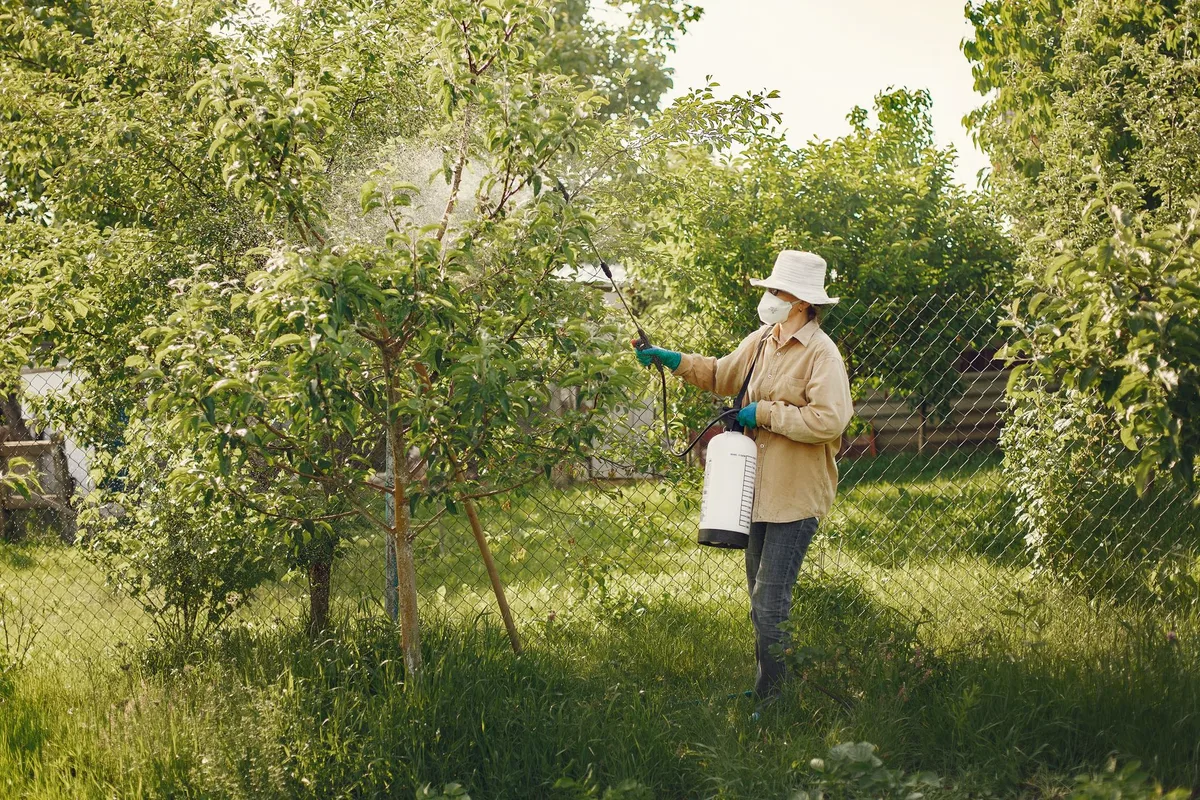
Applying the Wrong Mode of Action for the Pest
Not all insecticides kill all insects. Bt only works on caterpillars. Spinosad targets thrips and caterpillars but does little against aphids.
Neem oil suffocates soft-bodied insects but barely affects beetles.
Always identify the pest first. Extension office guides and university websites have clear photos. Match the product’s mode of action to the pest’s biology.
Using the wrong one wastes time and money.
Ignoring Pollinator Safety No Matter Which You Pick
Many organic products are toxic to bees while wet. Spinosad and pyrethrin both carry bee warnings. The risk drops once the spray dries, usually within 2 to 4 hours.
Always spray at dawn or dusk when pollinators aren’t active. Never spray open flowers. If you need to treat blooming plants, choose a product with a short dry time.
A well-planned garden with hummingbird-friendly plants can still coexist with responsible insecticide use.
Mixing Incompatible Products
Tank mixing sounds efficient. It can also create disasters. Soap-based products mixed with certain synthetic fungicides can form a gel that clogs sprayers.
Neem oil combined with sulfur-based products can burn leaves.
Stick to one product per application unless the label explicitly lists compatible tank mixes. When in doubt, do a jar test. Mix small amounts in a glass jar and watch for separation, clumping, or heat.
Spraying at the Wrong Time of Day
Midday sun breaks down organic products faster. It also increases the risk of leaf burn from oils and soaps. Wet foliage from morning dew dilutes sprays and reduces effectiveness.
Apply insecticides in the early morning or late evening. Temperatures below 85°F are safest. Avoid spraying when rain is forecast within 6 hours for organic products or 2 hours for synthetic ones.
Thinking “Organic” Means Harmless
This is the biggest myth. Organic insecticides can still cause harm. Neem oil is an eye irritant.
Diatomaceous earth damages lung tissue if inhaled. Pyrethrin can trigger allergic reactions in sensitive people.
Treat every product with respect. Read the label. Wear gloves and a mask.
The organic seal tells you about the source, not the safety profile.
How to Choose: A Simple Decision Process
You don’t need a PhD to pick the right insecticide. You just need a logical sequence.
Step 1 – Identify the Pest
Look closely at the damage and the insect. Is it chewing holes in leaves or sucking sap from stems? Caterpillars leave ragged edges.
Aphids cause curled leaves and sticky residue. Spider mites create fine webbing.
Use a hand lens or smartphone photo for identification. Your local extension service has free guides. Correct ID is the most important step.
Step 2 – Assess the Infestation Level
Light infestation means a few insects on a few plants. Moderate means visible damage but most of the plant is healthy. Heavy means the pest is spreading fast and threatening the whole crop.
For light cases, try a strong water spray or hand removal first. For moderate cases, an organic product often works. For heavy infestations, consider a synthetic product for immediate knockdown.
Step 3 – Check the Crop and Timing
Edible crops near harvest need short pre-harvest intervals. That favors organic products like spinosad or Bt with 0 to 1 day PHI. Ornamental plants give you more options since you’re not eating them.
Check the growth stage. Young seedlings are more sensitive to phytotoxicity. Mature plants handle sprays better.
Avoid spraying anything during flowering if pollinators are active.
Step 4 – Consider the Surrounding Environment
Are there bee hives nearby? A vegetable garden with open flowers? A pond with fish?
Each factor limits your choices.
Synthetic pyrethroids are highly toxic to fish. Neonicotinoids persist in soil and water. Organic oils can suffocate aquatic insects.
Buffer zones of 25 to 50 feet help reduce drift. For indoor plants, choose the safest option available. The same principle applies when selecting bedroom plants where air quality matters.
Step 5 – Pick a Product and Rotate
Choose one product from the appropriate category. Apply it according to the label. Wait the recommended interval.
If the pest returns, switch to a product with a different mode of action.
Rotation prevents resistance. Keep a simple log of what you used and when. That small habit pays off over multiple seasons.
Cost & Convenience: Real Talk on Price and Effort
Let’s talk numbers. A typical quart of concentrated organic insecticide costs $15 to $25 and treats about 2,000 square feet. A synthetic alternative costs $10 to $15 for the same coverage.
The real cost difference shows up in application frequency. Organic products need reapplication every 5 to 7 days during active infestations. Synthetic products last 10 to 14 days.
Over a full season, that means 6 to 8 applications for organics versus 3 to 4 for synthetics.
Time is a factor too. Mixing and spraying takes about 30 minutes per application for a typical home garden. More applications mean more time.
For busy gardeners, synthetic products offer convenience.
But there are hidden costs. Broad-spectrum synthetic products can kill beneficial insects. That may lead to secondary pest outbreaks that require additional treatments.
Organic products preserve natural enemies, reducing long-term pest pressure.
For flower beds, the added cost of organic products is often worth it for the environmental benefit. A healthy flower bed with properly chosen blooms attracts fewer pests in the first place.
Final Verdict: There Is No Single Answer
The best choice depends on your specific situation. Organic insecticides work well for prevention, light infestations, and edible crops near harvest. Synthetic insecticides perform better for heavy outbreaks, indoor emergencies, and large-scale applications.
The smartest strategy is to keep both options in your toolbox. Use organic products as your first line of defense. Reserve synthetic products for situations where speed or persistence is critical.
Always follow the label. Rotate modes of action. Protect pollinators.
Monitor your plants regularly. That approach keeps your garden healthy without compromising safety or effectiveness.
Frequently Asked Questions
Can I mix organic and chemical insecticides together?
Only if the label of both products explicitly allows tank mixing. Most combinations haven’t been tested. Mixing can cause plant damage, reduce effectiveness, or create hazardous reactions.
Apply them separately with a 3 to 5 day gap whenever possible.
Is neem oil safe for all plants?
No. Neem oil can burn tender leaves, especially in hot weather. Test it on a small area first.
Avoid spraying plants with thin or hairy leaves. Apply it in the evening to reduce phytotoxicity risk.
How long do synthetic insecticides stay in the soil?
It varies widely. Pyrethroids typically break down within 2 to 3 weeks in soil. Neonicotinoids like imidacloprid can persist for 100 days or longer.
Organophosphates break down in 1 to 3 weeks. Soil type, temperature, and moisture all affect degradation rates.
What’s the safest insecticide for vegetable gardens?
Spinosad and Bt have the best safety profiles for edible crops. Both have very short pre-harvest intervals and low mammalian toxicity. Insecticidal soaps and neem oil are also good options.
Always wash produce thoroughly before eating.
How do I know if I’ve killed beneficial insects with my spray?
Look for signs of pest rebound. If aphids return within a week in larger numbers than before, you likely wiped out their natural predators. Switch to a more selective product next time.
Avoid broad-spectrum products during active flowering periods. If you have persistent pest issues indoors, consider targeted options like those in our indoor fly trap guide as a chemical-free alternative.