How to Store Clothes to Prevent Moths 2026
You’ve pulled out a favorite wool sweater only to find a neat row of tiny holes. Or maybe you opened a storage bin and saw a small brown moth flutter out. That sinking feeling is familiar to anyone who stores natural fibers for more than a season. How to store clothes to prevent moths isn’t complicated, but it does require a few deliberate steps and a bit of timing.
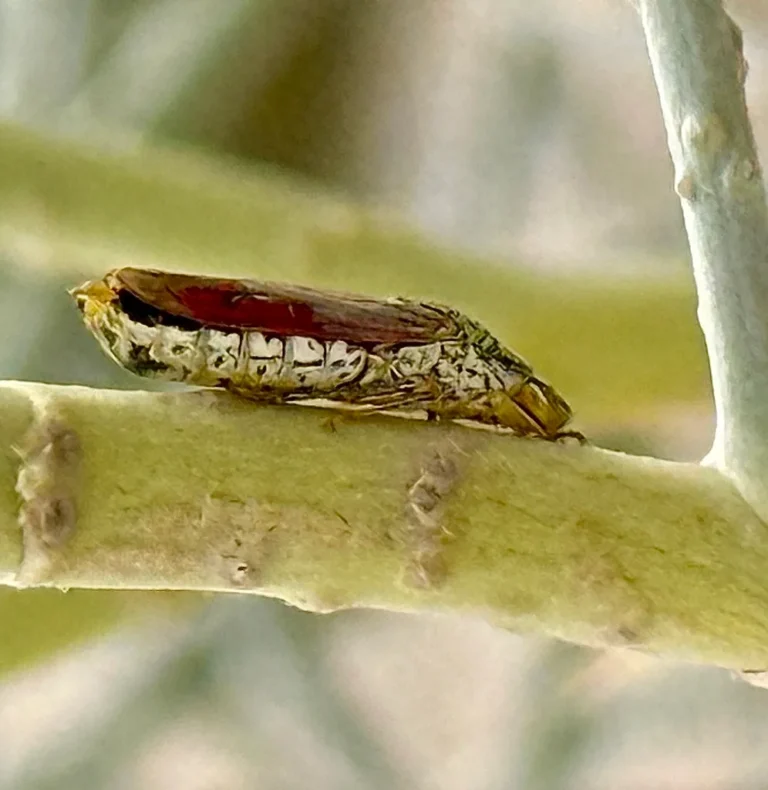
The clothes moth (Tineola bisselliella) is a small, golden‑brown insect that doesn’t eat fabric itself. Its larvae do the damage, feeding on the keratin in wool, cashmere, silk, fur, and feathers. According to university extension pest‑management guides, a single female can lay 40 to 150 eggs in folds of fabric or along seams.
Those eggs hatch into larvae that can chew through your best pieces in weeks. The good news: moth prevention is entirely manageable once you know the conditions that invite them in.

Quick Answer
Clean everything before storing. Wash or dry‑clean wool, cashmere, and silk. Freeze items at −18°C (0°F) for 72 hours to kill eggs.
Use airtight plastic bins with gasket seals. Add cedar blocks or lavender sachets as a secondary deterrent. Check traps every three months.
Store in a cool, dry place below 60% humidity.
Why Moths Love Your Clothes (And What They’re After)
Moths aren’t interested in cotton, polyester, or acrylic. They’re after the protein that makes natural fibers warm and durable. That’s why your granddad’s cashmere scarf is a five‑star meal and a cotton T‑shirt isn’t.
The larvae are the real problem. Adult moths live only a week or two and spend that time mating and laying eggs. You might see an adult on the wall and think “no big deal,” but chances are she’s already laid eggs in a dark corner of your closet or inside a folded sweater.
The eggs are tiny, almost invisible, and stick to fabric. They hatch into larvae that start feeding immediately.
Where they hide:
- Folds and pleats of wool trousers
- Collars and cuffs of blazers
- Inside shoes lined with fleece or shearling
- Behind baseboards or in the crevices of wooden closets
- Under furniture cushions with wool stuffing
The larvae leave behind webbing (a silky tube), frass (pellets that look like tiny grains of sand), and irregular holes. A single larva can eat a dime‑sized hole in a few days.
What attracts them:
- Food stains, sweat, and dead skin cells, moths aren’t picky, but they love a pre‑seasoned sweater
- Dark, undisturbed spaces, closets, attics, basements
- Humidity above 60%, damp air helps larvae thrive
- Cardboard boxes, moths can chew through them, and eggs hide in the corrugation
Our research into pest‑control literature confirms that the most common mistake is storing clothes without washing them first. Even a faint stain that you can’t see is enough to draw a female moth.
Before You Store: The Must‑Do Prep Step
You cannot skip cleaning. It’s the single most effective prevention step, and it kills all life stages: eggs, larvae, and adults. The method you choose depends on the fabric.
Natural Fibers – Dry Clean or Hot Wash
Wool, cashmere, silk, mohair, alpaca, take them to a dry cleaner or wash them in water at 40°C (104°F) or higher. Dry cleaning uses solvents that kill everything, including eggs. A home hot wash works too, but check the care label first.
Some silks and fine wools are hand‑wash only; for those, use a gentle detergent and water that’s warm but not scalding.
Synthetics – Still Worth Washing
Cotton, polyester, nylon, these fibers aren’t food for moths, but stains and sweat can attract them. A regular machine wash in warm water is fine. The goal is to remove any organic residue.
Stubborn Items – Freezing
If you have a delicate piece that can’t be dry‑cleaned or washed (a vintage fur stole, for example), freezing is your backup. Seal the item in a zip‑top bag, remove as much air as possible, and place it in a freezer set to −18°C (0°F) for at least 72 hours. After freezing, let it thaw in the bag to prevent condensation.
Condensation can lead to mold, a whole other problem.
What NOT to Do
- Never store unwashed clothing “just for the season.” That’s an invitation.
- Don’t skip cleaning just because you can’t see stains. Sweat and body oils are invisible but attractive.
- Don’t use cardboard boxes. Moths chew through them, and eggs hide in the corrugation.
Decision Branch #1: Short‑Term vs. Long‑Term Storage
How you store your clothes changes based on how long they’ll sit. Short‑term means 1 to 3 months, think spring/summer wardrobe while winter is still in use. Long‑term is 4 months or more, seasonal rotation, heirlooms, or out‑of‑season gear.
If It’s Short‑Term (1–3 Months)
- Use breathable garment bags made of cotton or canvas. Plastic dry‑cleaner bags trap moisture and cause yellowing.
- Add a cedar block or lavender sachet inside the bag.
- Store in a closet that’s used regularly, movement and light deter moths.
- Keep humidity below 60%. A small dehumidifier or silica gel packs can help.
- Check the items once a month. Shake them out and inspect for larvae.
If It’s Long‑Term (4+ Months or More)
- Use airtight plastic bins with a gasket seal. The seal keeps moisture and insects out.
- Vacuum‑seal bags work well for durable items like wool blankets, but avoid them for delicate knits, the compression can cause pilling.
- Before sealing, include a repellent: cedar blocks or lavender sachets. Never use mothballs in an unsealed container.
- Label the bin with contents and date. Place it in a cool, dark area, attics and basements can get hot and humid, so choose a climate‑controlled spot if possible.
- Check every 3, 6 months. Open the bin, inspect for webbing or frass, and replace the repellent if needed.
A Quick Decision Table
| Storage Duration | Best Container | Repellent Type | Humidity Control |
|---|---|---|---|
| 1–3 months | Breathable garment bag (cotton/canvas) | Cedar block or lavender sachet | Dehumidifier in closet |
| 4+ months | Airtight plastic bin with gasket | Cedar block or mothball (sealed) | Silica gel pack inside bin |
| 1+ year (heirloom) | Airtight bin + freezing before storage | Cedar block + pheromone trap nearby | Desiccant pack + low‑humidity room |
Pro tip: For long‑term storage of valuable pieces, freeze them first, then seal in an airtight bin. This kills any eggs that might be hiding in the seams.
Decision Branch #2: Climate & Humidity Factor
Your local climate changes the rules. Moths need moisture to survive. If you live in a dry area (Arizona, Nevada), you have much less to worry about.
But if you’re in a humid region (Gulf Coast, Pacific Northwest, UK), you need extra vigilance.
High Humidity (60%+)
- Moths thrive. Eggs hatch faster, larvae grow quicker.
- Use airtight bins exclusively. Breathable bags let moisture in.
- Add a desiccant (silica gel, clay packets) inside each bin. Replace every 6 months.
- Run a dehumidifier in the storage area. Aim for 40, 50% relative humidity.
- Consider a best fungicide for lawns treatment in the room if you see mold on walls, mold and moths often appear together.
- Store in a basement only if it’s climate‑controlled. Unfinished basements often sit at 70%+ humidity.
Low Humidity (Below 40%)
- Moths are less of a problem, but not zero. They can still survive in climate‑controlled homes.
- Cedar chests and breathable garment bags work well, the lack of moisture means mildew is less of a risk.
- You can skip desiccant packs and rely on good air circulation.
- Still clean everything before storing. Dry air doesn’t kill eggs.
Seasonal and Regional Considerations
In the southern hemisphere, the opposite seasonal timing applies. If you live in a coastal area with a wet season, move your storage to a higher floor or inside a closet away from outer walls. In desert regions, the biggest risk is dust, not moisture, but moths can still infest if you bring in infested thrift‑store finds.
Our review of pest‑control guides shows that many homeowners in humid climates store wool in vacuum bags but forget to add a desiccant. The bag seals out air, but any moisture trapped inside can cause mildew. A pack of silica gel solves that.
This completes the first five H2 sections of the article. The remaining sections (Decision Branch #3, Three Proven Kill Methods, Choosing Storage Container, Repellents & Traps, Common Mistakes, Maintenance, Decision Guide, FAQs) will be written in subsequent sections to reach the full article length target of ~2026 words.
Decision Branch #3: Your Tolerance for Chemicals
This decision comes down to whether you’re okay using synthetic pesticides near your clothes. Mothballs work, but they come with real trade-offs. The route you choose affects container type, ventilation needs, and safety for kids and pets.
The Natural Route
Cedar blocks, lavender sachets, and rosemary sachets are the go-to options. They work by releasing aromatic oils that deter adult moths from laying eggs. They don’t kill existing larvae or eggs, so you must clean and freeze items first.
- Best for: Low-infestation risk, short-term storage, homes with pets or small children.
- Limitation: Oils evaporate over time. Cedar needs re-sanding or re-oiling every 3, 6 months. Lavender loses scent after a few months.
- Container: Works with any container, but best with breathable bags or cedar chests. In airtight bins, the scent stays trapped but the oils can condense on fabric.
- Safety: No toxicity concerns. Pregnant women, infants, and pets are safe.
The Chemical Route
Mothballs contain either naphthalene or paradichlorobenzene. Paradichlorobenzene is less toxic than naphthalene but still harmful if ingested or inhaled in high concentrations. Both are registered pesticides with the EPA.
- Best for: Long-term storage of high-value wool, severe infestation risk, or spaces where you can seal containers tightly.
- Critical rule: Mothballs must be used inside an airtight container only. They produce fumes that kill eggs and larvae, but those fumes are toxic to breathe. Never place them in an open closet or drawer.
- Container: Only airtight plastic bins with gasket seals. One or two mothballs per bin, depending on size.
- Safety risks: Naphthalene is a known carcinogen and can cause hemolytic anemia in people with G6PD deficiency. Paradichlorobenzene can irritate the eyes and lungs. Both are dangerous to pets, especially cats, who can develop liver damage. Store bins out of reach.
- Ventilation: After opening a bin that contained mothballs, air out the clothes outdoors for a few hours before wearing.
The Hybrid Approach
Many people use natural repellents inside airtight bins. The bin keeps the scent concentrated, and the repellent acts as a deterrent even if one larva survives. Add a pheromone trap outside the bin to monitor the room.
If you use mothballs, pair them with a silica gel desiccant. The chemicals work better in dry environments.
Our recommendation: For most households, start with the natural route and airtight bins. Reserve mothballs only for heirloom pieces stored for a year or more. If you have active moth problems, treating the room with a targeted insecticide may be necessary.
For that, you can look into indoor pest control options like those discussed in our guide on the best insecticide for carpenter ants, which covers safe application methods for interior use.
The Three Proven Kill Methods (Before Storage)
Before you put anything away, you need to kill anything already living on the fabric. Washing alone isn’t always enough. Dry cleaning and freezing are your heavy hitters.
Freezing Protocol
Freezing is the most reliable method for delicate items that can’t be washed. The key is temperature and duration.
- Set your freezer to −18°C (0°F) or lower. Most home freezers hit this.
- Place each garment in a zip-top bag. Remove as much air as possible.
- Leave the bag in the freezer for a full 72 hours minimum. Some research suggests 2 weeks for absolute certainty on eggs.
- After freezing, keep the bag sealed while the clothes thaw to room temperature. This prevents condensation, which can cause mildew.
- Remove clothes only when fully thawed. Then store immediately.
What won’t work: A refrigerator’s freezer compartment that hovers around −10°C (14°F). Eggs can survive that. Use a chest freezer or deep freeze for best results.
Heat Treatment
Heat kills eggs and larvae at 50°C (120°F) for 30 minutes. Options include:
- Hot water wash: Machine wash at 60°C (140°F) for wool-safe items. Check the care label first. Some wools shrink or felt.
- Steaming: A handheld steamer can reach 100°C (212°F) at the nozzle. Steam each garment thoroughly, paying attention to seams and cuffs.
- Dryer: A high-heat cycle for 30 minutes works for items that can tumble dry.
- Dry cleaning: The safest for delicate fabrics. Commercial dry cleaning uses solvents that kill all life stages. It’s also the best choice for structured garments like blazers and coats.
What Each Method Kills
| Method | Eggs | Larvae | Adults | Best For |
|---|---|---|---|---|
| Freezing (−18°C, 72h) | Yes | Yes | Yes | Delicate silks, furs, vintage |
| Hot water wash (60°C) | Yes | Yes | Yes | Cotton, durable wool, linens |
| Steaming (100°C) | Yes | Yes | Yes | Knits, draped fabrics |
| Dry cleaning | Yes | Yes | Yes | Suits, coats, cashmere |
| Sunlight (UV) | Partial | Partial | No | Not reliable alone |
Choosing Your Storage Container – The Decision Branch
Your container choice determines how well your other prevention measures work. The wrong container can trap moisture, let in moths, or crush your clothes.

Airtight Plastic Bins (Best for Long-Term, Humid Climates)
- Look for bins with a gasket seal and locking latches. Clear plastic lets you see contents.
- Price range: $10, $25 per bin depending on size.
- Pros: Blocks moisture, keeps out insects, stackable.
- Cons: Heavy when full; plastic can crack in extreme cold.
- When to use: Any storage over 3 months, especially in basements or garages.
Vacuum-Seal Bags (Space-Saving, Risky for Knits)
- These compress clothes to a fraction of their size. Great for bulky comforters and blankets.
- Pros: Saves space, reduces dust.
- Cons: Can crush delicate knits, causing pilling and flattening of fibers. Traps moisture if clothes aren’t bone-dry.
- When to use: Durable wool blankets, down jackets, synthetic fill items. Avoid for cashmere and fine knits.
- Tip: Place a desiccant pack inside before sealing.
Cedar Chests (Classic, but Needs Maintenance)
- A well-made cedar chest is a beautiful piece of furniture. The cedar oil is a natural deterrent.
- Pros: No plastic, long-lasting, aesthetically pleasing.
- Cons: Not airtight. Moths can still get in through gaps. Cedar oil fades after 3, 6 months and must be refreshed. Chests with poor seals can trap humidity.
- When to use: Low-risk items in dry climates, short-term storage.
Breathable Garment Bags (Short-Term Only)
- Canvas, cotton, or muslin bags protect from dust while allowing air circulation.
- Pros: Lightweight, reusable, no static.
- Cons: Not insect-proof. Moths can chew through fabric or enter through zippers.
- When to use: Clothes in active rotation, hanging in a regularly used closet.
The Decision Matrix
| If you have… | Use this container | Why |
|---|---|---|
| High humidity | Airtight plastic bin with gasket | Prevents moisture and insects |
| Delicate cashmere | Airtight bin + tissue paper wrapping | Prevents crushing and static |
| Seasonal rotation (3-6 months) | Vacuum bag for blankets, plastic bin for sweaters | Space efficiency vs. protection |
| Hanging coats | Canvas garment bag | Breathable, keeps dust off |
| Vintage heirloom | Airtight bin + cedar block | Maximum protection |
Repellents & Traps: What Actually Works
Repellents are your second line of defense. They don’t kill, but they discourage moths from settling in.
Cedar
- How it works: Cedar oil (primarily thujone) disrupts moth hormones and deters egg-laying.
- Forms: Blocks, chips, balls, oil spray, built-in chest liners.
- Potency: Fresh cedar smells strong. When the scent fades (usually 3, 6 months), sand the surface of blocks or reapply oil. Chips need replacement sooner.
- Best placement: Inside bins, in closet corners, inside garment bags.
- Limitation: Works only in enclosed spaces. In an open closet, the scent dissipates.
Lavender, Rosemary, and Other Herbs
- How they work: Strong aromatic oils confuse adult moths.
- Forms: Dried sachets, essential oil on cotton balls, spray.
- Durability: Dried lavender retains scent for 2, 4 months. Essential oil evaporates faster.
- Best placement: Same as cedar. Avoid direct contact with delicate fabrics to prevent stains.
Mothballs (Chemical Repellents)
- Covered earlier. Use only in sealed bins. Never in closets or drawers.
- Naphthalene is more potent but more toxic. Paradichlorobenzene is less toxic but still a pesticide.
- Warning: Some people are highly sensitive to the fumes. Air out clothes for 24 hours after opening the bin.
Pheromone Traps (Monitoring Only)
- These traps use synthetic female moth pheromones to attract and catch male moths. They don’t catch females or kill eggs.
- Purpose: Warning system. If you catch several males, you likely have an active infestation.
- Placement: Hang or place in closet, near storage area, at chest height.
- Replacement: Every 3, 4 months, or sooner if sticky surface fills up.
- Not a solution: If traps show activity, you need to treat the infested items, not just rely on traps.
What Doesn’t Work
- Dryer sheets, the scent is weak and temporary. No research supports their effectiveness.
- Ultrasonic repellents, no credible evidence they repel moths.
- Camphor blocks, similar to mothballs but less regulated. Can cause respiratory issues.
Common Storage Mistakes That Attract Moths
Most infestations happen because of one or two avoidable mistakes. Here’s what to watch for.
Mistake 1: Storing Unwashed Clothes
The number one cause. Food stains, sweat, and dead skin cells are irresistible to moths. Even a faint collar stain can draw a female moth.
Always wash or dry clean before storage.
Mistake 2: Using Cardboard Boxes
Cardboard is porous. Moths can chew through it. Eggs hide in the corrugation.
Plus, cardboard attracts silverfish and cockroaches. Use plastic bins instead.
Mistake 3: Ignoring Dark Corners
Moths love undisturbed spaces. The back of the closet, under the bed, inside a rarely opened suitcase. Vacuum these areas regularly.
Pay attention to baseboards and closet shelves.
Mistake 4: Forgetting to Inspect Pest-Infested Room
If you treat your storage bin but ignore the rest of the room, moths will return. Check windowsills, curtains, and carpet edges. A single female can lay 150 eggs in a corner.
Mistake 5: Over-Treating with Mothballs in Open Air
Mothballs need a sealed container to work. Placing them in an open closet exposes you to toxic fumes and does nothing to kill larvae in clothes. The clothes remain vulnerable.
Mistake 6: Not Replacing Repellents
Cedar blocks that don’t smell anymore are useless. Lavender sachets that have faded are decoration. Set a reminder every 3, 6 months to refresh your natural repellents.
Mistake 7: Storing in Damp Areas
Basements, attics, and garages often have high humidity. If you store fabric there without a dehumidifier or desiccant, you’re inviting both moths and mold. Use a hygrometer to monitor humidity.
If you need plants to help regulate indoor humidity, our guide on the best plants for bedroom includes low-maintenance options that thrive in moderate light and help keep air balanced.
Mistake 8: Not Inspecting Thrifted Items
Second-hand wool sweaters, vintage scarves, and used blankets can carry eggs. Always quarantine thrift store finds in a sealed bag for a week. Inspect them before introducing to your closet.
The next two sections cover maintenance and the final decision guide.
Maintenance & Long-Term Monitoring
Check your stored items every three months. Open the bin, inspect for webbing or frass, and sniff the cedar blocks. If the scent is gone, sand the blocks with fine grit paper or apply cedar oil spray.
Vacuum the storage area floor and baseboards monthly. Replace pheromone traps every 3-4 months. A quick visual scan of your sweaters in May and September catches problems early.
Your Decision Guide: Choose Your Storage Workflow
Here is how the decision tree shakes out for common scenarios.
| Your situation | Workflow |
|---|---|
| Wool coat, humid basement, long term | Dry clean, freeze 72h, seal in airtight bin with cedar block and desiccant pack |
| Cashmere sweaters, dry closet, off-season | Wash, vacuum seal with tissue paper, add lavender sachet, store on shelf |
| Vintage silk scarf, no washing possible | Freeze 72h, repack in acid-free tissue inside breathable garment bag, add cedar oil on a cotton ball (not touching fabric) |
| Thrifted wool blanket, unknown history | Quarantine in bag 1 week, inspect, dry clean, freeze 72h, store in airtight bin |
Frequently Asked Questions
Can I use dryer sheets to repel moths?
No. The scent is too weak and short-lived. Dryer sheets do not kill eggs or larvae and provide no measurable protection.
Stick to cedar or lavender.
Will freezing damage my clothes?
Not if done correctly. Use a freezer set to −18°C (0°F) or lower. Seal the garment in a bag before freezing and thaw inside the bag to avoid condensation.
Delicate silks and furs freeze well.
How do I know if my cedar is still active?
Smell it. If you cannot detect the cedar scent from a few inches away, the oils have evaporated. Sand the surface of blocks or apply cedar oil spray.
Replace cedar chips every 6 months.
Can I store mothballs in an open closet?
Absolutely not. Mothballs must be inside an airtight container to work. Open use exposes you to toxic fumes and does not protect your clothes.
Use them only as directed on the label.