Guide to Common House Flies Mistakes 2026: Explained Simply
You’ve probably swatted, sprayed, and trapped dozens of house flies only to see just as many buzzing around your kitchen the next morning. Common house flies mistakes almost always center on one problem: treating the adults you see while ignoring the hidden breeding sites that keep producing more. Most people reach for a flyswatter or a can of spray and call it a day, but that approach guarantees the cycle starts over within a week.
A single female house fly (Musca domestica) lays more than 500 eggs in her short lifespan, and the entire egg-to-adult cycle completes in just 7 to 10 days under warm conditions. That means every fly you miss today becomes 500 potential flies next week if you’re not controlling the source. Here’s what actually goes wrong when you try to manage flies, and how to fix each mistake step by step.
Quick Answer
The biggest house fly mistake is focusing on killing adults instead of eliminating breeding sites. Flies reproduce in moist organic matter like trash, spills, and pet waste. Without removing those sources, new flies replace the ones you kill every week.
Traps and sprays only work after you’ve cleaned up breeding areas and sealed entry points. Most persistent infestations stem from overlooked spills, unwashed garbage bins, or outdoor waste close to the house.

Why Most Fly Control Efforts Fail (And How to Fix Yours)
Most fly control strategies fail because they treat flies as a nuisance to eliminate rather than a symptom of a sanitation or exclusion problem. You can kill 50 flies today, but if the garbage bin is still fermenting food scraps and the back door doesn’t seal properly, you’ll have 50 more tomorrow.
Flies don’t randomly show up. They’re attracted by odor molecules from decaying organic matter, and they need moist substrates to lay eggs. When you see a persistent fly problem, what you’re really seeing is a breeding site within or very close to your home.
The adults you swat are just the visible fraction of a much larger population cycling through eggs, larvae, and pupae in hidden spots.
Effective fly control works backward from the problem. Instead of asking “how do I kill these flies,” the right question is “where are they breeding, and how are they getting in?” Once you answer those two questions, the adult flies become a cleanup task rather than an endless battle.
The timeline matters too. Even after you eliminate every breeding site, adult flies already in the environment can live 15 to 30 days. You won’t see instant results.
Real control means breaking the reproduction cycle so no new adults emerge, then letting the existing population age out. That usually takes two to three weeks if you’ve truly addressed the sources.
The Single Biggest Mistake: Treating Symptoms Instead of Sources
The number one mistake is grabbing a flyswatter, trap, or spray can without ever identifying where the flies are breeding. You’re fighting the symptom, not the cause. It feels productive to kill a dozen flies, but it accomplishes almost nothing if 200 larvae are developing in the trash bin or under the fridge.
House flies need moist organic material to complete their life cycle. Females lay eggs on fermenting garbage, spilled food, pet waste, compost, or any decaying matter. The eggs hatch in about 24 hours, and the larvae (maggots) feed for three to seven days before pupating.
Three to five days later, adults emerge ready to repeat the cycle.
If the breeding site stays in place, you’re just harvesting adults from an endless production line. Every day you leave the source untouched, another cohort of larvae matures. That’s why people spray insecticide, see fewer flies for a day, then watch the problem return by the weekend.
The spray killed the adults, but the next generation was already developing.
Your first task is always inspection. Walk through your home and yard looking for anything moist and organic that smells even slightly off. Check under appliances, inside cabinets where spills might have gone unnoticed, the bottom of trash bins, pet food bowls, litter boxes, compost bins, and outdoor garbage areas.
The breeding site is there. Find it, clean it, and remove it. Only then does treating adult flies make sense.
House Flies vs. Fruit Flies vs. Drain Flies: Why Misidentification Wastes Your Time
Not every small fly in your kitchen is a house fly, and the difference matters because each species breeds in different places and responds to different controls. Misidentifying the pest sends you chasing the wrong source and using the wrong methods.
House flies are about 1/4 inch long, gray with four dark stripes on the thorax, and have large red compound eyes. They’re the classic buzzing fly you see around garbage. They breed in trash, animal waste, and rotting organic material.
Their larvae need several days to develop, so they prefer stable, moist substrates like the bottom of a trash can or a pile of dog waste in the yard.
Fruit flies are much smaller, about 1/8 inch, tan or light brown with red eyes. They hover around overripe fruit, open wine bottles, and sink drains. They breed in fermenting produce, beer residue, and the organic film inside drains.
If you see tiny flies near your fruit bowl or hovering around the kitchen sink, you’re dealing with fruit flies, not house flies. The solution is different: remove overripe fruit, clean drains with a brush and enzyme cleaner, and eliminate any alcohol or juice spills.
Drain flies (also called moth flies) are small, fuzzy, and gray with oversized wings that make them look almost moth-like. They rest on walls and fly in short, erratic hops. They breed exclusively in the organic slime layer inside sink drains, shower drains, and floor drains.
You won’t fix a drain fly problem with trash management or outdoor sanitation. You need to physically scrub the inside of the drain or use a bio-enzymatic drain cleaner.
If you’re setting indoor fly traps designed for fruit flies but you actually have house flies, you’ll catch very few. House flies aren’t strongly attracted to vinegar or wine. They need protein-based or garbage-scent baits.
Get the ID right first, then match your approach to the species.
Mistake #1: Relying on Traps and Zappers as Your Main Strategy
Traps and zappers feel like progress because you see dead flies piling up, but they’re terrible primary tools. They kill some adults, but they do nothing to stop egg-laying or larval development. If the breeding site is still active, the trap just becomes a daily scoreboard that never improves.
Sticky fly strips, jar traps, and electric zappers all work by attracting and killing adults. That’s fine for mopping up stragglers after you’ve eliminated the source, but it’s useless as a standalone strategy. A single trash bin with decomposing food can produce hundreds of flies per week.
Even the best trap won’t catch all of them, and the ones that escape keep laying eggs.
Why Bug Zappers Indoors Actually Make Things Worse
Bug zappers are especially problematic indoors. They use ultraviolet light to attract flying insects, then electrocute them with a high-voltage grid. The problem is that the electrocution causes the insect to explode into tiny fragments.
Those fragments carry bacteria from the fly’s body and gut, and they scatter across a radius of several feet.
Research from Kansas State University found that bug zappers can spread bacteria up to seven feet from the unit. If you’re running a zapper in your kitchen or dining area, you’re aerosolizing E. coli, Salmonella, and other pathogens that house flies carry. You’re literally turning each dead fly into a bacteria cloud.
Outdoor zappers are fine if placed away from patios and food areas. Indoors, skip them entirely. Use enclosed traps that capture flies without dispersing contaminated debris.
When Traps Work (and When They’re Just Theater)
Traps work well in three situations. First, after you’ve cleaned up all breeding sites and sealed entry points, traps help catch the remaining adult flies that are aging out. Second, if you have a low-level intrusion from an outdoor source you can’t eliminate (like a neighbor’s dumpster), traps can reduce the nuisance indoors.
Third, outdoor traps placed strategically can intercept flies before they reach doors and windows.
Traps don’t work when the breeding site is still active, when you’re using the wrong attractant for your fly species, or when you place them in the wrong spot. Fly traps should go near the source or along flight paths between the source and living areas. Hanging a trap in the middle of an empty room accomplishes nothing.
If you’re treating a house fly problem, use traps baited with protein or garbage-scent attractants. Place them near trash bins, back doors, or compost areas. For fruit flies, use traps with vinegar or wine.
For drain flies, traps are pointless; fix the drain instead.
Mistake #2: Ignoring the Breeding Site While Fighting Adult Flies
This is the mistake that keeps people stuck in a loop. You clean the counters, take out the trash, spray the flies, and feel like you’ve done everything. But if you haven’t physically inspected and cleaned the actual substrate where larvae are developing, you’ve done almost nothing.
Breeding sites are often hidden or overlooked. It’s not just the trash bag you threw away. It’s the residue at the bottom of the bin, the spill behind the stove, the pet food bowl that sits on the floor 24/7, or the compost bin three feet from your back door.
Flies don’t need much. A tablespoon of spilled juice under the fridge can support a dozen larvae.
The most common indoor breeding sites are garbage bins (especially the bottom and sides), garbage disposals, recycling bins with unwashed containers, spills under appliances, pet waste in litter boxes or yards, and drains with organic buildup. Outdoors, look at compost bins, animal waste, trash bins awaiting pickup, and any decaying plant matter piled near the house.
Walk through with a flashlight and your nose. Breeding sites smell. If you catch a whiff of something fermenting or rotting, you’ve found it.
Clean it immediately. Scrub trash bins with soapy water and let them dry. Wipe down the area under appliances.
Pick up pet waste daily. Move compost bins at least 20 feet from doors.
The 7-10 Day Life Cycle That Keeps You Losing
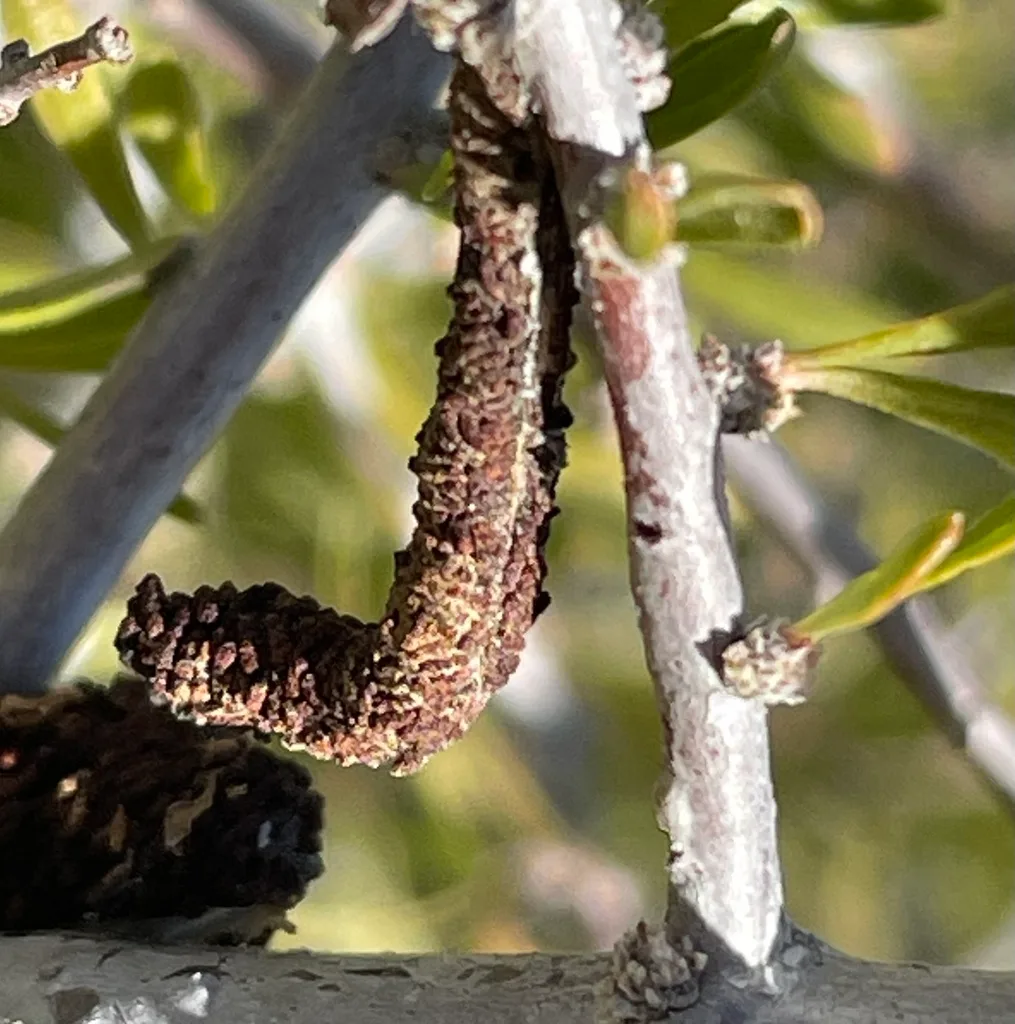
House flies develop from egg to adult in 7 to 10 days when temperatures are warm (above 80°F). In cooler conditions (65 to 75°F), the cycle stretches to 14 to 21 days. Either way, it’s fast.
That means every week of inaction produces a full new generation.
Here’s how the cycle breaks down. Females lay 75 to 150 eggs per batch, usually in clusters, on moist organic matter. The eggs hatch in 12 to 24 hours.
The larvae (maggots) feed on the decaying material for three to seven days, growing rapidly. They then crawl away from the food source to a drier spot to pupate. The pupal stage lasts three to five days, after which adults emerge.
The adults mate within a few days and start laying eggs immediately. A single female can produce five to six batches of eggs over her 15- to 30-day lifespan, totaling more than 500 eggs. That exponential growth is why a small problem turns into a major infestation in two to three weeks.
The practical takeaway is this: you can’t wait. If you see house flies today, larvae are already developing somewhere. If you don’t find and eliminate the breeding site within a few days, the next generation emerges and starts the cycle again.
Speed matters.
Hidden Breeding Sites Most People Miss Completely
People check the obvious spots like the kitchen trash can, but they miss the less visible ones. Here are the breeding sites that fly under the radar.
Under and behind appliances. Spills from cooking, dropped food, and liquid drips accumulate behind stoves, refrigerators, and dishwashers. Most people don’t move appliances to clean, so those spills sit for months. Flies find them.
Inside garbage disposals. Food particles stick to the walls and rubber gasket. They decompose slowly, creating a perfect breeding site. If you run the disposal daily but never scrub it, you’ve got a mini compost bin in your sink.
Recycling bins. People rinse cans and bottles poorly or not at all. Residual beer, juice, and soda ferments in the bin. Flies love it.
Wash containers before recycling, or at least rinse them thoroughly.
Pet food and water bowls. Wet pet food left out all day attracts flies. Water bowls with food particles or algae buildup do the same. Wash bowls daily and don’t leave wet food sitting longer than an hour.
Drip trays under potted plants. If you keep indoor plants near kitchen or dining areas, excess water and organic debris in drip trays can support larvae. Empty trays regularly and keep them dry.
HVAC drip pans and condensate drains. If your air conditioning system has a clogged condensate drain, water pools in the drip pan. Add a little dust and organic debris, and you’ve got a breeding site in your basement or crawl space.
Outdoor trash and compost. Trash cans waiting for pickup day, compost bins, and yard waste piles are major outdoor sources. If they’re close to doors or windows, flies breed outside and migrate in. Move them at least 20 feet away if possible.
Mistake #3: Kitchen and Trash Sanitation Errors That Invite Flies
Most people think taking out the trash solves the problem. It doesn’t. The bag you removed was full of eggs and larvae, but the bin itself is coated in residue that continues to attract and support flies.
If you’ve ever noticed flies hovering around an empty trash can, that’s why.
Kitchens offer dozens of micro-sites where organic matter accumulates. Countertop spills get wiped but not sanitized. Crumbs fall behind the toaster or coffee maker.
Liquid drips down cabinet fronts and pools in crevices. Each spot is small, but together they create a network of feeding and breeding opportunities that sustain a fly population indefinitely.
The other issue is frequency. Most households take out kitchen trash once or twice a week. In warm weather, that’s far too slow.
Organic waste begins fermenting within 24 hours, especially if it includes fruit peels, meat scraps, or anything moist. Flies can detect those odors from hundreds of feet away and will find the source within hours.
The Garbage Bin Problem Nobody Talks About
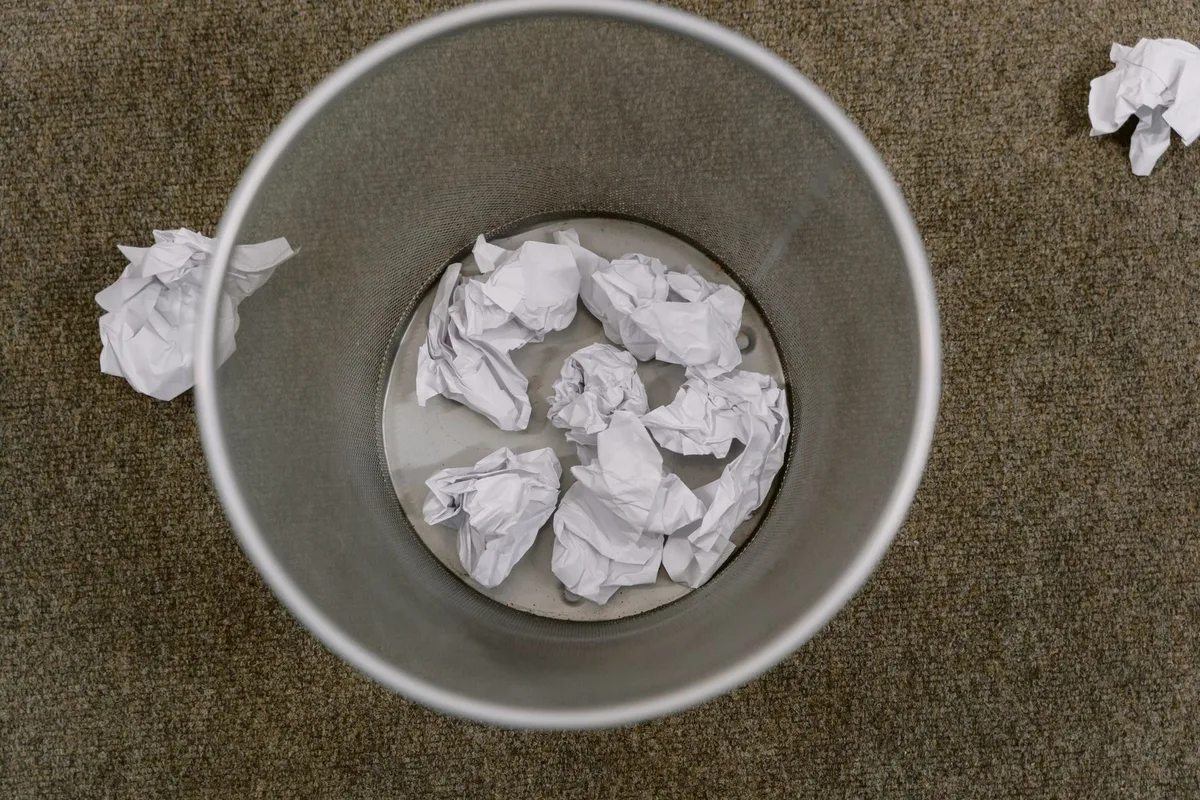
The trash bin itself becomes a breeding site even when you’re diligent about taking bags out. Liquid leaks through bags and pools at the bottom. Food particles stick to the sides.
That residue ferments and produces the exact conditions flies need to lay eggs.
Washing your trash bin should be part of your routine, not a once-a-year deep clean. In warm months, rinse and scrub bins weekly with soapy water. Let them dry completely in the sun before putting in a new bag.
Drying is critical because fly larvae need moisture. A dry bin won’t support them.
If outdoor washing isn’t practical, spray the inside with a disinfectant cleaner and wipe it down with paper towels. Pay attention to the bottom, the rim, and the area where the lid attaches. Those spots collect the most residue.
Some people use trash bin liners or deodorizing discs. Those help with odor but don’t replace cleaning. Flies don’t care if the garbage smells like lavender if there’s still organic matter to feed on.
Why Taking Out the Trash Isn’t Enough
Taking out the trash removes the bulk waste, but it doesn’t address the thin film of decomposition left behind. It also doesn’t solve the problem of trash that sits too long before pickup. If your municipal collection is once a week and you generate food waste daily, you’re giving flies a six-day window to exploit that outdoor bin.
Store kitchen trash in a bin with a tight-fitting lid. Pedal-operated or touchless bins work well because the lid stays closed between uses. Open-top bins are an invitation.
Flies land, lay eggs, and leave before you notice.
For homes with heavy food waste, consider a small compost pail with a carbon filter lid. Empty it daily into an outdoor compost bin at least 20 feet from the house. That keeps the bulk of the organic matter outside and reduces indoor odor and attraction.
If you generate a lot of meat or seafood waste, double-bag it and put it directly into the outdoor bin. Don’t let it sit in the kitchen trash overnight. The smell intensifies quickly, and flies will find it.
Spills Under Appliances and Inside Cabinets
Spills you can’t see are often the longest-lasting breeding sites. A spilled juice box behind the fridge, a dropped piece of fruit that rolled under the stove, or a splash of grease on the side of a cabinet can sit for weeks. Flies don’t need much.
A quarter-sized pool of liquid is enough.
Pull out appliances twice a year and clean behind and under them. Use a flashlight to check for spills, crumbs, and moisture. Wipe everything down with a disinfecting cleaner and let it dry.
If you find standing water, figure out where it’s coming from. A leaking fridge drip pan or a dishwasher seal can create chronic moisture problems.
Inside cabinets, check for leaks under the sink and spills from stored food. Bags of potatoes, onions, or pet food sometimes leak or decompose. If you smell something off when you open a cabinet, find the source and clean it immediately.
Mistake #4: Pet Waste and Outdoor Sources You’re Overlooking
Indoor sanitation only solves half the problem. If you’ve got outdoor breeding sites close to your home, flies will keep migrating inside no matter how clean your kitchen is. Pet waste, compost, and trash bins are the usual culprits.
Dog waste in the yard is one of the most overlooked fly breeding sites. If you let waste accumulate for days before picking it up, you’re running a fly farm. Flies lay eggs in feces within hours.
The larvae develop there, and adults emerge ready to invade your home.
Cat litter boxes are another source, especially if they’re not scooped daily. Flies are less attracted to dry litter, but if the box is damp or has feces sitting for more than a day, it becomes viable habitat. Keep litter boxes clean, dry, and away from doors and windows.
The Backyard-to-Kitchen Pipeline
Flies don’t respect walls. If you’ve got a breeding site 10 feet from your back door, flies will enter every time the door opens. Even a few seconds of open-door time during the day adds up.
A single adult can slip in and start laying eggs indoors.
The solution is distance and maintenance. Move outdoor trash bins, compost, and pet waste stations at least 20 feet from doors and windows if possible. That won’t eliminate flies, but it reduces the population pressure near entry points.
If distance isn’t an option, focus on keeping those outdoor sources as clean as possible. Rinse trash bins after pickup. Turn compost regularly so it stays aerobic and less attractive to flies.
Pick up pet waste daily, and hose down the area if you’re dealing with a heavy infestation.
Outdoor fly traps can help intercept adults before they reach the house. Place them along the path between the breeding site and the door. Protein-based baits work best for house flies.
Just make sure the trap is far enough from living areas that you’re not drawing flies toward your patio or deck.
Compost Bins: Helpful or House Fly Factory?
Compost bins are great for the garden but terrible for fly control if managed poorly. Flies are attracted to food scraps, especially meat, dairy, and oily foods. A compost pile that’s too wet or not turned regularly becomes a breeding site.
The key is balance. Compost should be moist but not soggy, and it should have a good mix of green (nitrogen-rich) and brown (carbon-rich) materials. Turn it every few days to introduce oxygen.
Aerobic decomposition happens faster and produces less odor, which makes it less attractive to flies.
Avoid composting meat, bones, dairy, or greasy foods. Those break down slowly and smell strongly, drawing flies from a wide area. Stick to vegetable scraps, fruit peels, coffee grounds, and yard waste.
Bury fresh scraps under a layer of leaves or soil to reduce odor and exposure.
If your compost bin is close to the house and you can’t move it, consider switching to a sealed tumbler-style composter. These bins keep waste contained and allow you to turn the compost without opening the bin to the air. They’re not perfect, but they reduce fly access significantly.
Mistake #5: Exclusion Gaps That Undermine Everything Else
You can eliminate every breeding site and still have flies if your house isn’t sealed. Gaps around doors, torn screens, and open windows let flies in faster than you can manage them. Exclusion is the second half of integrated pest management, and most people skip it entirely.
Flies are small and persistent. A gap as narrow as 1/8 inch is enough for an adult house fly to squeeze through. That means a poorly fitted door sweep, a loose window screen, or a gap around a pipe entry is an open door.
If you’re seeing flies indoors and you’ve addressed sanitation, start inspecting entry points.
Walk the perimeter of your home during daylight. Check every window screen for tears, holes, or loose edges. Check doors for gaps at the threshold and along the sides.
Check vents, pipe penetrations, and any openings where utilities enter the house. Mark every gap you find and fix them all.

Screen Problems Beyond Obvious Tears
Most people notice a big tear in a screen, but they miss the small problems. Screens that don’t fit tightly in the frame leave gaps at the edges. Screens with bent or damaged frames don’t seal properly.
Screens that are old and stretched lose tension and sag away from the frame, creating openings.
Replace any screen with visible damage. For screens that fit poorly, check the spline (the rubber cord that holds the screen in the frame). If it’s loose or degraded, re-spline the screen or replace it entirely.
Screen repair kits are inexpensive and take about 20 minutes per window.
Pay attention to screen doors. They get opened and closed dozens of times a day, and the constant motion loosens hinges and warps frames. If your screen door doesn’t close fully or bounces open slightly, flies will exploit that.
Adjust the closer mechanism so the door shuts firmly every time.
Some homes have screens on double-hung windows that only cover the lower sash. If you open the top sash for ventilation, you’ve created an unscreened opening. Either install a screen for the top sash or keep it closed during fly season.
Door Sweeps, Air Curtains, and Entry Points
Door sweeps are the simplest and most effective exclusion tool. A properly installed sweep seals the gap at the bottom of the door and blocks insects, drafts, and moisture. Check every exterior door.
If you can see daylight under the door when it’s closed, you need a sweep.
Replace worn or damaged sweeps immediately. They’re available at any hardware store and install in minutes with a screwdriver or adhesive backing. Choose a sweep that makes firm contact with the threshold without dragging or binding when the door opens.
For high-traffic doors like back or garage entries, consider an air curtain. These devices blow a continuous stream of air across the doorway, creating a barrier that flies can’t easily cross. They’re common in commercial settings but work just as well in homes.
Air curtains don’t replace door sweeps, but they add another layer of protection for doors that stay open frequently.
Check garage doors, basement entries, and any secondary doors you don’t use often. Those tend to have worse seals because they’re not part of the daily routine. If a door isn’t sealing properly and you rarely use it, weatherstrip it or keep it locked and treat it as a non-entry point.
Mistake #6: Using the Wrong Products in the Wrong Places
Insecticides, traps, and repellents all have their place, but most people use them incorrectly. Spraying a general-purpose bug spray in the air kills a few flies but does nothing to prevent more from entering or emerging. Applying residual insecticide to walls flies don’t land on wastes product and increases indoor chemical exposure for no benefit.
The first rule is that products come last, not first. If you haven’t cleaned up breeding sites and sealed entry points, adding products is like bailing water from a sinking boat without plugging the hole. It’s not that the products don’t work.
It’s that they can’t keep up with the rate of reproduction and intrusion.
When you do use products, match them to the situation. Indoor spaces need low-toxicity options safe for food areas. Outdoor perimeter treatments can use stronger residual insecticides.
Traps need the right bait for the target species. Natural repellents work for deterrence but not for active infestations.
When and Where Insecticide Sprays Actually Help
Insecticide sprays work when applied to surfaces where flies rest. House flies spend most of their time resting on walls, ceilings, and edges near food sources. They don’t hover constantly.
They land, groom, and wait. That’s when contact insecticides kill them.
Residual sprays labeled for indoor use can be applied to walls near trash bins, door frames, and other areas where flies congregate. The chemical remains active for days or weeks, killing flies that land on the treated surface. This works best as a supplemental measure after you’ve addressed sanitation and exclusion.
Aerosol knock-down sprays kill flies on contact but leave no residual protection. They’re useful for quick cleanup of a few adults, but they’re not a long-term solution. If you’re spraying multiple times a day, you’re treating symptoms and ignoring the source.
Never spray insecticides directly on food prep surfaces, pet bowls, or areas where children play. Read the label carefully. Some products are food-safe after drying.
Others are not approved for indoor use at all. Using an outdoor product indoors increases risk without improving results.
Essential Oils and Natural Repellents: Real Talk
Essential oils like peppermint, eucalyptus, and lavender repel flies to a limited degree. They don’t kill them, and they don’t stop reproduction. They’re best used as a mild deterrent in areas where you want to avoid chemicals, like near indoor plants or food.
In our research, essential oils work for a few hours at most. The scent fades quickly, especially in warm or ventilated spaces. If you’re dealing with more than a few stray flies, oils won’t solve the problem.
They’re a nice-to-have, not a core strategy.
Fly fans (small oscillating fans placed near food or dining areas) work better than oils for keeping flies away during meals. Flies struggle to land in moving air. A gentle breeze from a fan makes the area less hospable without adding chemicals or scent.
Some people swear by fly-repelling plants like basil or mint near doors. The effect is real but weak. A potted basil plant might reduce fly activity slightly, but it won’t stop an infestation.
Use them if you like, but pair them with proper sanitation and exclusion for real results.
The Right Sequence: How to Actually Solve a Fly Problem
Start with inspection. Walk through every room and outdoor area looking for breeding sites and entry points. Mark each spot you find.
This step takes 15 to 30 minutes but saves weeks of failed efforts.
Next, eliminate all breeding sites you identified. Clean trash bins, pick up pet waste, scrub drains, wipe down spills. Don’t move to the next step until sanitation is complete.
This is where most people quit too early.
Step 1: Inspect and Identify Your Specific Sources
Check indoor areas first. Look under appliances, inside trash bins, around pet areas, and in drains. Use your nose.
Breeding sites smell like fermentation or decay.
Move outdoors next. Inspect trash bins, compost areas, pet waste zones, and any organic debris near doors or windows. Note the distance from each source to your entry points.
Step 2: Eliminate Breeding Sites (Indoor Priority List)
Scrub trash bins with soapy water and let them dry completely. Clean under and behind appliances. Empty and wash pet food bowls daily.
Scrub drains with a stiff brush or use an enzyme cleaner.
Wipe down all surfaces where spills might have occurred. Check inside cabinets for leaks or spoiled food. If you find standing water anywhere, dry it and fix the source.
Step 3: Address Outdoor Pressure Points
Pick up all pet waste and hose down the area. Move compost bins at least 20 feet from the house if possible. Rinse outdoor trash bins after each pickup and let them dry.
Place outdoor traps between breeding sites and entry points if you can’t eliminate the source completely. Use protein-based baits for house flies.
Step 4: Seal Entry Points
Replace torn or loose window screens. Install or replace door sweeps on all exterior doors. Check for gaps around pipes, vents, and utility entries.
Seal everything with caulk or weatherstripping.
Test each door by closing it and checking for light gaps at the threshold and sides. If you see light, flies can get through.
Step 5: Use Traps Strategically for Remaining Adults
Place indoor traps near areas where you’ve seen the most activity, but only after sanitation and exclusion are done. Use traps as cleanup tools, not primary control.
Monitor trap catch daily for the first week. If numbers stay high after seven days, you’ve missed a breeding site or entry point. Go back to step one.
How Long Before You See Results (and Why Patience Matters)
You’ll see fewer flies within three to five days if you’ve eliminated all breeding sites. The reduction won’t be instant because adult flies already present can live two to three weeks. They’ll age out gradually as no new adults emerge to replace them.
Full control usually takes two to three weeks. That timeline assumes you’ve addressed every breeding site and sealed all major entry points. If flies return after that period, you’ve missed something.
Re-inspect and look for overlooked sources.
Seasonal factors matter too. Late summer and early fall bring peak fly activity as outdoor temperatures stay warm and organic waste accumulates. Expect slower results during those months.
Spring and early summer offer faster control as long as you act before populations build.
When to Call Professional Pest Control Instead
Call a professional if you’ve followed every step and still have persistent flies after three weeks. Hidden breeding sites inside walls, crawl spaces, or structural voids require professional inspection and treatment. Pest control technicians have tools and access you don’t.
Large-scale infestations with hundreds of flies present also warrant professional help. If you’re seeing that many adults, the larval population is massive. Professionals can apply targeted treatments and identify structural issues contributing to the problem.
Commercial or agricultural properties near your home sometimes create fly pressure you can’t control on your own. A pest control service can treat your perimeter and advise on exclusion strategies that work in high-pressure environments.
Decision Guide: What to Do Based on Your Situation
If you see fewer than 10 flies per day: Focus on sanitation and exclusion. Clean trash bins, seal screens, and pick up pet waste daily. Add a few indoor traps near problem areas.
You should see results in one week.
If you see 10 to 50 flies per day: You’ve got an active breeding site nearby. Inspect thoroughly, eliminate all sources, seal entry points, and use traps for cleanup. Expect two to three weeks for full control.
If you see more than 50 flies per day: This is a major infestation. You’ve likely got multiple breeding sites or a large outdoor source very close to the house. Address sanitation and exclusion immediately, but consider calling a professional if numbers don’t drop within one week.
If flies return seasonally: You’re dealing with recurring outdoor pressure, likely from compost, livestock, or municipal trash nearby. Maintain year-round sanitation, keep screens in good repair, and use outdoor perimeter traps during peak months.
Frequently Asked Questions
Why do I still have flies after cleaning everything?
You’ve likely missed a breeding site or left an entry point unsealed. Re-inspect under appliances, inside drains, and around pet areas. Check all window screens and door sweeps for gaps.
How long does it take for fly larvae to develop into adults?
House fly larvae develop into adults in 7 to 10 days at temperatures above 80°F. In cooler conditions (65 to 75°F), the cycle stretches to 14 to 21 days. That’s why you see new flies even after cleaning.
Do bug zappers work for house flies?
Bug zappers kill some flies but spread bacteria when insects explode on the electric grid. They’re acceptable outdoors away from living areas but should never be used indoors near food or dining spaces.
Can I use bleach to kill fly larvae in drains?
Bleach kills larvae on contact but doesn’t remove the organic buildup where they breed. Use a stiff drain brush or enzyme-based cleaner to scrub away the slime layer. That prevents re-infestation better than bleach alone.
What’s the difference between house flies and fruit flies?
House flies are larger (1/4 inch), gray with red eyes, and breed in garbage and animal waste. Fruit flies are smaller (1/8 inch), tan with red eyes, and breed in overripe produce and fermenting liquids. The two require different control strategies.
Are essential oils effective against house flies?
Essential oils like peppermint and eucalyptus repel flies mildly for a few hours but don’t kill them or stop reproduction. They work as a minor deterrent in low-pressure situations but won’t solve an active infestation.