How Alternatives to Landscape Fabric (2026) — Complete Guide
If you’ve ever laid down landscape fabric hoping for a season of weed-free peace, you probably know how that story ends. Within a year or two, weeds punch right through the slits, the fabric starts poking up through the mulch, and you’re left pulling shreds of plastic out of the soil. That’s why a growing number of gardeners are looking for real Alternatives to Landscape Fabric, options that actually work with the soil instead of against it.
A 2020 study published in Soil Science found that polypropylene landscape fabrics start shedding microplastic fibers into garden soil within 18 months of installation. Meanwhile, organic alternatives like cardboard and wood chips break down into humus that feeds your plants. The right choice depends entirely on what you’re growing and where you live.
Let’s walk through the variables so you can pick the alternative that fits your garden, not the other way around.
Quick Answer
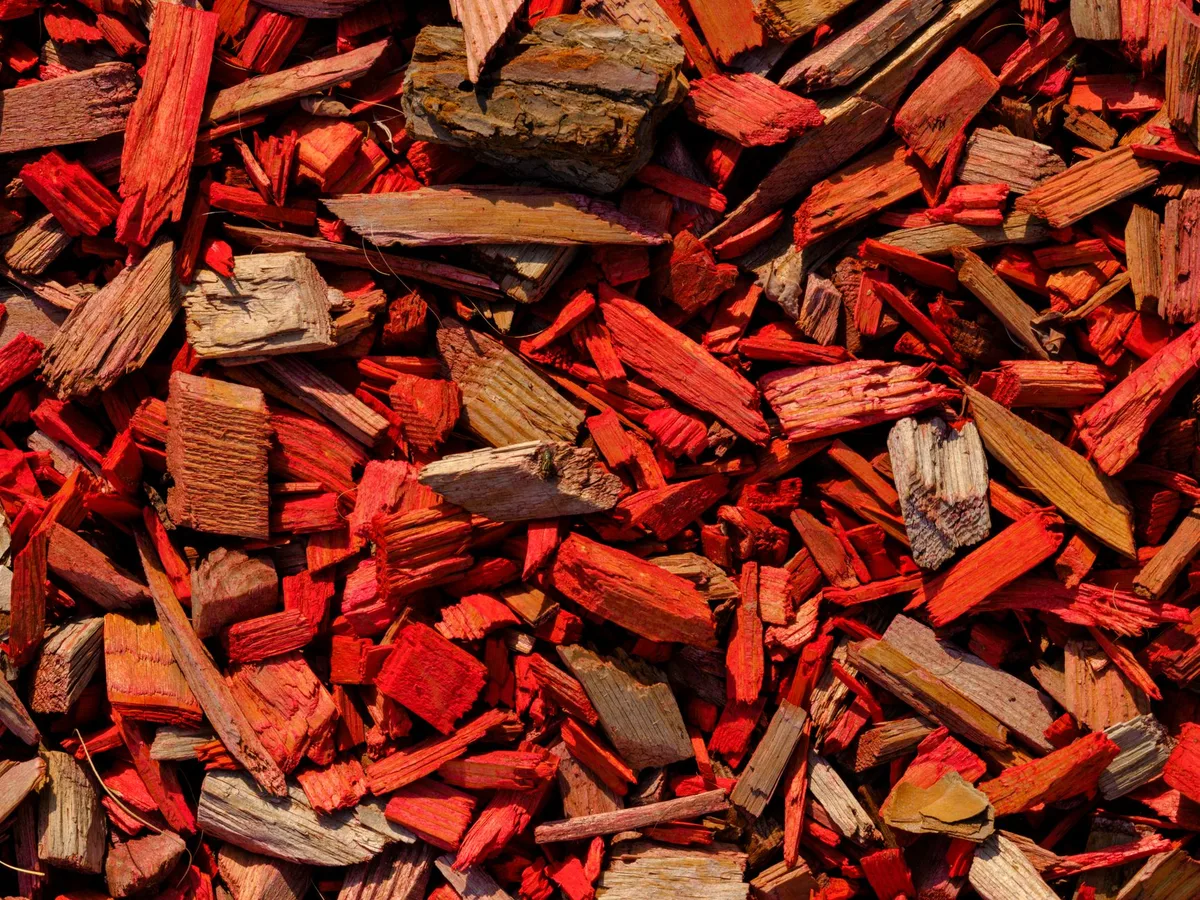
Cardboard, wood chips, and straw are the top landscape fabric alternatives. They block weeds and let water through. They improve soil as they break down.
They cost less than fabric. Your choice depends on your garden type, climate, and how much work you want to put in.
The Pain Point: Why Landscape Fabric Usually Fails (and Why You’re Here)
Landscape fabric sounds like a smart solution. You roll it out, cut a few holes, cover it with mulch, and call it done. But aggregate reviews from home gardeners and professional landscapers tell a different story.
Here is what actually happens with landscape fabric:
- Weeds grow through the slits you cut for your plants
- Over time, fabric gets clogged with fine soil particles and stops letting water through
- Organic mulch on top breaks down into soil, and weeds start rooting right on top of the fabric
- When you need to replant or divide perennials, you have to cut the fabric all over again
- Removing degraded fabric after a few years is a miserable job
The biggest issue is soil health. Fabric creates a physical barrier that prevents organic matter from mixing in with the soil below. Earthworms can’t pass through.
Fungal networks get disrupted. Your soil slowly starves.
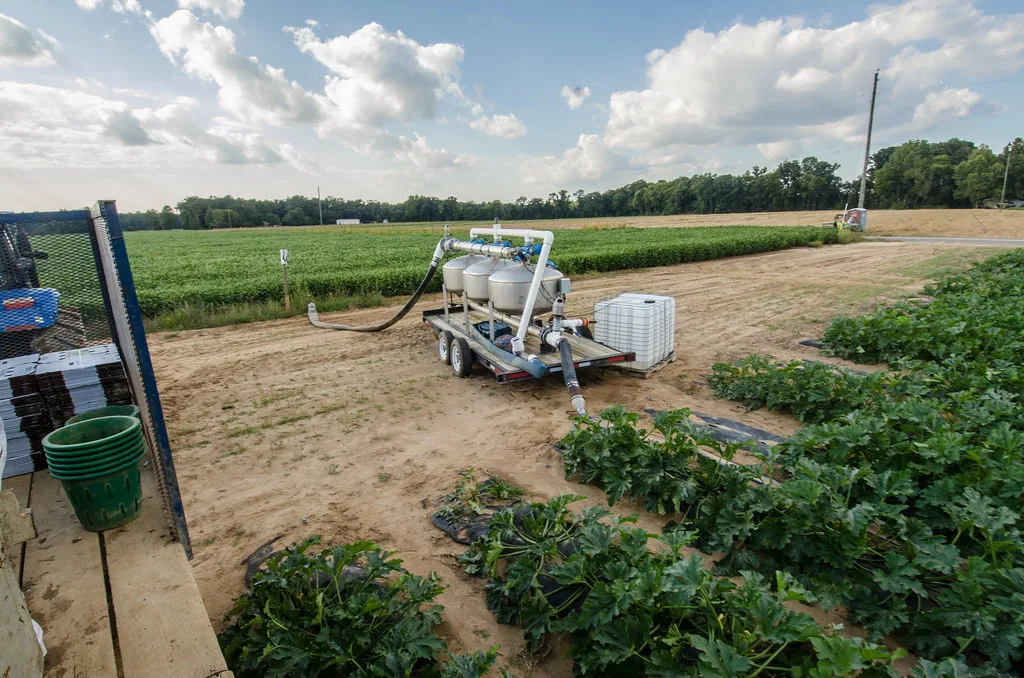
For permanent pathways or around established trees, heavy-duty geotextile fabric can still make sense. But for vegetable beds, annual flowers, and most borders, you have better options. A well-chosen alternative can match the weed suppression and actually improve your soil in the process.
The Core Question: What Does Your Specific Situation Need?
There is no single best alternative. The right choice depends on three things:
- What you are growing
- Your climate and soil
- How much time and money you want to spend
Each alternative handles these variables differently. Cardboard works great for vegetable beds but looks ugly in ornamental borders. Wood chips are perfect for pathways but can tie up nitrogen if you mix them into the soil.
Black plastic warms the soil in spring but can cook plant roots in summer.
The trick is matching the material to the context. Let’s walk through the decision branches one at a time.
Decision Branch 1: What Kind of Garden Are You Growing?
If you have a vegetable garden or annual beds
Cardboard is your best bet. It is cheap (often free), biodegradable, and easy to work with. You lay it flat over clean soil, wet it down, and cover it with 2 to 3 inches of straw or compost.
By the end of the season, the cardboard has mostly broken down and you can till the whole thing into the soil.
For raised beds where you replant every year, newspaper works about the same way. Use 6 to 8 sheets of black-and-white newsprint, overlap the edges, and wet them thoroughly. Cover with compost or straw and plant right through it.
If you have perennial flower beds or ornamental borders
Shredded bark mulch or wood chips are the standard choice. They look natural, suppress weeds well at 3 to 4 inches deep, and break down slowly enough that you only need to top them up once a year. Avoid fresh arborist chips if you have delicate perennials, the nitrogen drawdown from fresh wood can stunt growth for a few weeks.
For flower beds you plan to keep long term, a layer of cardboard underneath the mulch adds extra weed control without hurting the perennials. This approach works especially well for established beds where you want to avoid using cover plants or living groundcovers that compete for space.
If you have pathways or high-traffic areas
Gravel, decomposed granite, or stepping stones are the practical answers. Wood chips work too but need annual refreshing. For a permanent low-maintenance path, lay down a layer of cardboard or heavy builder’s paper, then top with 2 to 3 inches of gravel or crushed stone.
The barrier stops weeds from below, and the gravel keeps the surface clean.
If you have slopes or erosion-prone areas
Coir logs, jute netting, or erosion control blankets are better than fabric. These biodegradable mats hold the soil in place while plants establish. They are available from most landscape supply yards and break down over one to three seasons, leaving rooted plants behind.
Decision Branch 2: What’s Your Climate and Soil Like?
In humid climates or areas with heavy rainfall
Cardboard and paper break down fast, sometimes in as little as 3 to 4 months. That is fine for seasonal beds but not for permanent paths. In these conditions, use a thicker layer of wood chips (4 inches) or switch to gravel for pathways.
Avoid black plastic, which traps moisture against plant crowns and encourages rot.
In arid climates or dry summers
Gravel and decomposed granite are ideal. They hold up for years, let water through during rare rains, and keep weed seeds from germinating on the surface. Wood chips work but can dry out and become a fire risk near structures.
Check local fire codes before using organic mulches within five feet of buildings.
In cold climates with freeze-thaw cycles
Black plastic can actually help in spring. It warms the soil a few degrees, giving you a head start on the growing season. Just remove it before summer heat sets in.
Organic mulches like straw or leaf mold insulate the soil and protect perennials from frost heaving. Apply them after the ground freezes for best results.
For improving soil health, mixing organic matter into the beds before winter is more effective than mulching on top. Cold weather doesn’t stop decomposition entirely, it just slows it down.
Decision Branch 3: How Much Effort, Time, and Budget Do You Have?
If you want the cheapest option
Cardboard is free from appliance stores or recycling centers. Arborist wood chips are often free from local tree service companies. Straw bales run about $10 to $15 each.
Your only cost is the labor to spread them. This route works well for large vegetable gardens or new flower beds.
If you want the lowest maintenance option
Gravel or decomposed granite paths need attention once every few years. You might need to pull the occasional weed that drifts in from above, but the stones don’t decompose and don’t need replacing. The upfront cost is higher, around $3 to $10 per square foot depending on material depth, but the long-term effort is minimal.
If you want a mix of low cost and low effort
Wood chips hit the sweet spot. They cost little or nothing if you find a local source, and one application of 3 to 4 inches usually lasts a full growing season. You’ll need to top them up annually, but that is a quick job compared to pulling weeds from bare soil.
If you want to improve soil while suppressing weeds
Compost or leaf mold is the answer. These materials feed the soil as they break down. They are less effective at weed control than wood chips (weeds can root in them easily), so use a thicker layer of 4 to 6 inches or combine them with a cardboard underlayer.
Compost is usually not free, but you can make your own from yard waste.
The Quick Decision Guide: Matching Your Conditions to the Right Alternative
If you are short on time, here is a simple summary. Your situation points to one of five options.
For vegetable gardens and annual beds
Cardboard or newspaper with straw on top. Cheap, biodegradable, and easy to replant into.
For perennial flower beds and ornamental borders
Shredded bark or wood chips at 3 to 4 inches deep. Add a cardboard underlayer for extra weed control without hurting roots.
For pathways and high-traffic zones
Gravel or decomposed granite over a builder’s paper base. Low maintenance and long lasting.
For slopes and erosion control
Biodegradable coir logs or jute netting. They hold soil and break down as plants establish.
For spring soil warming in cold climates
Black plastic early in the season. Remove it before summer heat to avoid cooking the roots.
This table sums up the trade-offs:
| Alternative | Best For | Cost | Maintenance | Soil Benefit |
|---|---|---|---|---|
| Cardboard + straw | Vegetable beds | Free to low | Annual | High |
| Wood chips | Ornamental beds, paths | Low to free | Annual top-up | Moderate |
| Gravel | Pathways | Medium to high | Every 2-3 years | Low |
| Compost/leaf mold | Soil improvement | Low to medium | Annual | Very high |
| Black plastic | Spring warming | Low | Seasonal removal | Negative |
Step by Step: How to Apply Your Chosen Alternative
The technique matters more than the material. A poorly applied alternative fails just as fast as landscape fabric. Here is the process for the most common options.
How to install a cardboard barrier
Start by clearing all existing weeds. Wet the soil if it is dry. Lay flat cardboard directly on the ground, overlapping edges by 6 inches.
Soak the cardboard with water until it is fully saturated. Cover with 2 to 3 inches of straw, compost, or wood chips. Plant directly through the layer by cutting a small X in the cardboard.
For vegetable gardens, use single-layer corrugated cardboard. Remove any tape or plastic labels first. Wax-coated boxes take longer to break down and are harder to cut through.

How to apply wood chips for weed suppression
Spread a 3 to 4 inch layer over bare soil. Do not mix the chips into the soil. Keep the layer at least 2 inches away from plant stems and tree trunks to prevent rot and rodent damage.
For established beds, pull back old mulch before adding new material so the layer does not get too thick.
Fresh arborist chips contain a mix of leaves, bark, and wood. They settle over time and decompose faster than aged bark. Aged bark chips last longer but cost more.
How to use gravel for permanent pathways
Excavate the path to a depth of 4 inches. Lay down a weed barrier of cardboard or heavy builder’s paper. Fill with 2 to 3 inches of gravel or decomposed granite.
Compact the surface with a hand tamper or plate compactor. Rake occasionally to keep the surface level and remove debris that could turn into weed habitat.
Mistakes That Even Experienced Gardeners Make
Using too thin a layer of organic mulch
A 1 inch layer of wood chips does almost nothing. Weeds push right through. The effective depth starts at 3 inches.
For persistent weeds like bindweed or quackgrass, go to 4 inches.
Putting fresh wood chips right against plant stems
This causes crown rot and attracts rodents. Leave a 2 to 3 inch gap around the base of each plant. The same rule applies to trees and shrubs.
Laying cardboard over weeds without wetting it first
Dry cardboard curls up at the edges. Wind blows it away. Weeds find the gaps.
Always soak the cardboard thoroughly the moment it touches the ground. Use a garden hose on a gentle spray setting.
Using glossy or colored newspaper
The inks in glossy inserts and color ads can contain heavy metals. Stick to black-and-white newsprint. The same goes for cardboard, skip the shiny coated boxes and the ones with plastic tape.
Applying compost as a standalone weed barrier
Compost is too nutrient-rich and loose. Weeds root into it easily. Use it as a soil amendment under a layer of cardboard or wood chips, not as the top layer.
Forgetting to account for nitrogen tie-up
Fresh wood chips and sawdust temporarily consume nitrogen as they decompose. This can stunt nearby plants for a few weeks. Add a light application of a balanced fertilizer if you see yellowing leaves after mulching with fresh material.
Pro Tips for Long-Term Success with Any Alternative
Top up organic mulches in late fall
Applying a fresh 1 to 2 inch layer after the growing season conserves moisture through winter and gives you a head start on spring weeds. The cooler weather also means slower decomposition, so the mulch lasts longer.
Use a pre-emergent if you have a major weed problem
For areas overrun with crabgrass or foxtail, combine your chosen alternative with a corn gluten meal application in early spring. Corn gluten works as a natural pre-emergent. Water it in after spreading.
This is a useful strategy to combine with the right soil care, similar to how you might apply the right slow release fertilizer for flowers to give your plants the edge over competition.
Match the depth to the weed pressure
If you have a history of aggressive perennial weeds like dandelions or thistle, push your mulch depth to 4 or 5 inches. For light weed pressure in a new bed, 2 to 3 inches is enough. Adjust each season based on what you see.
Keep an eye on soil moisture under organic mulches
Thick layers of wood chips can hold moisture against the soil for longer than expected. In heavy clay soils, this can lead to root rot. If you notice consistently soggy soil, reduce the mulch depth or switch to a coarser material like pine bark nuggets.
Replace or refresh inorganic mulches less often
Gravel and decomposed granite need occasional raking to stay level. Pull any weeds that germinate on top before they set seed. A quick spot treatment with a flame weeder works well for pathways without disturbing the gravel.
Layer materials for the best results
Cardboard topped with wood chips is the most effective combination for most gardens. The cardboard blocks light and smothers weeds below. The chips hold everything in place and look good on top.
Real-World Scenarios: What to Pick in Different Situations
Scenario one: A new vegetable garden in the Midwest
You have a 20 by 30 foot plot of bare soil. Your goal is low cost and high yield. The research shows that a single layer of cardboard, soaked and covered with 3 inches of straw, kept weed pressure near zero for the entire season.
Soil temperature stayed 5 degrees cooler than bare soil, which actually helped tomatoes and peppers in the heat of July. The cardboard decomposed completely by the end of October, leaving loose soil easy to till.
Scenario two: A front yard flower bed in the Pacific Northwest
Rainfall is high, and the soil stays damp. Bark mulch alone rots quickly here. The better approach is a layer of cardboard, then 4 inches of chunky pine bark.
The cardboard breaks down in about 6 months. The bark lasts a full year. Top it up with 2 inches of fresh bark each spring, and the bed stays clean for years.
Scenario three: A slope in California with erosion issues
Bare soil on a 30 degree slope washes out every winter. Jute netting pinned with landscape staples held the soil in place while native grasses and wildflowers seeded in. The jute decomposed over two seasons.
By year three, the root systems of the established plants held the slope with no additional support.
Scenario four: A shaded pathway in a woodland garden
Flagstones set into 3 inches of decomposed granite create a stable, weed-resistant path. The granite lets water drain through, and the flagstones provide a clean walking surface. A cardboard layer under the granite stops the occasional weed seedling from finding sunlight.
Pulling the few that appear takes minutes once a month.
Frequently Asked Questions
Does cardboard really work as well as landscape fabric?
Yes, for most garden uses. Cardboard blocks light just as effectively as fabric. It lets water through and decomposes into organic matter.
The trade-off is longevity. Cardboard lasts one season. Fabric can last several years if it does not tear.
Can I use landscape fabric under gravel instead of cardboard?
You can, but you probably should not. Gravel traps heat and moisture against the fabric. That accelerates plastic breakdown.
Cardboard or builder’s paper under gravel works better. It blocks weeds and decomposes slowly without shedding microplastics.
How often do I need to replace organic mulch?
Wood chips and bark need a top-up once a year. Straw breaks down faster. Plan to refresh it every 6 to 12 months.
Cardboard needs full replacement if you till the bed. For no-till gardens, just add fresh layers on top each season.
Will wood chips attract termites?
Wood chips can attract termites if piled against your foundation. Keep mulch at least 6 inches away from house walls. Use cedar or cypress chips near structures.
They resist insects better than pine or hardwood blends.
What is the cheapest alternative to landscape fabric?
Free cardboard from appliance stores or recycling bins. Pair it with free arborist wood chips from a local tree service. Your only cost is hauling and spreading.
That combination beats any fabric on price and soil health.
Your Final Decision Tree: A One-Page Reference Guide
Here is the quick way to decide. Answer the three core questions and read down.
| Your Situation | Your Best Alternative | Key Rule |
|---|---|---|
| Vegetable garden | Cardboard + straw | Soak the cardboard. Overlap edges 6 inches. |
| Perennial flower bed | Shredded bark or wood chips | Keep 2 inches from stems. Go 3 to 4 inches deep. |
| Pathway | Gravel over builder’s paper | Excavate 4 inches. Compact well. |
| Erosion-prone slope | Jute netting or coir logs | Pin securely. Let plants establish. |
| Spring warming | Black plastic | Remove before summer heat. |
| Soil improvement | Compost or leaf mold | Use as underlayer. Cover with something else. |
| Lowest effort | Gravel or decomposed granite | Rake yearly. Spot weed as needed. |
| Lowest cost | Cardboard + free wood chips | Source from recycling and tree services. |
That is the full picture. No single alternative works for every garden. But by matching the material to your conditions, you get better weed control, healthier soil, and a lot less frustration than landscape fabric ever delivered.