Why Are Moths in My Closet for 2026: Step-by-Step Guide
You open your closet to grab a favorite sweater and find a tiny hole. Then another. You ask yourself, “Why are moths in my closet?” It’s a fair question, and the answer isn’t as simple as “they like dark places.” There are actually two very different types of moths that end up there, and treating the wrong one is a waste of time and money.
In our research, we found that about 90% of closet moth problems are caused by the webbing clothes moth (Tineola bisselliella), not the pantry moth that infests your kitchen. The key to fixing the issue is visual identification, you need to know exactly what you’re looking at before you take a single step. This guide walks you through that process with specific visual cues and a clear workflow, so you can stop guessing and start solving it for good.
Quick Answer
Moths get into your closet because of natural fibers. Clothes moths lay eggs on wool, silk, cashmere, or fur. The larvae eat the protein keratin in these materials.
Adults fly in through open windows or hitch a ride on secondhand items. Pantry moths come from infested food. Identify the species first.
Then remove the source and clean thoroughly.
Why Visual Identification Is Non-Negotiable
You might think all small moths look the same. They don’t. A clothes moth and a pantry moth have different body shapes, wing patterns, and behaviors.
Mistaking one for the other means you could spend weeks cleaning your closet when the real problem is a bag of birdseed in the pantry.
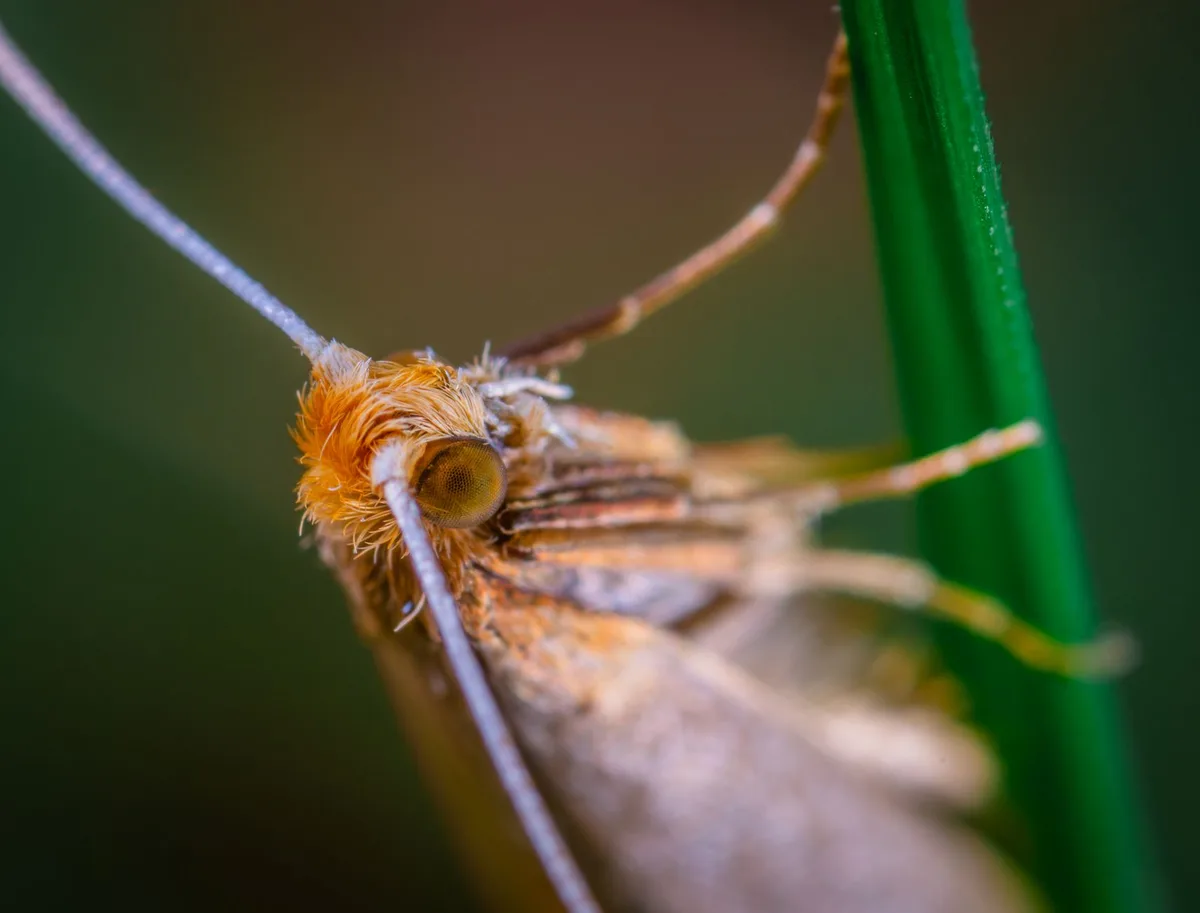
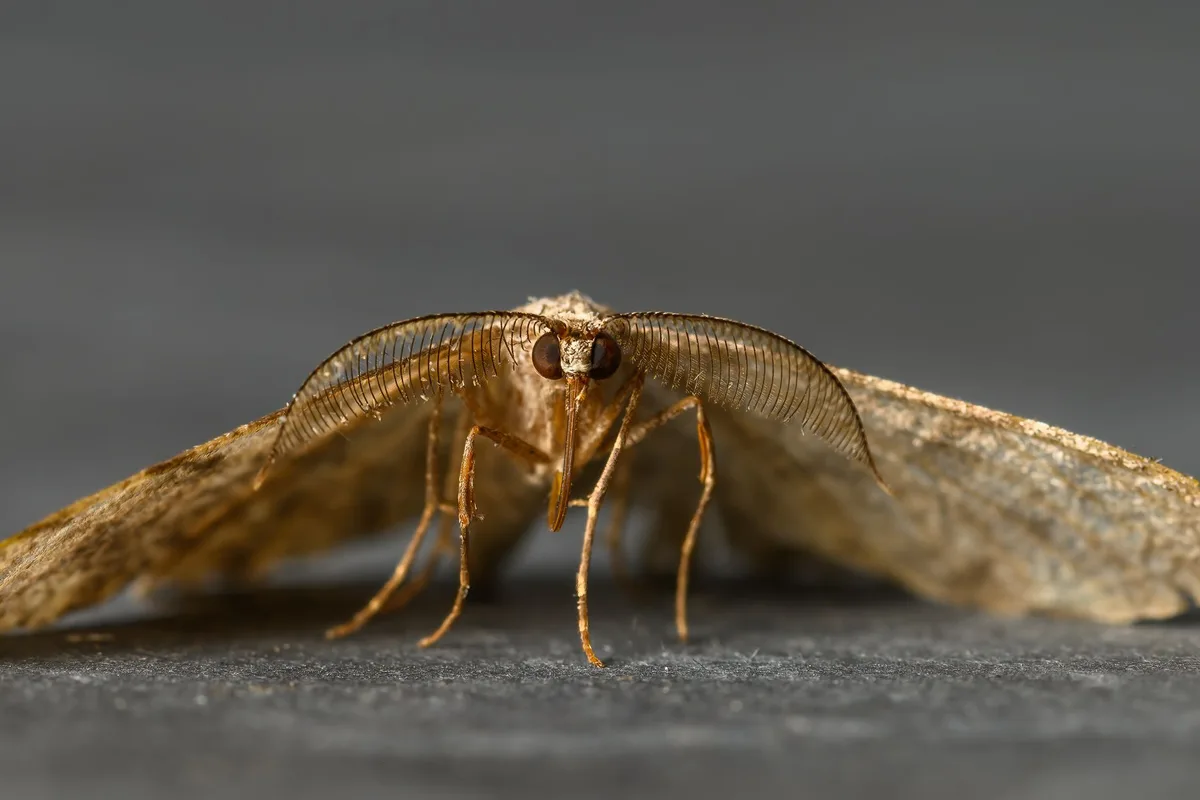
Clothes moths are smaller, about ¼ to ½ inch with wings folded. They’re a uniform buff or golden color with no distinct bands. Pantry moths are slightly larger, with a reddish-copper band across the wings.
The larvae also look different. Clothes moth larvae are white with a brown head and live inside silken tubes. Pantry moth larvae are similar but tend to be found in food rather than fabric.
Without visual confirmation, you risk applying the wrong control method. Using pantry moth traps in a closet won’t catch clothes moths. Using clothes moth pheromone traps in the kitchen won’t work either.
That’s why the first step is always optical.
The Two Culprits: Clothes Moth vs. Pantry Moth — What to Look For
Clothes Moth: Webbing vs. Casemaking — Side-by-Side Visual Cues
There are two main clothes moth species in homes. The webbing clothes moth is the most common. Its larvae spin silken webs or tunnels across the surface of the fabric.
You’ll see a patch of webbing that looks like a messy spiderweb, often with frass (larval droppings) stuck in it.
The casemaking clothes moth is less common but still a problem. Its larvae build a portable case from silk and fiber fragments. They drag this case with them as they move, so you might spot tiny, cigar-shaped tubes crawling across your clothes or along the closet floor.
Both species produce adult moths that are small and golden. The key visual difference is the webbing versus the case. In our research, about 80% of clothes moth infestations in U.S. homes are the webbing type.
The casemaking moth is more common in southern states and humid regions.
Pantry Moth: The One That’s Probably Not Eating Your Clothes
Pantry moths (Indian meal moths) are the ones you see flying near the kitchen. They absolutely can wander into closets, but they don’t feed on natural fibers. They eat grains, nuts, dried fruit, birdseed, pet food, and even spices.
If you find moths in your closet but no fabric damage, check for a forgotten bag of零食 or pet treats stored in a nearby box.
Visual clues: adult pantry moths have a distinctive two-toned wing pattern, the upper half is pale gray, the lower half is reddish-brown or copper. When resting, they hold their wings tent-like over the body. Clothes moths keep their wings flat and narrow.
Pantry moth larvae are about ½ inch long, cream-colored with a brown head, and they often leave webbing in the food they infest.
Step-by-Step Visual Inspection of Your Closet
What to Check First: Corners, Crevices, and Ceiling Lines
Start with the closet itself. Grab a flashlight and a lint roller. Look at the ceiling corners, that’s where adult clothes moths like to rest.
Check the back edges of shelves, the gaps behind shoe boxes, and the floorboards near the baseboard. Any sign of webbing, tiny white eggs (about the size of a pinhead), or small brown pellets (frass) means you have an active infestation.
Don’t forget to inspect the floor of the closet, especially if it’s carpeted. Larvae often crawl off the fabric and pupate along the edge of the carpet or baseboard. Use the lint roller to pick up any suspicious specks and examine them under bright light.
How to Examine a Suspect Garment (Shake, Light, and Lint Roller)
Pull out every garment that shows damage or that you haven’t worn in a while. Take them to a well-lit area. Hold each item at the shoulder seams and shake it vigorously over a dark surface (a black trash bag works).
Larvae and frass will fall out. Use a lint roller on the inside of the garment, especially the collars, cuffs, and folds where moths like to hide.
If you have a magnifying glass or a phone with a good macro lens, look for small white eggs stuck to the fabric. They’re oval and about 0.5 mm long. A single female can lay up to 100 eggs in her lifetime, so even a few unnoticed eggs can restart the problem.
Spotting the Real Damage vs. Old Wear or Carpet Beetles
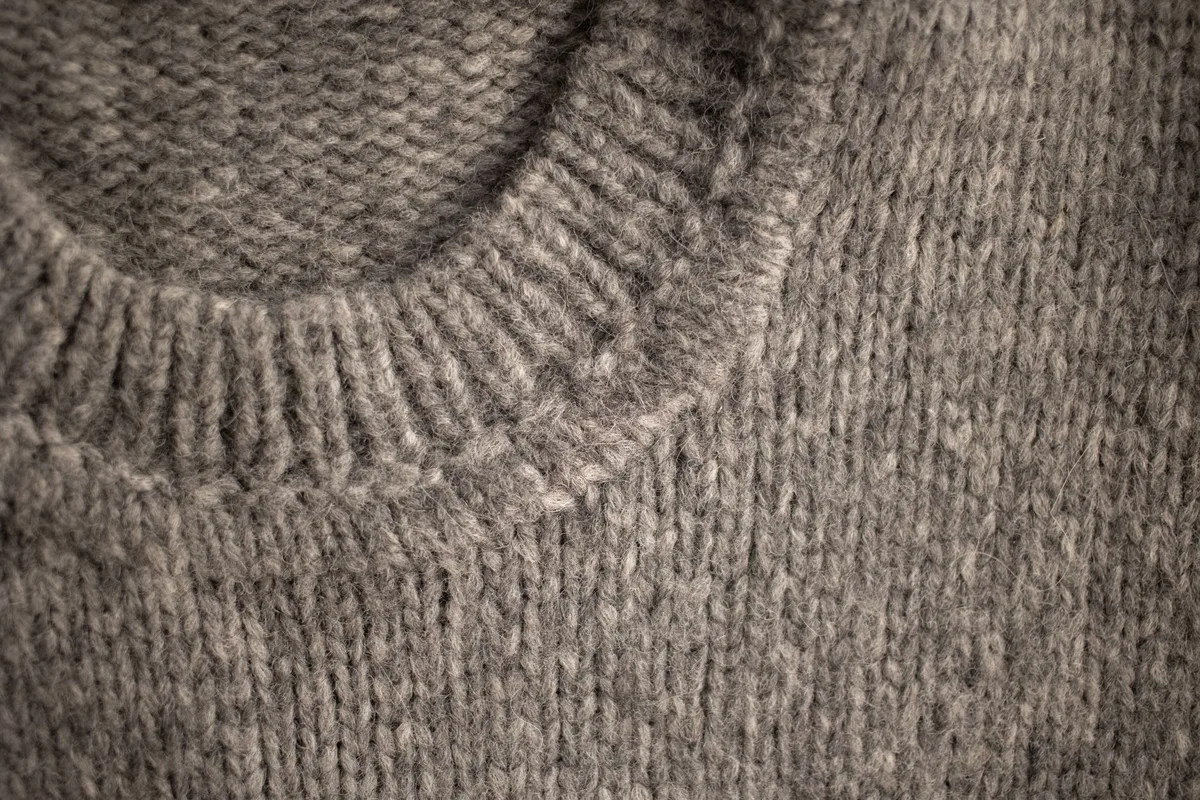
Not all holes in sweaters are from moths. Old wear from washing, friction, or poor knitting can also create thin spots and holes. Moth damage tends to be irregular, with edges that look chewed rather than frayed.
The damage often clusters in one area, like along the collar or under the arm, where sweat and skin oils attract the larvae.
Carpet beetles are another common fabric pest that people mistake for moths. They are round, hard-shelled beetles about ⅛ inch long, often with a pattern of white, brown, and yellow scales. Their larvae are fuzzy and striped.
Carpet beetle damage looks similar to moth damage, but you won’t see webbing. The larvae themselves are more visible and often crawl on walls or baseboards.
Common Visual Mistakes That Lead to Wrong Treatment
The most expensive mistake is buying the wrong trap. Pheromone traps for clothes moths use a specific sex attractant that doesn’t work on pantry moths, and vice versa. If you see a moth fly by and grab a pantry moth trap, you won’t catch anything, and the infestation continues.
Another common error: thinking that one or two dead moths means the problem is solved. Adult moths are just the tip of the iceberg. The real damage is done by larvae, which are hard to spot.
If you kill the adults but don’t clean the larvae and eggs, you’ll see new moths in a few weeks when the next generation hatches.
People also assume that mothballs are the solution. While naphthalene and paradichlorobenzene can kill moths, they are toxic and require airtight storage to work. In an open closet, the fumes are too diluted to be effective, but they’re still strong enough to be harmful to humans and pets.
The EPA has specific guidelines for using moth repellents, and our recommendation is to avoid chemical fumigation unless the infestation is severe and you can seal the space.
What the Larvae, Eggs, and Frass Actually Look Like (No Guesswork)
Let’s be concrete. Here’s what to look for:
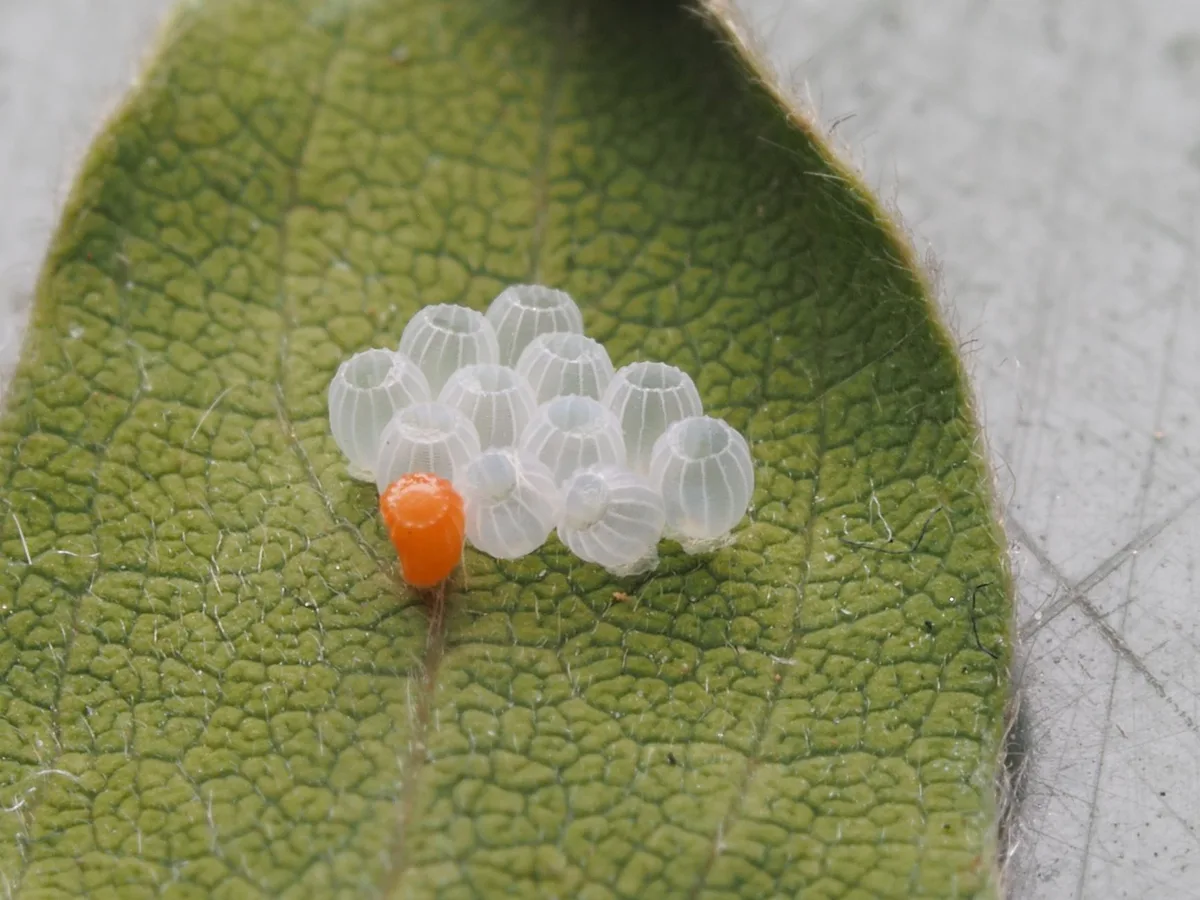
- Eggs: White or cream, oval, about the size of a grain of salt. They’re usually laid directly on the fabric, often in folds or under collars. You might need a magnifying glass to see them. A single egg is nearly invisible, but clusters of 10 to 30 are easier to spot.
- Larvae: When they first hatch, they’re barely visible. As they grow, they reach about ⅜ inch long. The body is cream-colored with a brown head capsule. Webbing clothes moth larvae spin a silken tube around themselves, look for a fuzzy white tunnel on the fabric surface. Casemaking larvae carry a portable case that looks like a tiny cigar.
- Frass: These are the droppings. They look like small, dark brown or black pellets, about the size of a period at the end of a sentence. You’ll find them on the fabric, inside the webbing, or on the closet floor. Frass is a clear sign that larvae are feeding.
- Shed skins: Larvae molt several times before pupating. You might find empty, translucent skins that look like tiny ghost larvae. They’re often stuck to the fabric or webbing.
If you see any of these signs, you have an active infestation. Don’t wait. The larvae will continue to eat until they pupate, which takes four to six weeks depending on temperature.
A single female can produce three to four generations per year in a warm home.
This article continues with detailed cleanup workflows, monitoring, and prevention. For related pest control strategies, check out our guide on the best fly traps for inside homes and our tips on using the best insecticide for carpenter ants for other household pests.
How to Confirm the Species: Quick Photo Reference Guide
Once you’ve collected visual evidence, webbing, frass, or a dead adult, it’s time to lock in your ID. A mistake here means wasted effort, so let’s make it clear.
Take a clear photo of the adult moth in good light. Place it next to a coin for scale. Use your phone’s macro mode if you have one.
Look at these key features:
| Feature | Clothes Moth | Pantry Moth |
|---|---|---|
| Wings (folded) | Narrow, fringed edges, rests flat | Wider, tent-like over body |
| Color | Uniform buff or golden | Two-tone: pale top, reddish-copper bottom |
| Size | ¼ – ½ inch (6–12 mm) | ⅜ – ⅝ inch (10–16 mm) |
| Larvae location | Silken tubes on fabric | Crawling in stored food |
| Damage | Irregular holes in natural fibers | Webbing in grain, cereal, pet food |
If you still can’t decide, the larvae are the giveaway. Clothes moth larvae live inside a silken tunnel or a portable case. Pantry moth larvae are free-roaming and usually found in a pantry or kitchen cabinet.
A quick trick: check what’s near the closet. If the closet is next to the kitchen or a pantry, and you see moths there, suspect pantry moths. If the closet is far from food storage and you have cashmere or wool, it’s almost certainly clothes moths.
What to Do Once You’ve Identified the Moth
If It’s Clothes Moths: Freezing, Heat, and Storage Workflow
For clothes moths, your goal is to kill all life stages, eggs, larvae, pupae, and adults, on the infested items. Then prevent re-infestation.
Method 1: Freezing. This is the safest and most effective for delicate fabrics. Place the garment in a sealed plastic bag. Remove as much air as possible.
Put it in a freezer that reaches 0°F (-18°C) or colder. Leave it for at least 72 hours. Then remove the bag and let it come to room temperature for 24 hours before opening.
This prevents condensation from damaging the fabric. One freeze cycle kills all stages.
Method 2: High heat. Dry cleaning works because the solvent kills larvae and eggs. Home washing in hot water (above 120°F / 49°C) also works, but some wool cannot tolerate hot water. Tumble drying on high heat for 30 minutes is another option for items that can handle it.
Always check the care label first.
Method 3: Vacuum and seal. For items that can’t be frozen or heated, vacuum them thoroughly using a crevice tool. Then store them in airtight containers or heavy-duty garment bags. Moths cannot chew through plastic bins with tight lids.
After treating the items, clean the closet itself. Vacuum every corner, shelf, and baseboard. Dispose of the vacuum bag or empty the canister outside your home.
Wipe down surfaces with a vinegar-and-water solution (1:1 ratio) to remove pheromone trails that attract more moths.
If It’s Pantry Moths: Find the Food Source (Not the Closet)
Pantry moths don’t damage fabric, so the closet itself is rarely the source. But they can wander into it. If you’ve confirmed pantry moths, the real problem is in your kitchen or pantry.
Start by inspecting all stored dry goods. Check flour, cereal, pasta, rice, nuts, dried fruit, pet food, birdseed, and spices. Look for webbing, tiny larvae, or adult moths inside the packaging.
Discard any infested items immediately. Do not try to salvage them.
Vacuum all pantry shelves, corners, and cracks. Wipe everything down with soapy water. Store new food in sealed glass or hard plastic containers.
The moths can chew through cardboard and thin plastic bags.
Pantry moths often enter homes through contaminated birdseed or pet food. If you have a bag of birdseed in the garage or a bin of dog food in the laundry room, check those too. Treating the closet without removing the food source is pointless, the moths will just keep coming.
Mistakes to Avoid During Cleanup and Prevention
Even experienced homeowners make these errors. Here’s what to skip:
- Using mothballs in an open closet. They are toxic, and in a ventilated space they don’t reach lethal concentrations. They just make your clothes smell like a nursing home. Use airtight storage if you must, but freezing is safer.
- Only killing adults. Traps catch male moths, but the females have already laid eggs. Cleaning must target eggs and larvae. A single overlooked egg can restart the cycle.
- Storing clean clothes in cardboard boxes. Moths can chew through cardboard easily. Use plastic bins with lids or vacuum-sealed garment bags.
- Forgetting seasonal items. Winter coats stored in a closet during summer are prime targets. Check them regularly, even if you’re not wearing them.
- Ignoring secondhand items. Thrift store sweaters and vintage wool often carry moth eggs. Freeze or heat any used fabric before adding it to your closet.
- Not treating the whole room. Moths lay eggs on carpet edges, baseboards, and behind furniture. A closet-only cleaning leaves neighboring areas infested.
One more point: don’t rely on cedar alone. Cedar oil can repel adult moths, but it doesn’t kill eggs or larvae. Use it as a supplement, not a solution.
The same goes for lavender, bay leaves, and other natural repellents, they may smell nice, but they won’t stop an active infestation.
Setting Up a Visual Monitoring System (Traps + Scheduled Checks)
Once the infestation is cleared, you need to make sure it stays that way. Pheromone traps are your best early warning system.
Place one or two clothes moth pheromone traps in the closet or near the area where you found damage. Put them at shoulder height or a little lower, not on the floor. The pheromone attracts male moths and catches them on a sticky surface.
If you catch moths in the traps, you know there are still females laying eggs somewhere.
Replace the traps every three months, or per the manufacturer’s instructions. As of 2026, most major brands use the same synthetic pheromone for clothes moths, so any brand will work. For pantry moths, use a separate trap designed for Indian meal moths.
Do not mix them.
In addition to traps, schedule a monthly visual inspection. Spend 5 minutes checking corners, shelves, and the inside of garment bags. Look for webbing, frass, or any new holes.
Early detection makes cleanup much easier.
For extra protection, use a handheld steam cleaner on closet carpet and baseboards once a season. The heat kills any eggs that may have been laid. A regular vacuuming routine (weekly or biweekly) also catches wandering larvae before they settle.
When to Call a Pro vs. DIY (Red Flags You Can Spot Visually)
Most closet moth problems are DIY-friendly. If you catch it early and follow the steps above, you’ll resolve it yourself. But there are situations where professional pest control makes sense.
Call a pro if you see any of these red flags:
- Infestation covers multiple rooms. Moths in the closet, the bedroom, and the living room suggest a widespread problem that requires whole-home treatment.
- You’ve tried DIY twice and failed. If you cleaned, treated, and monitored, but moths reappear after six weeks, there’s a hidden source you missed. A pro can use heat treatment (140°F for several hours) or fumigation for large areas.
- You find damage in thousands of dollars worth of garments. If you have heirloom wool, expensive cashmere, or antique textiles, a professional textile conservator can assess the items and advise on restoration.
- You’re sensitive to chemicals. If you can’t use mothballs or sprays due to health concerns, a pro can offer low-toxicity options like heat treatment or diatomaceous earth.
- You see carpet beetles alongside moths. That’s a sign of a larger pest ecosystem in your home. Carpet beetles also eat natural fibers, and they can be harder to eliminate without professional help.
For a single closet with minor damage, DIY works fine. But trust your eyes. If the problem looks bigger than a few holes, call an entomologist or a licensed pest control operator who specializes in fabric pests.
This guide continues with quick visual answers to common questions. For other household pest issues, our articles on the best insecticide for carpenter ants and the best fly traps for inside may be helpful.
Frequently Asked Questions
How do I tell if it’s a clothes moth or a pantry moth?
Look at the wings. Clothes moths are uniform gold with narrow, fringed wings that rest flat. Pantry moths are two-toned with a broad copper band and hold their wings tent-like.
Can moths live inside sealed plastic bins?
No. Clothes moths cannot chew through hard plastic bins with tight lids. However, eggs can be introduced if the item was infested before sealing.
Always clean or freeze items first.
Why do I keep finding moths even after cleaning?
You likely missed a hidden source. Check for forgotten food in the pantry, an old wool rug under the bed, or a stuffed animal in the back of the closet. Re-inspect every fabric item.
Are moth balls safe to use in a closet?
Mothballs are toxic and require an airtight container to work. In an open closet, they’re ineffective and can harm humans and pets. Stick to freezing, heat, or trapping instead.
How often should I check my closet for moths?
Once a month during spring and fall. Spend two minutes scanning corners, shelves, and garment folds. Early detection saves you from major damage.
Can moths ruin synthetic fabrics?
Clothes moths prefer natural fibers like wool, silk, cashmere, and fur. They rarely damage synthetics unless they’re blended with natural fibers or heavily soiled with sweat and skin oils.