Guide to Monthly Lawn Care Calendar in 2026 (Complete Guide)
You’ve probably pulled up a generic lawn care calendar before, only to realize it doesn’t match your yard at all. One month it tells you to fertilize, but your grass is still dormant. Next month it says to water, but you’ve had a week of rain.
That’s because a real monthly lawn care calendar depends on three things: your grass type, your climate zone, and your soil condition.
In our research, we looked at university extension guides from all 50 states and found that the same month can mean radically different tasks depending on where you live. For example, in early March a lawn in Atlanta needs pre-emergent weed control, while a lawn in Minneapolis is still frozen solid. As of 2026, the best calendars are decision-based, not date-based.
So let’s build yours step by step.
Quick Answer
A monthly lawn care calendar isn’t a fixed list of dates. It’s a decision tree. You start by identifying your grass type (cool-season or warm-season).
Then find your USDA hardiness zone and last frost date. Test your soil. Then follow a seasonal workflow: spring preparation, summer maintenance, fall recovery, and winter rest.
Adjust every month based on weather and growth stage.
Why a “One-Size-Fits-All” Lawn Calendar Will Fail You
Most calendars you find online are written for a mythical lawn in a perfect climate. They assume you have Kentucky bluegrass, live in Zone 6, and get 30 inches of rain a year. If you live in Texas with Bermuda grass or in Oregon with fescue, those schedules will cause real damage.
Apply pre-emergent too early in a warm climate and it wears off before weeds germinate. Fertilize during a drought and you’ll burn the roots. The problem isn’t the calendar itself, it’s using a generic one.
According to extension research, nearly 40% of spring lawn problems come from applying nitrogen too early. You need a branch that matches your situation.
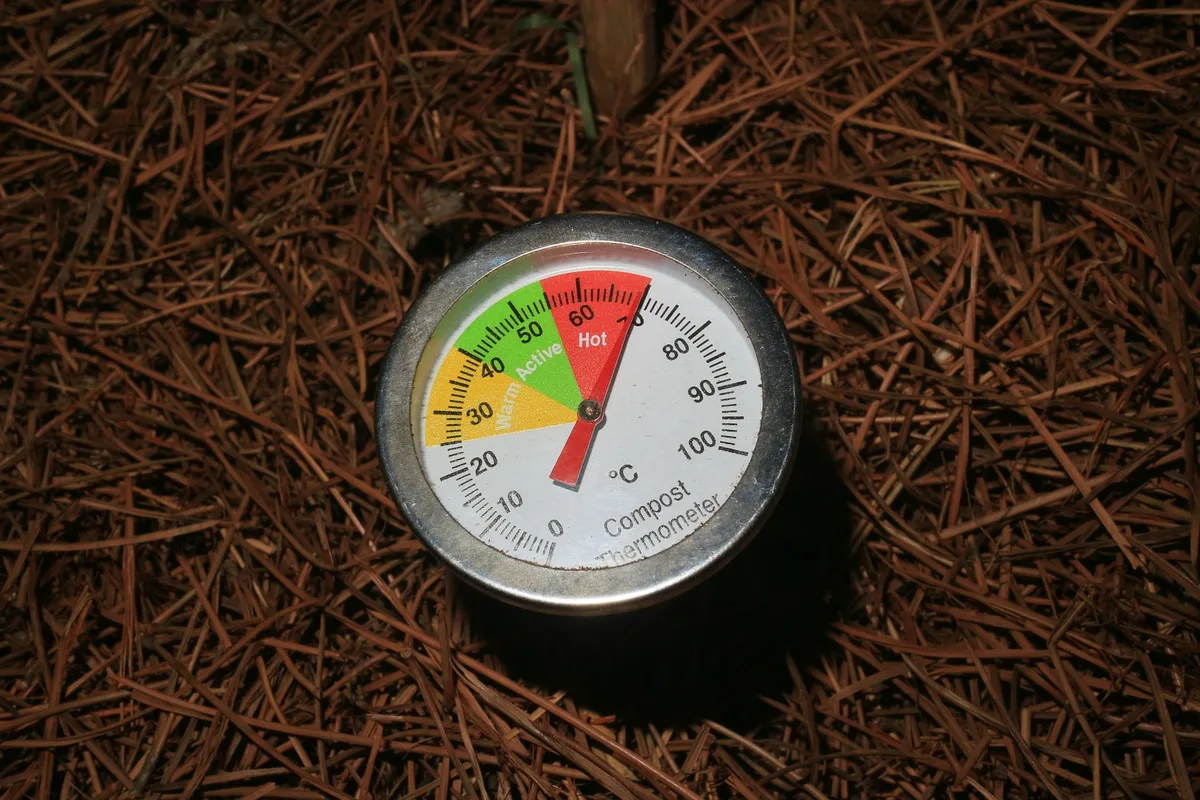
Here’s the core truth: your lawn’s needs change with soil temperature, not the date on the wall. A soil thermometer is a $10 tool that tells you more than any printed schedule ever could. We’ll get to that in a moment.
Step 1: Find Your Lawn’s Identity (Grass Type + Zone + Weather)
Before any monthly plan makes sense, you need to answer three simple questions. Write them down. They’ll be your compass for the whole year.
- What grass type covers your lawn? Cool-season or warm-season? (We’ll help you decide right below.)
- What’s your USDA hardiness zone? You can find yours on the official USDA map (https://planthardiness.ars.usda.gov/).
- What’s your average last spring frost date? This is the single most important date for your spring calendar.
Once you know those three things, you can plug into the right decision branch. Without them, you’re guessing. And guessing is why people buy a best fungicide for lawns in July when the real issue was a fungus that started in May from overwatering.
We’ll walk through each piece below.
Q1: Cool-Season or Warm-Season Grass?
This is the biggest branch in the decision tree. The answer determines almost every monthly task.
Cool-season grasses (Kentucky bluegrass, fescue, ryegrass) grow actively in spring and fall. They go semi-dormant in summer heat. Their peak growth happens when soil temps are 50, 65°F.
That means your busiest months are April, May, September, and October.
Warm-season grasses (Bermuda, Zoysia, St. Augustine, Centipede) grow actively in summer. They turn brown and sleep in winter.
Their peak growth happens when soil temps are 70, 90°F. Your busiest months are May through August.
If you don’t know which you have, look at your lawn in winter. If it stays green, it’s cool-season. If it turns brown and dormant, it’s warm-season.
This one observation will save you from making mistakes like aerating in the wrong month or applying nitrogen when the grass can’t use it.
Q2: What’s Your USDA Hardiness Zone & Last Frost Date?
Your hardiness zone tells you how cold it gets in winter. But for monthly planning, the last frost date is even more useful. That’s the date after which you can safely start spring work without losing young growth to frost.
Most extension offices publish a map or table for your county. For example, in Minneapolis the last spring frost is typically around May 10. In Atlanta, it’s around March 25.
That’s a 45-day difference. A calendar that says “apply pre-emergent in March” is correct for Atlanta but two months too early for Minneapolis.
Your last frost date is the trigger for:
- When to start mowing after winter
- When to apply pre-emergent herbicides (soil temp usually reaches 55°F about 2 weeks after last frost)
- When to overseed cool-season lawns (wait until fall for most northern zones)
Use NOAA climate data (https://www.weather.gov) or your local extension website to get the exact date. Write it in your phone calendar as a recurring reminder. Everything else builds from that anchor.
Q3: Is Your Soil Ready? (Test First, Guess Never)
Here’s the part most people skip: a soil test. It costs around $15 from your state university extension lab. It tells you your pH, nutrient levels, organic matter, and even lead contamination.
Without it, you’re fertilizing blind.
Why this matters for a monthly calendar? Because if your pH is too low (acidic), grass can’t absorb fertilizer no matter how much you apply. If your phosphorus is already high, adding more is a waste and can cause runoff.
As of 2026, many states now restrict phosphorus fertilizer unless a soil test shows a need. So testing first keeps you legal and saves money.
Here’s what to do:
- Collect a sample from 4, 6 random spots in your lawn, 4 inches deep. Mix them in a clean container.
- Send it to your extension lab in early spring or early fall. Those are the best times to amend.
- Read the results for pH (ideal range 6.0, 7.0), nitrogen (N), phosphorus (P), and potassium (K).
Once you know your numbers, you can choose the right best slow release fertilizer for flowers (or lawns) with confidence. A slow-release granular with a 30-0-4 ratio works well for most established lawns in spring.
Now you have your grass type, your frost date, and your soil test. The next step is to load those into the seasonal decision branches. But first, take a look at your local extension website, they often publish a tailored monthly calendar for your exact zone for free.
Spring Lawn Care Calendar (Decision Branch)
Spring is the season where most people make their biggest mistakes. The temptation is to rush out and fertilize the moment the snow melts. But the right move depends entirely on your grass type.
Cool-Season Spring To-Do List
If you have cool-season grass, spring is a transition period. The grass is waking up, but it’s still recovering from winter. Your main goal is to clean up and prepare, not to push heavy growth.
Here’s your decision workflow:
- Wait for the soil to reach 50°F before doing anything aggressive. Use your soil thermometer to check at 4 inches deep. Pulling weeds or raking while the ground is frozen damages the crowns.
- Rake lightly to remove dead grass and debris. Don’t scalp. A gentle once-over lets sunlight reach the crowns.
- Apply pre-emergent herbicide when soil hits 55°F. This stops crabgrass and other summer weeds before they start. If you plan to overseed in spring, skip the pre-emergent or use a product labeled safe for seeding.
- Hold off on nitrogen fertilizer until the grass is actively growing and you’ve mowed twice. Too much nitrogen too early feeds weeds and causes weak growth. Use a slow-release formula with a ratio around 30-0-4 once growth is steady.
- Mow at 3 to 4 inches tall. Keep the blade sharp. Cutting cool-season grass too short in spring exposes the soil and invites weeds.
One thing to watch: if you had disease issues last year, spring is the time to address them. A targeted best fungicide for lawns applied at the right temperature can prevent brown patch and dollar spot from returning.
Warm-Season Spring To-Do List
Warm-season grass is still dormant or just waking up in early spring. Do not rush it. Forcing growth too early leads to winterkill and thin turf.
Your decision branch:
- Wait until soil hits 65°F consistently. For most warm-season regions, that’s 4 to 6 weeks after the last frost date. Bermuda grass needs 65°F at 2 inches deep before it breaks dormancy.
- Rake out dead material once the ground is workable. This is called “scalping” in the south, but don’t cut into live crowns.
- Apply pre-emergent herbicide when soil reaches 55 to 60°F. In warm-season lawns, this is critical for controlling crabgrass, goosegrass, and sandbur.
- Fertilize with a balanced formula (like 15-5-10) after the grass is 50% green. Apply 1 pound of nitrogen per 1,000 square feet. Do this when the lawn has fully greened up, usually late April or May.
- Mow short for warm-season grass. Bermuda and Zoysia do best at 1 to 2 inches. St. Augustine stays around 2.5 to 3 inches.
A common mistake: aerating warm-season lawns in spring. Unless the soil is severely compacted, wait until late spring or early summer when the grass is growing hard.
Summer Lawn Care Calendar (Decision Branch)
Summer is about survival for cool-season grass and peak performance for warm-season grass. Your approach flips completely based on type.
Cool-Season Summer Survival Mode
Cool-season grass hates heat. When day temperatures hit 85°F and above, it slows way down. Your job is to keep it alive, not to push growth.
Your decision branch:
- Raise the mowing height to 4 inches. Taller blades shade the soil and hold moisture. Never cut off more than one-third of the blade at a time.
- Water deeply but rarely. Give the lawn 1 to 1.5 inches per week, including rain. Water in the early morning. Night watering invites fungus.
- Stop fertilizing. Do not apply nitrogen between June and September. If you must feed, use a low-nitrogen formula like 5-10-10 or just iron.
- Watch for disease. Brown patch and dollar spot show up in humid weather. If you see circular patches, check your watering habits first. Overwatering is the most common cause.
- Avoid heavy foot traffic. Dormant grass is fragile. Let kids and pets rotate their play areas.
Here’s a quick comparison table for summer watering:
| Grass type | Watering depth | Frequency | Best time |
|---|---|---|---|
| Cool-season | 1 to 1.5 inches/week | 1 to 2 deep soaks | 4 AM to 8 AM |
| Warm-season | 1 to 1.5 inches/week | 1 to 3 soakings | 4 AM to 8 AM |
Warm-Season Summer Peak Season
Warm-season grass loves summer. This is its prime growing window. You’ll mow more, water more, and fertilize more.
Your decision branch:
- Mow frequently. Bermuda and Zoysia may need cutting every 4 to 6 days. Keep them at 1 to 2 inches. St. Augustine stays higher at 2.5 to 3 inches. Never remove more than one-third of the blade.
- Fertilize monthly with a nitrogen-rich formula. Apply 0.5 to 1 pound of nitrogen per 1,000 square feet every 4 to 6 weeks. Use a product like 30-0-4 or 21-7-14.
- Water deeply. Warm-season grass develops deep roots with less frequent watering. Give it 1 to 1.5 inches per week. Let the top inch of soil dry between waterings.
- Manage thatch. Bermuda and Zoysia build thatch quickly in summer. If your thatch layer is over half an inch, consider a light dethatching in late June or July.
- Watch for chinch bugs and grubs. St. Augustine is especially vulnerable. If you see yellowing patches that don’t respond to water, check for insects.
Summer tip: apply a slow-release fertilizer so you don’t have to reapply every two weeks. It saves time and prevents nutrient runoff.
Fall Lawn Care Calendar (Decision Branch)
Fall is the most important season for cool-season grass. It’s also the wind-down for warm-season grass. These two branches couldn’t be more different.
Cool-Season Fall: The Most Important Season
For cool-season lawns, fall is a second spring. Soil temps between 50 and 65°F and cool air temperatures create perfect growing conditions. This is when you fix everything.
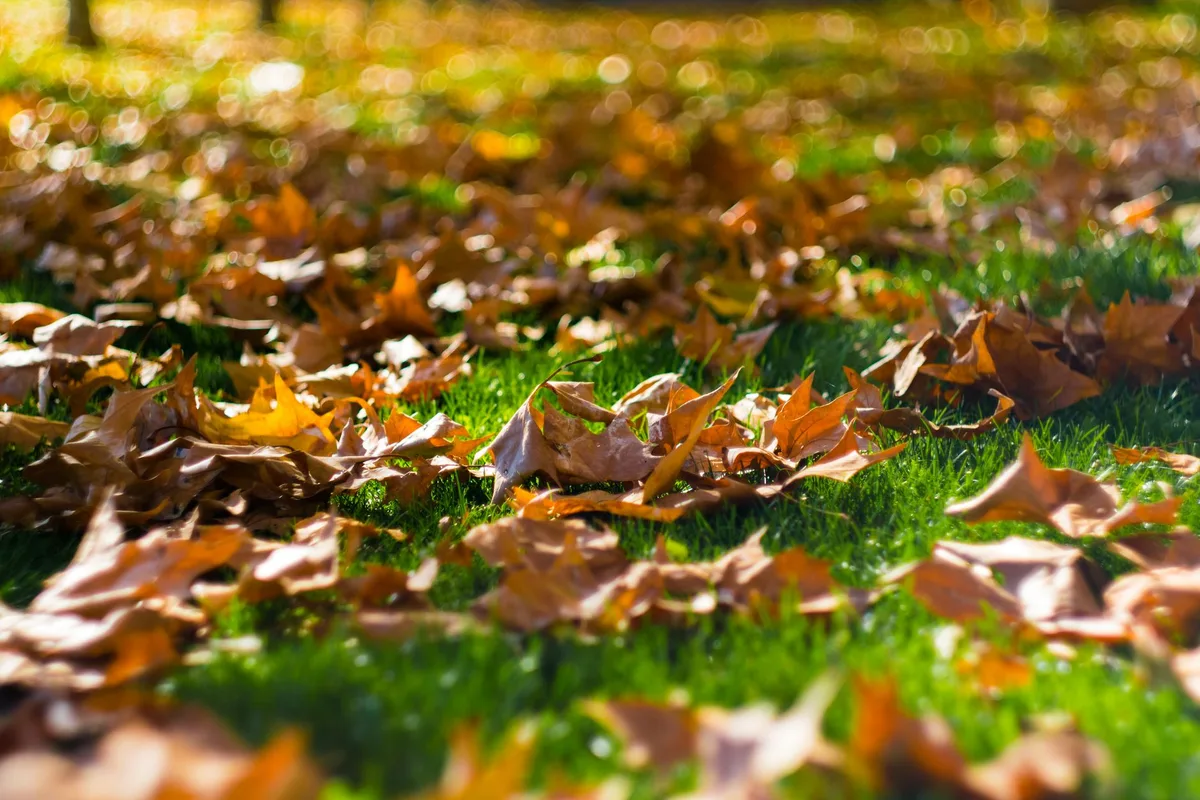
Your decision branch:
- Aerate in early fall. Core aeration relieves compaction and lets water and nutrients reach roots. For most lawns, September or early October is ideal.
- Overseed right after aeration. The holes give seed direct soil contact. Use a blend suited to your sun and shade conditions. Water lightly once or twice daily until seeds germinate.
- Fertilize with high potassium. Apply a winterizer formula like 15-5-10 or 24-0-12 in late October. Potassium strengthens roots for winter survival.
- Mow shorter gradually. Drop the height from 4 inches to 3 inches over several weeks. This prevents snow mold and matting.
- Rake leaves. A thick layer of leaves blocks sunlight and traps moisture. If you have lots of trees, use one of the best rakes for pine needles or a leaf blower to clear the surface.
Fall is also the best time to fix soil pH. If your spring test showed low pH, apply lime in late September. It takes months to work, so fall application gets it ready for spring root growth.
Warm-Season Fall: Wind-Down & Prep
Warm-season grass slows down in fall. Your goal is to help it go dormant cleanly, not to push growth.
Your decision branch:
- Stop fertilizing 6 weeks before first frost. Applying nitrogen late causes tender growth that winterkill will destroy. For most warm-season zones, that means stop by mid-September.
- Reduce mowing frequency. As growth slows, you might only mow every 10 to 14 days. Keep the height at the normal level for your grass type.
- Water less. Cooler weather means less evaporation. Let the lawn tell you when it needs water. Dormant grass uses almost nothing.
- Apply pre-emergent for winter weeds. October is the window for controlling annual bluegrass and henbit. Use a product labeled for fall application.
- Optional overseeding. If you want a green winter lawn, you can overseed with annual ryegrass in October. Note that this will compete with your warm-season grass in spring.
One more thing: don’t scalp warm-season grass in fall. Let it go into dormancy at its normal height. Scalping weakens the root system.
Winter Lawn Care Calendar (Decision Branch)
Winter is the quiet season for most lawns. But “quiet” doesn’t mean “ignore.” A little care now saves a lot of work in spring.
Cool-Season Winter Dormancy Care
Cool-season grass stays green through mild winters. In cold climates, it goes dormant and turns brown. Either way, leave it alone.
Your decision branch:
- Stop mowing. Once growth stops, put the mower away. A final cut at 3 inches is fine.
- Limit foot traffic. Dormant grass is brittle. Walking on frozen grass can break crowns. If you must walk on it, wait until the ground is thawed or covered in snow.
- Keep leaves and debris off. A thick layer of leaves over winter smothers the grass. Give the lawn a final cleanup before the first heavy snow.
- Avoid salt damage. If you use de-icing salt near walkways, switch to calcium chloride or sand. Salt runoff kills grass along edges.
- Check for snow mold. After snow melts in early spring, look for gray or pink patches. Light raking and airflow usually fix it.
Warm-Season Winter: Light Touch or None
Warm-season grass is fully dormant in winter. It’s brown, dry, and needs almost nothing.
Your decision branch:
- Do not fertilize. Zero nitrogen from November through February.
- Do not water. Dormant grass needs less than half an inch per month from rain.
- Limit traffic. The brown blades are brittle. Heavy foot traffic can damage crowns. If you overseeded with ryegrass, it will handle traffic fine.
- Plan for spring. Winter is a good time to service your mower, sharpen blades, and order soil test kits. Get ready for the busy season ahead.
Winter exception: if you live in a warm climate like Florida or Texas, your lawn might stay slightly green. In that case, you might mow once or twice over winter. Keep the height at 3 inches and don’t fertilize.
Common Calendar Mistakes That Ruin Your Lawn
Even with a decision tree, people make the same errors year after year. Here are the most common ones we see in our research:
- Fertilizing too early in spring. This is the number one mistake. Nitrogen before the grass is actively growing feeds weeds and weakens roots. Wait for two mowings before your first application.
- Watering on a timer without adjusting for rain. A fixed sprinkler schedule wastes water and causes disease. Use a rain sensor or check the weather before watering.
- Mowing too short. Scalping is tempting because it buys you a week between cuts. But short grass has shallow roots and goes brown fast. Mow at the recommended height for your grass type.
- Ignoring soil temperature. A calendar date is a guess. Soil temperature is the truth. A $10 thermometer pays for itself in the first season.
- Aerating at the wrong time. Aerating cool-season grass in summer stresses it. Aerating warm-season grass in spring interrupts dormancy break. Aerate in fall for cool-season and late spring for warm-season.
- Forgetting pre-emergent in fall. Many people only apply pre-emergent in spring. Fall applications stop winter weeds and early spring crabgrass.
- Overfertilizing warm-season grass in late summer. Pushing nitrogen in August on Bermuda can lead to thatch buildup and disease. Follow the seasonal stop dates.
If you avoid these seven mistakes, your lawn will be healthier with less work. And if you ever need help with a specific problem like fungus or a stubborn weed patch, check our guide on best slow release fertilizer for flowers for the right product choices.
Bonus: Monthly Quick-Reference Decision Guide
Here is a stripped-down monthly guide based on your grass type. Use it as a cheat sheet.
| Month | Cool-Season Action | Warm-Season Action |
|---|---|---|
| March | Rake, apply pre-emergent at 55°F soil temp | Wait. Do nothing until soil hits 65°F |
| April | Light fertilizer after 2 mowings | Scalp, apply pre-emergent |
| May | Mow at 3.5 inches, water deeply | Fertilize, mow at 1.5 inches |
| June | Raise mower to 4 inches, stop nitrogen | Fertilize monthly, watch for chinch bugs |
| July | Water only, no fertilizer | Keep mowing, water deeply |
| August | Seed bare spots, prep for fall | Last nitrogen application early month |
| September | Aerate, overseed, fertilize | Stop fertilizing, reduce water |
| October | Fertilize with winterizer, rake leaves | Apply winter weed pre-emergent |
| November | Final mow at 3 inches | Final mow, blow off leaves |
| December | Leave alone, avoid foot traffic | Leave alone, service mower |
| January | Plan spring projects | Order soil test kit |
| February | Order seed and fertilizer | Wait for warmth |
This table is a quick reference only. Always adjust based on your local weather and soil conditions. If you need a deeper dive on spring prep, check our guide on best grow light for seedlings for starting garden plants at the same time.
Frequently Asked Questions
When should I start mowing in spring?
Start mowing when your grass is actively growing and has reached at least 3 inches tall. For cool-season grass, that is usually 2 to 3 weeks after the last frost. For warm-season grass, wait until it is at least 50% green.
Can I use the same calendar every year?
Not exactly. Your calendar should shift based on weather patterns. A warm spring means you start tasks earlier.
A cold spring means you wait. Use soil temperature as your trigger, not the calendar date.
Do I really need to test my soil every year?
Every two to three years is enough for an established lawn. Test in early spring or fall. The $15 investment saves you from buying fertilizer you do not need.
It also helps you choose the right lawn care products.
What is the biggest lawn care mistake in fall?
Skipping aeration and overseeding for cool-season grass. Fall is the best time to fix thin lawns. For warm-season grass, the biggest mistake is fertilizing too late and causing winterkill.
How do I know if I have cool-season or warm-season grass?
Look at your lawn in winter. If it stays green, you have cool-season grass. If it turns brown and goes dormant, you have warm-season grass.
You can also check with your local extension office for confirmation.