How to Fix Lawn Fungus 2026
If you notice brown patches spreading across your lawn, you’re likely dealing with a fungal disease. Knowing How to fix lawn fungus starts with identifying the exact problem and matching the right cure. In our research, most homeowners misdiagnose the issue, which leads to wasted effort and damaged grass.
In 2026, EPA guidelines list re‑entry intervals of 24 to 48 hours after applying chlorothalonil‑based fungicides. Soil pH between 6.0 and 7.0 gives you a healthy foundation for treatment. The next step is to pinpoint the fungus and choose the proper response.
Quick Answer
How to fix lawn fungus starts with diagnosis, proper lawn care, fungicide application, and ongoing cultural controls. Identify brown patch, dollar spot, summer patch, or Pythium blight early. Adjust mowing height, watering, and soil pH to discourage growth.
Apply EPA‑registered fungicide at the labeled rate, use proper PPE, and wait 24‑48 hours before re‑entering. Follow up with aeration, dethatching, and balanced fertilization. Monitor for 5‑14 days and repeat if needed.
Identify the fungus and damage
Start with a visual survey of the lawn. Look for circular brown patches that may have a dark margin or a white cottony growth.
- Brown patch (Rhizoctonia solani), irregular spots, often in cool evenings, can develop a straw‑colored rim.
- Dollar spot (Sclerotinia homeocarpa), tiny silver spots that enlarge to about a dollar size, often with a reddish tinge.
- Summer patch (Magnus colobiformis), larger, straw‑colored patches that appear in hot, humid conditions.
- Pythium blight (Pythium spp.), water‑soaked lesions that turn tan, usually in excessively moist lawns.
Accurate IDs help you choose the correct control method and avoid unnecessary chemicals.
Assess lawn type, soil pH, and climate conditions
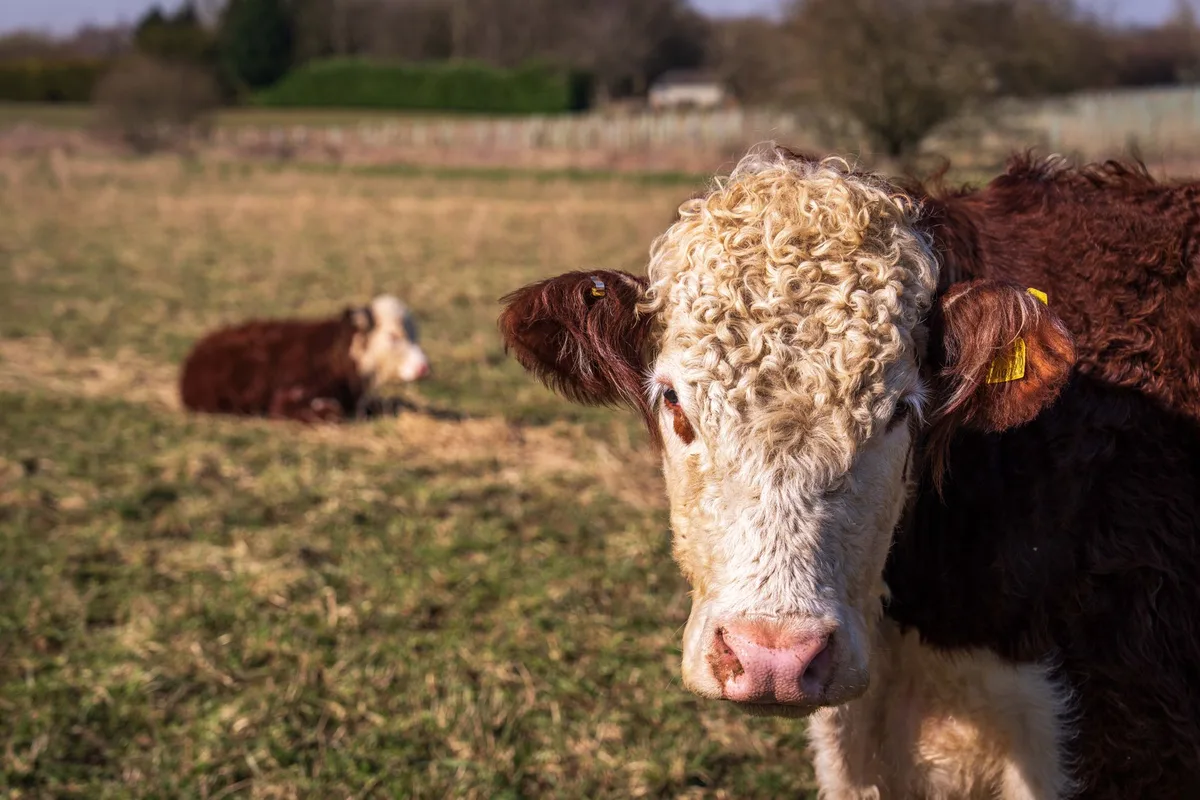
Grass species respond differently to stress. Kentucky bluegrass and tall fescue need cooler temps, while zoysia tolerates heat. Soil pH is a key factor.
| Parameter | Typical Range | Why It Matters |
|---|---|---|
| Soil pH | 6.0‑7.0 | Optimizes nutrient uptake and disease resistance |
| Air Temp | 50‑85°F | Most fungi thrive when temps stay within this window |
| Relative Humidity | >80 % | Keeps leaf surfaces wet long enough for spores to germinate |
| Leaf wetness duration | 12‑24 h | Extended moisture increases infection risk |
Checking these values with a simple home test kit lets you adjust watering or amendment programs before applying any treatment.
Choose the right treatment (cultural vs chemical)
Decision steps follow an if/then logic.
- If the patch size is under 10 sq ft and the grass is cool‑season then improve cultural practices: raise mowing height to 3‑4 in, water early in the morning, and avoid overhead sprinklers.
- If the damage exceeds 10 sq ft or the grass is warm‑season then move to chemical control: apply a labeled fungicide.
- If the lawn shows recurring spots each year then consider a preventive program using a low‑rate chlorothalonil or propiconazole product applied in early spring and again in fall.
Cultural controls are always the first line. Fungicides are reserved for severe or persistent cases.
Apply fungicide safely (product, rate, equipment)
Follow the label exactly. Mix the product at the rate recommended by the manufacturer, typically 1‑2 lb AI per 1,000 sq ft. Calibrate a sprayer to deliver uniform droplets; a coarse spray reduces drift.
- Equipment, Use a backpack sprayer or a hose‑end sprayer calibrated for fine mist.
- Personal protective equipment, Wear nitrile gloves, safety goggles, and a NIOSH‑approved respirator when mixing.
- Timing, Apply on a calm day, at least 6 h before predicted rain, to avoid wash‑off.
- Re‑entry, EPA guidelines require a 24‑48 hour wait before people or pets return.
For detailed product recommendations, see the guide on best fungicide for lawns. Always refer to the official label, which is legally binding under EPA pesticide guidelines.
Follow up with cultural controls (aeration, dethatching, mowing)
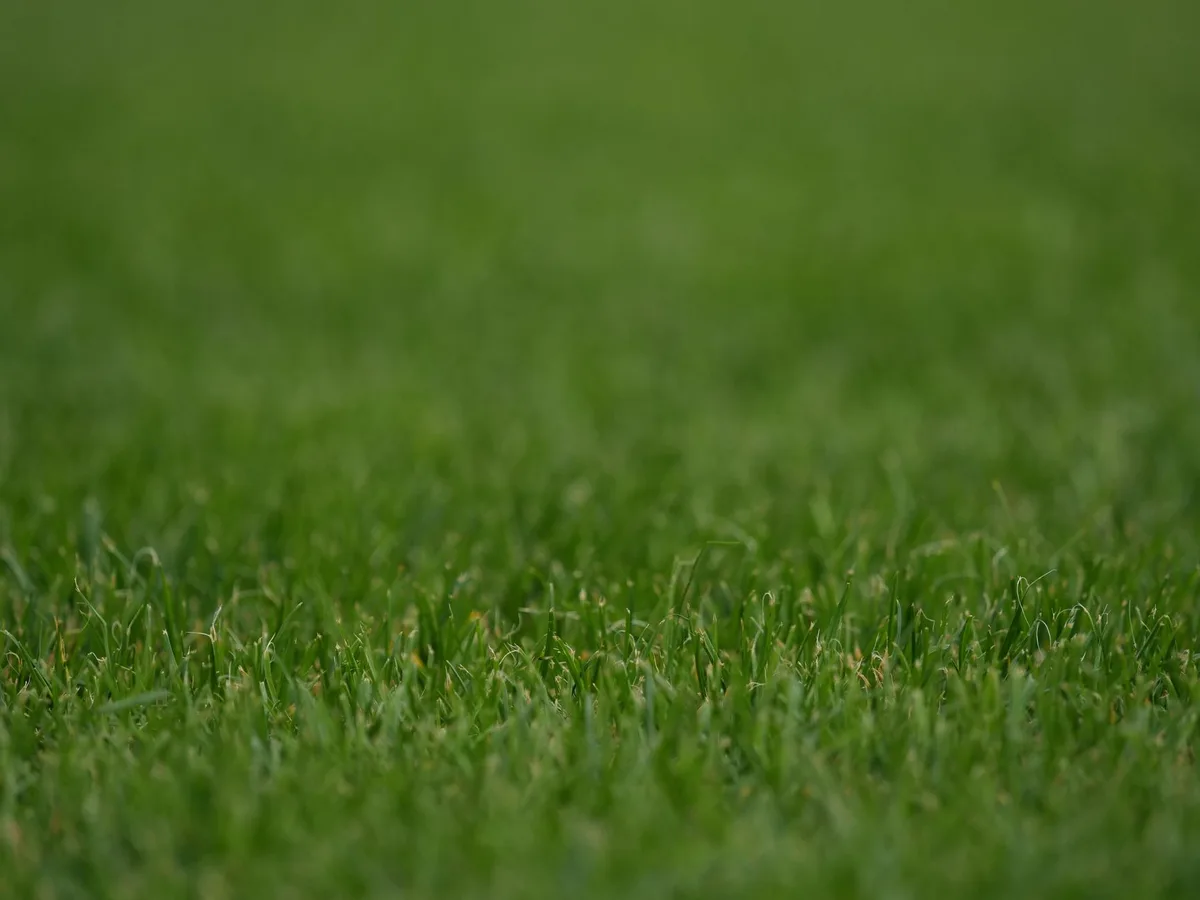
After the chemical step, the lawn needs a recovery program. Core aeration every spring removes soil compaction and improves water movement. Dethatching in early fall eliminates excess thatch that can harbor spores.
- Mowing, Keep blade height at 3‑4 in for cool‑season grasses, 2‑3 in for warm‑season types. Never cut more than one‑third of the blade length.
- Irrigation, Water deeply but infrequently; aim for 1‑1.5 in per week, applied early to promote quick drying.
- Fertilization, Apply a slow‑release fertilizer at 0.5‑1 lb N per 1,000 sq ft using a broadcast spreader. This supports vigorous growth and reduces disease pressure.
Effective cultural care builds a resilient turf that resists future fungus outbreaks.
Frequently Asked Questions
What are the signs of lawn fungus?
Look for circular brown patches, yellow halos, white cottony growth, or water‑soaked lesions. Early detection prevents spread.
How quickly does a fungicide work?
Most products show visible improvement within 5‑14 days after proper application.
Can I use organic treatments?
Yes, milk sprays, neem oil, and potassium bicarbonate can help mild cases. Apply at the first sign and repeat weekly as needed.
When should I call a professional?
If patches exceed 100 sq ft, if the lawn is a high‑value golf course, or if home treatments fail after three applications, consider hiring a licensed turf manager.
How do I prevent future fungus?
Maintain proper mowing height, avoid over‑watering, keep soil pH balanced, and conduct annual aeration and dethatching.
Monitor progress and adjust
Track the lawn weekly after treatment. Use a ruler to measure patch size; a 10 % reduction in area within 7‑14 days signals the fungus is retreating. Record temperature and rain events in a simple log; prolonged leaf wetness can stall recovery.
If new spots appear after the first spray, schedule a second application at the label’s minimum interval, typically 10‑14 days later. Adjust watering to keep the top inch of soil moist but not waterlogged; excess moisture invites Pythium blight.
Common mistakes to avoid
Over‑watering is the most frequent error. Homeowners often water daily, creating a perfect environment for fungal spores. Aim for deep, infrequent irrigation; 1‑1.5 in per week split into two morning sessions keeps the surface dry.
Misidentification leads to wasted chemicals. Dollar spot looks like drought stress, but treating it with a broad‑leaf fungicide is ineffective. Verify symptoms against field guides before mixing anything.
Skipping re‑entry intervals puts families at risk. Manufacturer specs require 24‑48 hours before children or pets return. Ignoring this rule can cause skin irritation from chlorothalonil exposure.
Who should use each approach
Homeowners with small lawns (½‑acre or less) benefit most from cultural controls and spot treatments. Simple aeration and proper mowing height often stop early infestations without chemicals.
HOA managers overseeing multiple acres need a preventive program. Scheduled fungicide applications every 30 days reduce disease pressure across shared spaces.
Professional landscapers handling high‑value golf courses adopt a full IPM strategy. They combine soil‑pH adjustments, biological controls, and calibrated sprays to meet strict aesthetic standards.
Expert tips and pro advice
Timing matters. Apply fungicide when daytime temperatures stay between 60‑75 °F; cooler weather slows uptake, warmer weather can cause leaf burn.
Resistance management suggests rotating active ingredients. Use chlorothalonil one season, switch to propiconazole the next, to keep fungi from adapting.
Feeding the lawn correctly supports recovery. A balanced 20‑10‑5 fertilizer applied in early fall supplies nitrogen without encouraging excess growth that attracts pathogens.
Check soil moisture before each spray. If the grass remains wet from recent rain, delay application; droplets will bead and run off, wasting product.
Safety, legal, and compliance
Read the EPA label before mixing. The label is the legal document; it lists required PPE, buffer zones, and restricted entry intervals.
Buffer zones near water sources are mandatory. Keep applicators at least 10 ft from streams, ponds, or wells to prevent runoff.
State pesticide licensing may be required for commercial applicators. Verify local department of agriculture guidelines before offering services to clients.
Document all applications. Record dates, product names, rates, and weather. This log protects you if a neighbor questions the treatment and helps track resistance trends.
If symptoms persist after two properly timed treatments, consult a certified agronomist. They can perform soil analysis and recommend targeted interventions, avoiding unnecessary chemical use.
Frequently Asked Questions
How soon will I see results after applying fungicide?
Most lawns show improvement within 5‑14 days after correct application.
Can I use organic remedies for severe infestations?
Organic options work best for early, mild cases. Severe patches often need EPA‑registered chemicals.
Is it safe to mow right after treatment?
Wait at least 12‑24 hours. Mowing too soon can spread spores and reduce absorption.
How often should I aerate to prevent fungus?
Annual core aeration in spring is sufficient for most cool‑season lawns. Warm‑season grasses may need bi‑yearly treatment.
What if the fungus returns next year?
Review cultural practices. Over‑watering, low mowing, and thin turf invite recurring problems. Adjust each factor and consider a preventive spray program.
When should I hire a professional?
If patches exceed 100 sq ft, if you have a high‑value turf area, or if DIY treatments fail after three attempts, a licensed lawn care specialist provides targeted solutions.
Long‑term maintenance for fungus‑free turf (fertilizer, drainage)
Keeping the lawn fungus under control after treatment requires consistent cultural care. Proper drainage prevents the leaf wetness that fuels fungal spores; slope grading or French drains can redirect water away from problem zones. For most cool‑season grasses, apply a balanced 20‑10‑5 fertilizer at 1 lb N per 1,000 sq ft in early fall and again in late spring, following the label rates.
Topdressing with a thin layer of sand‑ loam mix (about ¼‑inch thick) smooths surface irregularities and improves moisture movement. Overseeding thin patches in early September introduces fresh, disease‑resistant turf. Remember to keep mowing height at 3‑4 in for Kentucky bluegrass; shorter blades stress the grass and invite fungi.
Regular soil‑pH testing keeps the root zone in the optimal 6.0‑7.0 range. If the pH drifts, incorporate lime to raise it or sulfur to lower it, following the recommended rates on the test kit. Consistent pH supports strong root development, which naturally resists pathogen invasion.
A simple maintenance log helps track watering schedules, fertilization dates, and any fungicide applications. Writing down the date, product, and rate creates a timeline that highlights trends. If a particular section shows repeated brown patches, adjust irrigation to reduce leaf wetness duration to under 12 hours.
The combination of good drainage, balanced feeding, and vigilant monitoring builds a lawn that resists fungus pressure year after year.
Costs, pricing, and specs (product cost, labor estimates)
Understanding the financial side of lawn fungus treatment helps homeowners budget correctly. The following table summarizes typical out‑of‑pocket expenses for a 2‑acre residential property.
| Item | Typical Cost Range | What It Covers |
|---|---|---|
| Fungicide (chlorothalonil or propiconazole) | $30‑$80 per gallon | 1‑2 treatments for 2 acres |
| Fungicide (granular) | $45‑$120 per 25‑lb bag | Slow‑release coverage, 3‑4 months |
| Backpack sprayer rental | $25‑$45 per day | Professional spray rigs |
| Core aeration service | $150‑$300 per acre | Soil compaction removal |
| dethatching service | $120‑$250 per acre | Thatch layer reduction |
| Professional lawn care (full program) | $500‑$1,200 per season | Preventive sprays, fertilization, monitoring |
| DIY soil‑test kit | $15‑$30 | pH, nutrient levels |
If you choose a DIY route, material costs generally fall under $200 for a typical lawn, but labor is still needed for equipment rental and application. Hiring a licensed turf manager typically adds $0.20‑$0.35 per square foot for a full preventive program.
Budgeting for follow‑up is essential. Fungal pressure often requires a second application 10‑14 days after the first, especially if rain washes the product off. Some homeowners overlook the re‑entry interval, which is legally required at 24‑48 hours after spraying.
For detailed pricing on specific products, the guide on best fungicide for lawns compares active ingredients and cost per application. It also lists which formulas are best for the humid Southeast versus the arid Southwest.
Finally, factor in the cost of preventative cultural practices. Aeration every spring, overseeding each fall, and regular fertilization can reduce future disease outbreaks by up to 40 %, making the upfront investment worthwhile.
Frequently Asked Questions
How often should I re‑apply fungicide after the first treatment?
Most labels require a second spray 10‑14 days later, but always follow the specific product’s interval. If heavy rain occurs within 48 hours of application, plan an early re‑spray to maintain control.
Can I treat my lawn during the rainy season?
Yes, but timing is critical. Apply fungicide on a dry day with a forecast of at least 6 hours of clear weather. Rain within 24 hours can wash the product away, reducing effectiveness.
What are the signs of over‑fertilization?
Look for burnt grass edges, excessive soft growth, and a thin, yellowish lawn. Over‑fertilization creates a lush environment that attracts fungal pathogens.
How do I know if my lawn needs aeration?
If water pools on the surface after irrigation, or if foot traffic leaves compacted patches, aeration is needed. A simple soil probe test showing compacted layers under 4‑inches also indicates the need.
When is the best time to start a preventive program?
Begin preventive sprays in early spring when daytime temperatures reach 50‑60 °F. This timing aligns with fungal spore emergence and gives the lawn a head start before disease pressure peaks.
What should I do if the fungus returns after treatment?
Assess the lawn again for misidentification. Verify soil moisture, mowing height, and thatch depth. If the problem persists, consider a different active ingredient or a professional soil analysis.
Is it safe to use organic treatments on a large lawn?
Organic options like neem oil or milk sprays work well for small, isolated patches. For extensive areas, the cost and labor increase significantly, making EPA‑registered chemicals more practical.
How do I choose between DIY and professional services?
If your lawn size is under ½ acre and you have basic equipment, DIY is cost‑effective. For larger properties or high‑value turf like golf courses, a licensed turf manager offers expertise and liability coverage.
When should I hire a professional?
Hire a professional if patches exceed 100 sq ft, if you’ve tried two proper treatments without success, or if you need compliance with local pesticide regulations.
Final Recommendation / Verdict / Decision Guide
Use this flowchart as a quick reference. If the identified fungus is limited to a few patches under 10 sq ft, start with cultural controls: raise mowing height, improve drainage, and apply a balanced fertilizer. If damage spreads beyond 10 sq ft, move to chemical control: select an EPA‑registered fungicide, follow label rates, and schedule a second application if needed.
For large or recurring infestations, engage a licensed turf specialist who can combine preventive sprays, soil amendments, and regular monitoring.
The decision hinges on three factors: severity, budget, and time. Small, isolated problems fit the DIY path, which costs roughly $150‑$200 in supplies. Medium‑size lawns benefit from a mixed approach, averaging $400‑$600 total.
Extensive or high‑value turf lands best with professional programs that start around $1,000 per season.
Regardless of the route, always wear gloves, goggles, and a respirator when mixing chemicals, and never exceed the label’s re‑entry interval. Consistency in watering, mowing, and feeding reinforces the treatment’s success.
By following this structured workflow, you’ll treat the immediate fungus outbreak and set up a resilient lawn that resists future disease pressure.